Overview
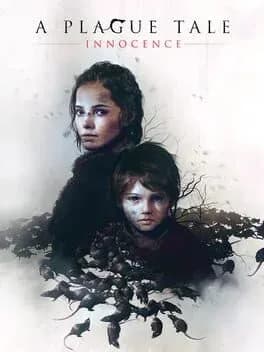
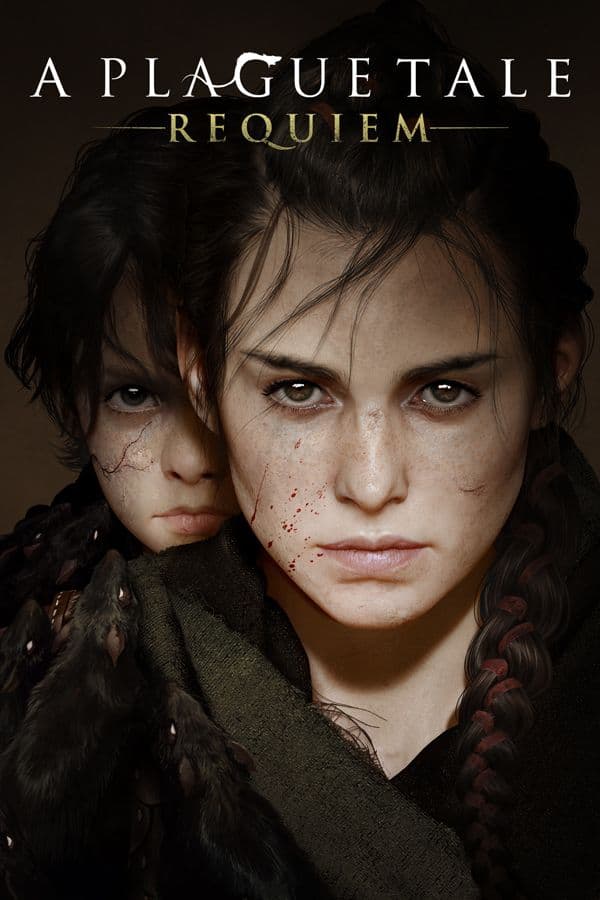
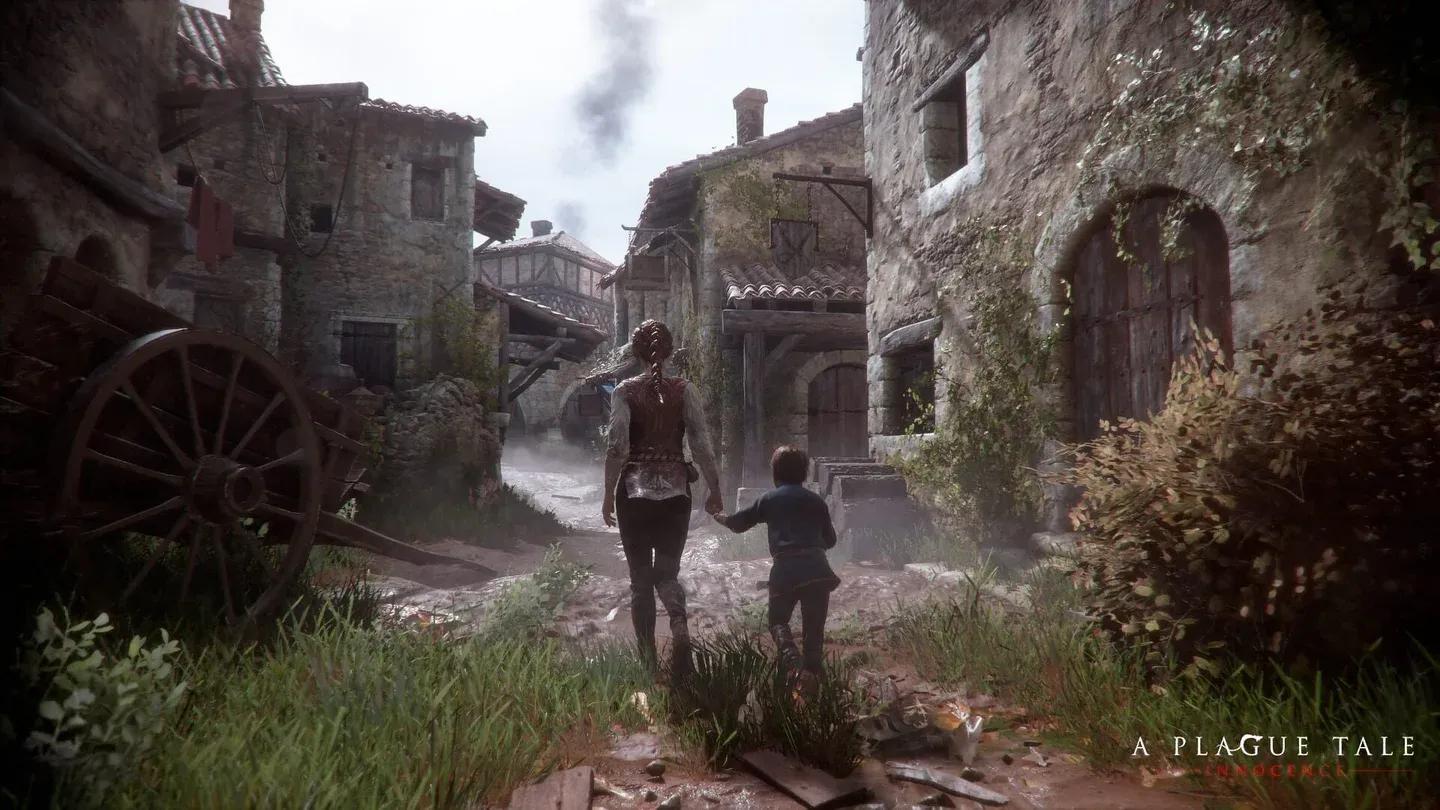
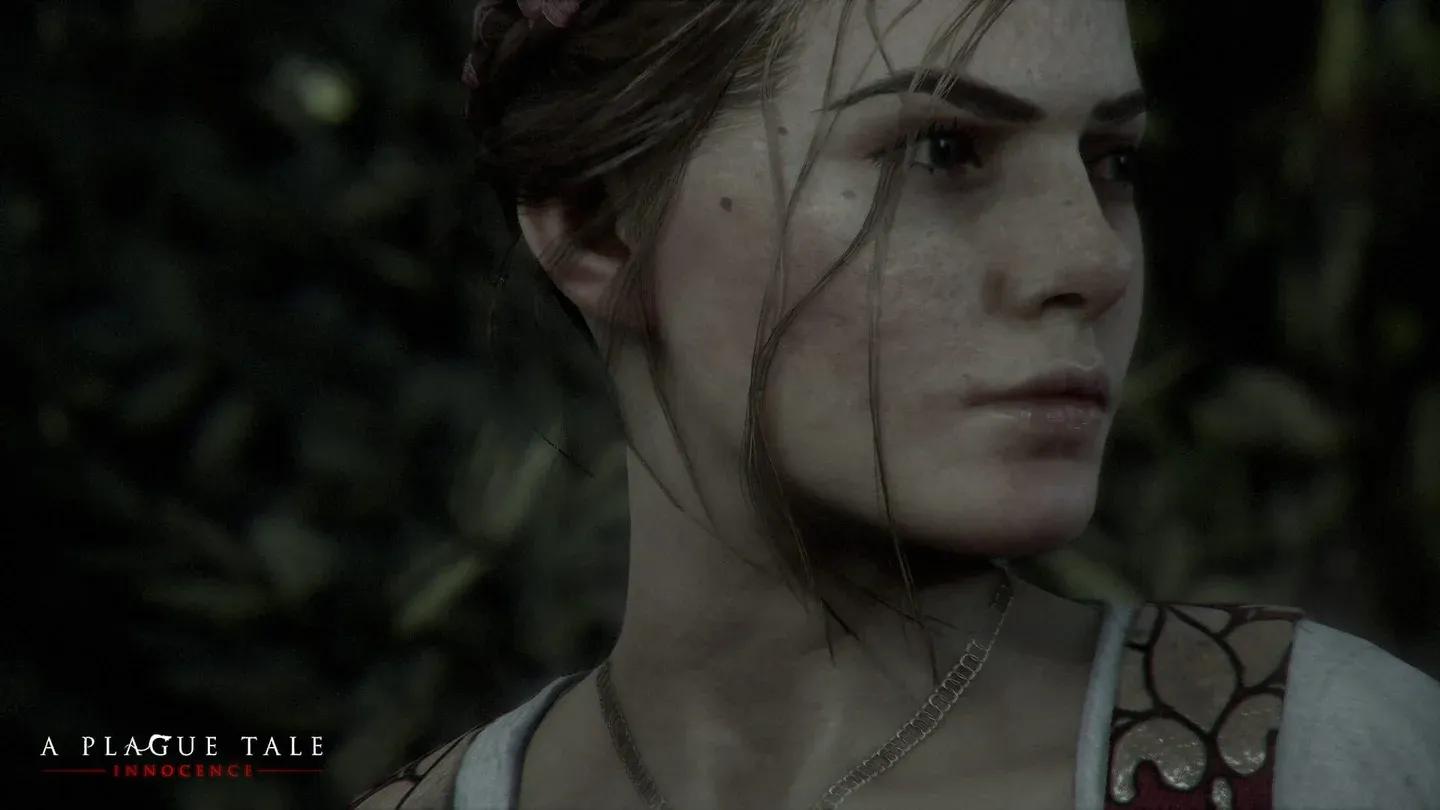
A Plague Tale: Innocence places you in the worn shoes of Amicia de Rune, a young noble forced to become a protector overnight. When the Inquisition descends on her family's estate and a mysterious illness grips her younger brother Hugo, Amicia must flee into a France that has been hollowed out by war, religious persecution, and the relentless spread of the Black Death. Asobo Studio constructs a world that feels genuinely hostile at every turn, where safety is never guaranteed and every shadow hides a new threat.
The narrative foundation of A Plague Tale: Innocence is the relationship between Amicia and Hugo, two characters who begin as near-strangers despite sharing blood. Hugo has spent years isolated due to his illness, and Amicia barely knows him. Watching that distance close across 17 chapters, under conditions of extreme danger, gives the story a raw authenticity that many games with far larger budgets fail to achieve. Their dialogue, their moments of fear, and their small victories carry genuine weight.
Gameplay and Mechanics: How Does A Plague Tale: Innocence Actually Play?
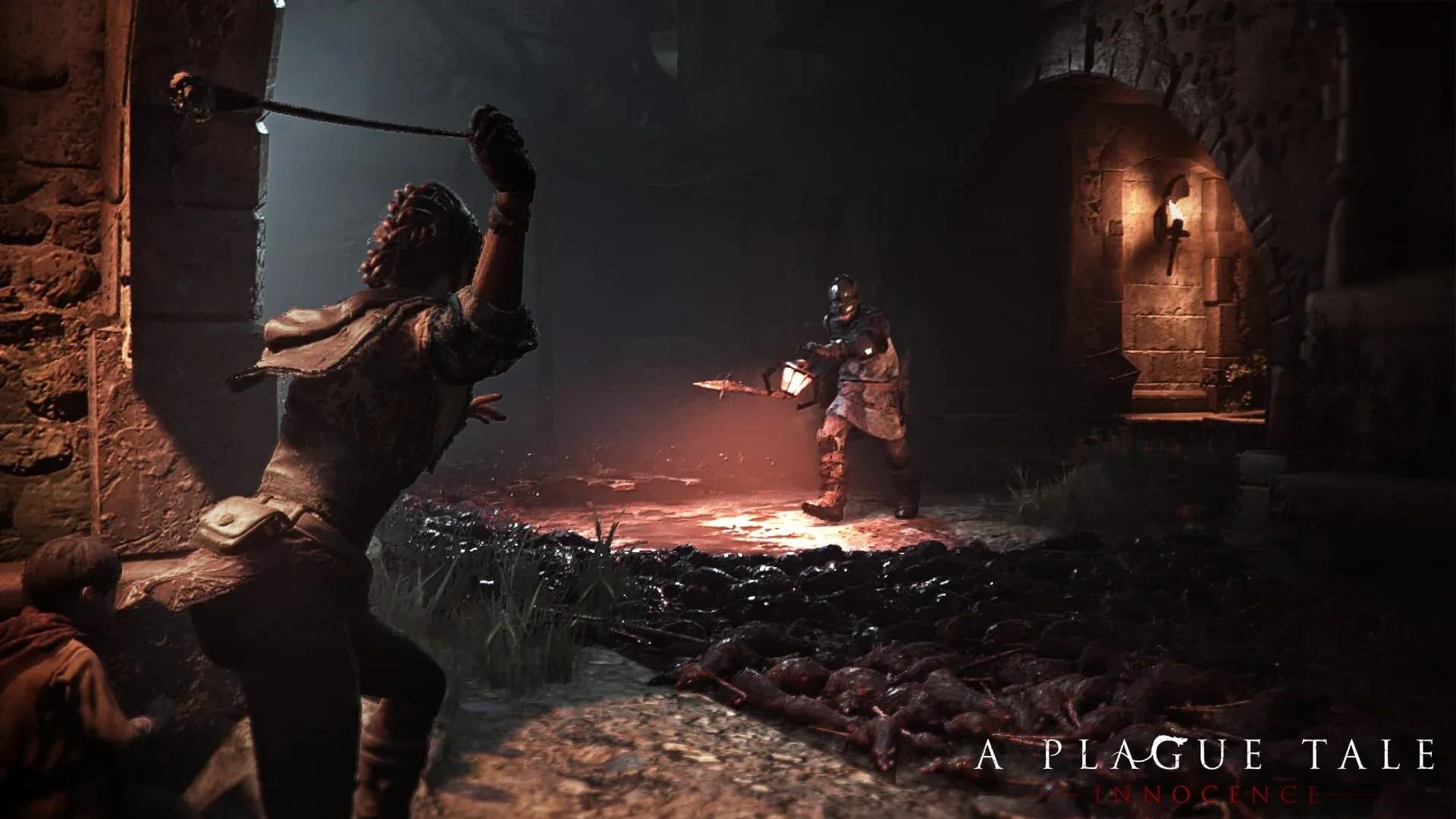
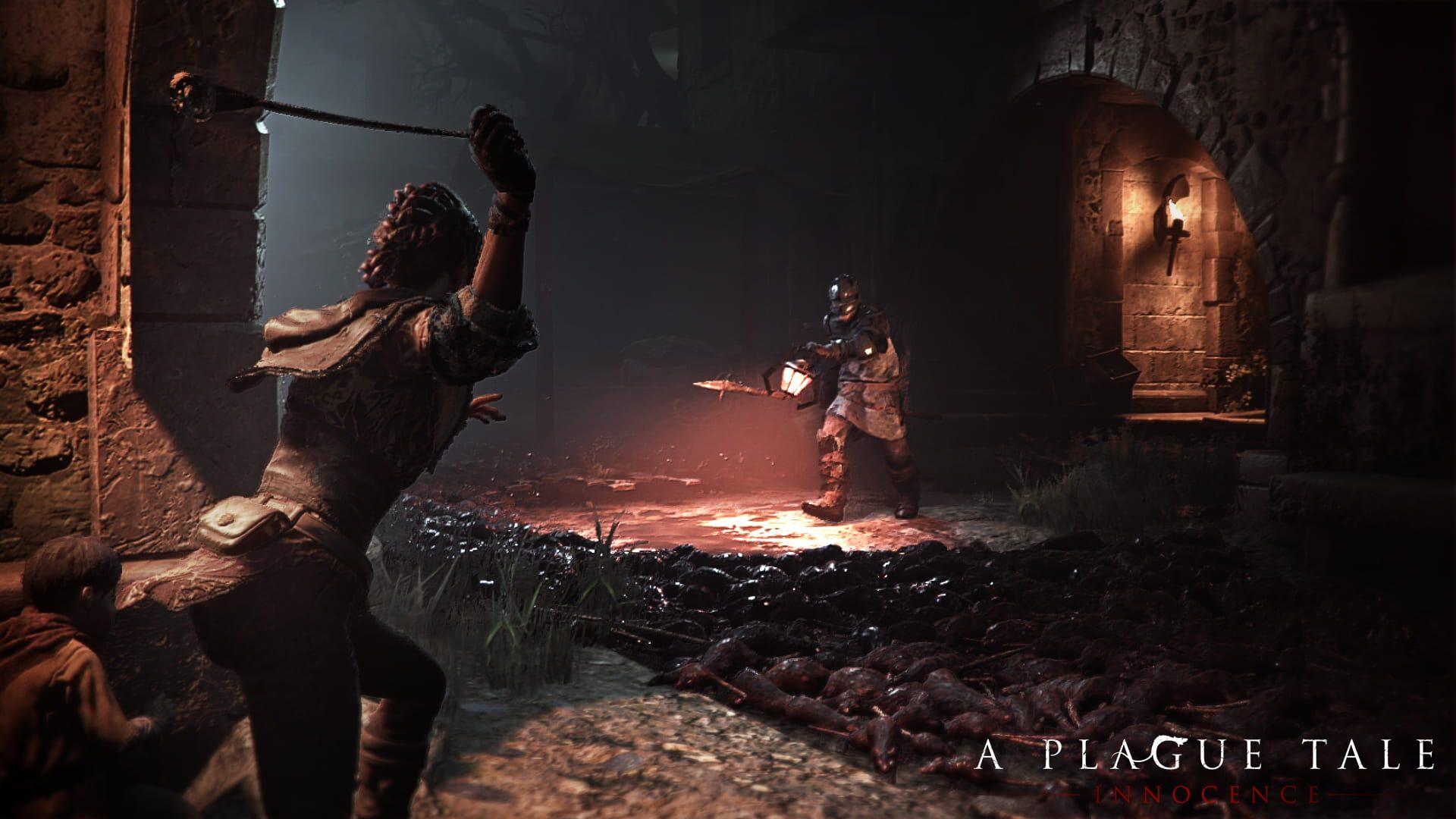
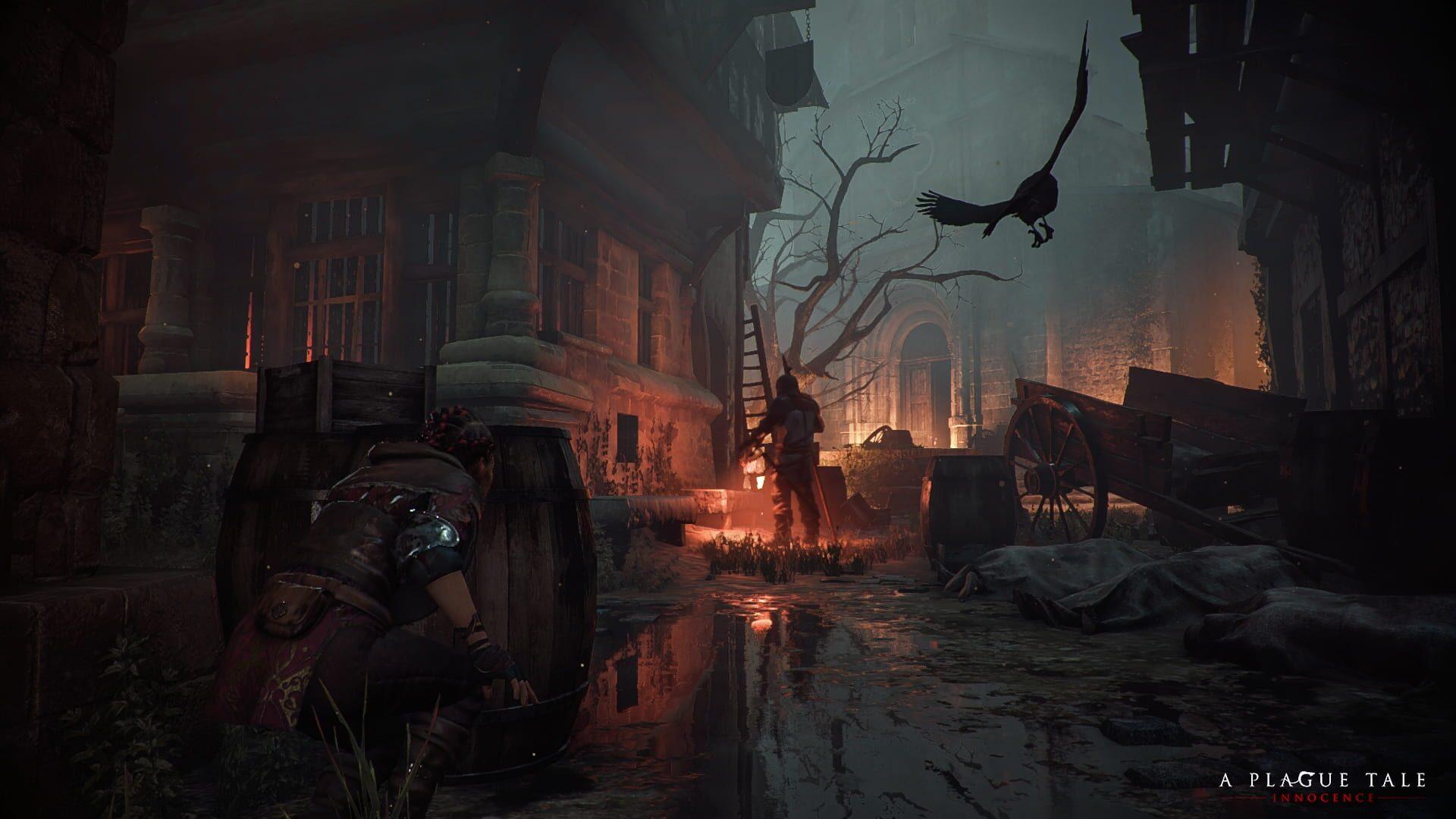
A Plague Tale: Innocence is a third-person stealth-adventure built around resource management, environmental puzzles, and the terrifying behavior of rat swarms. Amicia carries a sling as her primary tool, used both to distract enemies and, when absolutely necessary, to eliminate them. Combat is intentionally limited, reinforcing the sense that Amicia is a survivor rather than a warrior.
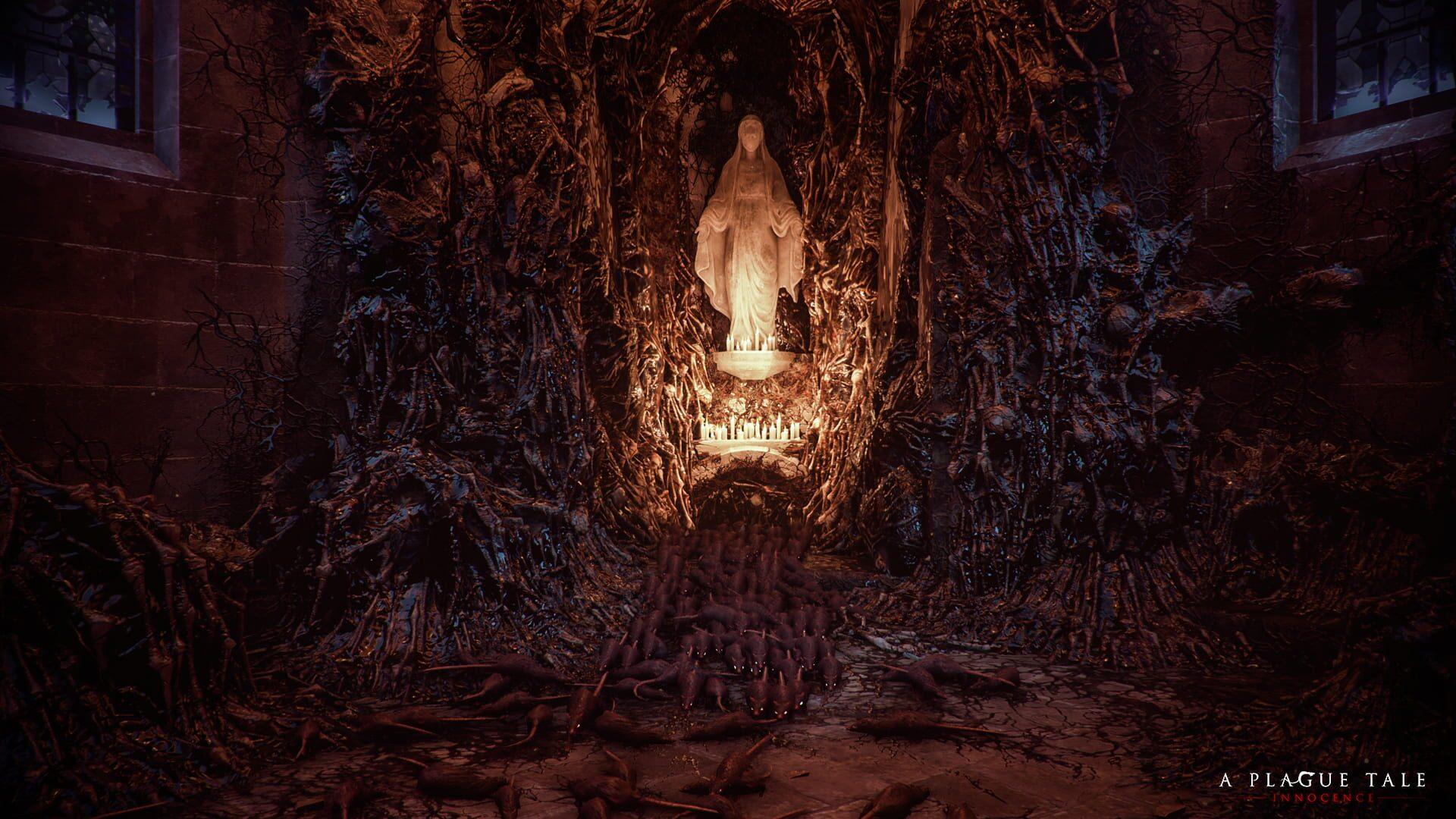
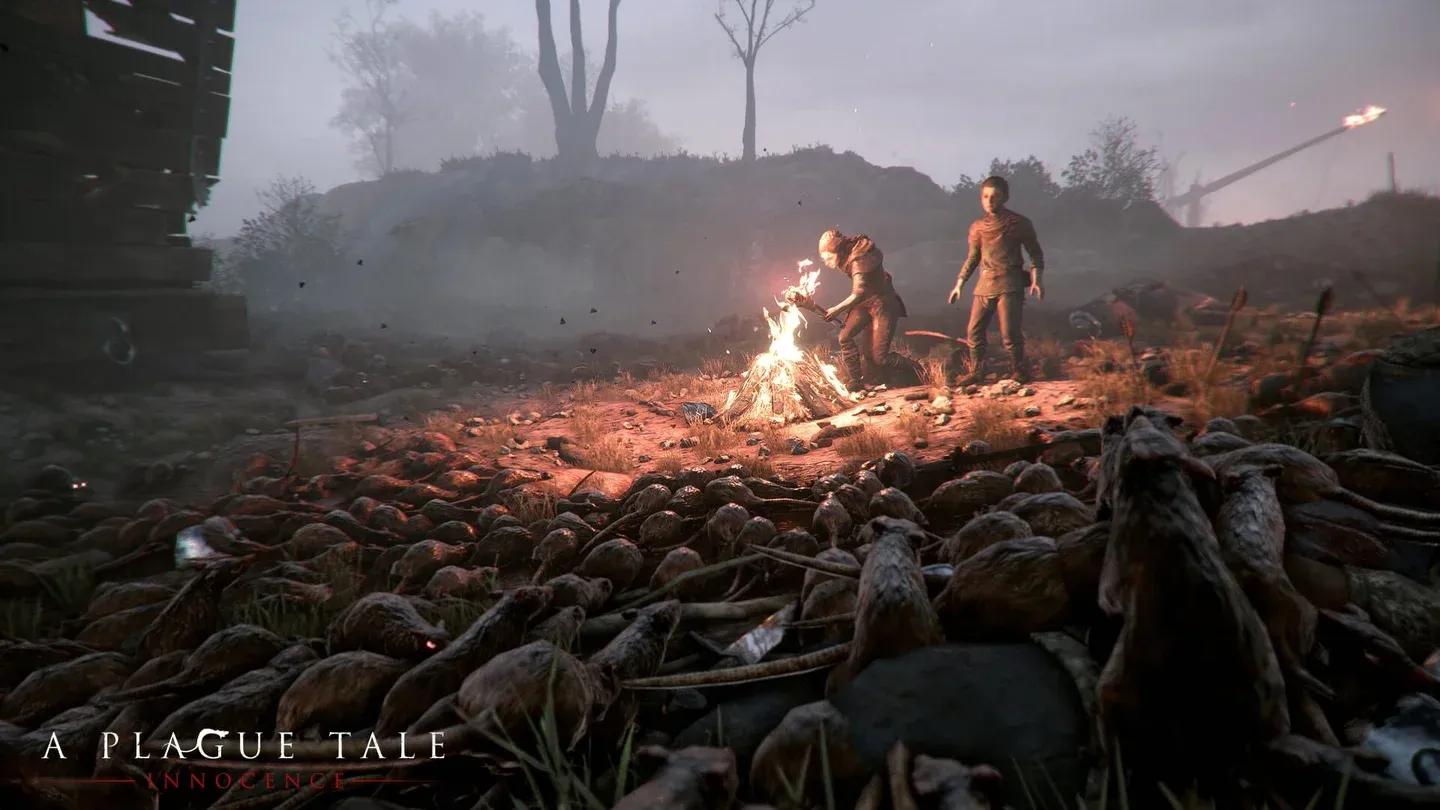
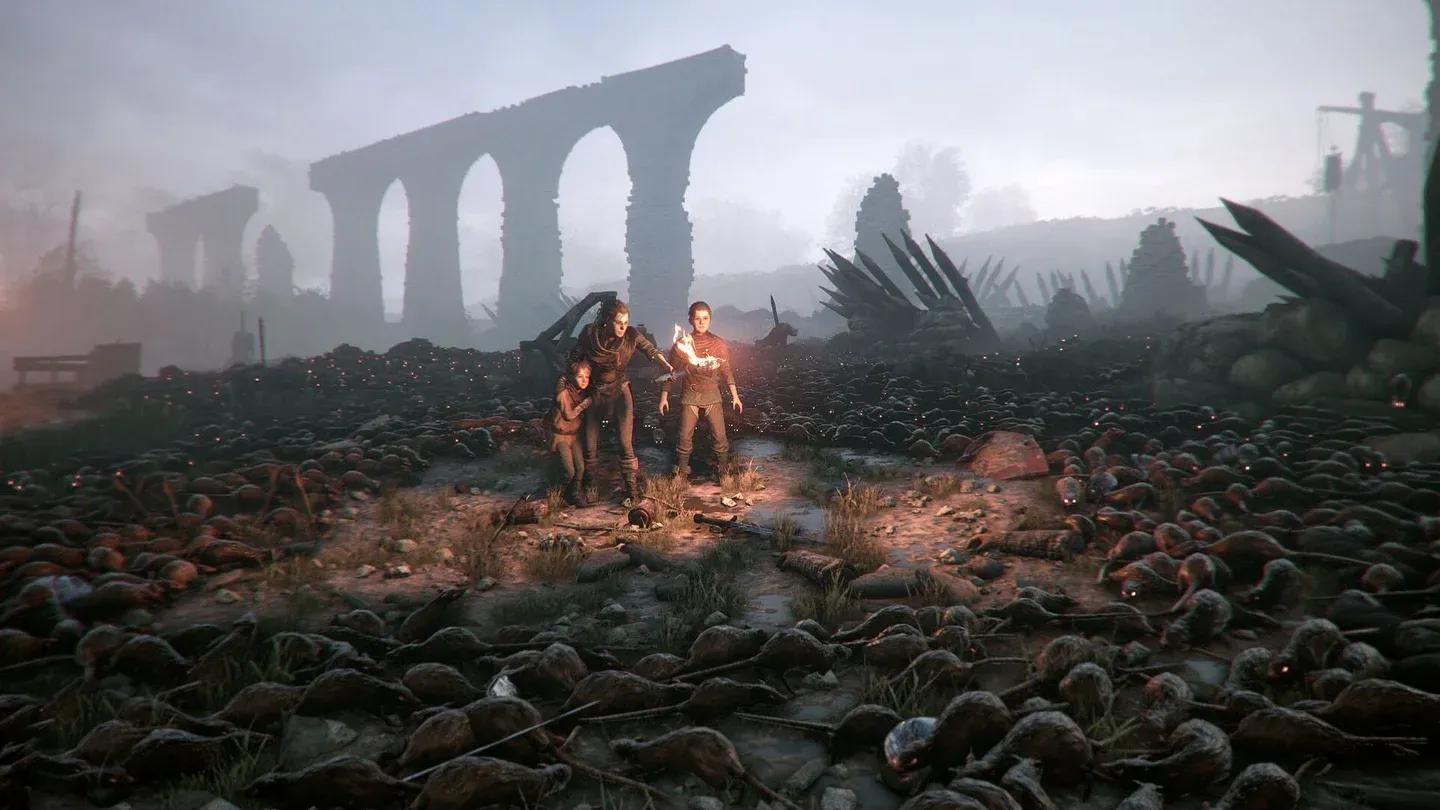
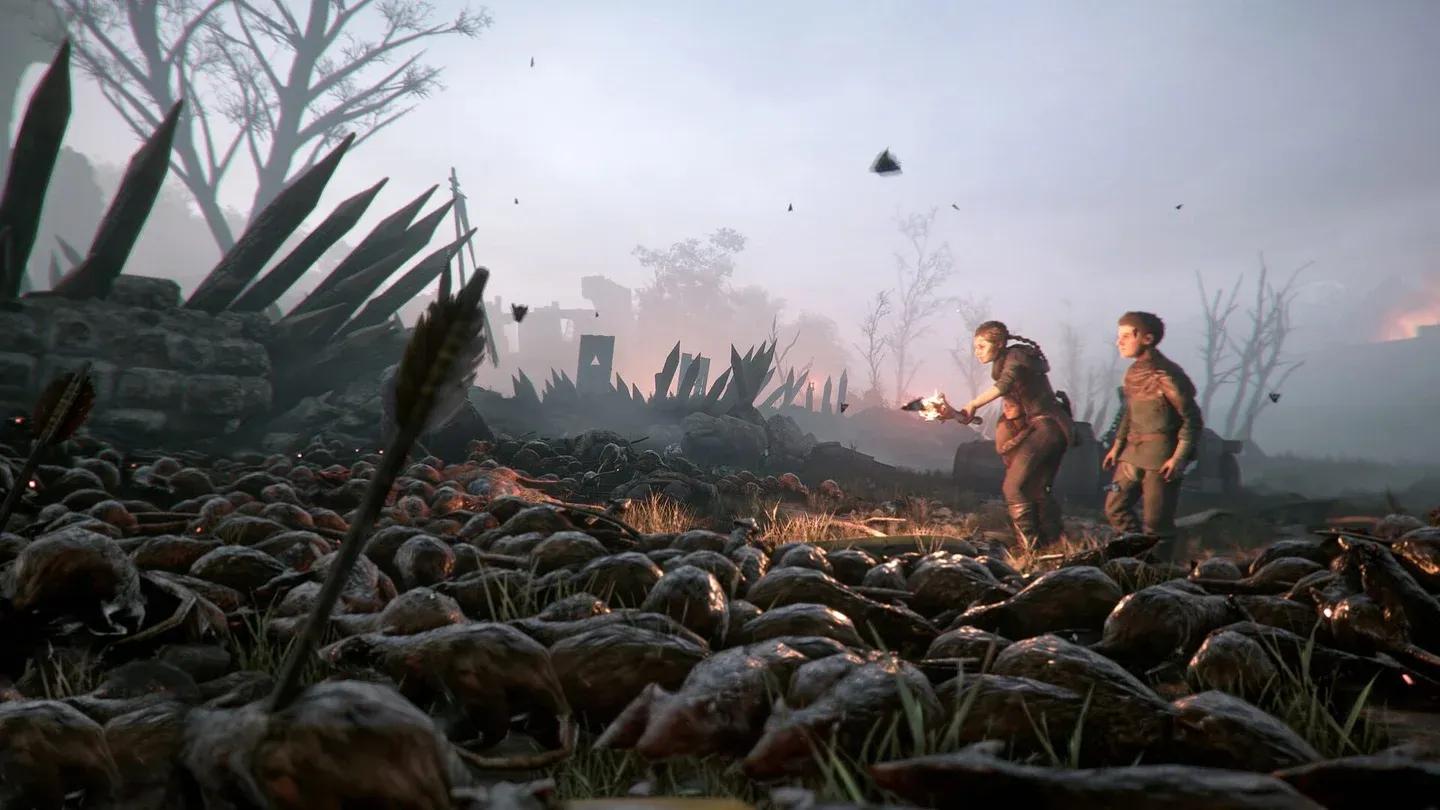
The rat swarms function as both obstacle and mechanic. Light repels them, so players must manipulate torches, fires, and alchemical tools to carve safe paths through writhing masses of rodents that can strip a body clean in seconds. This system creates some of the game's most tense and inventive sequences:
- Light manipulation to control rat movement
- Alchemical crafting for tools and upgrades
- Stealth evasion of Inquisition soldiers
- Environmental puzzle-solving with Hugo
- Sling-based distraction and combat
The crafting system allows Amicia to upgrade her sling, her pouches, and her alchemical recipes using materials scavenged from the environment. It never becomes overwhelming, but it rewards careful exploration and adds meaningful progression across the campaign.
World and Setting: A Medieval France Worth Fearing
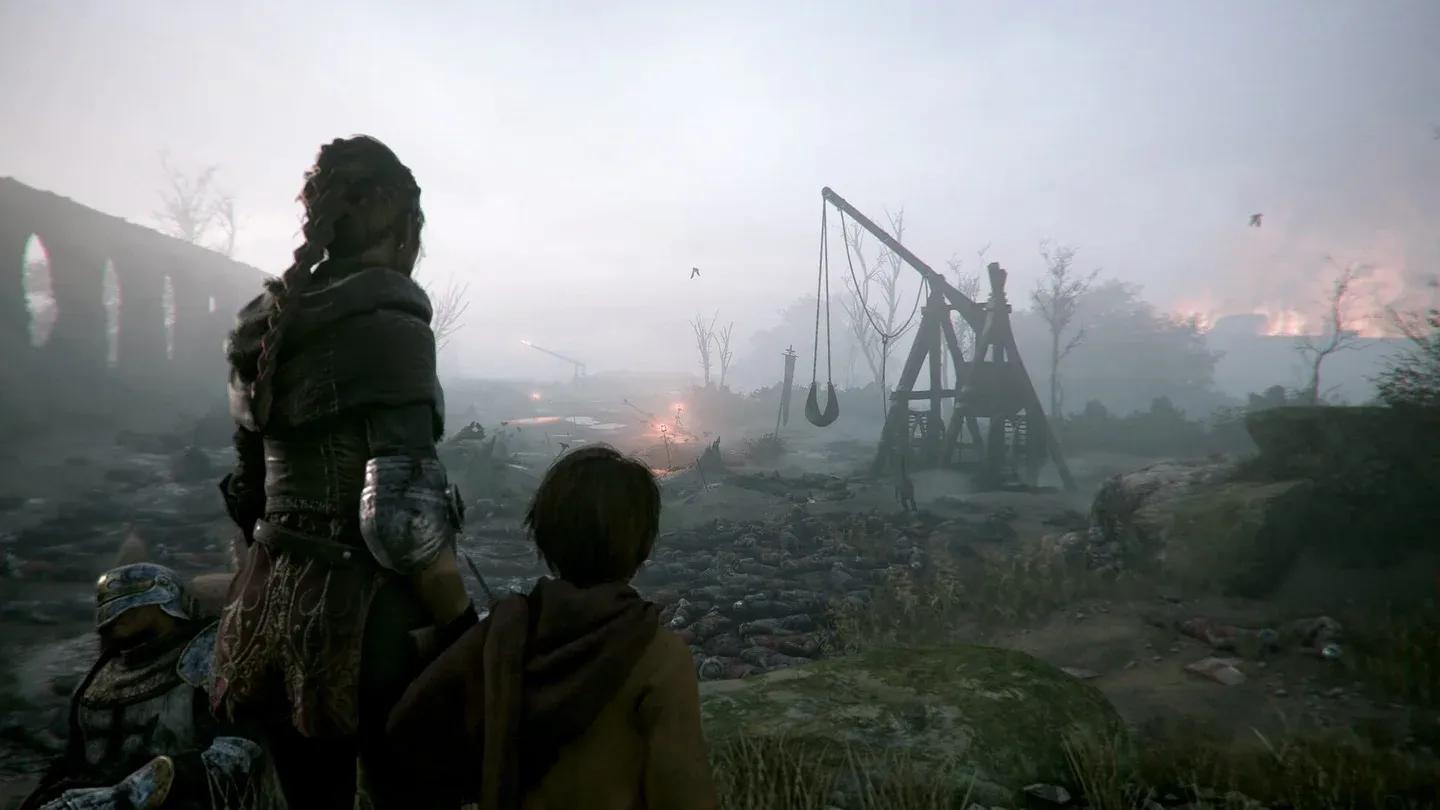
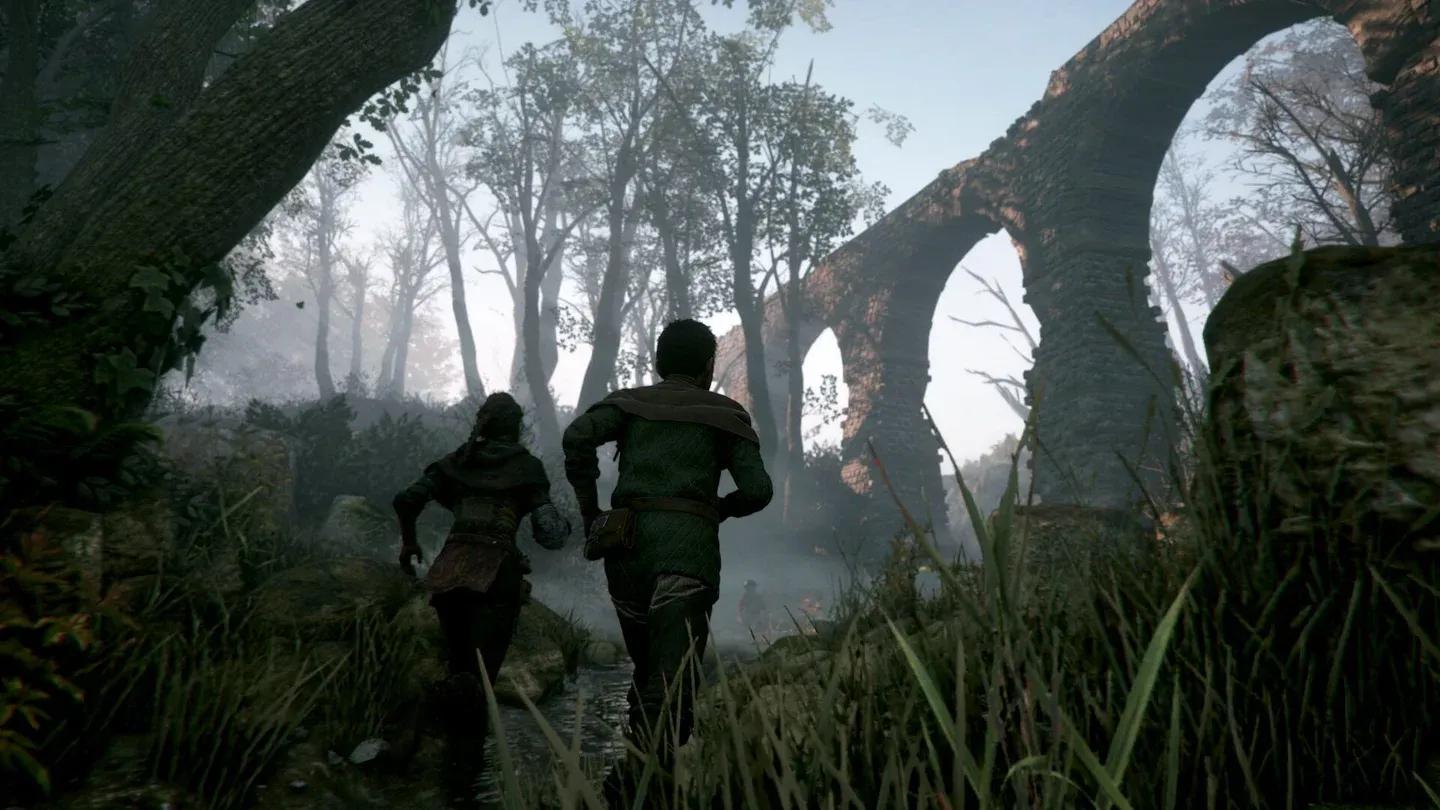
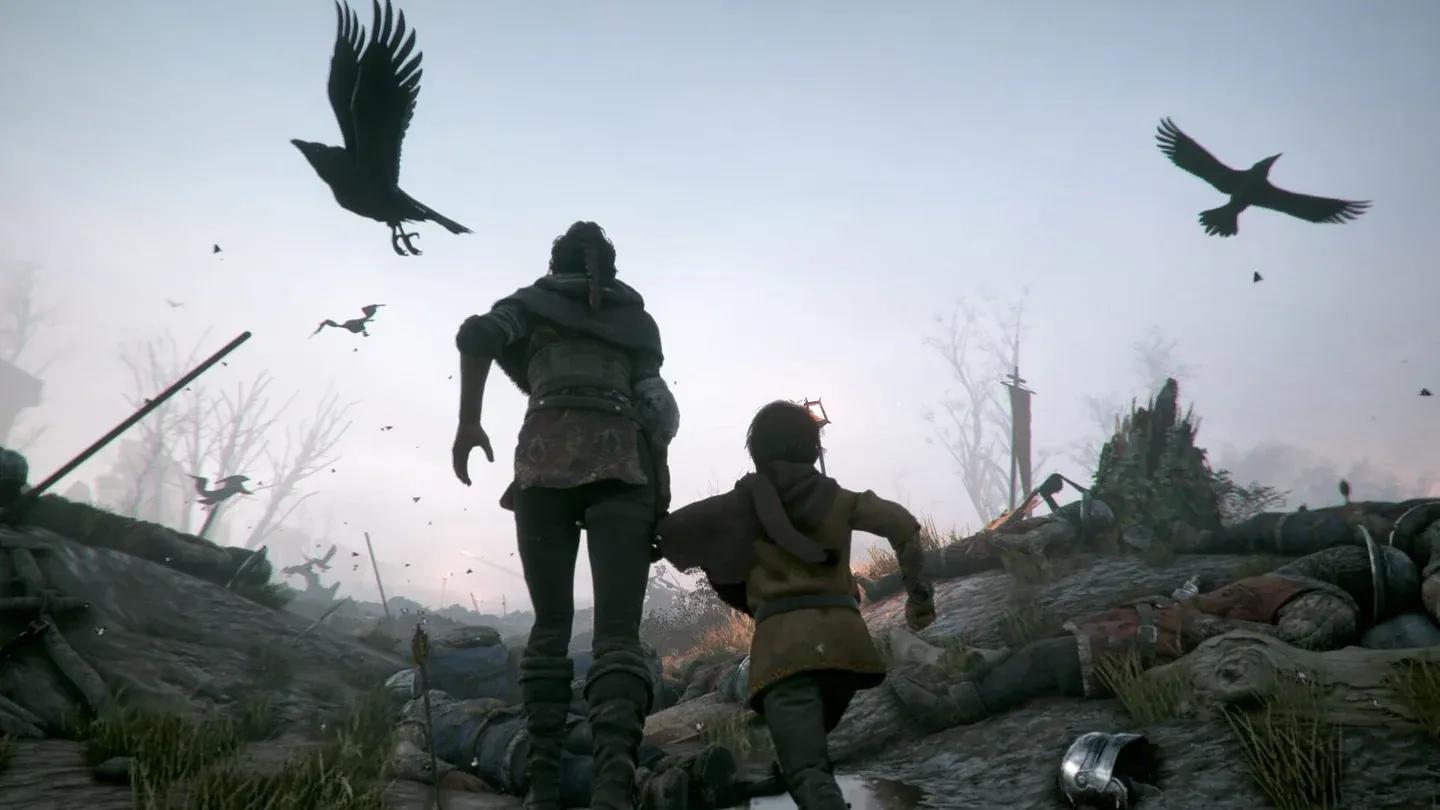
Asobo Studio's recreation of 14th-century France stands as one of the game's most striking achievements. Villages lie abandoned, fields rot under grey skies, and mass graves mark the landscape with grim regularity. The atmosphere is relentless without becoming numbing, largely because the game punctuates its bleakness with quiet moments of beauty: firelit forests, ancient ruins, and the occasional glimpse of the world that once existed before the plague consumed it.
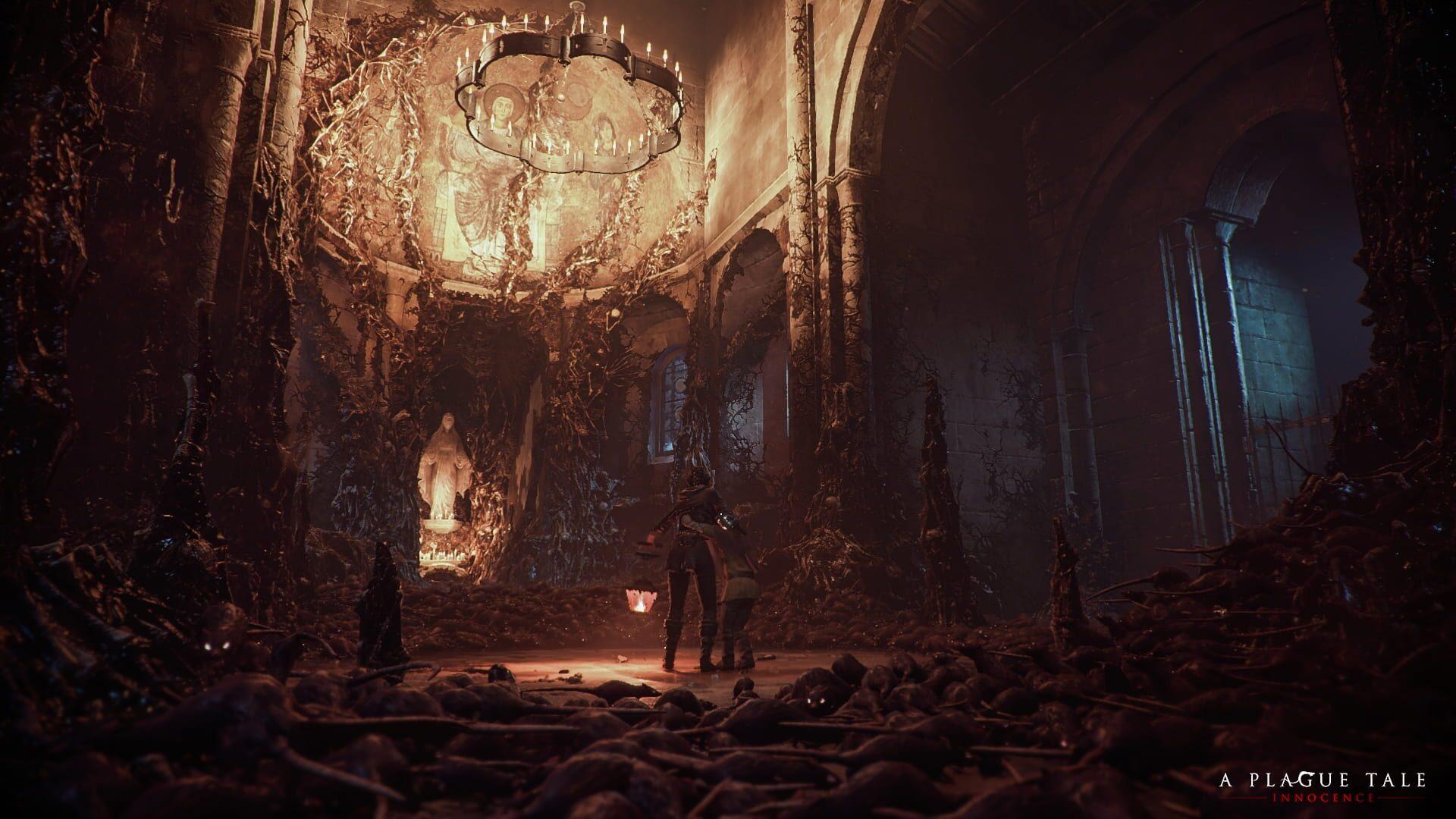
The historical context deepens the experience considerably. The Inquisition serves as a credible and menacing institutional force, and the Black Death is not treated as mere backdrop but as an active, living catastrophe that shapes every decision Amicia and Hugo make.
Visual and Audio Design
For a studio of Asobo's size, the visual accomplishment here is remarkable. Character models convey emotion with subtlety, and the rat swarms, which number in the thousands on screen simultaneously, remain one of the more technically impressive sights in modern adventure gaming. The score, composed by Olivier Deriviere, matches the tone precisely: mournful, tense, and occasionally transcendent.
Impact and Legacy
A Plague Tale: Innocence arrived in 2019 as a genuine surprise from a mid-tier studio and earned widespread critical acclaim for its storytelling and atmosphere. It demonstrates that a focused, linear single-player adventure with a strong narrative can resonate deeply without relying on open-world scale or multiplayer hooks. The game is available across PlayStation, Xbox, PC via Steam and Epic Games Store, and Nintendo Switch, ensuring its story reaches the widest possible audience.
Conclusion
A Plague Tale: Innocence is a precisely crafted stealth-adventure that prioritizes emotional honesty over spectacle. Its plague-era setting, the sibling dynamic at its core, and the inventive rat-swarm mechanics combine to create an experience that lingers long after the credits roll. For players drawn to story-driven single-player games with a dark historical atmosphere, it remains essential.