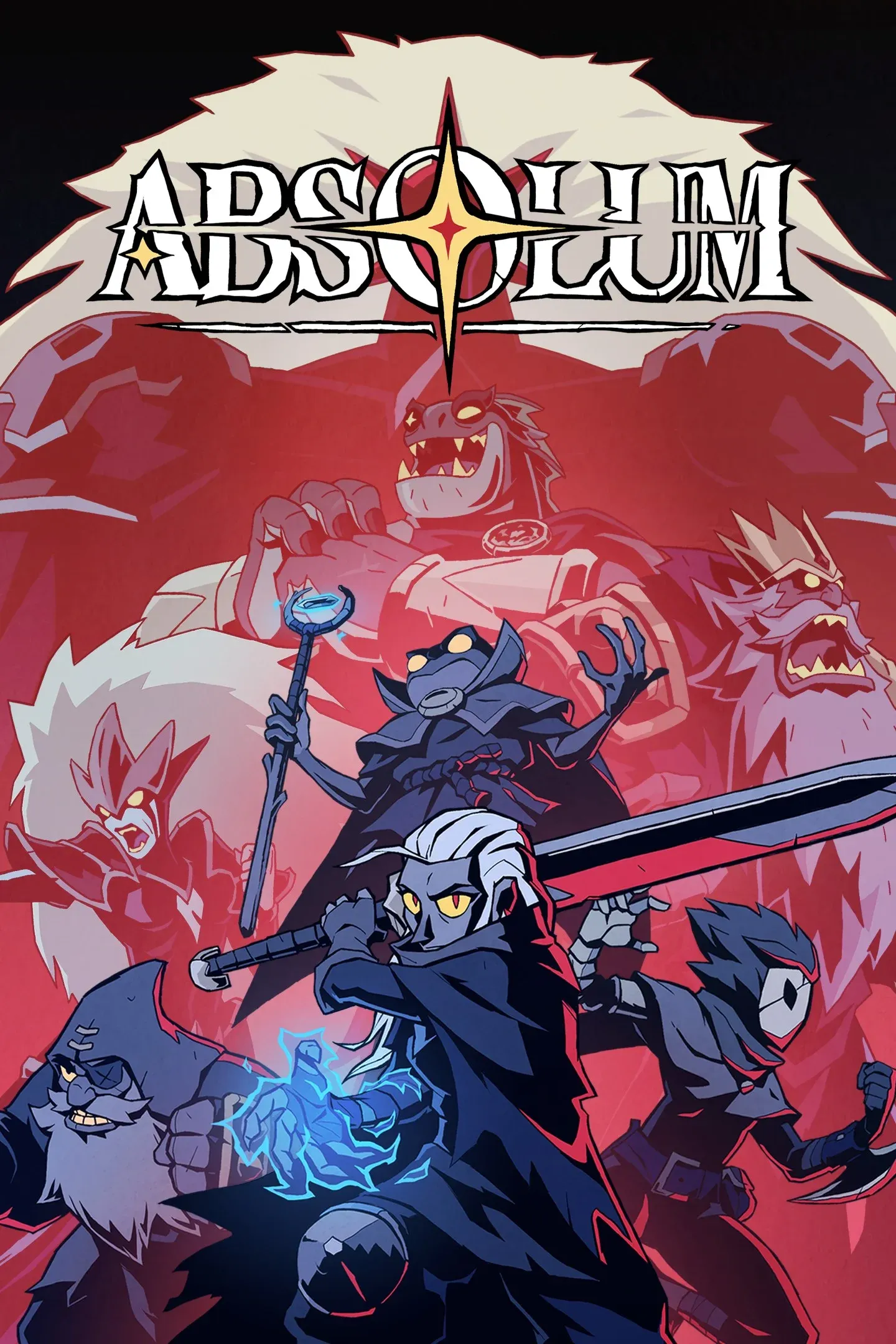


Talamh is a place that will kill you. A lot. Sun King Azra's Crimson Order doesn't ease you in, and the roguelite structure means every mistake is a lesson paid for in health and wasted runs. The good news: Absolum rewards players who learn its systems. Once the combat clicks and your progression tree starts filling out, the same encounters that felt impossible start feeling manageable. This guide covers everything a new player needs to know, from the fundamentals of combat to which champion suits your style and how to spend your currencies without throwing resources away.
How does combat work in Absolum?
Absolum's combat looks like a brawler but plays more like a parry-focused action game. Brute force will get you killed quickly. The real skill floor is learning to read attacks and respond with the right defensive tool.
Deflect is the mechanic you need to drill first. Dashing into an enemy's attack just before it connects parries the blow, staggers the attacker, and hands you a free punish window. The timing window is generous by design, so there's no excuse for not making this your default response to incoming strikes. Think of it less as a risky counter and more as the expected way to handle standard attacks.
Clash is the high-risk alternative. Triggering it requires hitting your heavy attack into an enemy's incoming strike, and the timing is tighter. Land it and you create a massive opening, which makes it especially effective against bosses once you've memorized their patterns. If the timing is giving you trouble, Karl's headbutt special move has a fast enough start-up that it's widely considered the most consistent tool for pulling off a Clash.
The standard dodge still has its place. You can dodge in all four directions, including up and down, which matters for repositioning against area-of-effect attacks. Sidestepping at the last moment also opens enemies up for a follow-up, so it's not just an escape option.
Punish damage and juggling
Two offensive concepts separate players who clear bosses from players who die to them repeatedly.
Punish Damage triggers when you hit a boss immediately after they whiff a big attack. A red hit spark signals that you're dealing bonus damage and building their stun meter faster. Bosses telegraph these large attacks heavily, so the window is readable once you know to look for it. A fully stunned boss can be juggled for massive damage, making stun meter management a core part of every boss fight.
Juggling itself keeps enemies airborne and harmless. An enemy in the air can't hit you, which makes aerial combos both offensive and defensive at the same time. Galandra's running knee is specifically noted as an excellent tool for picking up downed enemies and starting a juggle from ground level.
Which champion should you pick?
Absolum gives you four playable characters, each with a genuinely distinct combat identity. The catch: upgrade currency is character-specific. Spreading your runs across all four characters early will leave every character underpowered. Pick one, commit, and let the power curve do its job.
Galandra wields a colossal sword and blends heavy melee with necromancy. She's built for players who want to stand in the middle of a fight and trade powerful, deliberate blows. Her running knee makes her a natural juggle starter, which also makes her a solid first pick for learning the juggle system.
Karl is a dwarven brawler who fights with his enchanted weapon Beste and carries a blunderbuss for ranged pressure. He's the most versatile option, comfortable at any range. His headbutt also doubles as the easiest Clash tool in the game, which makes him forgiving for players still learning the parry timing.
Brome is a frog wizard who levitates and combines staff melee with ranged spellcasting and area-of-effect magic. He's the go-to pick for players who prefer controlling space over getting into scrums. His projectile-heavy kit also has strong synergy with Time Elemental Rituals that echo spellcasts.
Cider is a human-construct hybrid built entirely around speed and precision. High-flying kicks, handaxes, and an extendable arm give her a combo-heavy toolkit that rewards players who enjoy complex inputs and aggressive mobility over raw durability.
How do Rituals and progression work?
Absolum's roguelite loop runs on two tracks: in-run power from Rituals and permanent power from your home base at Uchawi's Hearth.
Unlocking and using Rituals
Rituals are elemental upgrades found during runs, functionally similar to Boons in Hades. Each element needs to be unlocked by finding and breaking large chained crystals in the world. The five elements and where to find them:
- Fire: Unlocked automatically during the prologue
- Water: Head upward to the Old Coast at the start of a run
- Wind: Found by going through the Giggling Forest early in a run
- Bramble: Unmissably encountered in the second region, Jaroba
- Necromancy: Located in the secret fourth region, Yeldrim
During runs, breaking crystals offers a choice between two random Rituals. An NPC in Jaroba can later upgrade this to a choice of three. Building synergies matters here. If you're playing Brome with a strong projectile Arcana, Time Elemental Rituals that echo spellcasts will multiply your damage output significantly.
Before each run, one of your available starting Arcana (your super attack) will be glowing. Always pick the glowing one. It grants an experience bonus for that run, which accelerates your overall progression.
Spending your currencies correctly
Two currencies fund your permanent upgrades: Crystals and Gems.
The Tree of Talamh is where Crystals go. It permanently increases health, damage, and unlocks abilities including self-revives. This is the single most impactful thing you can do between runs. New players who ignore this tree will hit a wall that no amount of skill improvement will fully solve.
Gems can be used for re-rolls on Ritual choices, but saving them for the upgrade tree is almost always the right call. The permanent stat gains outweigh the value of a single in-run re-roll in most situations. The one exception: if you're already in the final area and one specific Ritual would likely close out a boss fight, re-rolling can be justified.
Exploration tips that most players miss
Combat skill matters, but how you move through the world affects your survival just as much.
Break every destructible object you see. Barrels, crates, and pots drop food (your main healing source), gold, and Crystals. Skipping them is skipping power. Make it a reflex.
Healing in Absolum is scarce by design. Hearth rest stops only restore health to a percentage, and food drops are unreliable. This is why the defensive systems covered earlier aren't optional mechanics; they're survival requirements. When your health is critically low, skipping an optional miniboss is the right call. The reward isn't worth a failed run.
Hiring allies from taverns and rest areas costs gold, but the value is often underestimated. Allies draw enemy aggro. They don't deal significant damage, but every hit they absorb is health you keep. The health preservation from a single ally can be worth more than whatever you'd spend that gold on otherwise.
After defeating the Undead King boss on the first island, you'll set sail and face a route choice. Head to the southern island, Jaroba, as a priority. A key vendor is there, the final playable character becomes accessible on this route, and Jaroba is where you can finally spend any Fruits you've accumulated at camp.
For players who want to keep building on these foundations, browse more guides covering other roguelites and action games on GAMES.GG.
Absolum punishes impatience and rewards pattern recognition. Every death teaches you something if you let it. The Deflect system will click, the Tree of Talamh will compound, and eventually the Crimson Order stops feeling like an insurmountable wall and starts feeling like a gauntlet you know how to run.