Overview
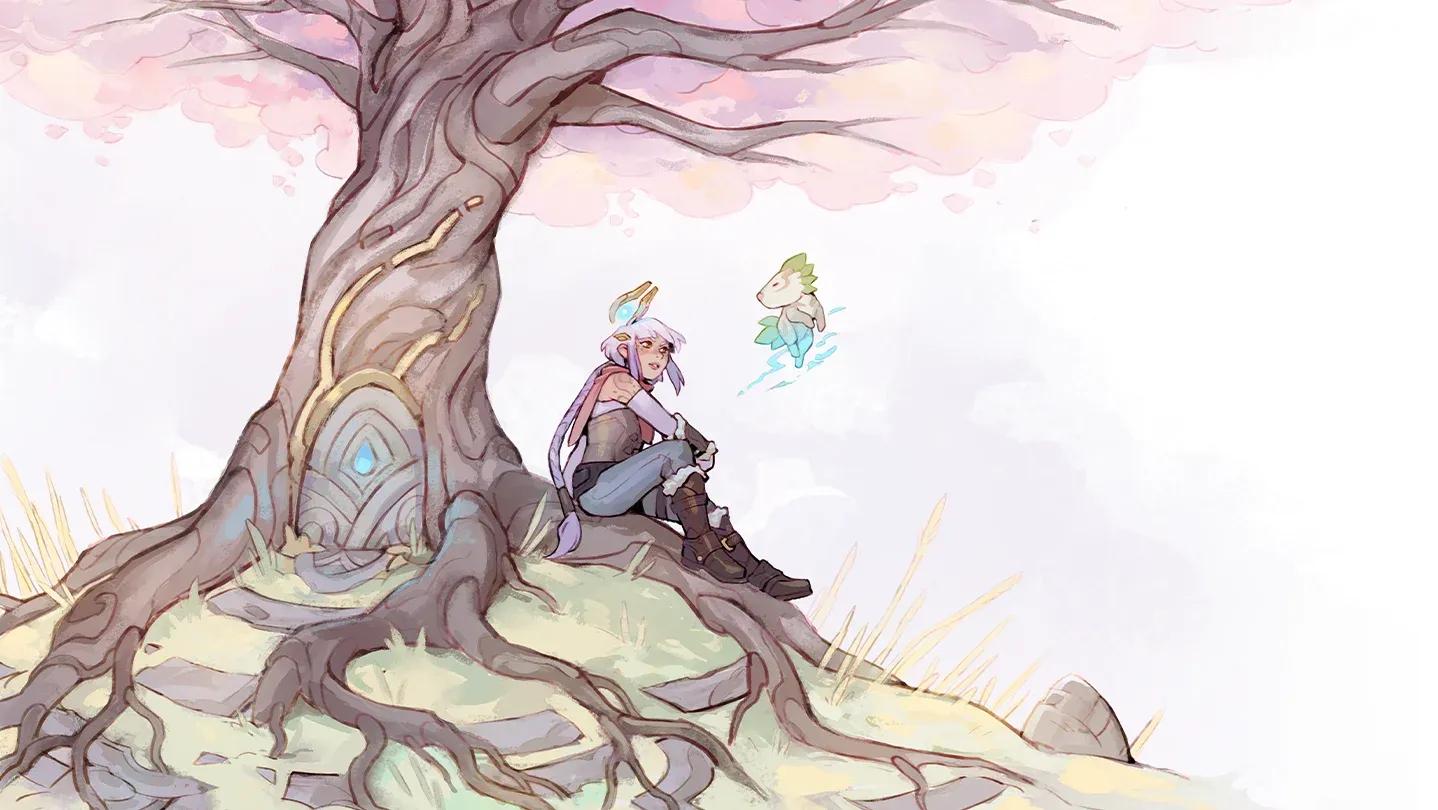
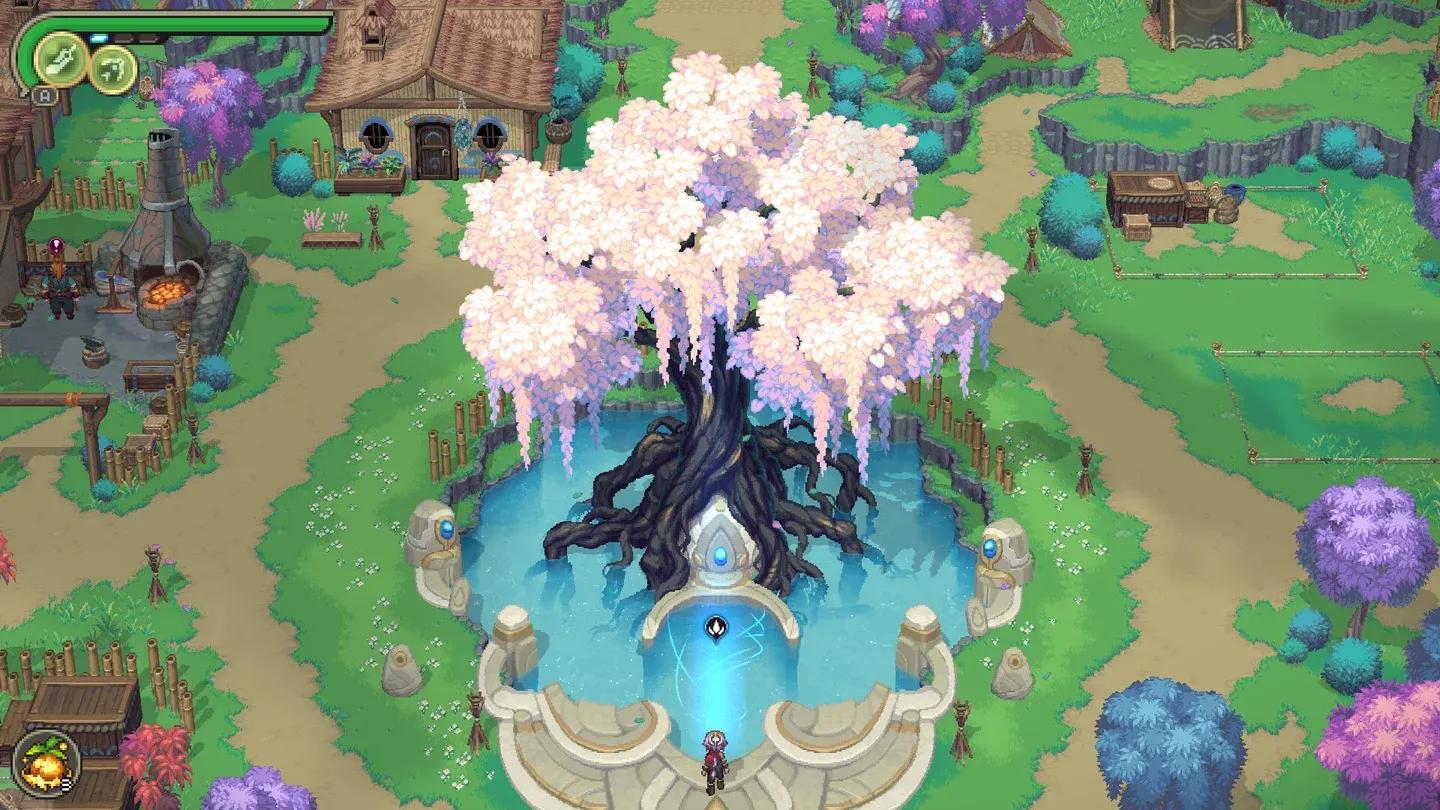
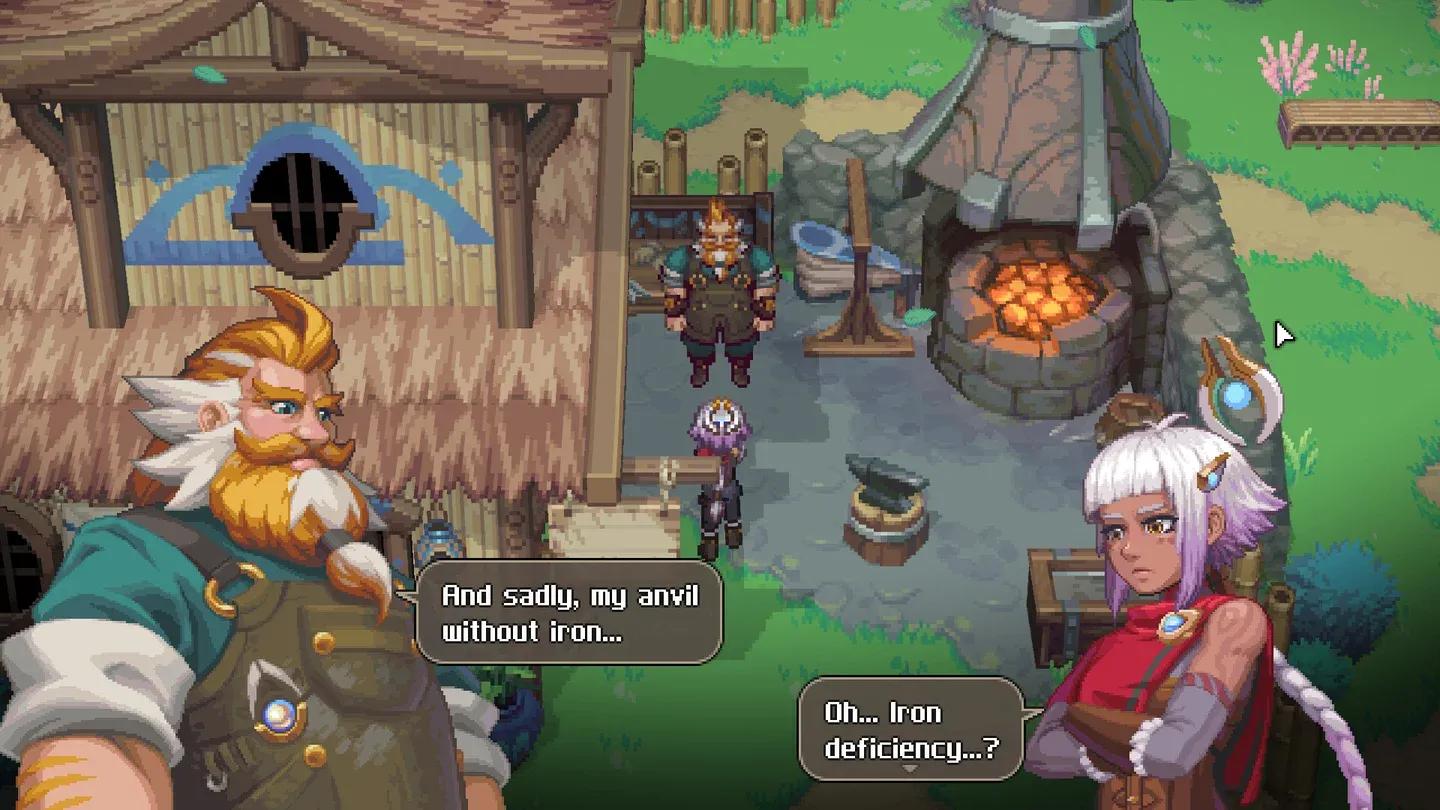
Alabaster Dawn puts you in control of Juno, a woman who wakes up in the ruins of Tiran Sol with no gods to guide her and no clear answer to what destroyed everything. The entity known as Nyx has warped the world into a wasteland, and Juno's job is to reverse that. Rebuilding settlements, restoring trade routes, advancing science through cooperation with survivors: the world doesn't just recover narratively, it changes visually as you make progress, opening new paths and areas as communities grow.
The planned runtime sits between 30 and 60 hours across 7 distinct areas, with a world map that lets you set reminders, fast travel between checkpoints, and dial in how much guidance you actually want. That flexibility matters in a game this dense. Radical Fish isn't interested in holding your hand, but they're also not going to let you forget where that one chest was that you couldn't reach an hour ago.
Combat: how does the fighting system work?
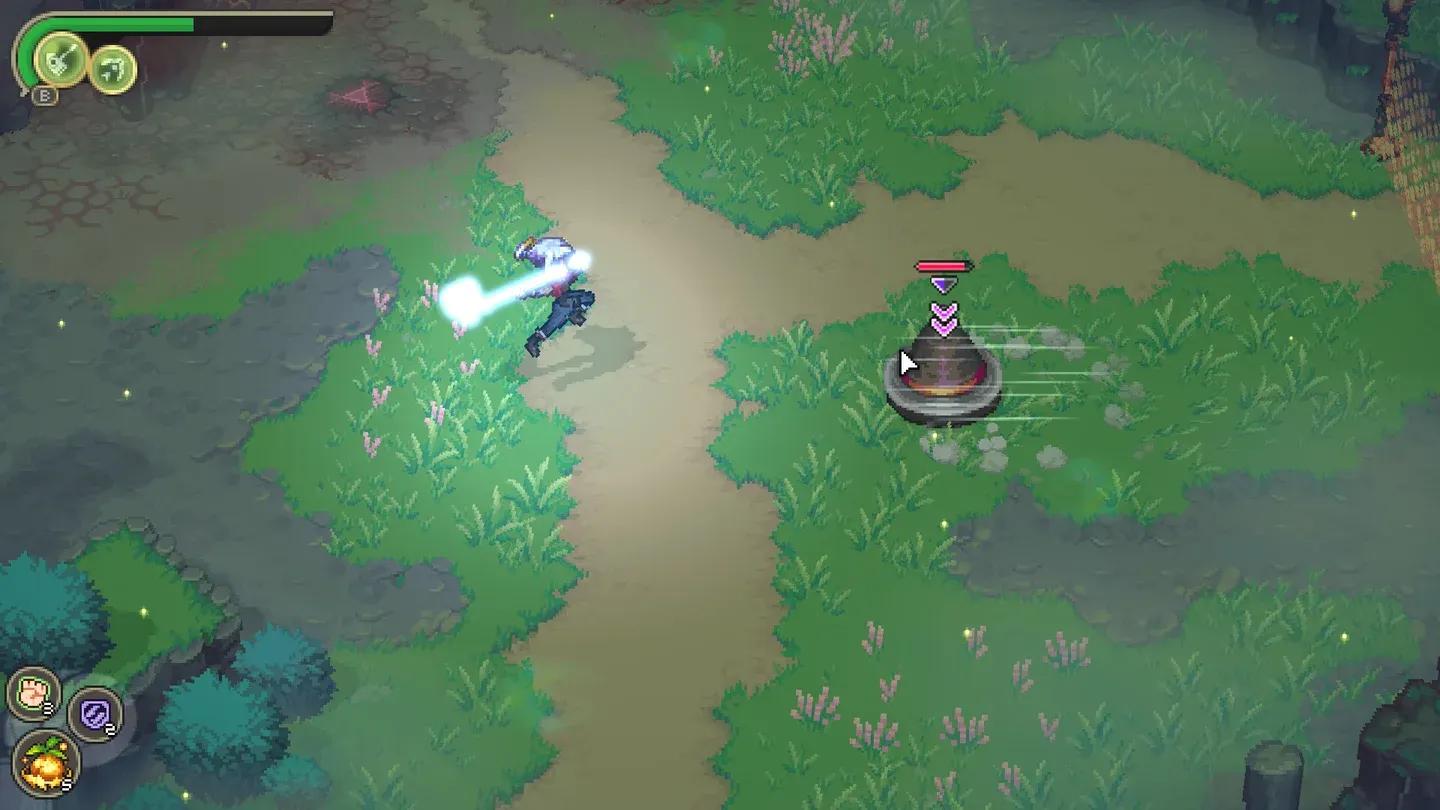
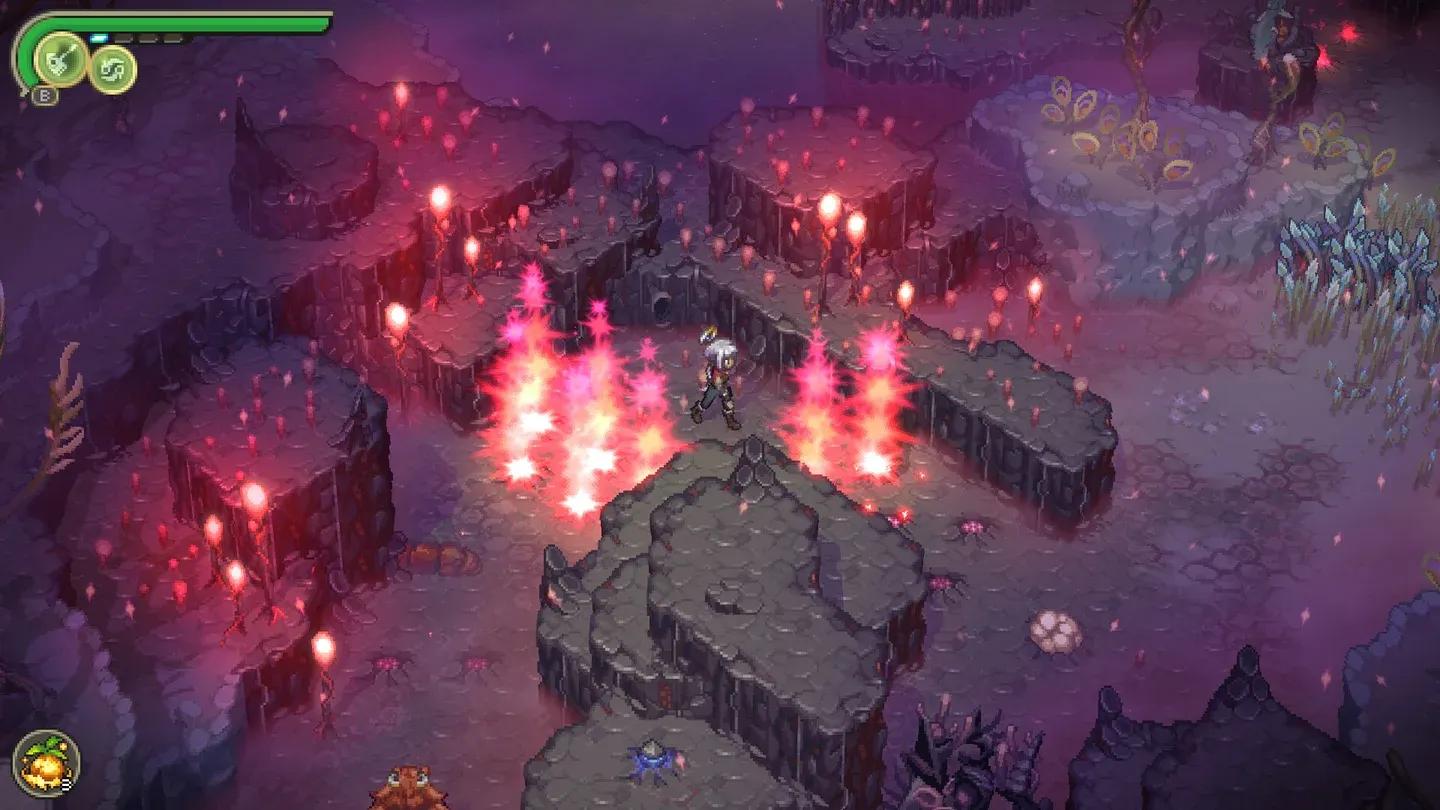
Alabaster Dawn's combat draws direct inspiration from Devil May Cry and Kingdom Hearts, and that's not a vague comparison. The system is built around 4 elements, each of which supports 2 slotted weapons, giving you access to 8 weapons total. Every weapon has its own skill tree, and every element supports equippable Divine Arts: powerful elemental spells for finishing off tougher enemies.

Key combat features:
- 8 unique weapons with individual skill trees
- 4 elements, each with Divine Arts slots
- Mid-combat weapon and loadout switching
- Combat Arts unlocked through per-weapon progression
- Stylish combo system inspired by action game classics
The ability to swap your entire setup mid-fight is what separates this from a standard hack-and-slash. Different enemies demand different approaches, and the game expects you to actually engage with that variety rather than brute-force everything with one build.

RPG systems and character building
The RPG side of Alabaster Dawn runs deeper than the combat pitch suggests. Gems slot into weapons and your character's core to activate enchantments, ranging from flat stat bumps to conditional buffs that shift how you approach certain enemy types. Gem slots expand through the skill tree, and NPCs called Artificers handle crafting and upgrading gems.
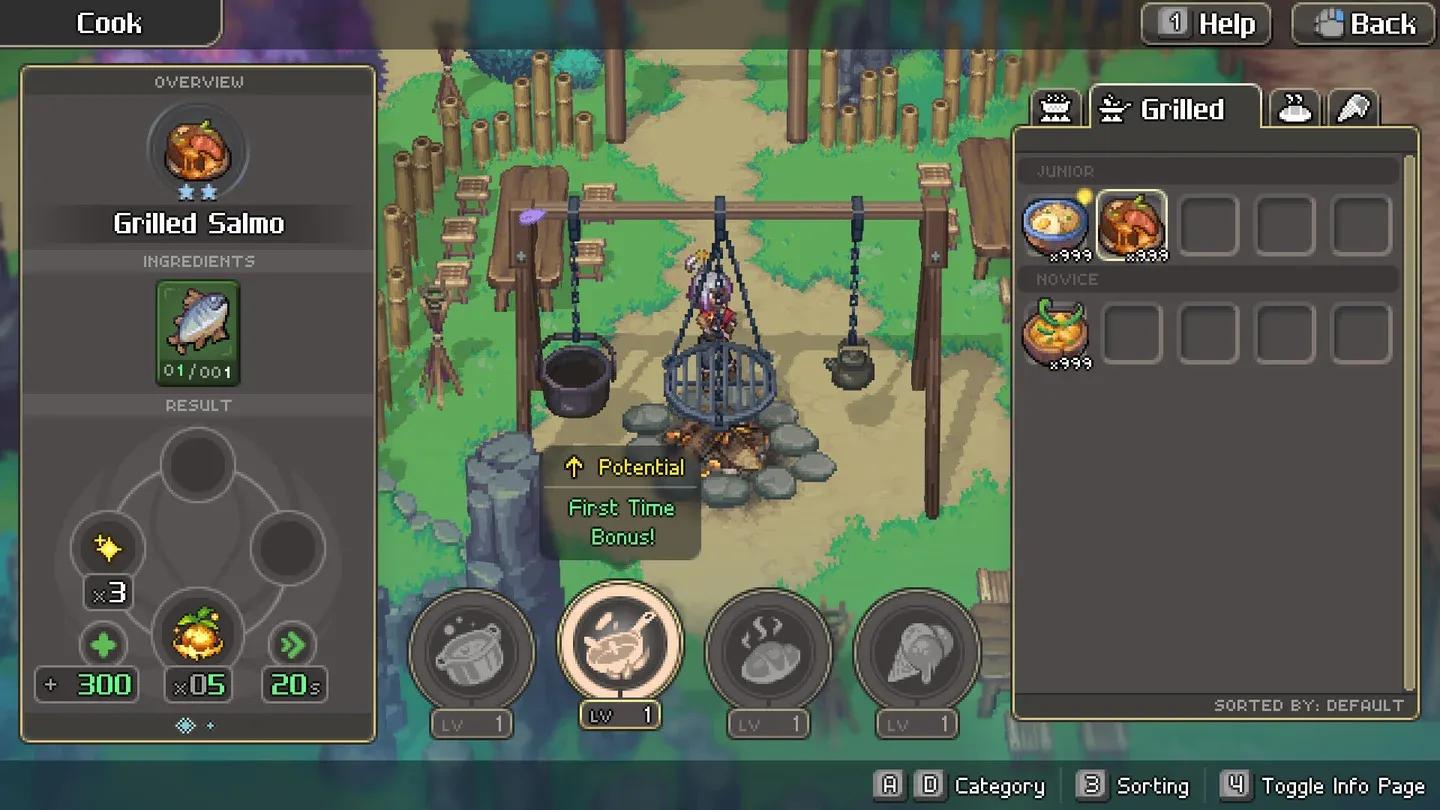
The cooking system ties directly into combat sustainability. Cooking dishes at rest points increases your stock of healing bulbs and unlocks temporary boosts. The more variety you cook and the more you use those boosts, the higher your Palate Level climbs, which strengthens every meal going forward. It's a smart loop that rewards experimentation rather than just grinding the same recipe.
World and exploration
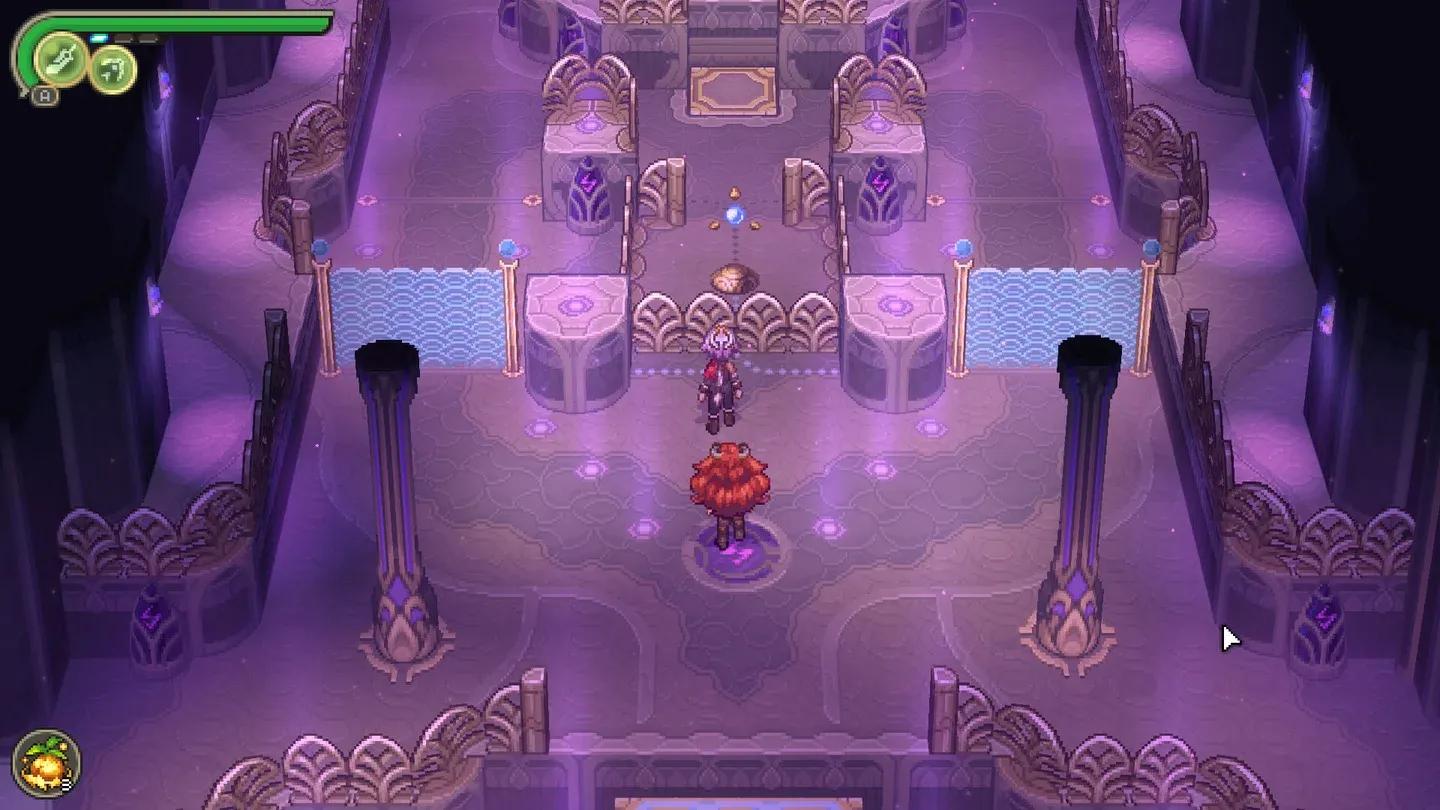
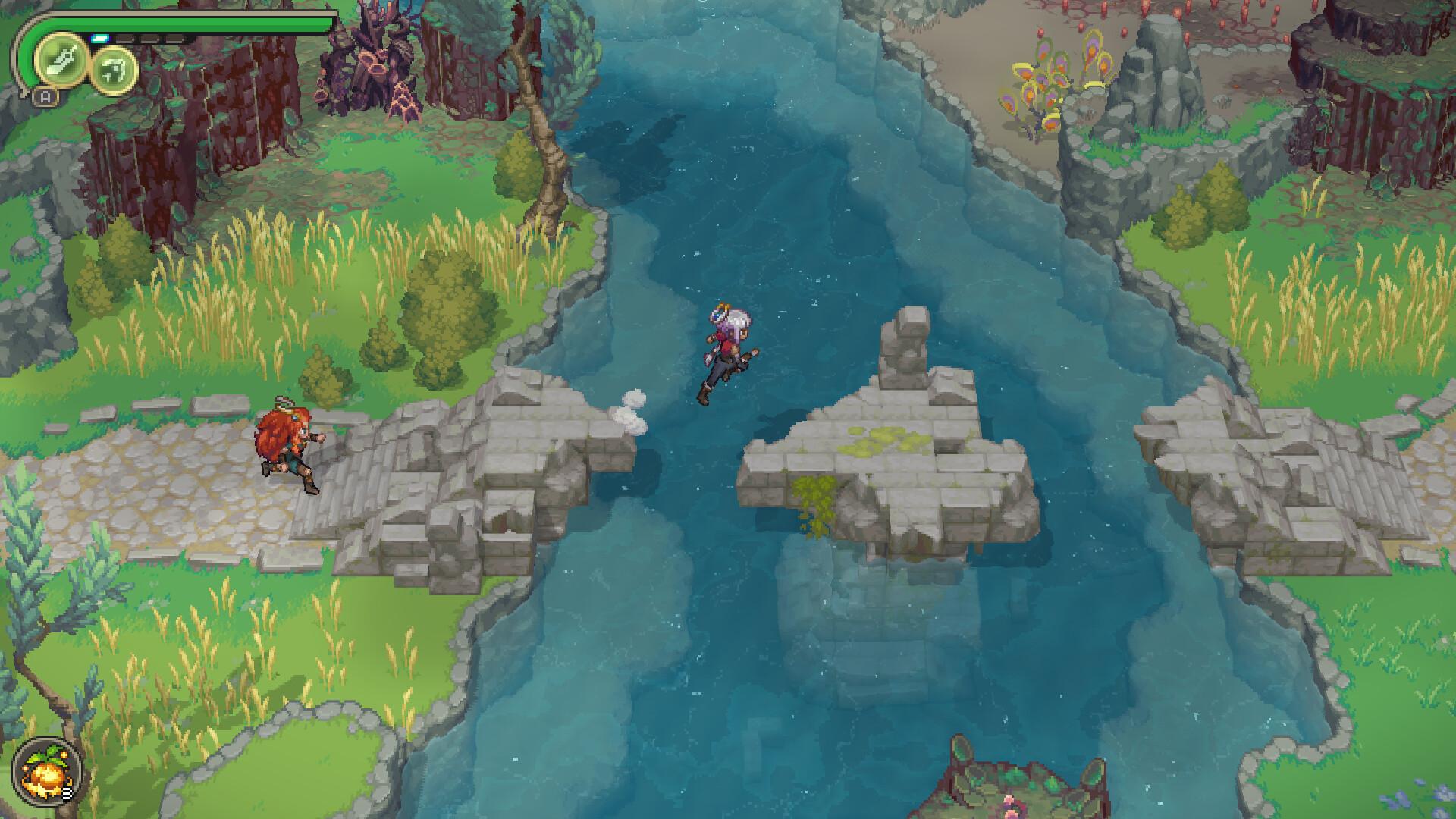
Tiran Sol is built for exploration. Parkour paths, hidden treasure, scattered resources, and puzzle solutions that require specific weapons or team members: the world rewards curiosity at every turn. Treasure chests contain cooking recipes, gem upgrades, and crafting materials, so hunting them down always feels worth the detour.

The settlement rebuilding layer adds another dimension to the exploration loop. Helping communities doesn't just trigger cutscenes; it physically changes the world, opening up routes and opportunities that weren't accessible before. That tangible feedback makes the rebuilding feel like actual progress rather than a side activity bolted onto the main quest.
Alabaster Dawn is a meaty action RPG from a studio that already proved it knows how to build one. With a combat system that pulls from some of the best hack-and-slash games ever made, a deep gem and weapon customization structure, and a world that visually responds to your progress, it has the bones to be one of the more complete action RPGs in the genre. CrossCode fans have a clear reason to pay attention, and anyone who values stylish combat paired with genuine RPG depth has a reason to as well.