Overview
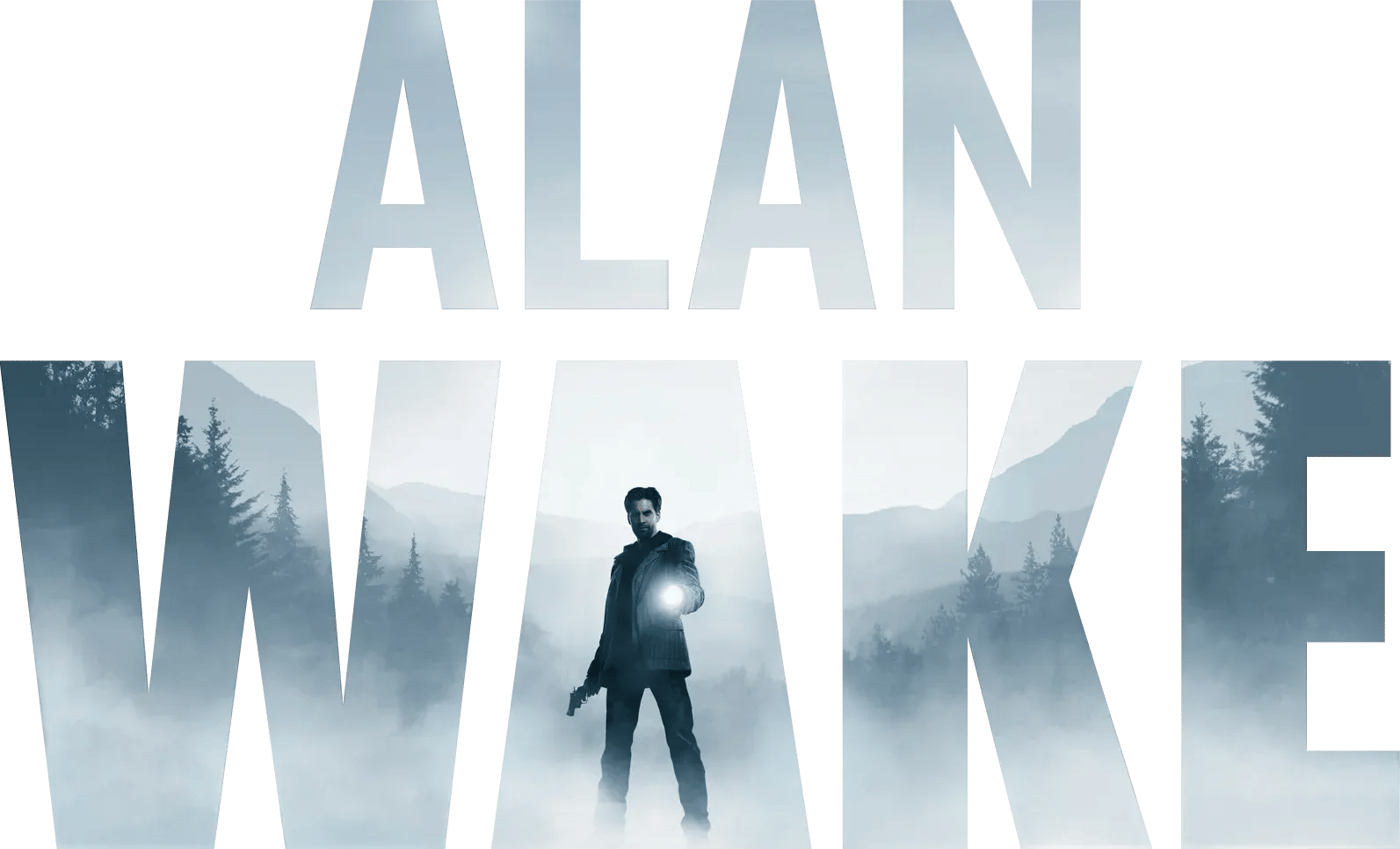
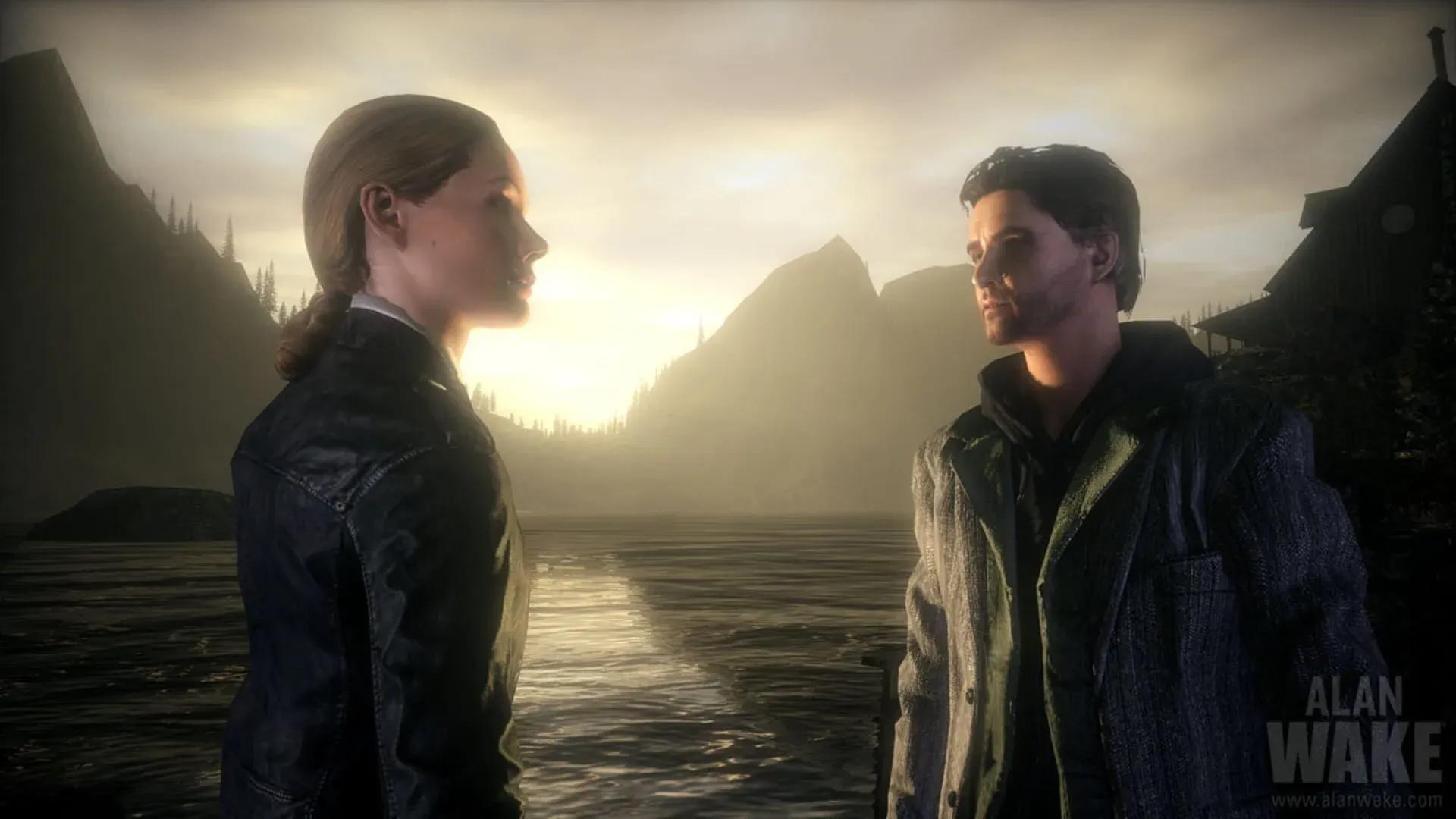
Alan Wake stands as one of gaming's most distinctive psychological horror experiences, blending third-person action with narrative-driven storytelling in ways that few titles have matched. Players assume the role of the titular bestselling thriller novelist who travels to the Pacific Northwest town of Bright Falls with his wife Alice, hoping to overcome a devastating case of writer's block. When Alice vanishes under mysterious circumstances, Alan discovers manuscript pages from a novel he has no memory of writing, and the horrific events described within begin manifesting around him.
The game's episodic structure mirrors television thriller formats, with each chapter opening with a "previously on" recap and closing on carefully crafted cliffhangers. This design choice creates an addictive rhythm that propels players forward through increasingly surreal and dangerous encounters. The hostile entities known as the Taken, ordinary townspeople corrupted by a malevolent Dark Presence, stalk Alan through dense forests, abandoned logging camps, and the fog-shrouded streets of Bright Falls itself.
Alan Wake
How Does Combat Work in Alan Wake?
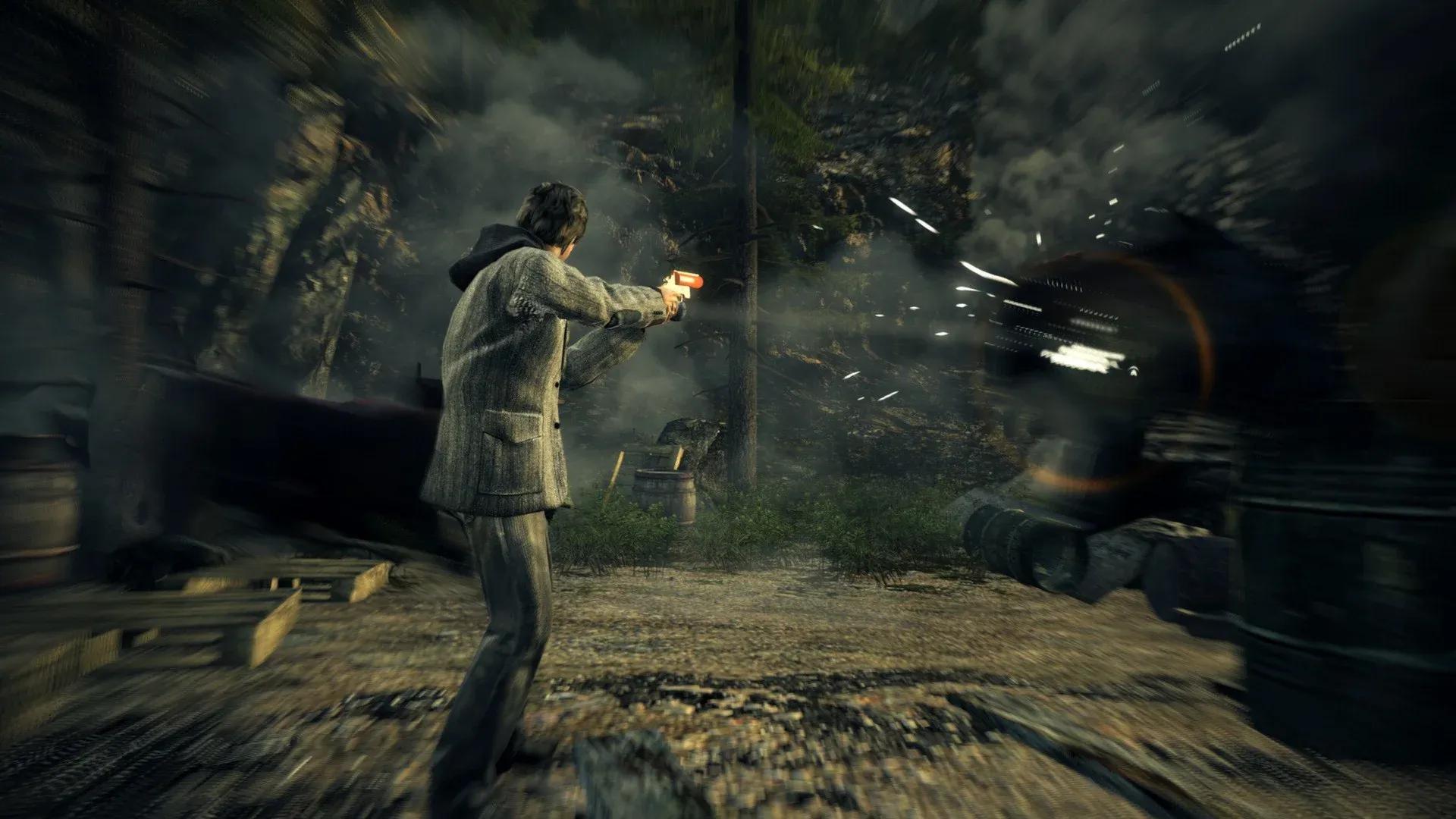
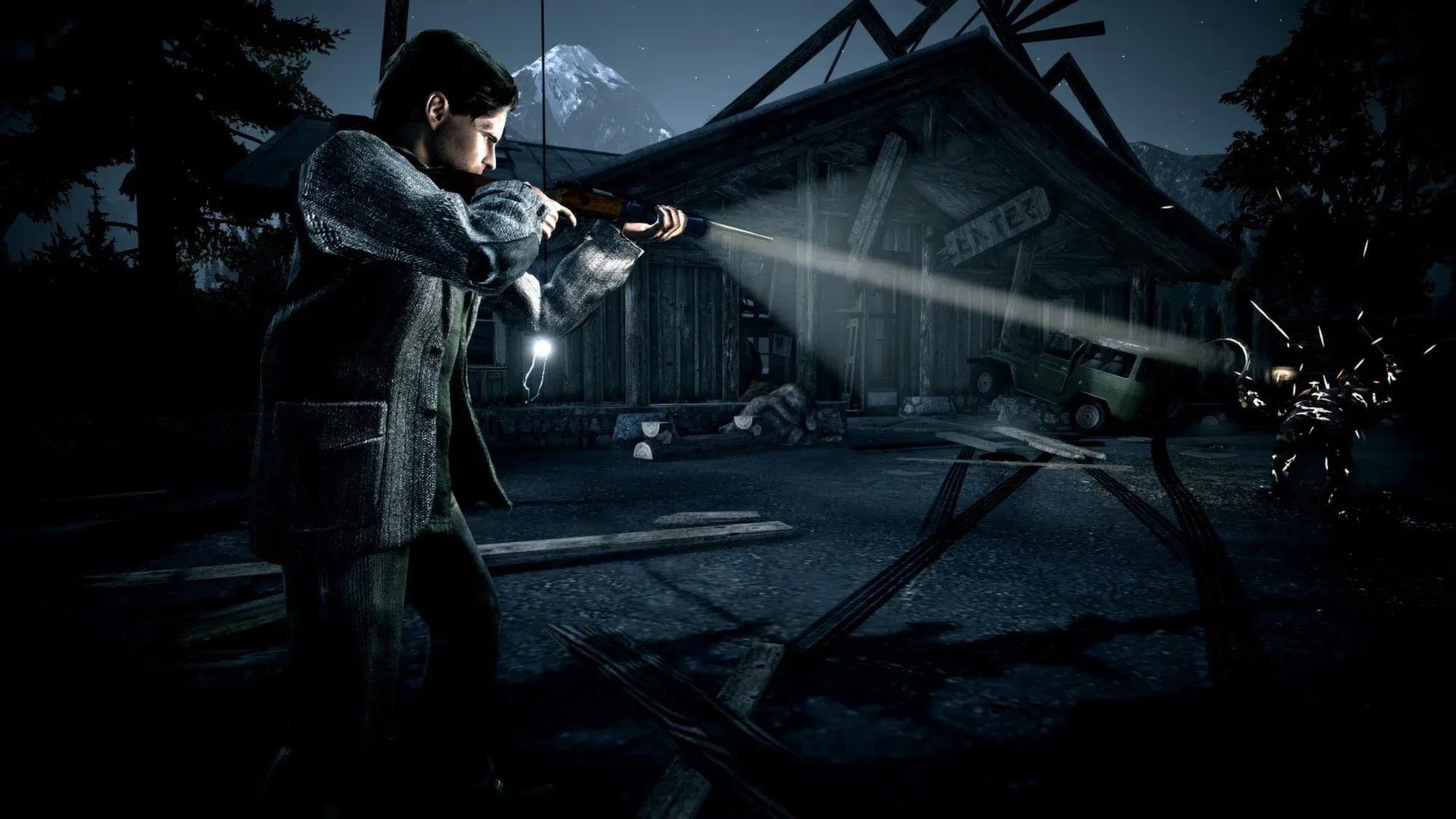
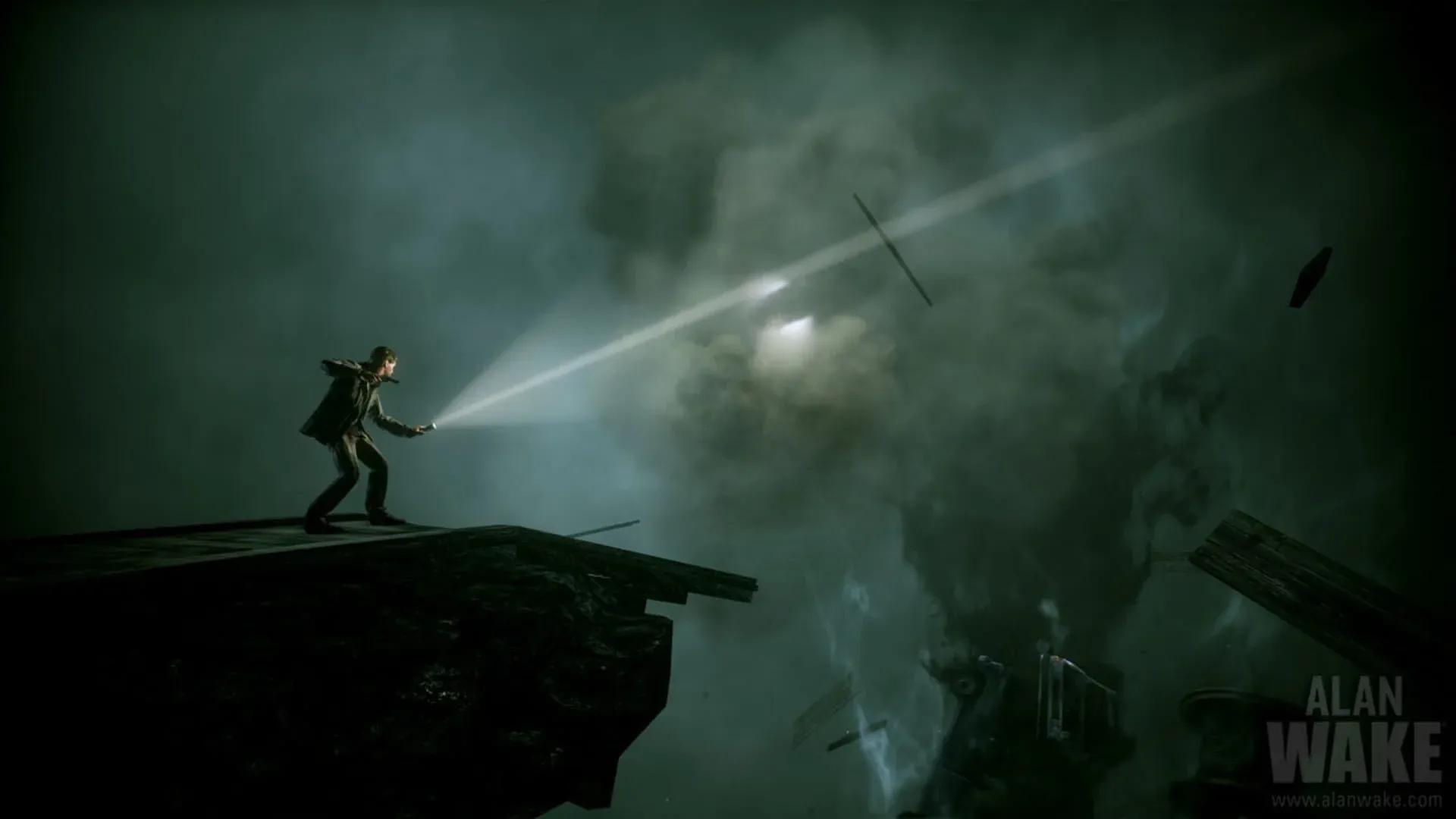
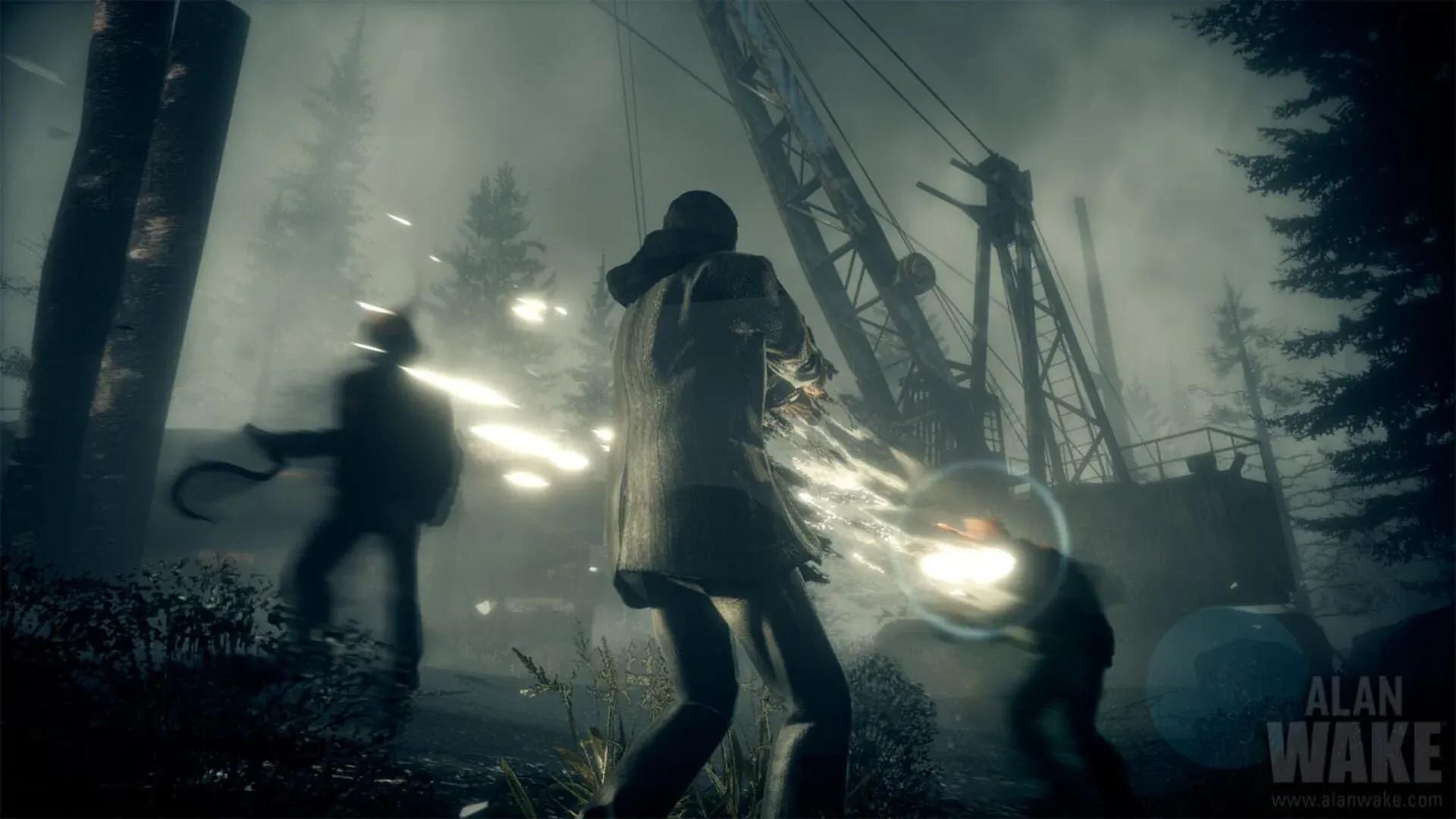
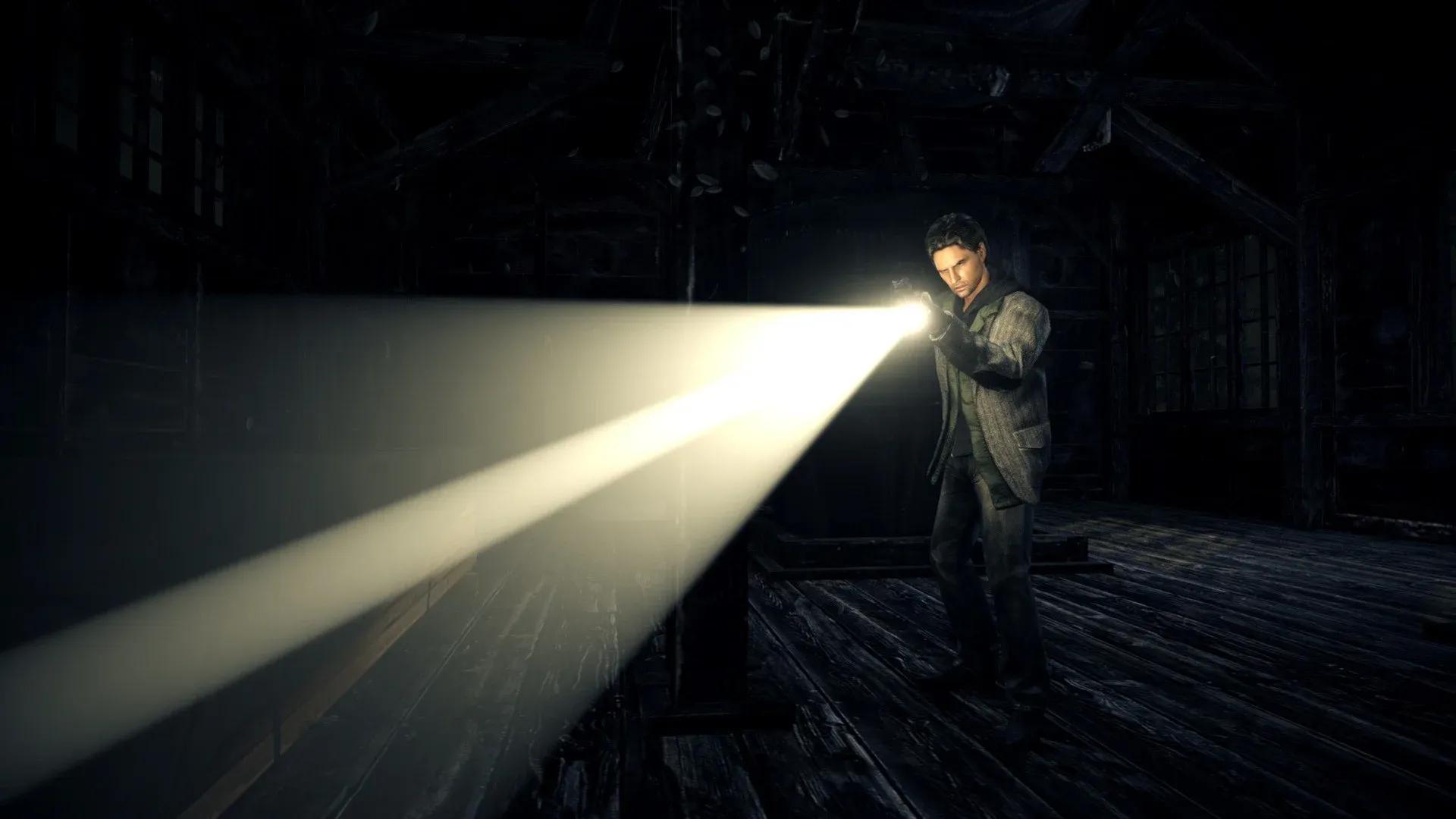
Combat in Alan Wake revolves around an innovative light-based system that sets it apart from conventional survival horror games. The Taken cannot be harmed by conventional weapons while shrouded in darkness, forcing players to first burn away their protective shadows using light sources before delivering killing blows with firearms. This creates a distinctive two-step combat rhythm that emphasizes resource management and tactical thinking.
Alan Wake
- Flashlight beams weaken enemy darkness shields
- Flare guns serve as devastating crowd-control weapons
- Flashbang grenades clear multiple enemies simultaneously
- Environmental light sources provide safe zones
- Generator-powered lights create defensive positions
The flashlight becomes Alan's most important tool, with battery management adding constant tension to encounters. Stronger enemies require more sustained light exposure, draining batteries quickly during intense confrontations. This mechanic transforms every combat scenario into a resource puzzle where players must balance aggression against conservation.
Alan Wake
World & Atmospheric Design
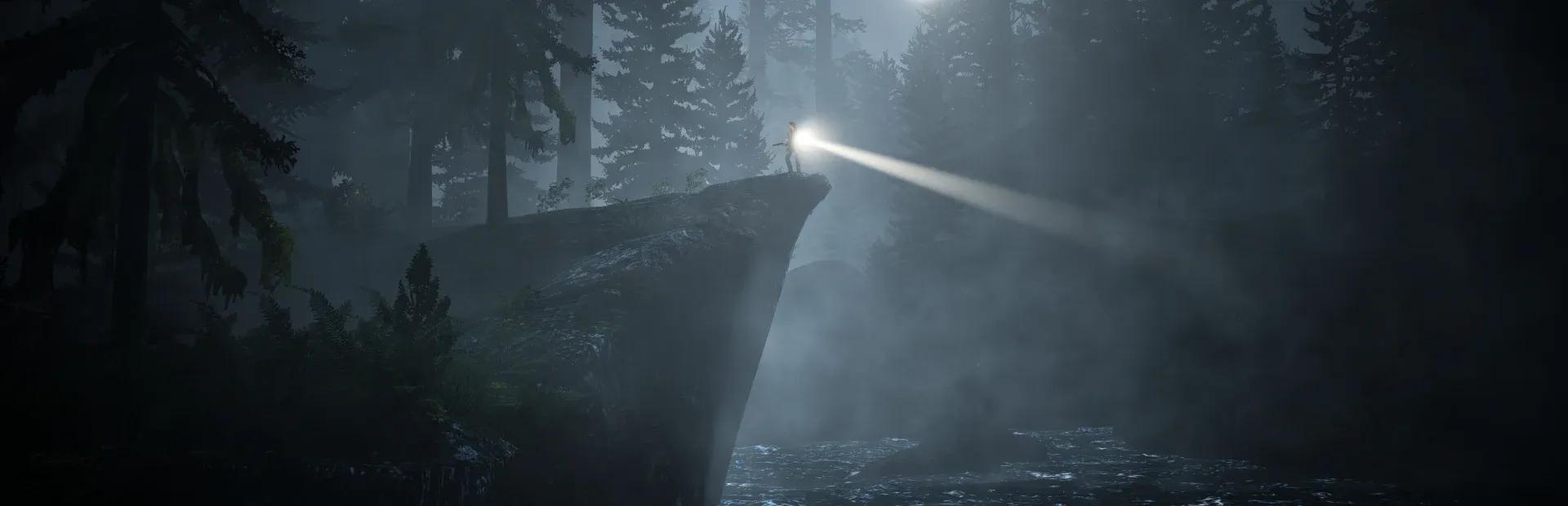
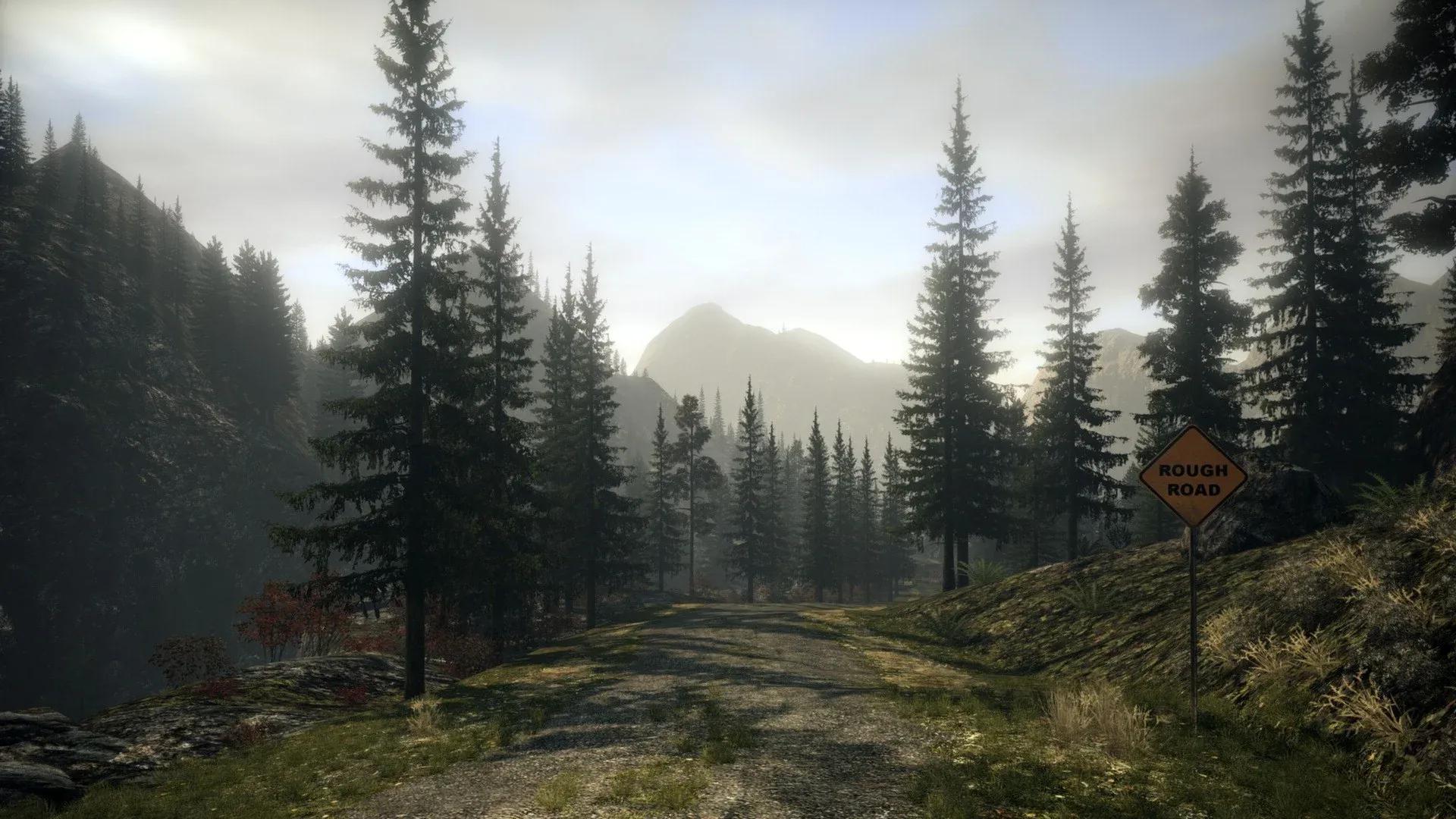
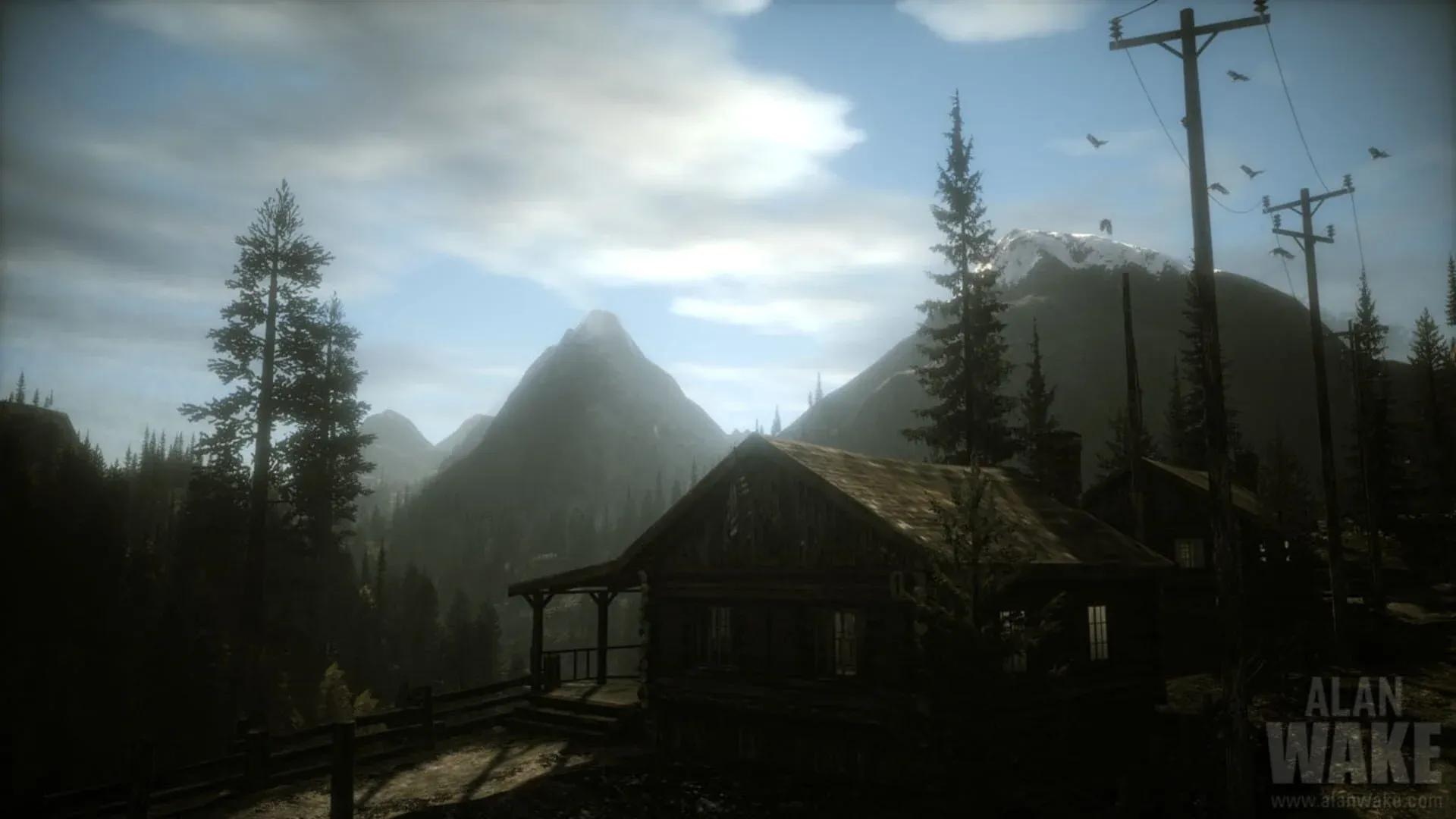
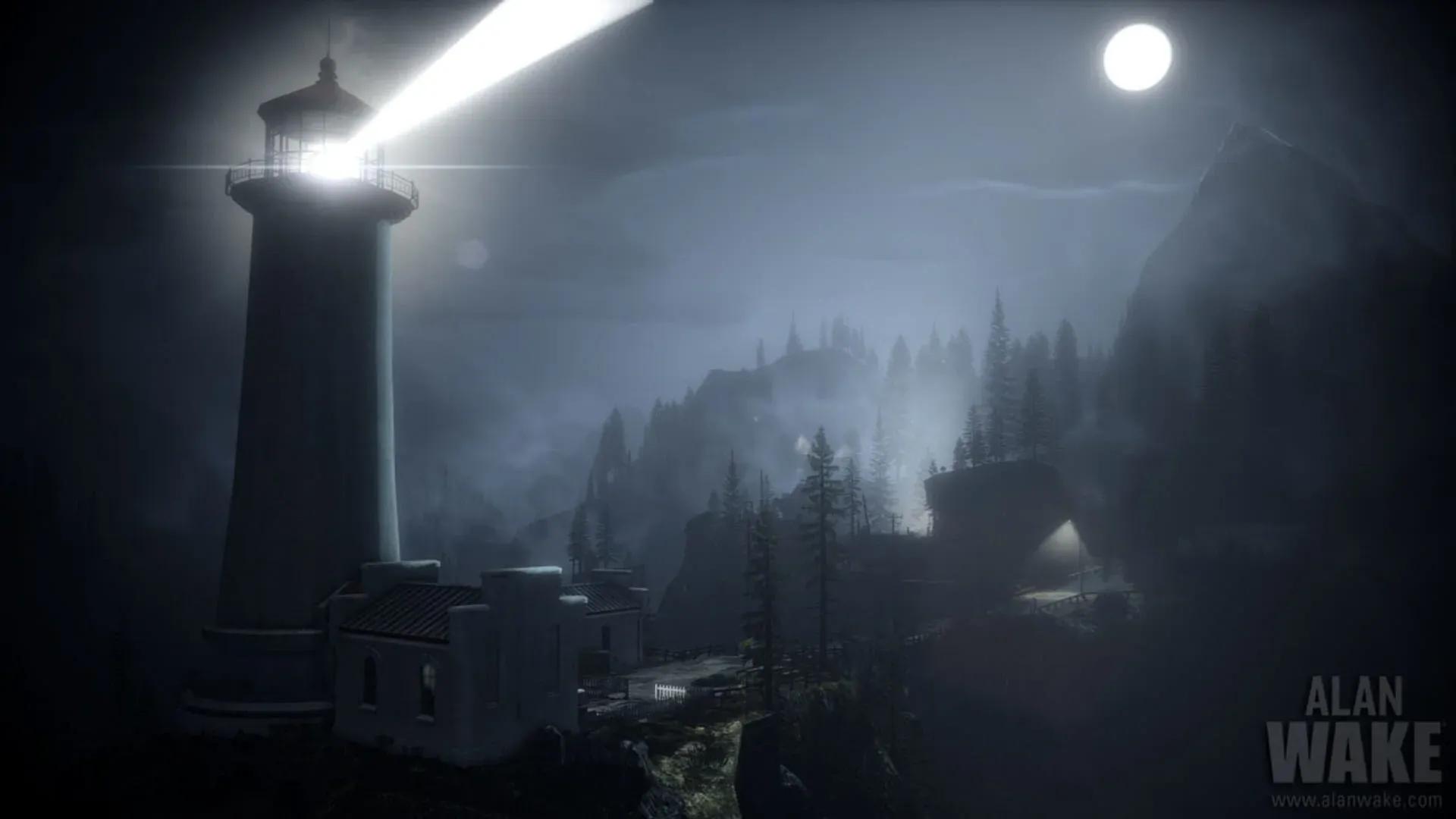
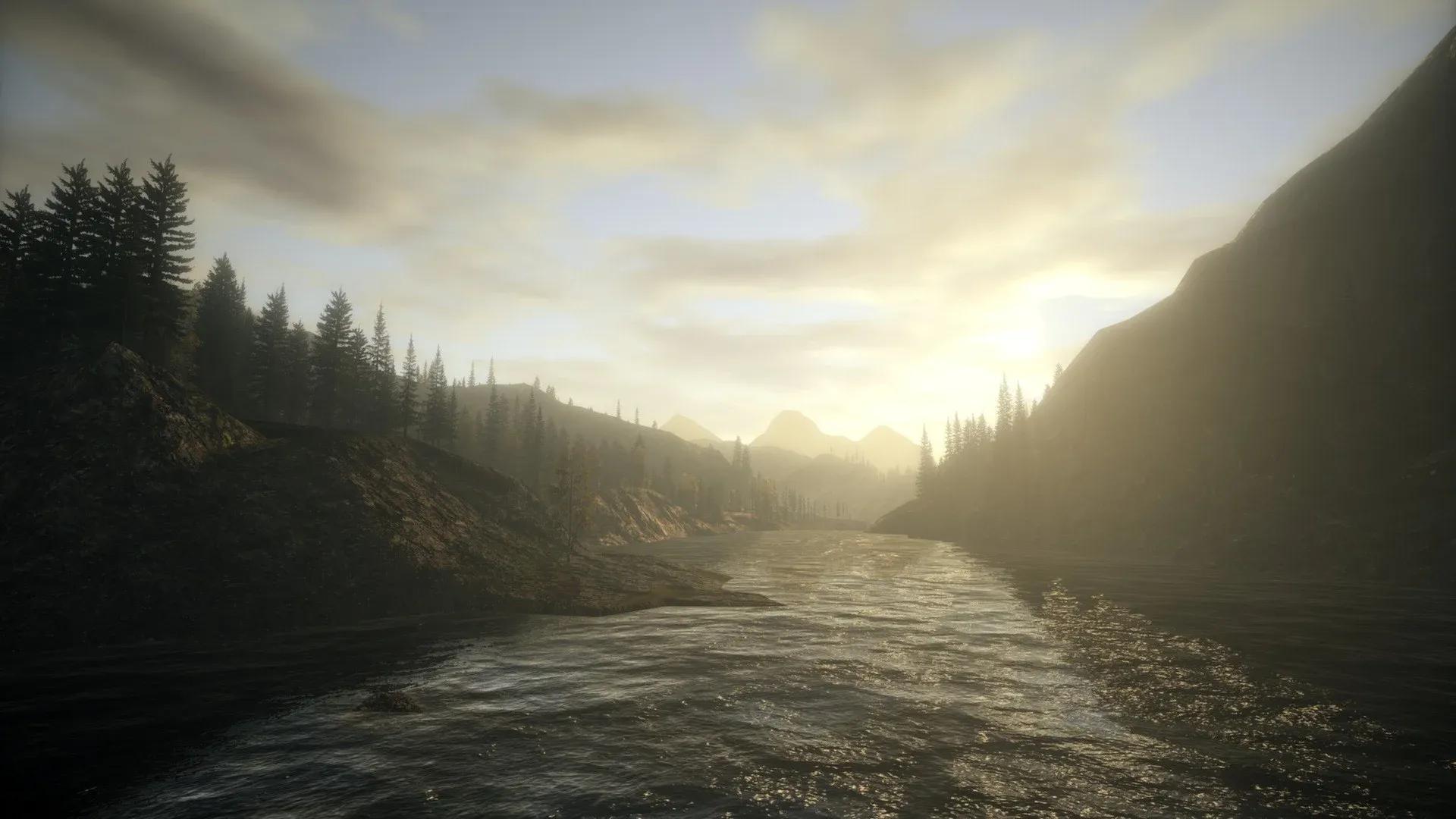
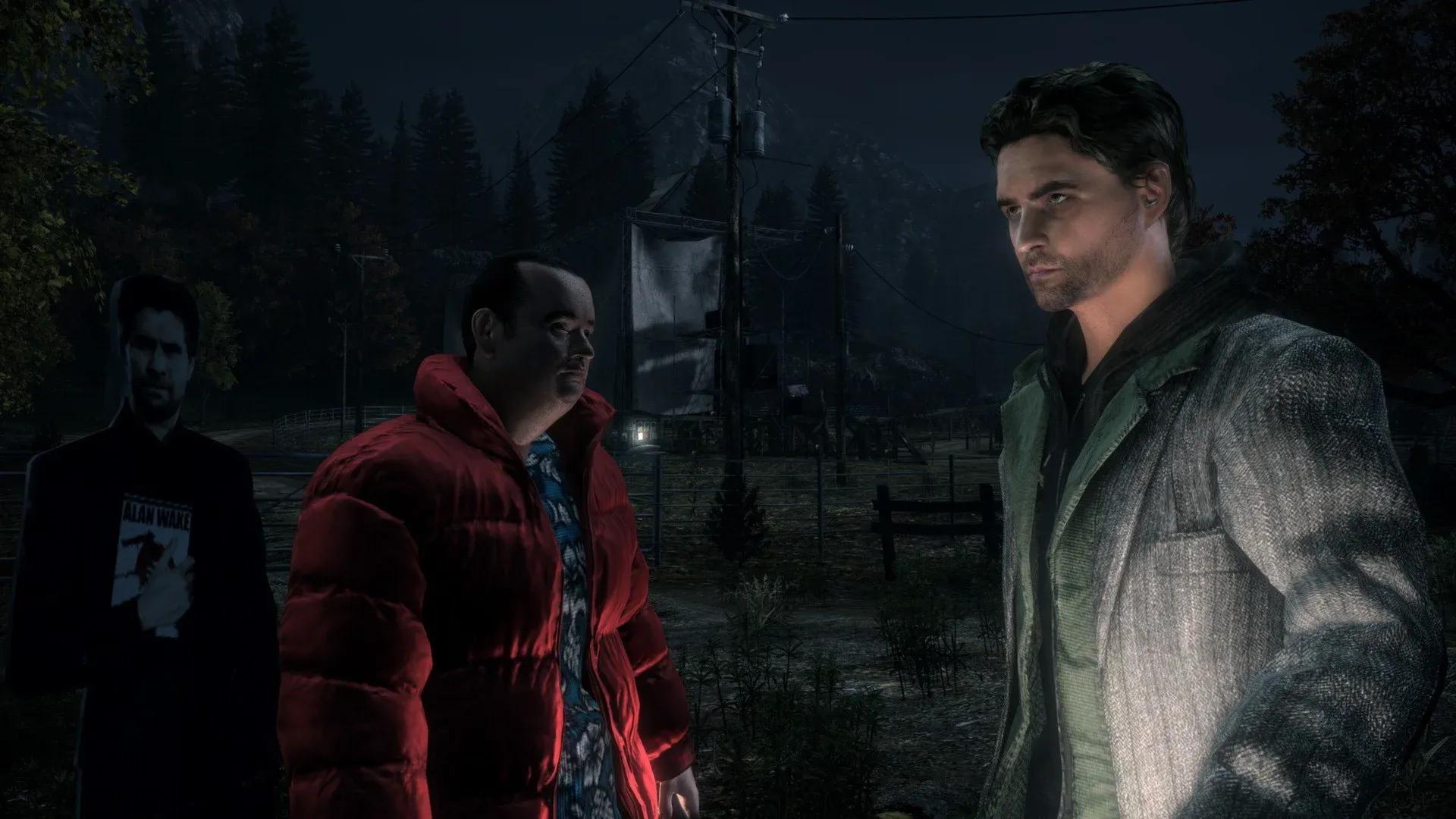
Bright Falls represents a triumph of environmental storytelling and atmospheric horror design. The Pacific Northwest setting provides a hauntingly beautiful backdrop of towering evergreens, misty lakes, and rustic small-town Americana that gradually transforms into something sinister as night falls. Remedy Entertainment crafted each location with meticulous attention to detail, from the cluttered interiors of mountain cabins to the industrial decay of abandoned mines.
The day-night cycle carries profound mechanical and narrative significance. Daytime sequences allow Alan to investigate, interact with colorful local characters, and piece together the mystery surrounding his wife's disappearance. Nighttime brings relentless danger as the Dark Presence exerts its influence, warping reality and sending waves of Taken against the vulnerable writer. This contrast creates powerful pacing that alternates between investigation and survival.
Alan Wake
Narrative Innovation & Storytelling
The manuscript page collectibles scattered throughout Bright Falls represent Alan Wake's most celebrated innovation. These scattered pages from Alan's unwritten novel provide foreshadowing, backstory, and alternative perspectives on events, sometimes describing horrors the player hasn't yet encountered. Finding a page that describes an upcoming ambush creates genuine dread, knowing that the words on the page will soon become reality.
Radio broadcasts and television programs discovered throughout the game world expand the narrative tapestry. Players encounter episodes of the fictional show "Night Springs," a clear homage to The Twilight Zone, alongside radio shows that react to unfolding events. These environmental storytelling elements reward thorough exploration while deepening the game's themes about the power of narrative and the thin membrane separating fiction from reality.
Conclusion
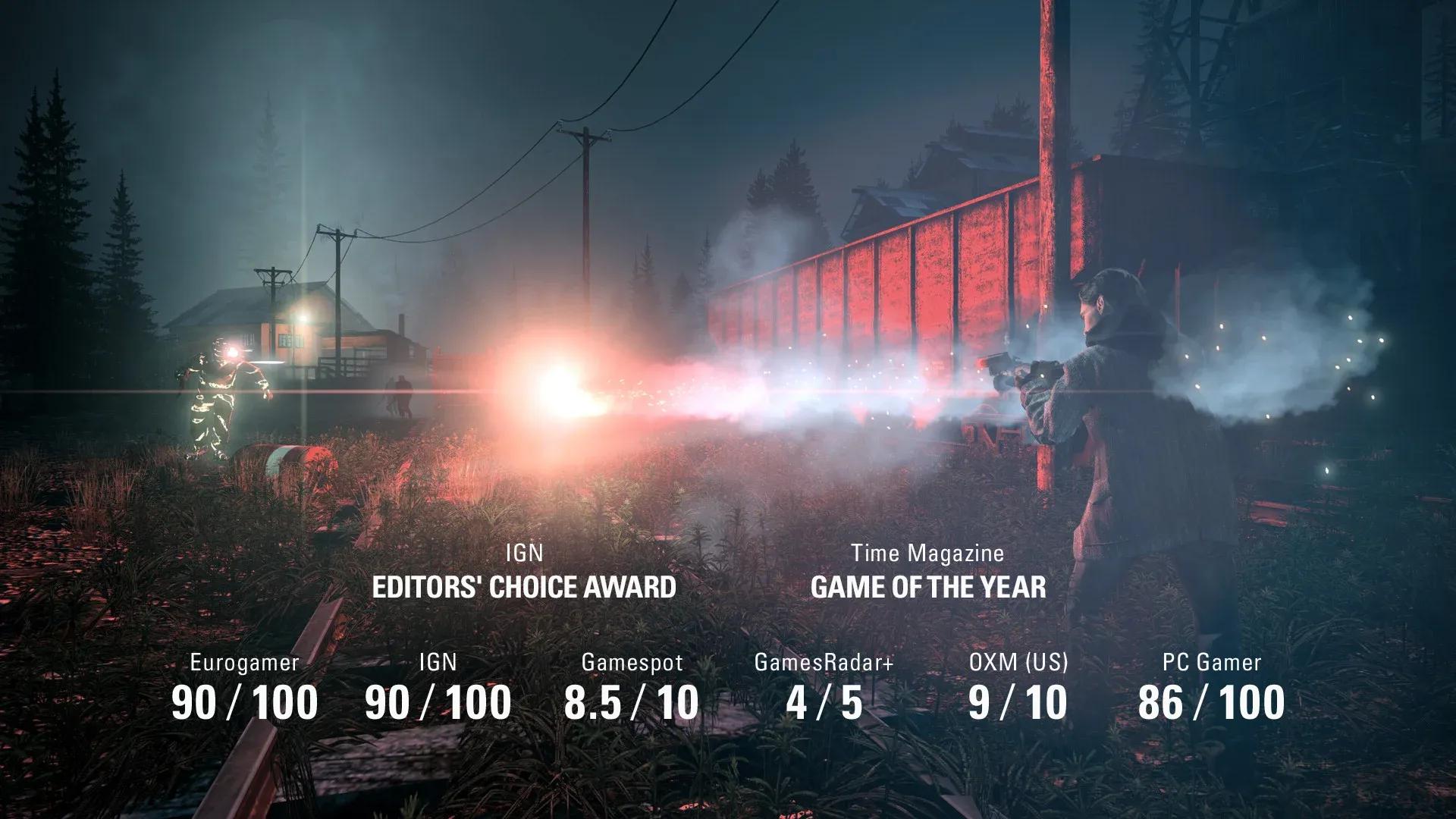
Alan Wake remains a landmark achievement in psychological horror gaming, demonstrating how innovative mechanics and atmospheric storytelling can elevate the action-adventure genre. The light-versus-darkness combat system provides consistently engaging encounters, while the episodic narrative structure and manuscript page collectibles create a uniquely literary horror experience. Available across multiple platforms including PlayStation, Xbox, Nintendo Switch, and PC storefronts, this Remedy Entertainment classic continues to captivate players who appreciate horror games that prioritize atmosphere and narrative alongside action.