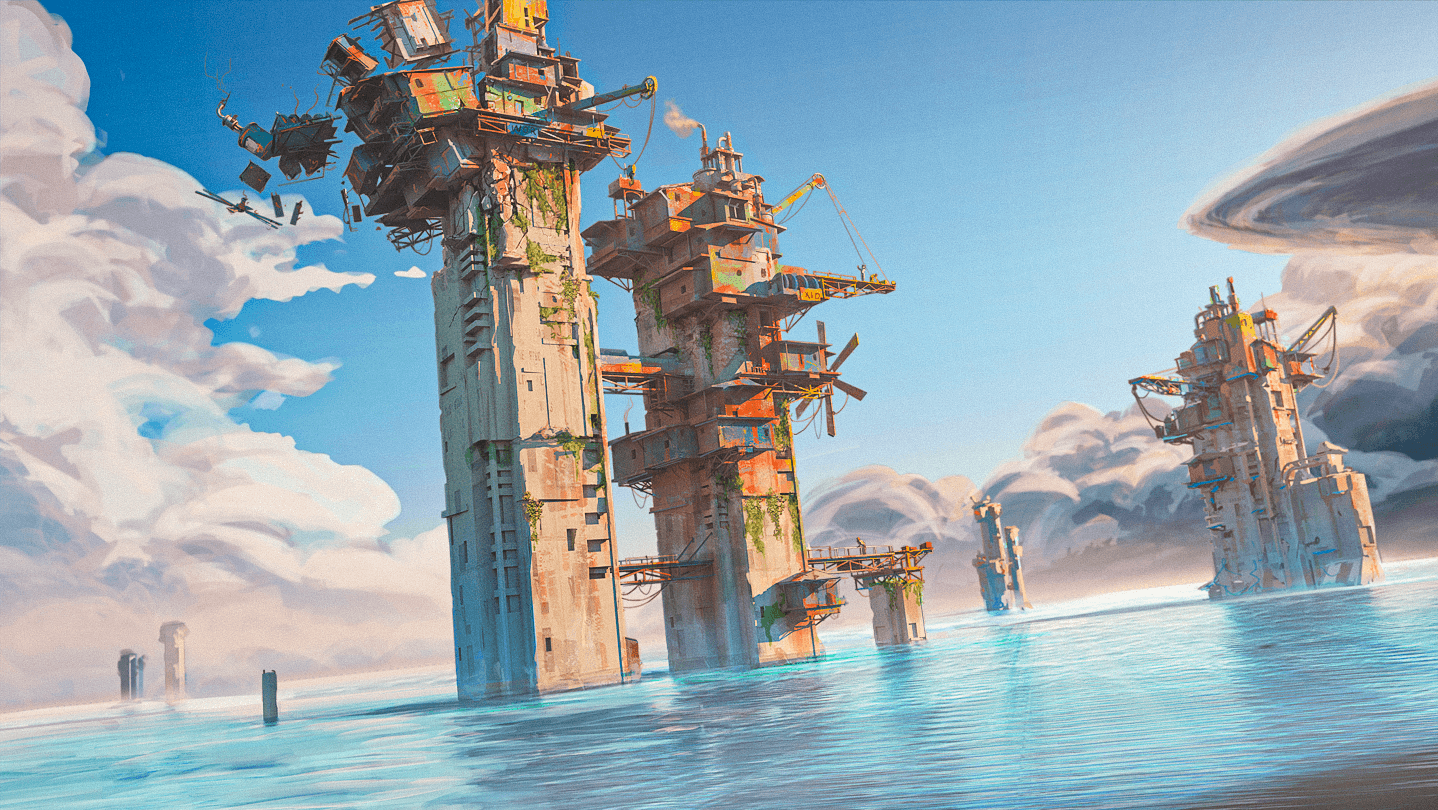

All Will Fall is not a typical city builder. Structures obey real gravitational physics, workers move at a crawl, storms can wipe out hours of progress, and three separate factions each track their own happiness. Developed by All Parts Connected and published by tinyBuild, the game launched on Steam on April 3, 2026, and it has a reputation for punishing players who treat it like a casual colony sim. These tips are drawn from hands-on time with the game and will help you avoid the mistakes that end most first runs before they ever get going.
Why does everything fall apart so fast in All Will Fall?
The short answer: small problems compound. A slight delay in food delivery drops morale a little. Morale drops a little, workers slow down. Workers slow down, materials arrive late. Materials arrive late, a structure under stress never gets repaired. Then the storm hits and that structure collapses, taking two others with it.
The colonies that last longest are not the ones that expand fastest. They are the ones where every system stays just functional enough that no single failure triggers a chain reaction. Keep that principle in mind for every decision you make.
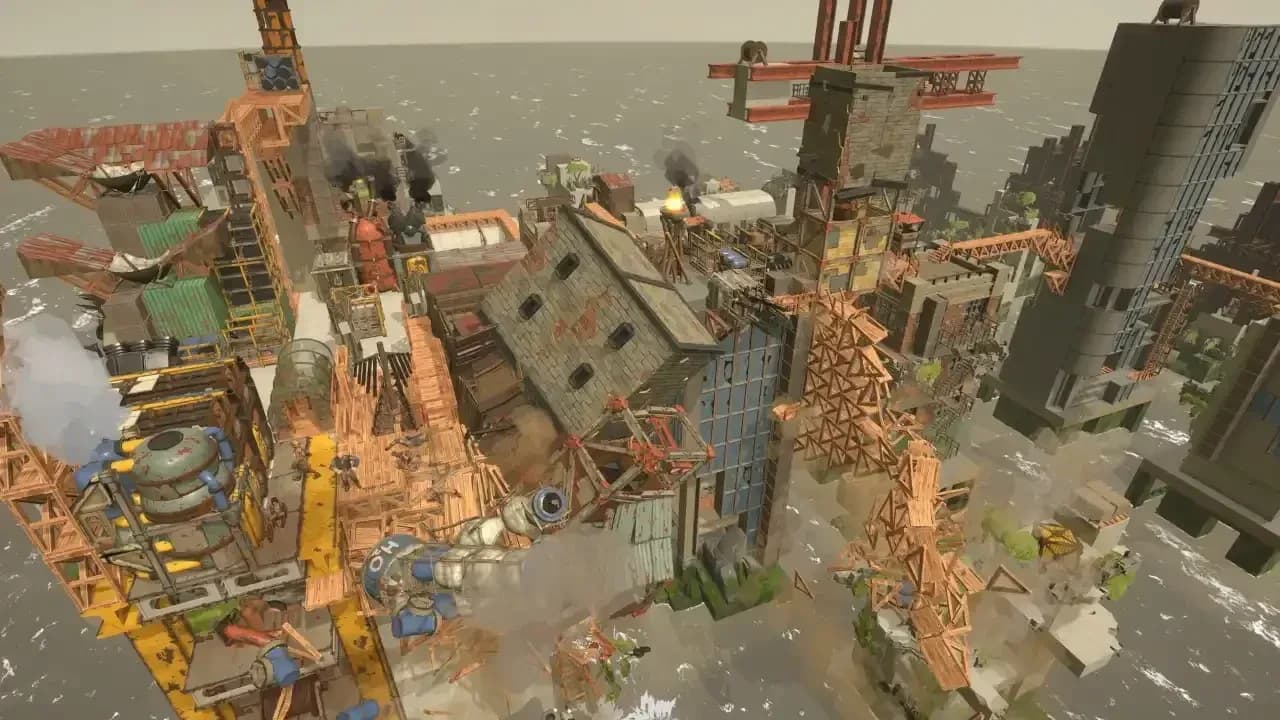
Check stress overlays often

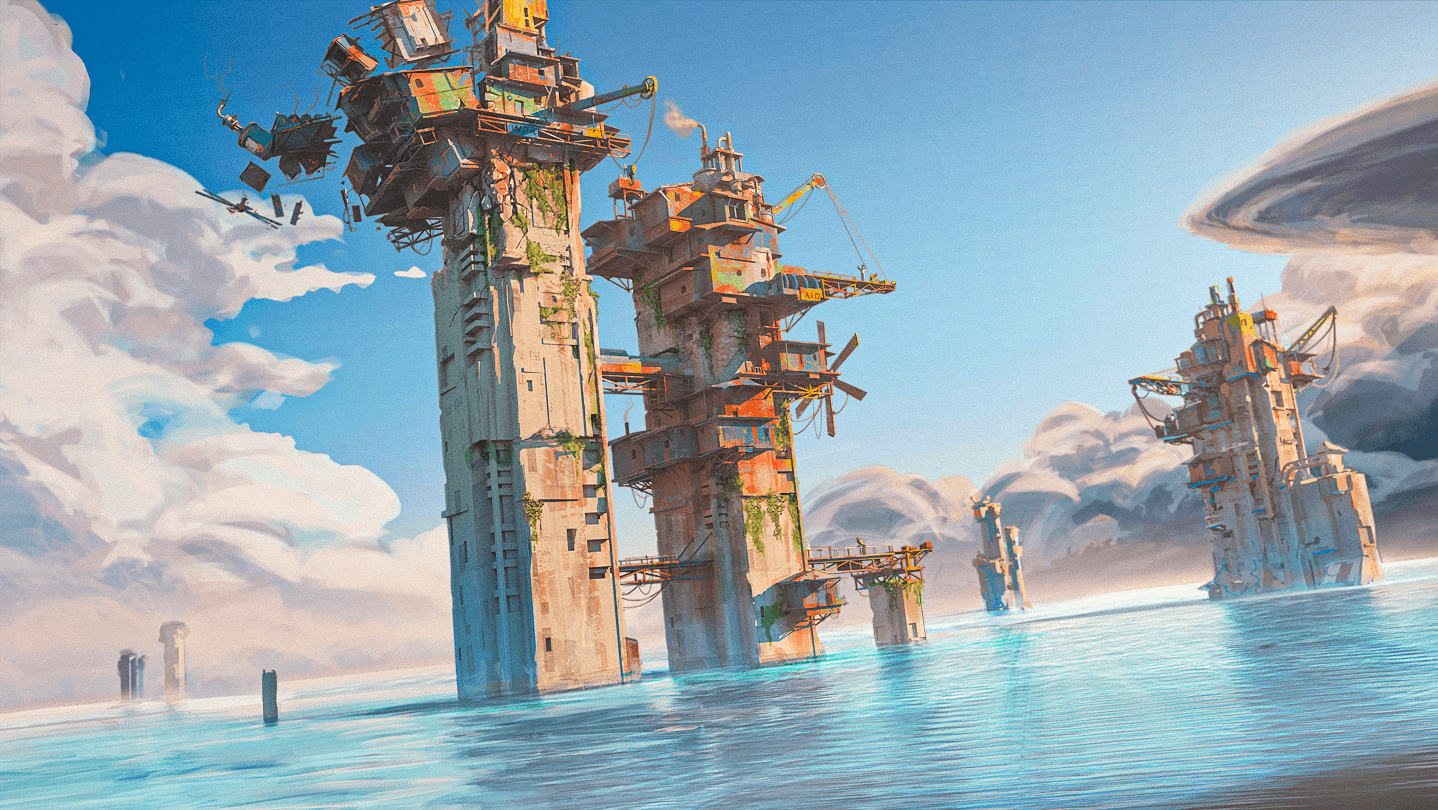
Build wide before you build tall
The physics engine is the first thing that will surprise you. Weight needs a clear load path down to the ground, and when that path is weak or missing, stress accumulates silently until something snaps. The dangerous part is that an unstable structure can look completely fine for several minutes before it gives way.
Build outward first. Establish a wide, stable base before stacking anything on top of it. Distributing weight across a broad horizontal footprint gives you far more margin for error than a tall, narrow tower. Once you have enough ground-level stability and space, you can start going vertical carefully, but keep checking the stress overlay as you add each new layer.
Workers also need housing early. Get residential buildings down before you start prioritizing production, because a colony without shelter is a colony with collapsing morale.
How does layout affect your colony's efficiency?
Raw production numbers are misleading in All Will Fall. Colonists physically carry every resource from one building to another, so the distance between structures directly controls how fast your economy actually runs. A colony with ten fishing piers but food storage on the opposite end of the map will still run short on food.
The fix is tight, logical groupings:
- Place Fishing Piers adjacent to food storage so carry trips stay short
- Keep water production next to water storage to maintain consistent supply cycles
- Position material production buildings close to construction storage
Every extra tile a worker has to walk is lost time, and lost time means fewer resources delivered per cycle. Over a long run, a poorly laid-out colony will always underperform a well-organized one even if both have identical building counts.
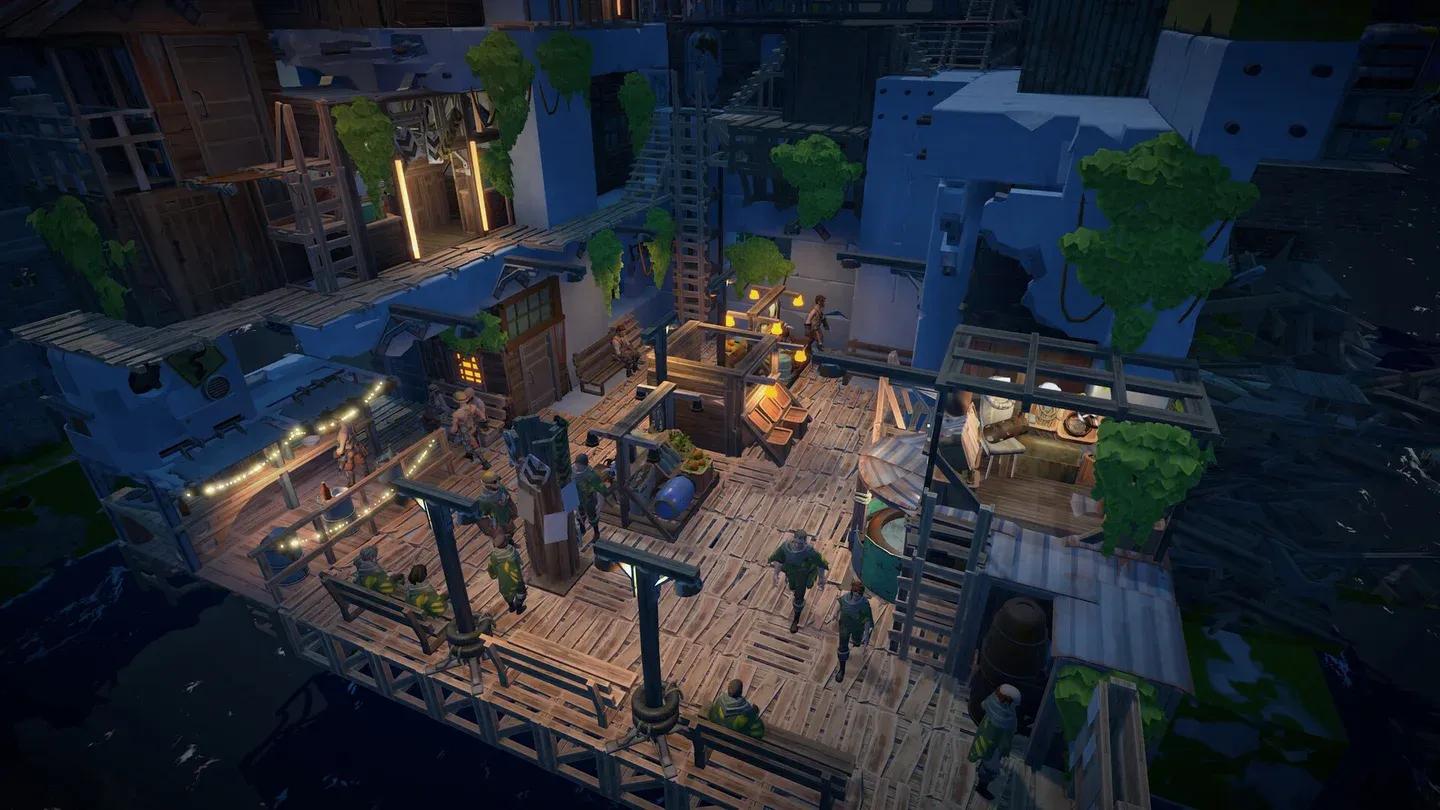
Tight layouts save worker travel time
Understanding the tide cycle
The tide is not just a visual effect. It actively gates what you can do and when.
Low tide exposes resource deposits that are otherwise underwater. The window is short, so assign workers the moment low tide begins and pull as many resources as possible before it closes. Hesitating even briefly can mean losing the entire opportunity for that cycle.
High tide brings trade ships to your colony, opening up trading opportunities and access to resources you might not be producing locally.
The tide also determines where it is safe to build permanently. Structures placed in flood zones will need to be removed eventually, which wastes materials and time. Learn which areas flood regularly and treat them as off-limits for anything permanent.
| Tide State | Key Opportunity | Risk if Ignored |
|---|---|---|
| Low tide | Gather exposed resources quickly | Miss the window, lose the resources |
| High tide | Trade ships arrive, new routes open | Miss trading opportunities |
| Flood zones | Temporary access only | Permanent structures get damaged |
How do you keep faction morale from crashing?
All Will Fall tracks morale separately for each of its three factions: Workers, Sailors, and Engineers. Each has different needs, and ignoring any one of them long enough triggers strikes. When a faction goes on strike, those colonists stop working entirely. If that faction handles food production or materials, the rest of the colony starts degrading fast.
The key is consistency rather than emergency fixes:
- Keep food, water, and shelter covered for all factions at all times
- Build faction-specific buildings early so no group falls behind from the start
- Watch morale trends rather than waiting for a full drop before reacting
Once morale has tanked, recovering it takes significantly longer than maintaining it would have. Treat morale like a slow-burning fire: much easier to keep it from starting than to put it out.
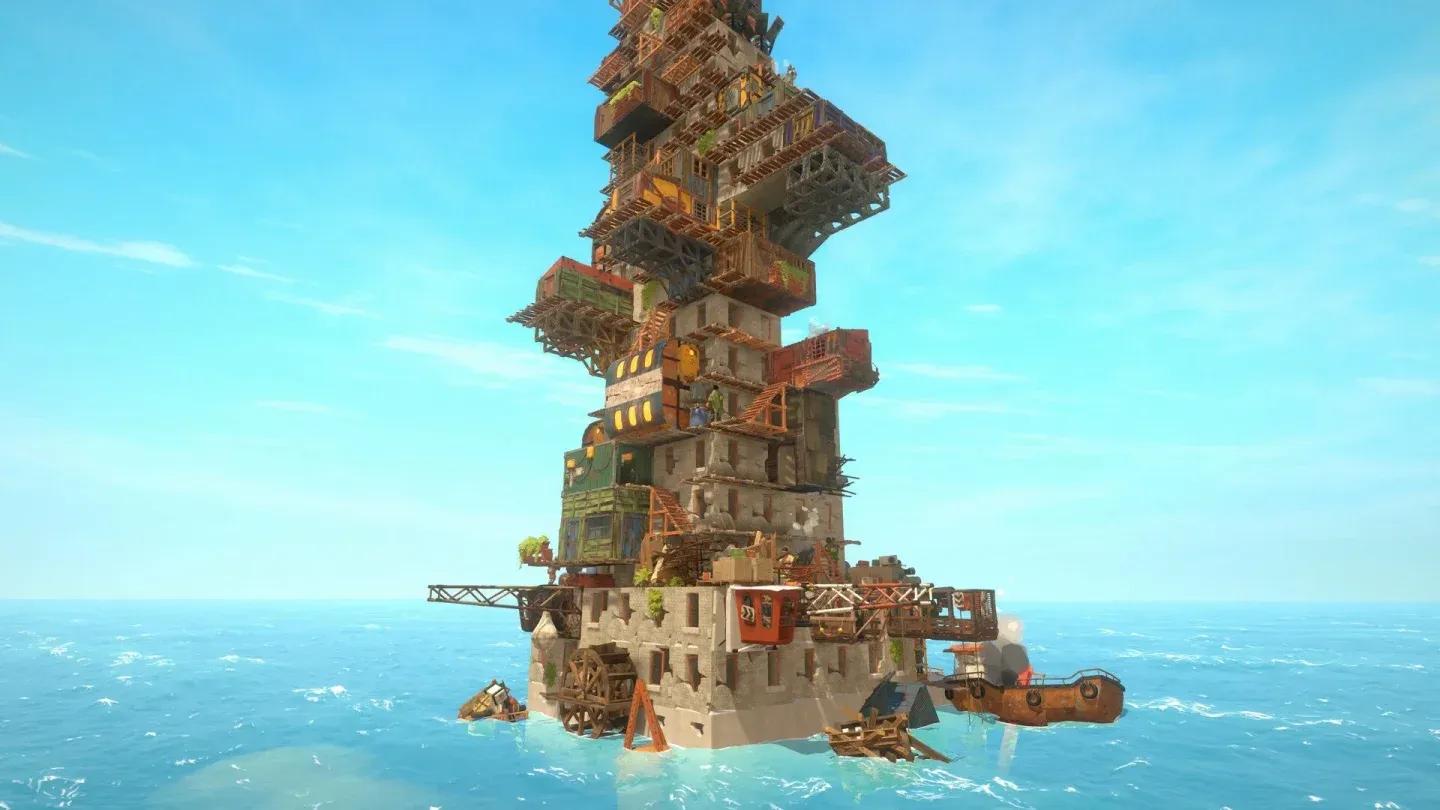
Monitor all three faction morale bars
What should you spend Influence on?
Influence accumulates slowly and does not refill quickly after spending. That makes it one of the most easily wasted resources in the game. Spending it on minor conveniences early in a run often means having nothing left when a serious storm event or faction crisis hits.
Treat Influence as a safety net rather than a currency for upgrades:
- Reserve it for major storm events and crisis situations
- Spend on faction leaders and permanent upgrades that compound over time
- Avoid burning it on resources you can recover through normal production
The moment Influence actually matters is usually a high-pressure situation. Having it available then is worth far more than whatever small benefit you got from spending it earlier.
Fuel management: gathering it and making your own
Fuel becomes a survival issue faster than most new players expect. After the tutorial, the Broken Tanker map starts you with a large fuel supply, but it drains quickly. Moving your ship to escape a storm costs 60 fuel, and explosives require fuel too. Run out at the wrong moment and the storm hits your structures directly.
The long-term solution is fuel production. Research new buildings through the small lab to unlock your own fuel-making capability. It takes time to set up, but you should have enough existing fuel to bridge the gap if you prioritize the research early. Do not treat fuel like a renewable resource until that production is actually running.
Storm preparation checklist
Storms are telegraphed. The compass in the top-right corner of the screen turns red when one is incoming, which gives you a preparation window. Use it.
Before the storm arrives:
- Reinforce lower-level structures carrying the most weight, since those are the ones whose collapse causes cascading failures
- Avoid starting new builds that add stress to the colony right before impact
- Save manually so you have a fallback position
- Check your fuel reserves. If you have enough, you can move the ship out of the storm's path entirely and avoid structural damage altogether
Storm damage is permanent until repaired. There is no undo after the fact, so preparation is the only reliable strategy.
Research: solve today's problems first
The research tree in All Will Fall includes options like rainwater collectors, smelters, communication towers, and more. The temptation is to unlock things that look interesting or powerful for later. That approach tends to backfire.
Research works best when it directly addresses what your colony is struggling with right now. Unlocking something you cannot support yet adds pressure without solving anything. The strongest research order generally follows this logic:
- Stabilize food production first so population growth stays manageable
- Unlock materials that support your next planned expansion
- Hold off on exploration-focused research until your base colony is self-sustaining
For more guides on survival games and colony builders, browse more guides at GAMES.GG to find strategies across dozens of titles.