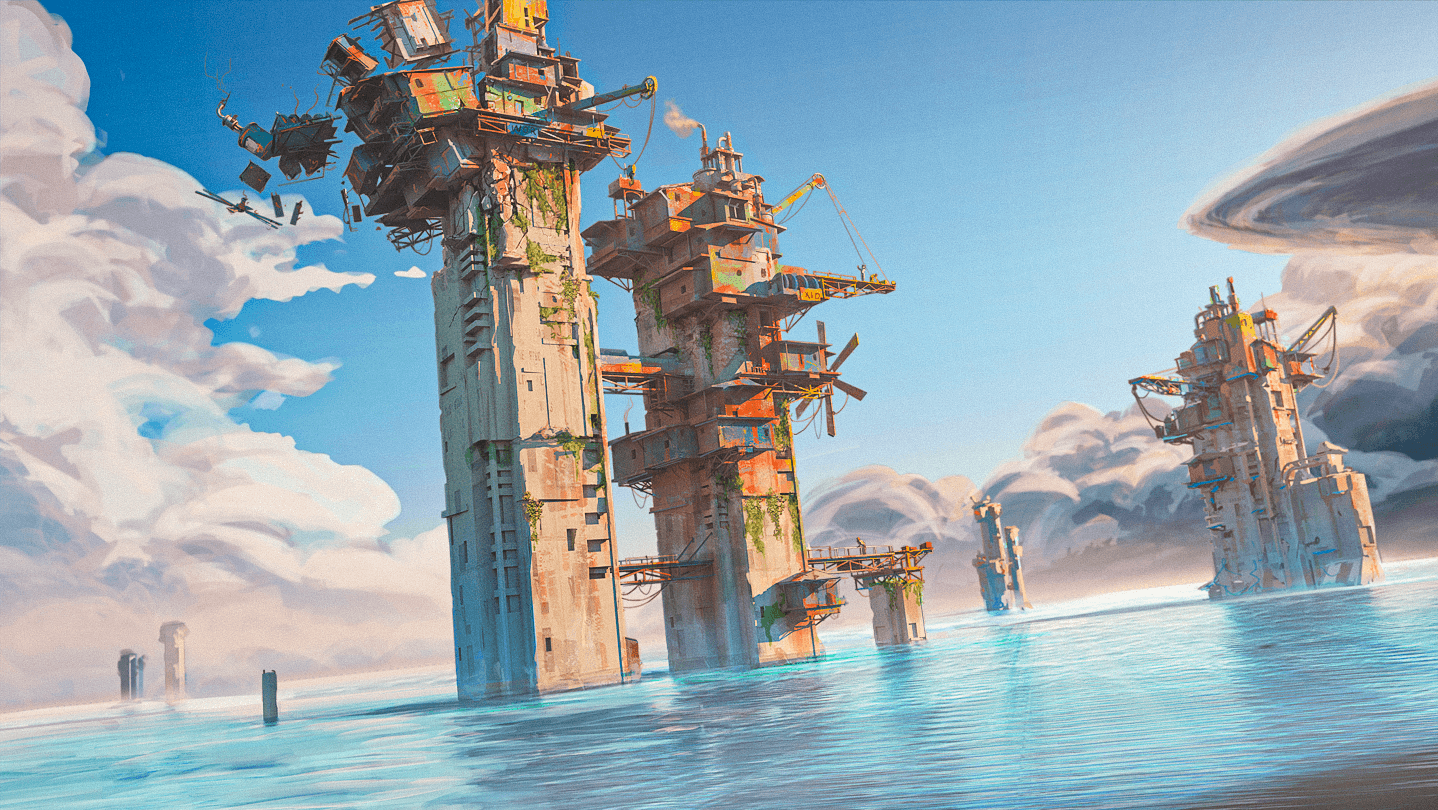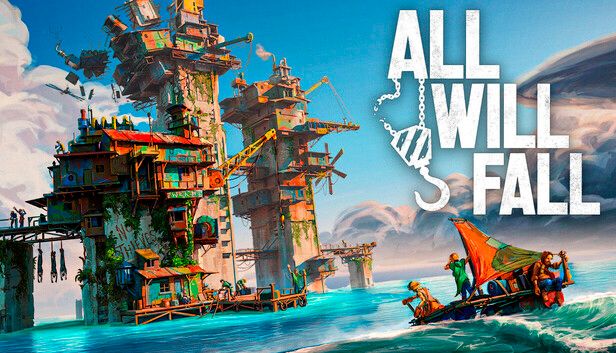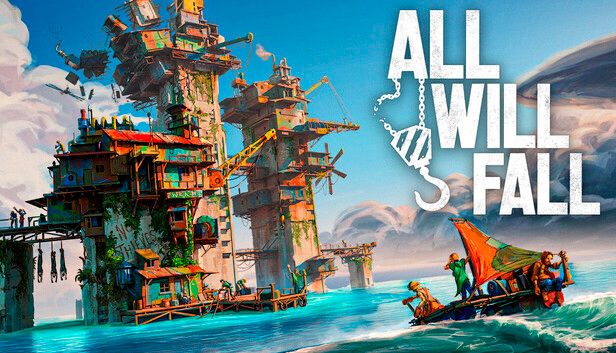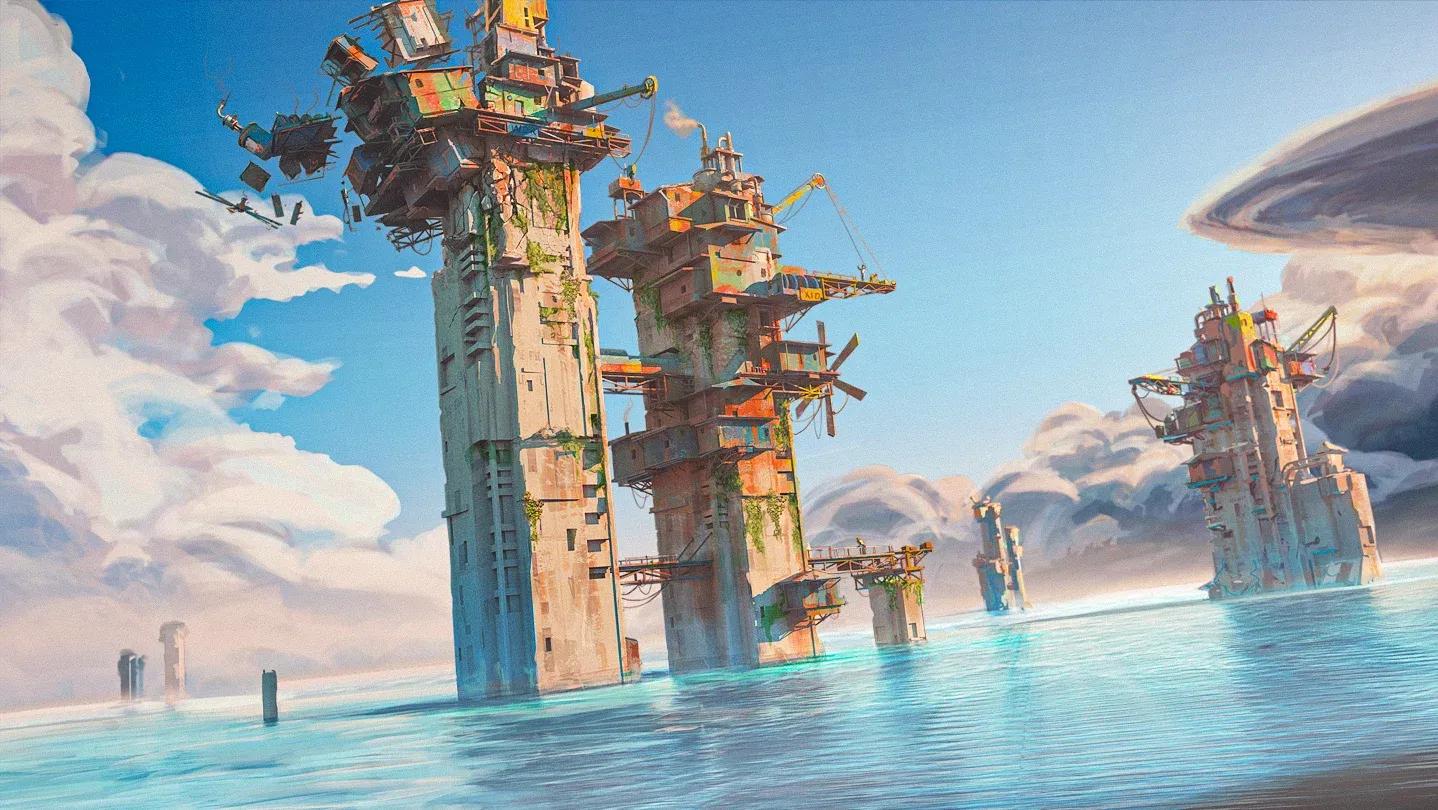

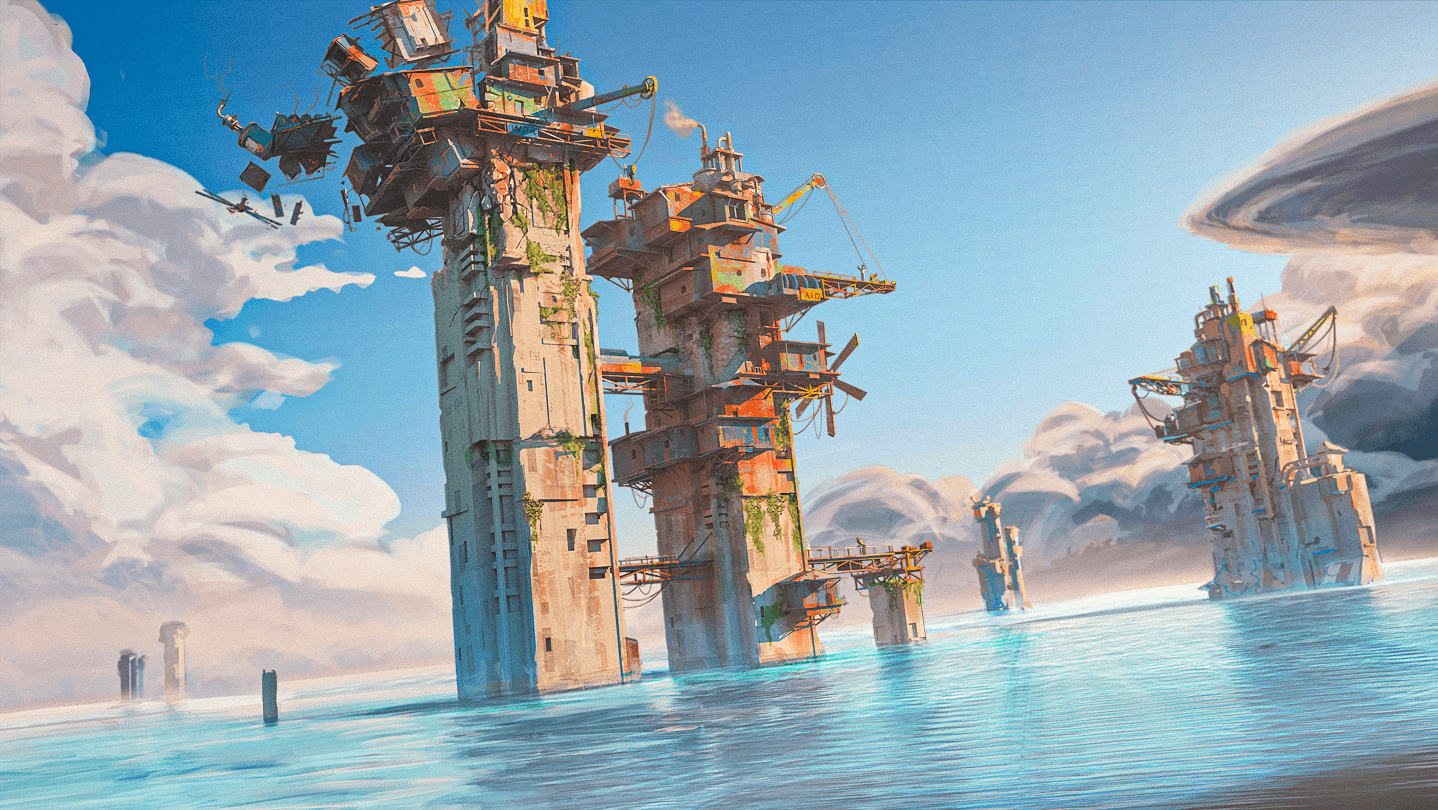
All Will Fall dropped on Steam on April 3, 2026, and it wastes no time making you feel the weight of every decision. Developed by All Parts Connected and published by tinyBuild, this post-apocalyptic city builder runs on real gravitational physics, meaning a poorly placed support beam is not just an aesthetic problem. It is a colony-ending one. If you are jumping in fresh, here is everything you need to know to get your first stable settlement off the ground.
What makes All Will Fall different from other city-builders?
Most city-builders let you plop buildings wherever you like without worrying about structural integrity. All Will Fall does not. Every structure you place obeys gravity, and if the load paths through your construction fail, the whole thing comes down. The game tracks weight distribution in real time, and there is a stress overlay you should keep visible, especially early on when you are still learning how supports interact with vertical stacking.
The ocean setting adds another layer. Your colony sits on or above water, and tides cycle in and out, revealing new resource deposits and buildable zones at low tide. You are not just managing production chains, you are planning around a dynamic environment that literally changes the map beneath you.

How do the three factions work?
All Will Fall has three distinct factions, each filling a specific role in your colony. Understanding what each one does, and keeping all three reasonably happy, is the foundation of any successful run.
| Faction | Primary Role | Key Strength |
|---|---|---|
| Workers | Resource gathering | Core production output |
| Sailors | Ocean exploration | Unlocking new zones and routes |
| Engineers | Cranes and research | Technology and construction capacity |
Each faction has its own happiness meter, and when happiness is high enough, you unlock Perks that give meaningful bonuses to your colony. Neglecting any one faction creates bottlenecks. Let your Workers fall behind and production stalls. Ignore your Sailors and you miss low-tide resource windows. Underfund your Engineers and the research tree crawls.
The faction system is not just a morale mechanic, it is a resource allocation puzzle. You spend Influence to manage faction relationships and unlock perks, so how you prioritize that spending shapes your entire strategy.
What should you research first?
The research tree in All Will Fall unlocks structures and tools that dramatically change what your colony can do. Notable unlockable items include rainwater collectors, smelters, communication towers, and hamster-wheel dynamos. Early priorities should focus on production sustainability, specifically anything that reduces your dependence on finite surface resources before the tide shifts.
Engineers drive research output, which is another reason keeping that faction satisfied pays off quickly. A well-fed Engineer faction means faster unlocks and better construction tools, which compounds over time.
How do tides and exploration actually work?
The tide cycle is one of the most distinctive systems in All Will Fall. When the tide pulls back, it exposes terrain that was previously underwater, opening up new resource deposits you can harvest and new ground you can potentially build on. When the tide comes in, those zones flood again.
This means your Sailors are not just a nice-to-have faction. They are your early warning system and your expansion engine. Sailors handle ocean routes and exploration, which directly determines how much of the map you can access during low-tide windows. Prioritizing their happiness early gives you more flexibility when the tide cycle creates opportunities.
Planning your expansion around the tide is not optional. Build too aggressively into a low-tide zone without accounting for the flood cycle and you will lose structures when the water returns.
How many scenarios does All Will Fall have?
The game ships with 8 handcrafted story scenarios, each built around a unique map, set of objectives, and narrative challenges. Documented scenarios include the Oil Rig, Tanker Truck, and Tornado Race, among others. All Parts Connected estimates over 100 hours of content across all scenarios depending on how you approach them.
Beyond the story content, All Will Fall includes a full sandbox mode and Steam Workshop integration. The built-in level editor lets you create and share custom scenarios, with control over weather, resources, and map layout. For players who exhaust the base content, the Steam Workshop extends the game considerably.
What are the PC requirements?
Before you build your first tower, make sure your machine can handle the physics simulation. All Will Fall's minimum specs are a Ryzen 5 3600 or Intel i5 12400, 16 GB of RAM, a GTX 1660 Super, and 5 GB of storage with an SSD recommended. Windows 10 64-bit is required. The SSD recommendation is worth taking seriously given how much the game simulates in real time.
Core survival priorities at a glance
Here is a condensed breakdown of what to focus on when you are starting out:
- Watch the stress overlay constantly during early construction. It tells you where your structure is about to fail before it actually does.
- Balance faction happiness across all three groups. Perks from happy factions are some of the strongest tools available.
- Plan construction around the tide cycle, not against it. Low tide is opportunity, high tide is consolidation.
- Spend Influence carefully. It is a limited resource and spreading it too thin or hoarding it both cause problems.
- Use the research tree to unlock production upgrades early. Smelters and resource processors reduce the pressure on raw gathering.
- Lean on Undo when testing structural ideas. Experimenting is how you learn the physics, and the game gives you the tools to do it safely.
All Will Fall rewards players who slow down, observe their colony's stress points, and adapt their plans to the environment rather than fighting it. The physics simulation is not just a gimmick, it is the entire design philosophy. Once you start reading your structures the way the game intends, the colony-building clicks into something genuinely satisfying.
For more strategy content across all types of games, browse more guides on GAMES.GG.