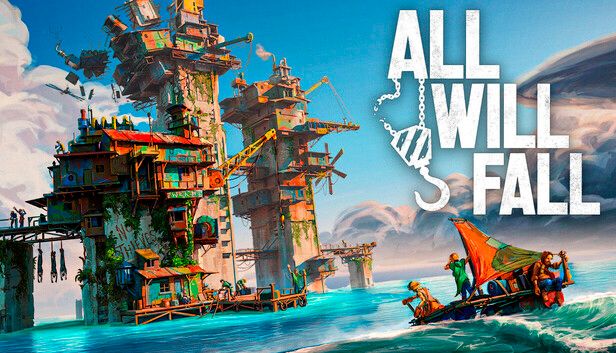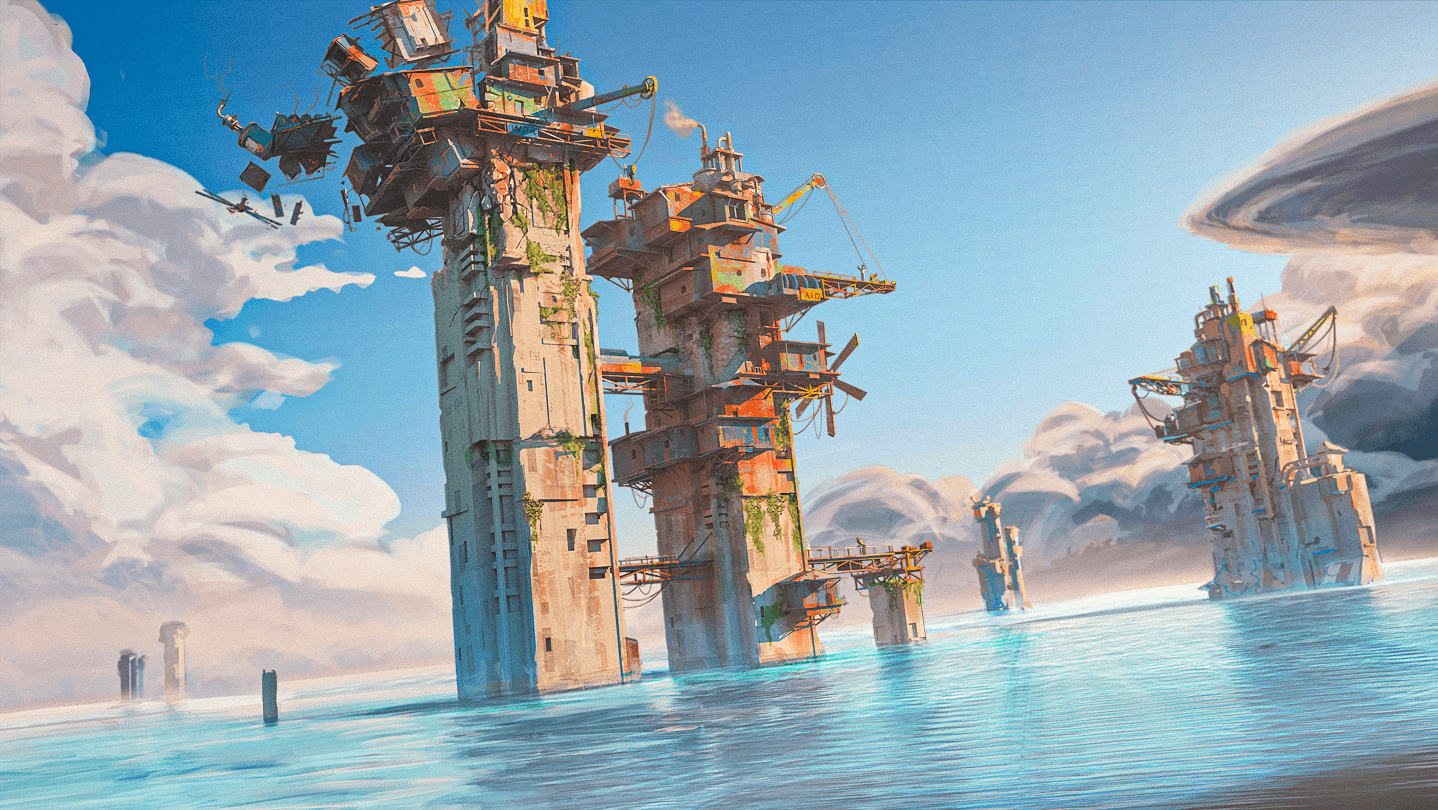

All Will Fall is not your average city builder. The post-apocalyptic setting means your structures can physically collapse, factions track morale independently, and storms can wipe out progress you spent hours building. The physics system punishes careless construction, and the resource loop is tight enough that a few bad decisions early on can snowball into a full colony collapse. These tips come from hands-on experience with the game and will help you avoid the most painful early mistakes.
Why patience matters more than speed in All Will Fall
The instinct in colony builders is to build fast and fix problems later. In All Will Fall, that instinct will get you killed. The game's systems are layered enough that rushing through the early stages creates compounding problems: workers traveling inefficient routes, structures carrying uneven weight loads, and morale crises hitting before you have the infrastructure to handle them.
Take your time with each decision. A layout you plan carefully upfront will save you far more time than one you patch together and try to correct mid-game. Fixing things you left for later becomes a genuine drag once your colony is mid-expansion, and the systems are interconnected enough that one rushed decision creates three new problems.
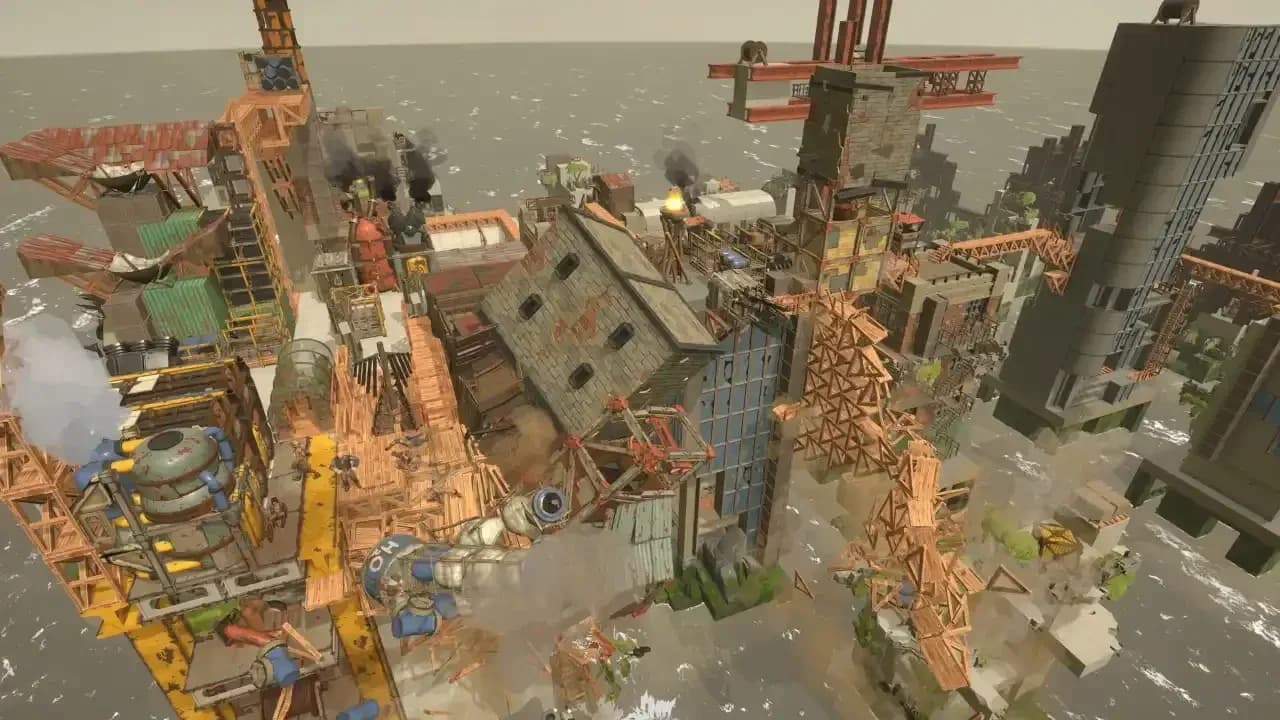
Plan before you place anything

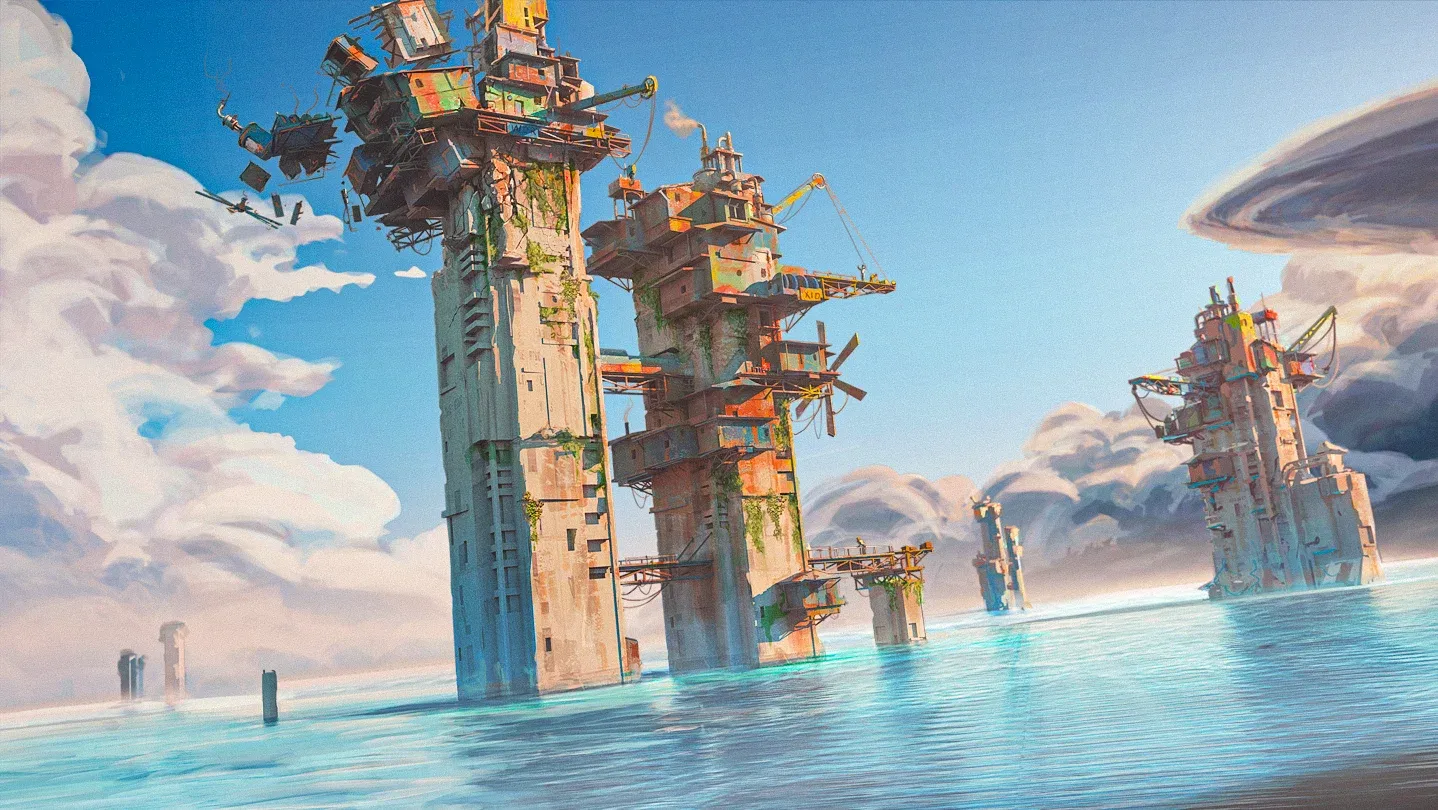
How should you plan your colony layout?
The single most impactful thing you can do before placing your first building is think about worker movement. Workers in All Will Fall are slow. Long travel distances between buildings translate directly into fewer resources gathered per in-game cycle. Every extra second a worker spends walking is a second they're not harvesting, building, or hauling.
Keep related buildings close together. Food storage belongs near food-gathering structures. Production chains should be clustered so workers aren't crossing the entire colony to complete a single task. This isn't just about efficiency in the abstract: the game's resource margins are thin enough that wasted movement time can mean the difference between having enough food to maintain morale and triggering a faction strike.
Build horizontally first: why vertical construction fails early
All Will Fall has a physics system that actually tracks structural weight distribution. Build vertically too early, and your structures will collapse. This isn't a rare edge case: it's a core mechanic that punishes players who try to stack upward before establishing a stable horizontal foundation.
The practical advice here is straightforward. Spread your colony outward first. Establish a wide, stable base before adding height anywhere. Even structures that look stable can become unstable as you add more weight on top of them, so treat every vertical addition as a risk that needs to be managed with equal weight distribution.
Once you have enough horizontal space and structural stability, you can begin building upward. But keep the pace steady and check your load distribution carefully before committing to vertical expansion.
How does morale work, and what happens when it drops?
Morale in All Will Fall is tracked per faction, not as a single colony-wide stat. That distinction matters because it means one faction can be content while another is close to striking, and you need to monitor each one separately.
When morale drops too low, workers from that faction go on strike and stop working entirely. They won't gather resources, they won't build, they won't do anything. Recovering from a strike is significantly harder than preventing one, so the goal is to catch morale problems early.
The two main causes of morale drops are food shortages and inadequate shelter. Build faction-specific housing as early as possible, and keep a close eye on your food supply. If you see morale trending downward, treat it as an emergency rather than something to address when convenient.
| Morale Threat | Cause | Fix |
|---|---|---|
| Faction strike | Morale too low | Restore food, shelter, address needs immediately |
| Slow resource decline | Worker inefficiency | Shorten travel routes, cluster buildings |
| Structural collapse | Vertical building too early | Build horizontally first, distribute weight |
| Storm damage | Insufficient prep | Reinforce lower structures, save manually |
What's the best approach to surviving storms?
Storms in All Will Fall are destructive, but the game gives you advance warning before they hit. That warning window is valuable. Use it.
The most reliable strategy is to make a manual save as soon as you receive a storm warning. If the storm causes more damage than expected, you can reload and adjust your preparations. This isn't a cheat: it's the game giving you information and you using it intelligently.
Before the storm arrives, focus on reinforcing your lower structures, specifically the ones bearing the most structural load. If those collapse during the storm, the damage to your colony will be severe. Strengthen them first.
If you have enough fuel, you can actually move the ship to escape the storm entirely and avoid damage altogether. That's the best outcome, but it requires fuel reserves you may not always have.
How do tides affect your colony?
The tide system in All Will Fall creates two distinct opportunities you need to react to quickly.
Low tide exposes resources that are otherwise inaccessible. The window is short, so assign workers to gather from those areas the moment low tide begins. Hesitate and you'll miss the window entirely.
High tide brings trade ships to your colony. These ships offer trading opportunities and potentially useful resources, so don't ignore them when they arrive. Both tide states are time-sensitive, which means you need to be watching the game actively rather than setting things up and walking away.
Building in areas that flood regularly is also a mistake worth avoiding outright. If a structure needs to be removed later because it floods every high tide, you've wasted the resources and time it took to build it.
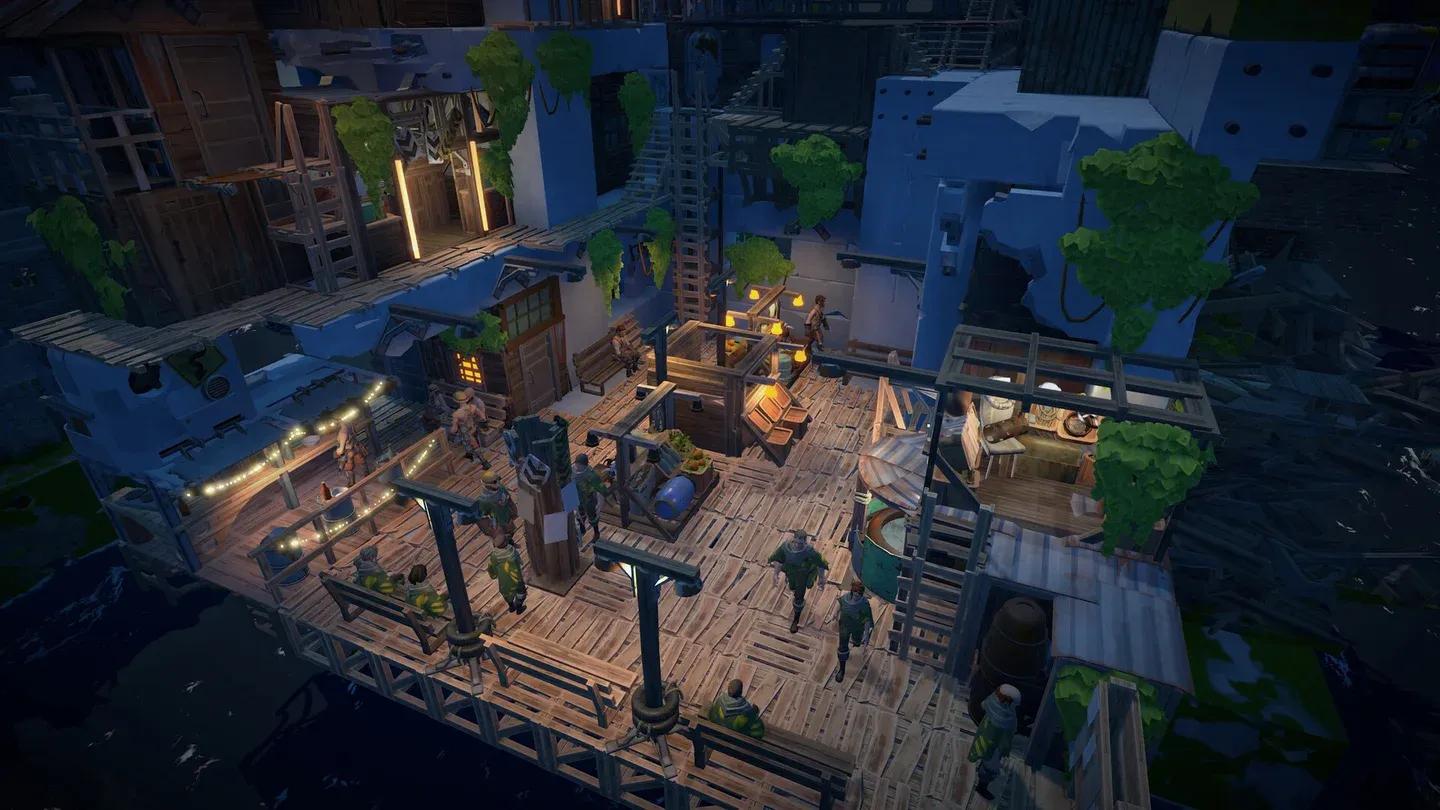
Low tide resource windows are brief
Why is fuel management so important?
Fuel is one of the most important resources in All Will Fall, and it runs out faster than expected. Moving the ship to a new area costs 60 fuel, primarily to avoid storm damage. Explosives also consume fuel. Between those two demands, your initial fuel supply from the broken tanker map will deplete quickly.
The solution is to research fuel production as early as possible. The small lab lets you unlock new buildings that can produce fuel independently. Getting that production chain running before your initial reserves run dry is the priority. Your starting fuel reserves should last until independent production comes online if you manage them carefully, but there's no margin for waste.
Treat fuel as a strategic resource from the very first session. Don't spend it carelessly, and make fuel production research one of your earliest goals in the lab.
Getting started: a quick reference
Here's a summary of the core priorities for your first sessions with All Will Fall, based on the mechanics covered above:
- Plan your layout before placing buildings. Worker travel time is a resource you can't recover.
- Build horizontally. Establish a wide, stable base before attempting vertical construction.
- Monitor faction morale separately. Each faction has its own morale bar; don't assume one is fine because another is.
- Save manually before storms. Use the warning window to reinforce structures and create a fallback save.
- React to tides immediately. Low tide resource windows are short; assign workers the moment it begins.
- Prioritize fuel production research. The small lab unlocks independent fuel production; get there before your reserves run out.
All Will Fall rewards patience and planning in a way that most city builders don't, largely because the physics system makes every structural decision feel consequential. Once you internalize these fundamentals, the game opens up considerably. For more guides covering games like this, browse more guides at GAMES.GG.