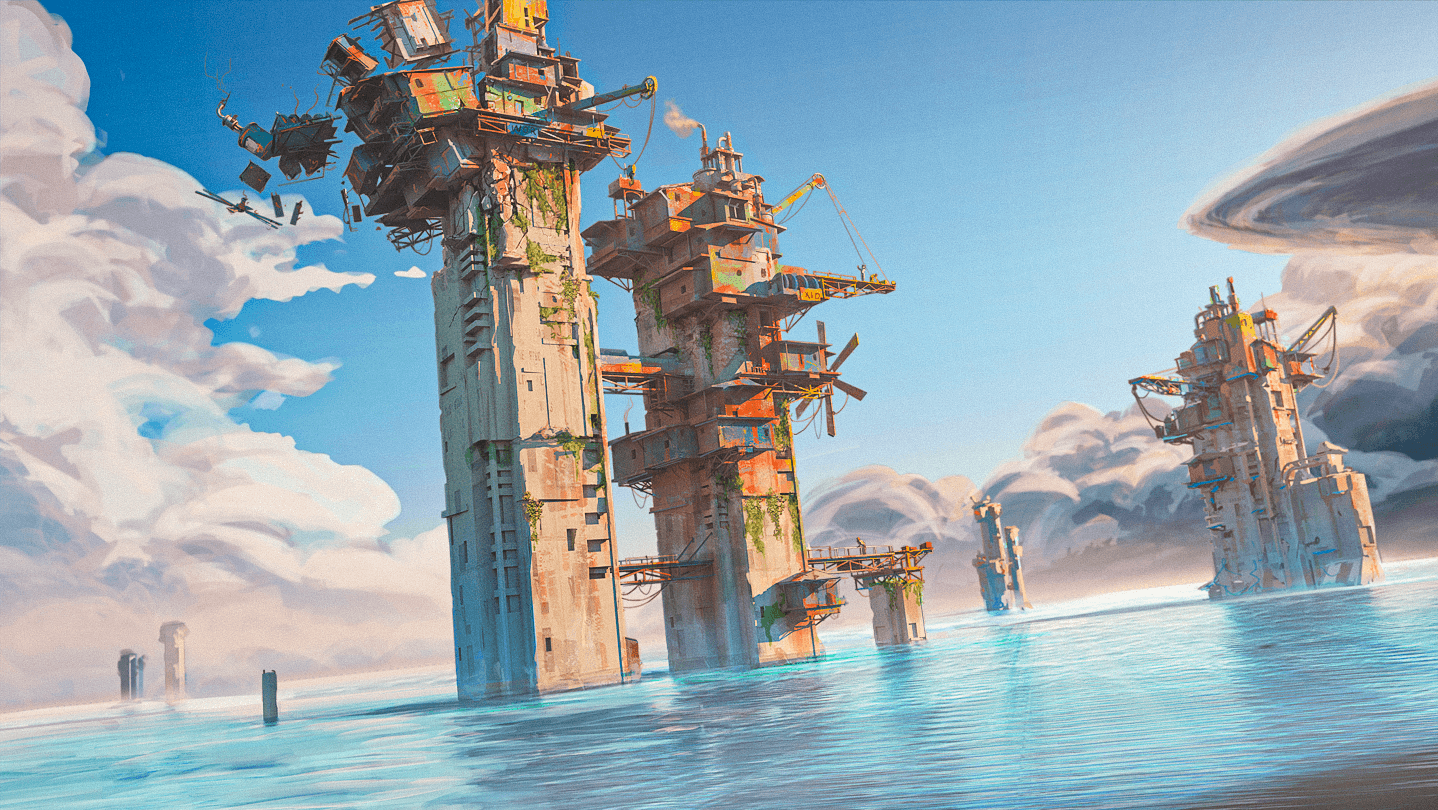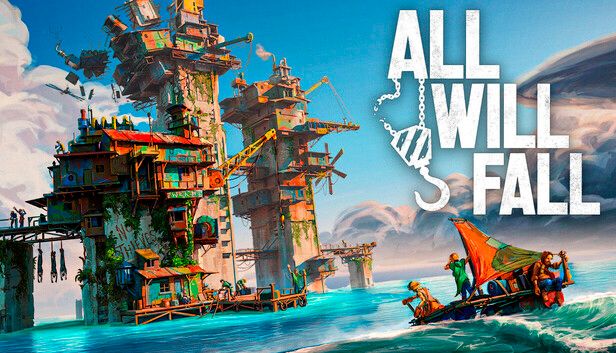

All Will Fall is not your average city builder. Developed by All Parts Connected and published by tinyBuild, it dropped on Steam on April 3, 2026, and immediately started humbling players who assumed their Frostpunk or Timberborn experience would carry them through. The physics system is real, the tides are unforgiving, and your workers are painfully slow. Get the fundamentals wrong early and you will spend the rest of a run firefighting instead of building.
Why does everything keep collapsing?
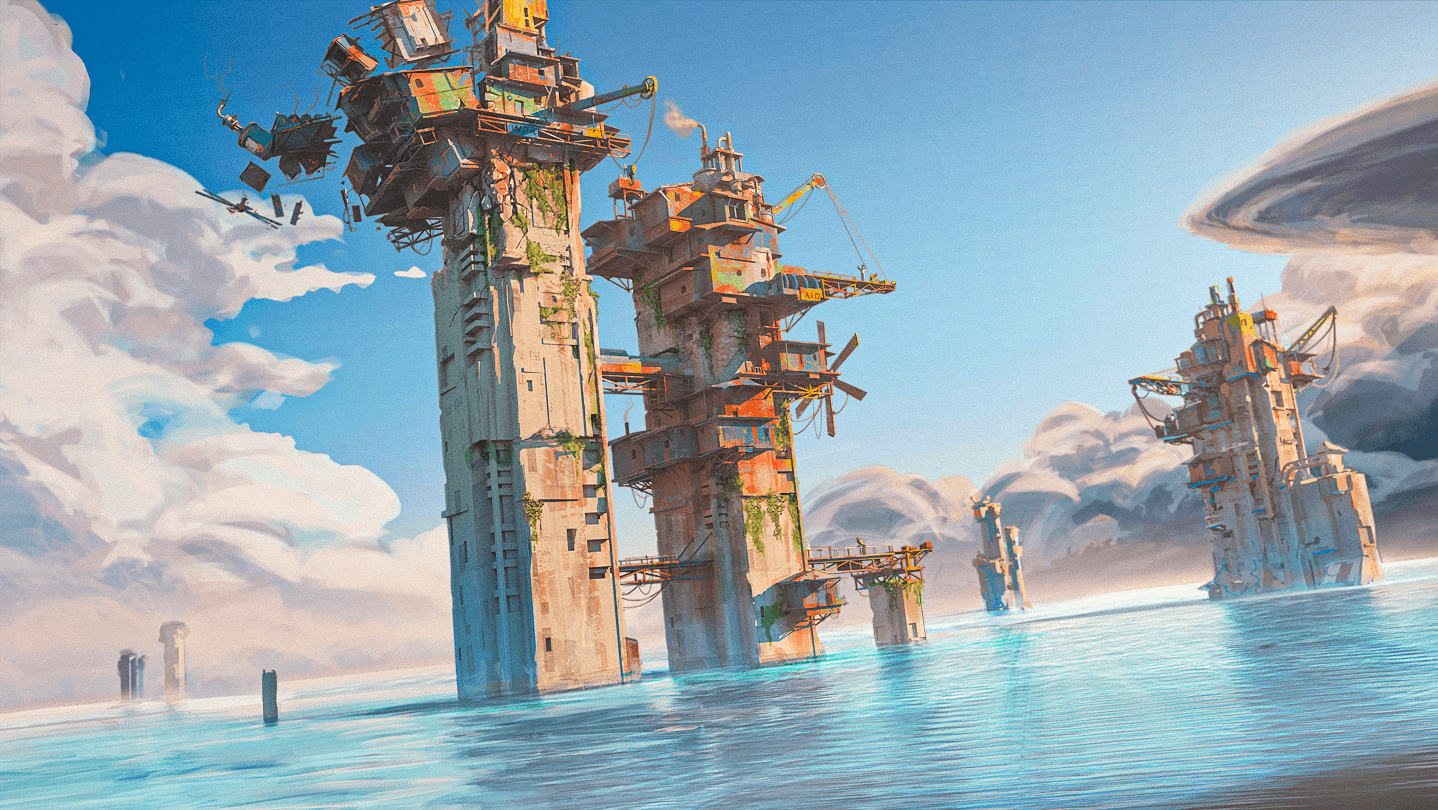
The answer is almost always the same: you went vertical before your base could handle it. All Will Fall uses a real gravitational physics system where weight distribution determines whether your structures stand or snap. Unlike most city builders where buildings just sit on a grid, every floor you add here transfers load downward. If the lower levels cannot support that load, something gives, and it rarely gives quietly.
Building outward first is the single most important habit to develop. A wide horizontal foundation distributes weight across more supports, gives you room to place load-bearing beams properly, and makes the whole structure far more stable when storms hit. The game's stress overlay is your best diagnostic tool. Check it regularly, not just when something looks wobbly. Problems show up in the overlay before they show up as a collapse.
The physics engine calculates torque based on height, which means wide, flat foundations resist storm wind-shear far better than tall, narrow towers. That is not just theory. Staying wide early is the practical reason most successful early runs survive their first major storm.

How do you plan a layout that actually works?
Having enough production buildings means nothing if your workers spend half their shift walking between them. Colonists physically carry resources from one point to another, which means your layout directly controls how fast your economy runs. A colony where Fishing Piers sit far from food storage will always underperform compared to one where the two are adjacent, even if both colonies have identical production numbers on paper.
The core principle is short routes. Keep food storage near food-gathering structures. Place water storage next to water purifiers. Put material production close to construction storage. Every extra tile of travel distance is lost time, and lost time compounds across hundreds of trips per in-game day.
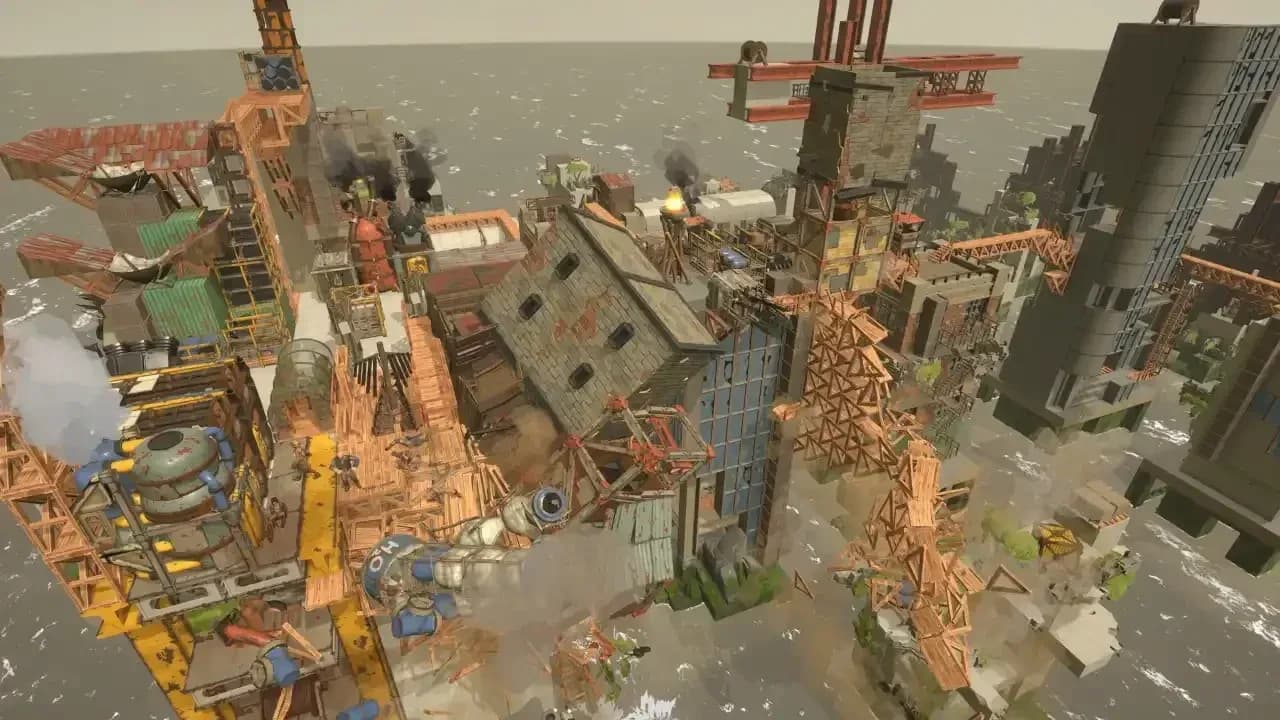
Short routes speed up production
Think about worker housing too. Build shelter for each faction as early as possible. Workers without adequate housing contribute to morale decline, and morale decline, as covered below, creates problems that are much harder to fix than they are to prevent. Placing faction-specific buildings early stops morale from becoming a crisis later.
What happens when morale drops too low?
Strikes. Your workers simply stop working. Not slow down. Stop entirely.
Each of the three factions in All Will Fall, the Workers, Sailors, and Engineers, tracks morale independently. A food shortage that hits Workers hard might not immediately affect Engineers, but if you let it drag on, the ripple effect spreads. Each faction has unique skills and keeping their happiness up unlocks powerful Perks, so neglecting any one group costs you more than just stability.
The factors that drive morale down are consistent: insufficient food, inadequate water, lack of shelter, and missing faction-specific buildings. The fix is not complicated, but the timing matters enormously. Catching a morale dip at 60% is a five-minute fix. Catching it after a strike has already started means rebuilding trust while half your production is offline.
Watch trends rather than snapshots. A faction sitting at stable morale today but trending downward is a problem you should address now, not when the number turns red.
| Faction | Primary Role | Morale Risk Factor |
|---|---|---|
| Workers | Resource gathering | Food and shelter shortages |
| Sailors | Ocean exploration and trade | Missing faction buildings |
| Engineers | Cranes and research | Tech stagnation, poor conditions |
How do tides change what you can do?
The tide cycle is one of the most distinctive mechanics in All Will Fall, and most new players underestimate it until they miss a critical low-tide window and watch their resource queue stall.
Low tide exposes resource deposits and buildable zones that are underwater the rest of the time. The window is short. Assign workers the moment low tide begins and pull as much as you can before it closes. Waiting even briefly can mean losing the entire opportunity. High tide, on the other hand, brings trade ships to your colony. This is when you find useful resources and trading opportunities, so have your Sailors ready.
The other side of tide management is knowing where not to build. Areas that flood regularly during high tide are not viable locations for permanent structures. If you place something important there, you will eventually have to tear it down. Tides reveal new resource deposits and buildable zones, and planning your expansion around the cycle rather than against it is what separates efficient colonies from chaotic ones.
What should you do when a storm warning appears?
Stop building new things and start reinforcing what you have.
The storm warning is the game giving you a free preparation window. Use it. Focus on the lower levels of your colony first, specifically the structures carrying the most weight. If those fail during a storm, everything above them fails too. Reinforce them before the weather hits, not after.
Making a manual save right after the warning appears is also genuinely useful advice, not just a safety net habit. If the storm does more damage than your preparations could handle, you can reload and approach the reinforcement differently. Having enough fuel lets you move the ship away from the storm entirely, avoiding damage altogether. That makes fuel management directly connected to storm survival.
How do you keep fuel from running out?
Fuel is more central to survival than it first appears. Moving the ship between areas costs 60 fuel, and you need fuel for explosives as well. The starting supply on the broken tanker map feels generous until it disappears faster than expected.
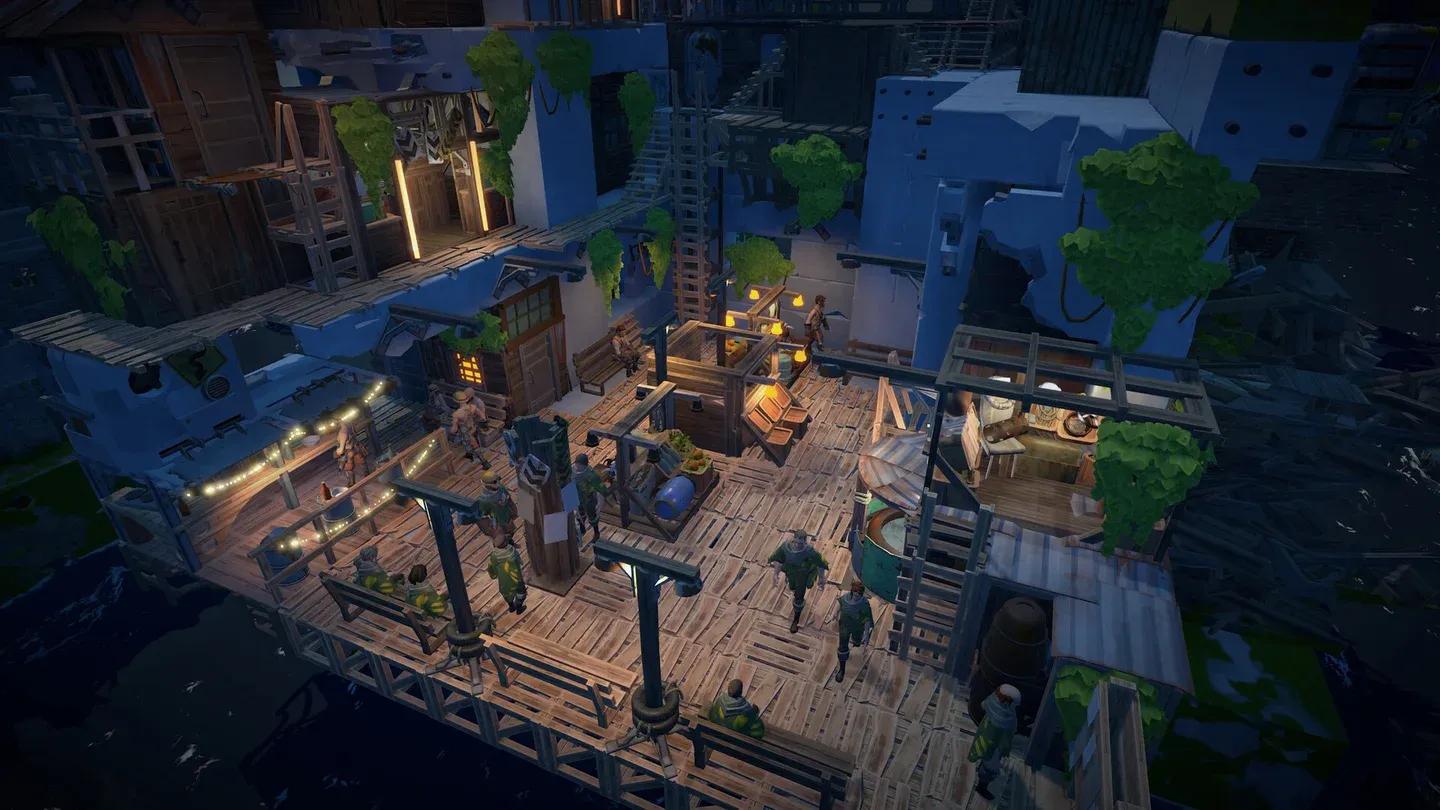
The long-term solution is producing your own fuel rather than relying on what you find. This requires researching new buildings through the small lab first, which takes time. The practical implication is that fuel research should be a priority in your tech queue, not something you get to eventually. If you wait until your reserves are critically low, you may not have enough time to set up production before a storm forces a costly ship move.
Research choices in general work best when they solve your current problems rather than set up future ones. Unlocking food production upgrades when your colony is growing, materials research when you are about to expand, and fuel production before your reserves drop below comfortable levels. The research tree includes rainwater collectors, smelters, communication towers, and other structures, so there is genuine depth to sequence properly.
Prioritize fuel research early
What small mistakes actually end runs?
Not one big one. Several small ones arriving at the same time.
A slight morale dip combines with a resource delay. The resource delay causes a construction slowdown. The construction slowdown means a support beam does not get placed before a storm. The storm hits a weakened structure. Suddenly a run that felt manageable is in freefall. Runs fail not from single catastrophic mistakes but from small inefficiencies stacking until multiple systems underperform simultaneously.
The habits that prevent this are simple but require consistency. Check the stress overlay regularly. Watch faction morale trends rather than current values. Fix travel inefficiencies as soon as you notice production lagging. Do not defer problems because the colony feels stable enough right now.
All Will Fall has 8 handcrafted story scenarios and over 100 hours of content, plus a sandbox mode and Steam Workshop support. The depth is there for players who want it. But none of it is accessible if your colony collapses in the first few hours because the fundamentals were not solid.
For more guides covering the latest releases, browse more guides on GAMES.GG and find strategies for whatever you are playing next.