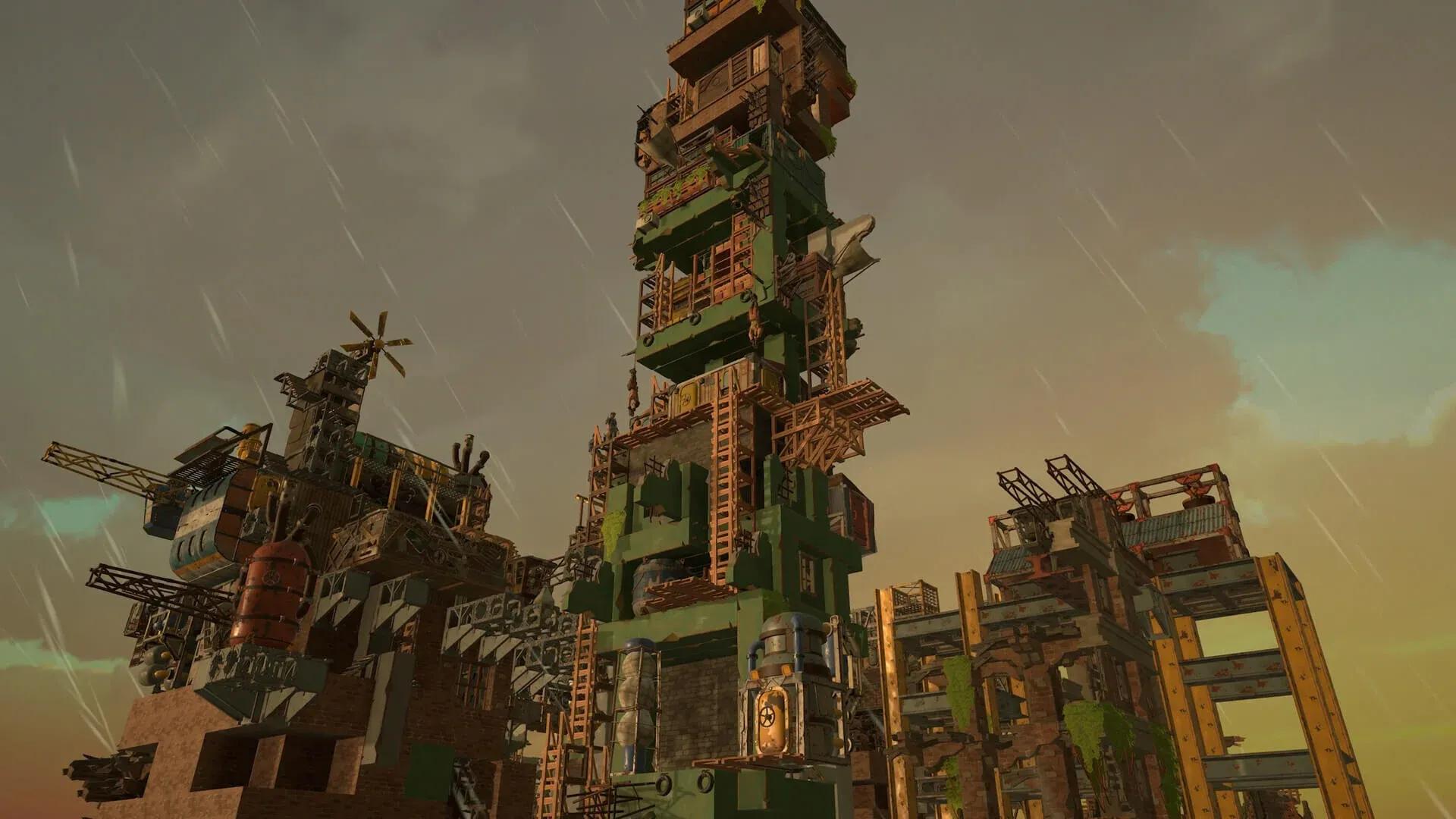


All Will Fall starts manageable, then hits you with everything at once. Structure stress, a morale dip, a missed tide window, slow production — none of these alone kills a run. The problem is they arrive together, quietly compounding until the whole colony feels out of your hands. After spending serious time with the game, the pattern becomes clear: stable runs are not the fastest or the biggest. They are the ones that never let small problems stack.
What actually keeps a colony alive?
The core answer is balance. Not balance in a vague sense, but specifically keeping structure, resources, morale, and Influence all functional at the same time. Lean too hard into one system and the others quietly fall behind. Push production without managing morale? Expect a strike at the worst possible moment. Rush vertical construction without a solid base? The physics system will remind you that weight needs support.
This guide breaks down every major system so you know exactly where to focus and when.
Why you should build wide before going tall
Going vertical early is one of the most common ways a run falls apart. The game uses a real physics system where weight must be properly distributed. Weak foundations do not always look dangerous immediately — stress builds silently until a collapse hits without warning.
Building outward first solves two problems. It distributes weight across a wider base, and it gives you room to plan future layers without creating structural bottlenecks. Once a structure starts feeling unstable, the cause almost always traces back to expanding upward before the foundation was ready.
Check the stress overlay regularly. It is one of the most useful tools in the game and easy to ignore when things feel fine.
Does layout matter more than production numbers?
Yes, significantly. Having enough buildings does not mean your colony runs efficiently. Colonists physically carry everything between locations, so the distance between production and storage directly controls how fast your economy actually moves. Production numbers can look healthy on paper while resources still arrive late because travel time is eating your output.
Three layout rules that make a real difference:
- Place Fishing Piers close to food storage to keep supply trips short
- Keep water production adjacent to water storage so cycles stay consistent
- Position material production next to construction storage to speed up building projects
Short routes mean colonists spend more time producing and less time walking. Over a full run, that gap compounds into a major efficiency difference.
How does the tide cycle change your strategy?
The tide is not background atmosphere. It actively controls what resources are available and where you can build. Low tide opens resource windows for a limited time. High tide brings trade ships and shifts which areas are accessible.
Missing those windows slows progress more than it feels in the moment. The biggest gains come from reacting immediately when low tide hits — assign workers right away and collect what you can before the window closes. Hesitating even briefly can mean losing the entire opportunity.
Tide timing also affects where you place permanent structures. Buildings placed in areas that flood regularly become a long-term problem that is annoying to fix after the fact.
Why morale problems hit harder than they look
Each faction tracks its own happiness independently. When one faction drops too low, it can trigger a strike, which shuts down the buildings that faction operates. That work stoppage spreads fast, especially if the affected faction handles food or materials.
The deceptive part is how suddenly it arrives. Everything feels stable, then nothing is getting done. Morale does not announce itself before it becomes a crisis.
Keeping morale stable requires consistency, not recovery:
- Maintain food, water, shelter, and entertainment coverage at all times
- Build faction-specific buildings early so no group falls behind others
- Watch happiness trends rather than reacting only when a value hits a critical threshold
Fixing a morale collapse takes far longer than steady maintenance ever would.
What should you actually spend Influence on?
Influence accumulates slowly and does not refill quickly. That makes every use a decision worth thinking about. The temptation early on is to spend it on small conveniences — and that feels fine until a major event arrives and you have nothing left.
The best uses for Influence:
- Preventing serious damage during high-impact events
- Investing in faction leaders for long-term stability
- Unlocking permanent upgrades that compound over time
Avoid spending it on resources you can recover through normal production. Influence saved feels pointless right up until the moment it saves an entire run.
How do you prepare for storms in All Will Fall?
Storms are one of the few moments the game signals danger in advance. That warning period is your preparation window. Once the storm arrives, you are reacting, not planning.
The Broken Tanker area introduces constant storm threats, with the compass in the top right turning red as the signal to escape using your ship. If you do not have enough fuel when that moment comes, your structures take heavy damage and may collapse entirely.
Before any storm:
- Reinforce weak structures, starting with lower levels carrying the most weight
- Stop new heavy construction that would add stress before impact
- Save manually so a bad outcome does not lock you into lost progress
- Confirm fuel reserves are sufficient if an escape is required
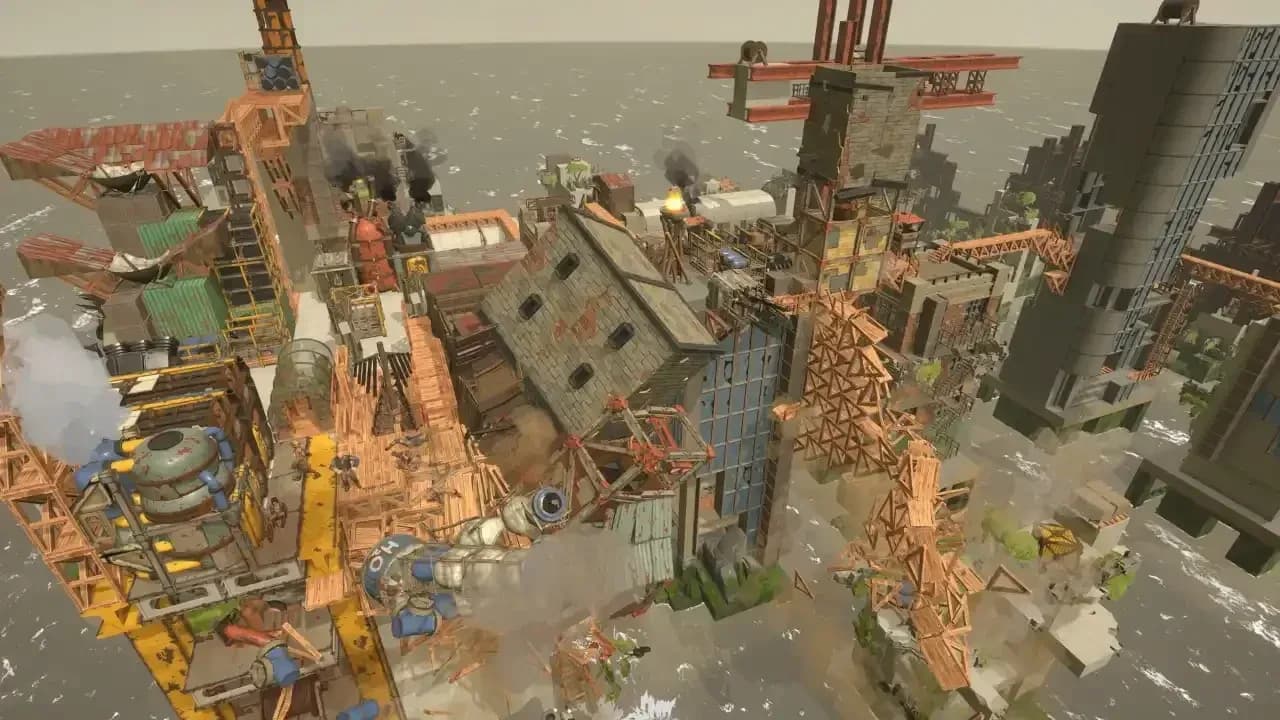
Red compass means act now
How should you approach the research tree?
Unlocking new technology feels like progress, but research that outpaces your current capacity creates pressure without solving anything. The strongest research choices directly address what your colony is struggling with right now.
Practical research priorities:
- Improve food production early so population growth stays supported
- Unlock materials that enable your next planned expansion
- Hold off on exploration tech until your base is stable enough to handle the additional complexity
Research is a tool for fixing current problems, not a race to unlock future options.
The small problems that actually end runs
Most colony failures do not come from one catastrophic mistake. They build from small issues that each seem manageable on their own. A minor stress point becomes a collapse. A slight morale dip becomes a strike. A small resource delay becomes a shortage that cascades into multiple systems.
The game gives early warning signals, but only if you are watching. A slightly slower movement pace, a production number that is just a bit off, a faction happiness value trending downward — these are the moments to act, not later.
Habits that catch problems before they compound:
- Check the stress overlay on a regular rotation, not just when something looks wrong
- Monitor faction happiness trends across sessions, not just current snapshot values
- Fix layout inefficiencies as soon as they appear rather than planning to address them later
Stopping a problem at 10% is always easier than recovering from 90%.
For more strategy guides across a wide range of games, browse more guides at GAMES.GG to keep building your knowledge.