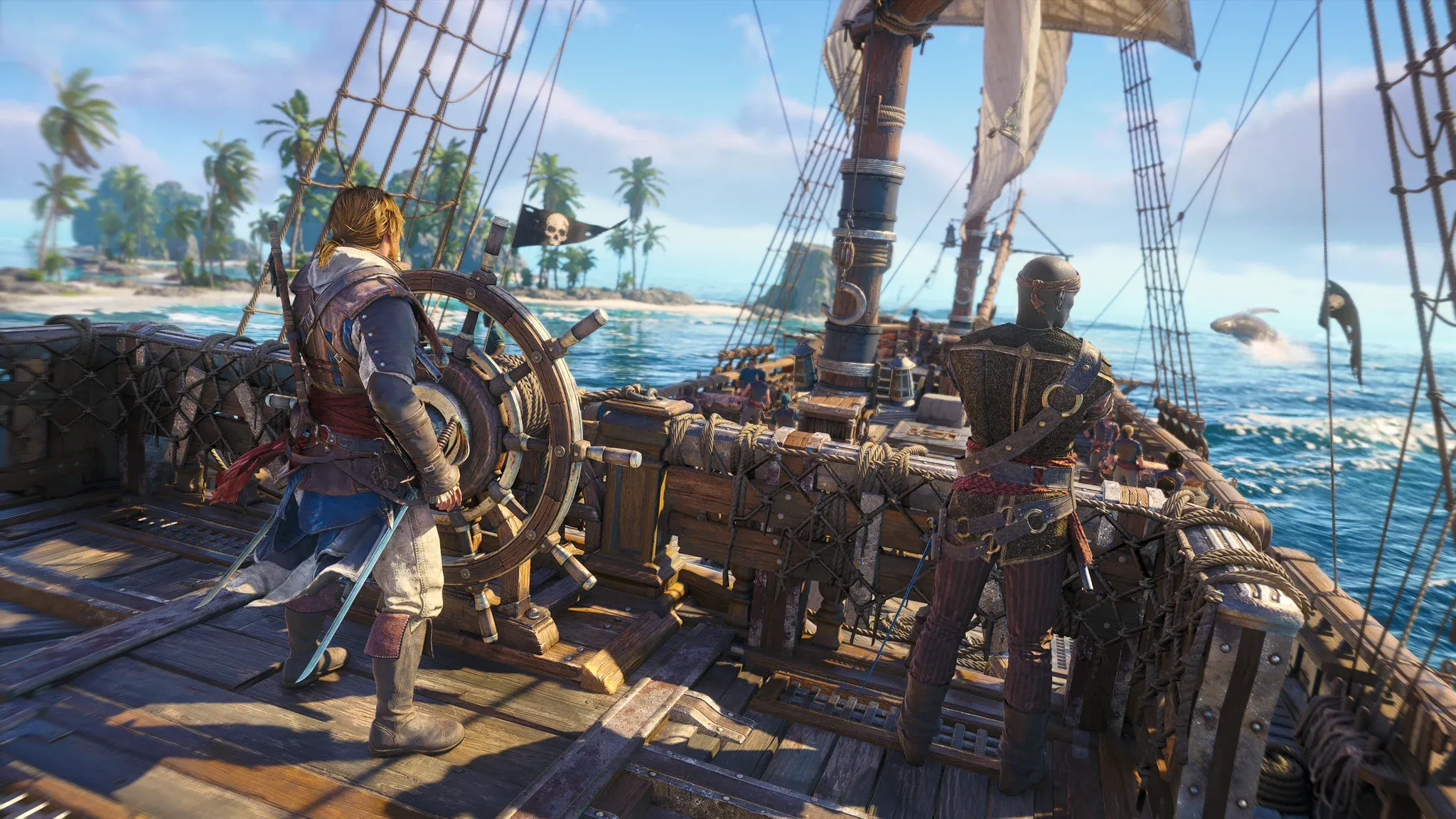


Assassin's Creed Black Flag Resynced is not a ground-up rebuild. About 90-95% of the game is the same Black Flag you played in 2013, just with modernized visuals and smoother performance. The remaining slice, though, is where things get interesting. Ubisoft has gone through the original with a scalpel, trimming what aged poorly and adding new content that brings the total playtime up by roughly six hours. Here's every meaningful change worth knowing before you load in.
What's actually different in Black Flag Resynced?
The changes split across five main areas: the Animus framing, combat, mission design, movement, and naval content. None of them are dramatic enough to make this feel like a different game, but several fix problems that frustrated players for over a decade.
Resynced's reworked combat system
Combat is now action-oriented
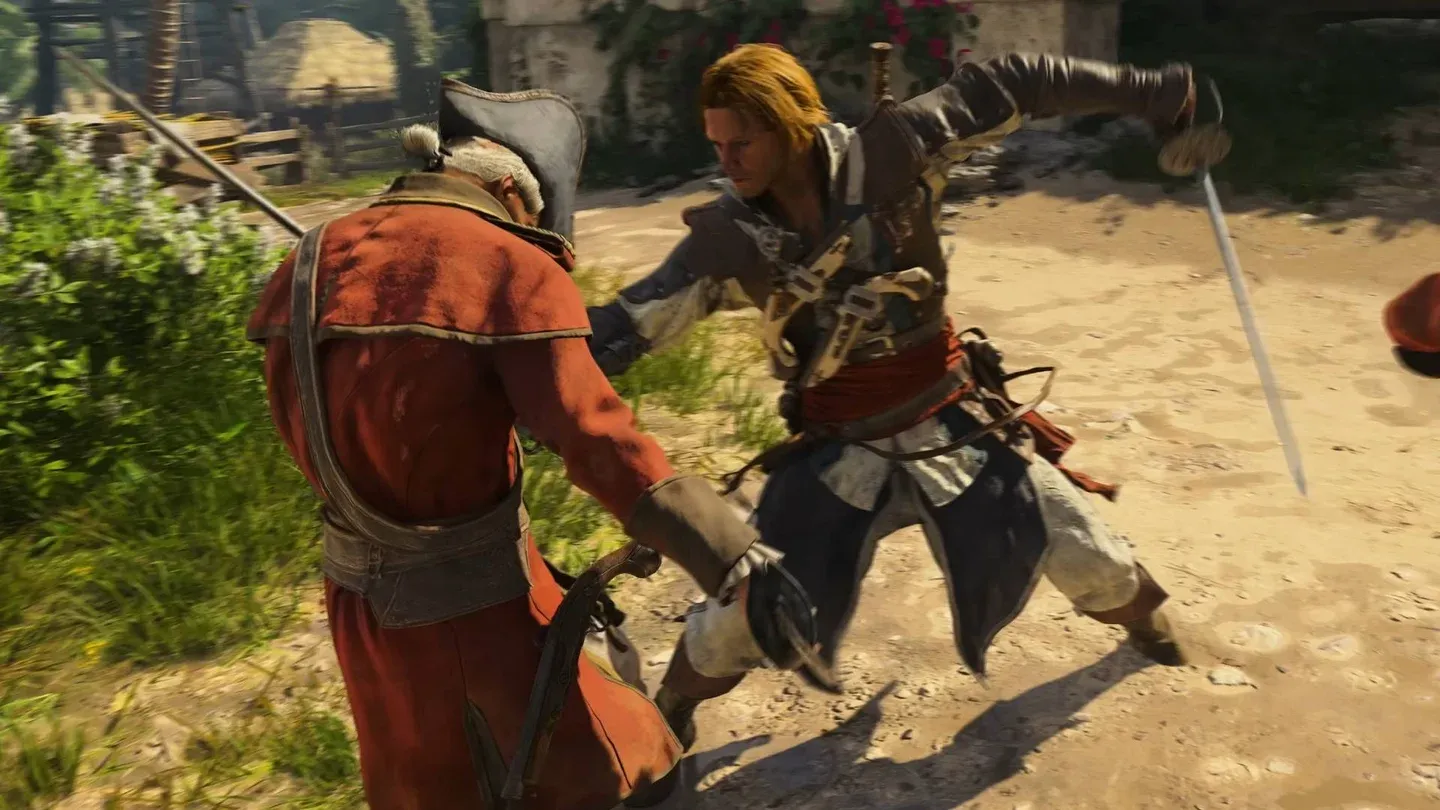
The biggest mechanical shift is in how fights actually play out. Black Flag Resynced moves combat toward an action-oriented model, with a focus on parrying and color-coded enemy indicators that signal attack types. If you've played any recent action games, this will feel immediately familiar.
The Hidden Blade has been pulled from the standard weapon wheel. You can no longer select it as a regular combat option. It now only triggers during stealth kills and specific scripted prompts where the game calls for it. That's a significant departure from the original, where it was a go-to finisher in open fights.
Enemies also adapt to repetitive playstyles. Spam the same combo or approach too many fights the same way and enemies will start countering it. That alone should push players toward using the full toolkit rather than finding one reliable loop and sticking with it for 30 hours.
Tailing and eavesdropping missions are fixed
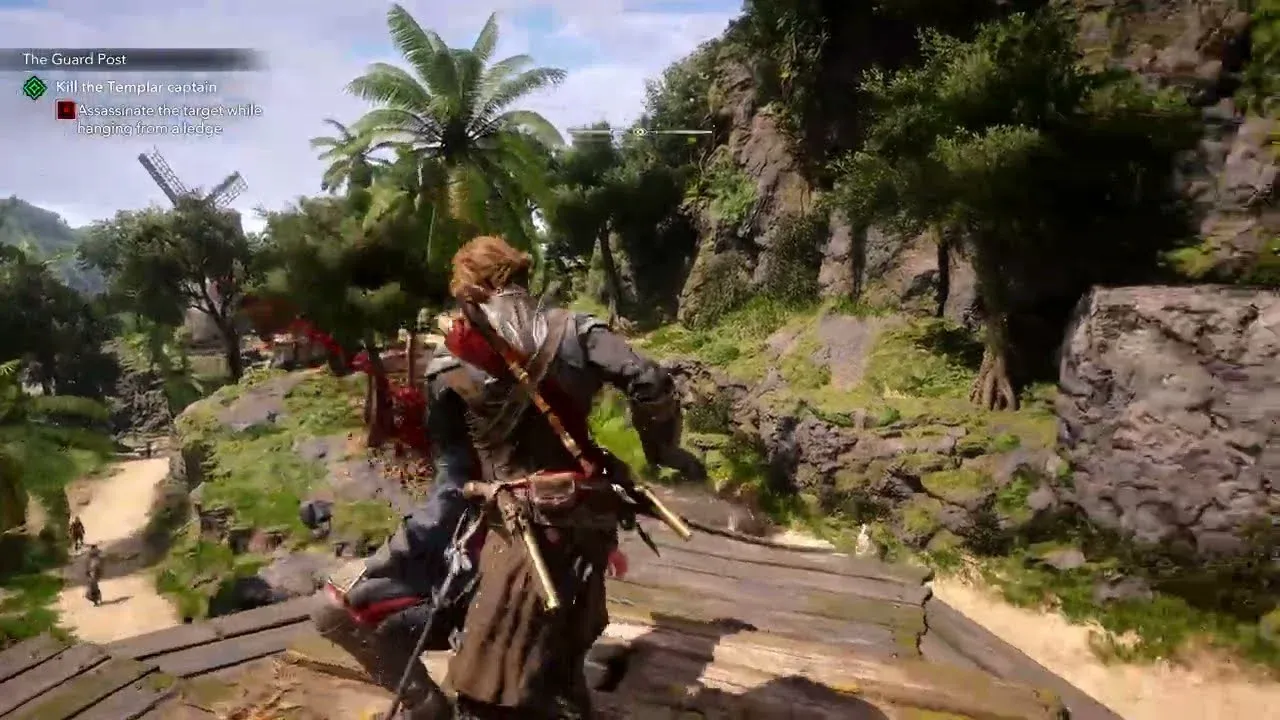
This one matters. In the original, getting spotted during a tailing or eavesdropping mission meant instant desynchronization. Full stop. Back to the last checkpoint. It was one of the most complained-about mechanics in the entire game.
Resynced removes that hard failure state. If your target spots you, the mission doesn't end. Your objectives stay active, the target reacts to being discovered, and you have to adapt on the fly. Edward Kenway's voice actor Matt Ryan described it directly: your target will react, and you must adjust accordingly.
This is a quality-of-life fix that should have been in the original. The tension of tailing someone is still there, but the punishment for a single mistake is no longer a loading screen.
Tailing missions no longer auto-fail
Movement and stealth get real upgrades
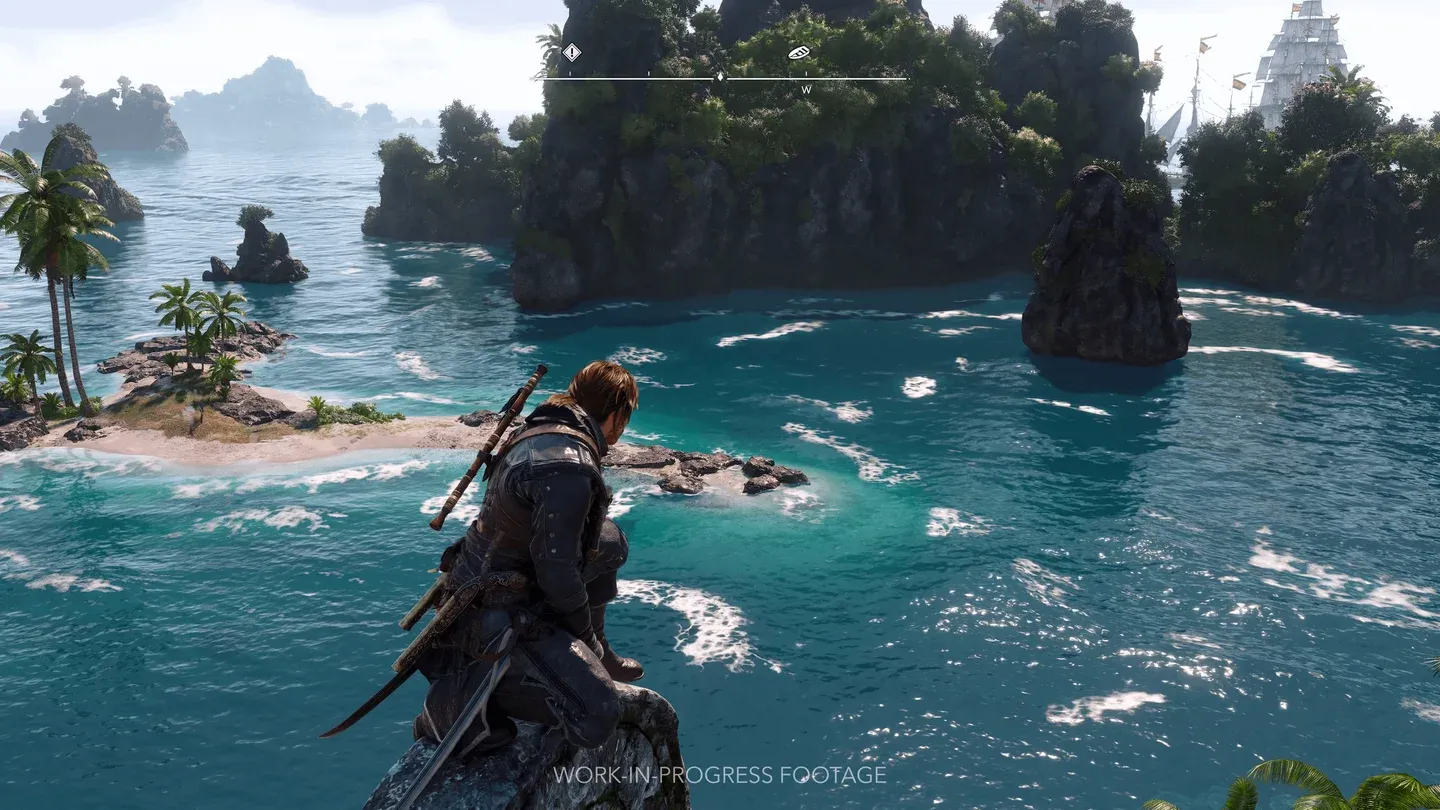
Edward moves more fluidly in Resynced. The traversal has been tightened up, and there are two new mechanics worth noting: you can now crouch, which was absent from the 2013 original, and the game includes a dynamic day and night cycle that actually affects stealth. Moving through darkness gives you a genuine edge, which adds a layer of planning to how you approach restricted areas.
The world itself has been described by the development team as completely connected, with next to no loading screens between areas. Sailing from the open ocean into a port or transitioning between environments should be uninterrupted.
The Animus gets new story moments
The Animus framing, which has divided players across the series for years, is still present in Resynced. It hasn't been removed. What has changed is that new moments have been added that focus specifically on Edward's internal struggle, giving the meta-narrative a bit more emotional weight than it had in 2013.
Recent entries in the franchise have moved away from Animus segments entirely, so the fact that Resynced keeps them while reworking their content is a deliberate choice. Whether that lands depends on how much you care about the modern-day framing.
Reworked Animus narrative moments
Naval content expands significantly
The Jackdaw gets more customization options than the original offered. You can recruit officers, each with their own quests that contribute to the six hours of new content. New sea shanties are in, more ship cosmetics are available, and the naval side of the game has been fleshed out in ways that should reward players who already loved spending time on the water.
Game director Richard Knight has noted that the new content includes new quests, officer quests, and other activities, with some kept back as surprises for launch.
What hasn't changed?
The core loop is intact. Naval combat, the Caribbean setting, the story of Edward Kenway's arc from privateer to Assassin, the fort assaults, the shanties you already know by heart. Resynced is not trying to reinvent the game. The changes listed above represent the meaningful departures from the original, not a wholesale redesign.
Is six hours of new content worth it?
For returning players, the new content sits primarily in the officer quest lines and additional activities. Six hours is a meaningful addition without padding the main story. For anyone wondering how long a full run takes with all the new material included, the complete Black Flag Resynced playtime breakdown has the full picture.
The combat rework and the tailing mission fix are the two changes most players will notice immediately. The crouching, the stealth system tied to lighting, and the expanded naval content build on top of those. None of it breaks what made the original worth playing. Most of it fixes what made it frustrating.
For a full rundown of every confirmed addition and rework in one place, the AC Black Flag Resynced new features guide covers everything in detail.