Search games, articles, guides...CtrlK
Sign InGet Started

Learn how to read, counter, and defeat every Boss Blind in Balatro across all Antes with proven strategies and deck tips.

Written by Nuwel
Content Writer
See more GAMES.GG guides on Google
Add us as a preferred source and our guides show up first in your results.
Balatro Tarot Cards Explained: How to Use Them Correctly
Learn why Tarot cards can't be played in hands, how they actually work, and which ones to prioritize for winning Balatro runs.
How to Unlock Everything in Balatro
Discover the fastest methods to unlock all jokers, decks, and items in Balatro so you can jump straight into the fun.
Balatro Joker Guide: How to Build the Best Deck Fast
Master Balatro's Joker system with expert deck-building tips, unlock strategies, and top combos to dominate every run.
Balatro's Boss Blinds are the moments that separate a promising run from a crushing defeat. Every Ante ends with one of these modified encounters, and each one throws a unique rule into the mix that can completely dismantle an unprepared hand. Whether you're hitting your first Ante 8 or grinding higher stakes, understanding how Boss Blinds work is the key to consistent wins.
In Balatro, each Ante consists of three rounds: the Small Blind, the Big Blind, and the Boss Blind. The Boss Blind always carries a special modifier that restricts or alters your scoring in some way. You can skip Small and Big Blinds to earn a Tag reward, but the Boss Blind is mandatory. You must beat it to advance.
The chip requirement scales with each Ante, and the Boss modifier adds a layer of challenge that punishes one-dimensional builds hard. This is exactly why flexible deck construction matters so much.
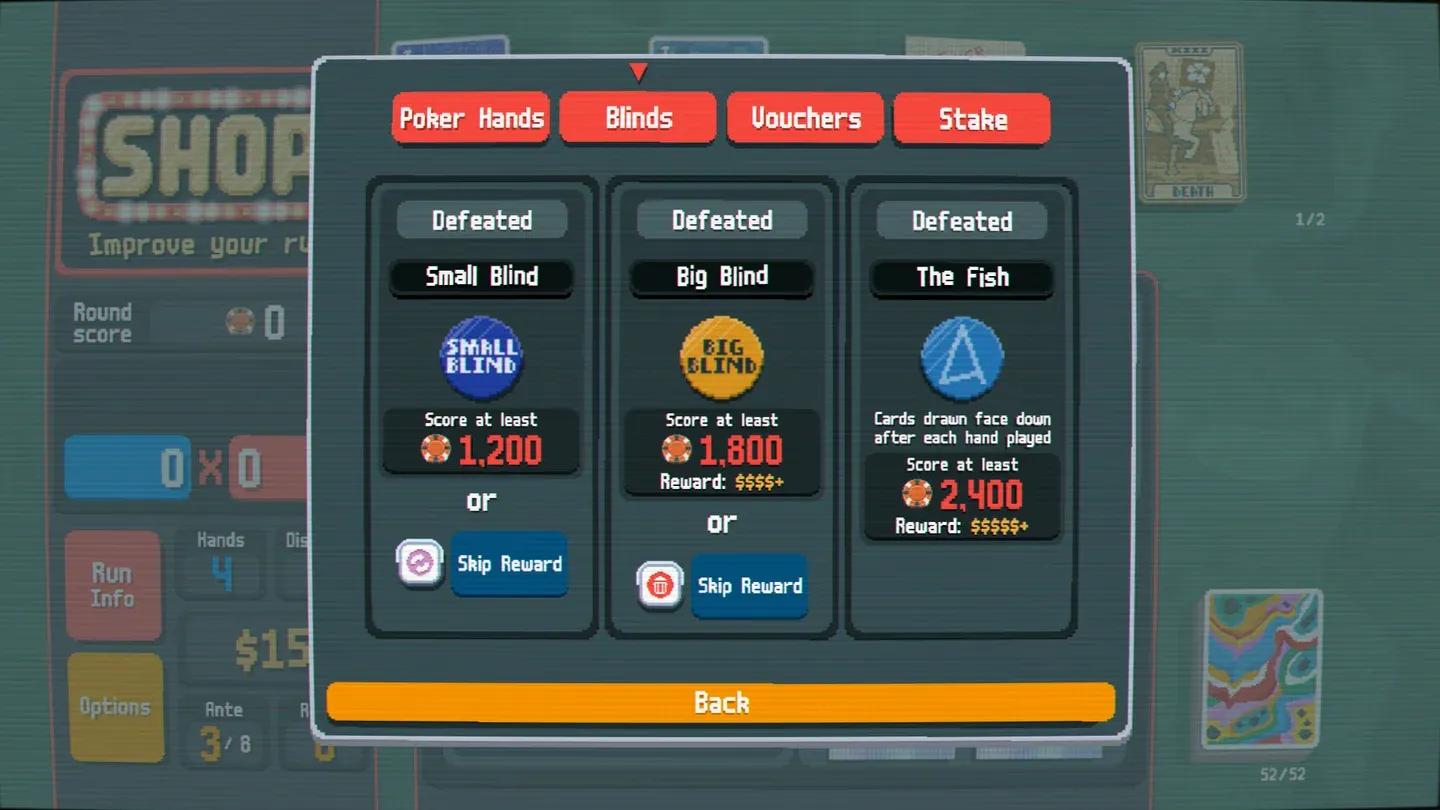
Boss Blind modifier revealed
Each Boss Blind applies its rule from the moment the round begins. Some modifiers affect your hand directly, others debuff specific card suits or ranks, and a few target your Jokers. Here's a breakdown of the main modifier categories:
| Modifier Type | What It Does | Example Boss |
|---|---|---|
| Suit Debuff | Nullifies scoring for one suit | The Flint, The Eye |
| Hand Debuff | Disables a specific hand type | The Mouth, The Arm |
| Card Debuff | Debuffs face cards or specific ranks | The House, The Psychic |
| Joker Restriction | Flips or disables Jokers | The Verdant Leaf, The Serpent |
| Chip Penalty | Reduces chip output mid-round | The Needle, The Wall |
Knowing which category a Boss falls into tells you immediately how to adjust your play before you throw a single card.
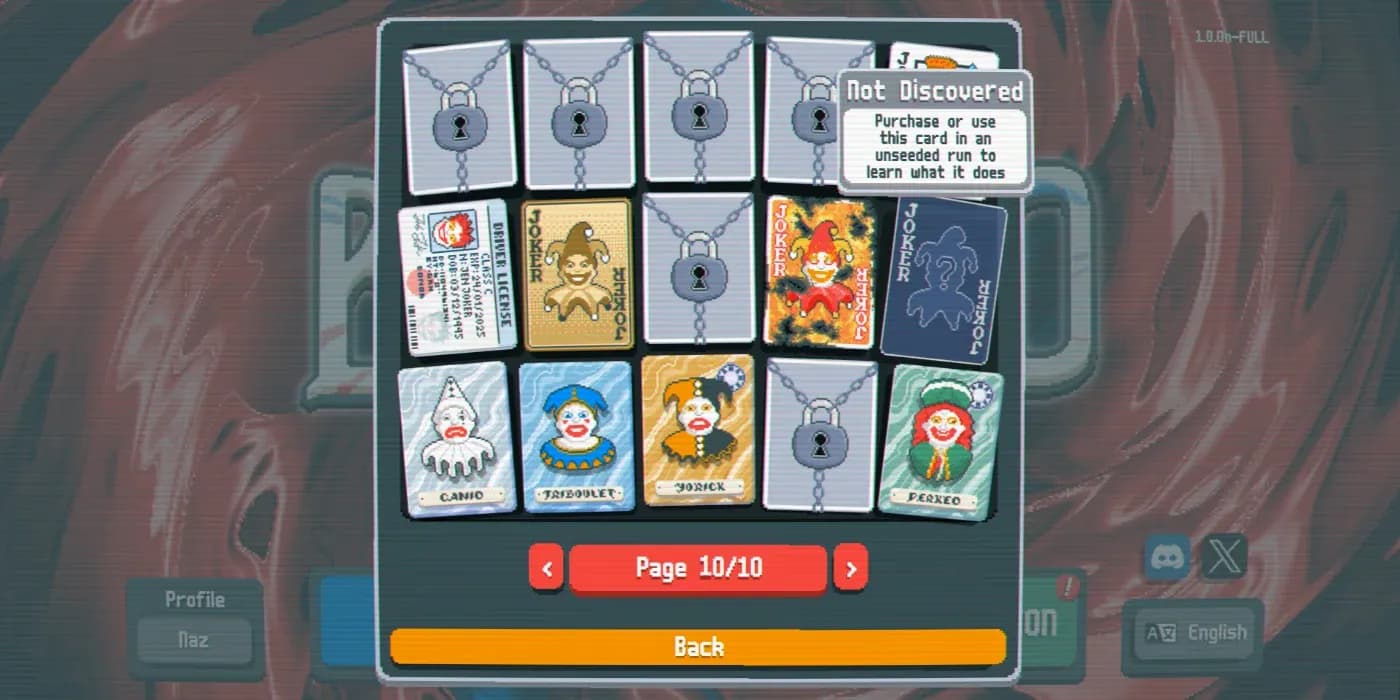
Joker lineup before Boss Blind
Not all Boss Blinds are equal. Some are minor inconveniences, while others can end a run outright if your deck isn't built to handle them. The most punishing modifiers tend to share one trait: they attack the exact mechanic your build relies on most.
The Verdant Leaf debuffs every card in your deck until you play a hand containing a Stone Card. If you haven't been collecting Stone Cards, this Boss can reduce your scoring to almost nothing. The fix is straightforward: keep at least one Stone Card in your deck when you're deep into a run.
The Serpent forces you to discard your entire hand after every play. This punishes hand-building strategies and makes it nearly impossible to hold onto specific cards for combo setups. Fast, high-scoring single plays are your best response here.
The Needle limits you to playing only one card per hand. This is devastating for builds that rely on five-card hands like Flush, Full House, or Straight. Pair-based builds and single-card scoring Jokers shine in this scenario.
The Arm decreases the level of your played poker hand after each play. If you've been leveling up Flush or Full House with Planet cards, this Boss will strip those bonuses away fast. Rotate hand types to preserve your highest-level hands.
The most reliable way to beat Boss Blinds consistently isn't to hard-counter each one. It's to build decks with enough flexibility that no single modifier shuts you down completely.
Builds that rely entirely on one hand type (say, always playing Flush) are extremely vulnerable to modifiers like The Eye, which debuffs repeated hand types, or The Arm, which degrades leveled hands. Keeping two or three viable hand types in your toolkit means one modifier can't zero out your entire scoring engine.
Chip-heavy builds can hit walls at higher Antes where the required chip counts climb steeply. Mult and X Mult Jokers scale exponentially and tend to hold up better against modifiers that reduce your card count or restrict suits. A pair-focused build with the right Joker support (like the classic Jolly Joker setup) can absolutely carry you through Ante 8 and beyond.
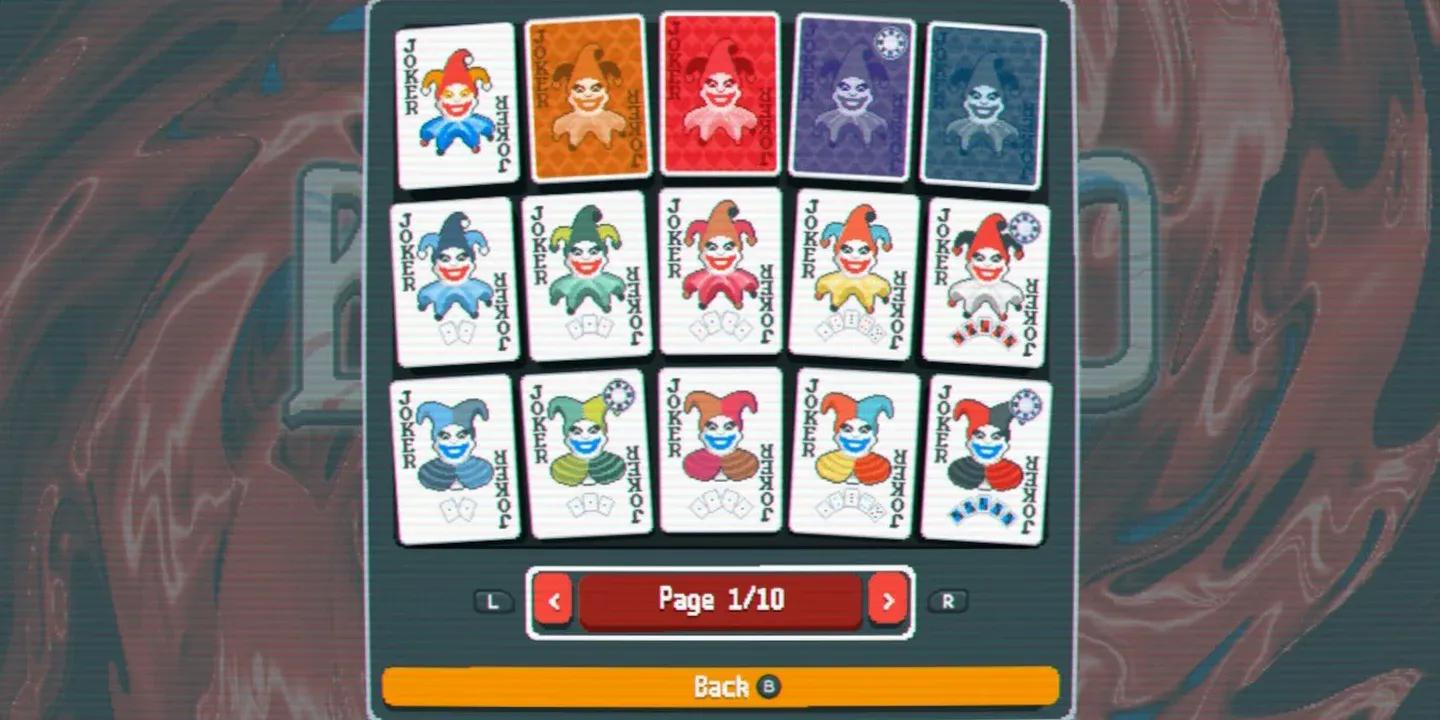
Mult Joker scaling example
As mentioned for The Verdant Leaf, Stone Cards are a surprisingly powerful insurance policy. They score chips independently of suit or rank, which makes them useful against suit-debuff Bosses as well. Even one or two Stone Cards in a deck can stabilize a round that would otherwise fall apart.
Don't treat Tarot and Spectral cards as passive pickups. The Fool, The High Priestess, and The World can replicate cards you need in the moment. If you see a Boss Blind coming that debuffs face cards, using a Tarot card to convert face cards into something more useful before the round begins is a legitimate strategy.
Every Boss Blind shows its modifier on the selection screen before you enter. Here's a quick pre-round checklist to run through:
This five-step read takes about thirty seconds and dramatically improves your decision-making once you're inside the round.
If you're new to Balatro and just trying to reach that first Ante 8 clear, here's what matters most:
The community on the Balatro subreddit is full of players who cleared their first run within days of picking up the game, often with simple pair-based builds that the game naturally fed them. The point isn't to play perfectly. It's to understand why your build worked or failed so you can improve the next run.
For more strategies across all game types, browse more guides on GAMES.GG to find tips that match your current skill level and playstyle.