Search games, articles, guides...CtrlK
Sign InGet Started

Every romanceable companion in BG3, how approval works, and tips for starting each relationship without missing key moments.

Written by Hub
Head of Business Dev
See more GAMES.GG guides on Google
Add us as a preferred source and our guides show up first in your results.

How to Get the Owlbear Cub in Baldur's Gate 3: Full Recruitment Guide
Find the owlbear cub, survive the Goblin Camp, and get this fearsome companion to join your BG3 camp permanently.

Baldur's Gate 3 Beginner's Guide: Master the Basics Fast
New to BG3? Learn the essential mechanics, party tips, and combat tricks to survive your first playthrough with confidence.

Baldur's Gate 3 Achievements: Complete Guide to Unlocking All Trophies
Unlock every trophy in BG3 with this complete achievements guide covering Honor Mode, missable quests, and PS5 tips.
Baldur's Gate 3 delivers companion relationships that feel more involved than most RPGs from the last ten years. You can pursue a gradual connection with Shadowheart, jump straight into something physical with Astarion, or navigate any of the other romance paths the game offers. Success depends on tracking approval, picking dialogue carefully, and recognizing when a relationship moment is about to happen. Skip the wrong camp conversation and you lose access to scenes that never come back.
The romanceable characters divide into two categories: Origin Companions and Non-Origin Companions. Origin companions join early and have the most developed relationship content. Non-origin companions arrive later with shorter (but still worthwhile) romance arcs.
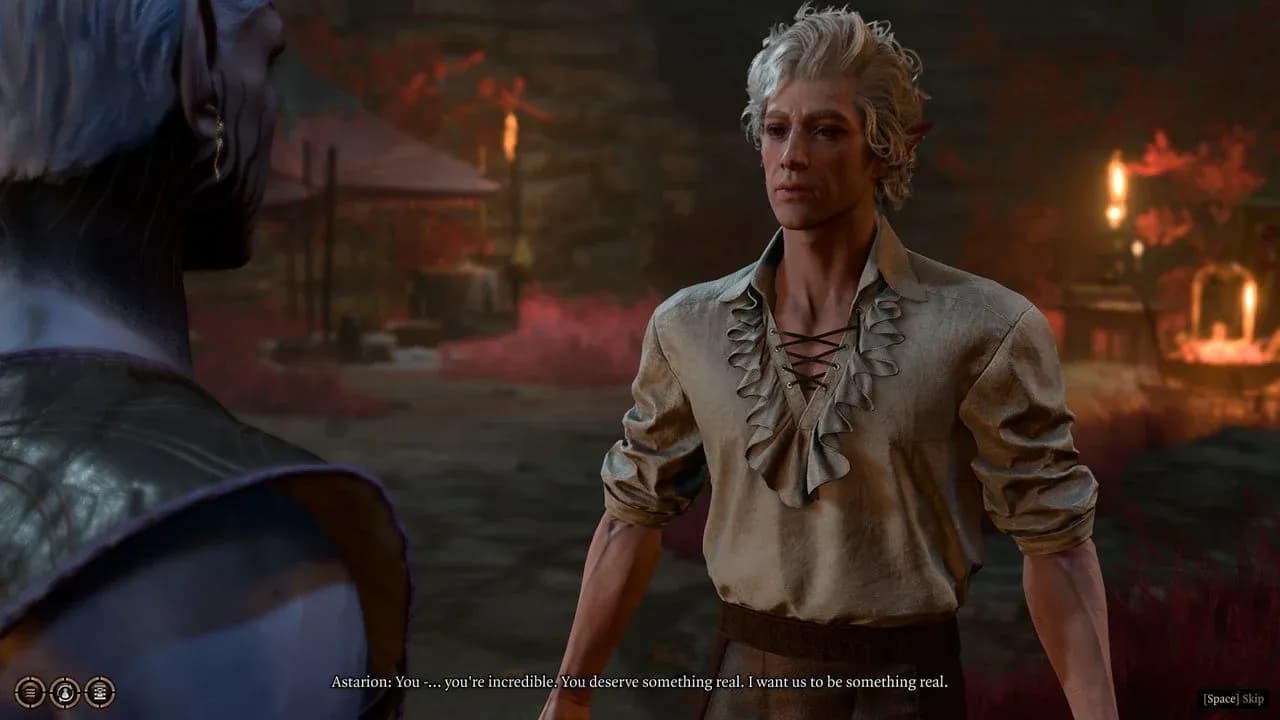
Astarion approval and romance
Approval functions as the hidden relationship currency in BG3. Each companion evaluates your decisions, and that running total determines whether romance dialogue appears. The bg3.wiki approval page shows that approval also changes the Difficulty Class on persuasion checks, making a companion who respects you easier to convince.
Each companion values different things. Astarion likes selfish pragmatism. Wyll wants heroism and protection of the innocent. Karlach responds to honesty and fighting oppression. Consistently act against a companion's principles and approval tanks, locking romance paths before you notice.
Practical approach: recruit companions as soon as they're available, bring them along for major decisions, and avoid choices that clash with their worldview. Companions not in your active party still react to big story moments at camp, but being present generates more approval gains.

Shadowheart camp approval dialogue
Romances typically begin during long rests at camp. After major plot points, companions initiate deeper conversations or become open to advances. The Tiefling Refugee Celebration at the end of Act One (only happens if you save the Emerald Grove) concentrates more romance opportunities than any other moment. Multiple companions can be approached in one night, and the usual two-companion cap on starting romances can stretch to three with precise timing.
The sequence for three simultaneous romances at the celebration works like this:
After the celebration, take multiple long rests in a row (partial rests work and save supplies) to trigger the queued romance scenes before hitting major Act Two transitions like the Rosymorn Monastery Trail or Shadow-Cursed Lands, which can bump romance events out of the queue.
Yes, with restrictions. You can begin relationships with two Origin companions at the same time during early game. The game forces you to choose between them eventually. Halsin breaks this pattern: Shadowheart, Astarion, and Karlach will agree to include him in an open arrangement if you ask. Other companions won't accept a committed polyamorous setup.
For detailed information on each companion's relationship style and what kind of bond you can form, check our guide here.
Beyond companions, BG3 includes several one-time encounters with non-companion characters. These don't develop into full romance arcs, but they can create friction with companions you're already committed to.
| Character | Type | Location | Notes |
|---|---|---|---|
| Haarlep | Incubus | House of Hope (Act 3) | Sleeping with Haarlep carries consequences other encounters don't |
| Mizora | Cambion | Act 3 | Only accessible if Wyll is in your party |
| Naoise | Wood Elf courtesan | Sharess' Caress, 3rd floor | Nymph's Grotto room |
| Nym Orlith | Drow courtesan | Sharess' Caress | Available for gold or as a quest reward |
| Sorn Orlith | Drow courtesan | Sharess' Caress | Twin of Nym, same conditions |
| The Emperor | Mind Flayer | Dream (Act 3) | Requires finishing Visit the Emperor's Old Hideout quest |
Playing as the Dark Urge origin introduces some dark complications to romance. In Act One, after sleeping with Minthara, the game lets you kill her immediately afterward. More dangerous: Sceleritas Fel can force your character to attack whoever they're closest to during the night, which typically means your romance partner. The companion needs to be woken up to survive. If they aren't, they're dead by morning without ceremony.
This makes Dark Urge playthroughs riskier for maintaining relationships, and players who want to keep their romance partner alive need to watch for these scripted attacks.

Karlach romance at camp
Two achievements connect directly to romance:
Both are missable if you don't pursue the specific companions or finish the required quests before the game ends.
For more guides on companions, builds, and everything else in the game, check out the latest guides on GAMES.GG to keep up as the meta shifts.