
Getting into Black Jacket for the first time can feel like sitting down at a table where everyone else already knows the rules. The game has a reputation for being approachable, but there are enough layers to its decision-making that new players often make the same avoidable mistakes in their first few sessions. This guide covers what you actually need to know before you play your first hand.
What is Black Jacket?
Black Jacket is a strategy game that rewards careful decision-making over pure luck. The name itself signals the game's core identity: controlled aggression paired with disciplined restraint. New players tend to either play too passively or overcommit early, and both habits cost points.
The game sits in a genre where reading the situation matters as much as knowing the rules. That makes it different from pure chance-based card games, and it means the skill gap between a new player and an experienced one is real but closable.

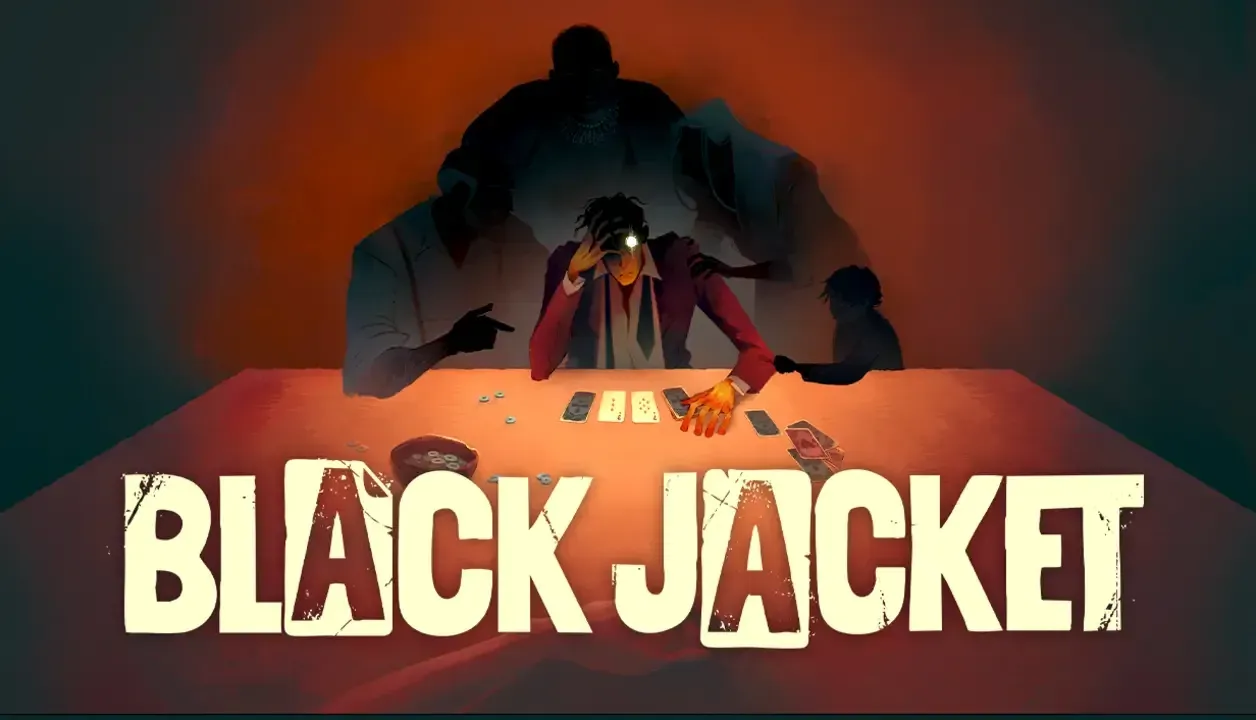
How do you start a session in Black Jacket?
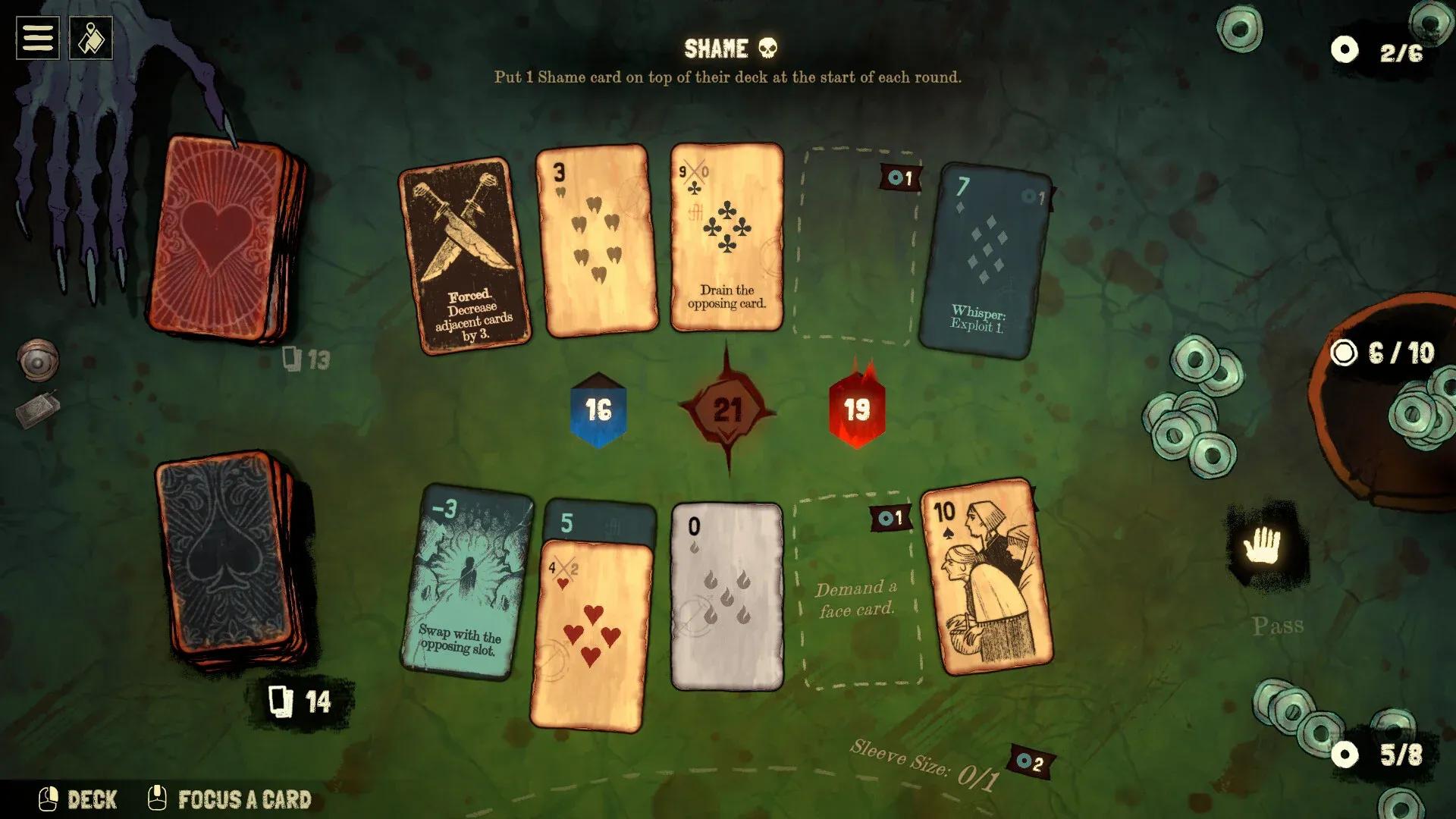
Before anything else, understand the basic session structure. Each round has a clear beginning state, a decision phase, and a resolution. New players who skip learning the resolution rules tend to be surprised by outcomes that experienced players see coming from several moves away.
Here are the core things to establish before your first hand:
- Know your starting position. Your opening hand defines your options, not your outcome.
- Track what has already been played. This is the single habit that separates beginners from intermediate players fastest.
- Understand when to hold and when to act. Aggression at the wrong moment is the most common beginner error.
What mistakes do beginners make most often?
After watching new players sit down with Black Jacket, the patterns that hurt them most are consistent.
Ignoring position
Where you are in the turn order changes what the correct play is. A move that wins from an early position can lose badly from a late one. New players treat every position the same, which means they are essentially playing a different game from the one actually in front of them.
Overvaluing early advantages
Getting ahead early in Black Jacket does not lock in a win. The game has catch-up mechanics built into its structure, and players who stop adapting after building a lead frequently lose it. Treat an early advantage as a resource to spend carefully, not a guarantee.
Not adjusting to opponents
Black Jacket rewards players who pay attention to how their opponents behave. If someone at your table consistently plays aggressively in the early phase, you can plan around that. Beginners tend to play their own hand in isolation without factoring in the patterns developing across the table.
Core strategy comparison for beginners
The table below outlines the three main approaches new players tend to gravitate toward, with honest notes on each.
| Approach | Strength | Weakness | Recommended for beginners? |
|---|---|---|---|
| Passive/Defensive | Low-risk, good for learning rules | Rarely wins against experienced players | Yes, for first 2-3 sessions |
| Aggressive/Early Push | Can win fast against unprepared opponents | Collapses when opponents adapt | No, too punishing when it fails |
| Adaptive/Reactive | Highest ceiling, works against all player types | Requires pattern recognition to execute | Yes, once basic rules are solid |
The adaptive approach is where you want to end up. It takes longer to learn but it is the only style that holds up across different opponents and session types.
How do you build good habits from session one?
Good habits in Black Jacket are cheaper to build early than to fix later. The following practices are worth locking in from your very first game.
- Slow down before acting. Black Jacket does not reward fast play. It rewards correct play.
- Narrate your reasoning. Even if only to yourself, explain why you are making each move. This exposes gaps in your understanding faster than any other method.
- Review lost sessions. A loss you understand is more valuable than a win you cannot explain.
- Play against stronger opponents when possible. Winning against players at your level teaches you less than losing to players above it.
Where to go after the basics
Once you have the core rules down and have played through a handful of sessions, the next step is building on that foundation with more specific techniques. The Black Jacket guides collection covers intermediate and advanced topics that go well beyond what a first-session player needs, but it is worth bookmarking for when the fundamentals start feeling automatic.
The game rewards the players who treat every session as a learning opportunity rather than just a win-or-lose outcome. Get the basics right first, and the rest follows from there.