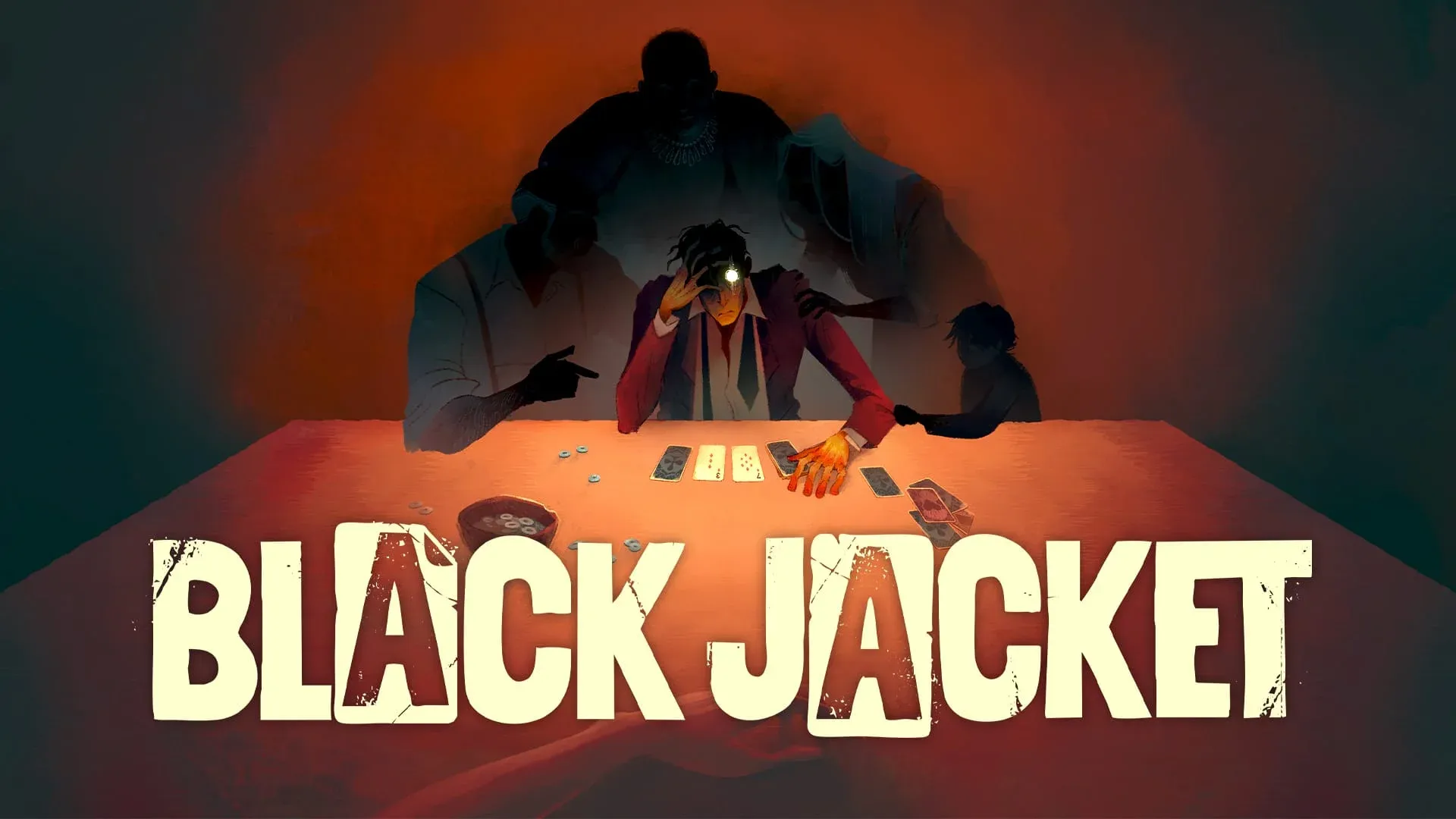

Black Jacket looks like blackjack on the surface, but the real game is what happens between rounds. Every shop visit, every card reward, every burn decision is quietly shaping whether your deck can survive a boss curse or collapse the moment an opponent pressures your coins. The difference between a first run that fizzles out and one that actually wins almost always comes down to how you build, not how lucky your draws are.
What does a good early deck actually look like?
Strong beginner decks share four traits: enough high-value cards to regularly reach 18-21, some flexible multi-value cards, at least one way to check or control upcoming draws, and a way to pressure the opponent when you are already ahead.
Weak decks show the opposite pattern: too many random low cards, cards that only work when a specific combo lands, no way to see what is coming next, and no removal.
Consistency is the goal. Fewer dead draws means more situations where you can actually make a correct decision instead of just guessing.

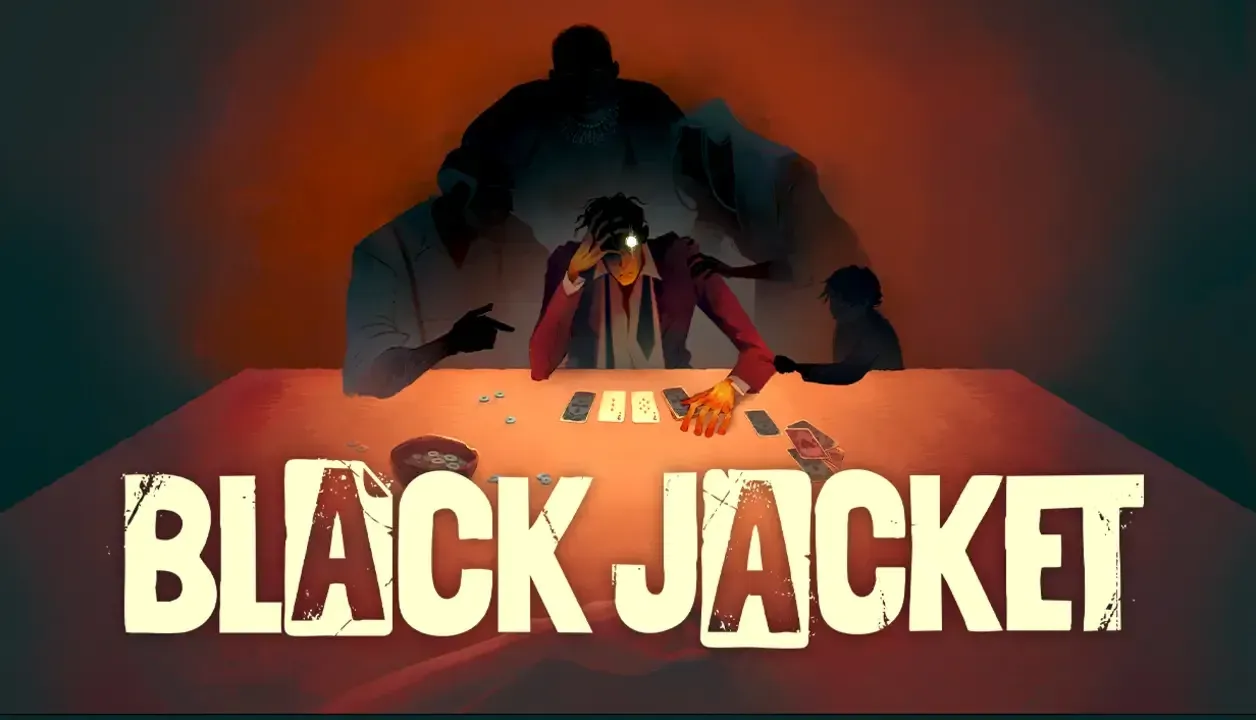
How should you choose your journey suits?
Suit selection happens before the first shop, and it shapes the entire card pool your run will draw from. This is where deck building actually starts.
Different suit directions pull your run in different directions:
| Suit direction | What it does | Beginner friendliness |
|---|---|---|
| Spades-style disruption | Interferes with opponent draws, deck order, and table plans | Medium, requires reading opponents |
| Diamond-style control | Lets you see and rearrange card order for safer decisions | High, reduces blind draws |
| Value-changing suits | Modifies card values to turn bad totals into playable ones | High, helps avoid busts |
| Burn and thinning suits | Removes weak cards to improve draw consistency | High for long runs |
| Combo-oriented suits | Rewards face card placement, stacked cards, and keyword chains | Low for first runs |
For your first few runs, suits that give you information, flexible values, and simple control are the safest choice. A suit that looks powerful but demands perfect combo timing will punish you before you understand the game's timing windows.
Spades: making opponents draw badly
Spades-style cards focus on disrupting what the opponent draws rather than simply improving your own hand. Common examples include swapping with the opposing slot, using Insight on their deck, putting an Impulse card on the bottom of their deck, and placing named cards somewhere in the target deck.
Spades disruption is strongest when the opponent is close to busting, when you want to force awkward draws, or when the boss relies on predictable deck flow. The risk is that disruption can be harder to evaluate than raw value, so if you are not sure what a card changes, you may spend coins without gaining anything real.
Diamond-style control: stop drawing blind
Diamonds-style control is the most beginner-friendly suit direction because it converts guesswork into decisions. Seeing or rearranging your upcoming cards lets you avoid busting from 15-17, set up a future 20 or 21, move bad cards away from the top, and decide whether passing is smarter than drawing.
If you keep busting because you drew one card too many, this is the suit direction to prioritize.
Why are 10-value cards so important?
Ten-value cards create the two safest blackjack patterns: Ace plus 10 equals blackjack, and 10 plus 10 equals 20. A true blackjack beats a normal 21, and a clean 20 is usually strong enough to pass without risking another draw.
Good uses for 10-value cards include pairing with Aces, creating safe 20s, winning highest-card tiebreakers, punishing bosses who pass low, and making sleeve plays more threatening.
Do not add every 10 you see. A deck loaded with high cards and no control busts more often than it wins. Pair high cards with Insight, sleeve planning, or flexible-value cards.
When should you burn cards?
Burning removes a card permanently, and it is one of the most powerful things you can do to a deck without adding any complexity.
Burn a card when it has low value and no useful effect, when it keeps showing up at the worst possible moment, when it does not fit your current suit plan, or when you would genuinely rather draw almost anything else.
The key rule: burn cards that are bad draws, not cards that are simply low. A low-value card carrying Insight, Exploit, Whisper, Demand, or Drain can be excellent. A low-value card with no effect is dead weight.
When should you awaken cards?
Awakened cards are how your deck starts doing things that normal blackjack cannot. An awakened card can gain effects that change values, reveal upcoming draws, discard cards, pressure coins, or enable combos.
The best early awaken targets are cards you draw often, flexible-value cards that stay safe while gaining utility, 10-value support cards that help build strong 20 or blackjack turns, and cards with simple effects you can actually use correctly under pressure.
Avoid awakening cards purely because the new effect looks interesting. If you cannot explain when the awakened effect is useful, it may make your decisions worse rather than better.
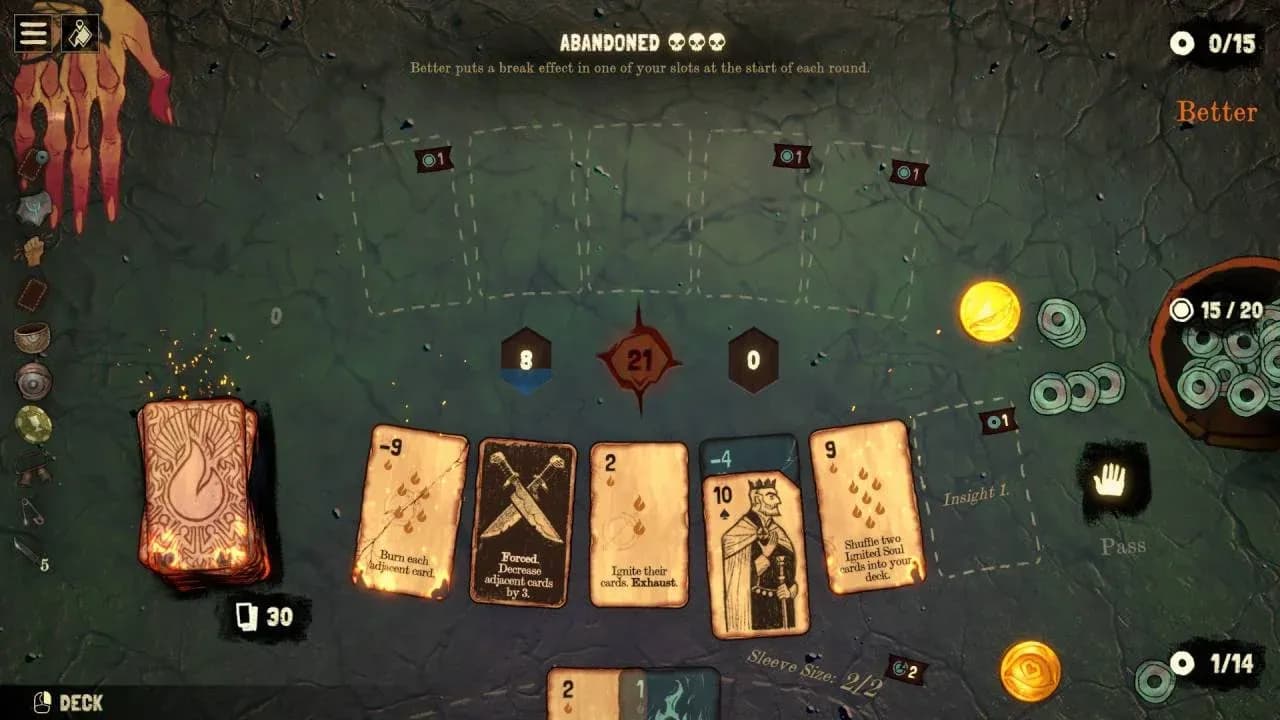
Awaken upgrade choices in shop
How do Hollow and Whisper work together?
Hollow lets another card be played on top of an existing card, keeping both card values active. Whisper triggers when a card is played into a Hollow slot, and Whisper effects are not optional.
This means stacked-card builds can be powerful, but they are not free value. You must account for both active values simultaneously.
Use Hollow and Whisper when the stacked card helps your total, when the Whisper effect supports your build, and when you have enough coin safety if the play goes wrong. Avoid them when you are already near 21, when the extra card pushes you toward bust, or when a boss curse punishes stacked cards.
For beginners, learn coin pressure, safe totals, and Insight first before building around stacked cards.
What do Drain and Break actually do?
Drain decreases a target card's value to zero, then adds that value to the Drain card's highest value. If the target has multiple values, only the leftmost value is drained. Break can turn positive values into negative values or otherwise change the table math.
These effects let you win hands that normal blackjack logic would not allow, but they are also easy to misplay. Only use value manipulation when you know which value Drain will take from a multi-value target, when you can create a 20 or 21 safely, or when you can weaken the opponent's best card.
If you are guessing, or if multiple values are involved and you are unsure, hold off. These are calculated plays, not autopilot tools.
What are the best early build types?
You do not need a perfectly named build to win early. Think in broad archetypes and match them to your suits, artifacts, and the next boss.
| Build type | Core idea | Best for | Main weakness |
|---|---|---|---|
| Safe 20 build | 10s, Aces, flexible values, controlled passing | Beginners and early boss fights | Busts if too many high cards land without control |
| Control build | Insight, rearranging, discard, Drain, deck manipulation | Players who want safer decisions | Can lack raw power without enough value cards |
| Coin-pressure build | Exploit and slot effects to force opponent payments | Ending encounters when ahead | Backfires hard if you raise while behind |
| Disruption build | Spades-style effects to interfere with opponent | Enemies with predictable or greedy behavior | Harder to evaluate than simple value cards |
| Combo build | Face cards, Whisper, sleeve, and hidden interactions | Experienced players with good shop luck | Fragile if combo pieces never appear |
The safe 20 build is the most forgiving starting point. It does not require specific combo pieces, it punishes opponents who pass low, and it gives you room to add complexity once you understand the game's timing.
How should you prepare your deck for bosses?
Bosses punish greedy decks in ways that normal encounters do not. Before walking into a boss fight, check your deck for these specific problems:
- Too many weak cards mean you cannot find your good cards in time.
- No Insight means you draw blind into boss curses.
- Too much sleeve dependence is dangerous because some bosses punish or exhaust sleeved cards.
- No flexible values means you bust more often under value pressure.
- One fragile combo means boss disruption can break your only plan.
The pre-boss checklist: burn one bad card if the deck feels bloated, awaken a reliable card instead of buying a random flashy one, add Insight or flexible values if available, check whether your artifact supports your actual plan, keep enough coins to survive a bad first round, and stop building around sleeve if the boss punishes it.
How do artifacts fit into deck building?
Artifacts are not bonus items sitting outside your deck. They can define what kind of run you are building. A coin economy artifact extends your survival in boss fights. A deck-control artifact makes Insight and Diamonds-style builds more reliable. A removal artifact improves draw quality over time.
The question to ask at every artifact choice: does this make my current deck more consistent, safer, or better against the next boss? If it asks you to rebuild your entire plan around something you do not have yet, skip it.
| Artifact type | Best pairing | Why it matters |
|---|---|---|
| Coin economy | Exploit, sleeve, boss fights | Survives forced bets and risky rounds |
| Deck control | Insight, Diamond-style builds | Makes draws easier to plan |
| Value support | Safe 20 builds, multi-value cards | Reaches strong totals more reliably |
| Removal and thinning | Bloated decks, burn strategies | Improves draw quality over time |
| Sleeve support | Ace and 10 setups, face-card combos | Makes saved-card plans stronger |
| Boss counter | Curse-heavy routes | Survives specific boss mechanics |
Face cards and combo potential
Face cards are strong 10-value cards first and combo pieces second. The game hints early that playing face cards next to each other can trigger special interactions, described as Face Trios, Royal Sets, or face-card combos.
For early deck building, keep at least some face-card access, try placing face cards next to each other to test interactions, and use sleeve to save one face card for a future combo setup. Do not force a Royal Set when your coin pressure is already bad, and do not burn face cards too early unless they clearly hurt your plan.
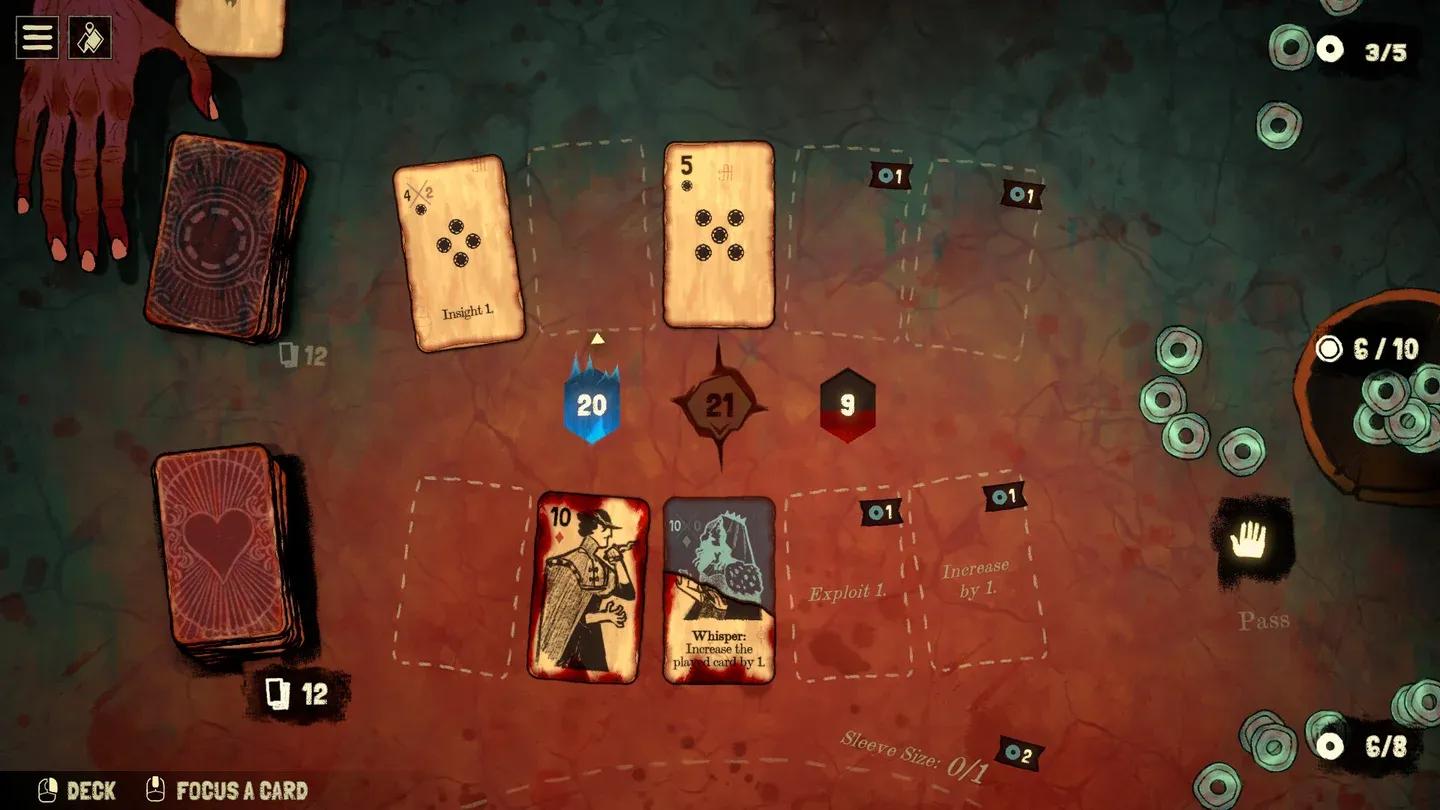
Face card combo interaction hint
Your first-win deck plan
For your first real win, here is a clear nine-step plan:
- Choose suits that support one broad plan: information, flexible values, and simple control are easiest.
- Keep the deck compact. Add cards only when they improve your odds or solve a specific problem.
- Prioritize 10s, Aces, and flexible-value cards for safe totals and blackjack chances.
- Take Insight when offered. Information is the safest form of power in this game.
- Awaken reliable cards with effects you actually understand.
- Burn cards that do nothing. Removal is a win condition in deckbuilders.
- Pick artifacts that match your current deck, not a fantasy build.
- Adapt before bosses. A deck that beats normal enemies can still lose to a curse.
- Pass when the odds are bad. A disciplined pass beats a heroic bust.
That last point is easy to forget when you are sitting at 16 and feeling lucky. Patience is a mechanic in Black Jacket, and it is one of the strongest ones available.
For more guides covering every system in the game, the Black Jacket guides collection has you covered. Black Jacket sits firmly in the strategy games genre, and the deck-building decisions here reward the same kind of methodical thinking that makes that genre satisfying.