


Blue Protocol: Star Resonance is one of the most ambitious anime MMORPGs to arrive in years, blending flashy action combat with deep character progression and a world that genuinely rewards exploration. The early game hooks you fast. The mid-game, however, is where most players quietly start losing momentum. Gear walls appear, daily systems pile up, and that initial sense of discovery gets replaced by a checklist. This guide cuts through all of that and gives you a clear path from the first login to endgame readiness.
What should you prioritize first in Blue Protocol: Star Resonance?
The single most important thing you can do when starting out is reach max level before worrying about anything else. Endgame content, higher-tier gear, and advanced skill trees are all locked behind that level cap. Trying to optimize gear or farm currencies before hitting max level is wasted effort because the game's real systems simply are not available yet.
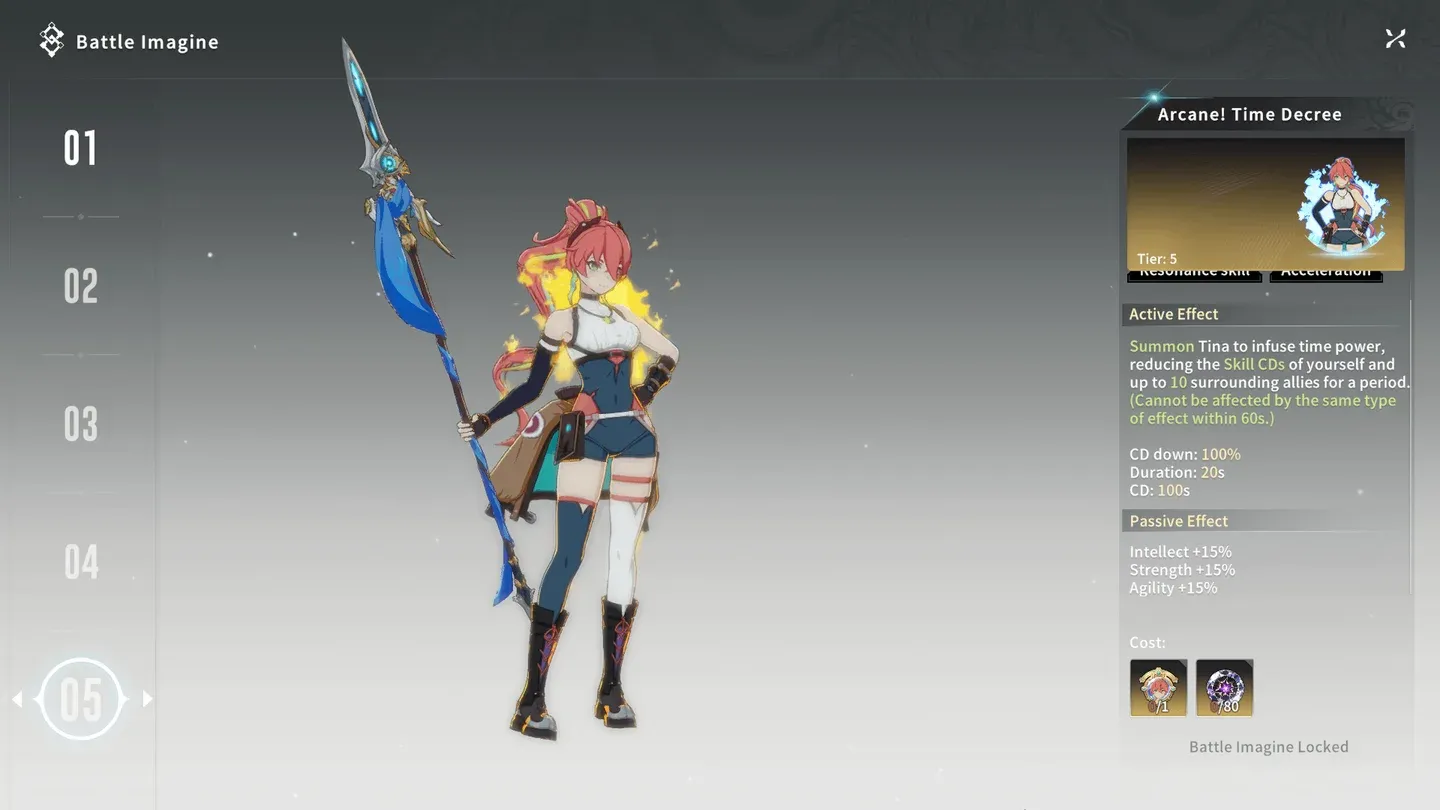
Level cap unlocks endgame systems
Once you hit the cap, the priority order shifts significantly. Your next focus should be building a baseline currency reserve. Gold in Blue Protocol covers repairs, consumables, early gear upgrades, and auction house activity. Running out of it during early endgame is a common mistake that stalls progression across multiple systems simultaneously.
After currency, target a starter endgame gear set. This typically comes from repeatable dungeon clears and world boss encounters that drop base epic or legendary items. Think of this gear tier as your access pass rather than your final destination. You need it to qualify for harder content, not to win anything.
How does the gear progression system work?
Blue Protocol: Star Resonance runs on a classic MMO treadmill structure, but the friction points are worth knowing in advance so they do not catch you off guard.
The progression ladder looks roughly like this:
The gear upgrade system introduces RNG failure mechanics, meaning a crafted or upgraded piece can fail and consume rare materials without producing the intended result. This is one of the most frustrating systems in the game for new players. The practical advice here is straightforward: do not dump your entire material stack into a single upgrade attempt. Spread attempts across multiple sessions to avoid burning out after a string of bad results.
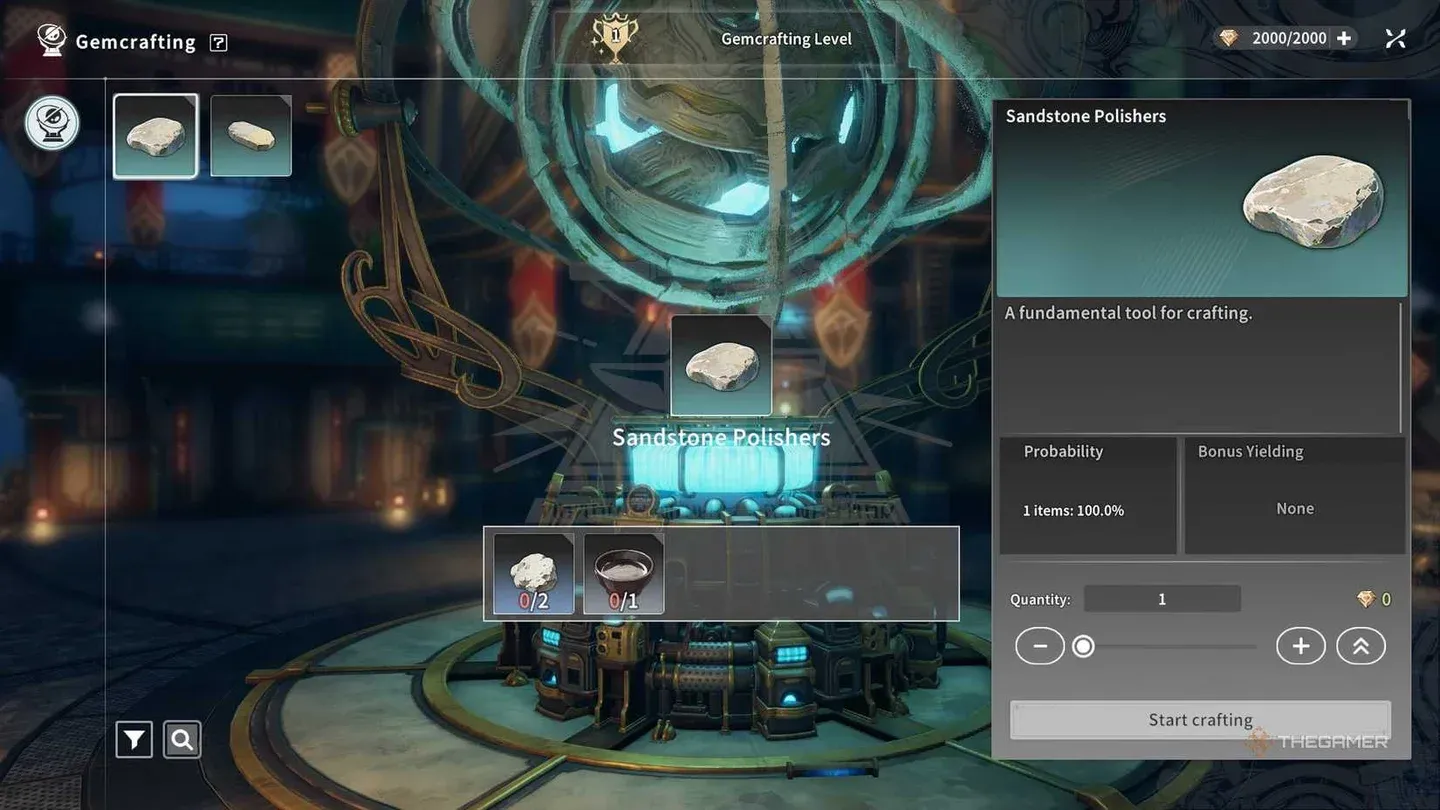
Gear upgrade material management
Which progression walls will slow you down the most?
Every MMORPG has bottlenecks, and Blue Protocol is no exception. Knowing where they are ahead of time lets you prepare rather than react.
The gear score wall is the most common stopping point. There will be moments where your current equipment is not strong enough for the next content tier, and the only path forward involves grinding older content or farming specific materials. This is not a bug in the design; it is the design. Accept it early and treat it as a target rather than an obstacle.
Pick-up group reliability is a real problem for dungeon and raid content. One underprepared player in a group can cause repeated wipes and waste an entire evening. If you are consistently struggling with PUG groups for essential content, consider coordinating with a static group or guild before attempting the harder encounters.
Faction reputation gates some of the most useful items in the game, including crafting recipes and vendor access. Reputation grinding through daily quests is slow by design, and there is no shortcut that does not involve consistent daily login time. Build this into your routine early rather than treating it as optional.
Cascading bottlenecks are the sneakiest problem. Some progression systems in Blue Protocol block each other, meaning a weakness in one area (say, your crafting materials or currency reserves) creates slowdowns across seemingly unrelated activities. Keeping all your progression tracks moving at a roughly equal pace prevents any single system from becoming a hard blocker.
How to handle daily and weekly systems without burning out
The daily and weekly content structure in Blue Protocol: Star Resonance demands consistent attention, and that demand is where a lot of players quietly quit. The key is treating these systems as a budget rather than a mandate.
Decide which daily activities actually move your character forward and which are purely optional. For most players, the core daily loop should cover dungeon entries, world boss participation, and any reputation-granting quests tied to your current faction goal. Everything else is secondary.
Weekly systems, particularly raid lockouts, deserve their own session planning. Attempting a raid with a tired, rushed group late in the week is a reliable way to waste your lockout. Schedule these attempts when you have uninterrupted time and a coordinated group.
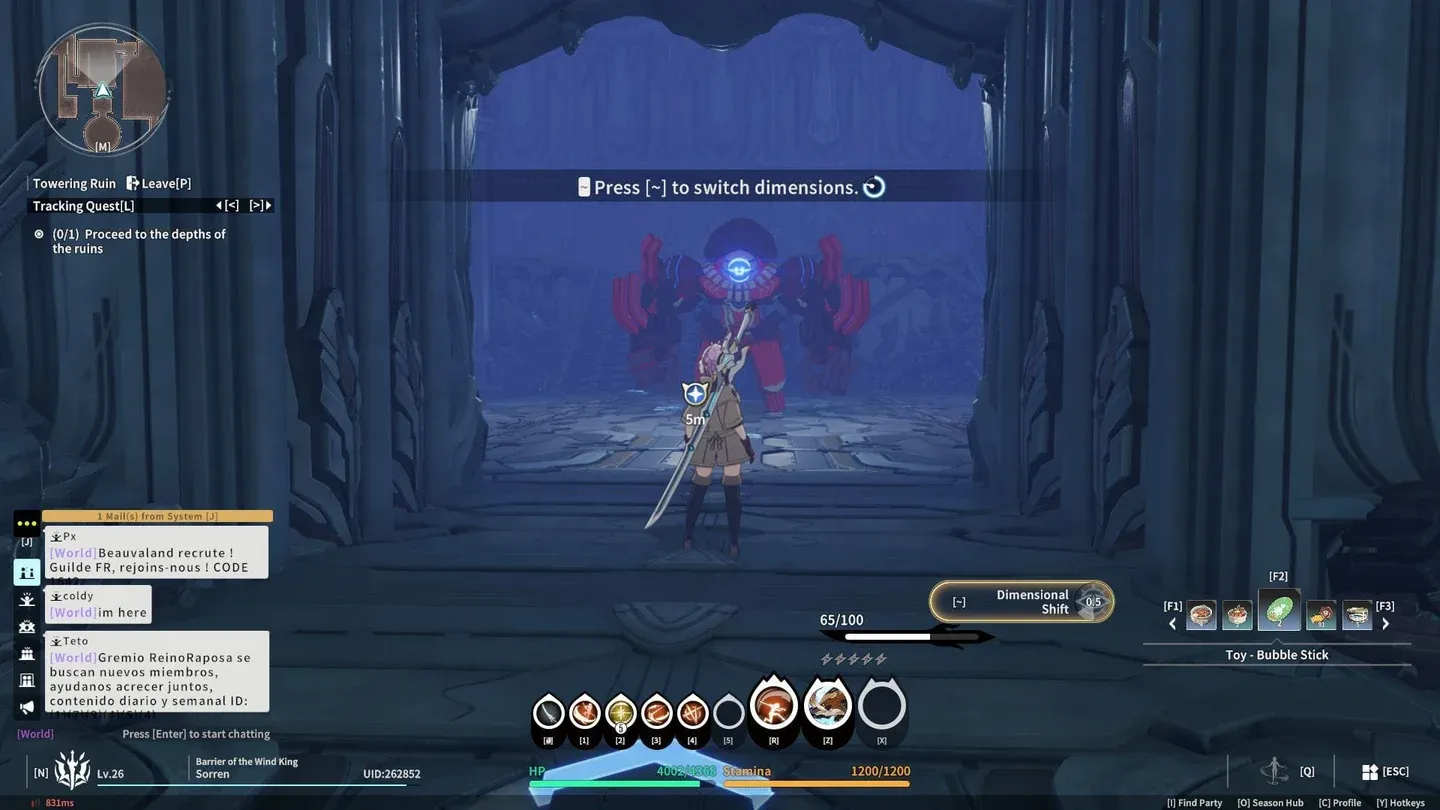
Daily reset timer and quest log
The repetition of running the same three dungeons every day will eventually feel mechanical. That is normal. The players who progress fastest are not the ones who enjoy the repetition most; they are the ones who have a clear goal attached to each run. Know what you are farming before you queue.
What comes after the starter gear set?
Once your base endgame gear is in place, the focus shifts from broad progression to targeted optimization. This phase involves specific dungeon and raid runs aimed at particular drops, especially set bonuses that only come from challenging encounters.
Set bonus gear is significantly stronger than random drops of equivalent item level, so identifying which sets apply to your build and farming those encounters specifically is the right approach. Running content randomly at this stage is inefficient.
Reputation and faction systems also become more relevant here. Certain vendors and crafting recipes are only accessible once you hit specific reputation thresholds, and some of those recipes produce best-in-slot items for particular builds.
The final layer of account optimization involves collectibles, rare cosmetic drops, mount farming, and achievement completion. These are long-tail goals that do not directly impact combat power but contribute to overall account strength and, for many players, represent the most personally rewarding part of the game.

Endgame raid encounter mechanics
Building a sustainable play routine
Blue Protocol: Star Resonance rewards consistency more than marathon sessions. A player who logs in daily for focused 45-minute sessions will typically outpace someone who plays 6 hours on weekends, purely because the daily and weekly reset systems favor regular engagement.
For players with limited time, the priority order is simple: hit your weekly raid lockout first, then complete daily dungeon entries, then work on reputation quests if time allows. Everything else fills in around those three pillars.
For players who want to go deeper, the Blue Protocol: Star Resonance guides collection covers specific builds, dungeon strategies, and endgame optimization in more detail. Blue Protocol sits comfortably among the more demanding action games in the MMORPG space, and the depth of its systems rewards players who take the time to understand each one rather than rushing through them.
The game's progression is genuinely satisfying when you approach it with a plan. The grind exists, the RNG will frustrate you at some point, and the daily systems will occasionally feel like homework. But the encounters at the top of the progression ladder are worth the climb, and getting there with a clear roadmap makes the whole journey significantly more enjoyable.