Biggest discounts, free games, and limited-time offers across every major gaming store.
Never pay full price again.
Overview
Braid arrives as a puzzle-platformer that refuses to play by conventional rules. Developed solely by Jonathan Blow under the Number None Inc. banner, the game follows Tim, a man haunted by a vague but emotionally charged mistake, as he traverses six surreal worlds in pursuit of a princess held captive by a monstrous force. Each world introduces a distinct mechanic that governs how time flows, transforming what might seem like a familiar side-scrolling adventure into something far more cerebral and affecting.
The genius of Braid lies not in the complexity of its controls but in the elegance of its design philosophy. Every puzzle exists to illuminate a single idea about time, and no two challenges feel redundant. The game respects the player's intelligence completely, offering no filler, no padding, and no hand-holding. What it does offer is a series of carefully constructed moments that genuinely reward careful observation and lateral thinking.
What Makes Braid's Time Mechanics So Distinctive?
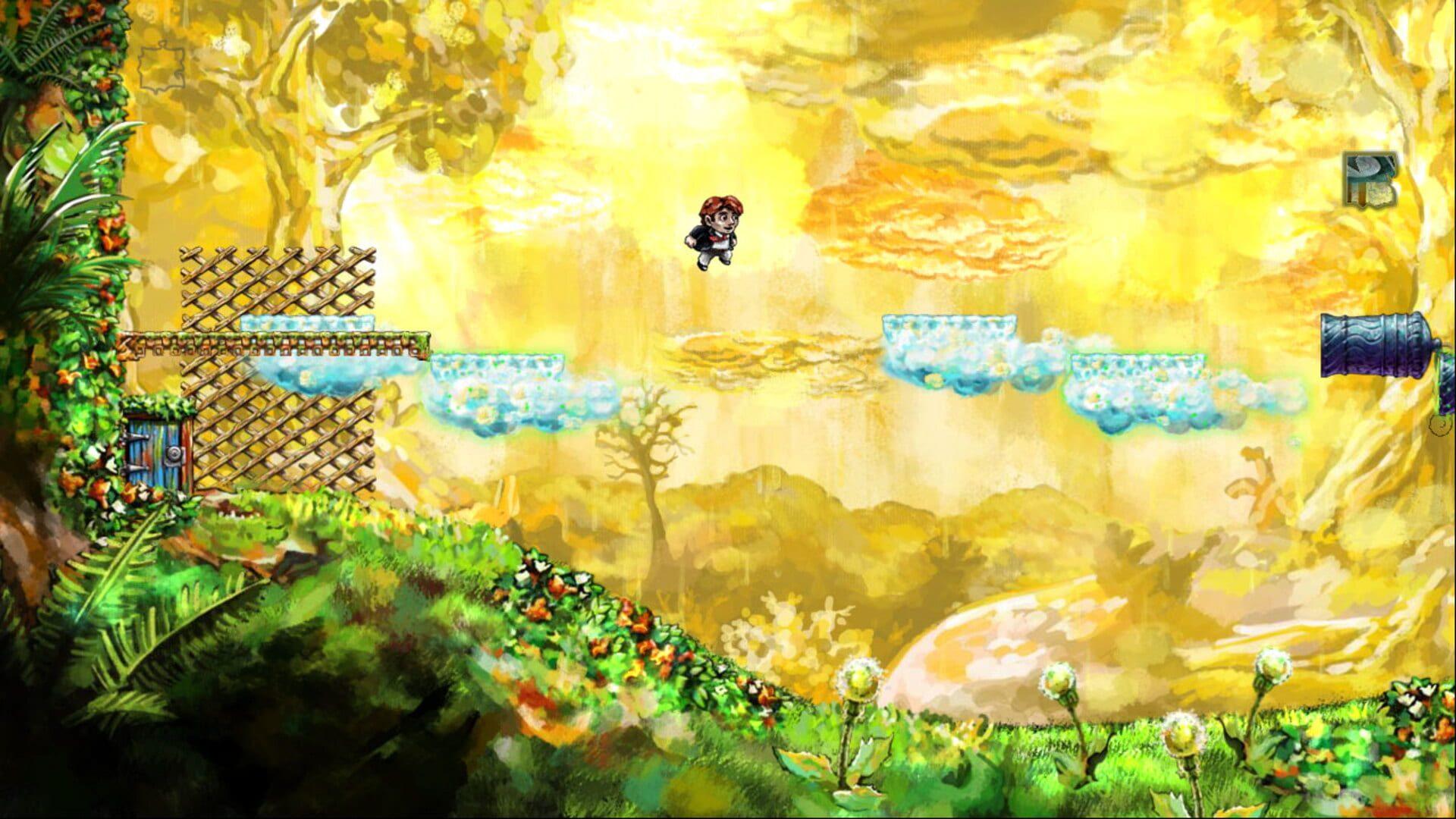
Braid's time-manipulation system is the definitive answer to what separates it from every other puzzle-platformer on the market. Each of the six worlds presents a different relationship with time:
- Rewind: reverse any action at will
- Immune objects: certain elements remain unaffected by rewinding
- Time tied to space: time moves only when Tim moves
- Parallel realities: shadow versions of Tim act independently
- Time dilation: slowing and accelerating specific zones
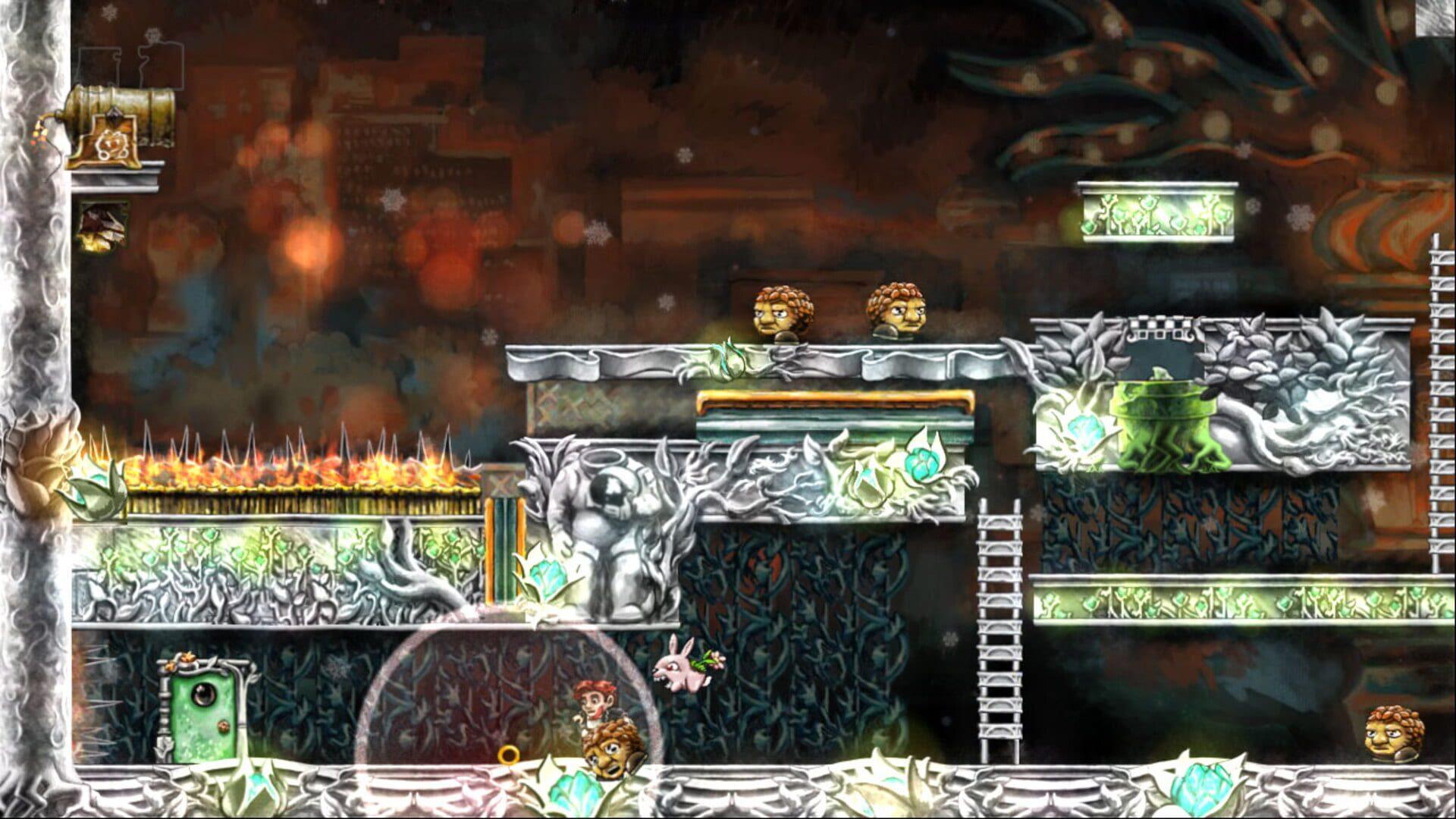
These mechanics are not cosmetic variations. Each one fundamentally reframes how players approach movement, enemy interaction, and environmental puzzles. The rewind ability, for instance, eliminates the traditional concept of failure entirely, turning death into a tool rather than a punishment. Later worlds layer these ideas with increasing sophistication, demanding that players think across multiple temporal states simultaneously.
A Narrative Woven Into the Structure of Play
Braid's storytelling is inseparable from its mechanics. Short passages of text open each world, touching on themes of forgiveness, obsession, and the irreversibility of certain choices. The narrative deliberately resists easy interpretation. Tim's relationship with the princess remains ambiguous throughout, and the final world, where time runs in reverse by default, delivers one of the most disorienting and emotionally resonant conclusions in the medium.
The ending recontextualizes everything that came before it. What appears to be a cooperative escape sequence reveals itself, when time is allowed to run forward again, as something far darker. The princess is not waiting to be rescued; she is fleeing. This inversion of the classic rescue narrative is not a twist for shock value but a structural argument about how perspective shapes meaning, mirroring the game's core time mechanics with remarkable precision.
Visual and Audio Design
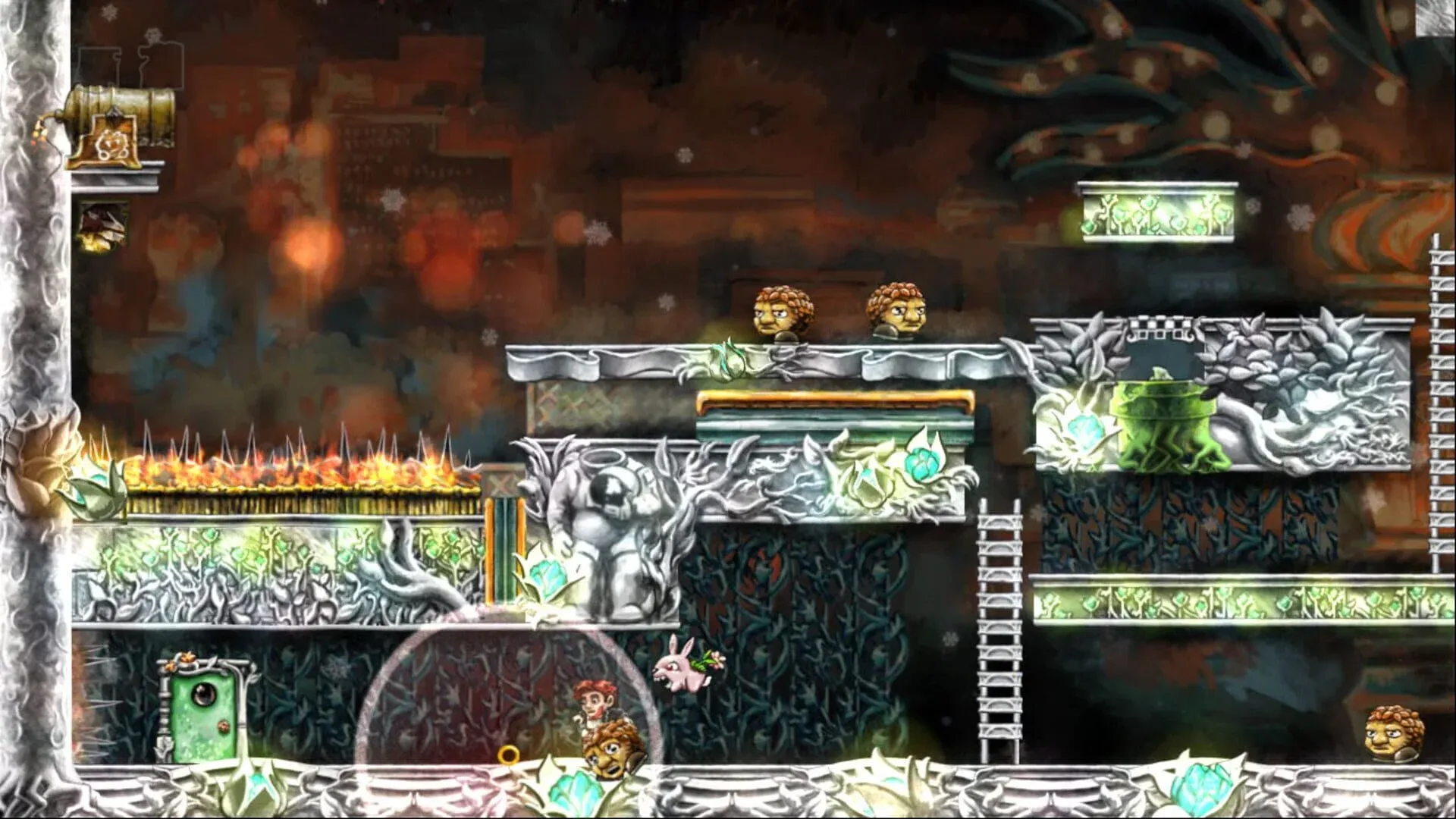
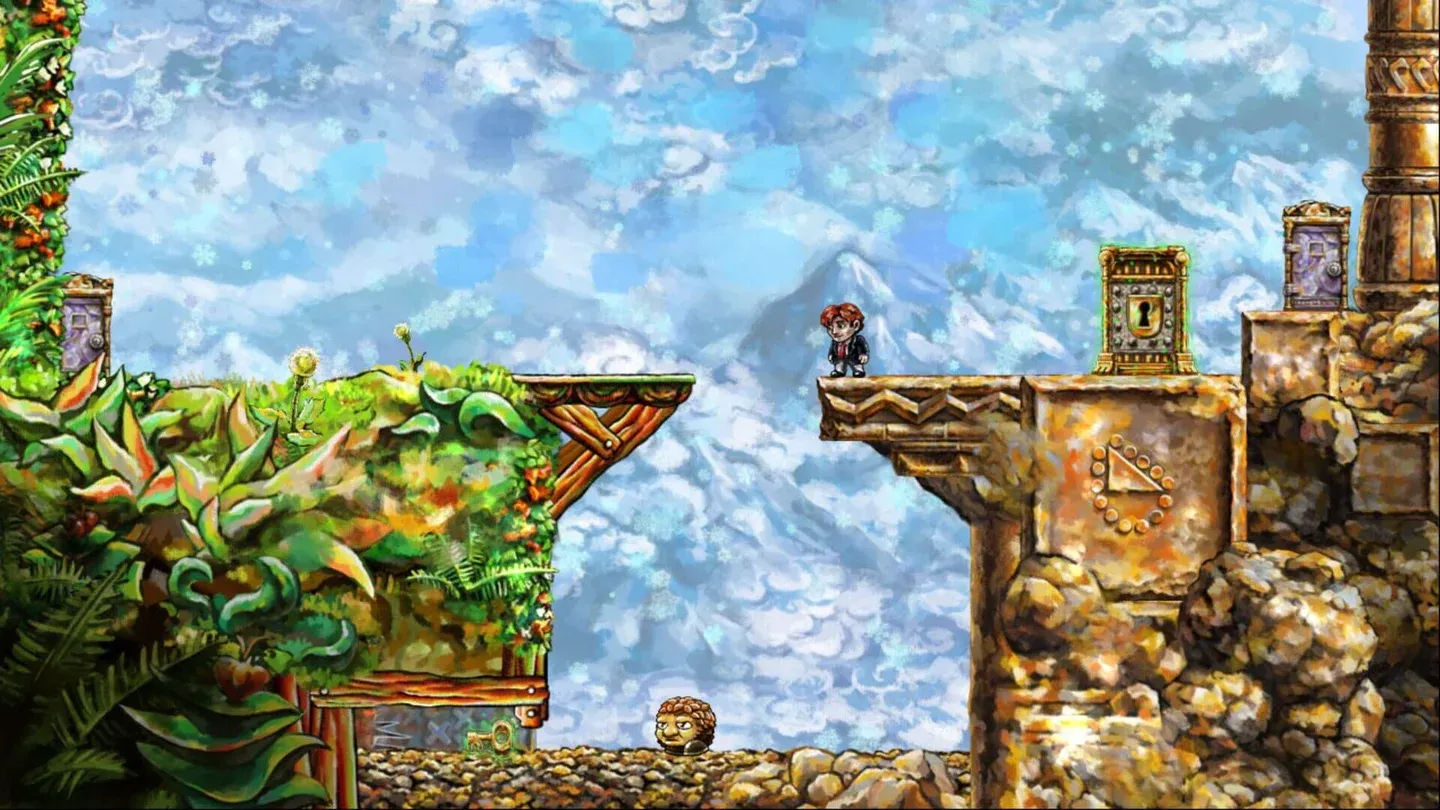
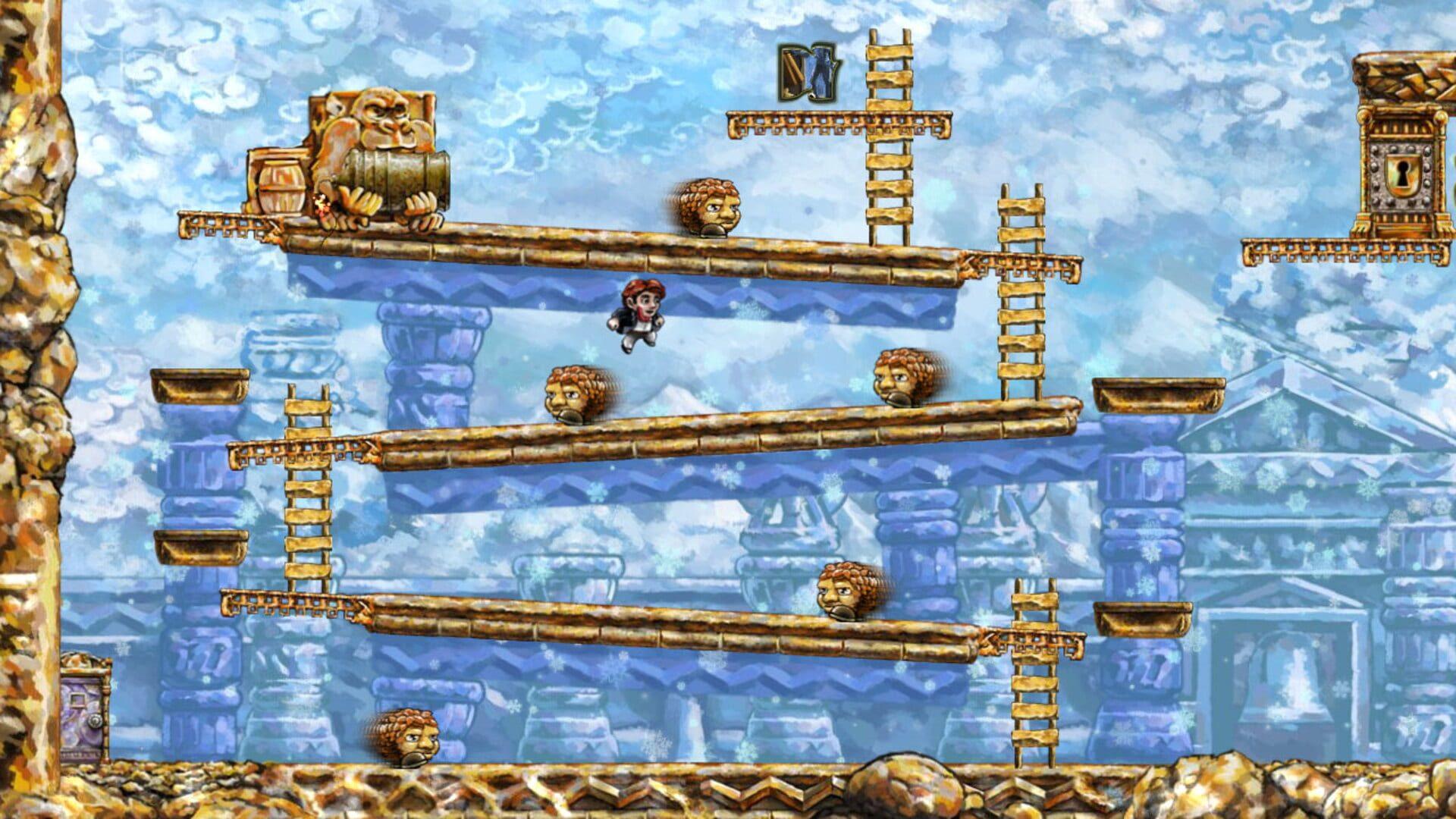
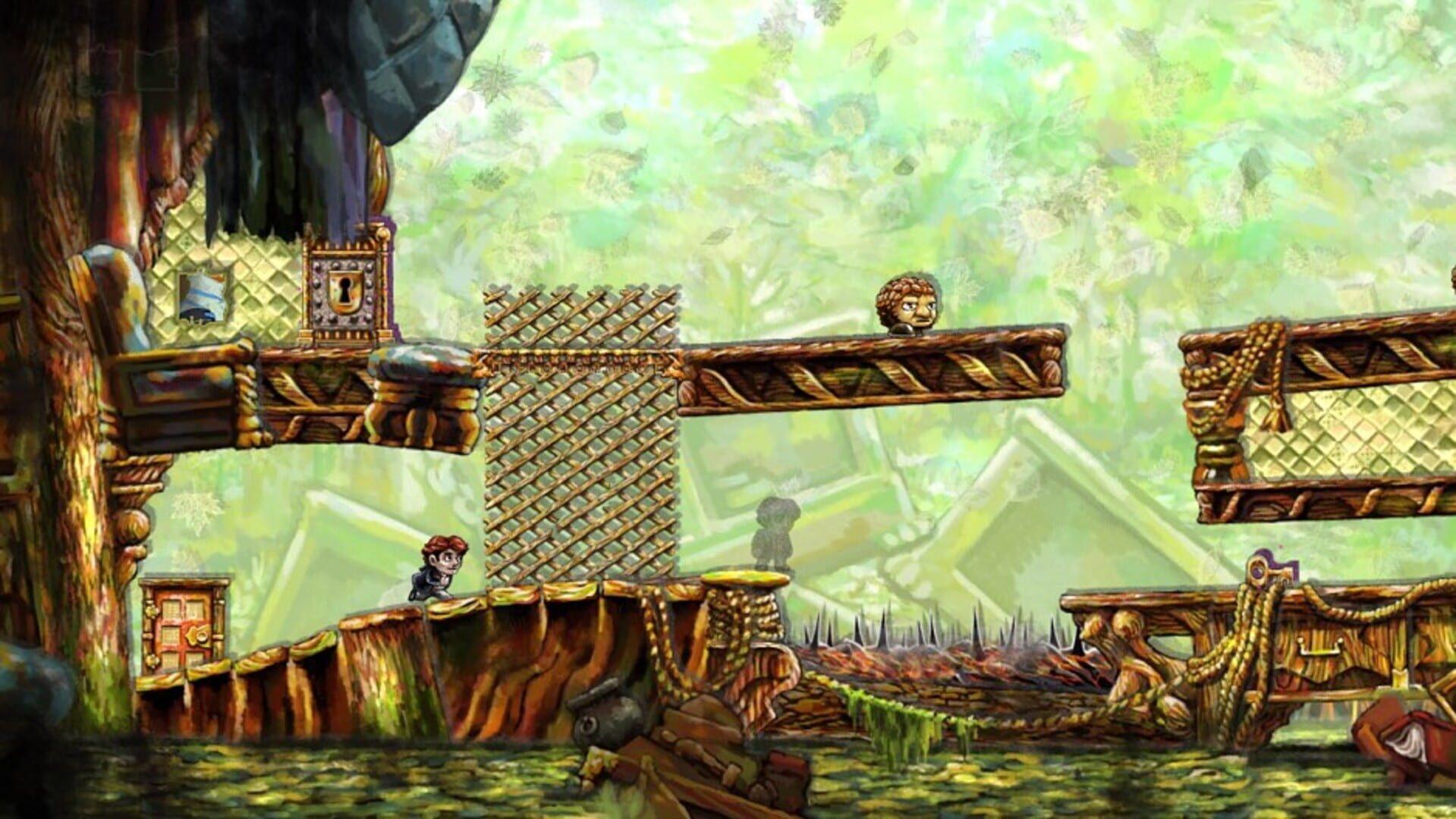
Braid's hand-painted art style remains visually distinctive. Backgrounds ripple with impressionistic brushwork, and the color palettes shift meaningfully between worlds, reflecting each chapter's emotional tone. The aesthetic is warm yet melancholic, complementing the introspective nature of the narrative without overwhelming it.
The musical score draws from classical and folk traditions, with tracks that respond dynamically to the rewind mechanic. When time flows backward, the music reverses accordingly, a subtle but deeply immersive detail that reinforces the game's thematic coherence.
Impact and Legacy
Braid holds a significant place in the history of independent game development. Released at a time when the commercial viability of auteur-driven indie titles was still largely unproven, it demonstrated that a single developer with a focused vision could produce work that rivaled, and in many respects surpassed, larger studio productions in terms of design depth and artistic ambition.
The game is available across PlayStation, Windows, macOS, Xbox, Steam, Nintendo Switch, and iOS, ensuring its reach spans generations of hardware. An Anniversary Edition has also been released, bringing updated visuals and additional developer commentary to the experience.
Conclusion
Braid stands as one of the most carefully crafted puzzle-platformers ever made. Its time-manipulation mechanics are not merely clever; they are the language through which the game communicates its themes of regret, obsession, and the impossibility of undoing the past. For players who appreciate games that treat design and narrative as inseparable disciplines, Braid remains an essential, irreplaceable experience.