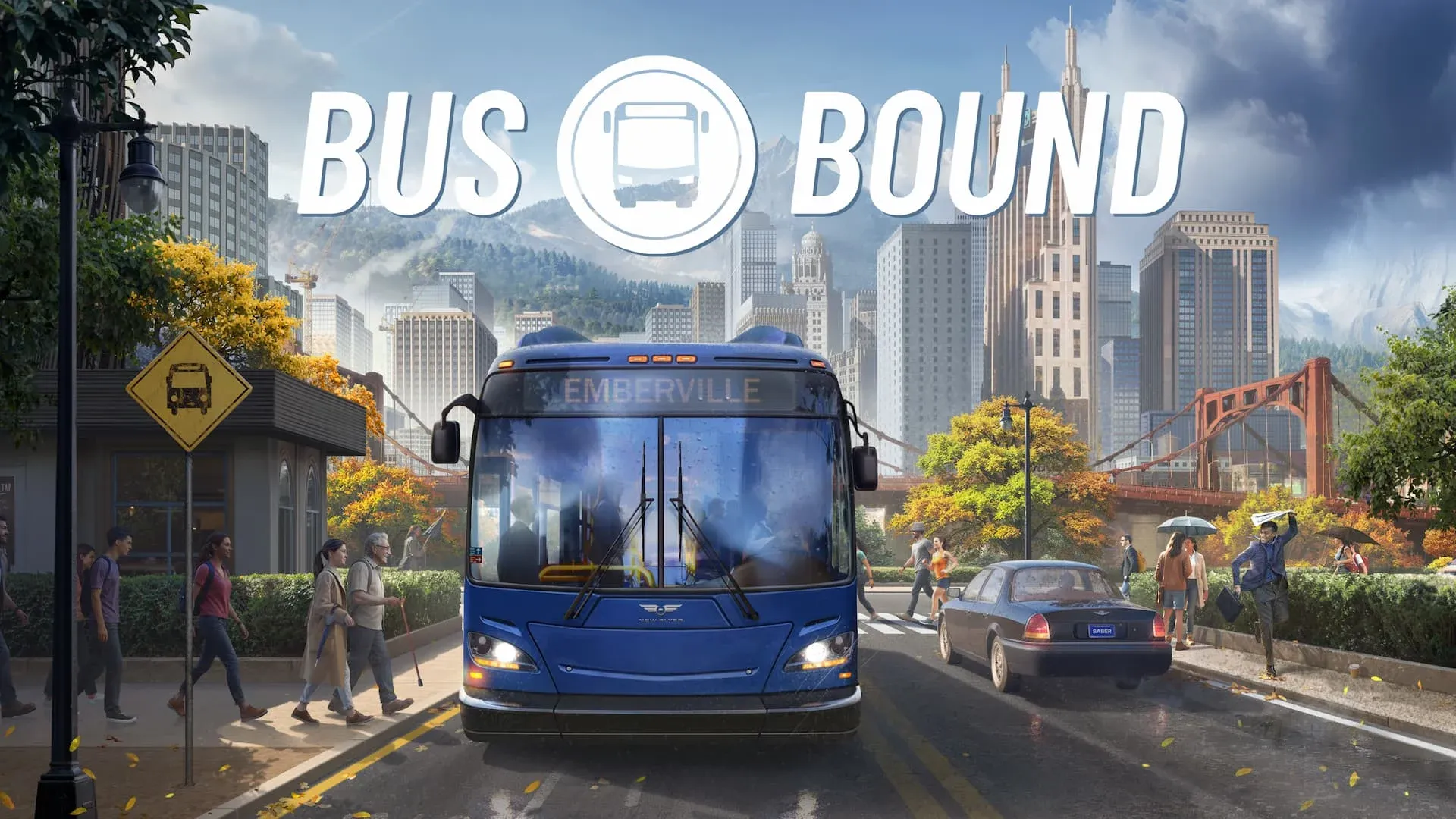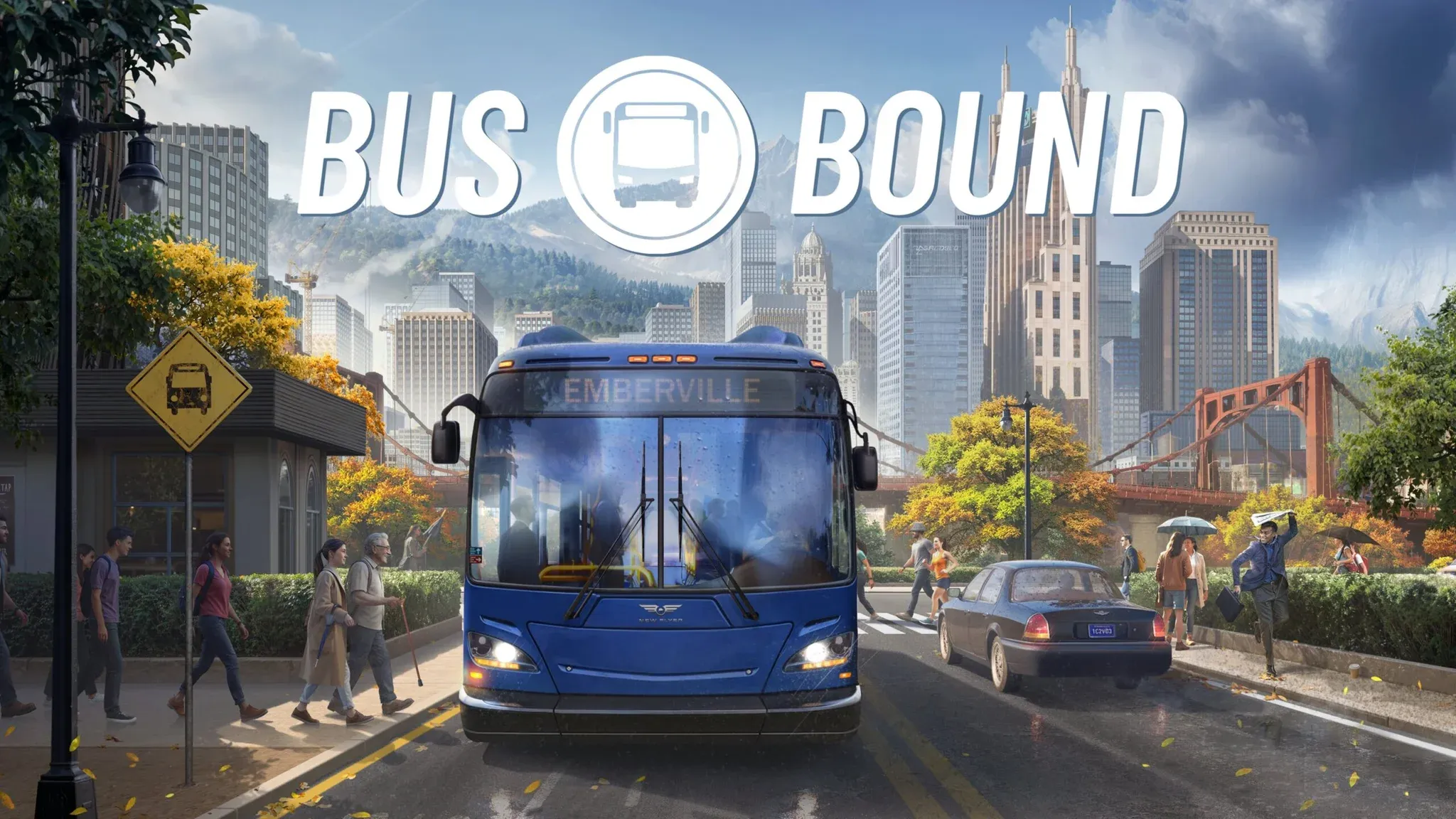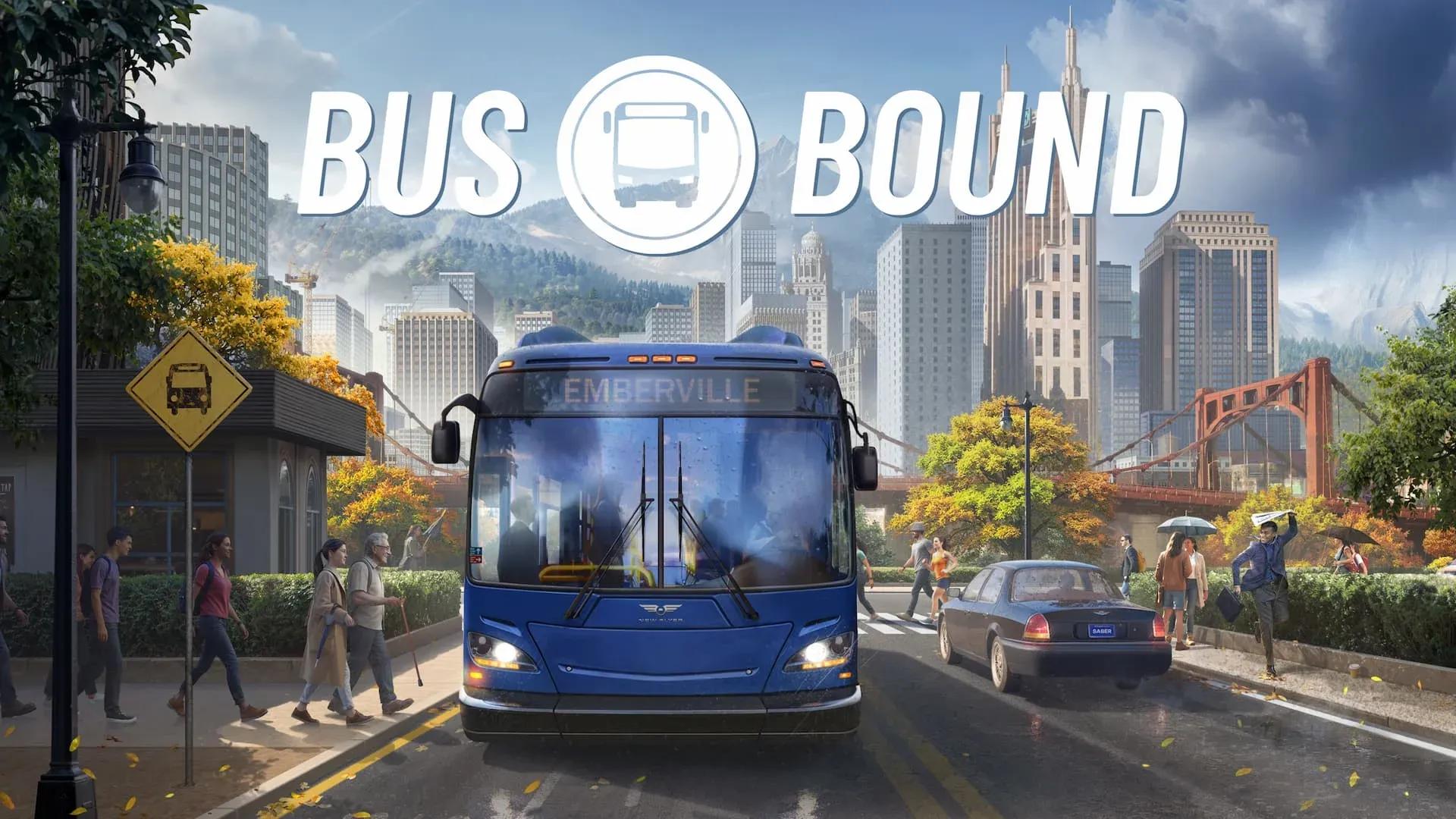

Bus Bound, developed by stillalive studios and published by Saber Interactive, launched April 30, 2026 on PC, PS5, and Xbox Series X/S. It puts you behind the wheel of officially licensed buses in the fictional American city of Emberville, where your driving quality directly shapes how the city grows. There are no spreadsheets to manage, no budget crises to survive. The game's entire progression hinges on one thing: how much your passengers like the ride you give them.
Based on 16 critic reviews, Bus Bound holds a 79 on OpenCritic, with multiple outlets awarding it 9/10. Critics broadly agree it nails the relaxed driving loop while some note the progression can feel thin over time. This guide breaks down exactly what you need to know to make steady progress without spinning your wheels.
How does progression work in Bus Bound?
Forget money meters and resource bars. Progression in Bus Bound runs entirely through a thumbs-up system. When passengers disembark, a thumbs-up icon can appear above their heads. The more thumbs-up you collect per shift, the more city funding you receive, which unlocks additional bus stops and opens up new areas of Emberville.
Passenger comments appear on the right side of your screen during routes. These flag things like speeding, rough stops, or erratic driving. The tricky part is that passengers are not consistent. Some groups ignore speeding entirely while others react badly to going slightly over the limit. Running a stop sign can generate complaints even if you stopped properly. Because of this inconsistency, the most reliable strategy is to drive smoothly and consistently on every run rather than trying to read each group of passengers.
Shifts are short, especially early on. You might stop at only 3 bus stops before the game returns you to the office. This is by design. Bus Bound is built for focused sessions, not marathon grinding. Pick one goal per session, run 2 to 4 focused loops, and stop while you are still engaged. Consistency compounds over time far more effectively than long unfocused sessions.
What's the best way to handle routes early on?
Three core habits carry you through the entire game: smooth driving (signals, spacing, gentle braking), route discipline (fewer empty legs, fewer panic reroutes), and district awareness (understanding what each area rewards).
For new players, the advice is simple: learn one clean loop per district before trying to optimize anything. Once your thumbs-up income is stable on a given route, you can start tightening timings, swapping buses, or chasing upgrades. Trying to do all of that before your baseline is solid means you will not know which variable is actually helping.
You can create custom routes by selecting which bus stops you want to service, or pick from preset options. Either way, shorter focused loops beat sprawling routes when you are still learning a district's rhythm.
How do the buses actually handle?
This is where Bus Bound surprises most players. Buses have significant mass in real life, so the expectation is sluggish, unresponsive controls. Bus Bound goes the other way. Turning is notably sensitive, while acceleration and braking are less reactive. The result takes a few routes to get used to.
There are two camera views: inside the cab and outside the vehicle. The inside view changes the feeling of how the bus handles without actually altering the input response. It adds a layer of difficulty that pairs well with a steering wheel controller. The outside view gives better spatial awareness and is recommended while you are still adjusting to the controls and learning the city layout.
Neither view is quite perfect for visibility, which is a genuine limitation worth knowing before you commit to one. The outside camera edges ahead for practical play.
| Camera View | Handling Feel | Spatial Awareness | Best For |
|---|---|---|---|
| Inside cab | More immersive, harder to judge space | Limited | Experienced players, wheel controllers |
| Outside vehicle | Standard feel | Better | New players, learning the city |
Which bus should you pick?
Bus Bound features 18 customizable buses. Buses are not interchangeable. Each one has different capacity, handling characteristics, and efficiency profiles that make it better suited to specific route types. A bus that works well on curvy suburban roads may feel average on a tight downtown loop.
Think of buses as tools, not a beauty contest. When something feels off on a route, change one variable at a time. Swap the bus, adjust the time of day, or shorten the route length. Changing multiple things simultaneously means you will not be able to identify what actually made the difference.
Some reviewers flagged that the driving model lacks realism compared to Bus Simulator 21, and wheel support is limited. If you are coming from a hardcore sim background, that is worth knowing. For everyone else, the handling is approachable and satisfying.
How does the city of Emberville change as you play?
Emberville is not a static backdrop. As you unlock bus stops and expand your routes, the city reacts. Watching Emberville grow feels more rewarding than what you typically get in route-based simulators. The city changing based on your actions creates a loop that feels more real than other games in the genre.
The game features 7 districts to unlock, each with its own demands. Some districts punish sloppy stops. Others punish inefficient loops or reward players who understand peak passenger windows. Treat each district as a separate exam rather than trying to apply a universal strategy across all of them.
Dynamic weather and a day/night cycle add variation to routes. Visual glitches at night are a known technical issue, so if you notice framerate stutters or visual oddities after dark, that is a problem with the game rather than something on your end.
What about multiplayer and co-op?
Bus Bound supports 4-player online co-op. The key to making it work is role clarity. Agree on specific districts or route families before you start, not just a vague "I'll help wherever." Two players servicing the same micro-loop creates overlap that wastes both players' time unless you are deliberately farming something together.
Think of good co-op coordination as a relay. Each player handles a segment cleanly and passes momentum to the next route. If your group keeps running into friction, it is almost always a routing overlap issue rather than a skill gap.
Hands-on community feedback on how well the co-op scales is still developing. The Steam community reviews include player perspectives on the co-op experience worth checking before jumping in.
Is Bus Bound worth playing?
The honest answer depends on what you want from a simulator. If you want spreadsheet management, a monetary pressure system, or the ability to walk around outside your bus, Bus Bound does not offer those things. As noted in the Sims Society review of Bus Bound, the game deliberately strips out traditional management mechanics, including a monetary system, in favor of keeping the focus on driving.
What it does deliver is a genuinely relaxing driving loop set in a city that responds to your work. The thumbs-up progression is forgiving enough that you will not feel stuck, and the 7 districts and 18 buses give you enough variety to stay engaged for a solid run of hours. The budget price matters when weighing the depth against the cost.
For players who want to go deeper on sim mechanics, Bus Simulator 21 still offers a more complete package. But Bus Bound is not trying to be that. It is trying to be approachable, peaceful, and purposeful, and by those measures it largely succeeds.
For more simulator and strategy guides, browse the latest guides on GAMES.GG to find coverage of similar releases.