Overview
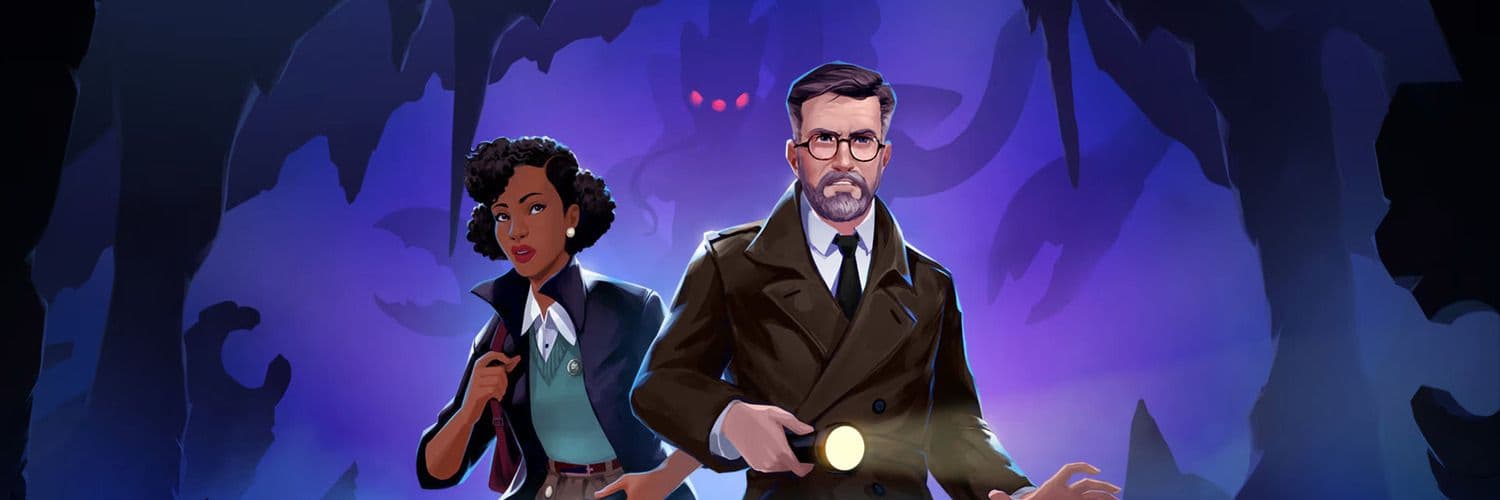
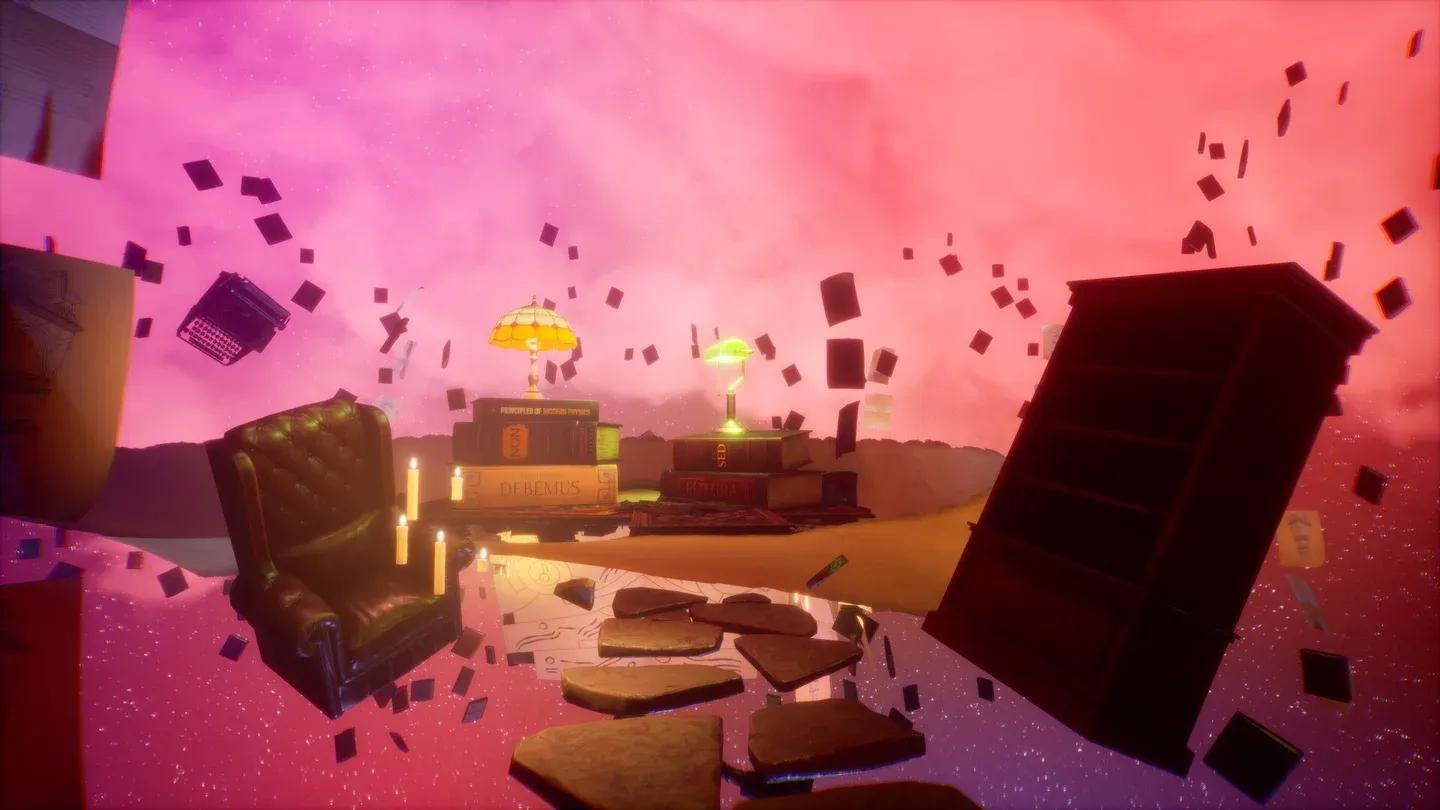
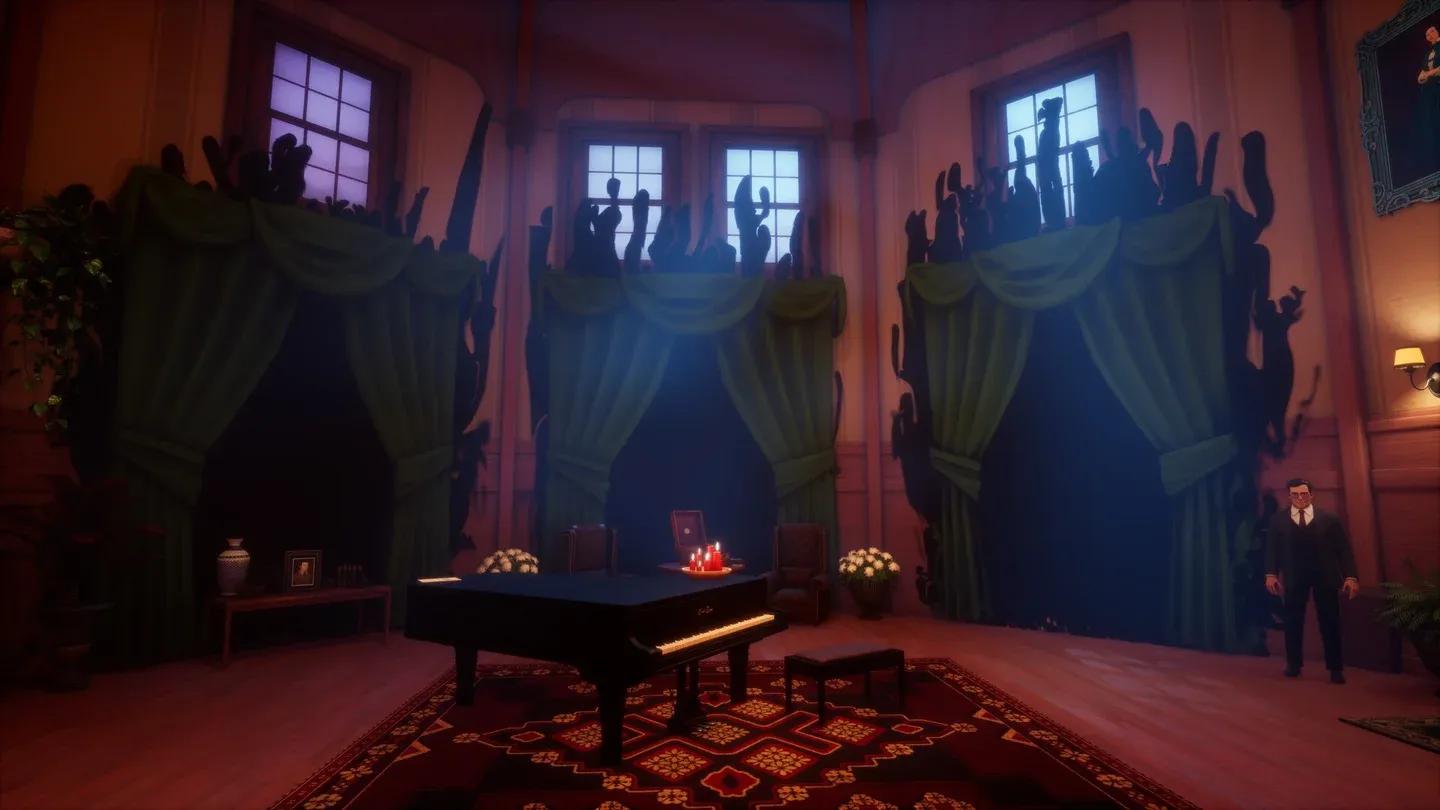
Call of the Elder Gods is a Lovecraftian narrative puzzle adventure developed by Out of the Blue Games, the Madrid-based studio behind the well-received Call of the Sea. Published by Kwalee, the game sends players on a globe-spanning journey to uncover ancient, unspeakable horrors buried at the edges of civilization. It sits at the intersection of adventure, puzzle, and strategy, building on the atmospheric storytelling that made its predecessor a standout in the indie puzzle space.
The original Call of the Sea earned strong reviews for its confident blend of first-person exploration, environmental puzzles, and a genuinely affecting story rooted in Lovecraftian mythology. Elder Gods carries that DNA forward, expanding the scope from a single island mystery to locations scattered across the world. The ESRB rates it Teen, citing mild blood, mild language, mild violence, and use of tobacco, which gives a sense of the tone: unsettling, atmospheric, but not gratuitous.
Gameplay and Mechanics
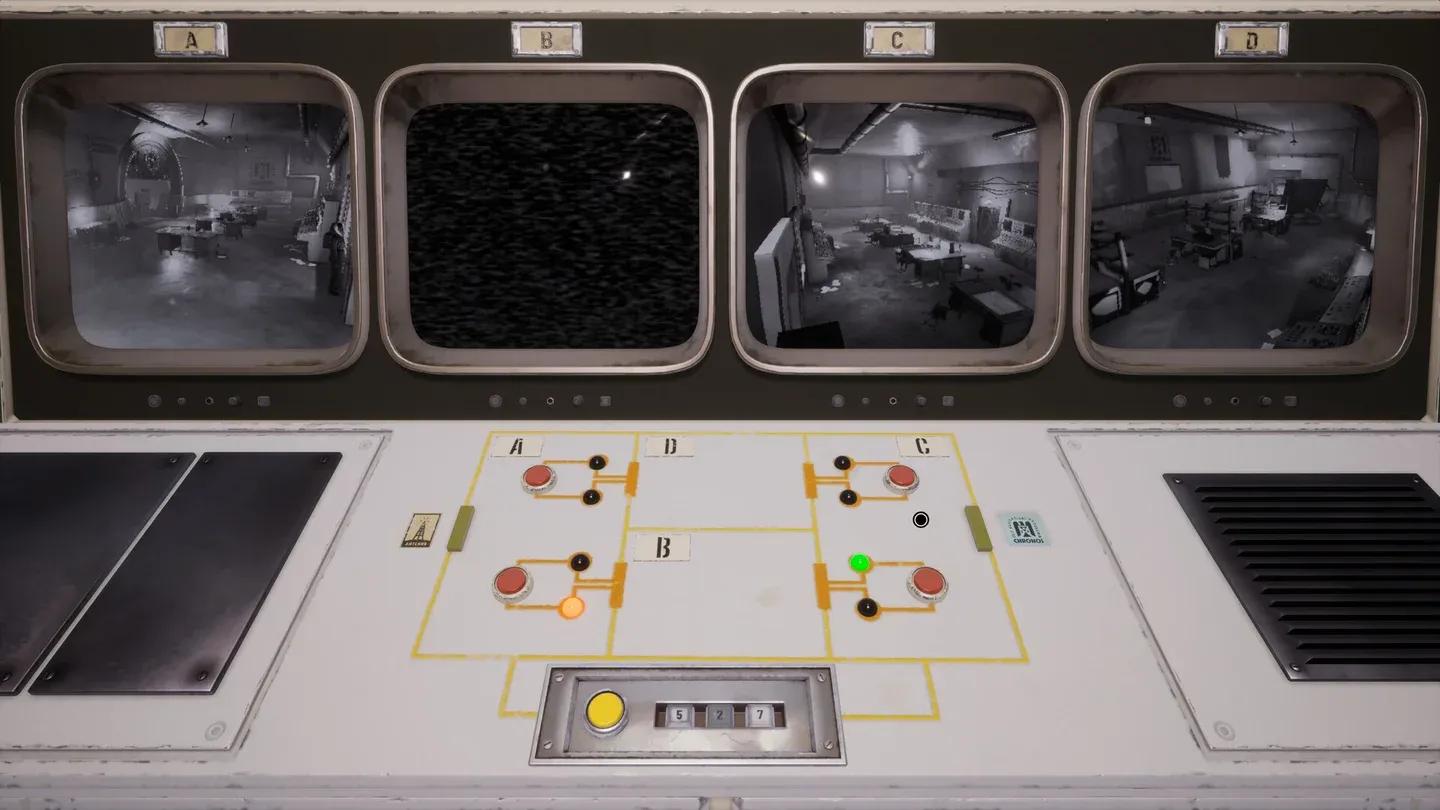
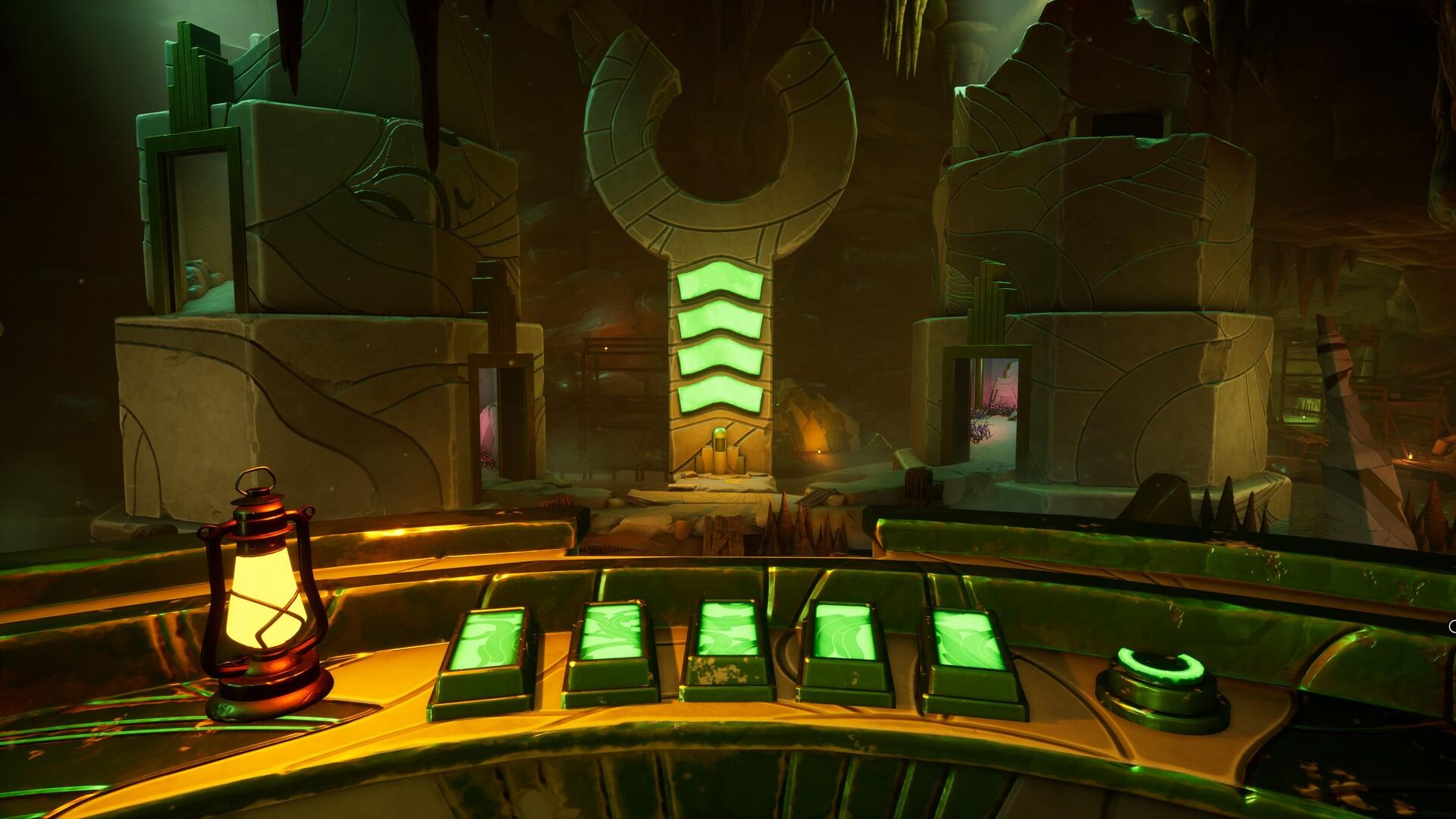
Call of the Elder Gods is a single-player narrative puzzle adventure. Players travel to remote locations around the world, piecing together the mystery of elder gods through environmental storytelling and logic-based puzzles. The game does not feature multiplayer or cooperative modes. Core gameplay pillars include:
- Environmental exploration across global locations
- Narrative-driven puzzle solving
- Lovecraftian horror atmosphere
- Single-player, offline play
- DualSense vibration support on PS5
The PS5 version supports DualSense haptic feedback, adding a tactile layer to the experience that fits the tension of uncovering ancient dread. With 14 listed accessibility features on PlayStation, Out of the Blue has clearly put thought into making the game approachable for a wider audience.

World and Setting
Where Call of the Sea was contained to a single mysterious island, Elder Gods expands the world considerably. The premise of journeying to the far corners of the Earth suggests a variety of distinct environments, each presumably tied to different elder god mythologies. This kind of globetrotting structure is a natural evolution for the series, giving the narrative room to explore different cultural and geographical contexts for cosmic horror.
Lovecraftian fiction has a complicated history, but Out of the Blue's approach in Call of the Sea leaned into its atmosphere and mystery rather than its more problematic elements, and the studio appears to be continuing that approach here. The tone suggested by the available materials is one of dread and discovery rather than shock.
Is Call of the Elder Gods a direct sequel to Call of the Sea?
Yes. Call of the Elder Gods is explicitly positioned as a sequel to Call of the Sea, the 2020 puzzle adventure that critics praised for its writing, puzzle design, and visual style. Players who completed the first game will find narrative continuity here, though the global scope suggests the story has grown considerably in scale.
Call of the Sea released on Xbox and PC before arriving on PlayStation, and Elder Gods launches simultaneously across PC via Steam, Xbox, Nintendo Switch, and PlayStation from day one, making it more immediately accessible than its predecessor was at launch.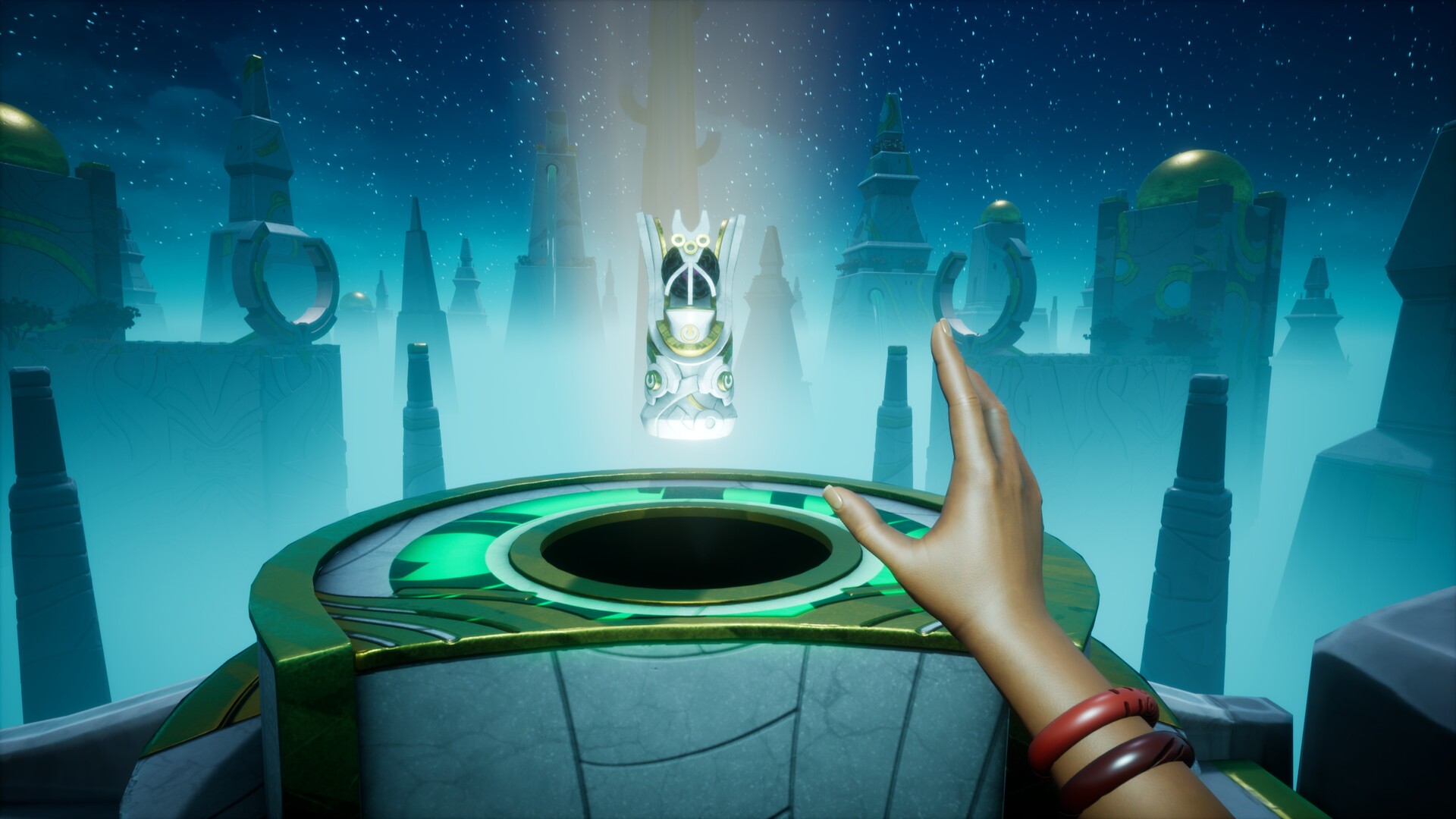
Visual and audio design
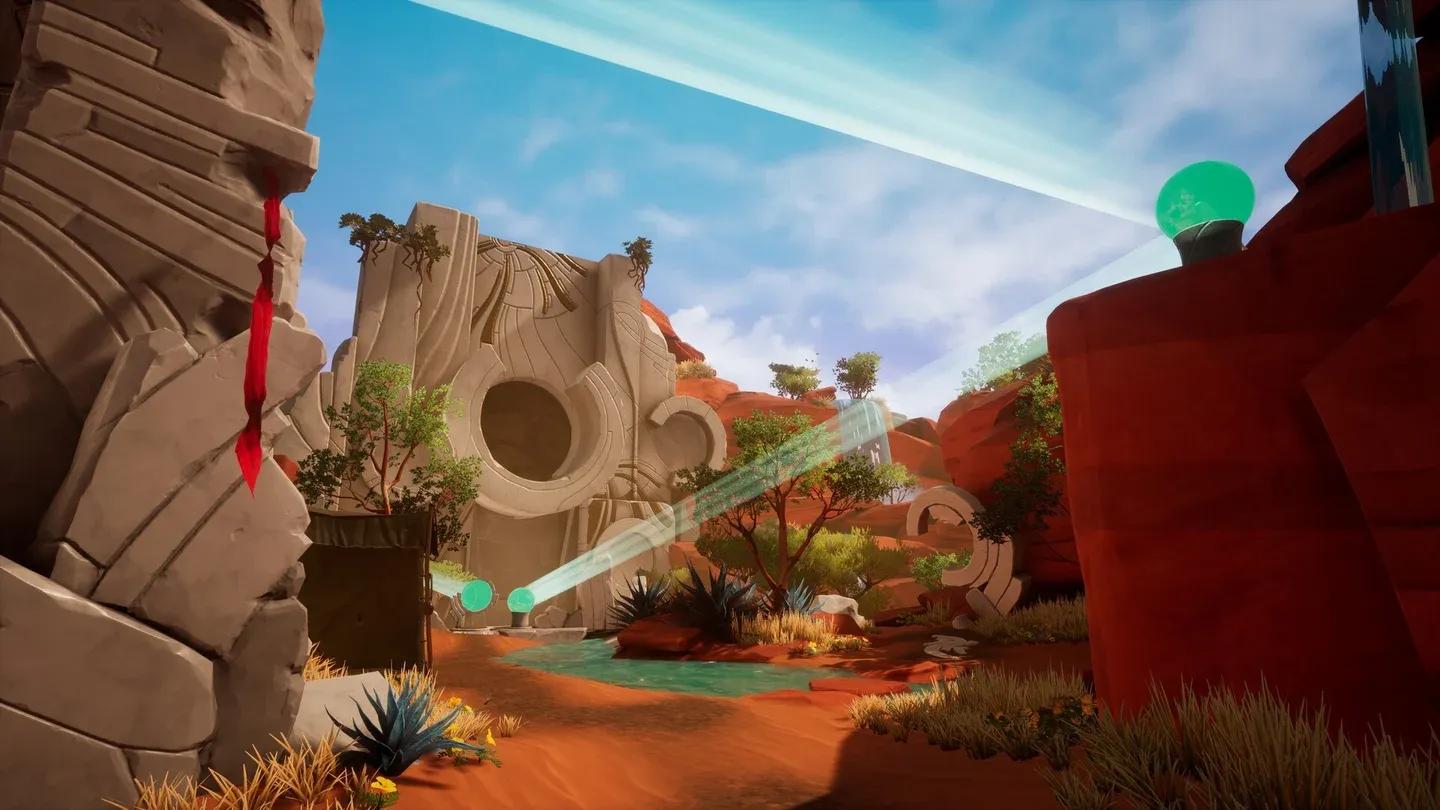
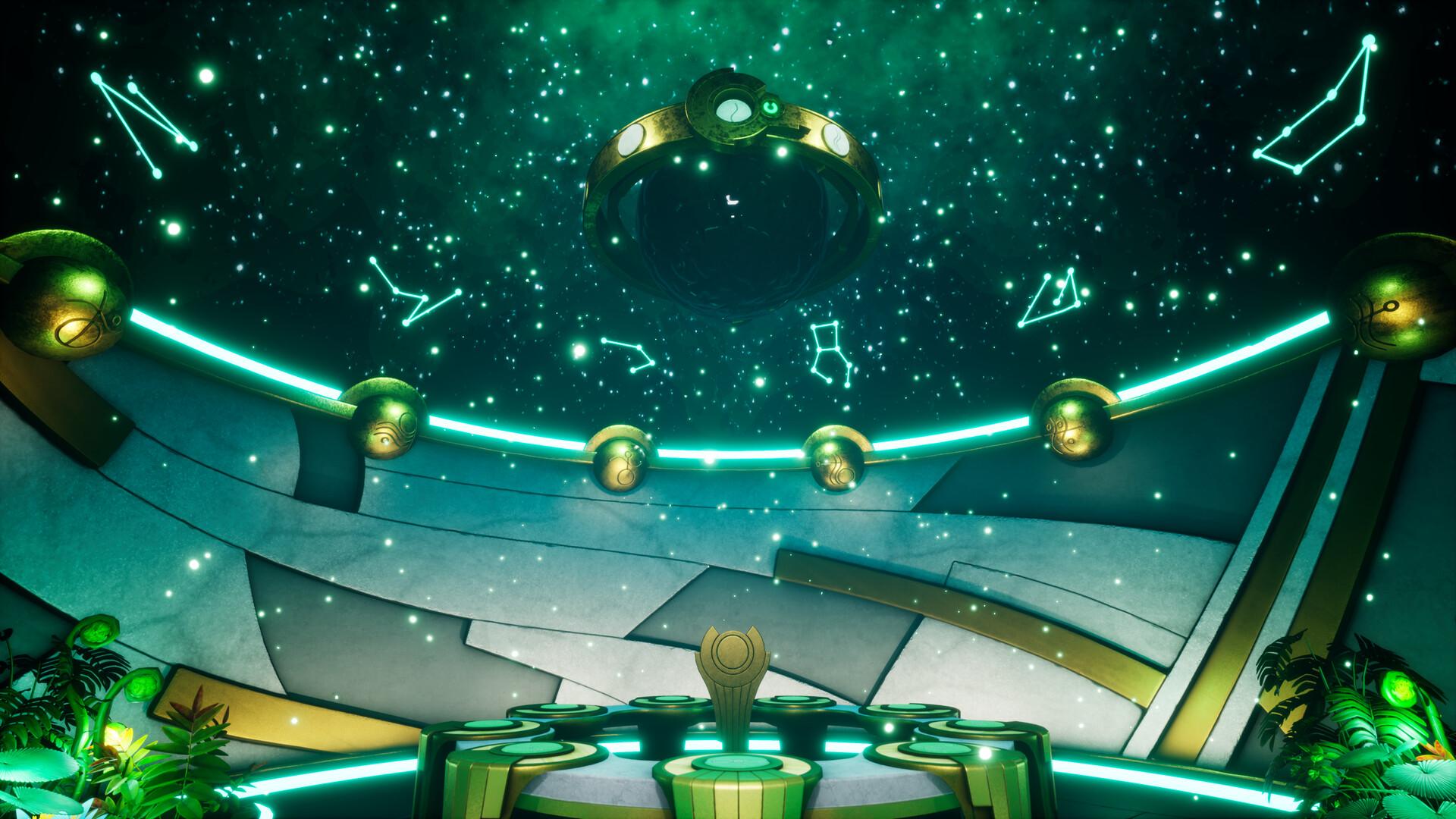
Out of the Blue built Call of the Sea with a distinctive hand-painted visual style that gave its tropical island setting an almost dreamlike quality. Based on available screenshots, Elder Gods maintains a similarly stylized art direction while adapting it to new, varied environments. The shift from a single location to multiple global settings should test how well that visual identity holds up across different biomes and architectural contexts.
| Requirement | Minimum | Recommended |
|---|---|---|
| OS | Windows 11 64-bit | Windows 11 64-bit |
| Processor | Intel Core i5-10600KF / AMD Ryzen 5 3600X | Intel Core i5-11600K / AMD Ryzen 5 5600X |
| Memory | 8 GB RAM | 8 GB RAM |
| Graphics | Nvidia GeForce GTX 1050 Ti / AMD Radeon RX 570 | Nvidia GeForce GTX 1650 / AMD Radeon RX 580 |
| DirectX | Version 11 | Version 11 |
| Storage | 25 GB available space | 25 GB available space |
Conclusion
Call of the Elder Gods arrives as a Lovecraftian puzzle adventure sequel with a clear pedigree. Out of the Blue Games earned goodwill with Call of the Sea, and this follow-up expands the scope of that world in ways fans of narrative puzzle games should find compelling. The global setting, atmospheric horror tone, single-player focus, and strong accessibility options make it a natural choice for anyone who values story-driven exploration over reflex-based gameplay. For puzzle adventure fans looking for their next Lovecraftian fix, this one is worth attention.