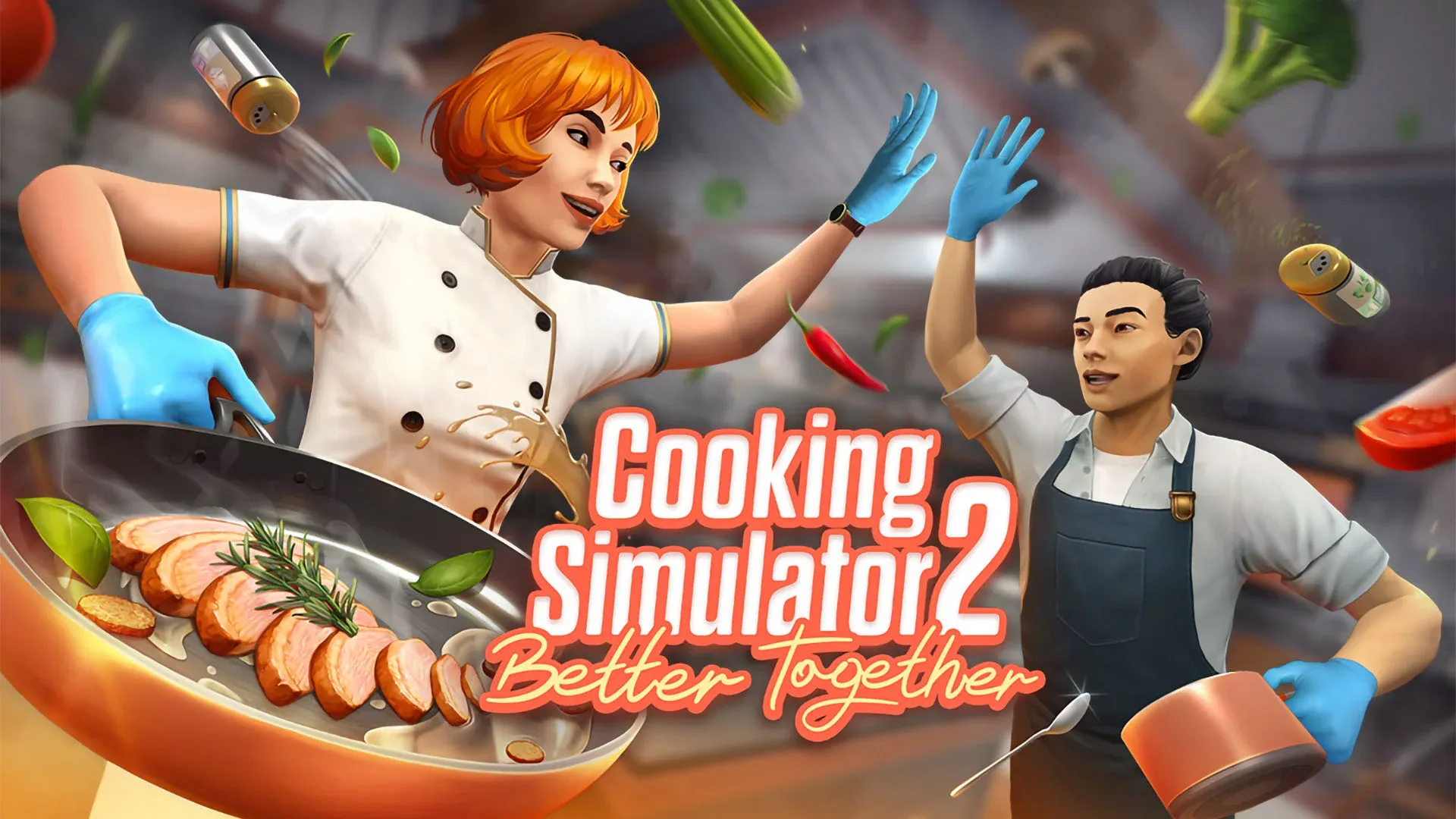

Cooking Simulator 2: Better Together launched on March 31, 2026, developed by Big Cheese Studio and published by PlayWay S.A. The sequel adds optional multiplayer to the original formula, meaning you can now drag a friend into the chaos or tackle the restaurant alone. Either way, the kitchen will punish poor planning faster than any timer on the stove. These tips cover everything from pre-rush prep to smart upgrade choices, so your runs stop falling apart at the worst moment.
Why does prep matter more than speed?
The single biggest mistake new players make is waiting for orders to arrive before doing anything. By the time the first ticket hits, you're already behind. Pre-chopping common ingredients, setting up pots and pans, and keeping frequently used items within arm's reach before a rush starts saves enormous time once orders start stacking.
Think of it this way: every second you spend hunting for a pan during a rush is a second a dish is sitting unattended. One burned plate costs more time than the few minutes of prep would have taken. The game rewards players who treat the quiet period before service like a countdown, not a break.

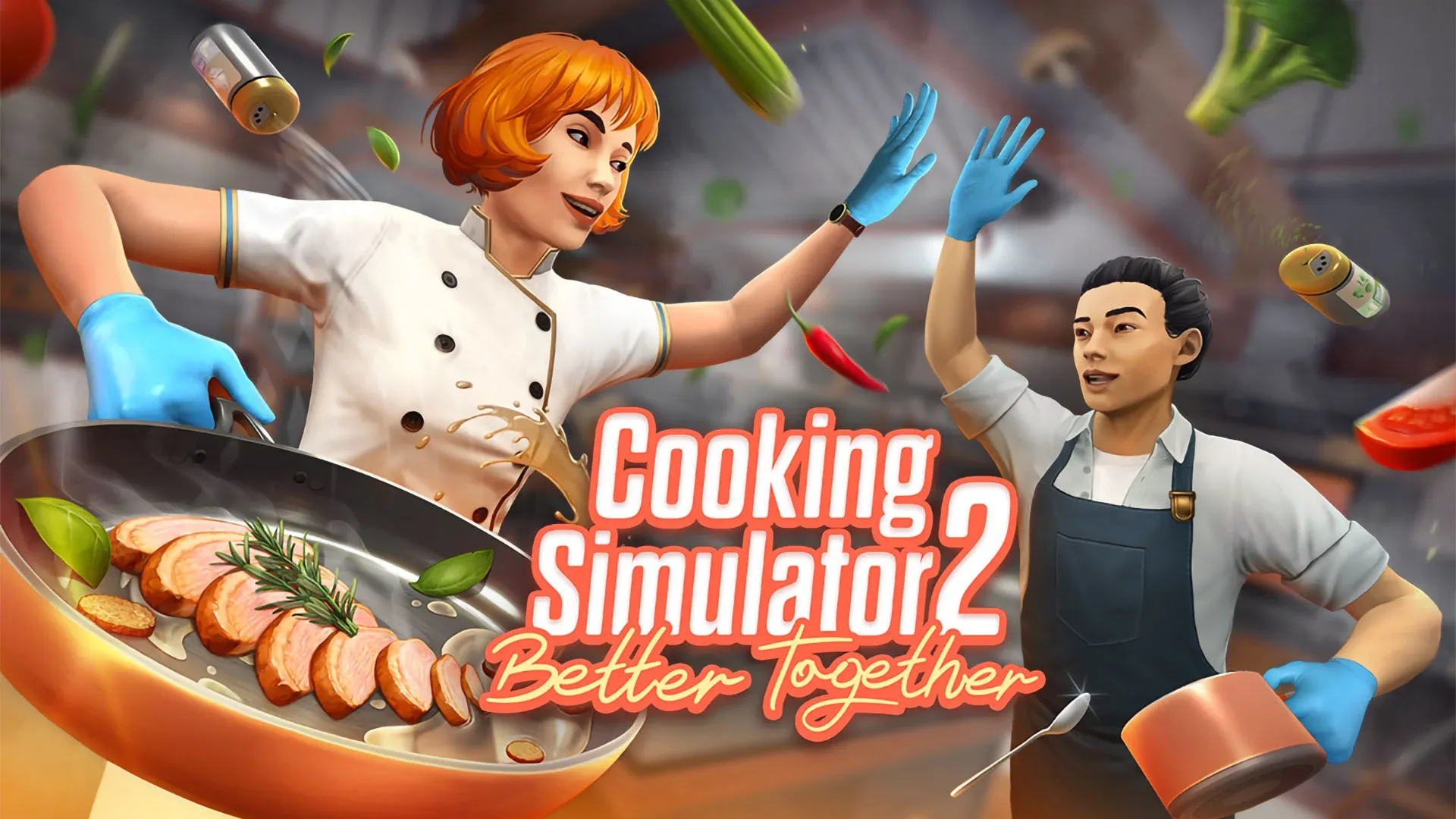
How should you split roles in co-op?
Cooking Simulator 2: Better Together is built around the idea that two players doing the same thing simultaneously is a recipe for collisions and missed steps. The smarter split is one player handling prep and raw ingredients while the other focuses on active cooking and plating. Swapping roles mid-service should only happen when genuinely necessary, not as a default habit.
The co-op mode supports shared restaurant management on the Steam Community page, where custom dish creation and menu management are listed as core features. That means both players need to understand the menu and the flow of each recipe, even if one person is primarily on prep duty. Knowing what your partner is cooking helps you anticipate what they'll need next.
| Role | Primary Tasks | When to Swap |
|---|---|---|
| Prep Player | Chopping, stocking stations, ingredient management | When prep is complete and cooking backlog builds |
| Cook/Plater | Active cooking, timing dishes, plating orders | When a specific dish needs two-person attention |
Kitchen organization: the habit that saves every run
A disorganized kitchen is a slow kitchen. Returning tools to their proper spots after each use, keeping ingredients grouped by type, and avoiding the habit of dropping items wherever is convenient all compound over the course of a service. Saving even a few seconds per action adds up fast across a full rush.
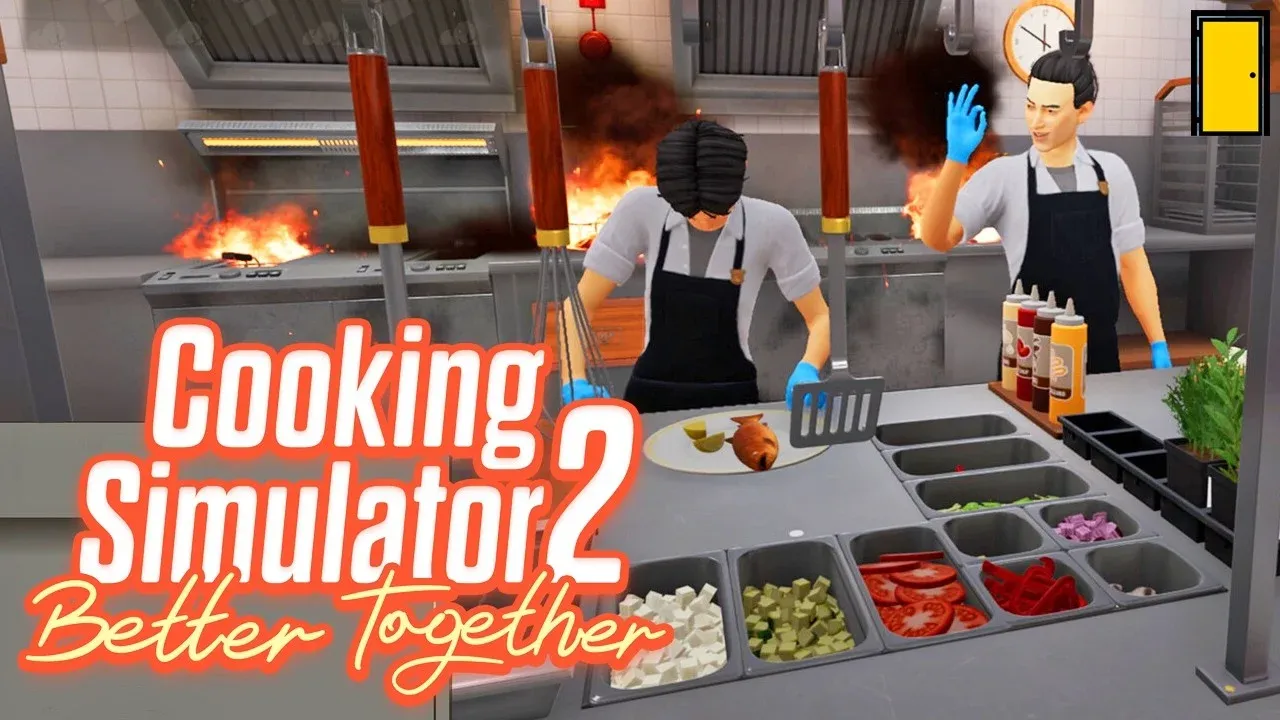
This ties directly into how Cooking Simulator 2 handles its station management. The game expects you to keep stocks full and stations prepped to meet orders on time. A cluttered counter means more movement, more searching, and more chances for a dish to overcook while you're looking for the right tool.
For a deeper look at how the game's Career Mode handles its toughest service moments, the walkthrough and tips at xmodhub cover specific rush scenarios worth reviewing.
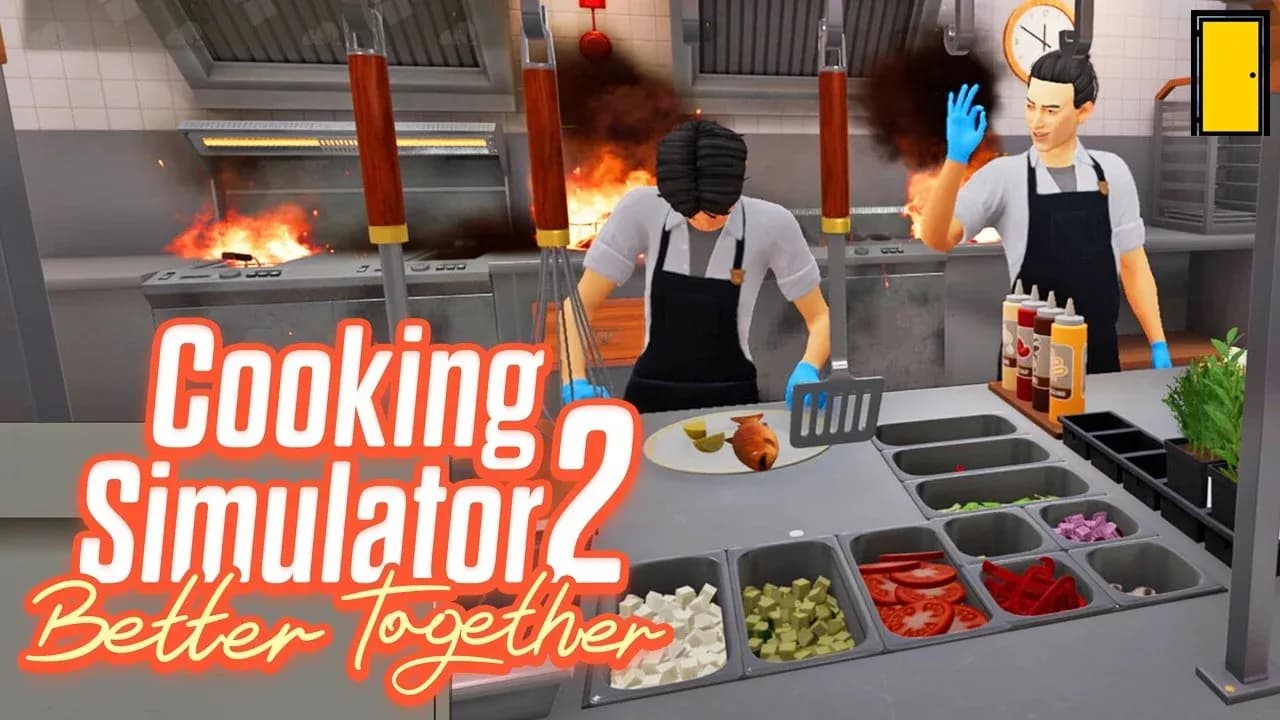
Clean station layout mid-service
How do you handle rush moments without panicking?
Rushes are where most runs collapse, and the cause is almost always panic rather than difficulty. The instinct to speed up and do everything at once produces more burned dishes and missed orders than taking a breath and executing cleanly. Focus on finishing dishes properly rather than finishing them fast.
The practical approach is to complete one dish fully before starting the next when the board gets overwhelming. A completed order is always better than two half-finished ones. Watch cooking timers closely and never leave active food unattended, because one burned dish wastes more time than the few seconds of caution would have cost.
What upgrades should you prioritize?
Not every upgrade is worth buying early. The right approach is to prioritize tools that speed up your most-used cooking actions and improve the stations you rely on most. Spending money on equipment you rarely touch is a waste that delays the upgrades that actually change how your kitchen runs.
The game's upgrade system rewards players who understand their own workflow. If you're consistently bottlenecked at a specific station, that's where your money should go first. Better tools make the whole operation smoother when chosen to match how you actually play, not just because they sound useful.
Understanding recipe flow vs. memorizing steps
Trying to memorize every step of every recipe is a losing strategy. The more useful mental model is understanding the flow of recipes: prep first, cook second, plate last. Grouping similar actions together and recognizing repeating patterns between dishes makes handling multiple simultaneous orders far more manageable.
This approach also helps in co-op, where one player needs to anticipate what the other will need. If you understand that a dish is entering its cooking phase, you know prep for the next order should start now. The game's custom recipe system, confirmed on the Steam Community page, means this flow-based thinking becomes even more valuable as you expand your menu.
Solo vs. co-op: which is harder?
Solo play is objectively harder to manage during peak rushes because every task falls on one person. Co-op, when roles are properly split, removes the bottleneck of a single player trying to prep and cook simultaneously. Co-op is easier than solo specifically when players divide responsibilities instead of overlapping on the same tasks.
That said, solo play is a legitimate way to learn the game's systems deeply. Handling everything yourself forces you to understand every station and every recipe step, which makes co-op coordination much easier once you do bring a partner in.
For more gaming guides across all genres, browse the latest at GAMES.GG to find tips for whatever you're playing next.