
Copa City flips the football game formula entirely. You are not picking formations or signing strikers. You are the person who makes sure 10,000 supporters from three continents can eat, feel safe, and have a good time before a single boot touches the pitch. Developed by Triple Espresso and released on June 16, 2026, it is a city-builder and event management hybrid where your score is called Match Readiness and your opponents are logistics, fan satisfaction, and your own specialist budget. If you enjoy casual games with strategic depth underneath, Copa City sits right at that intersection.
What is Copa City and how does it work?
The core loop is straightforward on paper. Fans arrive via marketing campaigns, they need their specific needs met across your city districts, and their satisfaction feeds into Match Readiness points. Readiness levels unlock new buildings, better generators, more specialists, and eventually the stadium preparation phase that determines your final rating.
The game ships with three modes:
| Mode | Description |
|---|---|
| Campaign (Road to Recognition) | Structured progression from a local charity match in Warsaw up to high-stakes finals in Berlin |
| Single Match | Full management freedom with a standalone event, useful for experimenting |
| Challenge Mode | Specialised scenarios with unique win conditions |
The campaign is the right place to start. It introduces mechanics in order rather than dumping everything on you at once.
Match Readiness level tracker
Understanding fan types: the most important system in the game
Every strategic decision in Copa City traces back to which supporters are in your city and what they want. There are three categories, and mixing them up is the fastest way to tank your satisfaction scores.
| Fan Type | Primary Need | Key Infrastructure |
|---|---|---|
| Family Fans | Fun | Mini football pitches, foosball tables, stages, mascots, entertainment zones |
| Core Supporters | Catering | Food kiosks, food trucks, restaurants |
| Ultras | Safety | First aid stations, security facilities, crowd control systems |
These needs are not interchangeable. Building a row of food kiosks for a wave of incoming family fans will not move their satisfaction needle. After testing both a family-heavy build and an ultra-heavy build across multiple playthroughs, the biggest mistake is assuming catering covers everyone. It does not.
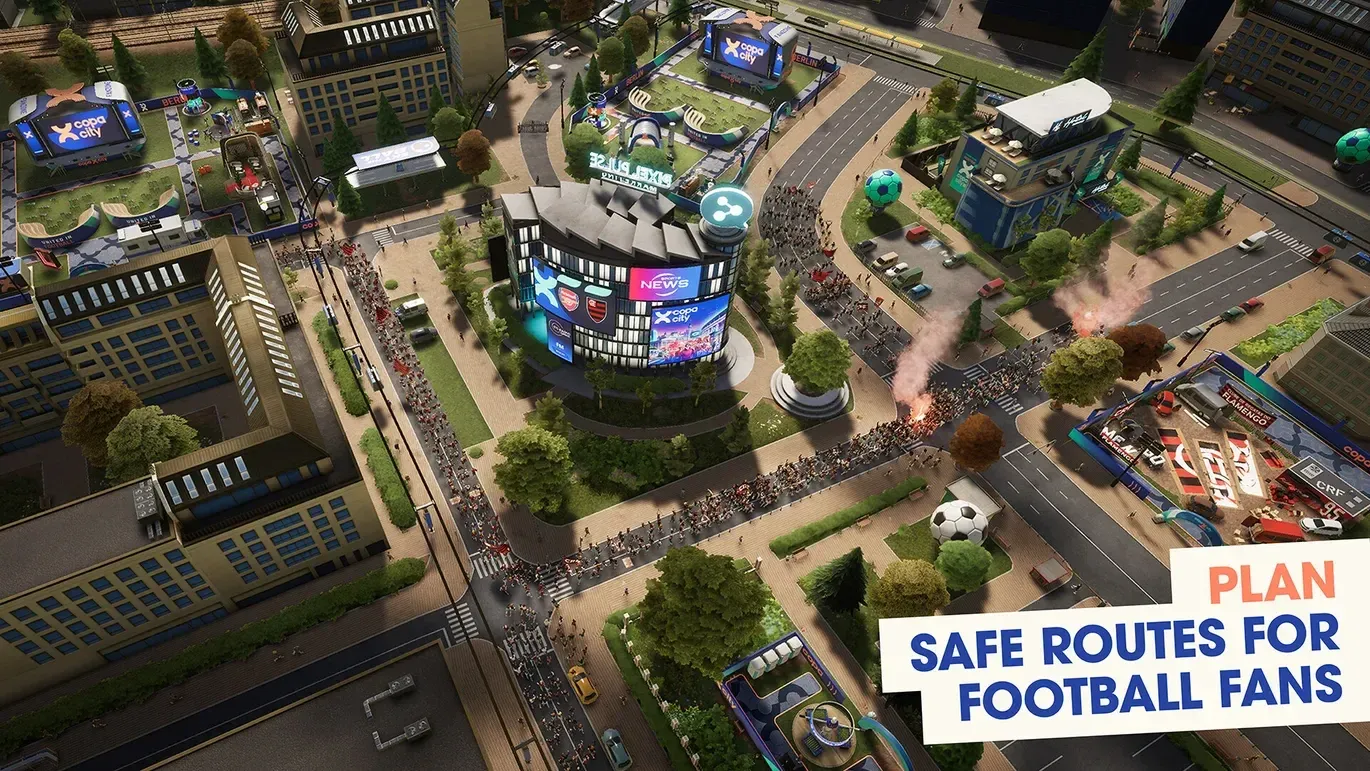
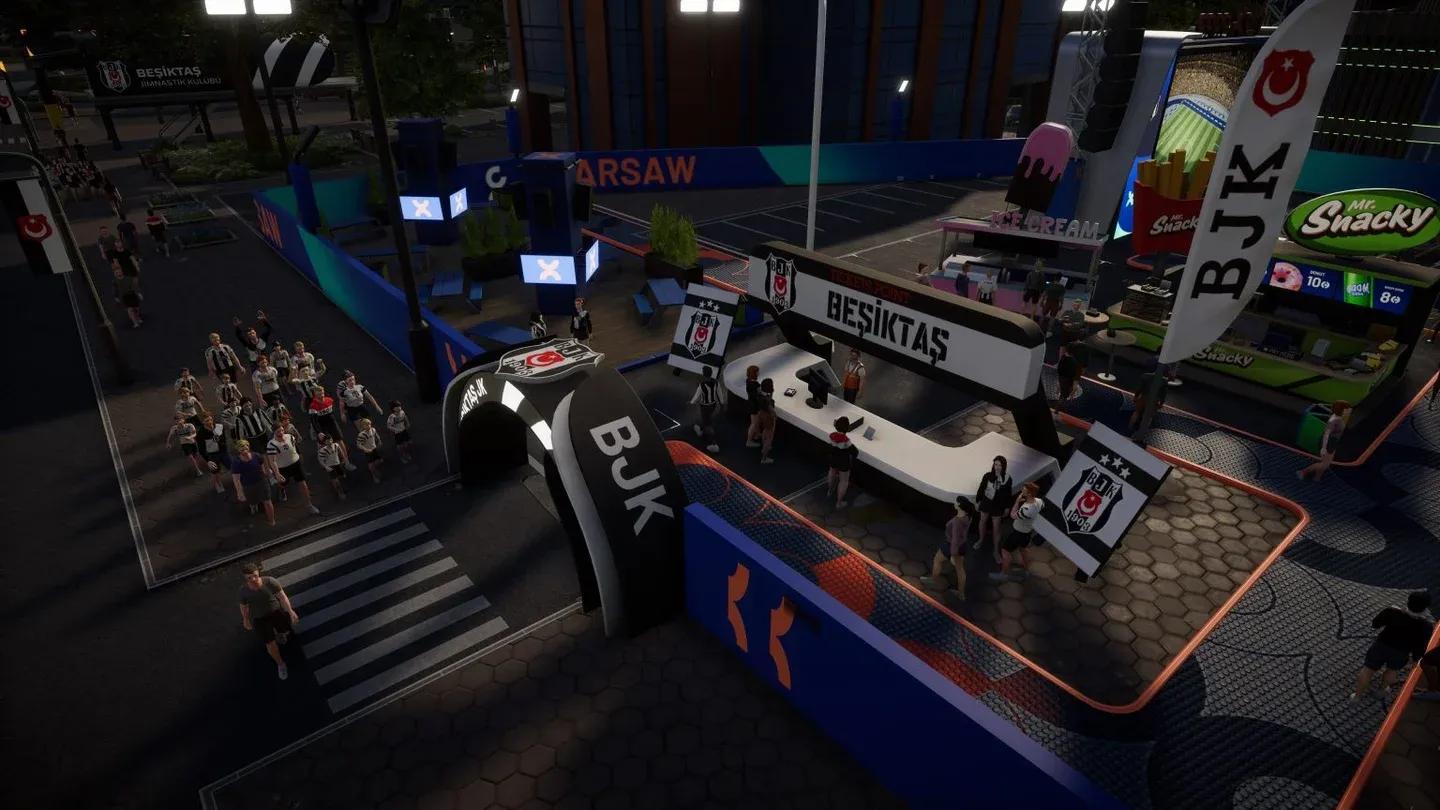
Marketing campaigns let you target specific fan types from specific regions, so you can actually control who shows up. The flight timeline displays arrival time, team affiliation, supporter count, and origin region. If 500 family fans land tomorrow, build fun attractions today. If 1,000 ultras are inbound, get your security infrastructure up before they arrive.
How do the three core resources work?
Volunteers, Specialists, and Stewards are the workforce that keeps everything running, and each one does a different job.
- Volunteers come from volunteer centers and handle fan services, attractions, and general city operations.
- Specialists are the most valuable resource in the game. They unlock marketing campaigns, stadium expansion, regional unlocks, and advanced facilities. Most players run out of specialists long before they run out of money.
- Stewards are required for ticket sales, stadium support, and additional sales points.
The 14-day structure means every day has an operational briefing and a set of decisions. Spending specialists on the wrong campaign early can leave you without the staff to unlock stadium facilities when you need them most.
Building efficient fan zones: path and power rules
Every building in Copa City follows two hard rules: it must connect to a path, and most facilities require a generator to function.
Generator placement is one of the game's most satisfying optimisation puzzles. A poorly placed generator powers one or two buildings. A well-placed one can cover an entire cluster of attractions. The goal is to run as few generators as possible while keeping all your revenue and fun buildings active.
The strongest early-game buildings by daily revenue:
| Building | Daily Revenue | Secondary Benefit |
|---|---|---|
| Snack Stand | ~720 | None |
| Food Kiosk | ~900 | None |
| Ball Game | Variable | +Fun |
| Mini Football Pitch | Variable | +Fun |
Build revenue first. Use those profits to fund entertainment and safety infrastructure rather than trying to build everything simultaneously from the start.
How does stadium management work?
Once Match Readiness Level 1 is reached, the stadium becomes your main focus alongside the city. The five preparation stages cover:
- Pitch quality (turf, irrigation, lighting, grass conditions)
- Team facilities (locker rooms, training areas, rehabilitation zones)
- Media areas (press zones, camera positions, commentary boxes)
- Fan sections (seating arrangements, separating rival supporters)
- Safety measures (buffer sectors, emergency protocols)
Assigning stands requires you to specify both the team and the fan type for each section. Ticket pricing directly affects demand. Testing showed that dropping a ticket from $35 to $11 produces dramatically higher daily sales, so finding the balance between per-ticket profit and total attendance volume is a real decision rather than a formality.
Stands need Stewards to operate, so do not neglect that resource while focusing on specialist-heavy campaign spending.
Stand assignment and pricing screen
Choosing your headquarters and city
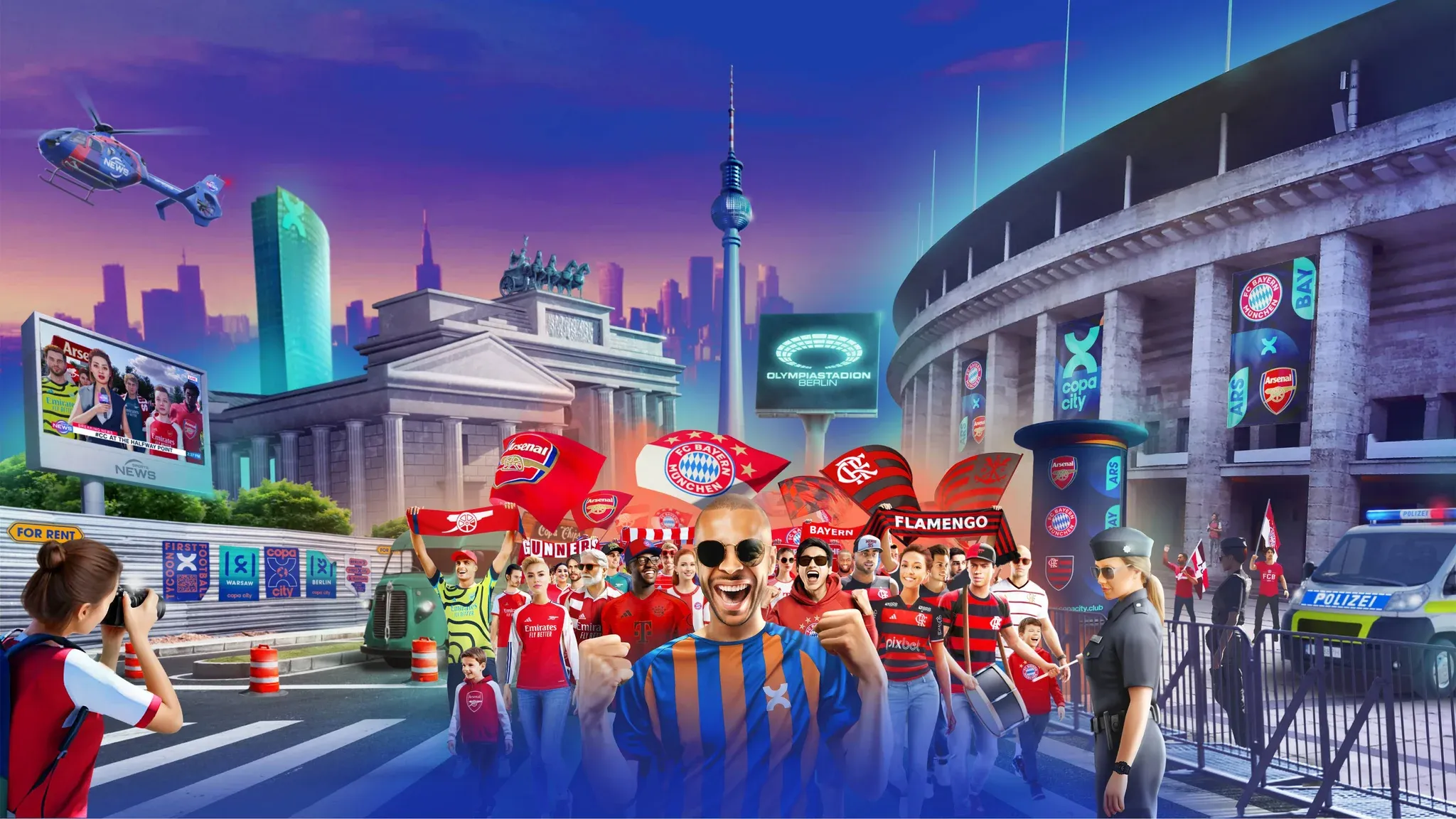
The game launched with three cities: Berlin (Olympiastadion), Warsaw (PGE Narodowy), and Rio de Janeiro (Maracanã). Each has different district layouts, expansion routes, and stadium capacities.
In Berlin, the starting HQ choice shapes your entire run because all expansion originates from that district:
| HQ Option | Advantages | Drawbacks |
|---|---|---|
| Charlottenburg | Strong catering potential | Harder expansion routes |
| Westend | Balanced bonuses across categories | No standout specialisation |
| Mitte | Excellent fun potential | Very low starting safety |
This pattern holds across all cities. Pick an HQ that matches your intended fan type focus, not just the one with the best-looking starting zone.
Common mistakes that stall your progression
After running through the campaign multiple times, the same errors keep appearing:
- Ignoring stadium development while over-investing in fan zones. The stadium inspection is your final rating, so it cannot be an afterthought.
- Running out of specialists by spending them on campaigns before unlocking core stadium facilities.
- Committing entirely to one fan type. Family fans require enormous fun infrastructure. If your marketing campaigns only target families, you will exhaust your entertainment budget before the match.
- Delaying ticket configuration. Waiting too long to assign stands and set pricing collapses attendance numbers.
- Underestimating scale. A district built for 500 fans will not handle 5,000. Plan expansion before demand arrives, not after.
For more strategies across every system in the game, the Subway Surfers City guides collection covers additional tips worth checking out, and the full Subway Surfers City game page has everything you need to explore further.