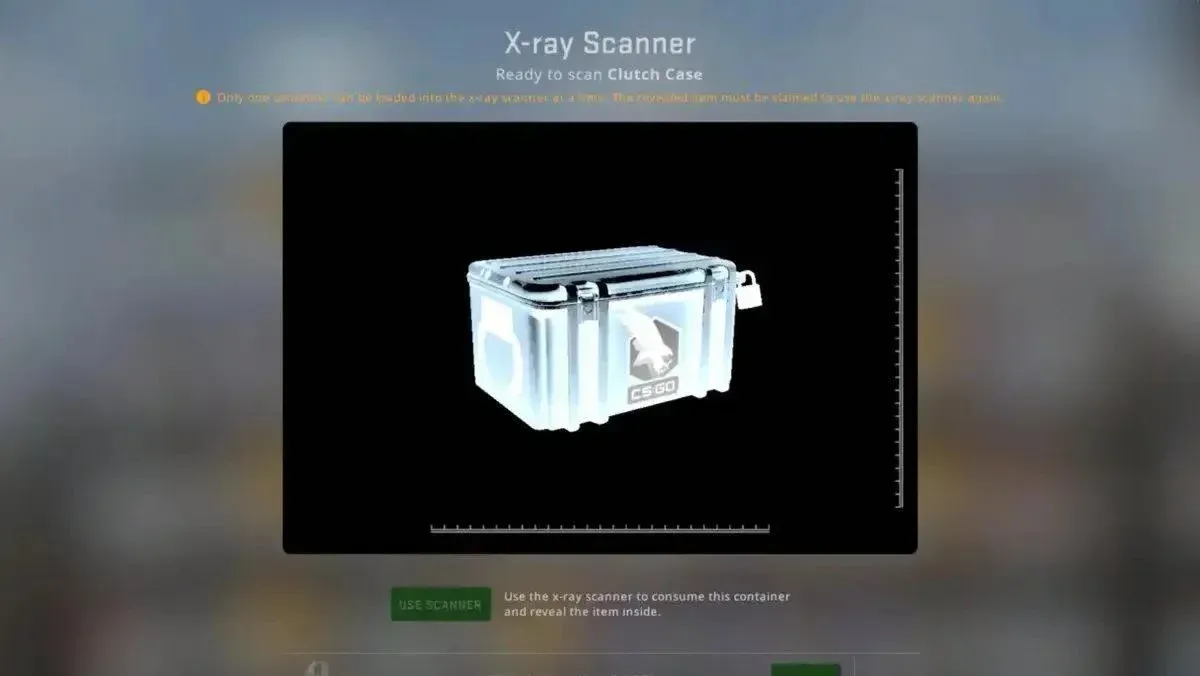


Valve has quietly changed how Counter-Strike 2 case openings work for players in Germany, and the details are worth understanding before you spend a single cent on a key. The X-Ray Scanner system forces you to see what's inside a case before you commit to purchasing it, stripping away the mystery that defined the traditional case-opening experience. Whether you're a casual skin collector or a dedicated case opener, this update affects your wallet in ways that aren't immediately obvious.
What Is the CS2 X-Ray Scanner?
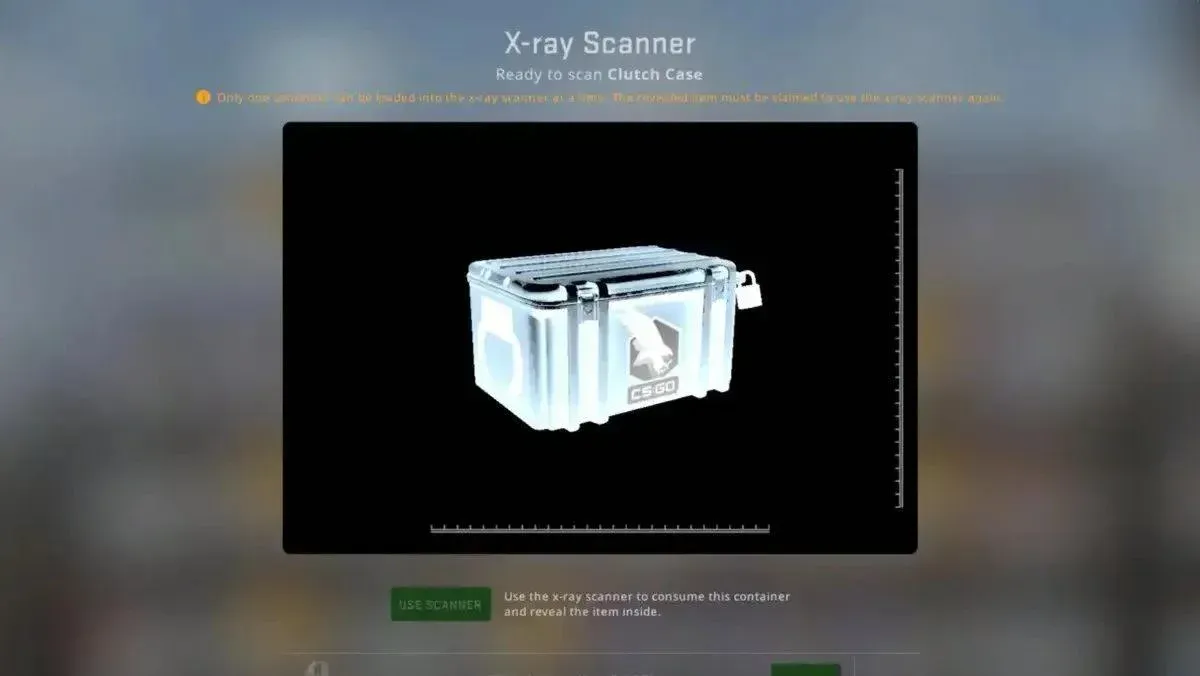
The X-Ray Scanner is a dedicated tab inside your CS2 inventory that replaces the standard case-opening method for players in affected regions. Instead of buying a key and immediately revealing a random item, you first scan the case to see exactly what skin is waiting inside. Only after viewing the result do you decide whether to purchase a key and claim it.
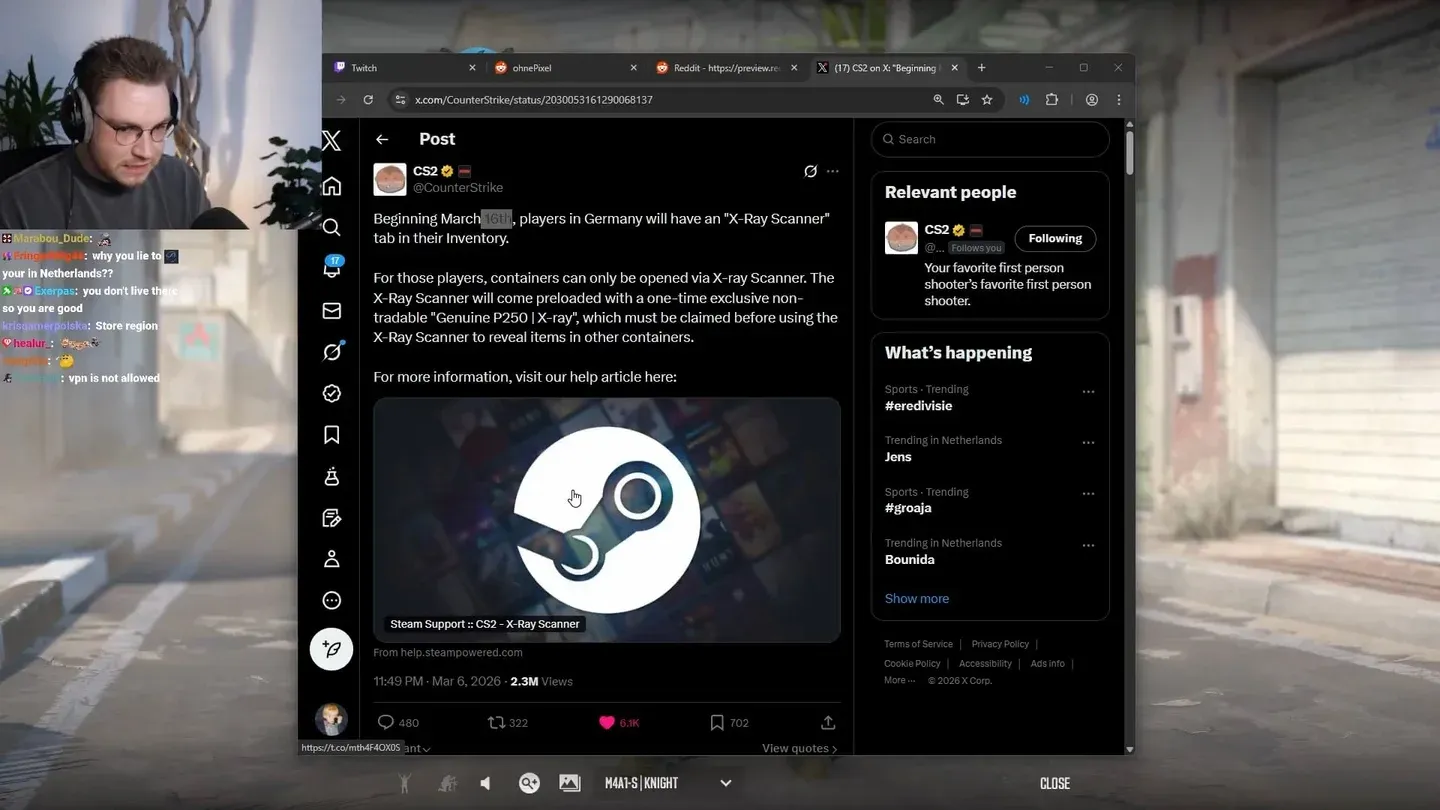
This feature is not entirely new to Counter-Strike. France received the X-Ray Scanner back in 2019 under similar regulatory pressure, when French law classified loot boxes as a form of gambling. Germany follows the same path starting March 16, 2026, driven by the country's Interstate Treaty on Gambling 2021 and the proposed Digital Fairness Act.
X-Ray Scanner inventory tab
How Does the CS2 X-Ray Scanner Work?
Here's the step-by-step breakdown of how the system operates for German players:
- A new X-Ray Scanner tab appears in your CS2 inventory.
- Before you can scan any case, you must first claim a one-time exclusive, non-tradable Genuine P250 | X-ray skin, priced at $2.50.
- Once claimed, you can scan any case or container to reveal the item inside without spending a key.
- After viewing the scanned result, you must purchase a key to claim that item before you can scan another case.
- You cannot skip a scanned case or leave it unresolved to try a different one.
The key price itself remains unchanged. The $2.50 Genuine P250 | X-ray is a one-time entry cost to activate the scanner, not a recurring fee.
Does Scanning Let You Avoid Bad Skins?
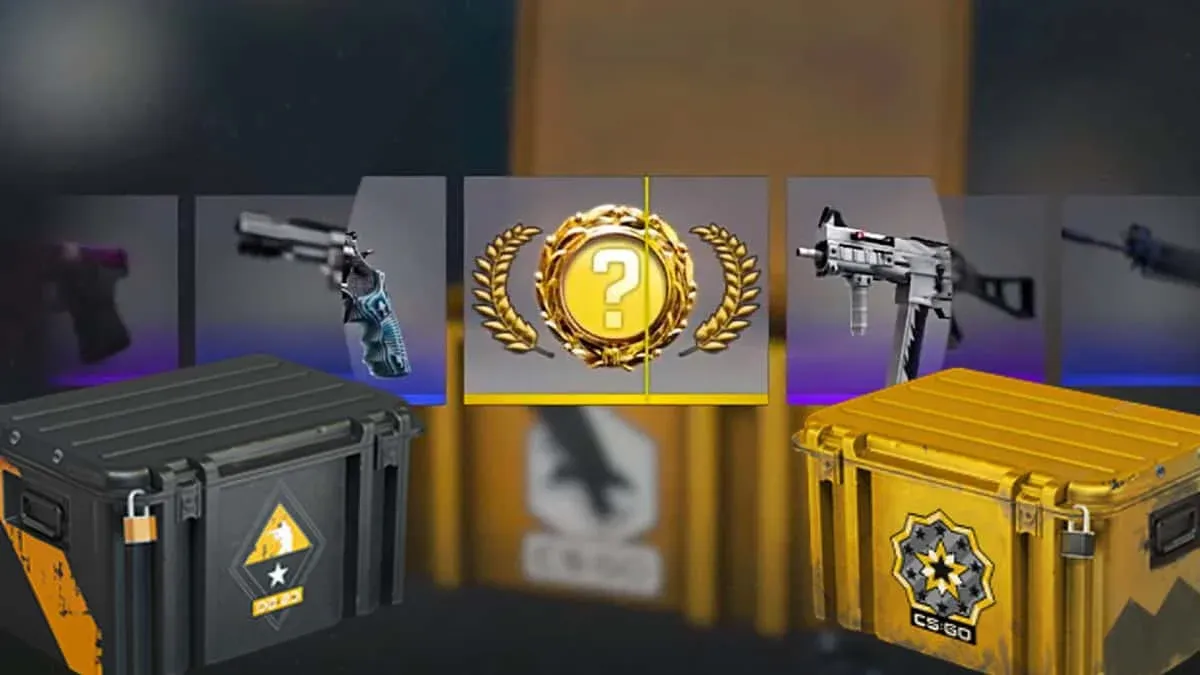
This is the question most players ask first, and the honest answer is no. While you can see the item before purchasing, you cannot abandon the scan and walk away to try a different case. You must claim the scanned item before the scanner becomes available again. The odds of receiving a knife, gloves, or any rare item remain exactly the same as in the traditional system. What changes is the psychological experience: the flashy unboxing animation is gone, replaced by a direct reveal that feels closer to a standard purchase.
Genuine P250 X-ray skin
Why Is Valve Doing This?
Valve has not issued a formal statement explaining the motivation, but the regulatory context makes it clear. Germany's gambling laws treat randomized loot mechanics as a form of gambling, and the X-Ray Scanner is designed to sidestep that classification by ensuring players know exactly what they're buying before money changes hands.
The same logic applied in France, where the scanner has operated without legal challenge since 2019. With the Digital Fairness Act gaining traction across the EU, it would not be surprising to see this system expand to additional countries in the coming years.
Valve is also facing a separate lawsuit filed by the US state of New York targeting loot box mechanics in CS2, Team Fortress 2, and Dota 2, which has put additional pressure on the developer to demonstrate responsible practices.
X-Ray Scanner vs. Traditional Case Opening: Key Differences
Case key vs scanner flow
What Does This Mean for the CS2 Economy?
Germany has one of the largest CS2 player bases in the world, so changes here carry real market weight. A few effects worth watching:
- Reduced impulse opens: Without the thrill of a surprise reveal, casual players may open fewer cases, potentially reducing the supply of freshly unboxed skins on the Steam Community Market.
- Stuck scans slow down volume: Because players must claim a scanned item before moving on, anyone who scans a low-value blue skin faces a friction point that may discourage continued case opening.
- Cases become less appealing than direct market purchases: With the excitement factor reduced, buying skins directly from the Steam Marketplace may feel like the more practical option for many players.
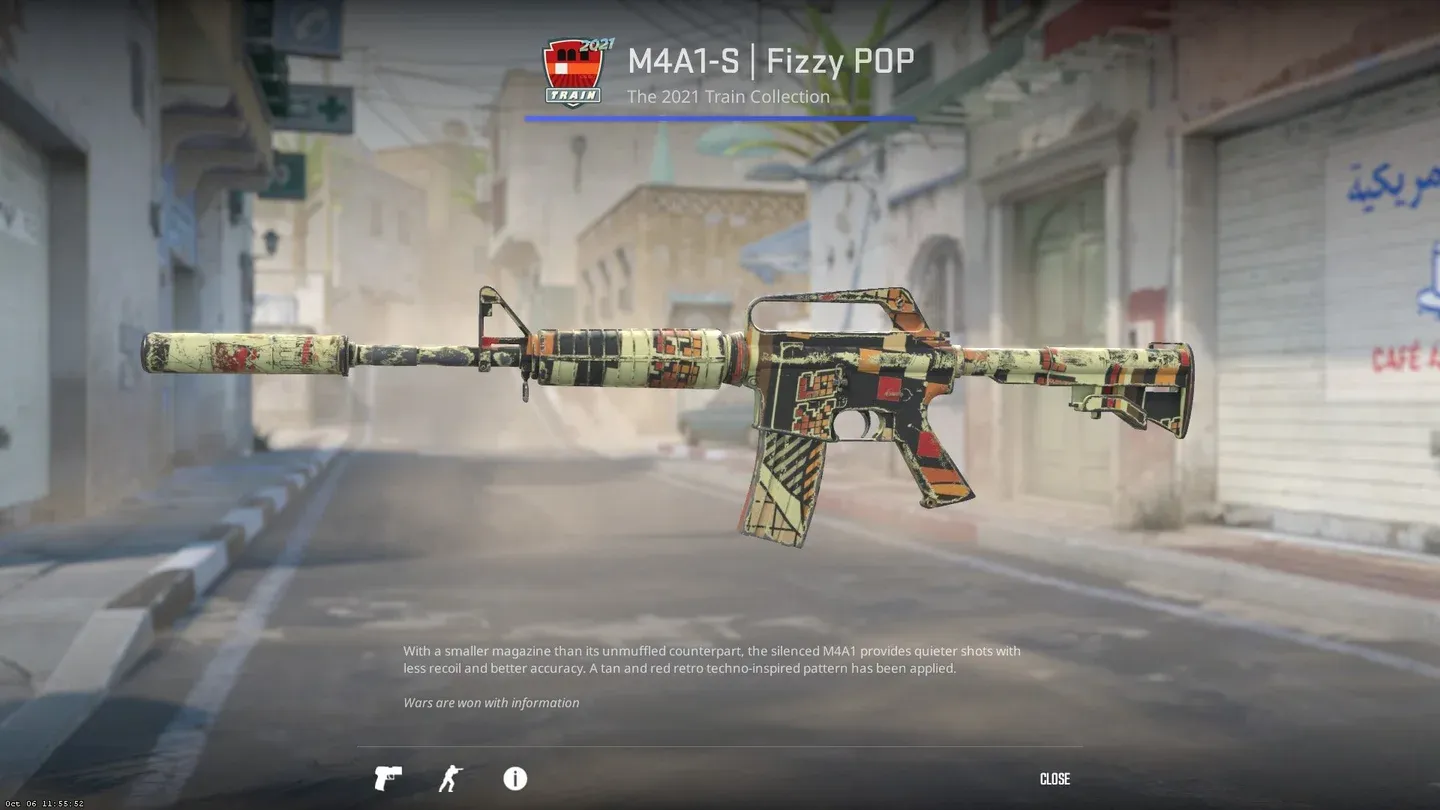
Steam Market skin pricing
Is This the Future of CS2 Case Openings Everywhere?
That's the bigger question hanging over this update. With tightening regulations in multiple regions and ongoing legal scrutiny in the United States, the X-Ray Scanner model offers Valve a tested framework for navigating loot box laws without removing cases entirely. France has used it for years without major disruption, which suggests the system is sustainable.
Whether it spreads globally depends on how individual governments classify randomized digital item mechanics. For now, players outside Germany and France can continue opening cases the traditional way, but the regulatory tide is clearly moving in one direction.
For the most up-to-date official details, Valve maintains a dedicated FAQ on the Steam Support page covering all X-Ray Scanner rules and restrictions.