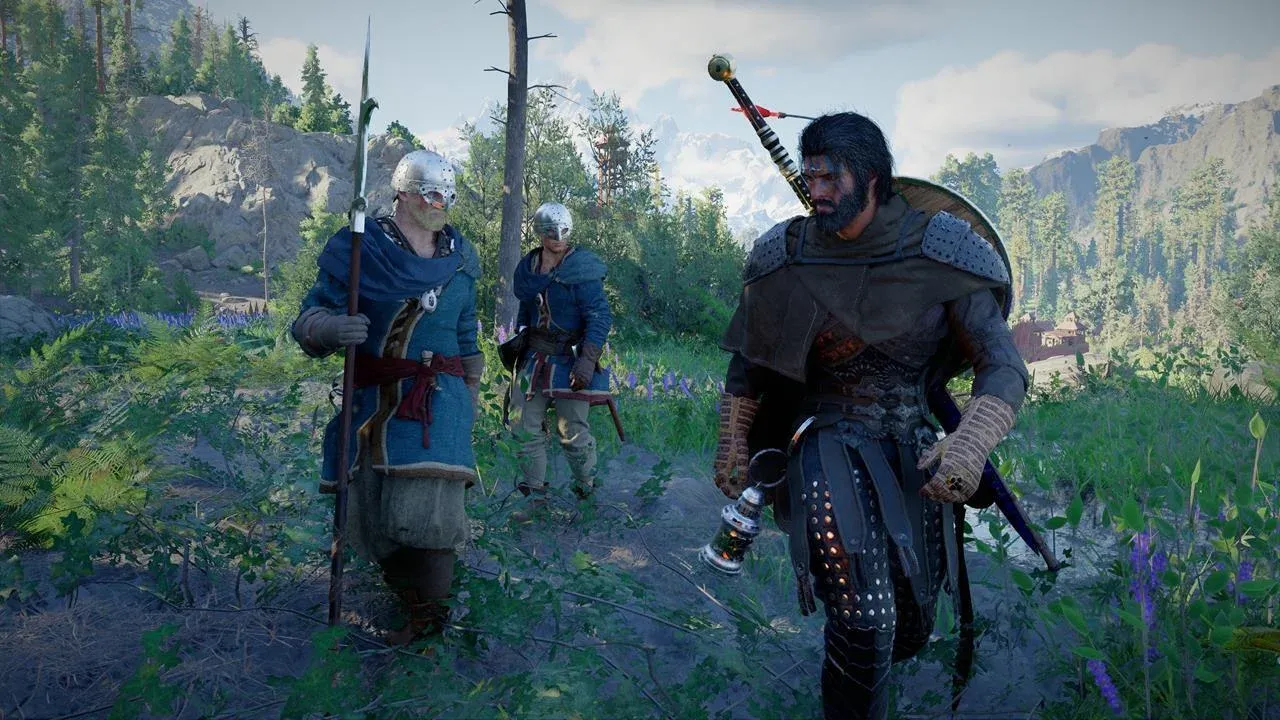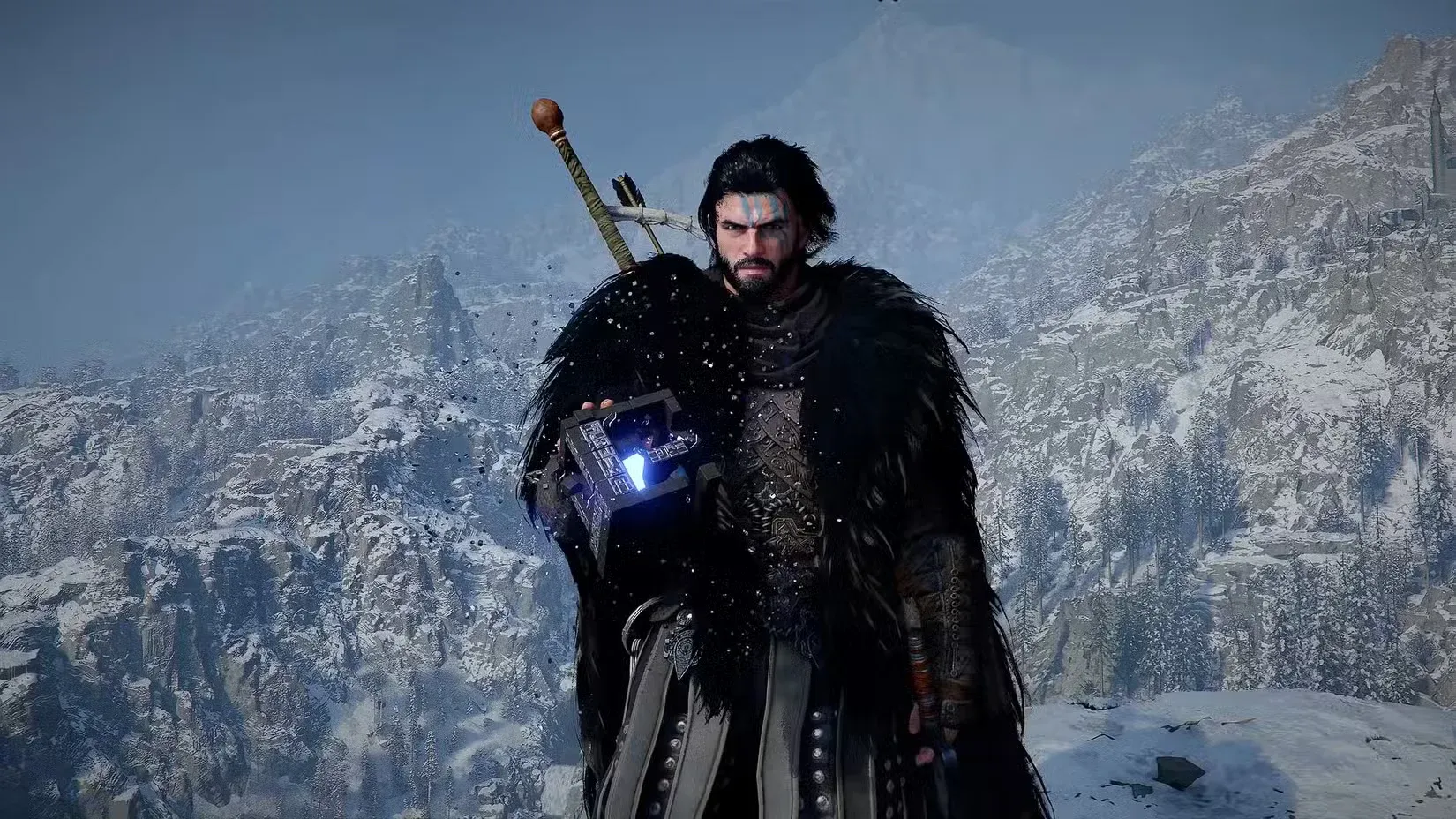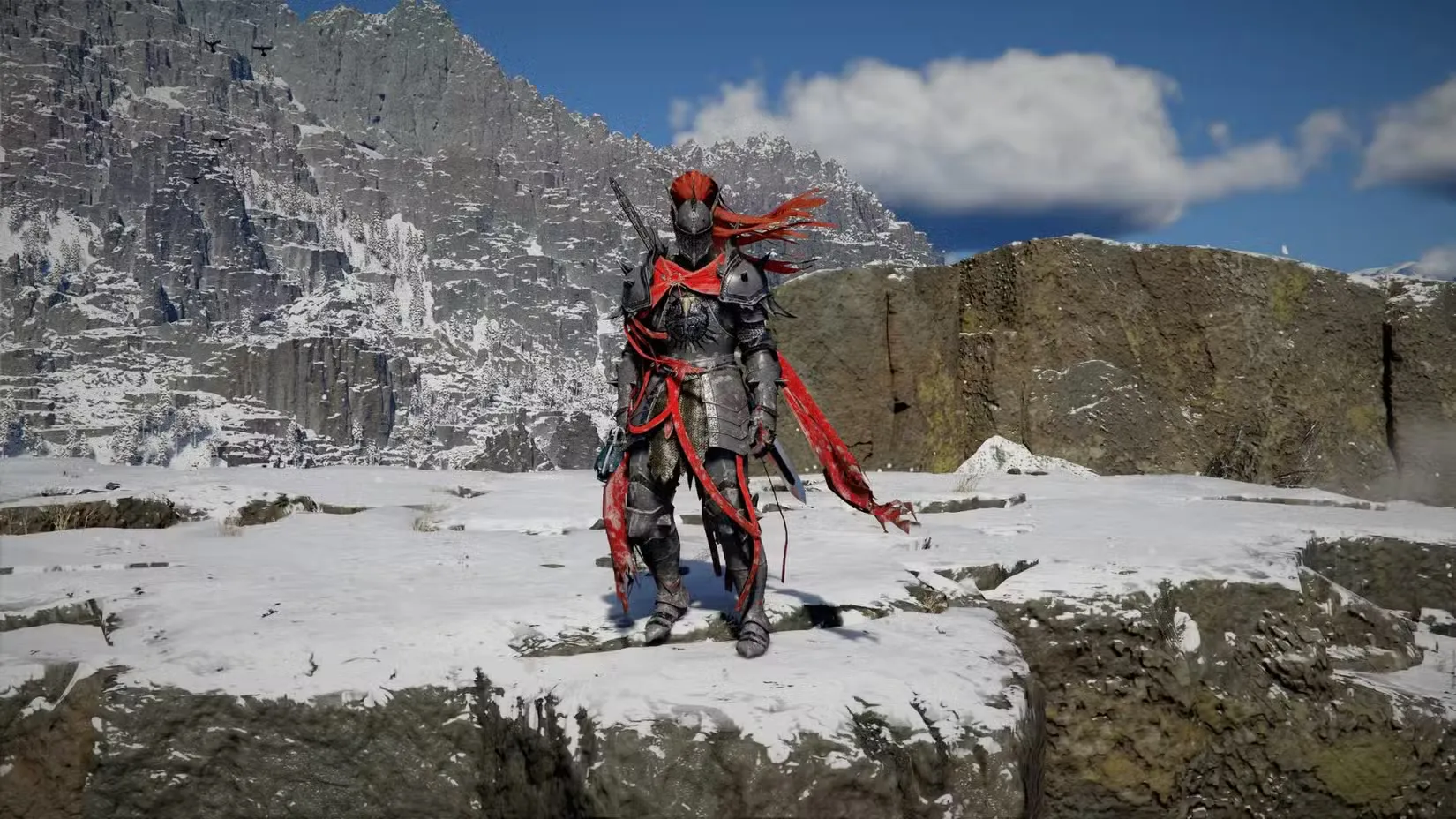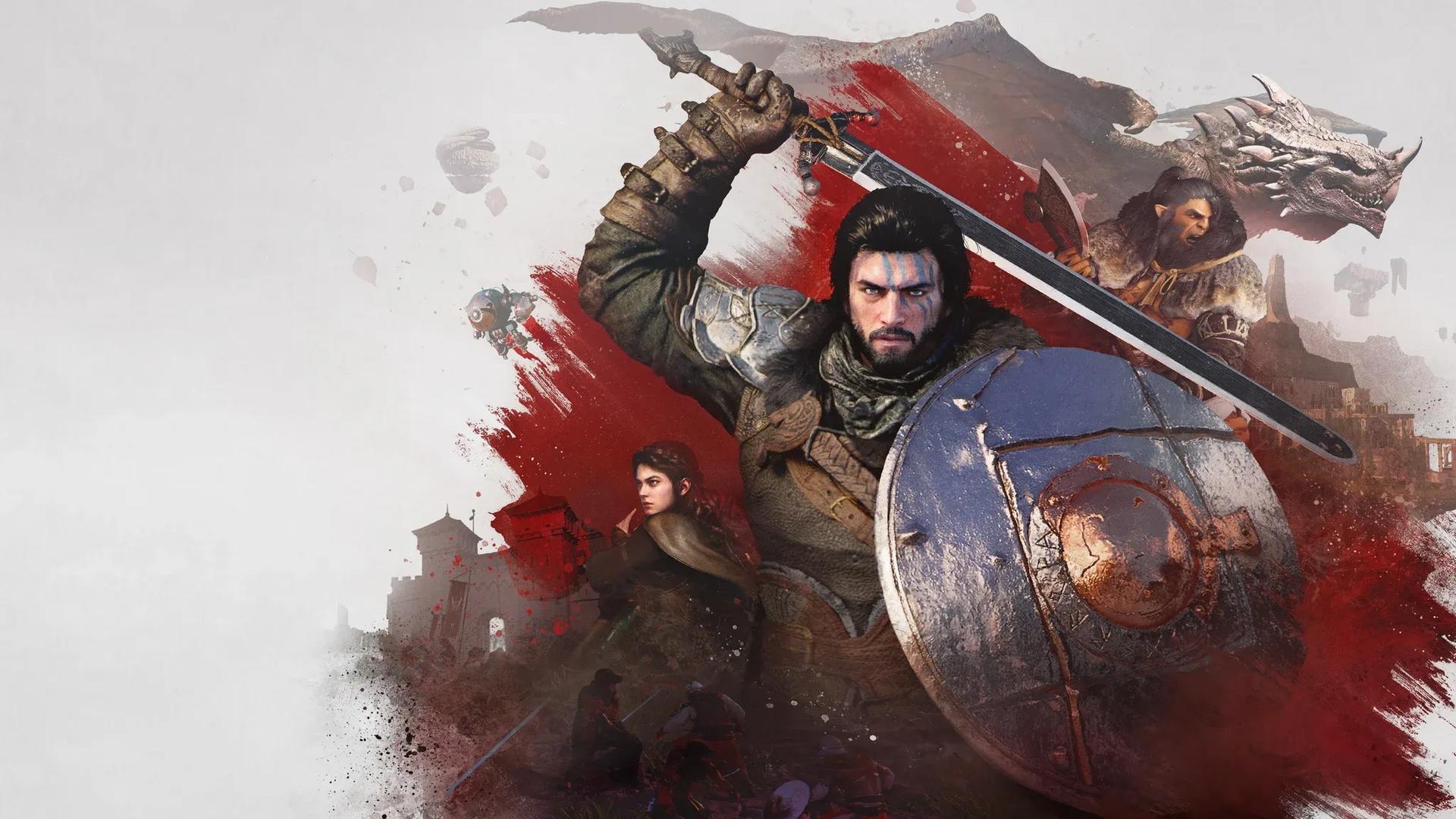

Crimson Desert puts a serious action RPG combat engine front and center, and if you jump in without understanding how its systems connect, you'll spend more time face-down in Pywel's mud than actually enjoying the fight. Pearl Abyss built this from the ground up to reward creativity, timing, and smart weapon management rather than button mashing. Whether you're pulling enemies off their mounts, chaining elemental combos mid-air, or timing a perfect parry to open up a devastating counterattack, there's always a smarter way to fight. This guide breaks it all down.
What Makes Crimson Desert Combat Different?
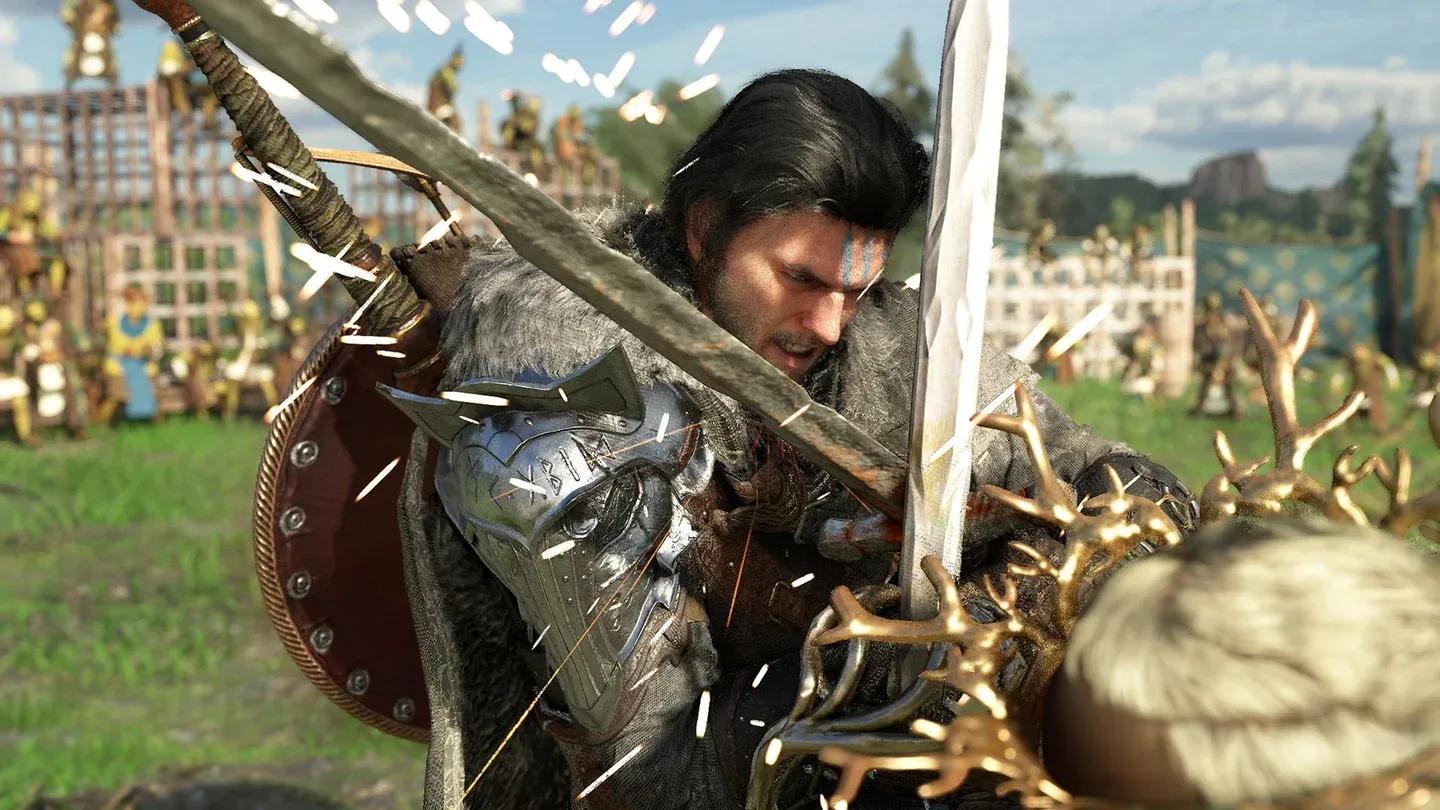
Most action RPGs lock you into a class, a weapon, and a fixed skill tree. Crimson Desert throws that out. Kliff Macduff can freely switch between weapon types, mix in unarmed grapples, and layer elemental effects onto almost any attack, all in real time. Pearl Abyss drew inspiration from classic arcade fighters like Samurai Shodown, Final Fight, and King of Fighters rather than modern Soulslikes, which means the rhythm here is faster and more expressive than you might expect.
The result is a system where each fight can play out differently depending on your loadout, the terrain, and how creatively you chain your tools together.
Crimson Desert Guide: Kliff's Combat Fighting System


Weapon Types and When to Use Them
What Weapons Does Kliff Have Access To?
You're never stuck with one option. The full weapon roster lets you tailor your approach to each encounter:
| Weapon Type | Primary Strength | Best Against |
|---|---|---|
| Sword & Shield | Balanced offense and defense | Groups, sustained fights |
| Greatsword | High stagger, wide arcs | Armored enemies, crowds |
| Spear | Long reach, poke pressure | Mounted enemies, bosses |
| Twin Blades | Fast combos, high DPS | Agile targets |
| Axe | Raw damage, break guard | Shielded enemies |
| Rapier | Precise thrusts, parry setups | Duels, counterplay |
| Musket / Ranged | Safe damage, elemental shots | Distant or flying targets |
| Unarmed / Grapple | Crowd control, mount pulls | Mounted riders, stun setups |
The grapple system deserves special attention. You can physically drag enemies off their horses, steal the mount, and immediately use it to trample nearby enemies. It's one of the most satisfying tools in the kit and genuinely useful for thinning out cavalry groups fast.
Combos and Chaining
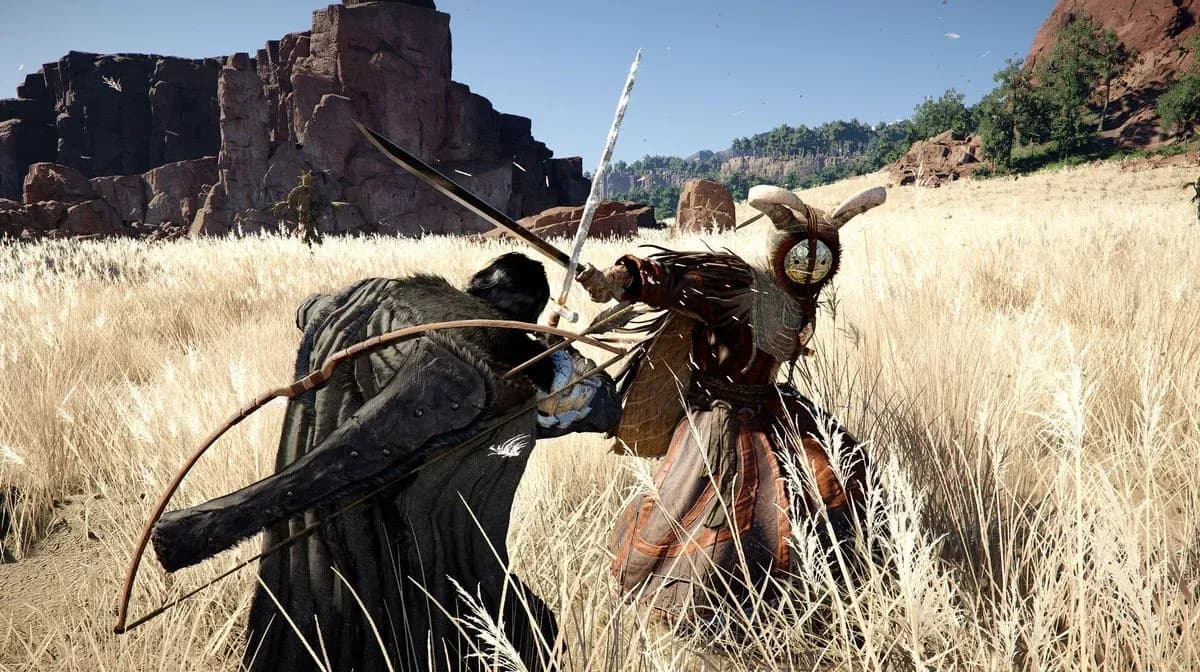
Crimson Desert uses a multi-button combination system rather than simple light/heavy attacks. Weapon skills can be paired with bare-hand strikes, kicks (motion-captured from actual Taekwondo martial artists), and grapples to build seamless attack chains.
A practical example: launch an enemy into the air with an upward strike, follow with a Wind magic-augmented aerial dive, then slam them into the ground as they land. The game actively encourages this kind of vertical, multi-phase approach.
Key Combo Principles
- Chain weapon attacks into grapples to reposition enemies into hazards
- Use launchers to create aerial combo windows
- Follow heavy finishers with a quick dodge roll to cancel recovery frames
- Mix crowd-control abilities between heavy hits to manage multiple enemies
Crimson Desert Guide: Kliff's Combat Fighting System
Elemental Enhancements Explained
How Does Magic Work in Combat?
Magic in Crimson Desert isn't a separate stance or resource bar you switch into. Instead, elemental effects are layered directly onto your existing attacks. Fire, ice, and wind augmentations can be applied to melee swings, ranged shots, and special skills alike.
Practical applications:
- Wind magic launches Kliff into the air, enabling aerial dive attacks from above
- Fire effects on weapons deal ongoing burn damage and can ignite environmental traps
- Ice augmentation slows or freezes enemies, setting up stun windows for heavy finishers
- Shooting a frost arrow into water creates an ice platform, useful for trapping enemies or repositioning objects
Defense, Stamina, and Timing
How Do Blocking and Parrying Work?
Crimson Desert's defensive toolkit rewards precision over passive holding. Here's how each option functions:
- Block: Drains stamina but absorbs incoming hits. Holding block too long leaves you vulnerable when stamina runs out.
- Parry: A precise timing window that negates damage entirely and opens the enemy to a punishing counterattack.
- Dodge Roll: Includes a perfect dodge window. Nailing the timing restores stamina rather than consuming it.
- Counter: Following a successful parry with your strongest attack deals bonus damage and can stagger even large enemies.
- Slide: Quick escape tool for repositioning or breaking out of unfavorable engagements.
Stamina Management in Pywel
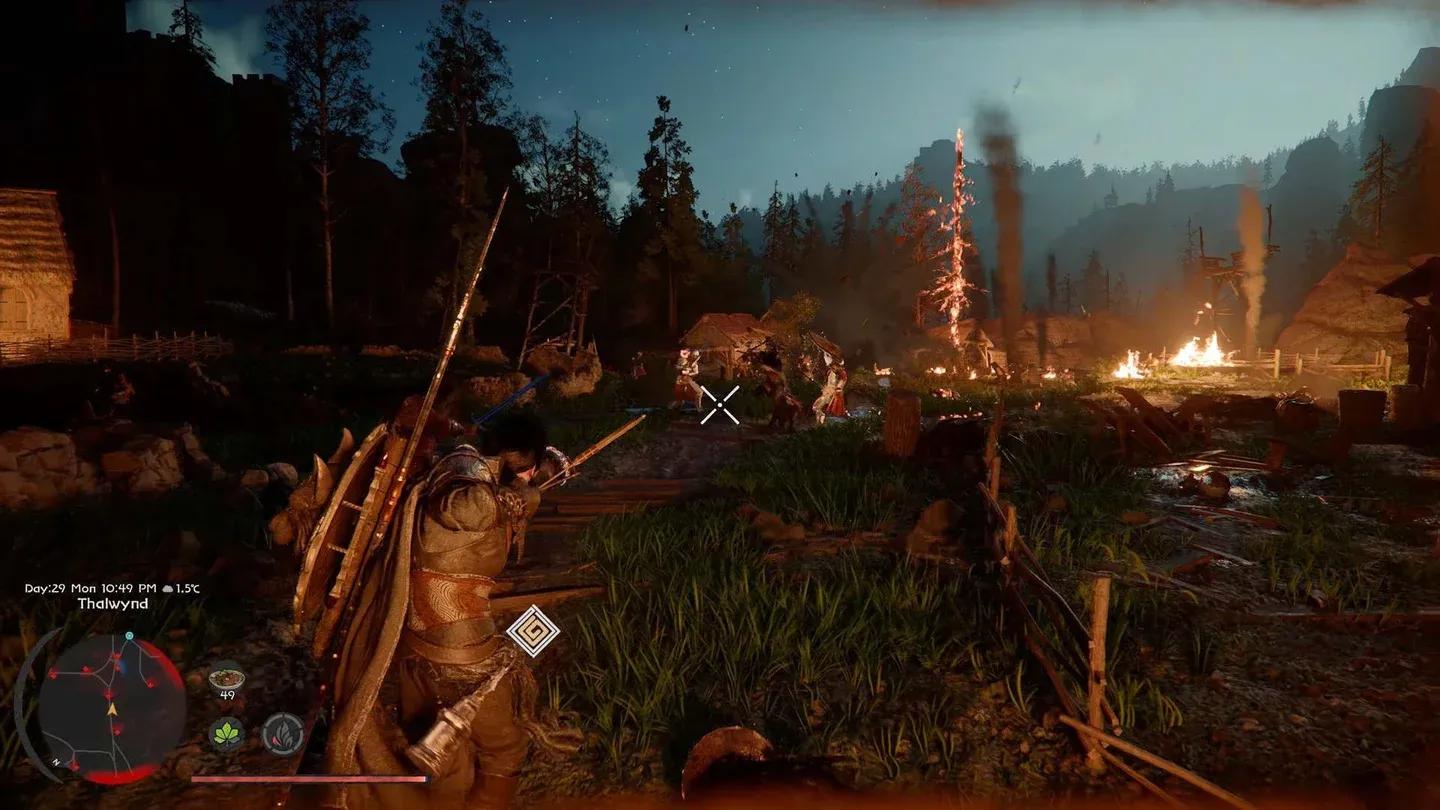
The stamina wheel appears during combat and traversal alike. Sprinting, jumping, climbing, and gliding all draw from the same pool. In fights, certain combos and weapon skills bypass the stamina cost entirely, so learning which chains are stamina-free gives you more room to stay aggressive without burning out.
Crimson Desert Guide: Kliff's Combat Fighting System
Environmental Combat and Boss Strategies
How Do You Use the Environment in Fights?
Pywel's world isn't just a backdrop. Enemies react to terrain and elevation, and you can actively exploit your surroundings:
- Throw enemies into hazards like fire traps or cliff edges
- Topple structures onto grouped enemies during large encounters
- Use a tree as a catapult by pulling it back and launching yourself into an enemy base for a surprise drop attack
- Ignite fire traps to handle clusters of enemies without burning stamina on individual hits
- Exploit enemy weakpoints that are exposed by specific elemental or attack types
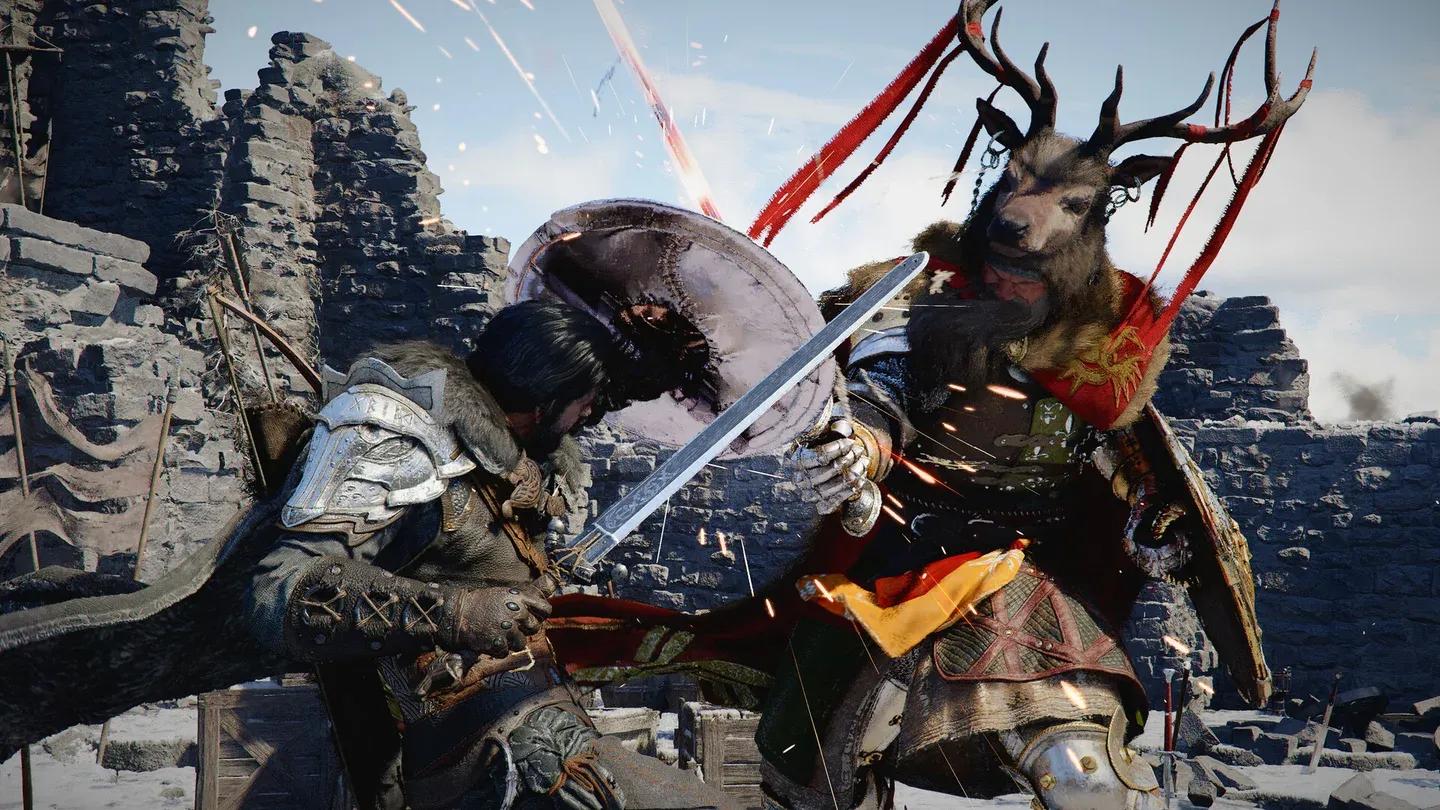
Boss encounters in Crimson Desert escalate this further. Each boss tests a specific aspect of your combat mastery, whether that's parry timing, elemental awareness, or crowd control when adds spawn. Some bosses are human-beast hybrids, others wield sorcery, and a few rely purely on overwhelming physical force. Adjust your loadout before each encounter rather than defaulting to your comfort weapon.
Signature Abilities from Boss Drops
Defeating bosses can reward you with their equipment, and some of that gear carries the boss's own Signature Abilities. These unique effects and bonuses can dramatically change how your build functions. Equip them as soon as you acquire them and experiment with how they interact with your existing weapon skills.
Progression and Character Growth
How Does Kliff Level Up?
Crimson Desert moves away from traditional XP grinding. Kliff grows through exploration, quest completion, and challenging encounters rather than farming mobs for levels. Some abilities unlock organically by witnessing techniques in the world, which rewards thorough exploration.
Artifacts are the core progression currency. These fragments of the Abyss are scattered across Pywel, held by field bosses, and earned at the end of trials. They increase your core stats (Health and Stamina), unlock new skills, and enhance existing abilities.
Additionally, two companion characters become available as you progress, each bringing their own fighting styles, weapons, and quests. Unlocking them expands both your combat options and your overall exploration capabilities.
Crimson Desert Guide: Kliff's Combat Fighting System
Equipment Upgrades and Customization
Blacksmiths and upgrade NPCs scattered across Pywel let you enhance your weapons and armor with materials gathered from mining, hunting, and combat. Weapons can gain elemental properties through enhancement, and armor sets offer varied stat modifiers:
- Defense (physical and magical mitigation)
- Health and Stamina pool increases
- Resistance to specific damage types (fire, ice, elemental)
- Skill cooldown reductions
- Damage boosts tied to specific weapon categories
Crafting your own weapons is also an option, and player-crafted gear can provide bonuses to core stats that vendor items don't always match.
Point of View and Mobility Tips
You can toggle between first-person and third-person perspective at any time. Third-person is the standard combat view and gives you the best situational awareness during multi-enemy encounters. First-person is genuinely immersive for exploration and works in combat if you prefer the tighter focus, but you'll sacrifice peripheral vision on flanking attacks.
Mobility tools like sliding, swinging into enemies, and gliding (upgradeable via artifacts) also feed into combat. A well-timed slide can close distance faster than a sprint, and gliding from elevation into a target sets up powerful drop attacks that deal bonus damage on landing.
Quick Reference: Combat Priorities by Situation
| Situation | Recommended Approach |
|---|---|
| Surrounded by multiple enemies | Greatsword sweeps + crowd-control abilities |
| Enemy on horseback | Spear poke to slow, then grapple to dismount |
| Boss with heavy armor | Axe to break guard, then rapier precision strikes |
| Airborne enemy | Wind magic launch + aerial dive combo |
| Low stamina, enemy attacking | Perfect dodge (restores stamina) over block |
| Large group near hazards | Environmental throws + fire trap ignition |
Dominate Pywel with Kliff's Arsenal
From seamless weapon swaps and grapple mounts to elemental detonations and environmental kills, every tool in Kliff's kit rewards those who think three steps ahead. You've got the blueprint: chain combos like a fighter, layer elements for chaos, and turn the world itself into your weapon. Practice in the open world, tweak your loadouts for each boss, and watch as what starts as frantic button-mashing evolves into poetry in motion.
This system shines brightest when you experiment, swap in Damiane's gunslinging flair or Oongka's berserker rage once unlocked, and rediscover fights entirely. If you're hungry for more Crimson Desert, our guide page is surely here to help.