
Overview
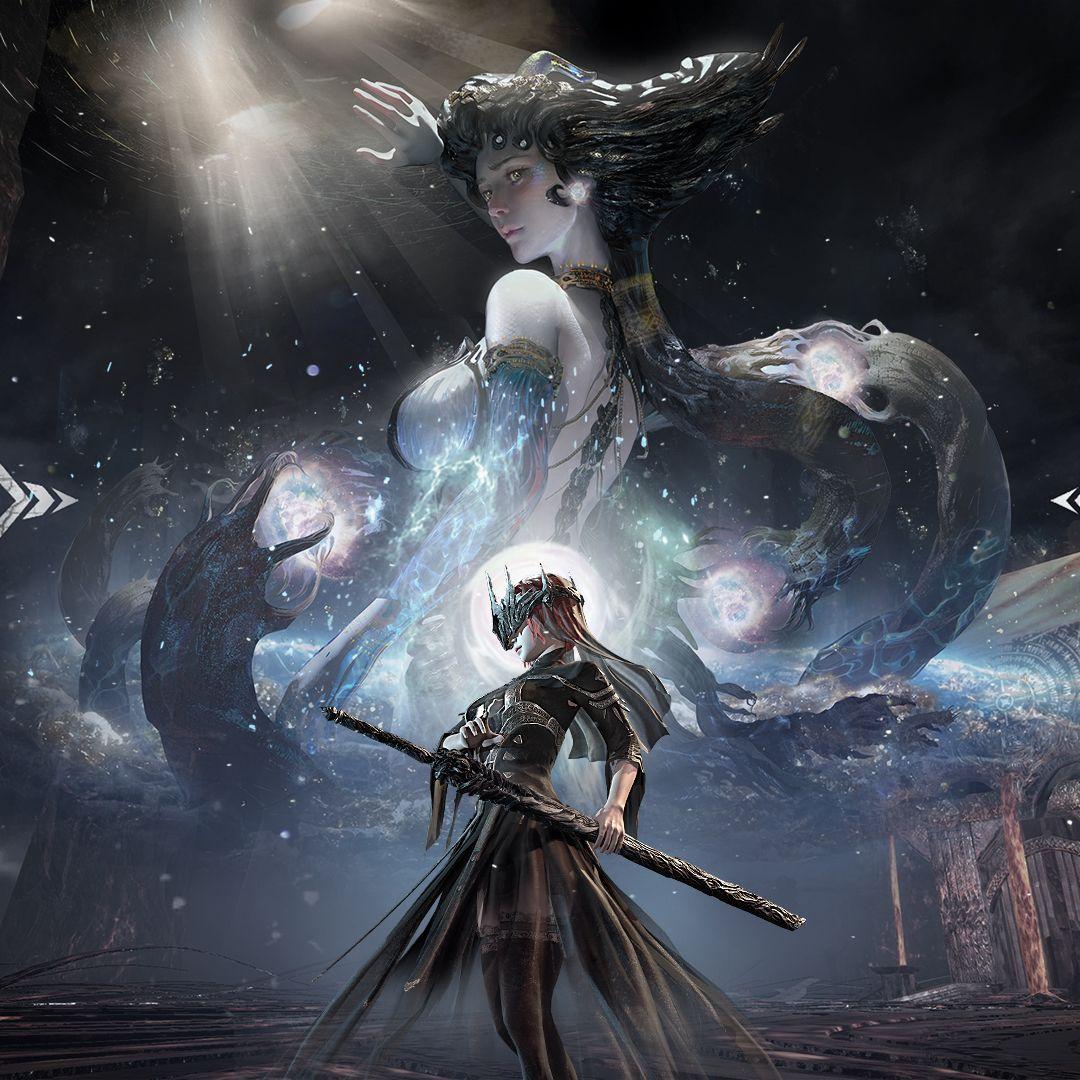
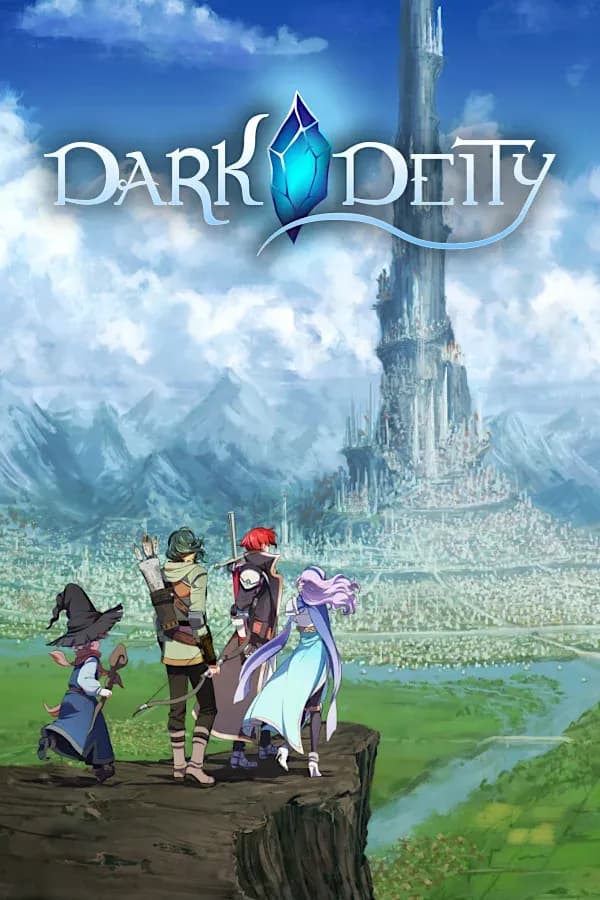
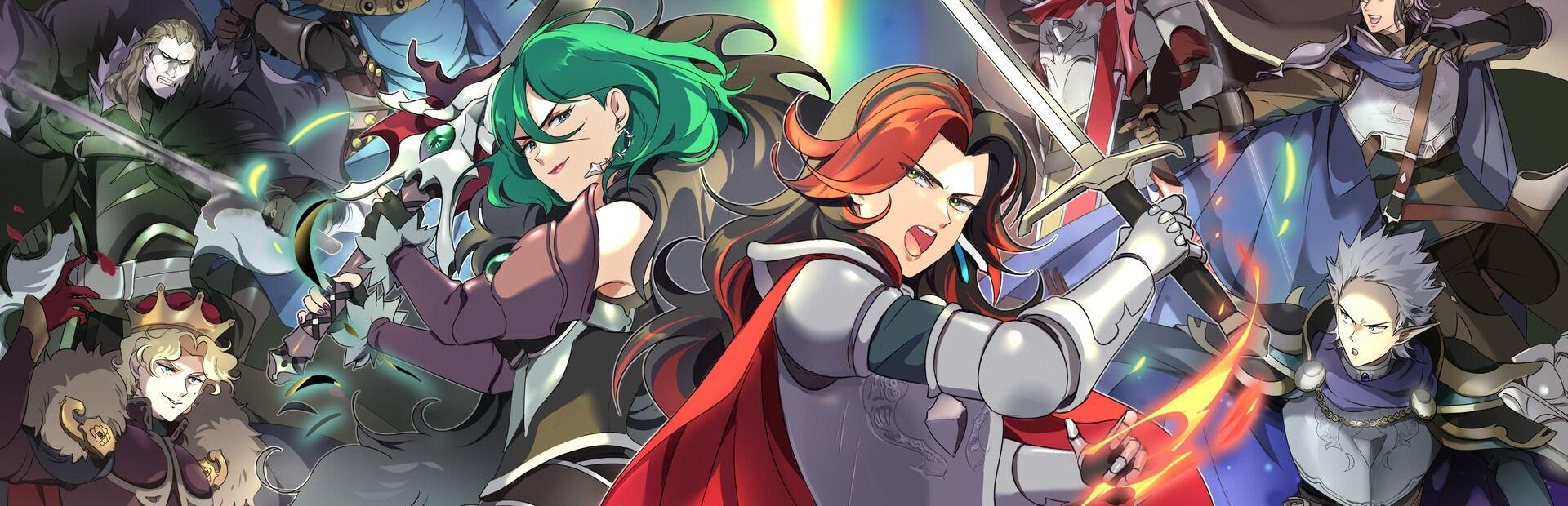
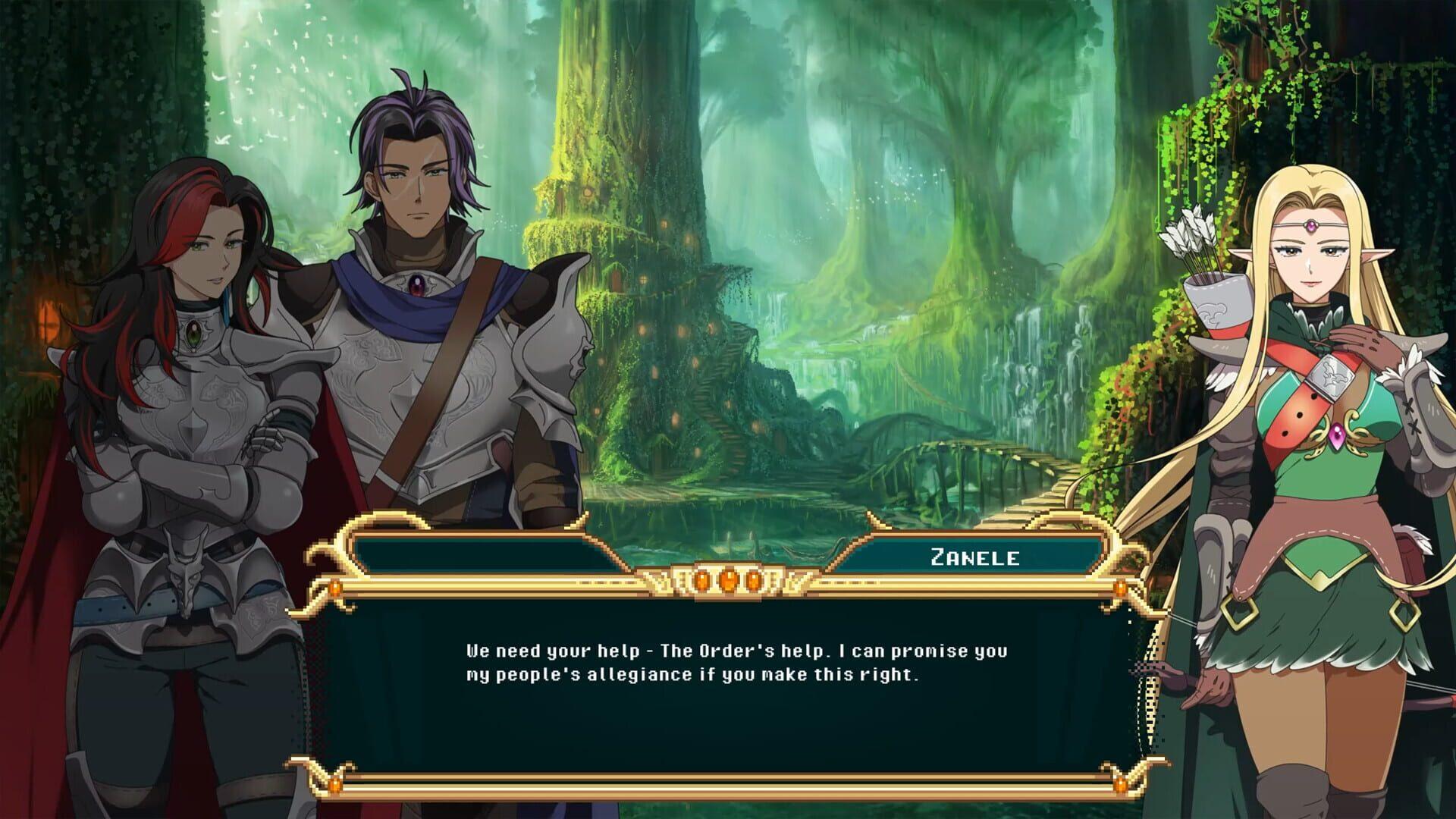
Dark Deity II picks up a quarter century after the original game, with Irving's descendants Gwyn and Riordian leading the Eternal Delegation into a conflict they didn't ask for. The Holy Asverellian Empire is pushing outward, and the fragile, faction-ridden continent of Verroa is squarely in its path. The setup is classic tactical RPG territory, but the execution goes well beyond genre conventions. This is a game built around the idea that every decision, from which faction you back to how you develop your heroes, has real consequences on the battlefield.
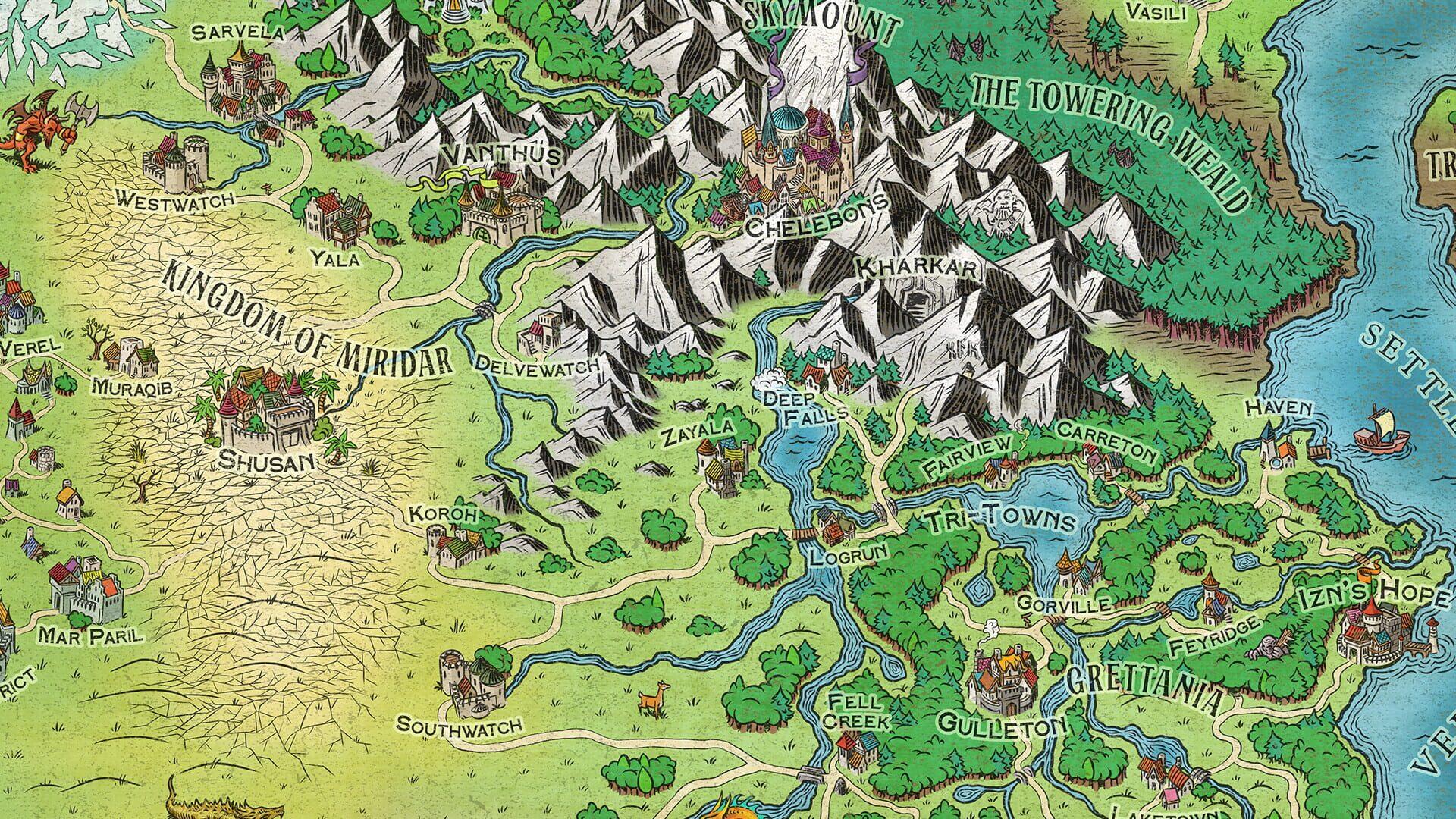
The story threads political intrigue through the combat in ways that feel earned rather than decorative. Verroa's factions are fractured, loyalty is uncertain, and the alliances Gwyn and Riordian forge directly shape the army they'll fight with. Back the wrong faction and you might lose access to units or face harder engagements later. It's the kind of cause-and-effect design that makes replaying the game feel like a genuinely new experience rather than a slightly different path through the same content.
Gameplay and mechanics: what does Dark Deity II actually play like?
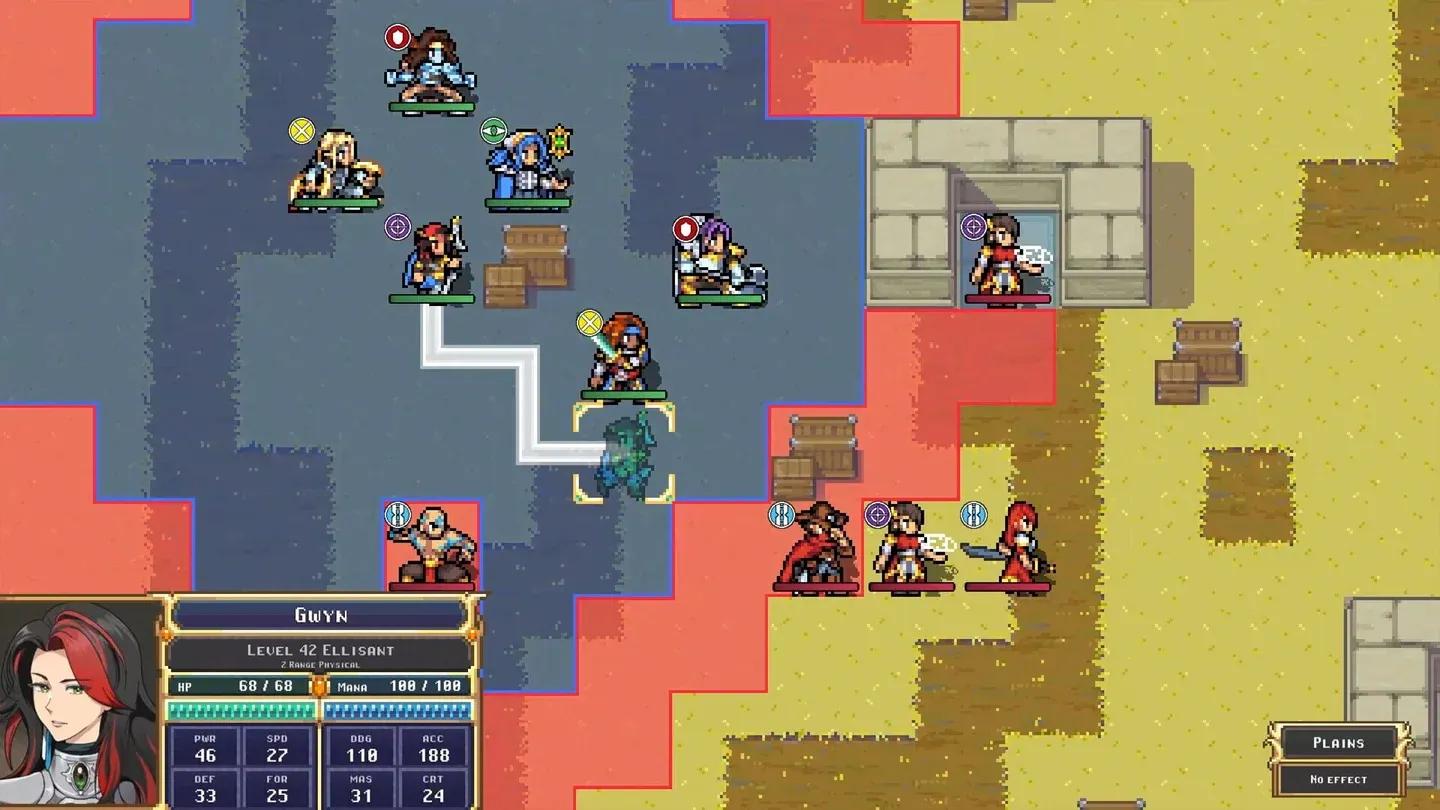
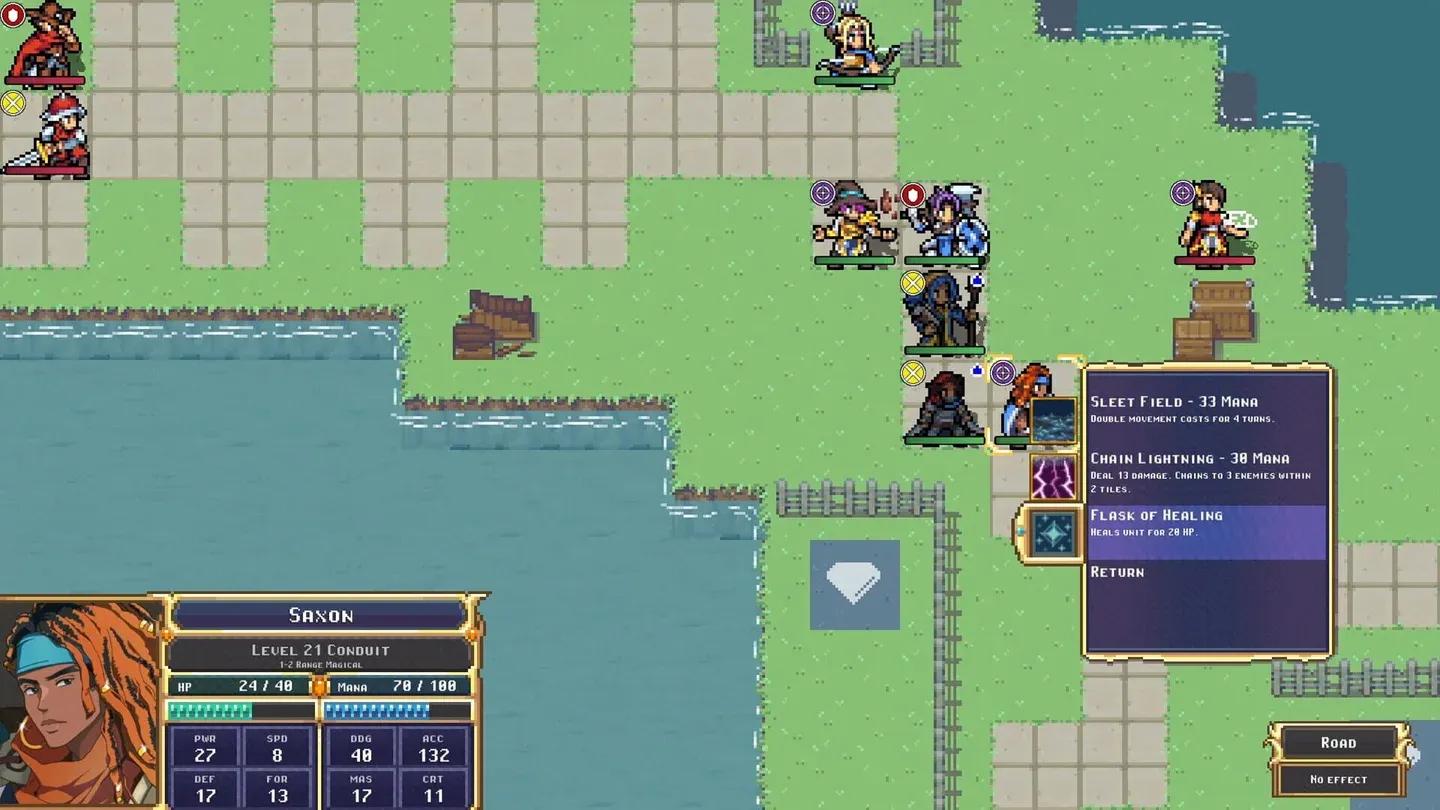
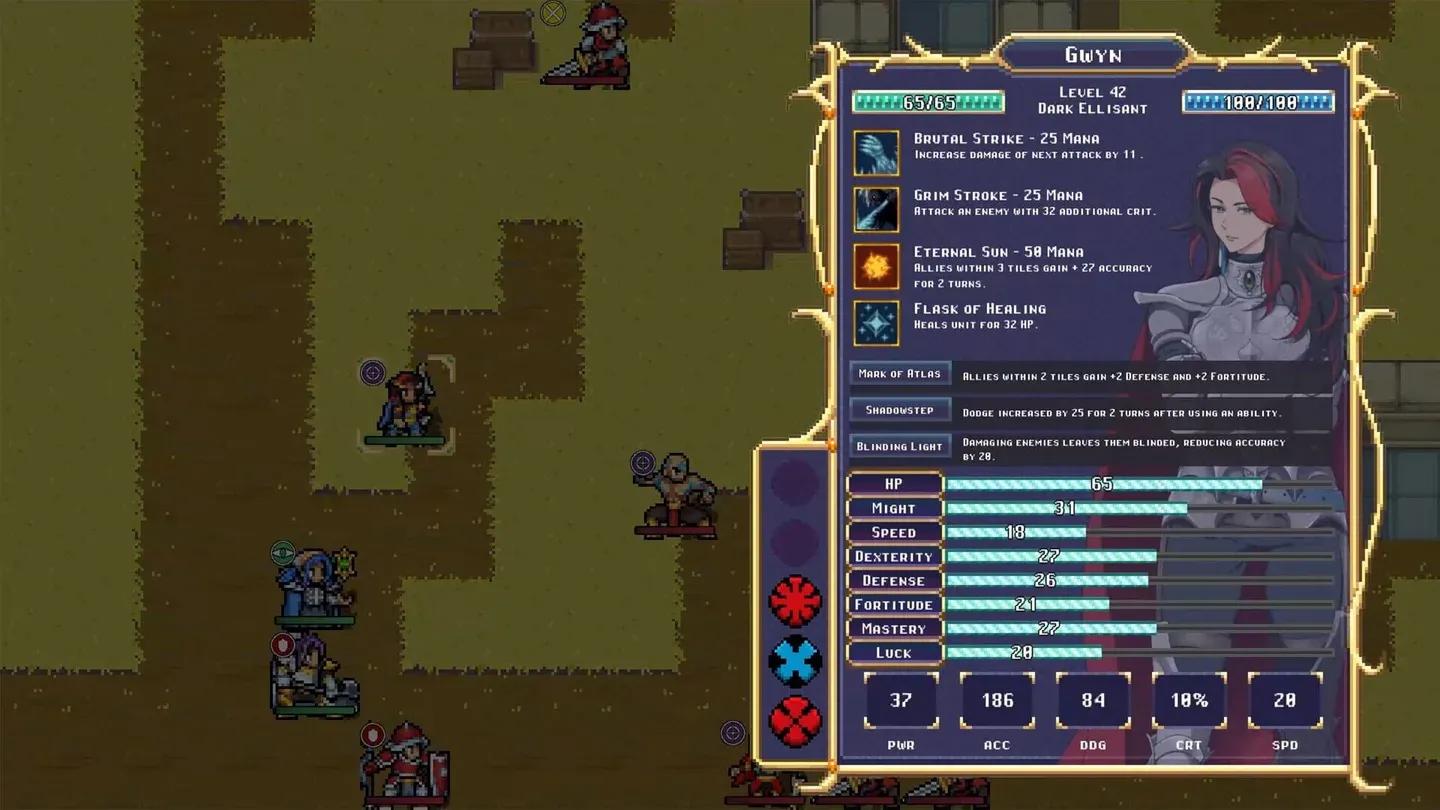
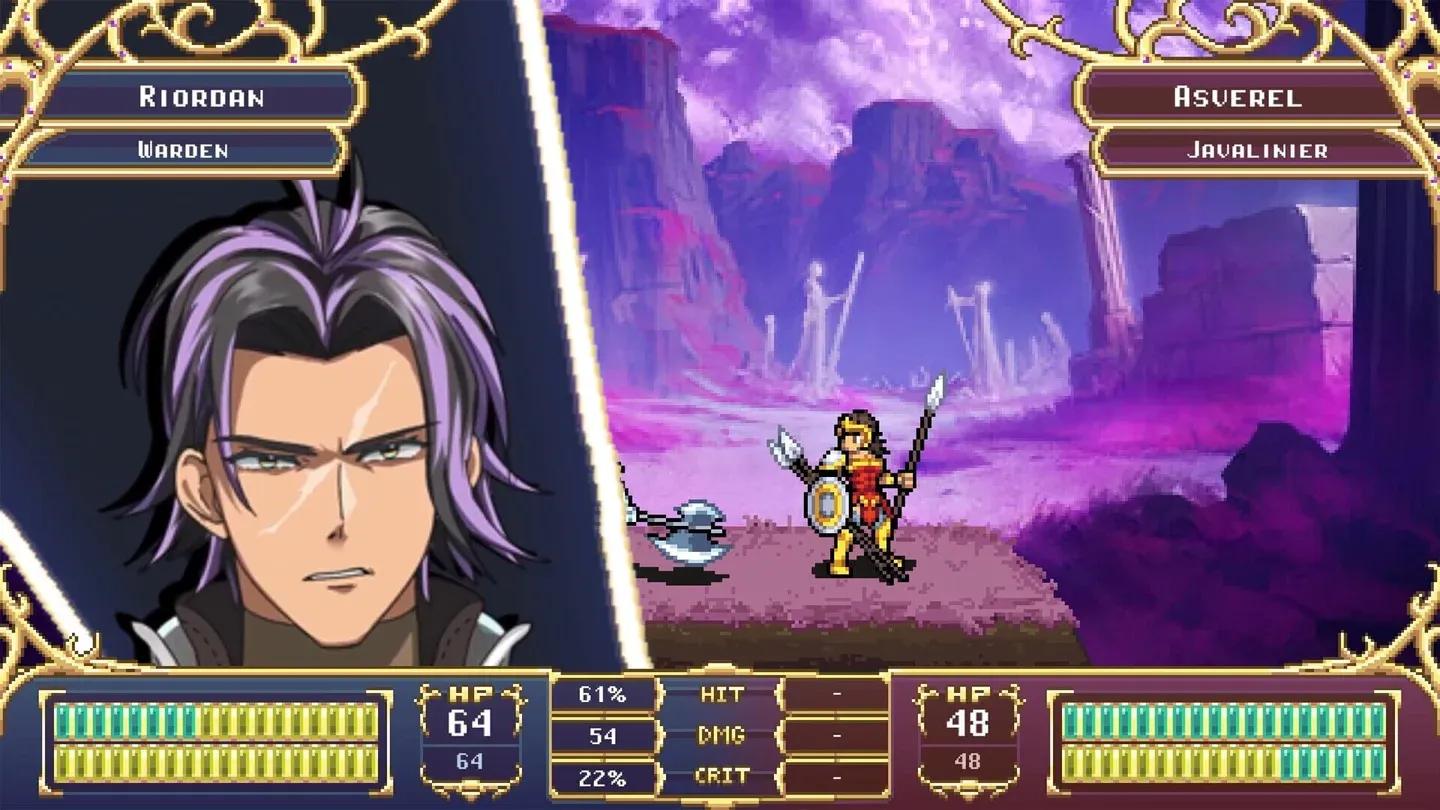
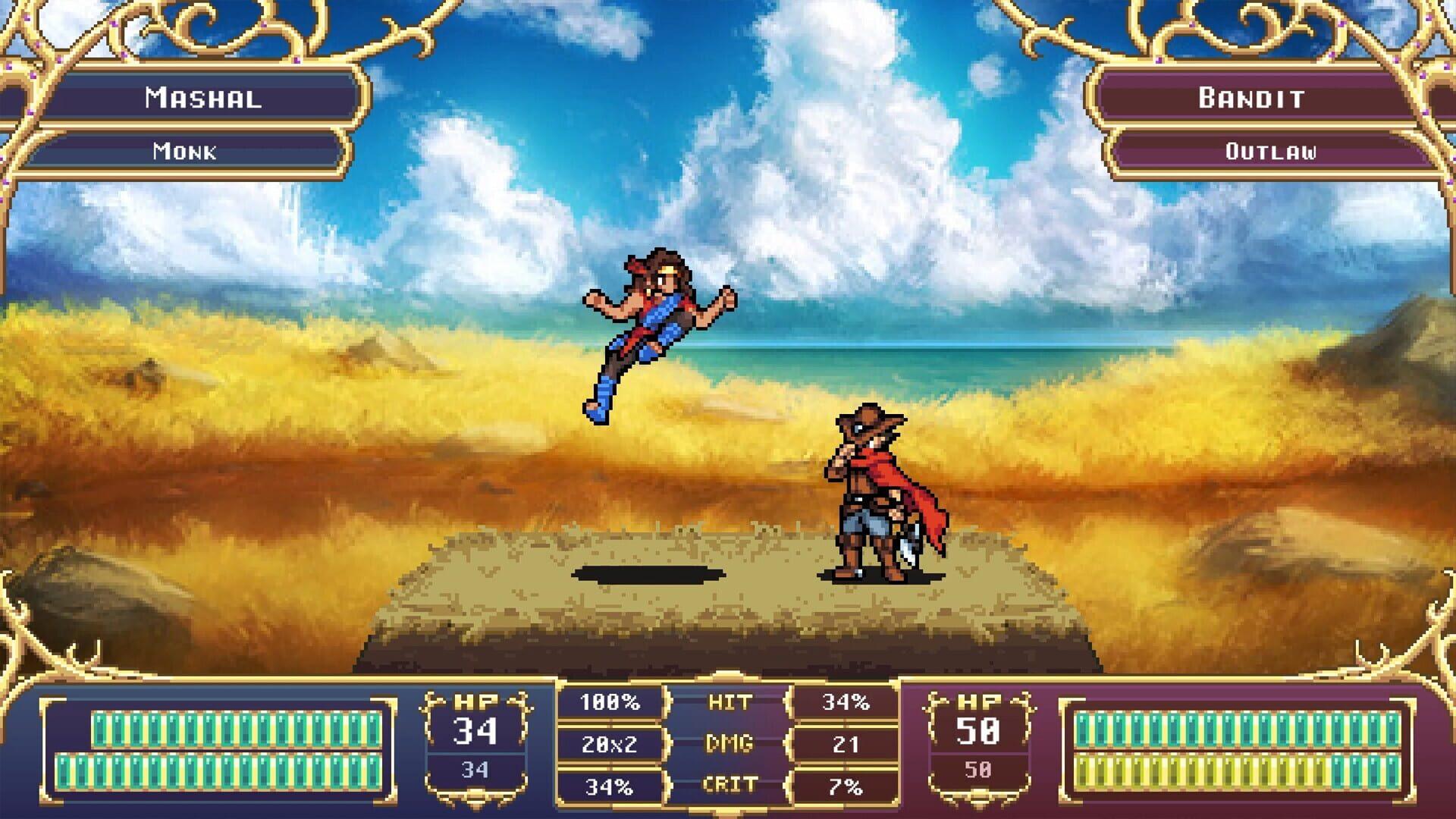
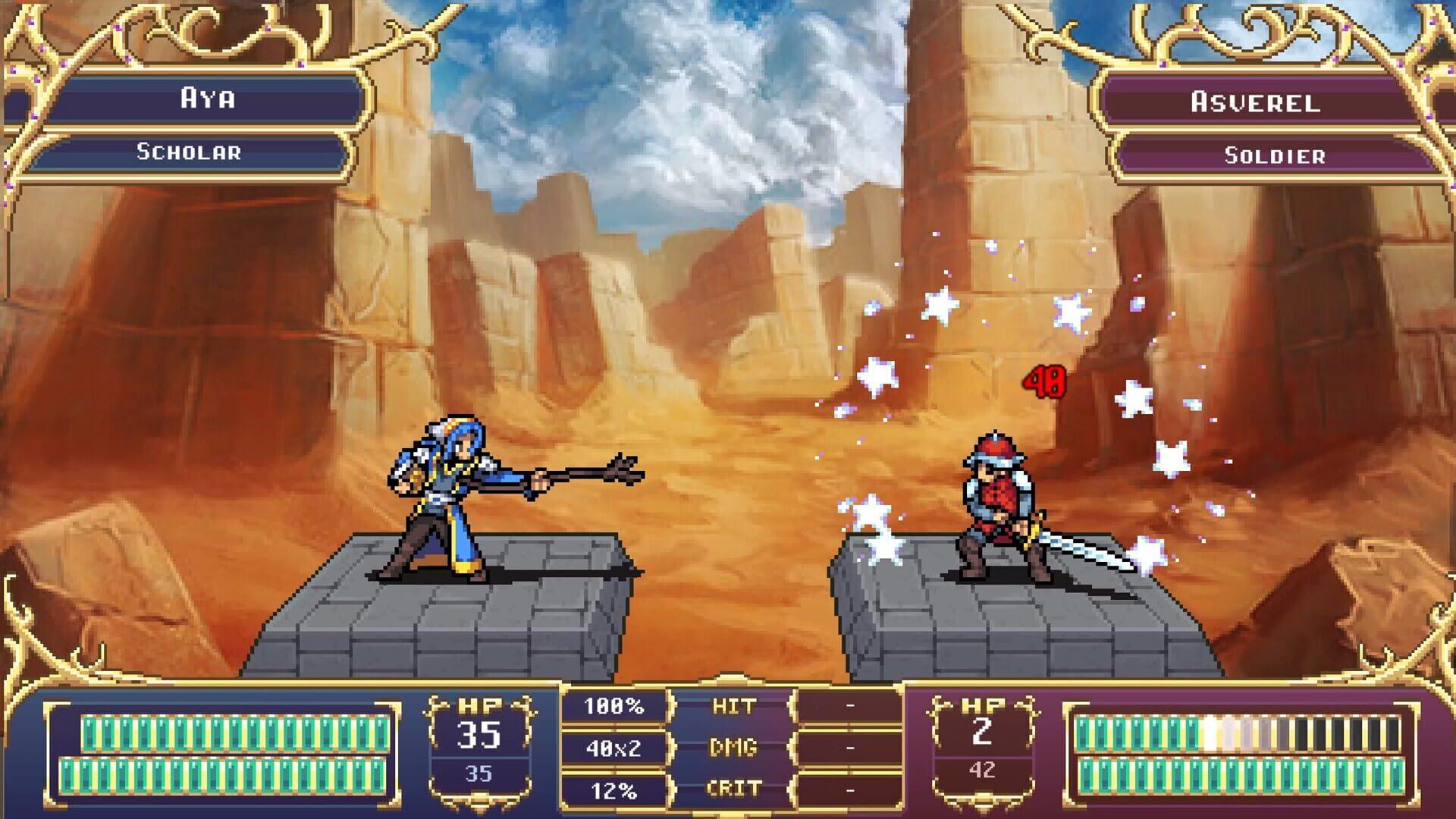
Dark Deity II is a turn-based tactical RPG at its core, with grid-based combat that rewards positioning, unit synergies, and smart class management. The 20 heroes each bring distinct strengths, but the real depth comes from how you develop them.
Key mechanics include:
- 45 branching class options across the roster
- Skills, abilities, and gear that can fundamentally shift a unit's role
- Hero bond system that grows through shared combat experience
- Faction alliance choices that alter available units and battles
- Built-in randomizer with stat, difficulty, and recruitment sliders
Classes aren't just cosmetic upgrades. A unit built around one class tree can be redirected through gear and skill choices to fill a completely different tactical role, which means the meta stays fluid across playthroughs. The bond system adds another layer: heroes who fight together develop stronger ties, but those bonds can fracture under pressure, adding stakes to how you deploy your roster.
How much does the randomizer change the experience?
Quite a lot. Dark Deity II ships with a built-in randomizer and campaign customization suite that goes beyond simple difficulty toggles. Players can adjust recruitment order, experience gain, gold rates, stat distributions, and aptitude values, giving the game a near-infinite ceiling for replayability. This feature was directly inspired by community-made randomizers for popular RPGs, and Sword & Axe LLC built it into the base game from launch rather than leaving it to modders.
For players who've finished the main campaign, the randomizer is essentially a second game. A high-difficulty run with randomized recruitment and reduced gold forces completely different strategic priorities than a standard playthrough, and the branching class system means the roster will feel different every time regardless.
Content and replayability
The combination of faction politics, branching classes, hero bonds, and the randomizer suite makes Dark Deity II one of the more replayable tactical RPGs available on PC, Xbox, PlayStation, and Nintendo Switch. No two campaigns play out identically because the systems interact in ways that compound over time. A different alliance choice early on doesn't just change a cutscene; it changes which units are available, which battles are harder, and which strategies are even viable.
Sword & Axe LLC has built a game that rewards players who want to optimize and experiment, but doesn't punish those who just want to follow the story. The difficulty sliders and customization options make the experience accessible without stripping out the strategic depth that defines the genre.
Conclusion
Dark Deity II is a confident, well-constructed turn-based tactical RPG with genuine strategic depth and a replayability system that most games in the genre don't come close to matching. The 45 branching classes, faction-driven alliance system, hero bonds, and built-in randomizer give players enough tools to keep coming back long after the credits roll. For fans of tactical RPGs looking for a game that treats decision-making as its central mechanic, Dark Deity II delivers exactly that.