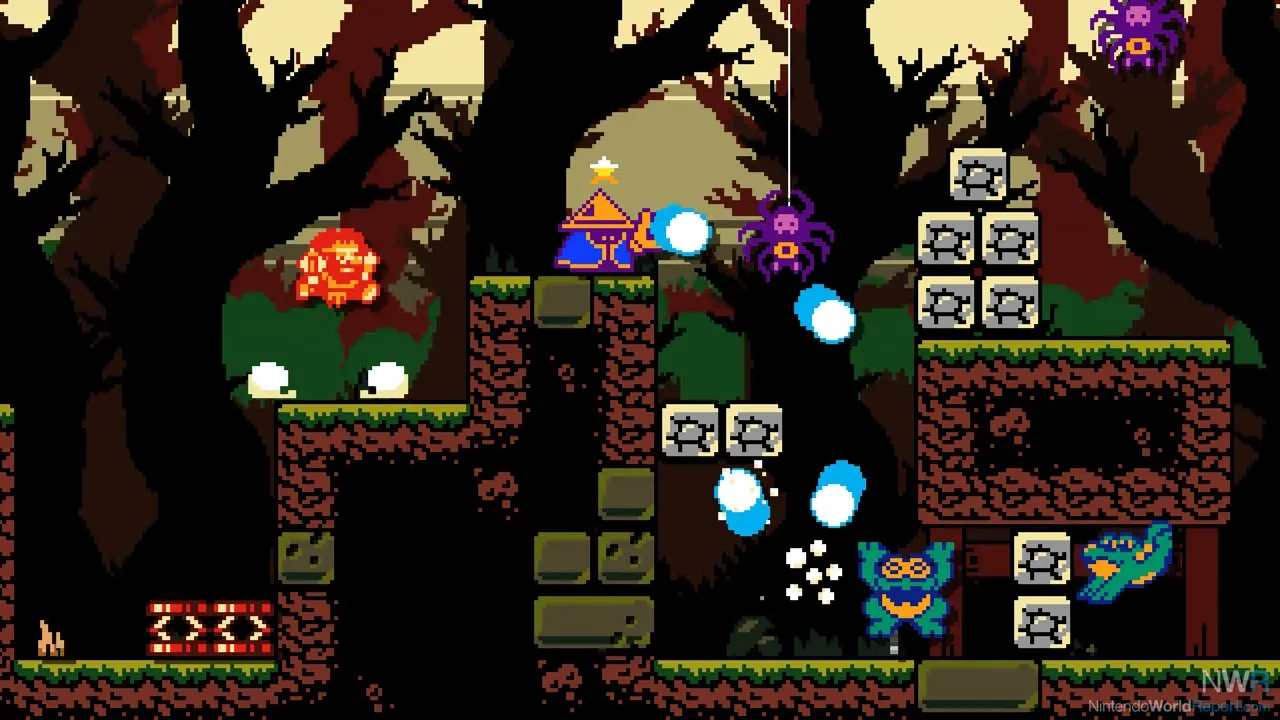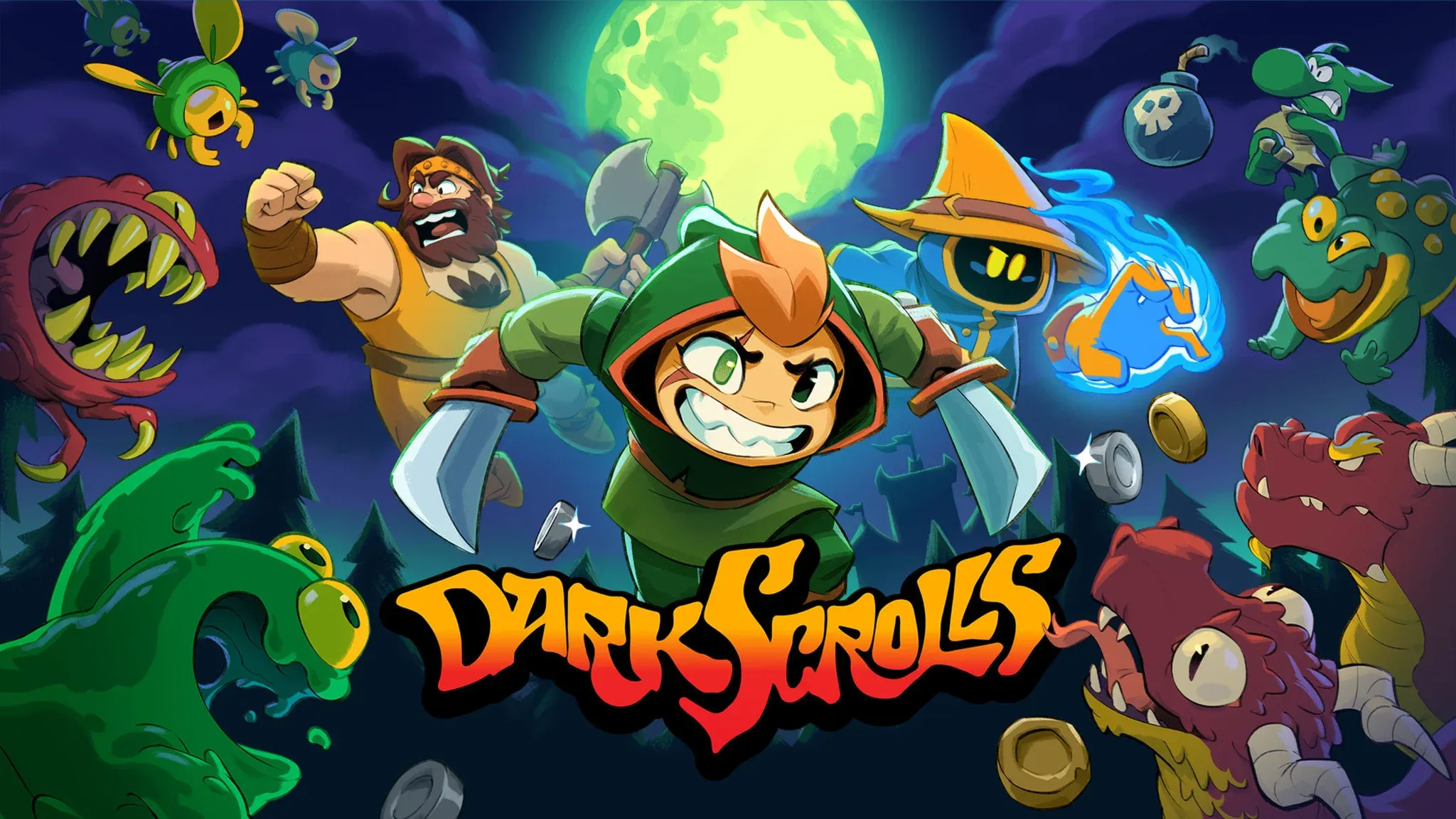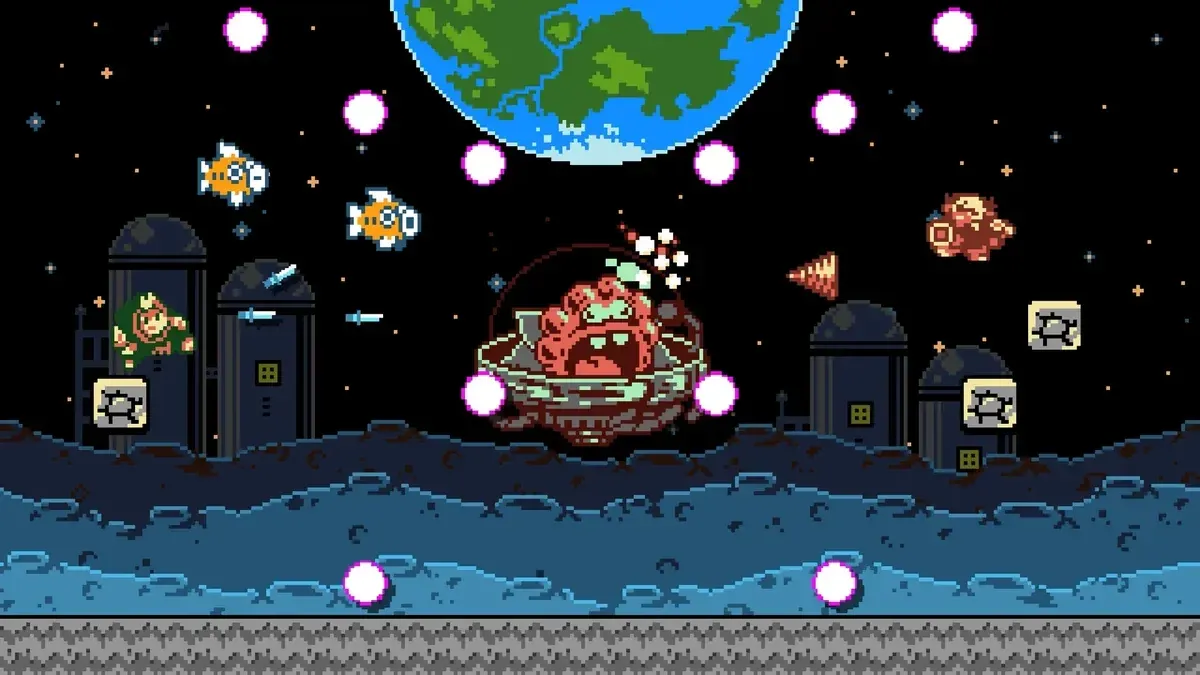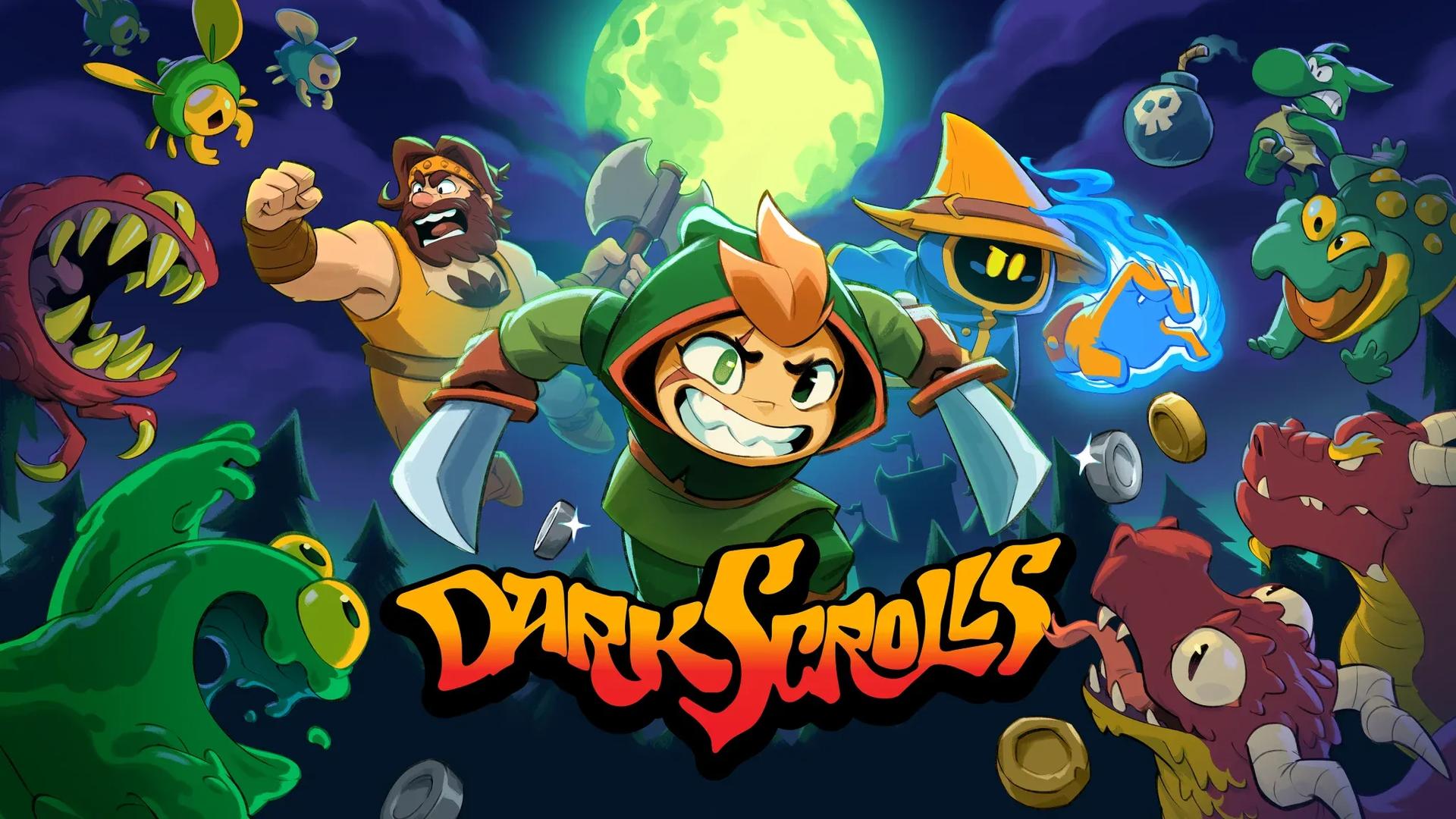

Dark Scrolls, the co-op hack-and-slash roguelike from doinksoft and Devolver Digital, launched June 22, 2026, and its chunky pixel art makes it look friendlier than it plays. The screen moves constantly from the moment you drop in. Stay ahead of it or die. That single mechanic sits underneath every other decision in the game, from which hero you pick to how you spend coins at the Shoppe. This guide covers what the game skips explaining so your first few runs teach you something useful instead of just ending fast.
What kills most players in the first run?
It's not the enemies. The autoscroll is. Dark Scrolls is an autoscrolling platformer first and a roguelike second. The screen moves right at a steady pace throughout every level, and any player pushed off the left edge by that boundary dies immediately, regardless of health. Most early deaths come from stopping to fight something in a bad position, getting caught by the scroll edge, and losing the run before the first Shoppe visit.
The second issue is passivity. The star meter, which powers burst attacks and perk activation, only fills when you're hitting enemies. Players who hang back to read patterns before engaging fall behind on stars and miss the power spikes that make later sections manageable.
How does the star system work?
Every hit on an enemy builds your star meter toward five stars. Stars aren't decorative. They gate burst attacks and activate perks that are tied to specific star thresholds. A perk assigned to four stars only works at exactly four stars. Drop to three and it goes dark until you rebuild.
This makes the system more volatile than a standard roguelike power stack. One long dodge sequence without attacking can collapse a buff you just activated. The correct rhythm is attack, dodge briefly, attack again, not dodge until safe and then engage.
Three stars is the first meaningful threshold for most builds. Reaching it before the first major enemy cluster should be the target on every run. Ranged heroes who fire from maximum distance and miss shots build the meter slowly. Closing distance until you know your effective range fixes this faster than any perk pick.
Bruce and Goose's Shoppe: what should you buy first?
The Shoppe appears between stages and offers a rotating selection of perks, attacks, and summoned allies. The inventory changes every visit, so no two runs present identical options. Confirmed perks include Thorns (reflects damage back on hit), Shuriken (adds a projectile alongside your main attack), Koi Ploy (fish-based projectile modifier), Reverse (alters attack direction or trajectory), and Fat Stack (stacks a coin or stat modifier).
The beginner mistake is picking the most interesting-sounding perk rather than the one that matches your hero's weapon type. Two unrelated perks that both sound strong produce a mediocre run. One perk that directly amplifies what your hero already does produces a good one.
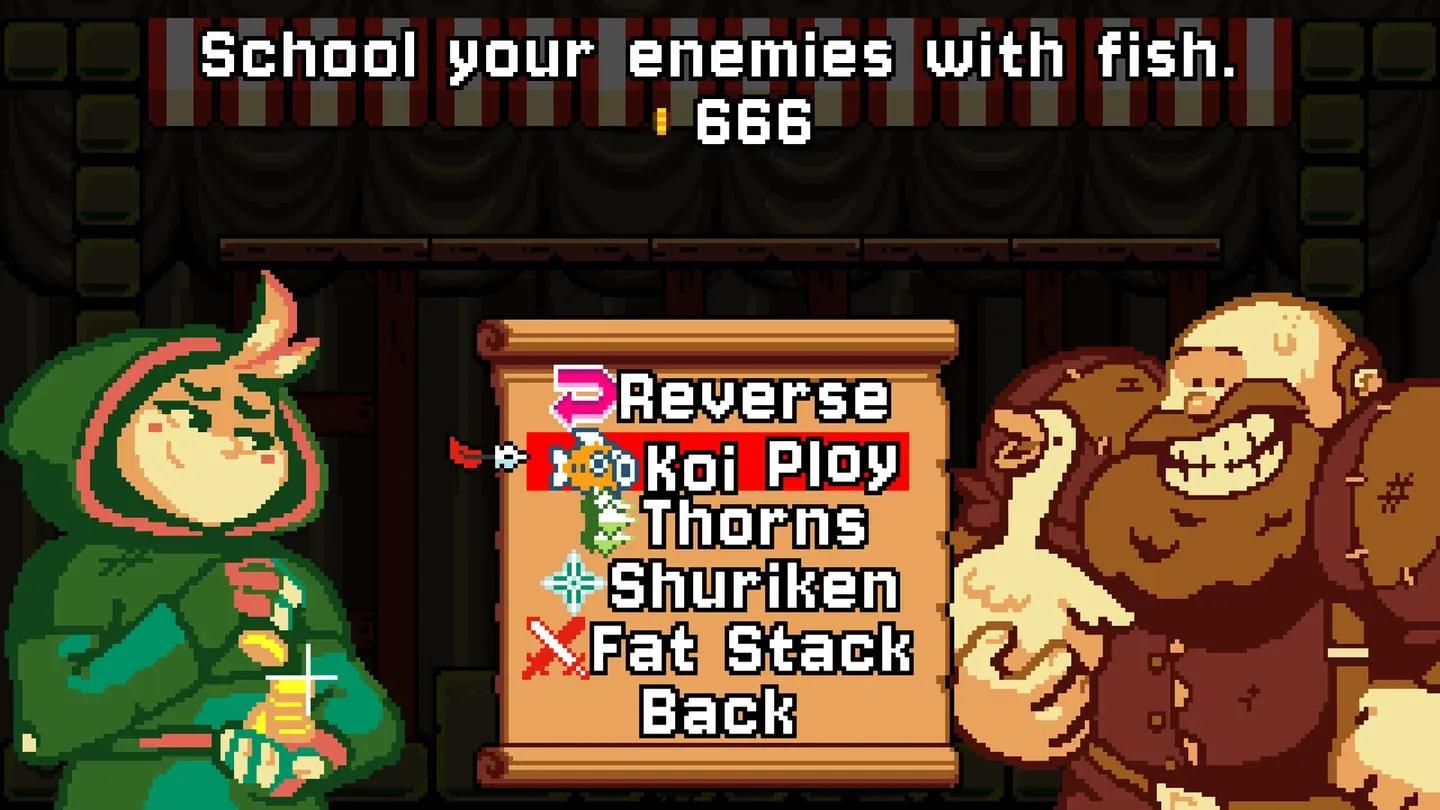
Shoppe perk selection screen
Shoppe visits also sell summoned allies who follow you through the stage and attack independently. They help in sections where scroll speed increases. Don't spend every coin on the first visit. Later visits sometimes offer better synergies for your specific hero, and banking coins is a real option when the current list doesn't fit your build.
| Perk | Effect | Best Hero Type |
|---|---|---|
| Thorns | Reflects damage on hit | Melee (berserker) |
| Shuriken | Extra projectile on attack | Knife/axe throwers |
| Koi Ploy | Fish projectile modifier | Ranged heroes |
| Reverse | Changes attack trajectory | Situational |
| Fat Stack | Stacks coin or stat modifier | Any |
| Summoned Ally | Independent attacker | Any, especially solo |
How should you approach your first three runs?
Run 1: pick the berserker and spend nothing. The goal is observation. Learn the scroll speed, watch when enemies spawn relative to your position, and find out where the Shoppe appears. Die without having bought anything so you have a clean read on the baseline difficulty. This run feels like a waste. It isn't.
Run 2: focus entirely on the star meter. Use the same hero. Attack everything immediately instead of dodging first. Reach five stars at least once and trigger the burst attack so you understand what it does. Notice how the count drops during a long dodge sequence. The rhythm becomes clear once you've felt it rather than read about it.
Run 3: make one Shoppe decision. Pick the perk that most directly matches your hero's weapon type. One coherent perk beats two unrelated ones every time. Ignore everything else on the list.
By run four or five, the chest risk-reward timing, branching path logic, and hero unlock decisions start making sense on their own.
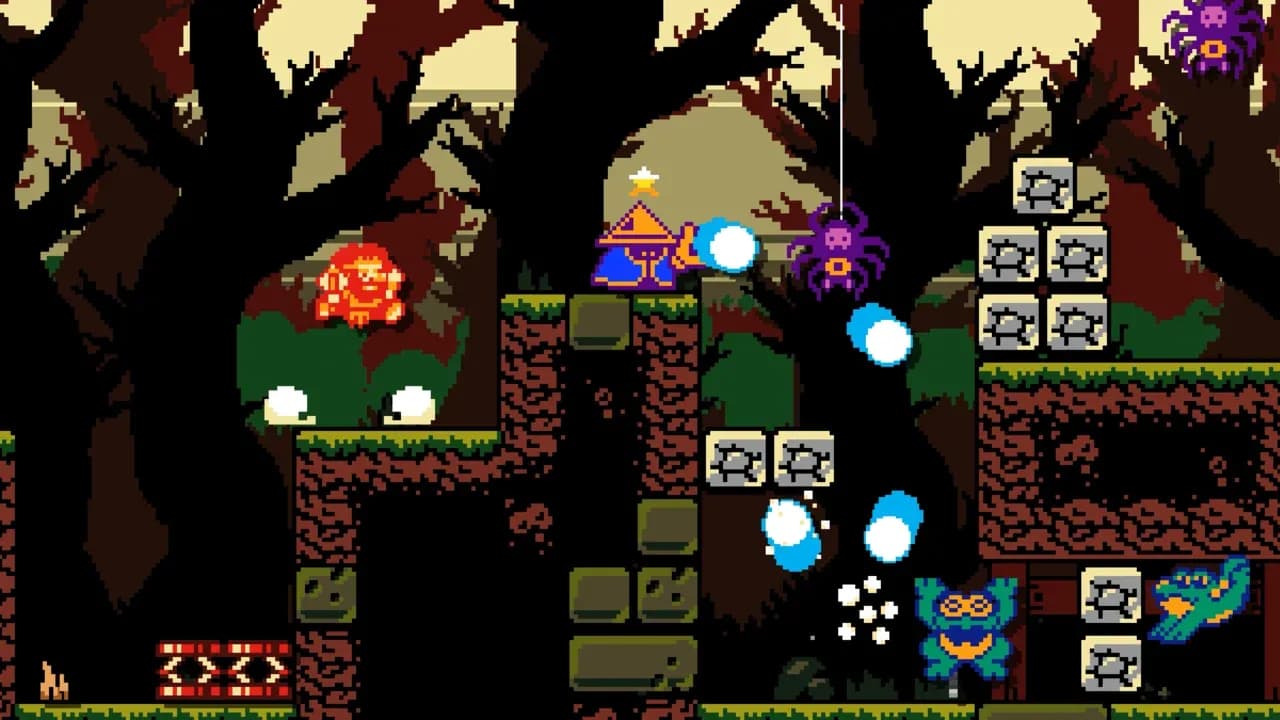
Berserker hero in combat
The nine heroes: which one fits your playstyle?
All nine heroes have fixed weapon types. You're not building a playstyle from scratch each run, you're modifying a fixed one with Shoppe perks. The hero choice at character select is the build choice.
Confirmed weapon categories:
- Axes: thrown, return to hand after each throw
- Daggers or knives: close range, rapid fire
- Arrows: ranged, arc trajectory
- Fireballs: magic, area effect
- Saxophone notes: the rat hero, rewards constant forward movement
- Steaks: thrown food, the dedicated chaos option
The berserker is the melee archetype: close-range, overwhelming, no projectiles. The saxophone rat is the strangest option and genuinely effective once the rhythm clicks. Its notes have spacing that punishes planting and firing in place.
Each hero also has personal side objectives that appear during a run. Completing them unlocks character-specific rewards separate from Shoppe perks. Ignoring them for the first few runs is fine. Knowing what they are changes how you route through a level once you're comfortable with the scroll speed.
Hero unlocks happen through specific decisions mid-run. The unlock path sometimes means skipping a Shoppe visit or a chest route. In early runs, prioritize unlocking heroes that appeal to you over squeezing every perk out of a single run. Unlocked heroes are permanent.
Co-op tips: how does the ghost mechanic change things?
Co-op in Dark Scrolls isn't just a second health bar. The ghost mechanic alone changes how runs play out.
When your partner dies, they become a ghost that stays on screen. That ghost can act as a platform for jumping over tricky vertical sections, and it fires weak projectiles that stagger enemies without dealing significant damage. Your partner is still playing and still contributing. This is a better design than most co-op roguelikes manage, and treating it as a punishment misses the point.
Reviving costs resources. You can spend coins at the Shoppe on a revive option or reach a checkpoint with the ghost still in play. Skipping a Shoppe visit because you think you don't need the revive is a mistake. Budget for it the same way you budget for allies.
The scroll speed matters more in co-op. A ghost positioned near the left edge is already close to the boundary. Reviving works best when the active player is ahead of the midpoint, not retreating toward the ghost's position. A passive ghost sitting near the scroll edge isn't contributing. Proactive positioning, ahead of platforming sections, near enemy clusters, or elevated over trap gaps, is where the ghost's value comes from.
Combined perk builds also open up in co-op. If one player has Thorns and the other has an ally that pulls enemies into melee range, that combination isn't accidental. Watch what your partner buys and build in the same direction for the second half of the run.
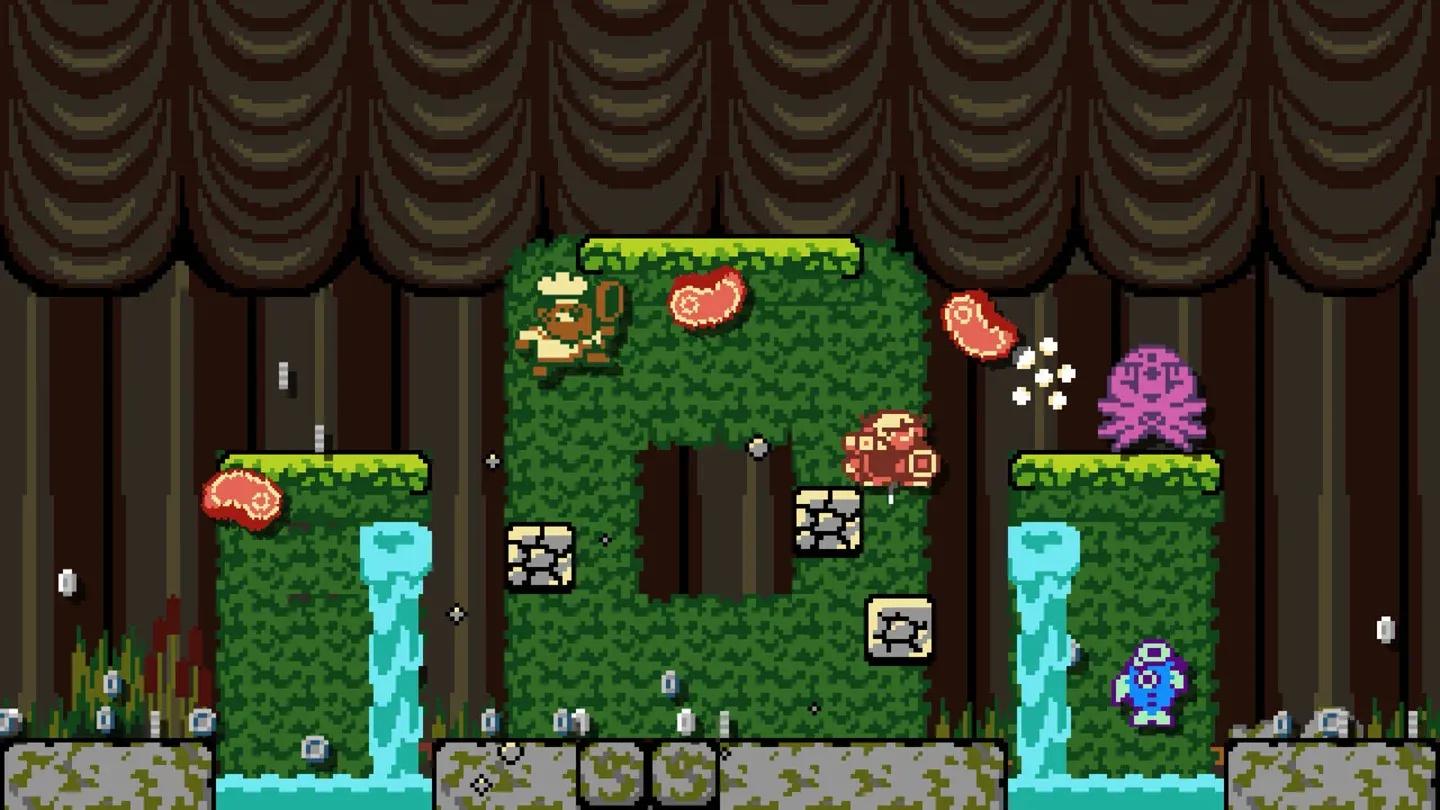
Ghost mechanic in co-op play
Common mistakes that end runs early
- Stopping to fight enemies the scroll will handle. An enemy near the left edge is about to be pushed off. Leave it and keep moving.
- Spreading Shoppe picks across incompatible perks. Three different perk categories make a weak generalist. Pick one direction and stack it.
- Playing ranged at maximum distance. Stars build on hit, not on shots fired. Close the distance until you know your effective range.
- Leaving the ghost unpositioned in co-op. A ghost sitting passively near the scroll edge isn't doing anything useful. Position it proactively.
- Spending every coin on the first Shoppe visit. Later visits can offer better synergies. Banking coins is always an option.
Dark Scrolls doesn't explain most of this before the scroll starts moving. The game expects you to figure it out through runs, which is fine once you know what you're supposed to be learning. For more guides covering the heroes, builds, and zone progression, the The Elder Scrolls V: Skyrim page at GAMES.GG covers deep RPG progression if you want a contrast in how rpg games handle character building versus roguelikes. For more guides on Dark Scrolls specifically, browse the full strategy guides collection on GAMES.GG to keep building your knowledge across the genre.