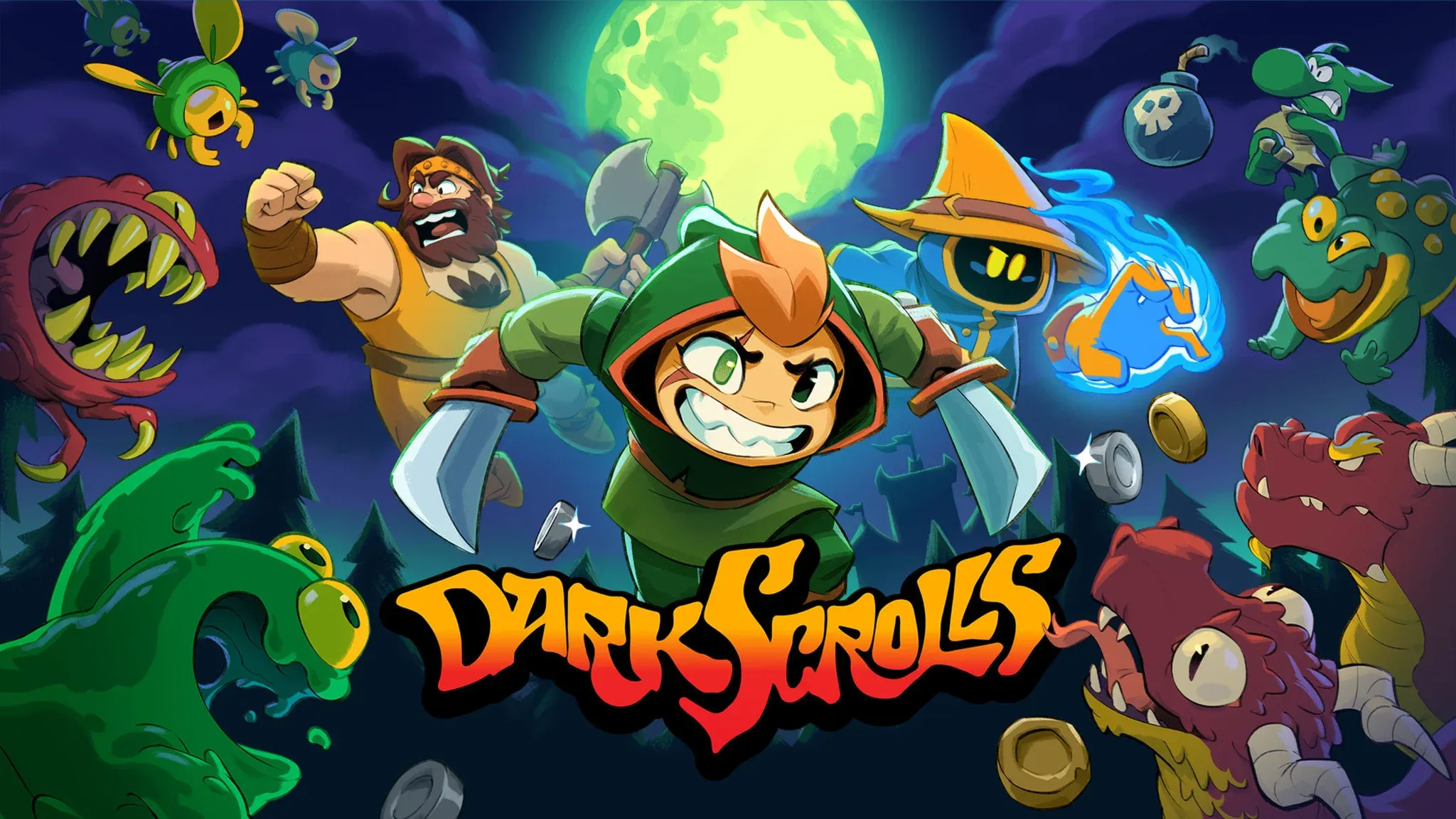

Dark Scrolls, the co-op hack-and-slash roguelike from doinksoft and Devolver Digital, launched June 22, 2026 for $10 and wastes no time explaining itself. The screen starts moving and keeps moving. Your job is to stay ahead of it, hit things constantly, and spend coins on perks that actually match what your hero does. Most first runs end before any of that clicks. These tips exist to make sure yours doesn't.
What does Dark Scrolls actually expect from you?
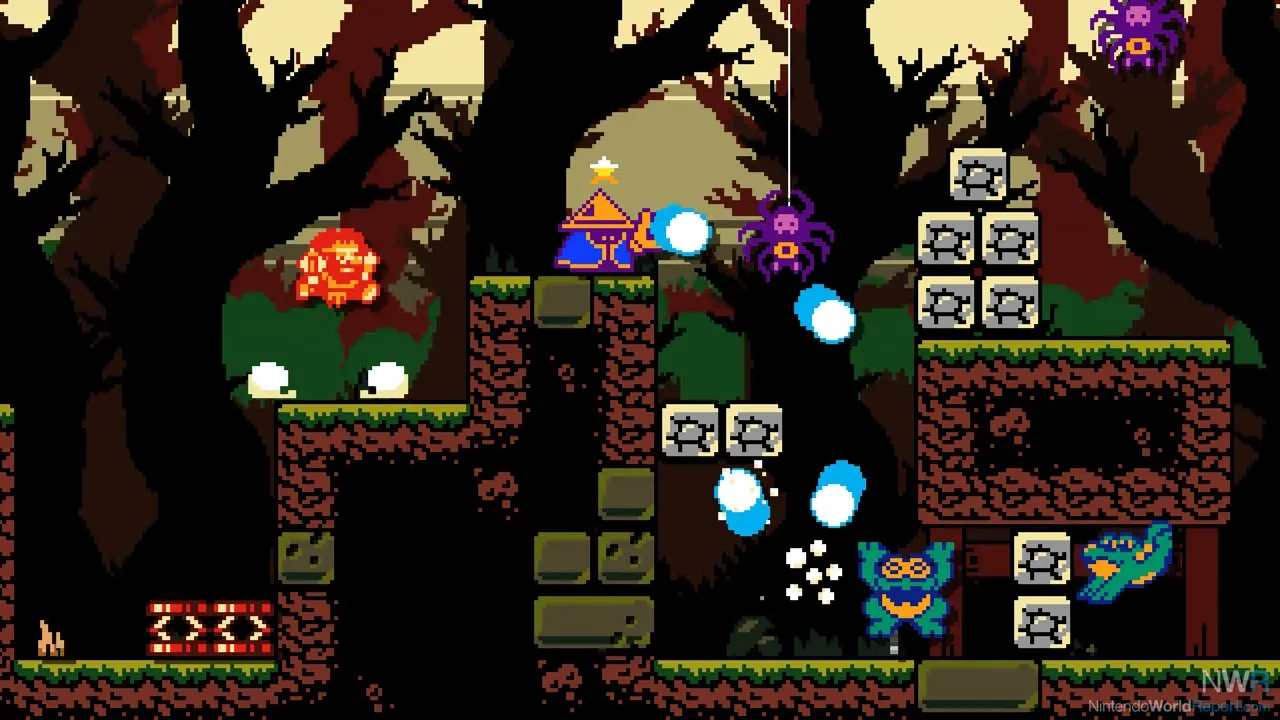
The single most important thing to understand before touching the start button: Dark Scrolls is an autoscrolling platformer before it is a roguelike. The screen moves steadily to the right throughout every level. Fall behind the scroll edge and you die, full stop, no health bar involved. Every other system in the game, the perks, the heroes, the co-op mechanics, sits on top of that core pressure.
This catches players off guard because the chunky pixel art reads as approachable. The difficulty isn't visual noise or fast enemy attacks. It's the scroll itself. Once that registers, the rest of the game starts making sense.
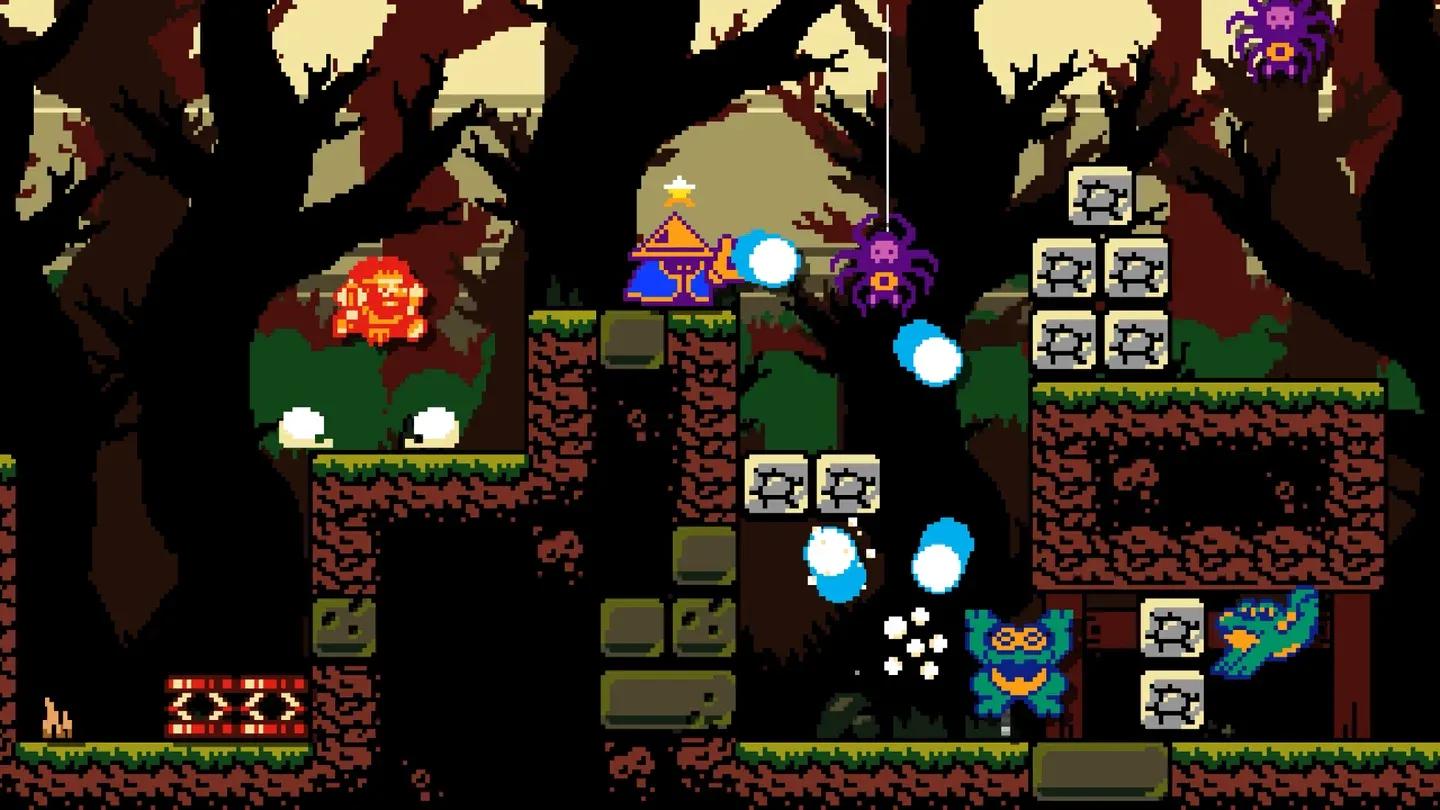
The scroll waits for no one
How does the star meter work?
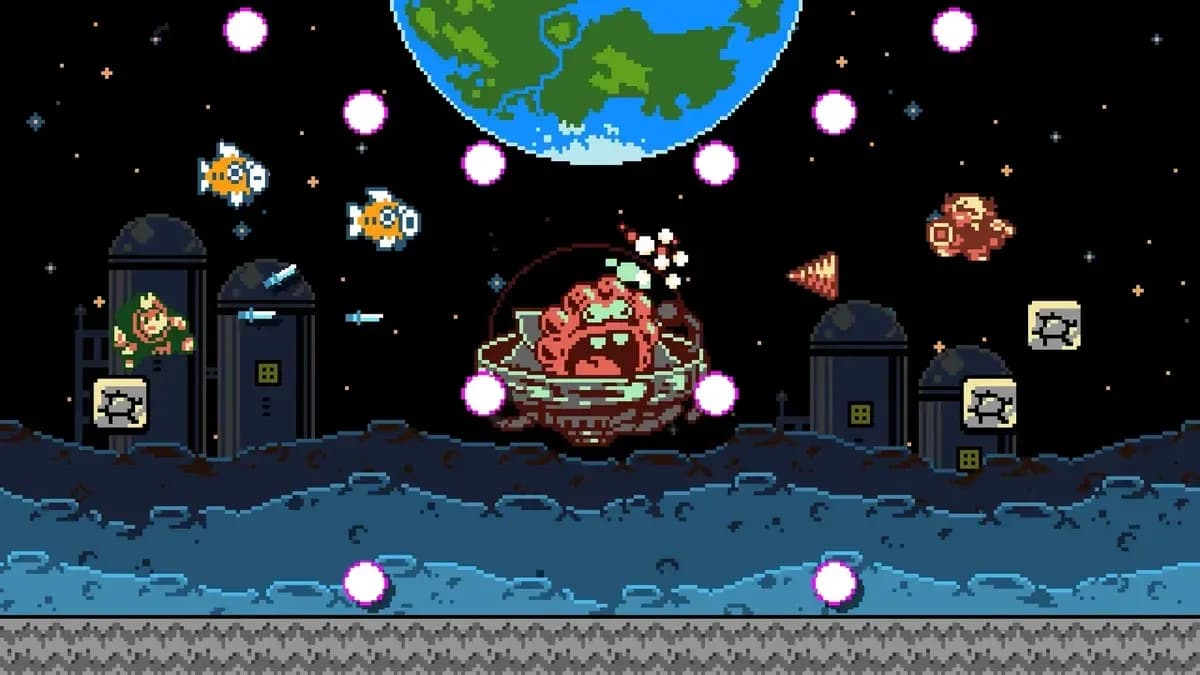
Every hit you land on an enemy pushes your star meter toward five stars. Stars aren't just a score readout. They gate burst attacks and activate perks that are tied to specific star thresholds.
Here's the part the game doesn't explain: perks assigned to a star level only activate when you hit that exact threshold. Drop from four stars to three and the four-star perk goes dark until you rebuild. The meter is volatile by design. One long dodge sequence without attacking can wipe out the buff stack you just assembled.
Three stars is the first meaningful target in most runs. Get there before the first major enemy cluster and you'll have a real sense of what your build is doing.
Aggression is mechanically required here, not just stylistically encouraged. The berserker gets this automatically since melee range forces constant contact. Axe-throwers and arrow-firers need to be deliberate about staying in range rather than playing it safe from a distance.
Which hero should beginners pick first?
All nine heroes have fixed weapon types. You're not constructing a playstyle from nothing each run. You're modifying a fixed one with Shoppe perks. Pick the wrong hero for your instincts and the game feels broken. Pick the right one and the loop clicks immediately.
Grizz is the strongest starting choice. Decent range, solid damage, and a ground pound that comes with generous invincibility frames. Spam the ground pound in tight situations and you'll survive things that would delete other characters. It's forgiving in a way that lets you focus on learning the scroll timing and star meter simultaneously.
The saxophone rat (Nezumi) is unlocked through the gem shop and costs significantly more than the default characters. Its playstyle mirrors the hunting horn from Monster Hunter: notes have spacing that rewards constant forward movement rather than stopping to fire. Once you understand the rhythm it's effective, but it's not a first-run hero.
Biscuit the dog has a curling ball move that's satisfying to use, but the base bark attack is weak until perks stack behind it. Worth trying after you understand the Shoppe system.
| Hero | Weapon Type | Range | Beginner Friendly |
|---|---|---|---|
| Grizz (berserker) | Melee + ground pound | Close | Yes |
| Axe-thrower | Thrown axes (return) | Medium | Moderate |
| Arrow-firer | Arrows (arc trajectory) | Long | Moderate |
| Fireball caster | Magic, area effect | Medium | Moderate |
| Knife hero | Daggers, rapid fire | Close | Moderate |
| Saxophone rat (Nezumi) | Saxophone notes | Medium | No |
| Steak-thrower | Thrown food | Medium | No |
| Biscuit the dog | Bark + curl bounce | Close | Moderate |
Each hero also has personal side objectives visible in the corner of the character select screen. Completing them unlocks character-specific trinkets. The first trinket most heroes unlock is the Heart Pin, which adds two hit points. Equip it before you start a run. The second trinket, Ducky Ducky, makes the star meter automatically build while holding the down button, which changes how aggressively you need to attack to maintain star thresholds.
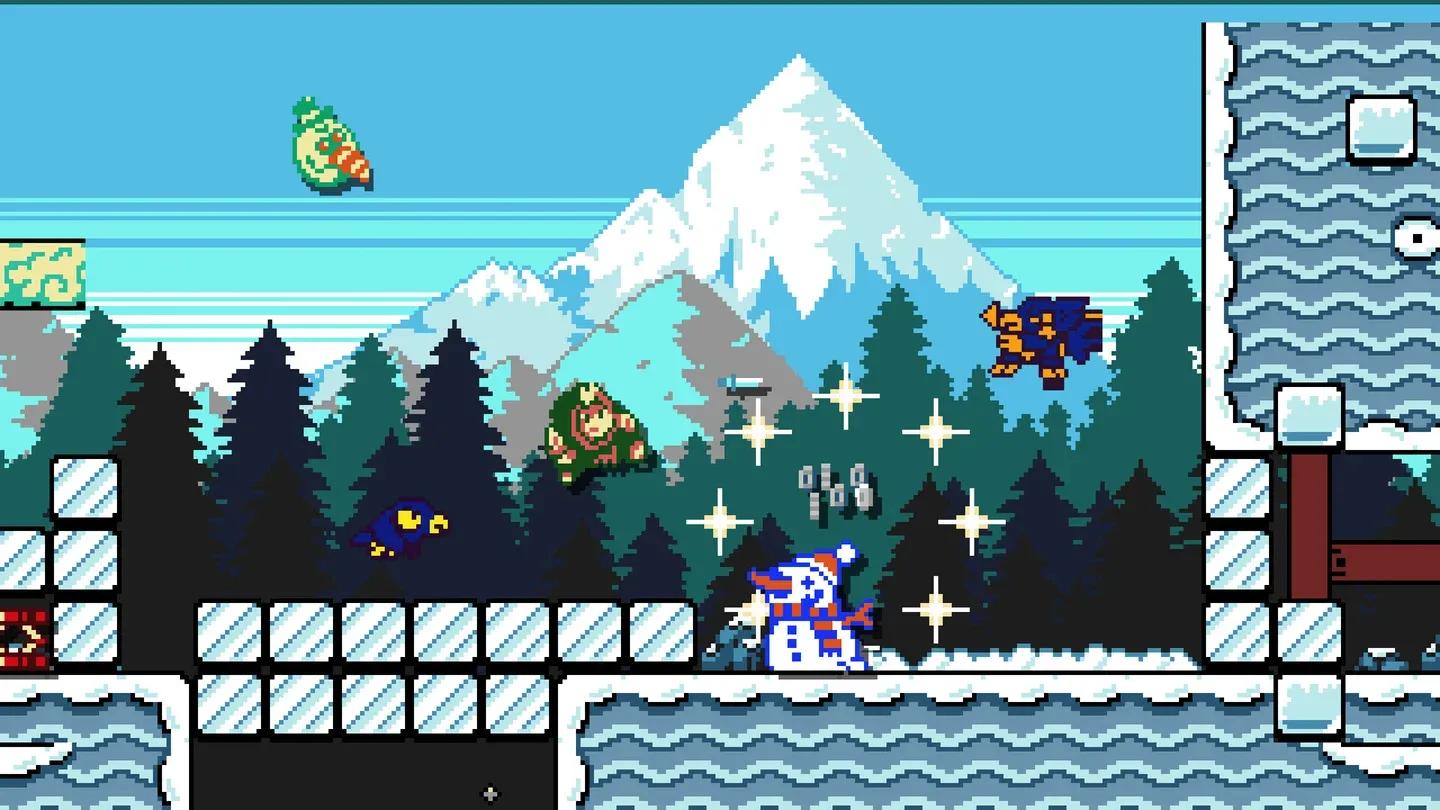
Character select with trinket slots
How should you approach the first three runs?
Starting from zero, the cleanest path to understanding what you're working with is structured deliberately.
Run 1: pick Grizz and don't spend anything. Watch the scroll speed. Learn when enemies spawn relative to your position. Find out where Bruce and Goose's Shoppe appears between stages. Die without spending coins so you have a clean read on the default difficulty. This sounds like a wasted run. It isn't. Two hours of confused spending costs more than one intentional loss.
Run 2: focus entirely on the star meter. Attack everything immediately. Get to five stars at least once and trigger the burst attack so you understand what it feels like. Notice how the meter drops during a long dodge sequence. The rhythm is build-attack-dodge, not dodge-wait-attack.
Run 3: make exactly one Shoppe decision. Pick the perk that most directly matches what your hero already does. Ranged hero gets the projectile modifier. Melee hero gets Thorns or the ally option. Ignore everything else on the list. One coherent perk beats two unrelated ones, every single time.
What does Bruce and Goose's Shoppe actually sell?
The Shoppe appears between stages. You spend coins collected during the run on a rotating selection of perks, attacks, and summoned allies. The list changes between visits, so no two Shoppe stops look identical.
Known perks include Thorns (reflects damage back on hit), Shuriken (fires an extra projectile alongside your main attack), Koi Ploy (adds fish projectiles to your attack), Reverse (alters attack direction or trajectory), and Fat Stack (stacks a coin or stat modifier). The Shoppe's tagline about schooling enemies with fish is accurate. Some perks are genuinely absurd. That's intentional.
The beginner mistake is picking whatever sounds most interesting rather than whatever is most compatible. Shuriken on a knife-thrower stacks cleanly. Shuriken on Nezumi does almost nothing. Compatibility over novelty, every visit.
Allies from the Shoppe follow you through the stage and attack independently, which helps when scroll speed increases. They're not permanent. Budget coins across visits rather than spending everything at the first stop. Later visits sometimes offer better synergies for your specific hero.
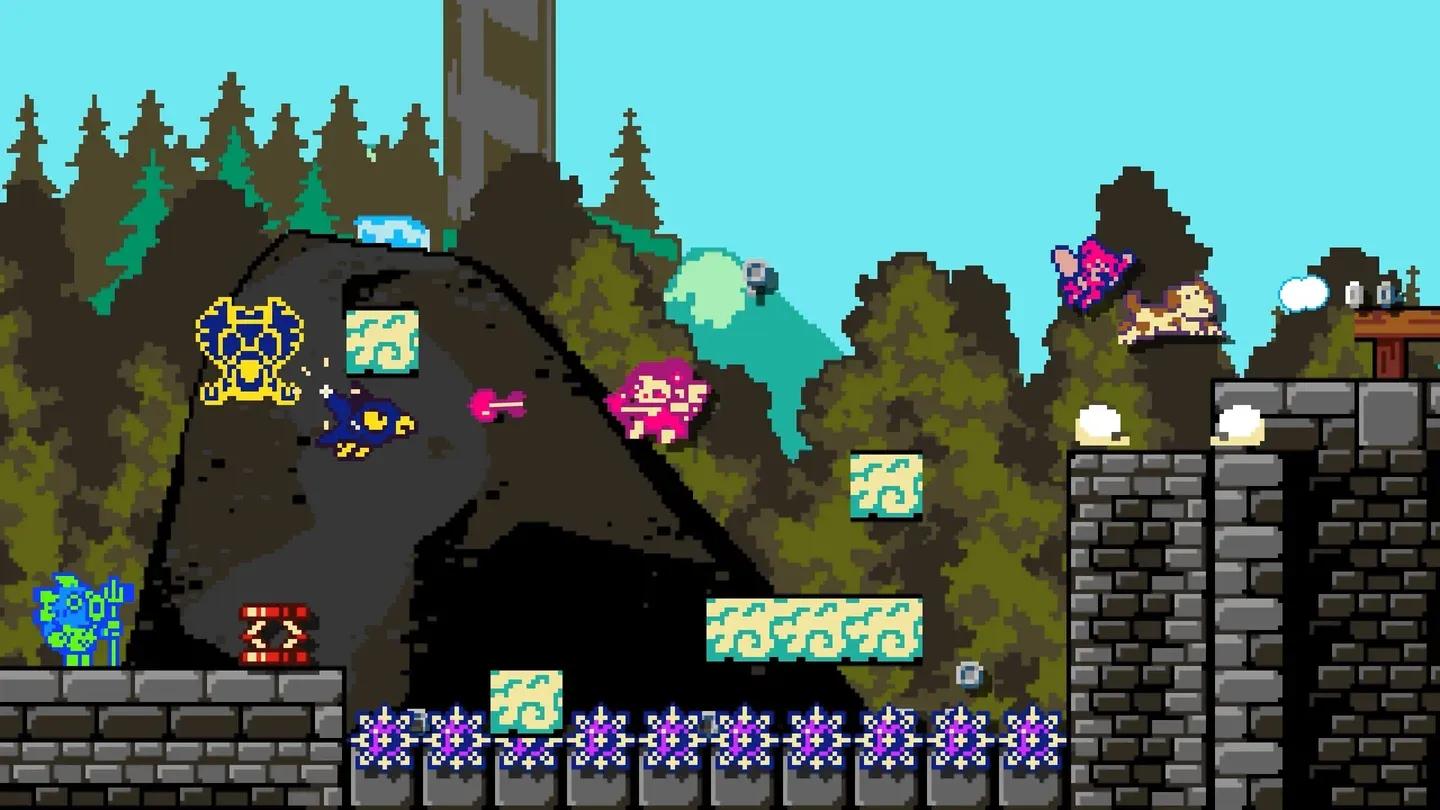
Shoppe perk selection mid-run
How does co-op change the run?
Co-op isn't just a second health bar. The structure of the run changes meaningfully.
When your partner dies, they become a ghost that stays active in the level. The ghost can position itself as a platform for tricky vertical sections and fire weak projectiles that stagger enemies without dealing significant damage. Your partner is still playing and still contributing. It's a better design than most co-op roguelikes manage, because nobody sits watching.
Reviving a ghost costs resources. Spend coins at the Shoppe on a revive option or reach a checkpoint with the ghost still in play. Skipping a Shoppe visit because you feel confident is a co-op-specific mistake. Budget for the revive the same way you budget for allies.
The scroll speed matters more in co-op. A ghost positioned near the left edge is already close to the boundary. Reviving works best when the active player is ahead of the midpoint, not retreating toward the ghost's position.
Watch what your partner buys and build in the same direction. If one player has Thorns and the other has an ally that pulls enemies into melee range, that combination isn't accidental. The Shoppe rewards coordinated builds.
What mistakes end early runs fastest?
After spending time with the scroll system and the Shoppe, these are the patterns that kill runs before they develop:
- Stopping to fight an enemy the scroll will handle. An enemy near the left edge is about to be pushed offscreen. Moving forward costs nothing.
- Playing ranged at maximum distance from the start. Stars build on hit, not on shot fired. Missing from the back of the screen builds zero meter.
- Opening chests at the wrong moment. A chest to the left of your current position requires dropping back toward the scroll edge. Worth it sometimes, fatal if the timing is wrong.
- Spending every coin on the first Shoppe visit. The first list isn't always the best one for your build.
- Leaving the ghost unpositioned in co-op. A passive ghost is wasted. Position it ahead of hard sections or in enemy clusters where stagger helps.
Also worth knowing: the Training Room lets you abuse the Midas and Rapid perk combination to accumulate gold quickly before a run. If you want a head start on coins, that's where to do it.
Does Dark Scrolls have a tutorial?
No formal tutorial exists. The game starts scrolling and expects you to figure it out. The Shoppe NPC delivers one line of dialogue about perks and that's the extent of the in-game instruction. The star system, trinket unlocks, ghost mechanics, and perk compatibility are all left to discovery.
That's partly why the first run tends to end fast and feel confusing. The systems are logical once you understand them. Getting there without a guide requires several failed runs just to observe what's happening.
For more help navigating doinksoft's roguelike, the full The Elder Scrolls V: Skyrim comparison is obvious in name only. Dark Scrolls plays nothing like Bethesda's open-world rpg games despite the naming overlap. The Shoppe system and build stacking are closer to a fast roguelite than any open-world RPG.
For a full library of strategy guides covering similar roguelike and action games, the strategy guides collection has additional resources worth bookmarking alongside this one.