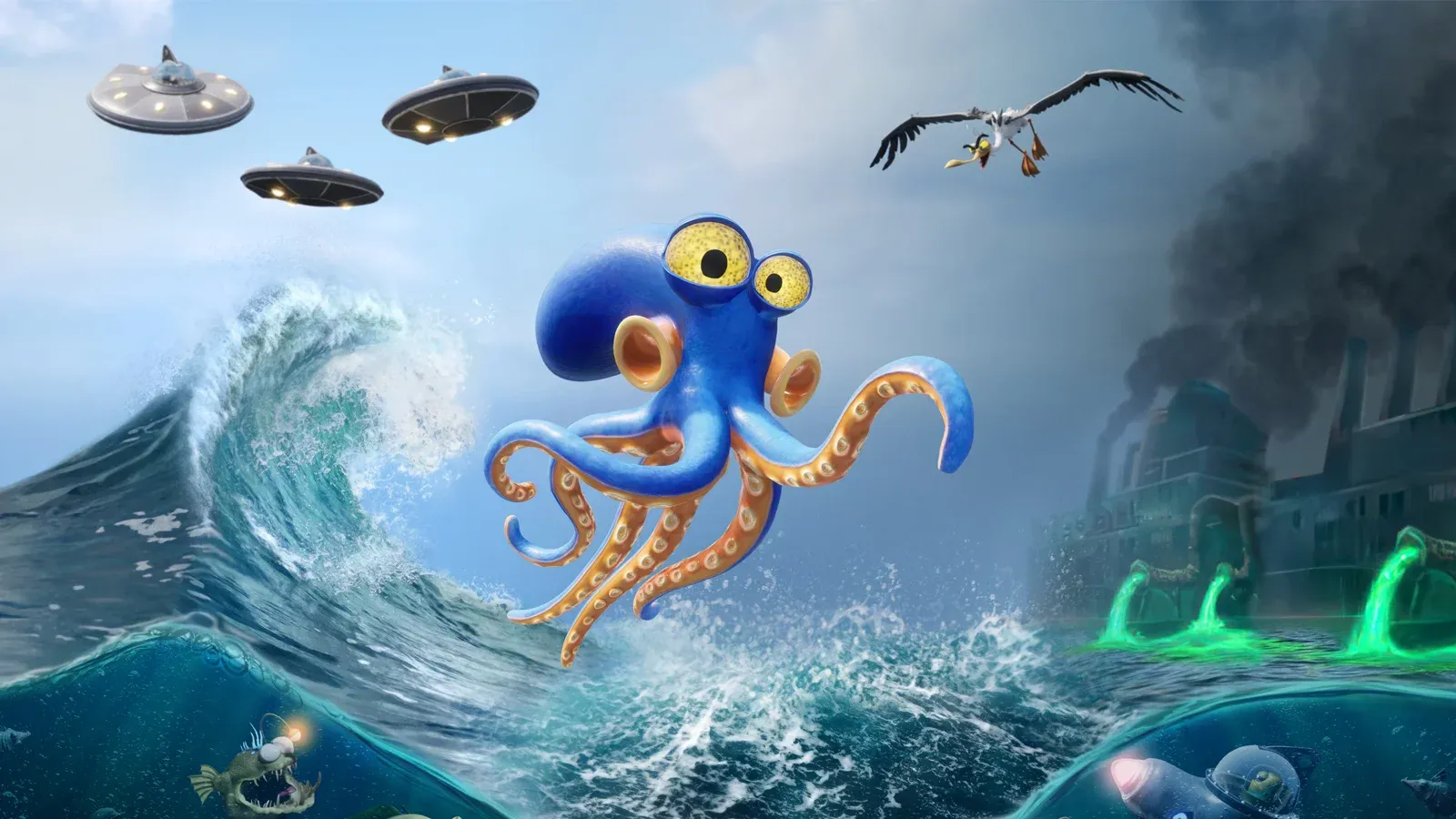


Darwin's Paradox! drops you into the suction-cupped tentacles of Darwin, an octopus snatched by a sinister alien food corporation called UFOOD and desperate to reach the ocean. Built by Paris-based indie studio ZDT Studio and published by Konami, this 2.5D cinematic platformer strips out combat entirely and replaces it with stealth, environmental puzzles, and some of the most expressive character animation you'll see in an indie game. Here's everything you need to know to survive the factory.
What kind of game is Darwin's Paradox!?
Darwin's Paradox! sits firmly in the lineage of Limbo, Little Nightmares, and Inside. It's a side-scrolling platformer where direct confrontation with enemies guarantees death. Every encounter is a puzzle to route around, not a fight to win. The tone mixes genuine darkness with sharp, absurdist humor. Scattered collectibles like alien infographics and corporate memos reveal that UFOOD's plans extend well beyond processed seafood, and the writing earns genuine laughs. A memo explaining that aliens couldn't understand why humans use their feet to reach food rather than their brains is exactly the kind of detail that makes exploration feel worthwhile.
The game runs across PC, PS5, and Nintendo Switch 2, targeting 60 fps on PC and PS5 and a minimum of 30 fps on Switch 2. ZDT Technical Director Simon Jambu detailed these targets in developer materials.
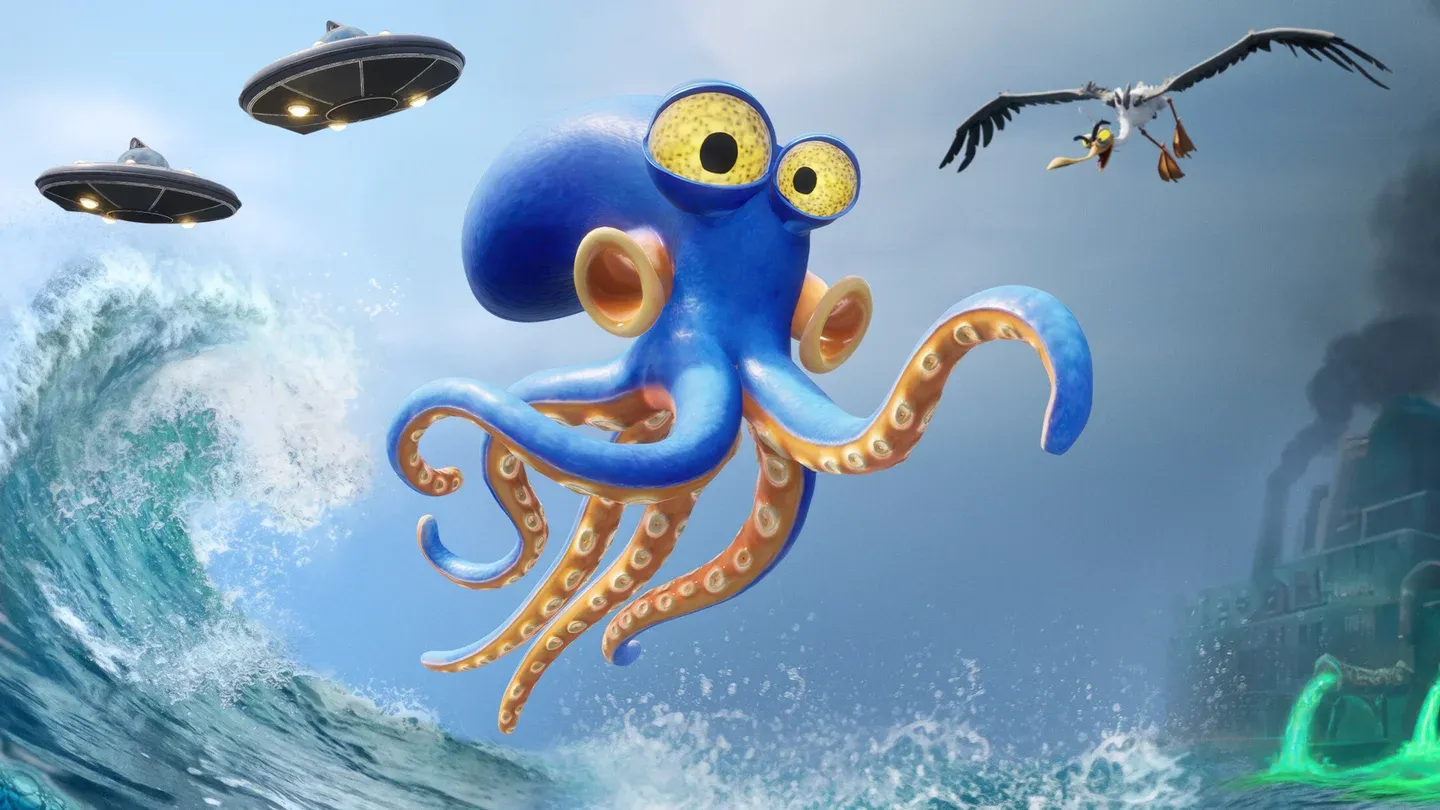
Darwin's camouflage in action
How do Darwin's core abilities work?
Darwin has four abilities that define how you interact with every level. Understanding each one and knowing when to switch between them is the difference between a clean run and a frustrating restart.
Climbing and traversal
Climbing is Darwin's most fundamental skill. Darwin can scale surfaces with 360 degrees of freedom, clinging to almost any shape in the environment. This isn't just wall-jumping: Darwin wraps around objects, slips through tight gaps, and repositions mid-surface. The traversal system was built using Unreal Engine 5's Blueprint visual scripting, which allowed the team to prototype and iterate rapidly on how the movement felt before locking it in.
The controls themselves are intentionally simple. Two inputs cover movement and jumping, but precision matters a great deal in later sections. Expect to retry segments where the game demands exact timing across multiple mechanics simultaneously.
Camouflage: your primary stealth tool
Camouflage lets Darwin blend into his surroundings to slip past patrols undetected. ZDT built this by capturing the surrounding environment and reprojecting its textures directly onto Darwin's skin using Unreal Engine's material system and render targets. The result is that Darwin doesn't simply turn transparent; he reflects the world around him, which looks convincing and feeds naturally into the stealth loop.
The team had internal debates about whether camouflaged Darwin should still cast a shadow and what enemies should actually perceive, so expect the ability to have real limitations rather than being a simple invisibility toggle.
Ink: creating opportunities
Ink operates differently from camouflage. Rather than concealing Darwin, it creates windows of opportunity by temporarily blinding cameras or guards. The ink system also has a physics component: it has predictable ballistic movement, behaving differently in water versus open air. You can shoot ink into background objects to trigger interactions, which opens up puzzle solutions that aren't immediately obvious from the foreground plane.
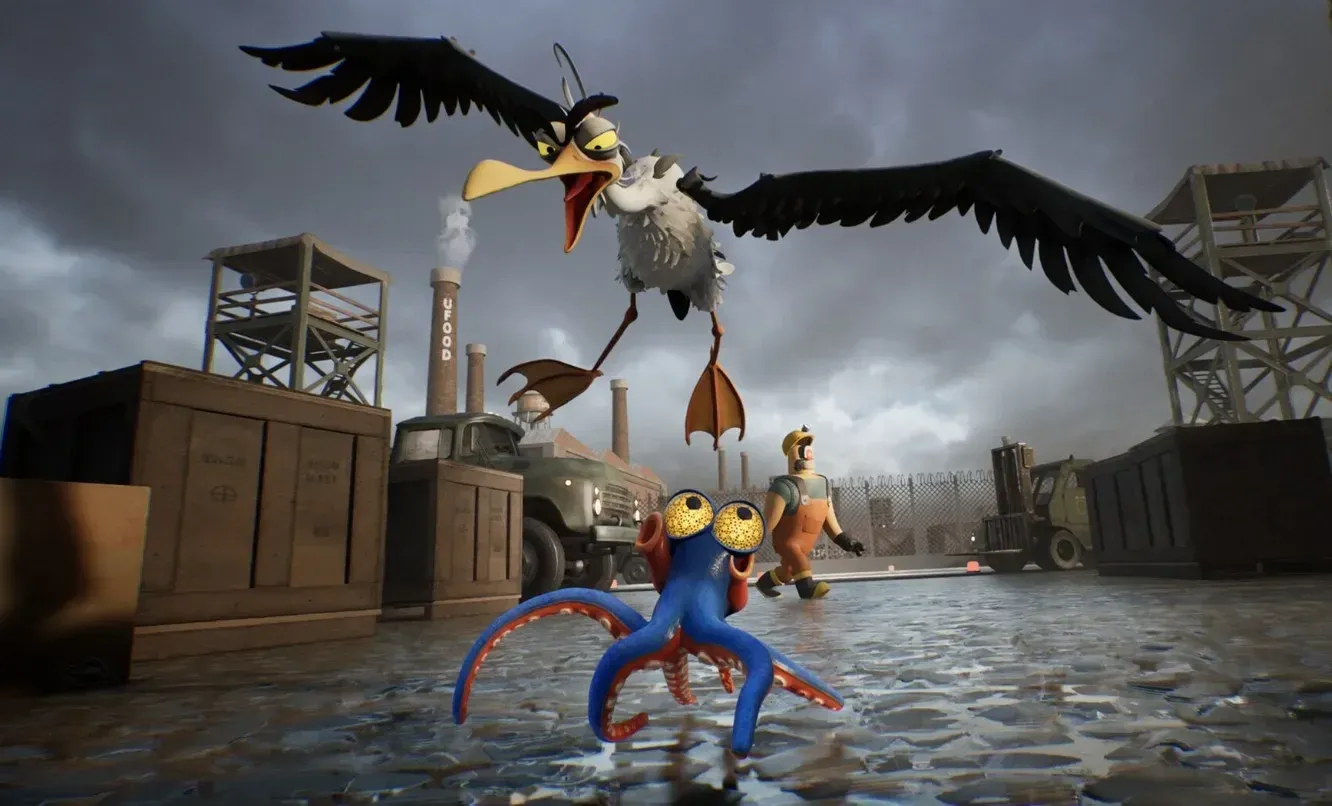
Ink blinds cameras and guards
Swimming
Swimming gives Darwin a natural advantage in flooded sections and opens routes that land-based enemies can't follow. The water visuals were a deliberate technical challenge for the team, who needed to balance cinematic quality with the performance constraints of console hardware, particularly the translucency layers involved.
What enemies will you face?
The factory's different zones each introduce their own threats, with three main enemy types across the environments.
Each zone effectively resets the rules of engagement. The seagull sections punish players who stay exposed in open areas, while the rat sections in the sewers are more aggressive pursuit scenarios. The alien guards inside the factory are where camouflage and ink get their heaviest use.
How do you handle the difficulty spikes?
Darwin's Paradox! has stretches of smooth, manageable challenge followed by walls that halt progress suddenly. Some of these difficulty spikes are fair tests of skill. Others demand near-surgical precision with multiple mechanics active at once.
After working through the tougher sections, a few patterns emerge that help:
- Watch full patrol cycles before moving. Guards and cameras have set routes. Rushing after a partial cycle is the most common cause of restarts.
- Use ink proactively, not reactively. Firing ink before a guard turns toward you gives you the full blind duration to move. Firing after you're spotted is almost always too late.
- Camouflage has limits. The ability isn't a complete solution. Enemies have defined detection states, and moving too quickly or into a direct line of sight while camouflaged can still trigger detection.
- Explore every area before committing to a solution. Collectibles like posters and newspaper clippings are scattered throughout, and the same corners that hide lore often hide alternate routes.
For a deeper breakdown of story context, mechanics, and what to expect from the demo, the complete Darwin's Paradox guide at The Experiment covers the full picture from release details through practical tips.
What's the biggest technical issue to know about?
The lighting. Certain areas go so dark that the level geometry becomes unreadable, leaving players moving blind with only Darwin's glowing eyes as a reference point. This has pushed players to raise brightness beyond the recommended calibration level just to parse the puzzle layout in front of them.
ZDT made a deliberate choice to minimize on-screen UI to preserve the cinematic feel, which Creative Art Director Mika Tanguy confirmed in developer materials. Darwin's animations, color feedback, and eye glow carry the information load that a health bar or alert icon would normally handle. That philosophy works beautifully in well-lit sections and breaks down in the darkest areas.
How long is Darwin's Paradox! and is it worth replaying?
A standard playthrough runs close to 6 hours. Testing shows only a single noticeable frame drop during a large explosion across that runtime, which speaks to solid optimization given the visual ambition involved.
Replayability comes from collectibles and stealth refinement rather than branching paths. The lore collectibles (infographics, posters, clippings) fill out the UFOOD world-building and are genuinely funny in the way ZDT intended, drawing on the absurdist humor the team cites from sources like Oddworld: Abe's Odyssey and classic LucasArts point-and-clicks. Revisiting levels with a full understanding of the patrol systems also lets you execute cleaner runs.
The soundtrack is worth mentioning separately. It's a jazz and ambient blend that adapts to each environment, and the composition quality is high enough that it feels like it exceeds the game's own ambitions. That's a strong endorsement for playing with headphones.
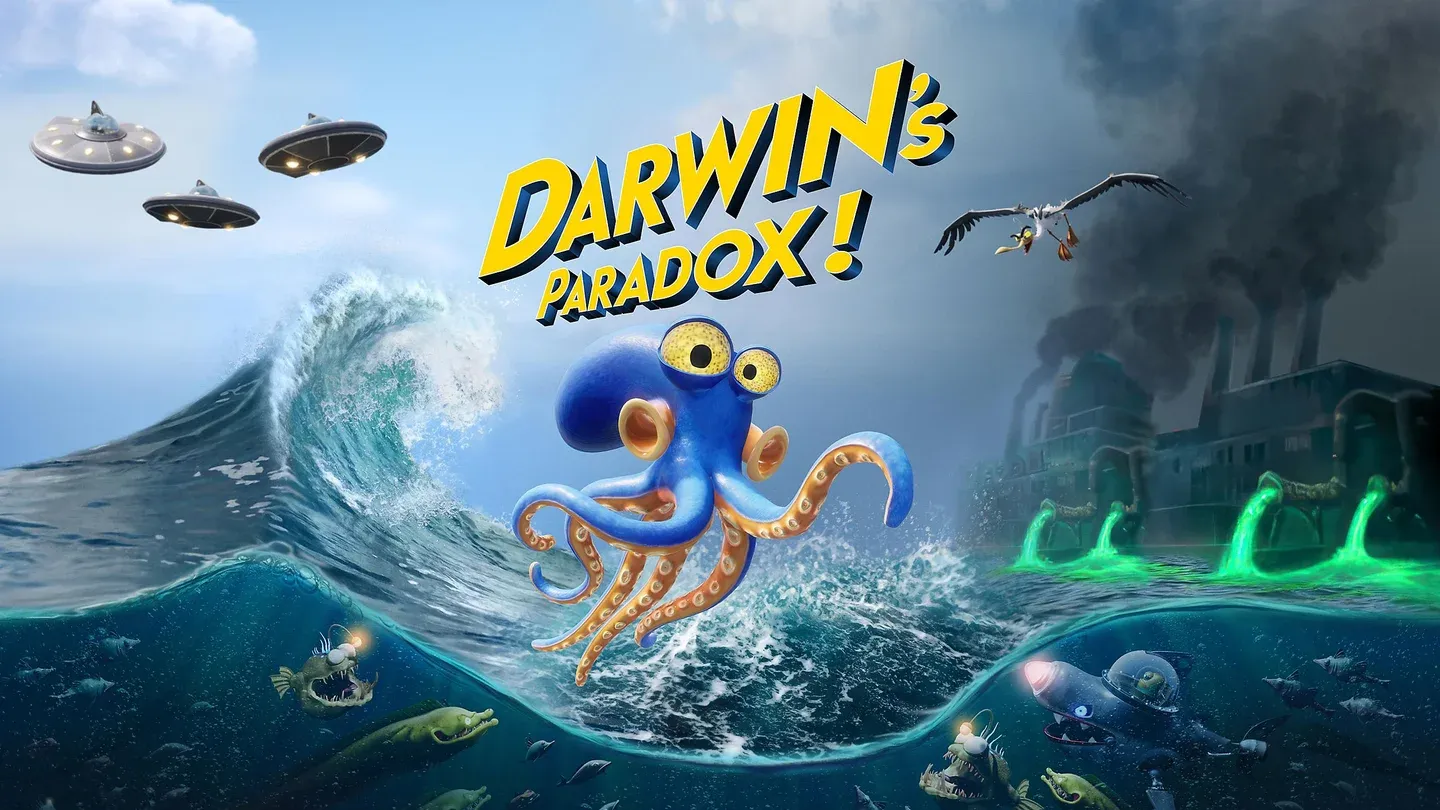
Lighting calibration affects visibility
What makes Darwin's Paradox! worth your time?
ZDT Studio built this game with a 15-person team drawing on backgrounds in film, animation, and VFX, and that shows in the production values. The cinematic camera work, the transitions between gameplay and cutscenes, and the absence of HUD clutter all serve a coherent vision. For a deeper look at how the studio approached the design, the ZDT Studio developer interview at 80.lv covers their thinking on environmental interaction, stealth design, and the influences that shaped the game.
The frustrating difficulty spikes and the lighting issues are real problems, not minor quibbles. But the core stealth loop, the alien-corporate world design, and the soundtrack make a strong case for pushing through them. For a debut title from a small indie studio, Darwin's Paradox! lands more than it misses.
For more guides covering new releases across every platform, browse the latest at GAMES.GG.