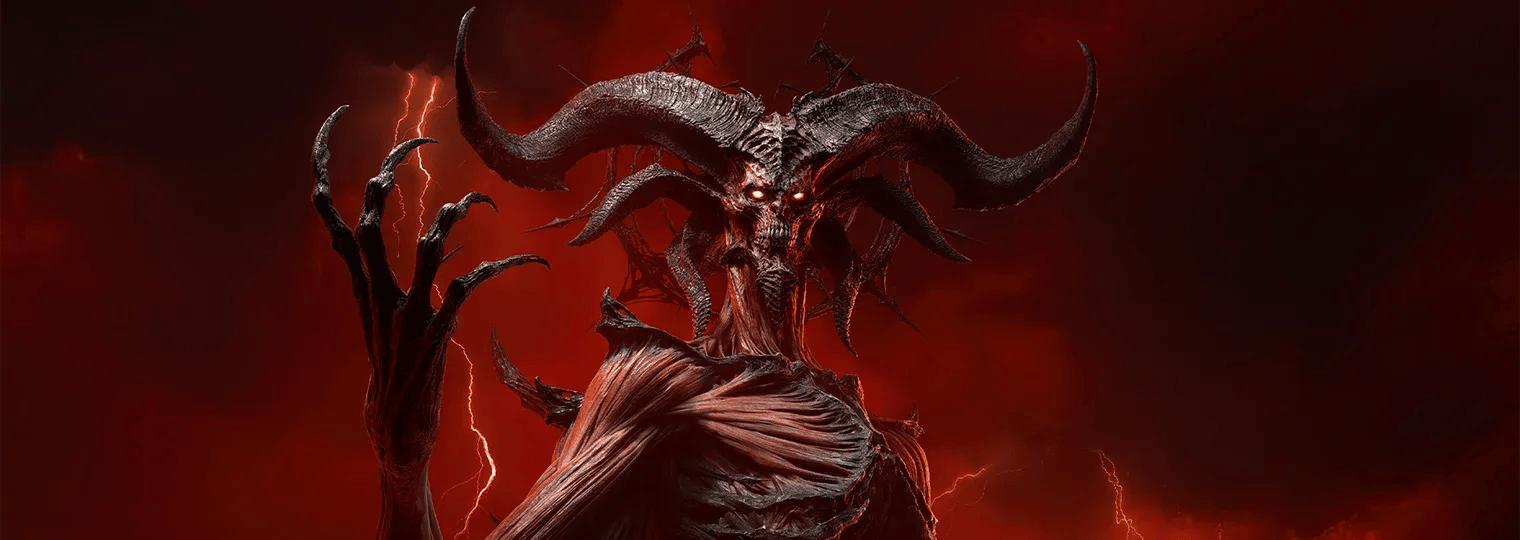

What is the Lord of Hatred expansion?
Diablo 4's second major expansion, Lord of Hatred, released on April 28, 2026, and it changes more about the game than any single season has managed. Two new playable classes, a brand-new region in the Skovos Isles, a complete skill tree overhaul for every existing class, and a stack of new endgame systems all land at once. If your Season 12 builds felt solid, expect them to need rebuilding from scratch. The expansion also brings back a beloved Diablo II system in the Horadric Cube, introduces Talismans that restore set bonuses to the game, and adds War Plans as a structured way to chain endgame activities together. This guide covers everything you need to get started and hit the endgame running.
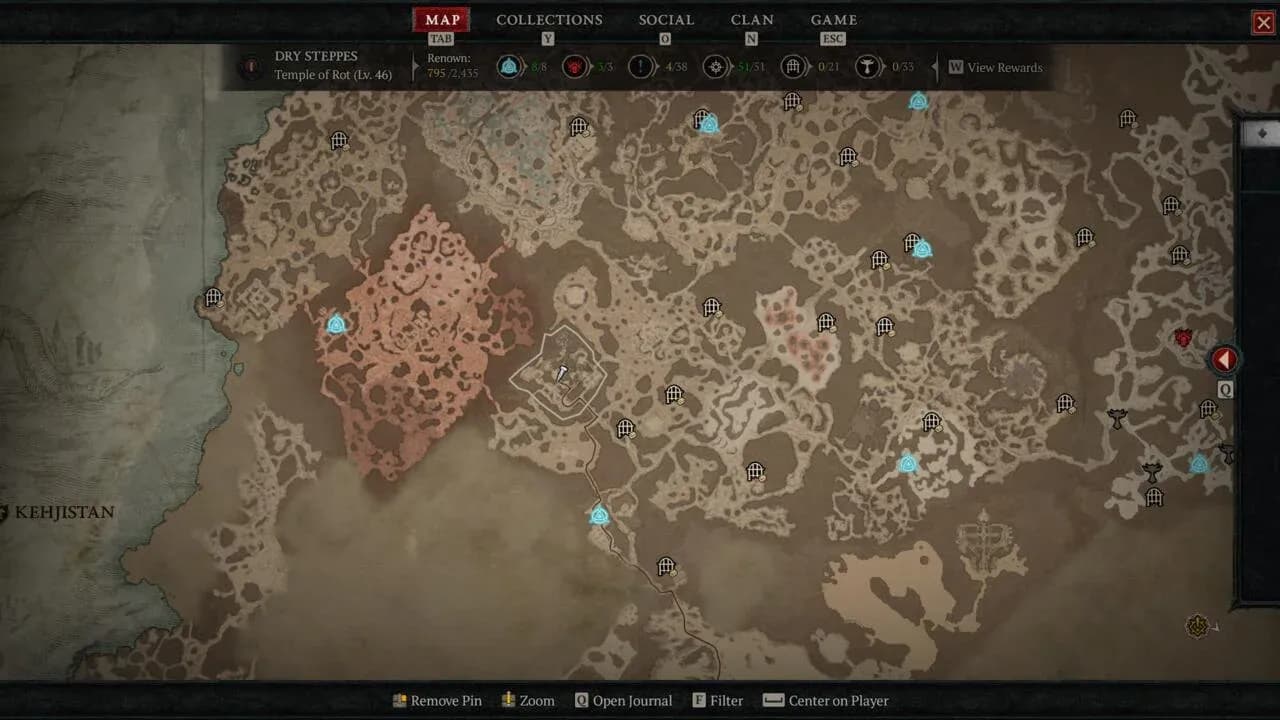
Fields of Hatred zone layout
What editions are available and what do they cost?
The Lord of Hatred expansion page lists four purchase options:
Players who don't own the base game should go straight to the Age of Hatred Collection. The Standard edition is the smart pick if you already own Diablo 4 and Vessel of Hatred separately. Vessel of Hatred is included in all Lord of Hatred bundles, so you don't need to buy it separately.
The two new classes: Warlock and Paladin
Warlock
The Warlock is the expansion's brand-new class and the first in Diablo 4 to wield the powers of the Burning Hells directly. Blizzard's expansion content description confirms Warlocks can summon demon hordes, dominate enemies through fear, cast rites and rituals, or transform into a demon form entirely. The class sits at the intersection of summoner and caster, with a unique Soul Shards mechanic governing its specialization. The Warlock Blazing Scream build is currently recommended as a leveling option, while the Screaming Abaddon build targets endgame content in Season 13.
Paladin
The Paladin returned during Season 11 Early Access and is now fully available to all Lord of Hatred players. A returning class from Diablo II, the Paladin uses light-based attacks and fanatical Zealotry to tear through demons. Its Oath system governs its specialization mechanics. For leveling, the Blessed Hammer build remains a strong starting point, with the Arbiter and Judgement variants scaling into endgame.
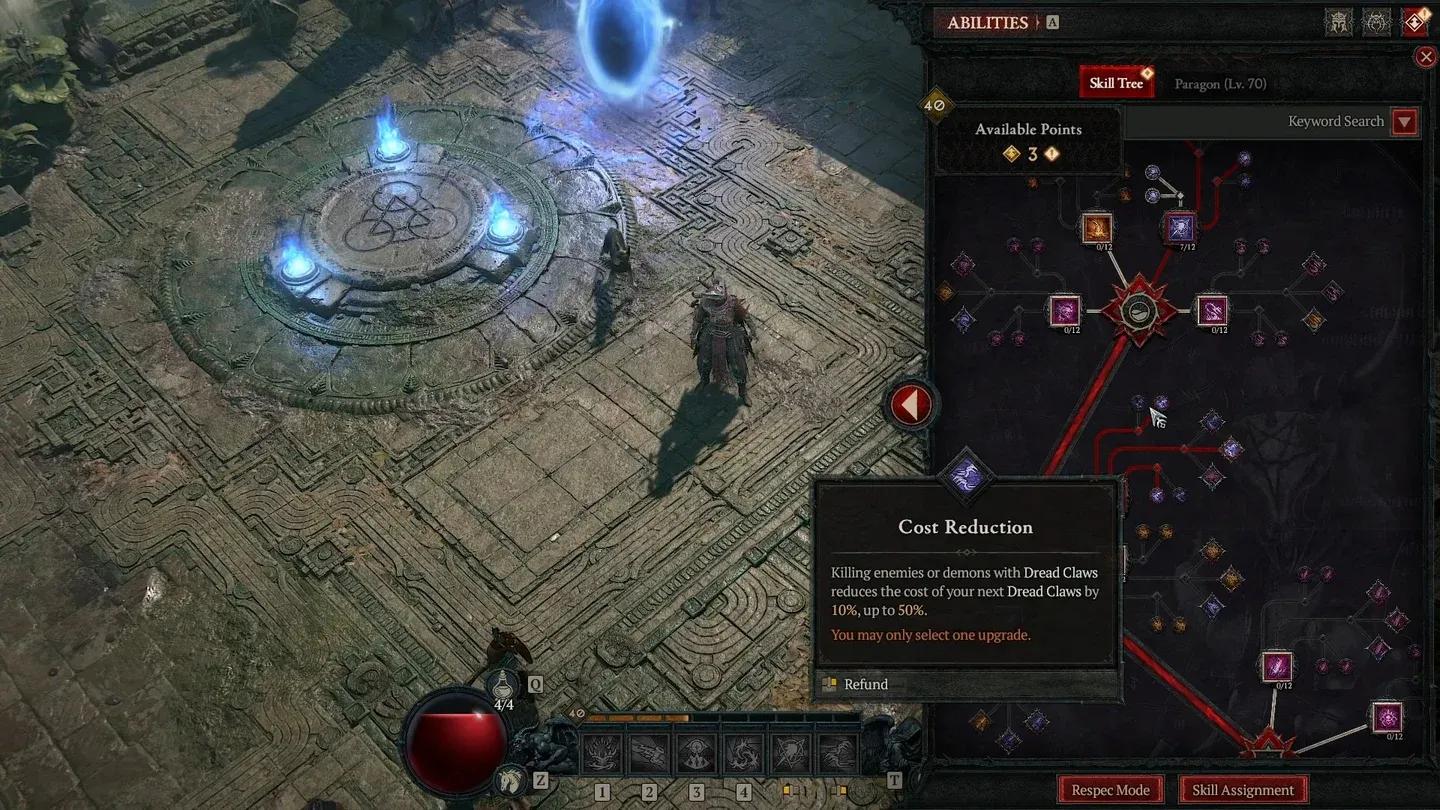
Warlock demon form ability
How does the Talisman system work?
Set Bonuses return to Diablo 4 through Charms, which are equipped via the new Talisman system. You unlock charm slots by equipping Seals, then slot Charms into those spaces to activate their effects. Charms drop across all difficulty levels with varying modifiers and rarities, so they're relevant from the moment you start leveling through to deep endgame farming. This is the first time set-style bonuses have appeared in Diablo 4, and they add a meaningful new layer to build construction.
What does the Horadric Cube do?
The Horadric Cube returns from Diablo II as a Horadric artifact that lets you add, remove, and reroll affixes on your gear. The goal is giving players a path to the perfect item roll rather than relying purely on drop luck. Tuning Prisms, obtained through activities like the Kurast Undercity with max Attunement, are one of the key crafting resources the Cube consumes. Getting comfortable with the Cube early pays off significantly once you're pushing endgame content.
How do you start the Lord of Hatred campaign?
Finishing Vessel of Hatred first is strongly recommended. Lord of Hatred's story is a direct continuation of that expansion's Mephisto storyline arc. Jumping in without that context means missing significant narrative setup.
The campaign spans six chapters and takes you through the Skovos Isles, home of the Askari, a matriarchal Amazon society. You're accompanied by Lorath through most of the journey, working to stop Mephisto by recovering pieces of Lilith's Blade, acquiring the Horadric Cube from a vault secured by four Horadric Sigils, and ultimately confronting Mephisto himself in Chapter 5. The final chapter, "And the Chains Fall Away," sends you to burn down the Tree of Whispers in Hawezar.
Lord of Hatred chapter overview
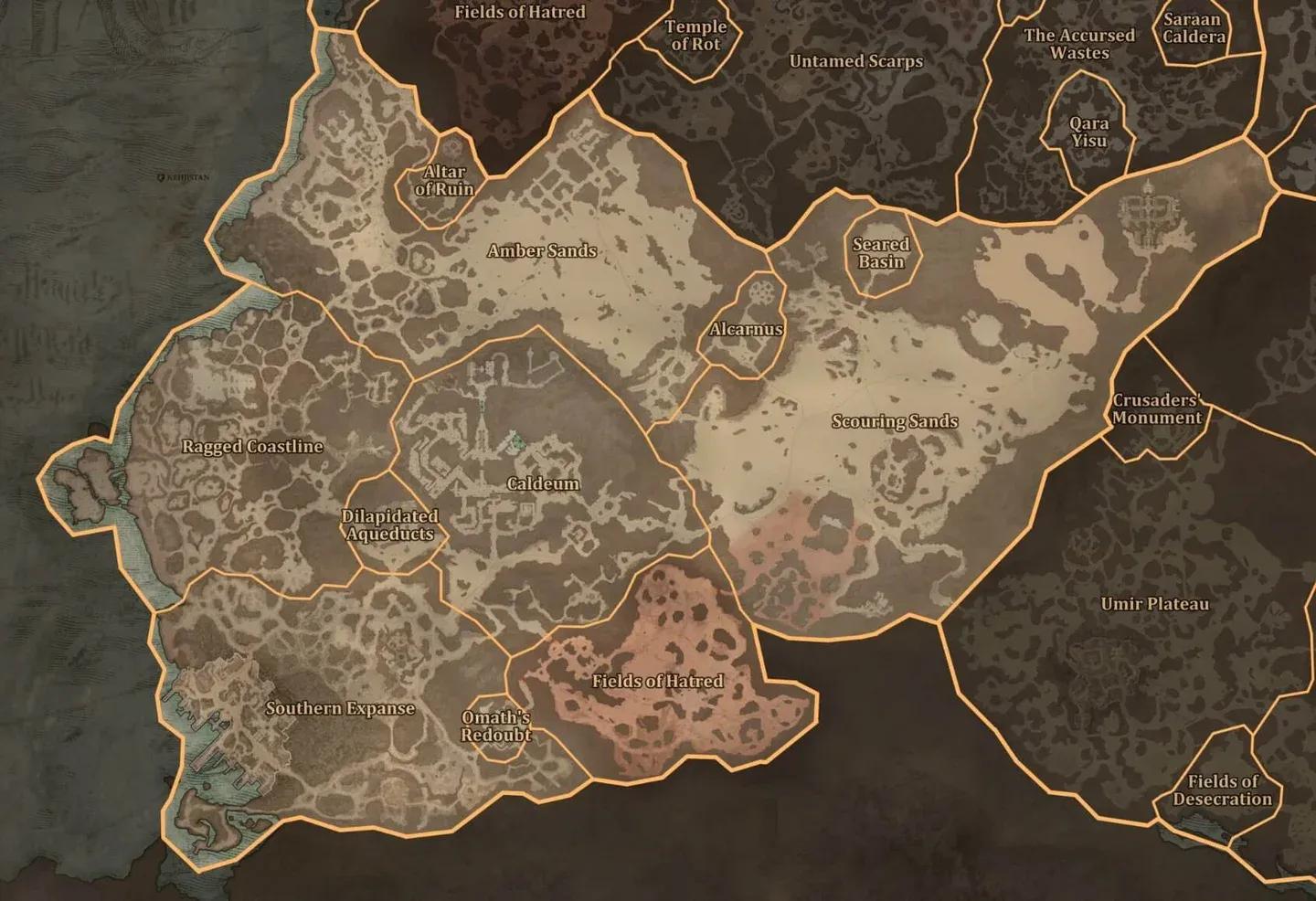
Skovos Isles region map
What are War Plans and how do they work?
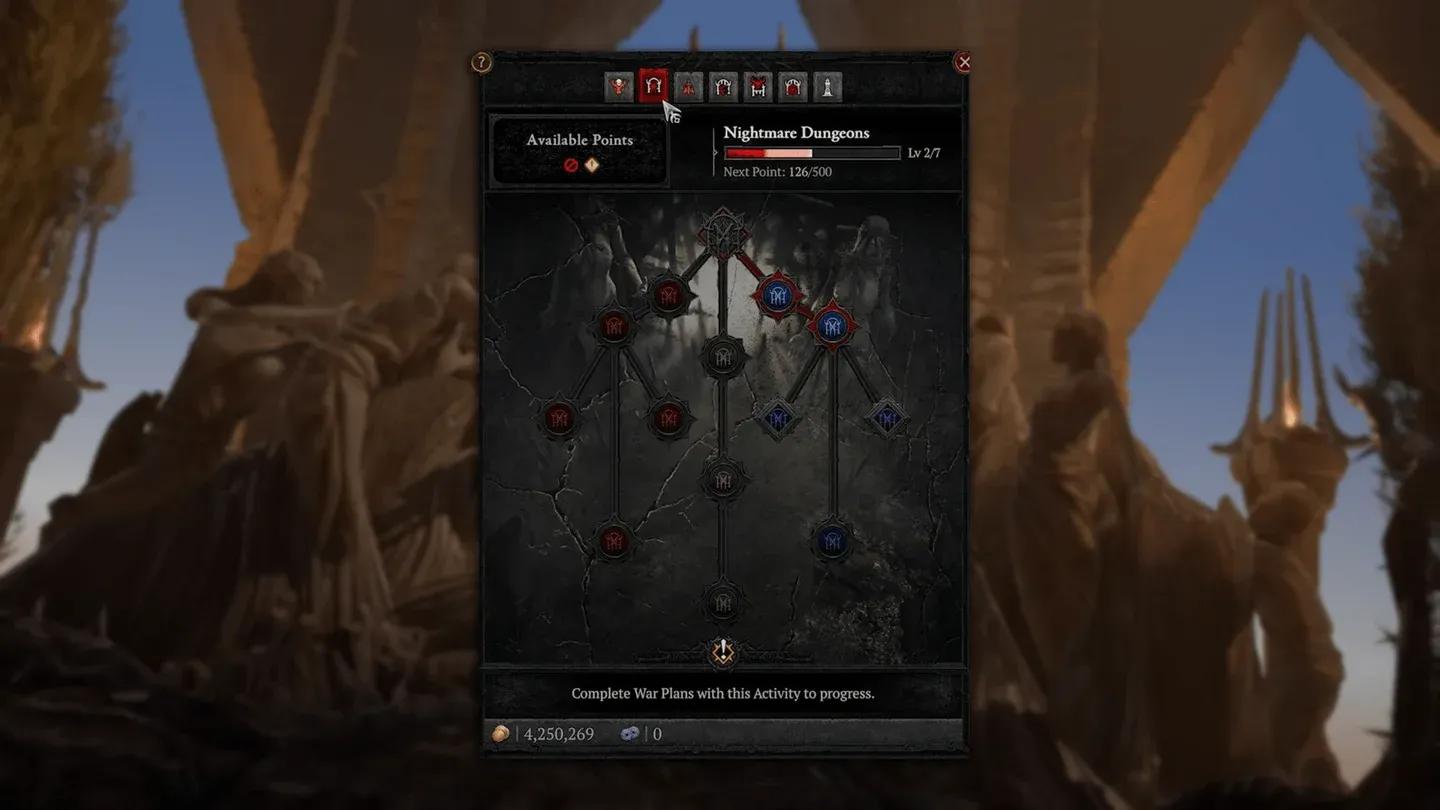
War Plans are Lord of Hatred's new endgame activity system, unlocked after completing the expansion campaign. You access them via the Command Table in Temis, the main city of the Skovos Isles. The core idea is simple: instead of jumping between activities randomly, you build a planned chain of runs, complete them in sequence, and claim a War Chest at the end.
War Plans support the following activities:
- Nightmare Dungeons (Glyph progression, steady XP)
- Helltides (Open-world farming, event density)
- Kurast Undercity (Tribute-based farming, reward control)
- Lair Bosses (Unique drops, targeted loot)
- Infernal Hordes (Wave-based farming, chest rewards)
- The Pit (Build testing, late-game upgrades)
- Tree of Whispers (Overlapping progression with other activities)
Completions earn Activity Points for each activity type. Those points feed into individual Activity Skill Trees, each offering 7 points to allocate across passive upgrades that shape how future runs of that activity play out. Clearing a Helltide War Plan, for example, grants 50 XP toward the Helltide activity tree specifically.
What are the best Activity Skill Tree nodes?
Here are the standout picks per activity:
- Helltides: Wretched Vermin — Spawns demonic rats that drop Cinders, maximizing chest runs.
- Kurast Undercity: Finely Tuned — Extra Tuning Prisms on max-Attunement clears, funding Horadric Cube crafting.
- Nightmare Dungeons: Goblinfall — Guarantees a Treasure Goblin spawn, high loot drop potential.
- Nightmare Dungeons: Greed is Good — Slain Goblins can open a portal to Goblin's Retreat, a secret area packed with Goblins.
- Lair Boss: Lair of Runes — Higher chance to drop specific Runes for crafting powerful skill combinations.
- The Pit: Choron's Blessing — Grants +1 Glyph Upgrade Chance per Pit completion.
- The Pit: Choron's Haste — Grants +1 Glyph Upgrade Chance per 5 minutes remaining on the timer, rewarding fast clears.
- Tree of Whispers: Resplendent Favors — Each Whisper Cache has a chance to drop a Resplendent Spark, required for crafting Mythic Uniques.
- Infernal Hordes: Council Coffers — A Chest of Talismans appears after defeating The Council or Bartuc, making Infernal Hordes a reliable Talisman source.
Best War Plans routes
The best chain depends entirely on your current goal:
For the Fields of Hatred PvP zone specifically, the game's existing PvP system runs independently from War Plans. You can check the full Diablo 4 PvP guide covering how the Fields of Hatred zone works for a breakdown of the Seeds of Hatred and Mark for Blood mechanics that govern that content.
War Plans Command Table in Temis
What endgame systems changed with Lord of Hatred?
The Pit received a full overhaul: rebuilt floor generation for smoother progression, new environments pulled from past seasons, unique layouts exclusive to the Pit, and the removal of death and resurrection penalties. The addition of pit depths and spawn tuning makes runs faster and more action-focused than before.
The Tower now includes the Artificer's Stash, which provides Artificer Caches containing gear with guaranteed greater affixes, currency, and lore books. These caches are exclusive to Tower progression. The Build Viewer feature lets you inspect the builds of top Tower leaderboard clears, giving you a direct window into what's performing best each season.
Leaderboards now always start on a Thursday (PT) beginning with Season 13, giving Blizzard time to address post-patch issues before competition begins.
Loot filters have also been added as a long-requested quality-of-life feature. You can highlight items by stat thresholds, hide item text, and share filter configurations with other players. The full list of changes includes itemization adjustments, Legendary Aspect updates, and rune rebalancing across all activities.
What should you do first when starting Lord of Hatred?
Four priorities in order:
- Pick an updated build. The skill tree overhaul affects every class. Old Season 12 setups won't function correctly.
- Start on Normal difficulty. The progression system changes are significant enough that jumping into harder content immediately puts you at a disadvantage.
- Engage with the Talisman system early. Charms drop at all difficulty levels, so there's no reason to delay slotting them.
- Unlock the Horadric Cube during Chapter 4. The Cube becomes available after completing the First Vault sequence, and it's the most powerful item-crafting tool in the expansion.
For more Diablo 4 content covering builds, classes, and seasonal mechanics, browse the latest gaming guides at GAMES.GG.