Overview
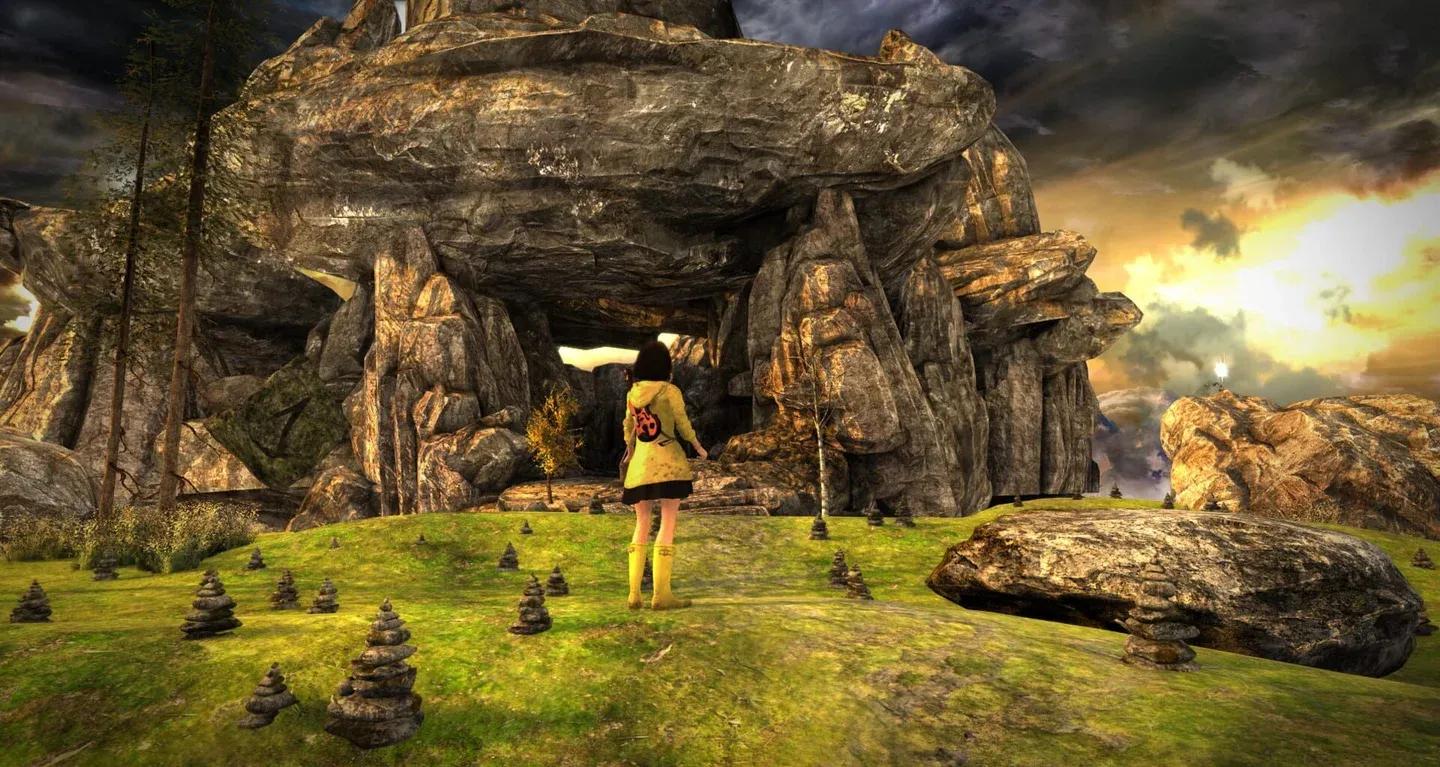
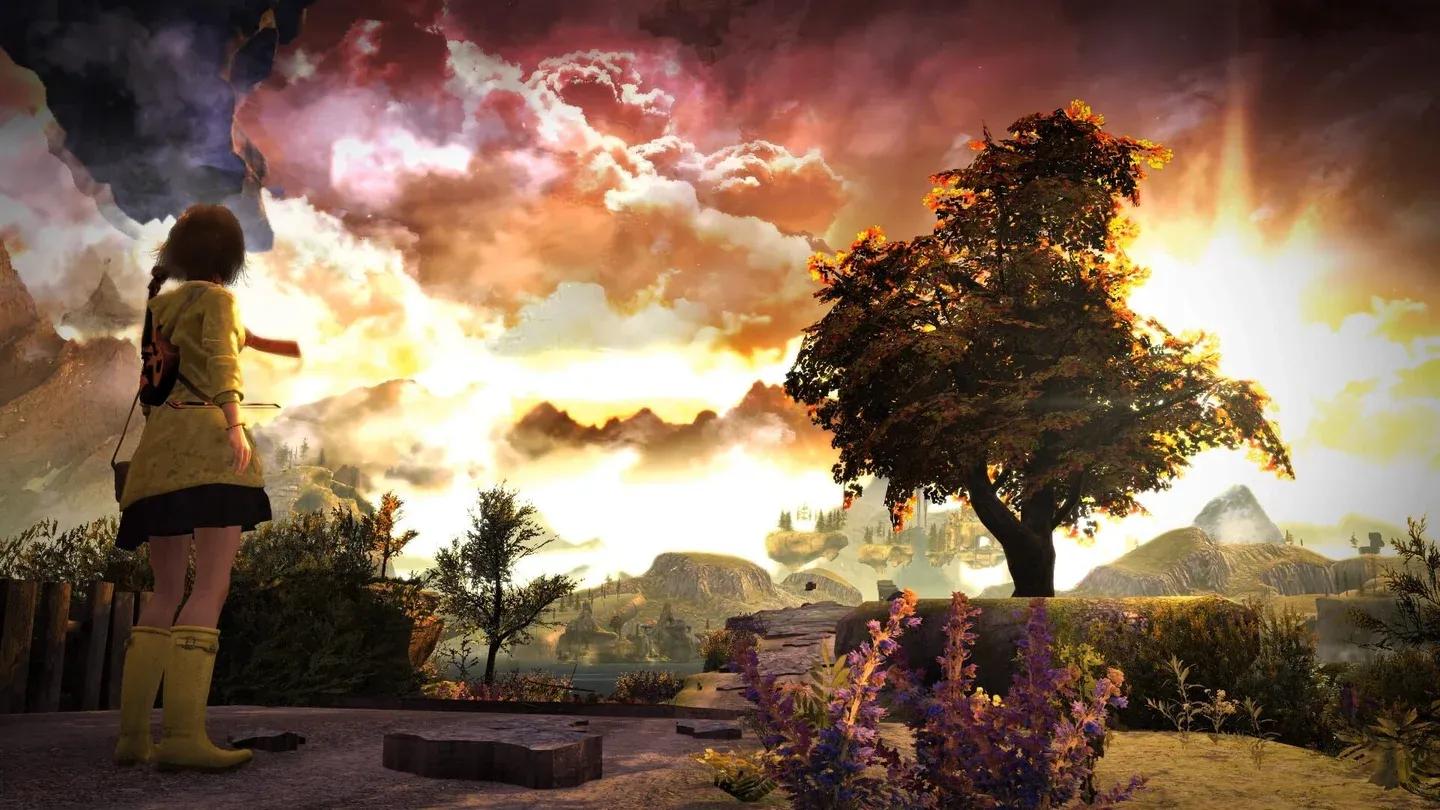
Distortions puts you in control of a girl who wakes up in an imaginary valley with no memory of who she is. A journal leads her to a violin. That violin becomes everything: a weapon, a key, a language. Developer Among Giants built the entire game around this idea, and the result is a story-driven RPG where music shapes the environment in real time rather than sitting in the background as atmosphere.
The game runs over 15 hours and divides its progression into three distinct phases. Early sections ease players into the controls with a linear structure. The middle opens into an open world with dungeons to explore and locations to visit in whatever order you choose. The final stretch blends both approaches and houses the bulk of optional content and side missions, adding meaningful playtime beyond the critical path.
How does the violin mechanic actually work?
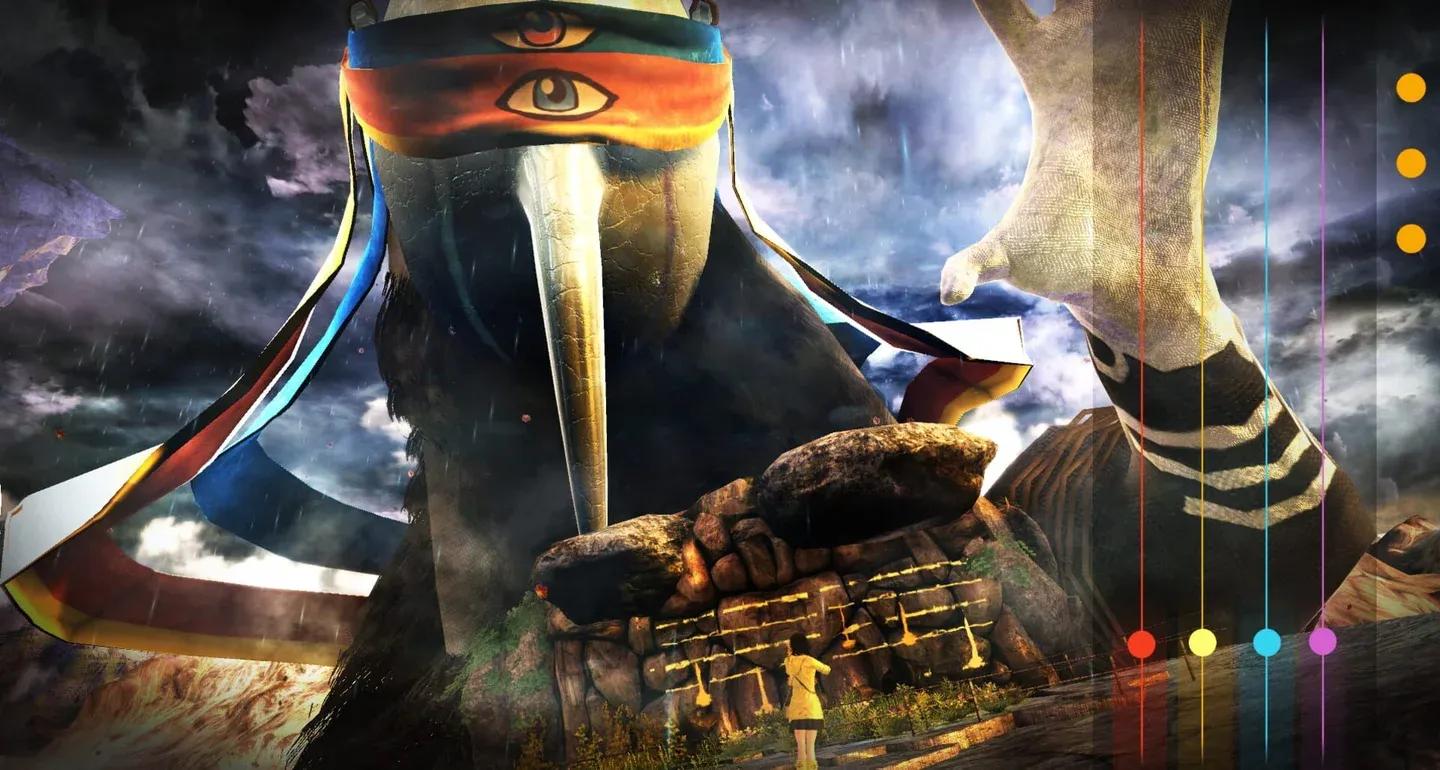
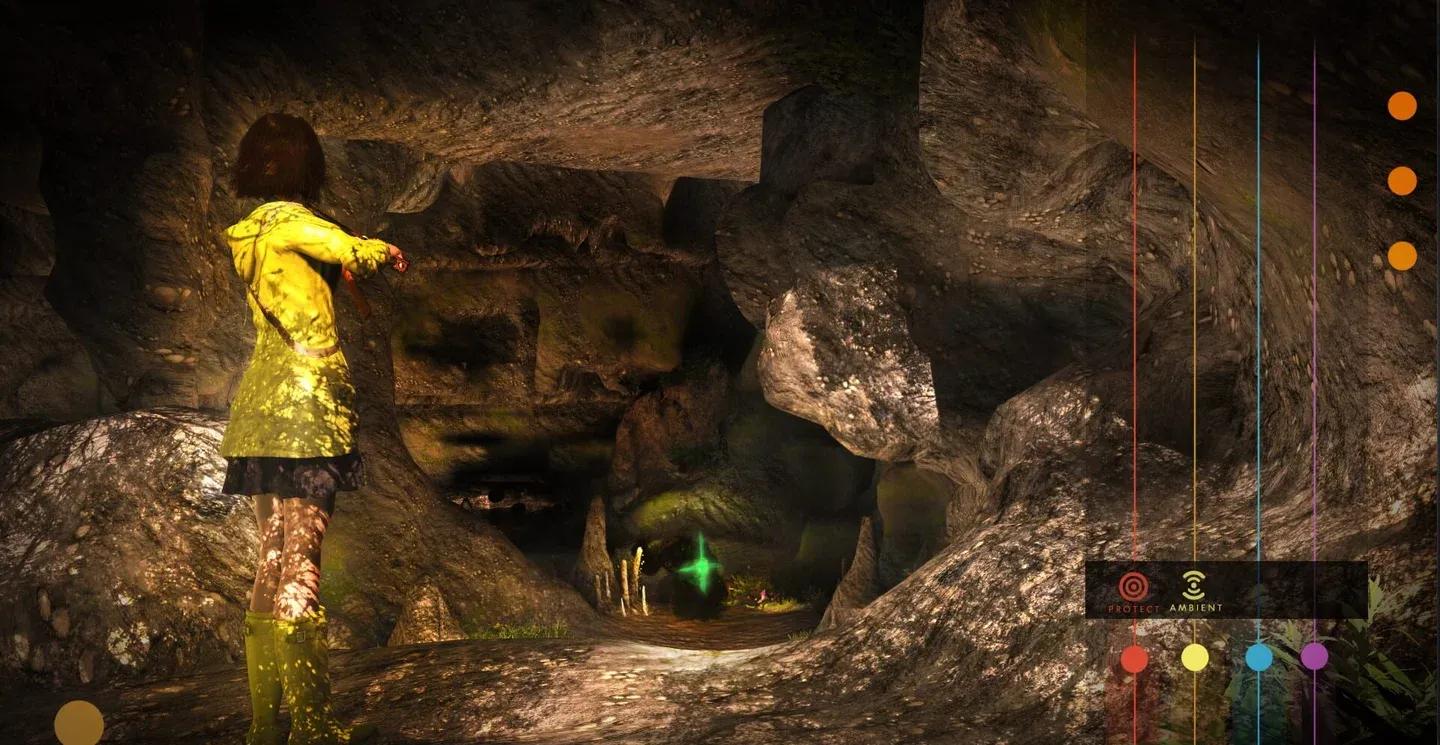
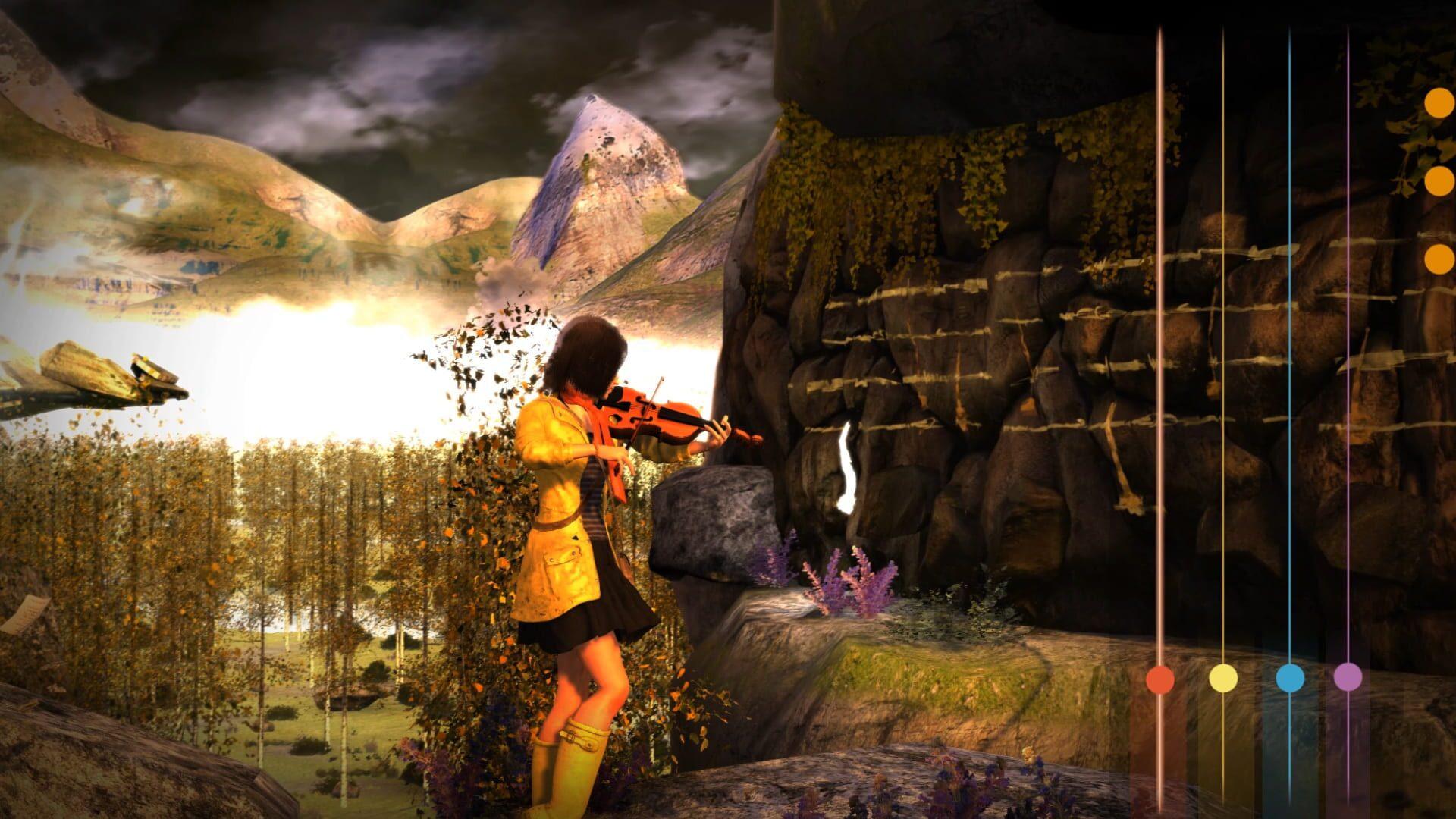
The violin in Distortions functions through a mechanic system inspired by The Legend of Zelda: Ocarina of Time, Loom, and Guitar Hero. The Girl learns 5 distinct abilities and 3 different ways to play, each unlocked through progression. These aren't cosmetic variations: different techniques create bridges, move enormous rocks, turn her invisible, trigger explosions, or let her communicate with the valley's strange inhabitants.
Key mechanics at a glance:
- 5 unique violin-based abilities
- 3 distinct playing styles to master
- Real-time environmental manipulation
- Free play mode that affects the world organically
- Creature encounters with dynamic, context-sensitive behavior
There's also a free play mode where you can simply pick up the violin and play. Certain locations respond to specific notes, and getting them right shapes the world in ways the story doesn't script. It's a small touch, but it makes the valley feel genuinely reactive rather than just a backdrop.
World and setting
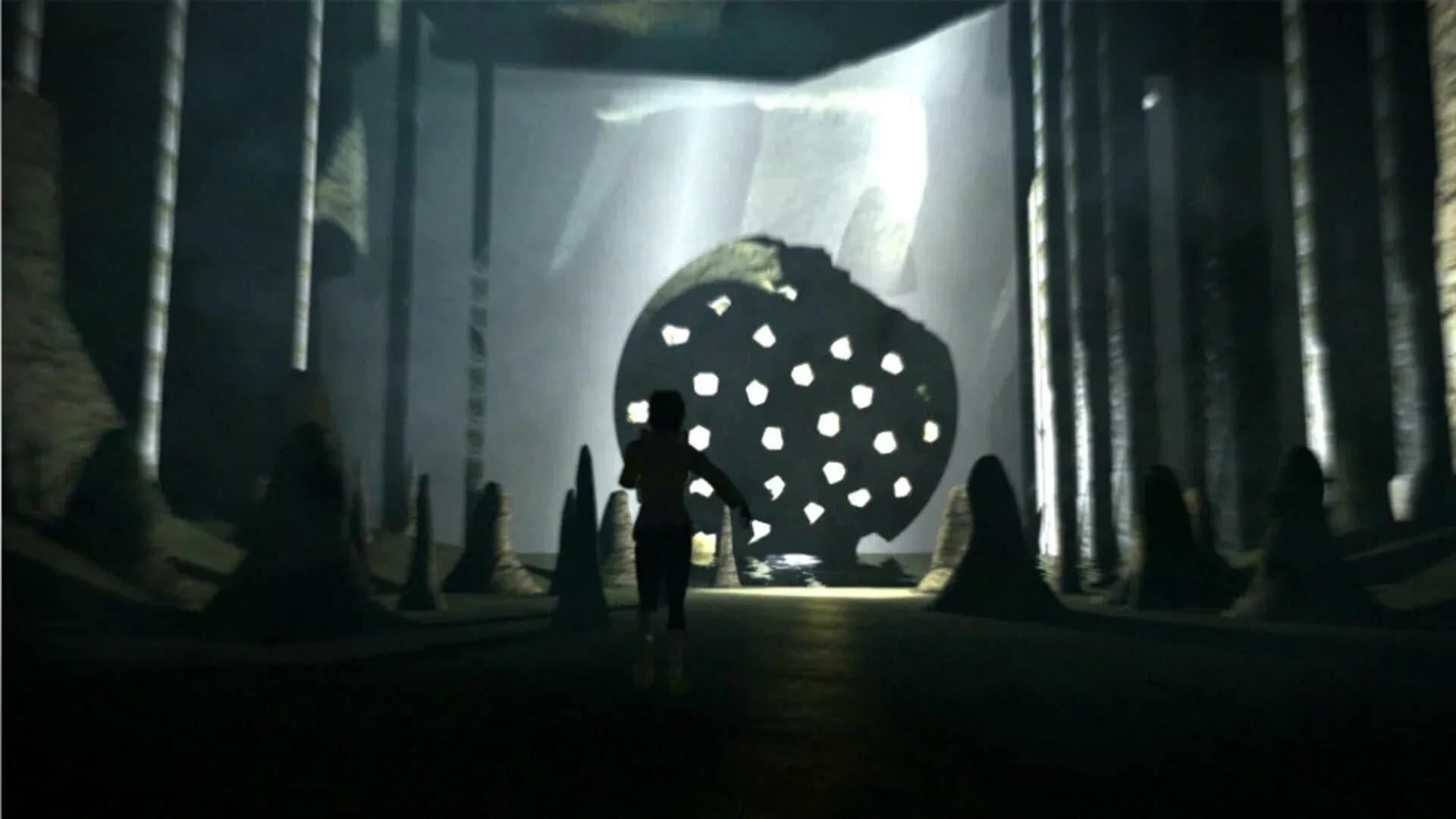
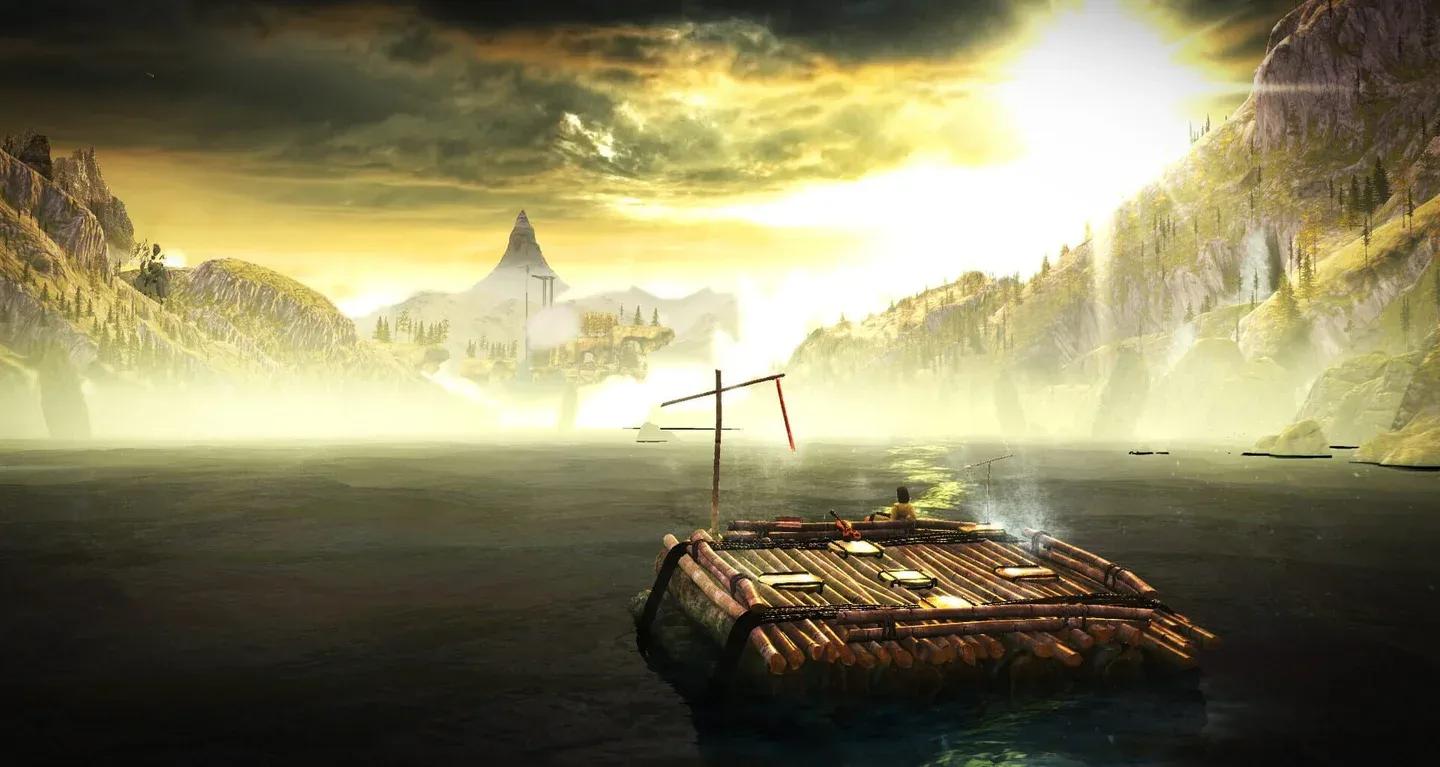
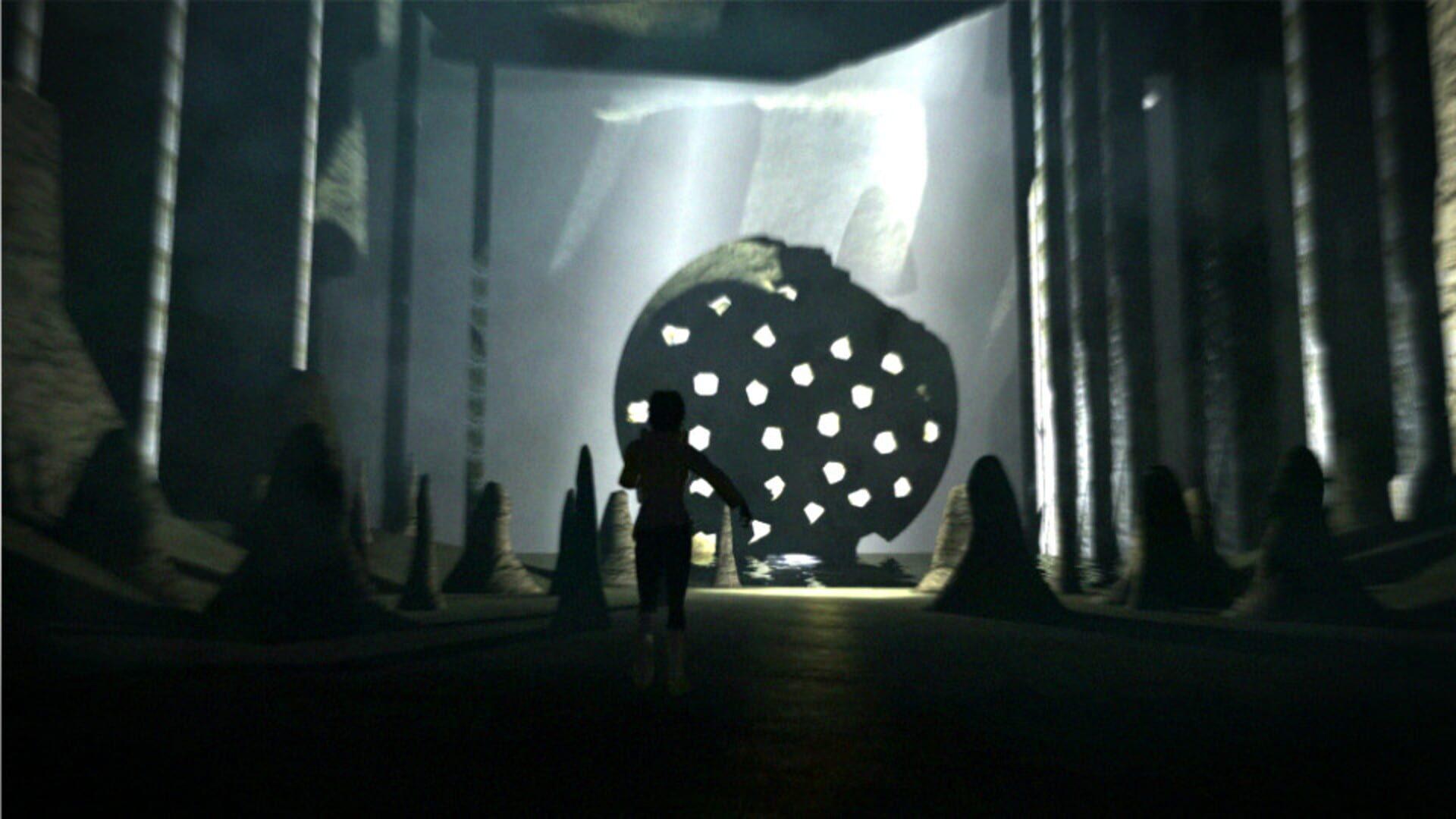
The Distortions valley is built from echoes of distorted memories, which is exactly as strange as it sounds. Mountains, caves, rivers, and a coexisting alternate space called the White World form the geography. The White World isn't just a visual trick: you move between the two to escape masked creatures or reach otherwise inaccessible areas.
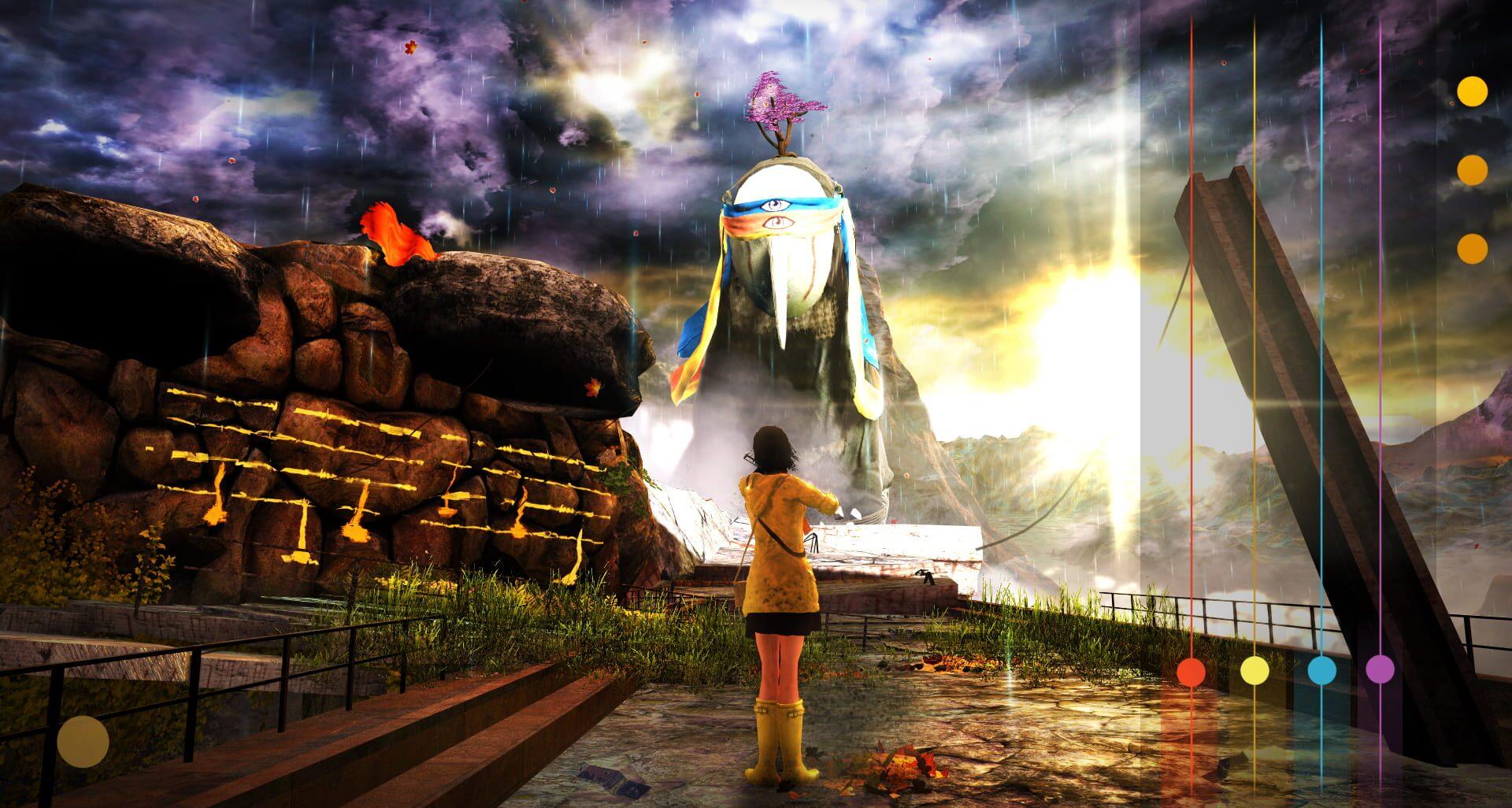
The game's visual and narrative inspirations are unusually specific for an indie title. Among Giants directly cited Eternal Sunshine of the Spotless Mind, The Fountain, Where the Wild Things Are, Shadow of the Colossus, and Silent Hill 2 as reference points. That's a mix of melancholy, surrealism, and creature-scale tension that gives Distortions a distinct tonal identity compared to most music-based games.
Visual and audio design
The soundtrack pulls from licensed tracks by two post-rock bands (Brazilian act Labirinto and US band Dredg) alongside original compositions. Ambient sound layers bells, violins, and guitars with environmental noise to keep the audio world feeling alive. Given that music is the game's central mechanic, the sound design carries more weight here than in almost any other indie RPG.
Gameplay perspectives shift between first person, side-scrolling, open world, and linear segments depending on what the story demands. These aren't arbitrary changes: they serve the pacing, keeping momentum through what could otherwise become a repetitive exploration loop.
Conclusion
Distortions is a music-driven adventure RPG with a clear identity: a girl, a violin, and a surreal world that responds to what she plays. With 15-plus hours of content, a three-phase progression structure, and creature encounters designed around dynamic strategy rather than pattern memorization, it offers more mechanical depth than its indie scope might suggest. Players drawn to story-focused games with unconventional mechanics, particularly those who responded to the atmosphere of Shadow of the Colossus or the emotional weight of Eternal Sunshine, have the most to gain from spending time in this particular valley.