Overview
Don't Starve Elsewhere is Klei Entertainment's latest entry in the Don't Starve series, and it's not a simple expansion. This is a standalone survival game built around a multi-tiered world where elevation matters as much as hunger. The procedurally generated environments ensure no two runs play out identically, and the addition of a spreading supernatural Fog introduces a constant environmental threat that forces players to make hard choices about when to push forward and when to retreat.
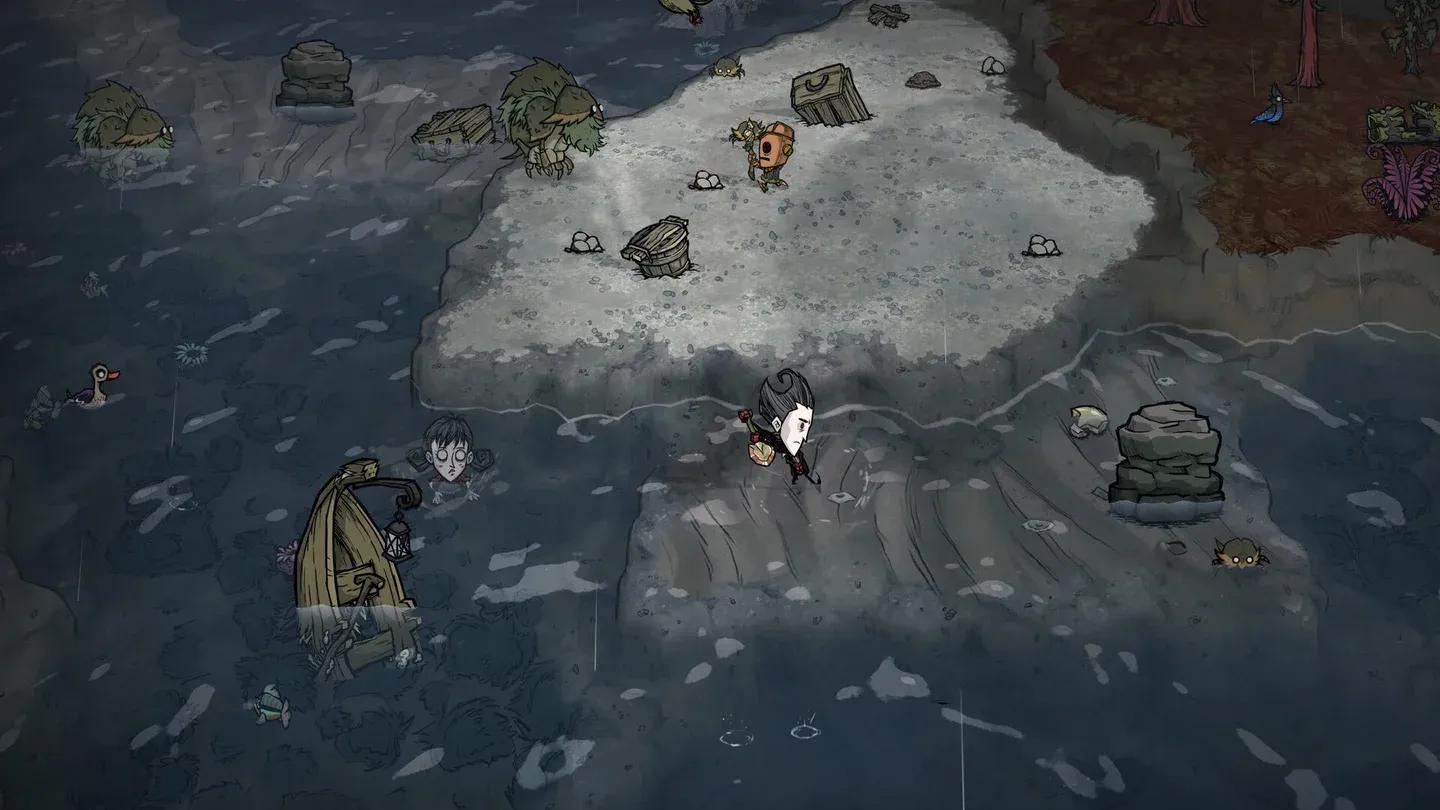
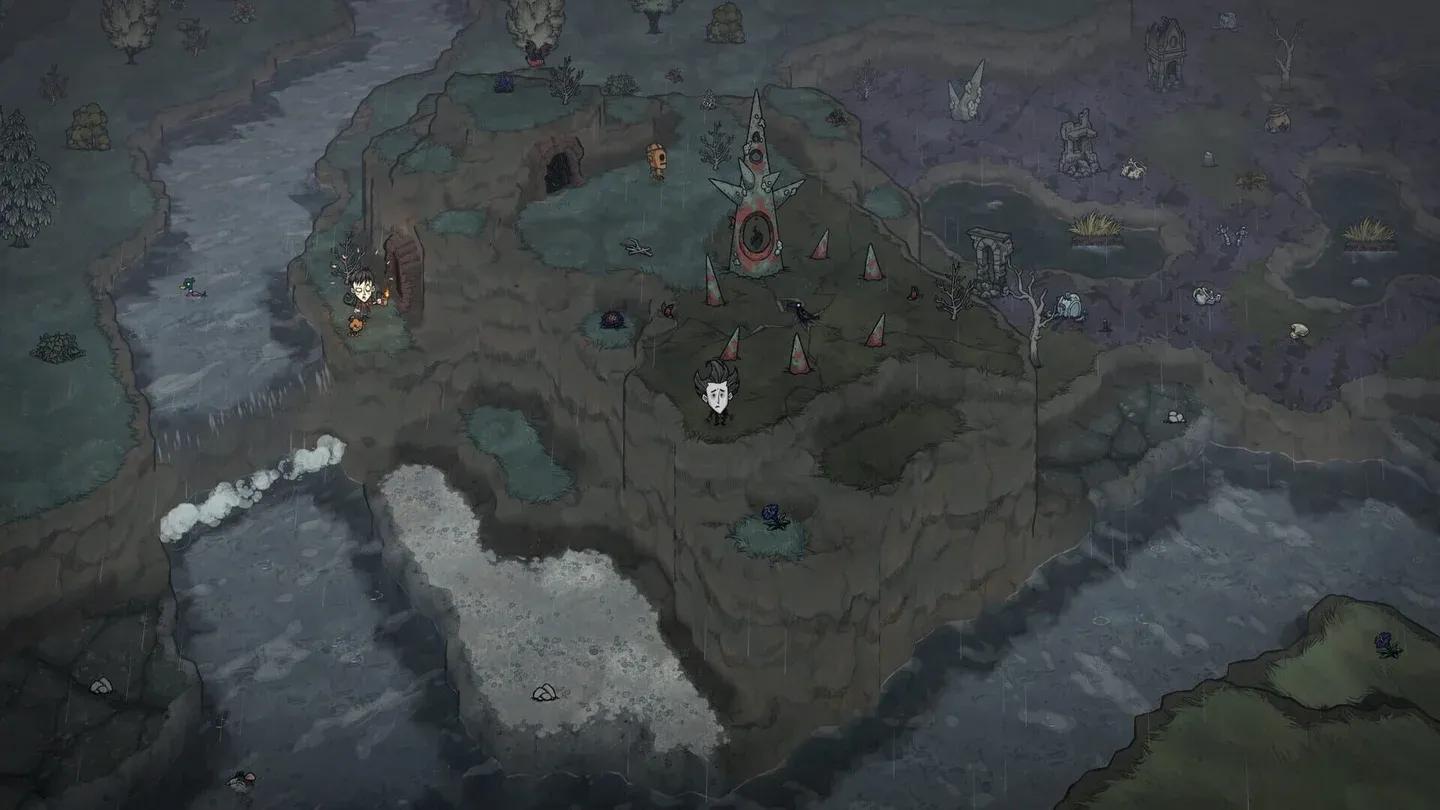
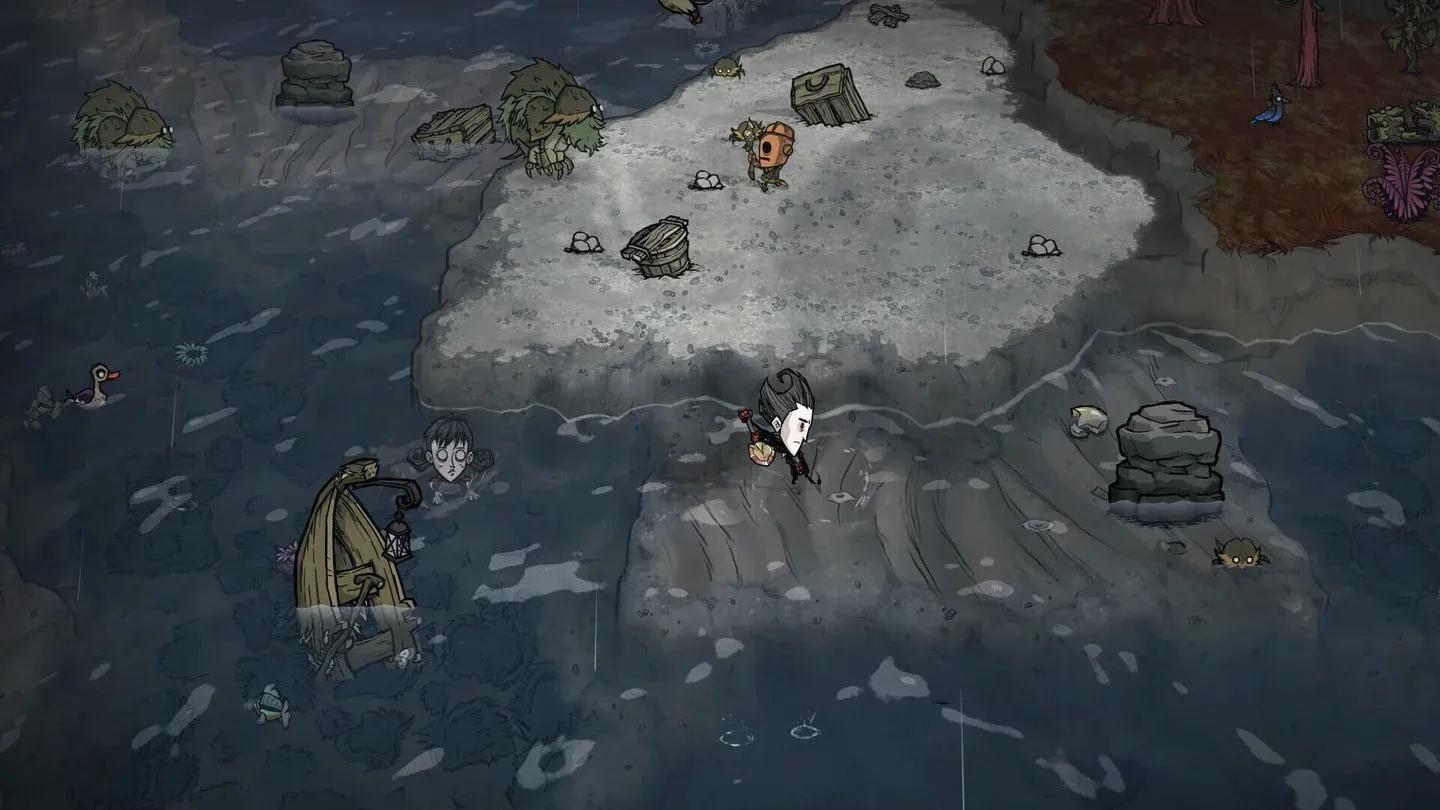
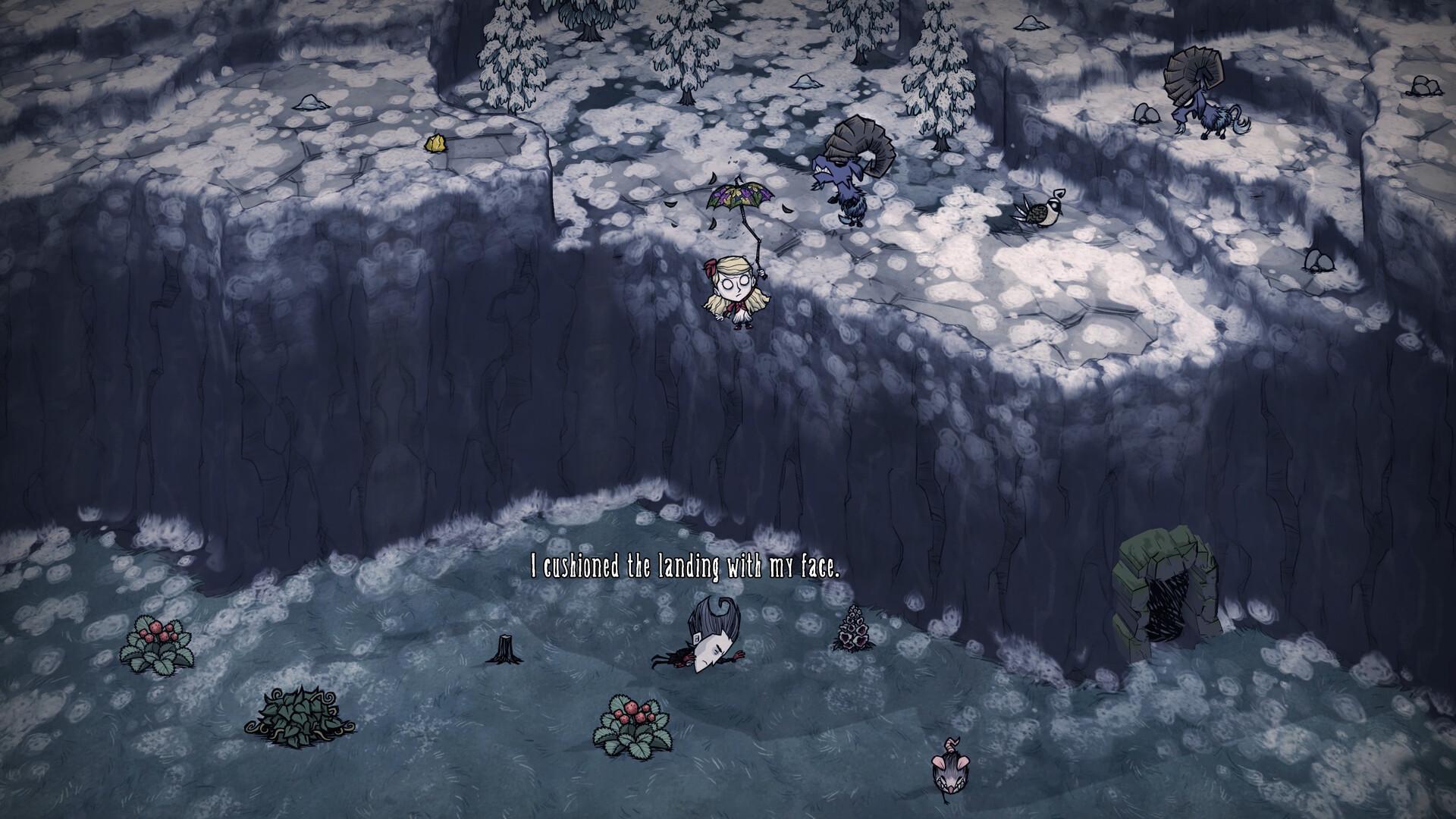
The core loop will feel familiar to series veterans: gather resources, craft tools, build shelter, don't die. But Don't Starve Elsewhere layers vertical exploration on top of that foundation in a way the series hasn't done before. Players can climb snow-covered mountain peaks, swim through rivers and open seas, and descend into cave systems, each zone carrying its own dangers and resources. That sense of discovery, and the risk attached to it, is where the game finds its identity.
What makes Don't Starve Elsewhere different from previous games?
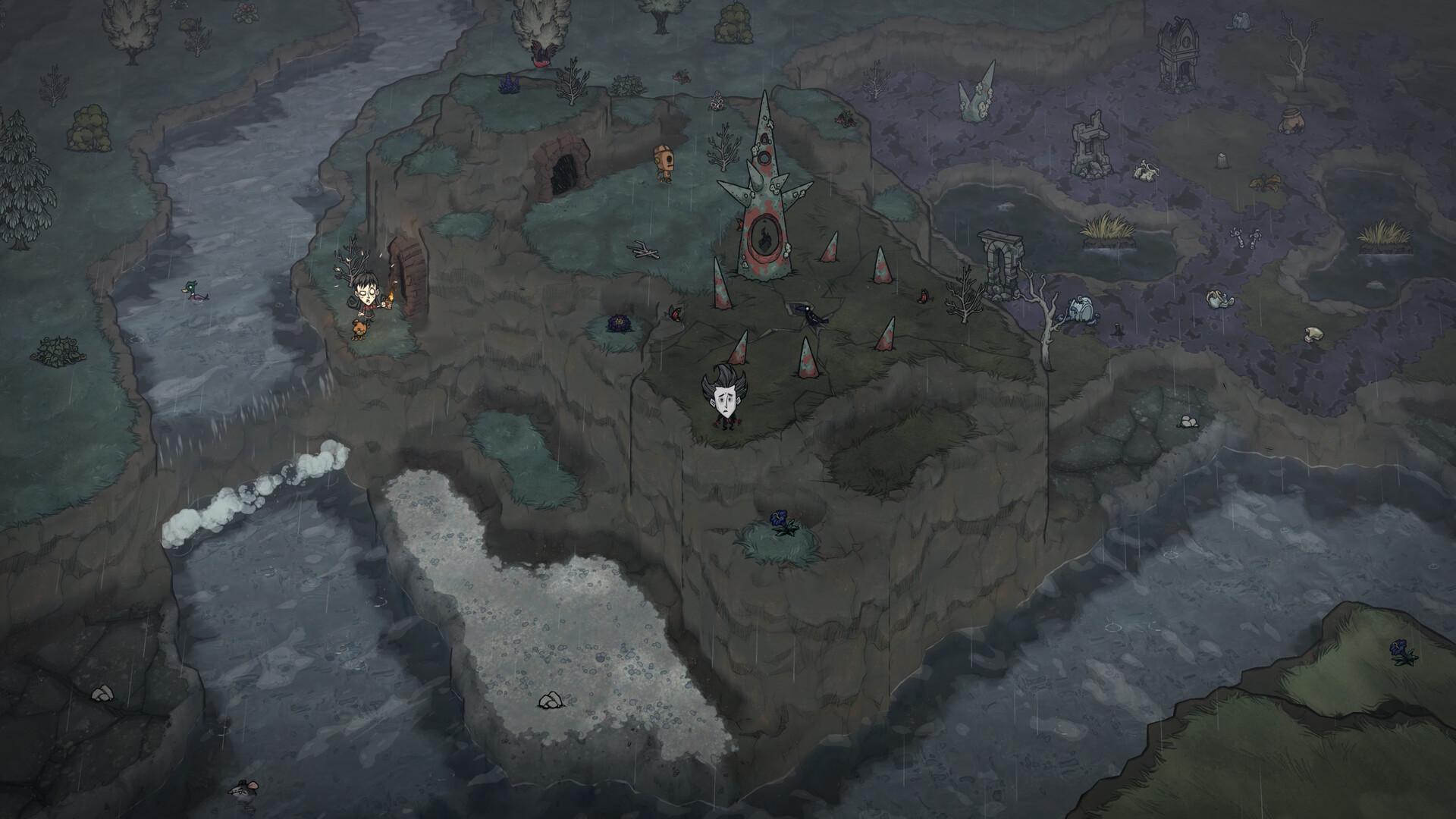
Don't Starve Elsewhere separates itself from its predecessors primarily through world structure and the Fog mechanic. Earlier games in the series used flat or loosely layered worlds. Here, the environment is explicitly tiered, and navigating between those tiers is part of the survival challenge. The Fog is the other major shift: it spreads, it curses, and engaging with it is a sanity gamble rather than a guaranteed reward.
Key features confirmed so far:
- Procedurally generated multi-tiered world
- Solo and co-op multiplayer survival
- New biomes with distinct weather systems
- Supernatural Fog with exploration risk-reward
- Crafting, farming, and base building

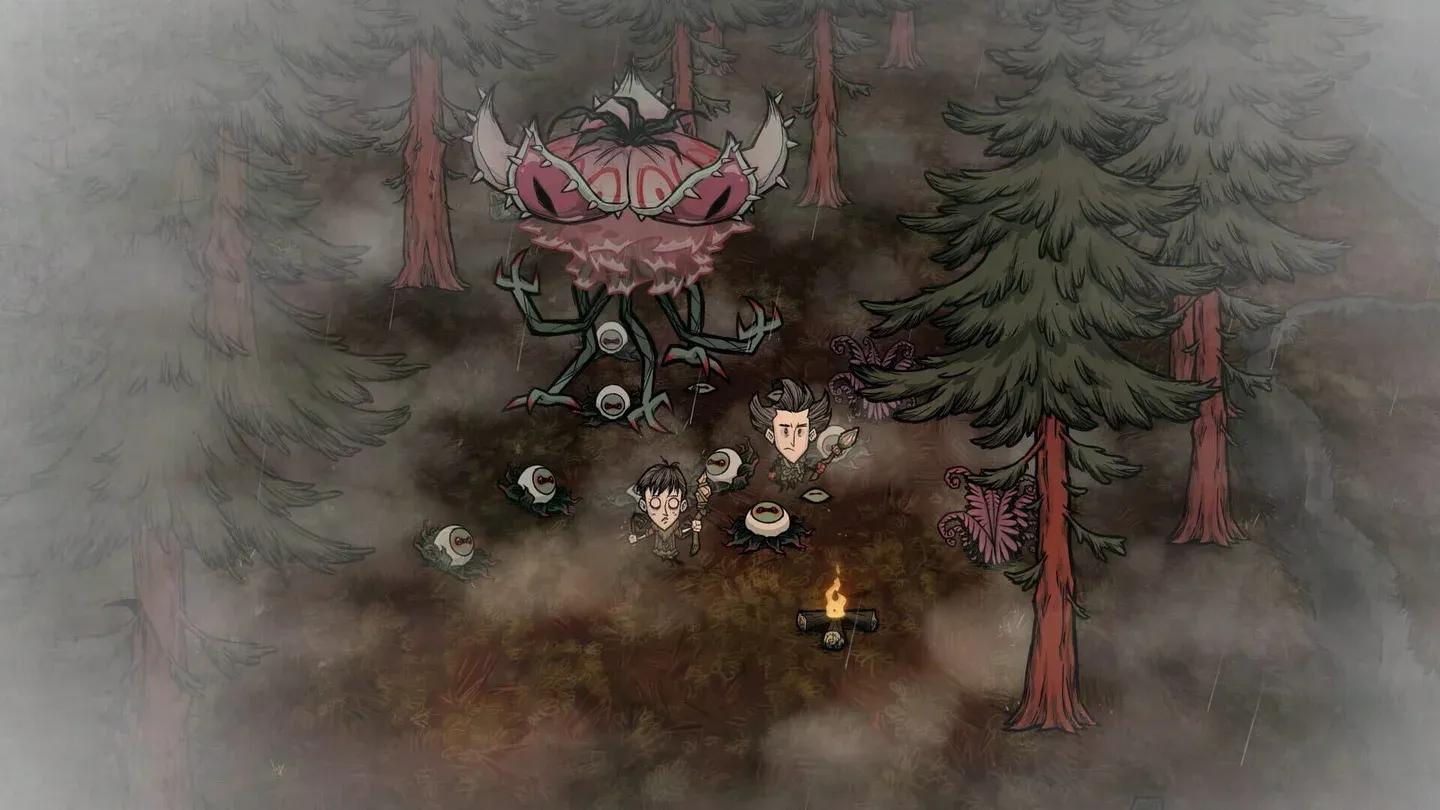
Each biome brings its own climate conditions. Redwood forests come with relentless rainstorms. High altitudes mean cold exposure and territorial creatures. These aren't just aesthetic differences; they demand different preparation and different resource priorities. A player who thrives in lowland areas will need to rethink their approach before heading upward.
Multiplayer and social survival
Don't Starve Elsewhere supports both solo and cooperative play. The co-op structure follows the pattern Klei established with Don't Starve Together, where shared survival creates natural cooperation without forcing it. Players can divide tasks, share resources, or simply survive in parallel until a crisis pulls them together. The game doesn't hold hands in either mode.
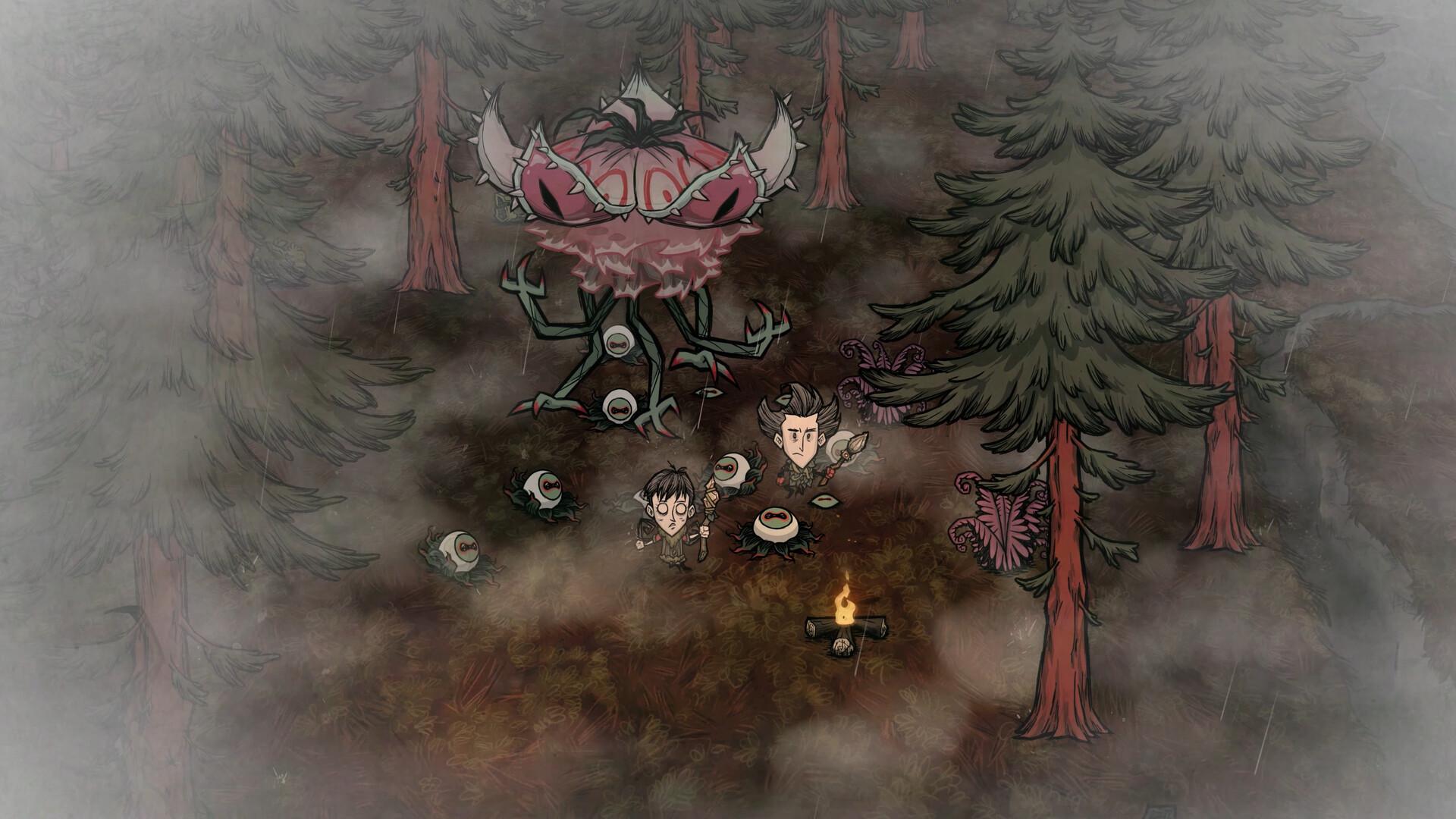
Playing alone sharpens the tension considerably. There's no one to cover a mistake or share the resource burden. The Fog in particular feels more threatening without a second player to watch your back, which makes solo runs a notably different experience from co-op without requiring separate game modes.
World and setting
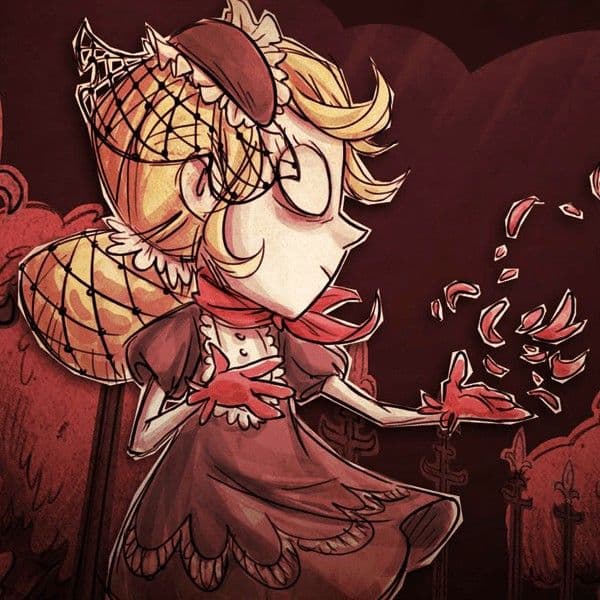
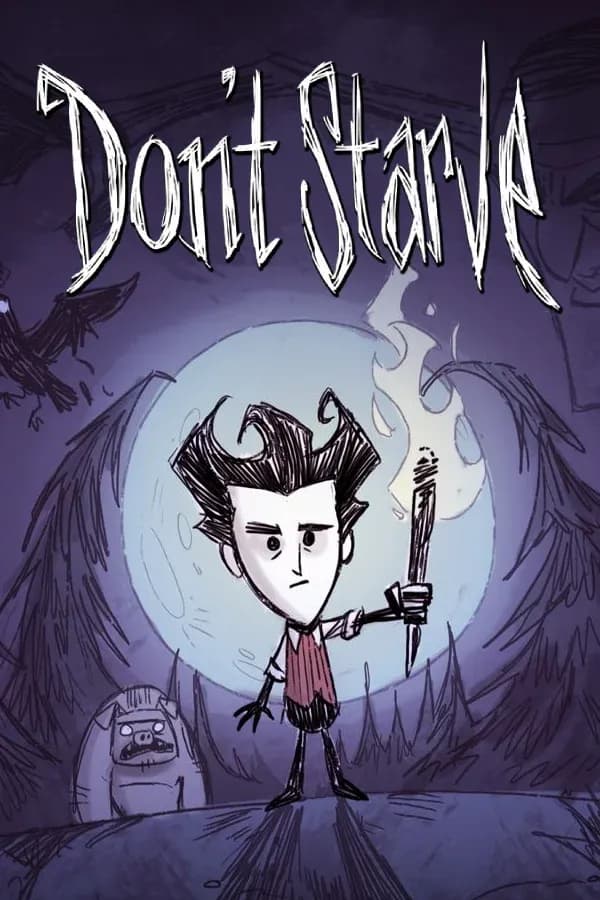
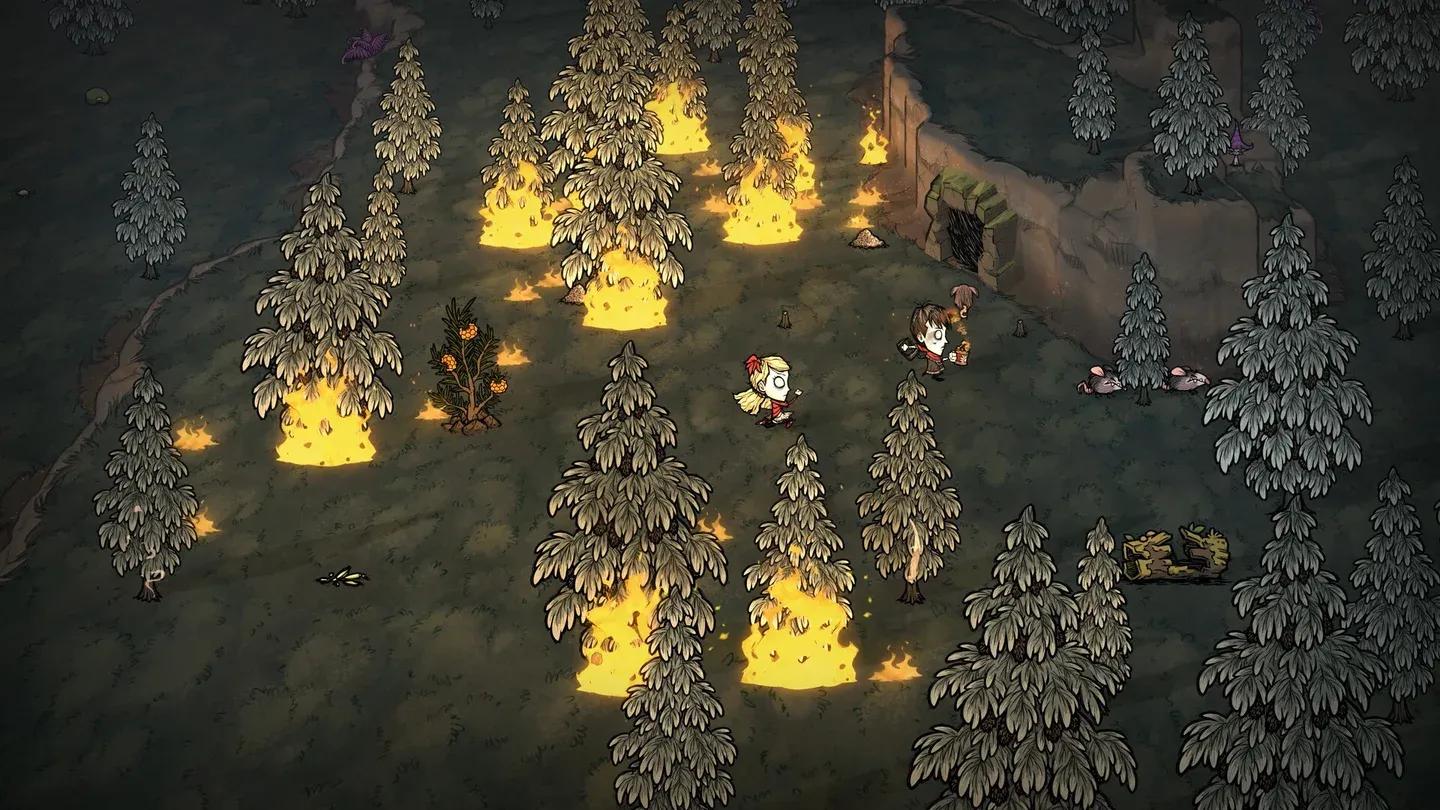
The world of Don't Starve Elsewhere carries the series' signature gothic aesthetic: hand-drawn visuals, strange creatures, lurking shadows, and an atmosphere that never quite lets you feel settled. The procedurally generated structure means players encounter biomes in different configurations each run, which keeps the world feeling genuinely unknown rather than memorized.
The Fog is the setting's most interesting addition. It doesn't just obscure vision; it curses what it touches and erodes sanity. Whether players treat it as a hard boundary or an invitation to explore is a choice with real consequences, which is exactly the kind of design the series has always done well.
Don't Starve Elsewhere takes the survival crafting foundation Klei has refined over years and rebuilds the world around it. Vertical exploration, biome-specific climate challenges, co-op or solo play, and a Fog mechanic that actively threatens progression give this entry a distinct shape. For players who have spent time with the series, this is a meaningful evolution. For newcomers to survival games, it's one of the more thoughtfully designed entries in the genre to watch.