

Dragon Ball Sparking Zero brings back one of the most beloved features from the Budokai Tenkaichi series: Impact Actions. These quick-time events turn key moments in battle into tense minigames, covering everything from beam clashes to raw power struggles. The problem is the game does not explain them particularly well, and each one uses a different UI that can throw you off mid-fight. This guide breaks down every Impact Action type and exactly what you need to do to come out on top.
What are Impact Actions in Dragon Ball Sparking Zero?
Impact Actions are the in-game name for the QTE minigames that trigger during specific combat situations. There are four distinct types, and each one plays out differently. Knowing which type you are dealing with the moment it appears is half the battle, since the input required changes completely depending on the situation.
The training mode touches on these, but it stops short of giving you a real feel for them. The AI opponent in training stays passive, so you never get the full pressure of an actual match. Real opponents will push these moments hard, which is why understanding the mechanics before you hit ranked play matters.
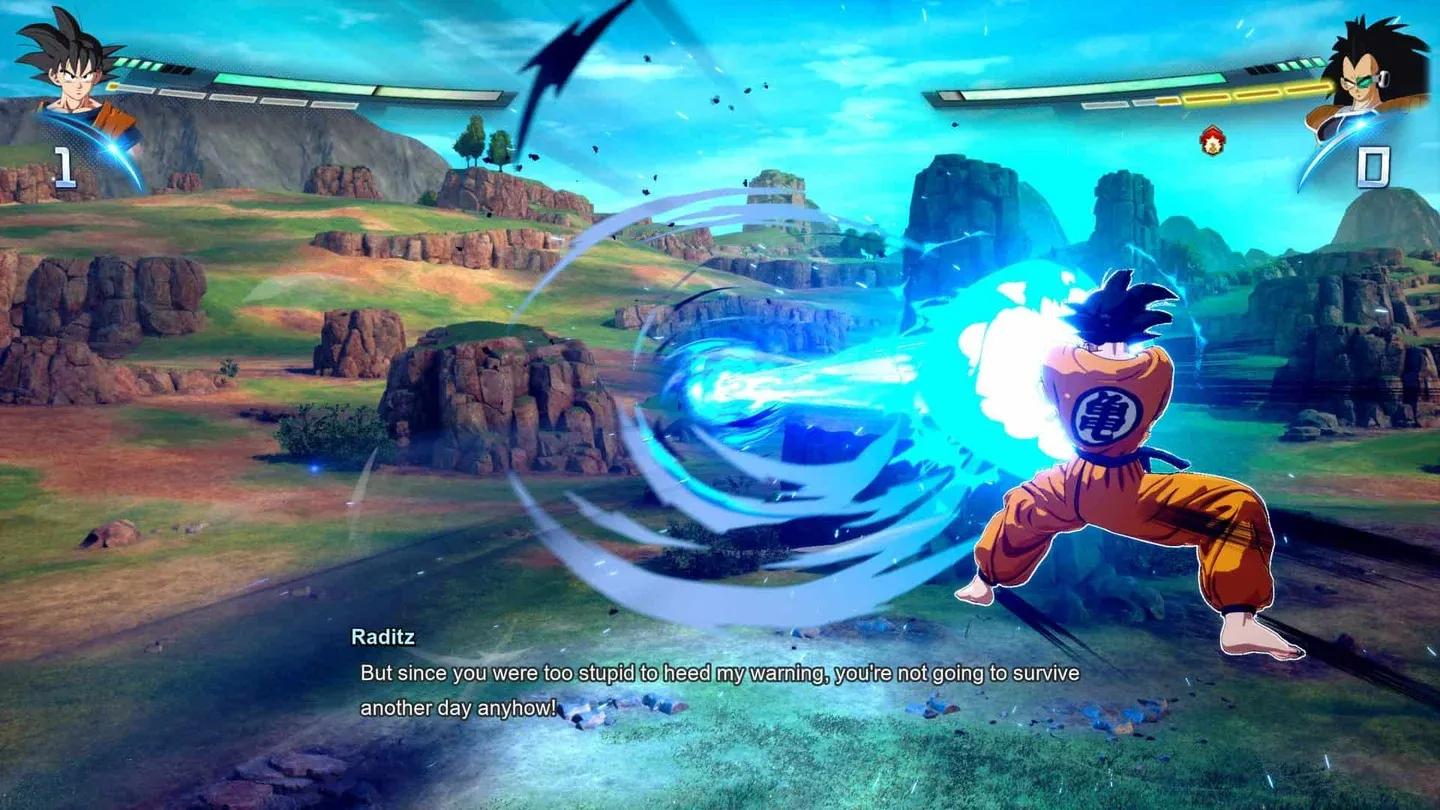
Beam clash Impact Action UI
How many types of Impact Actions are there?
There are four distinct Impact Action types in Dragon Ball Sparking Zero. Each one has its own rules, visual layout, and required inputs. Treating them as a single mechanic is the fastest way to lose every one of them.
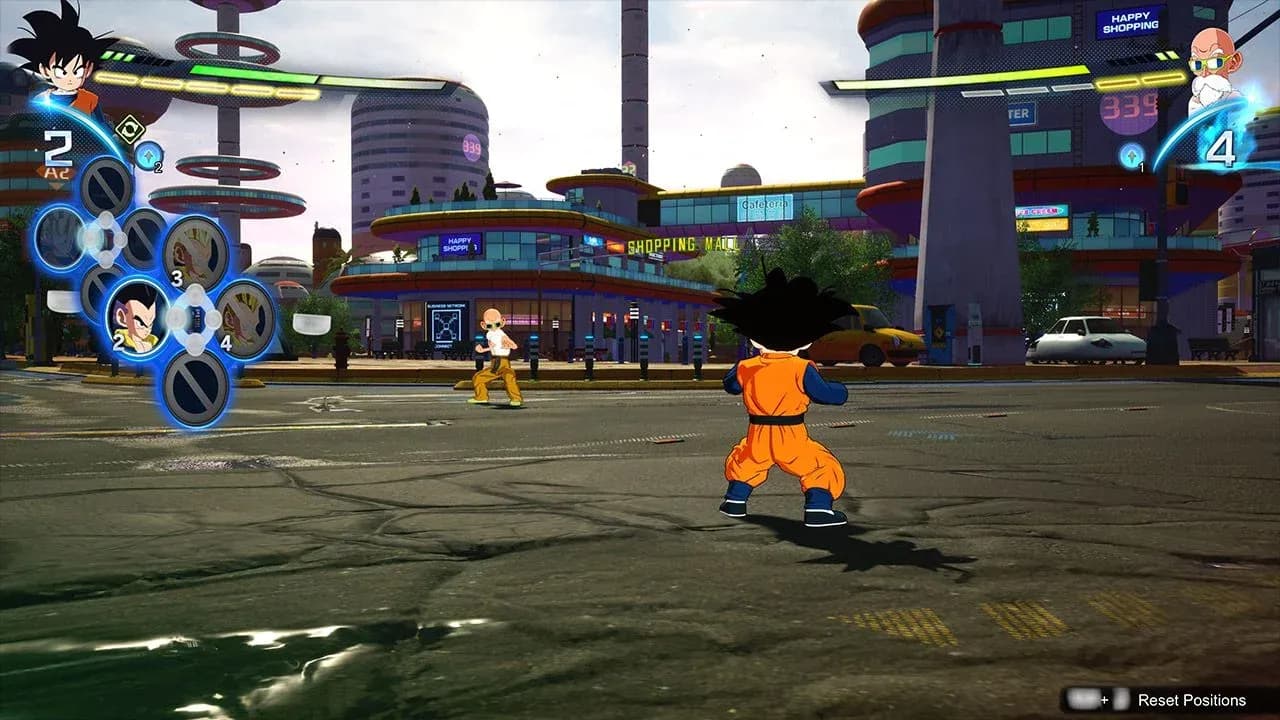
Power struggle input timing
How to win beam clashes
Beam clashes are the most iconic Impact Action and the one most players recognize immediately. When two beam-type moves collide, a clash minigame begins. Your job is to out-mash or out-time your opponent to push the combined energy beam back toward them.
The key detail here is that raw mashing speed matters, but pacing yourself also plays a role. Going all-out immediately can leave you with less input capacity right when the final push window opens. Watch the beam position indicator and ramp up your input as it shifts in your favor rather than burning out early.
How to win power struggles
Power struggles trigger during close-range physical confrontations. Unlike beam clashes, these rely more on reading the directional prompt correctly and timing your input rather than raw speed. Missing the directional input completely, even with perfect timing, will hand the advantage to your opponent.
Practice reading the prompt the instant it appears. Your eyes should be focused on the center of the screen during any physical exchange so the prompt is never in your peripheral vision when it matters.
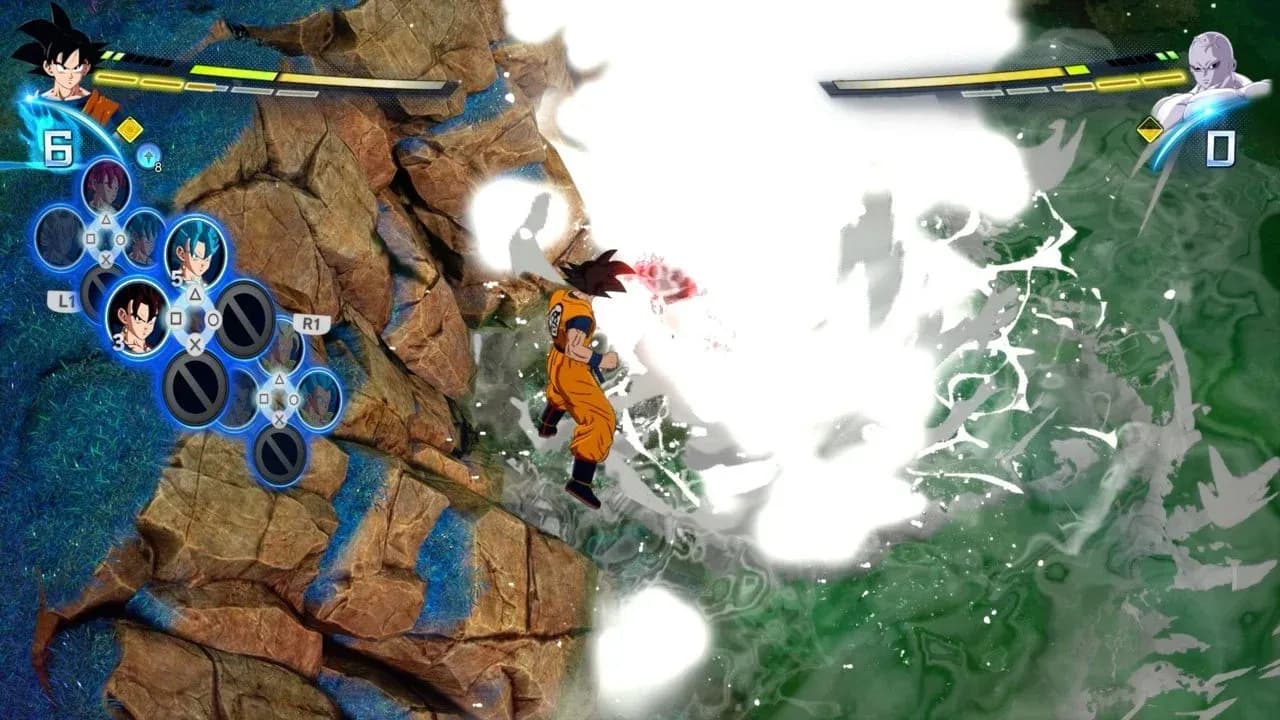
Pursuit QTE timing window
How to win pursuit and vanishing Impact Actions
Pursuit triggers when you send an opponent flying. A button prompt appears and you need to press it quickly to follow up with a chase attack. The window is short, so reaction time is everything. Players who stay mentally engaged between exchanges will catch this far more consistently than those who relax after landing a big hit.
Vanishing is the defensive counterpart. When an opponent tries to escape or reposition, a reaction-based counter prompt appears. Reading your opponent's patterns over the course of a match helps here, since players who vanish frequently become predictable.
Does training mode actually teach Impact Actions?
Honestly, not well. The training mode covers the basics, but the passive AI means you never feel the real pressure of a contested Impact Action. The boost mechanic in particular gets almost no explanation, and understanding it properly requires hands-on experience in actual matches.
Spending time in casual matches specifically focused on triggering and practicing each Impact Action type will get you up to speed faster than any amount of training mode repetition. Go in with the intention of practicing the QTEs rather than winning, and you will build the muscle memory much faster.
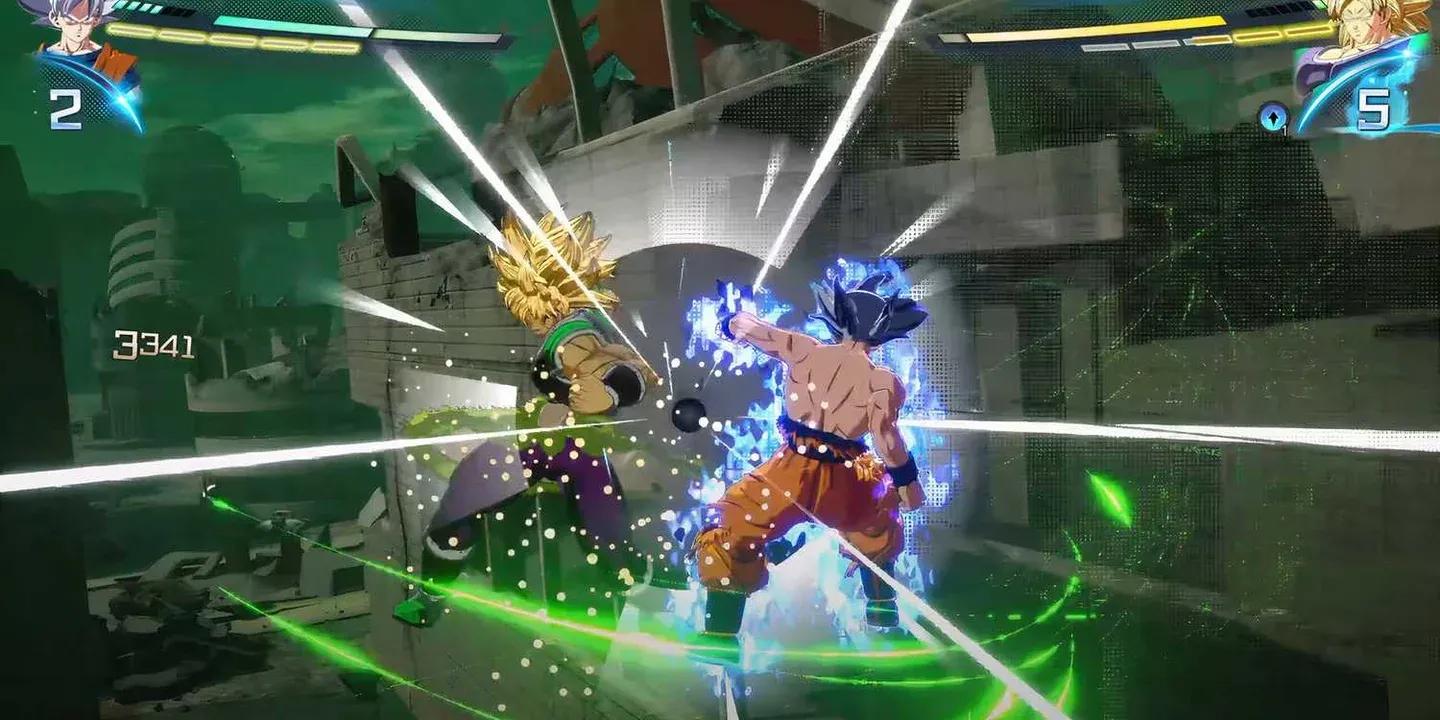
Vanishing counter prompt
Getting the most out of Impact Actions
Impact Actions reward players who treat them as a separate skill set rather than a random interruption to the fight. Each type has a clear mechanical logic once you understand what it is asking for. Beam clashes test sustained input management, power struggles test directional accuracy under pressure, pursuit tests raw reaction speed, and vanishing tests patience and read.
Spend time with each one deliberately and you will find that matches feel far more controlled. Dragon Ball Sparking Zero is a game built around these high-stakes moments, and players who master them consistently outperform those who wing it every time one appears.
For more on the game, check out our full Sparkball coverage, or browse the complete Sparkball strategy guides for more tips across every mode.