
Overview
Dream Tactics drops you into the Dream World, a surreal realm inspired by GBA-era tactical RPGs, where fluffy pillow enemies are somehow more threatening than they sound. The story follows Neru, an unlikely hero who has spent more time slacking than studying Reverie, the magic that holds the Dream World together. With the world on the brink of collapse and the Pillow Legions closing in, Neru has to recruit a team, build some decks, and figure things out fast.
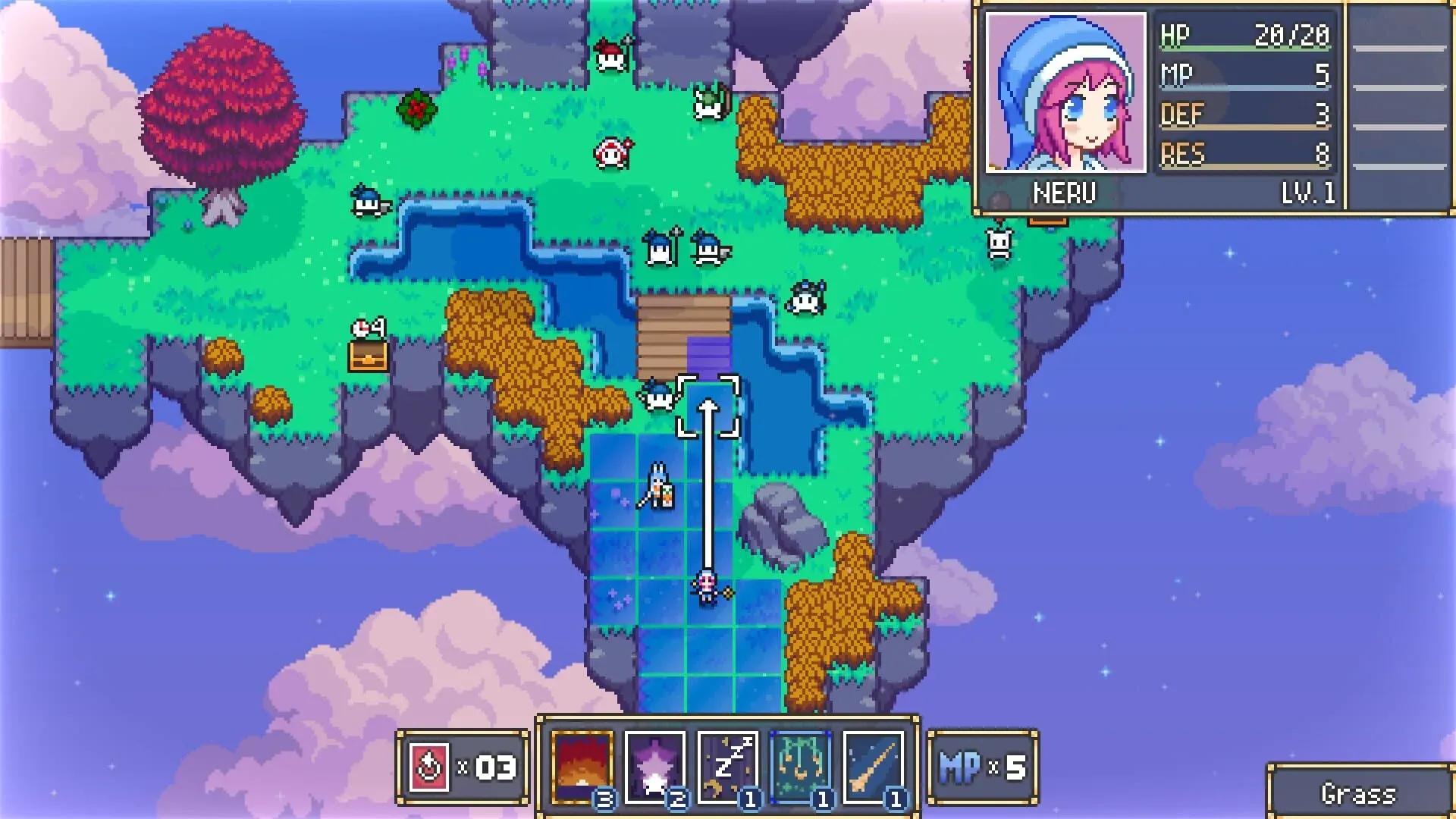
The game sits at the intersection of turn-based strategy and deck-building, two genres that work surprisingly well together here. Each character carries their own deck, draws a fresh hand every turn, and can play multiple cards per turn to chain combos. The result is a combat system that feels consistently active rather than the slow, deliberate pace you might expect from a grid-based RPG.
How does the card system actually work in Dream Tactics?
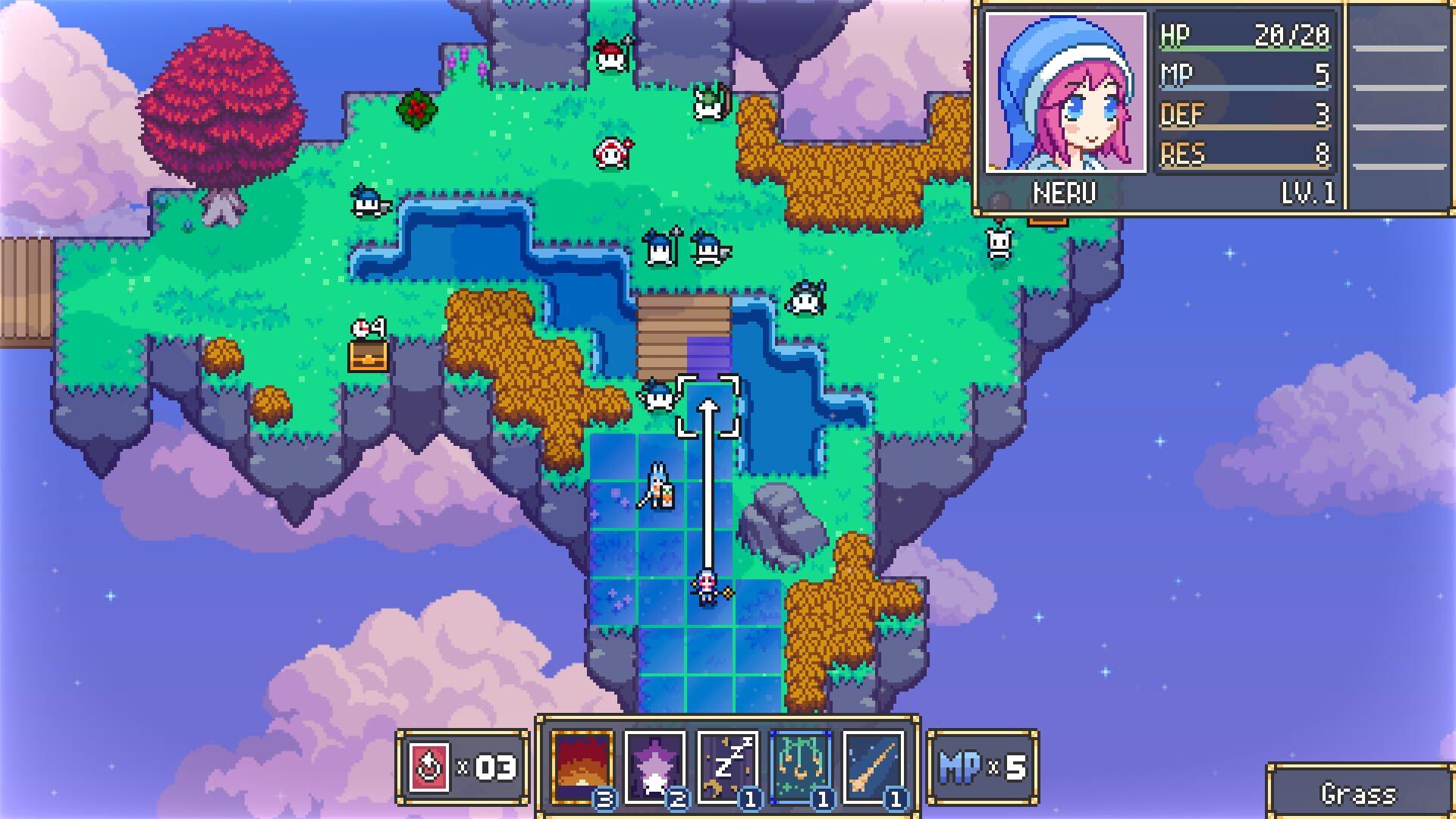
Dream Tactics builds its entire combat identity around cards. Every character draws a completely new hand each turn, which means you are never stuck waiting out a bad draw for multiple rounds. If the hand you get still does not suit the moment, you can spend points to redraw and set up exactly the combo you need.
Key mechanics in the card system:
- Over 100 cards available across the game
- Characters draw a full new hand each turn
- Multiple cards can be played per turn for combos
- Cards can be traded freely between any characters
- Redraws cost points, adding a resource management layer
That last point, the ability to trade cards between any character regardless of class or type, is what separates Dream Tactics from most deck-building RPGs. It means your party customization is not locked to preset archetypes. You can build a healer who occasionally hits hard, or a tank who sets up combo chains for your damage dealers.
Party building and progression
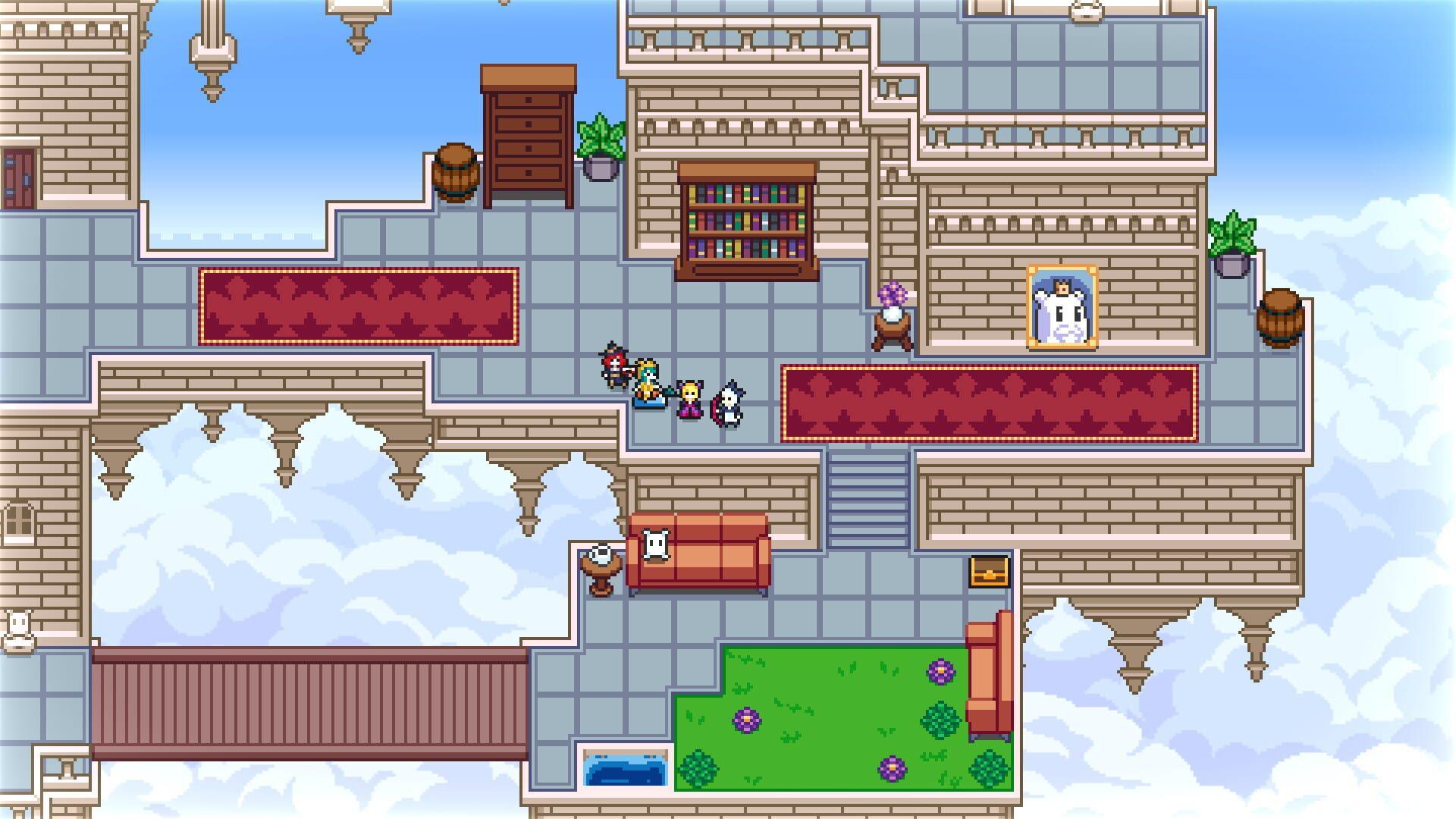
Neru starts the journey alone but picks up allies throughout the Dream World, each bringing their own unique card pool to the roster. You can bring up to 4 party members into any battle, so choosing who to field becomes a genuine strategic decision rather than just picking your favorites.
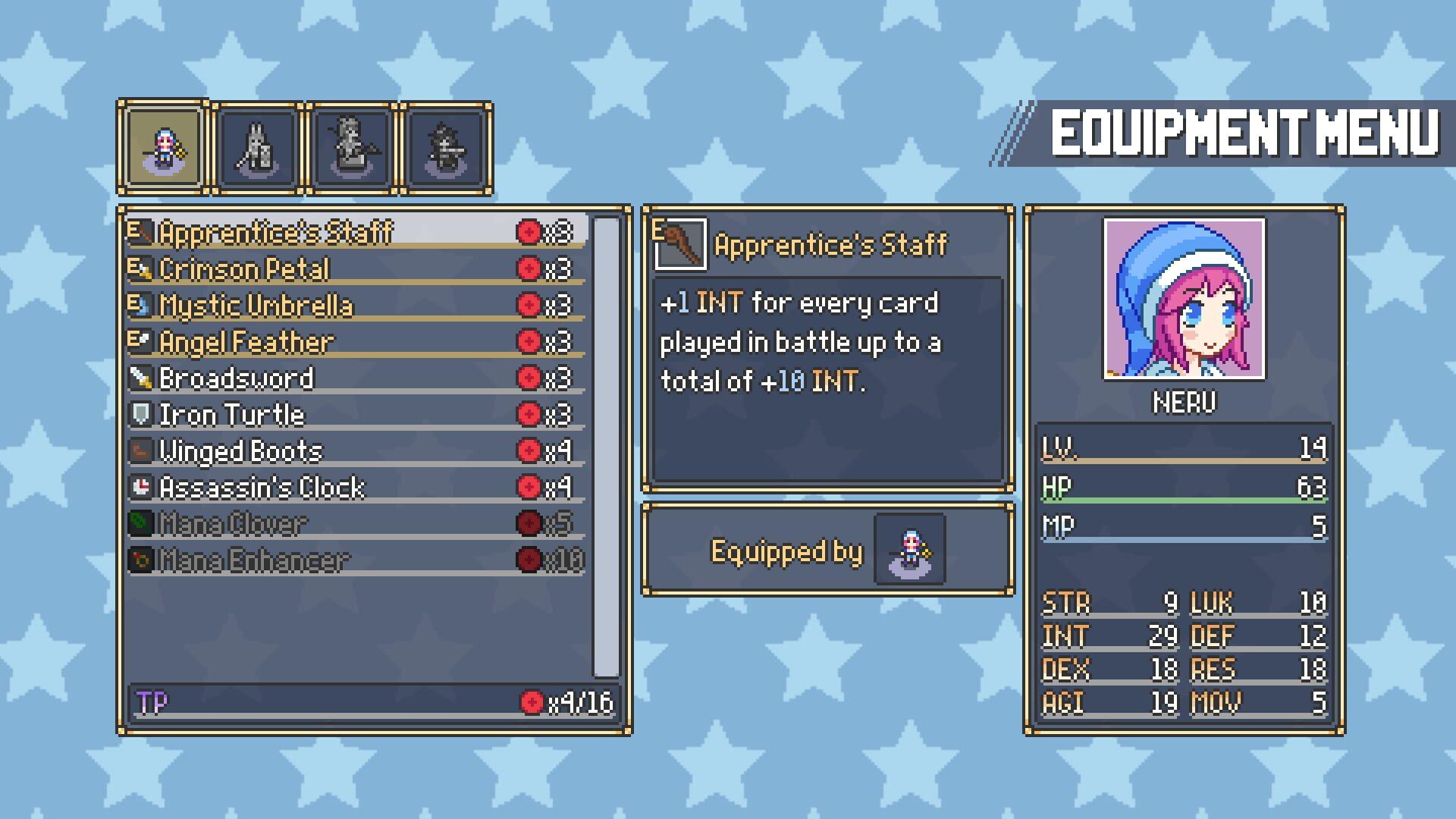
Character progression ties into equipment as well. As characters level up, they unlock more equipment slots, but each item carries a cost, so you cannot just stack every piece of gear you find. Balancing what to equip against what you can afford adds another layer to party management that keeps things from feeling like a pure numbers game.
World and setting
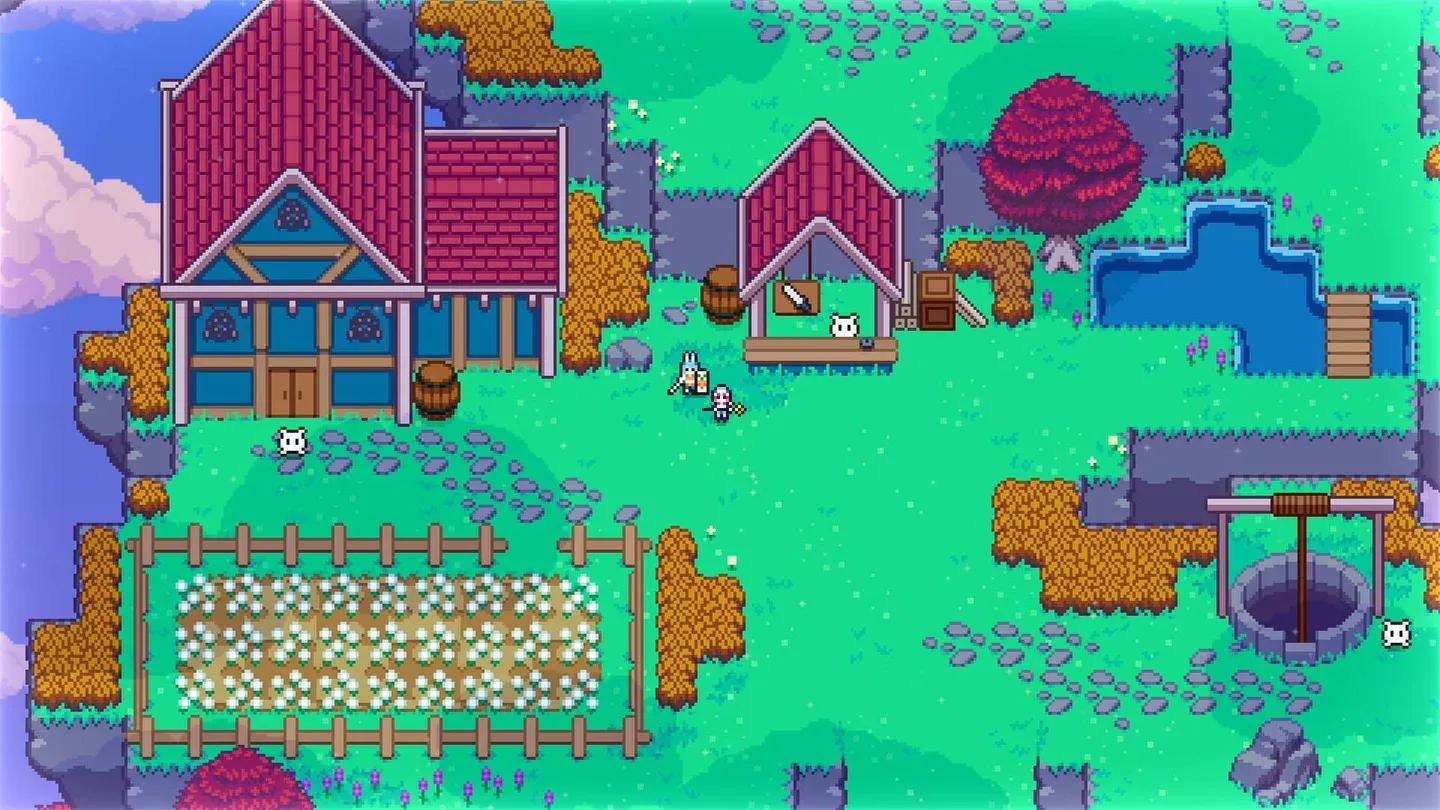
The Dream World is built around a deliberately dreamy aesthetic, surreal island environments with hidden treasures, environmental hazards, and terrain that actively shapes how battles play out. The GBA inspiration is visible in the art style, which leans into clean sprites and colorful environments rather than trying to chase modern realism.
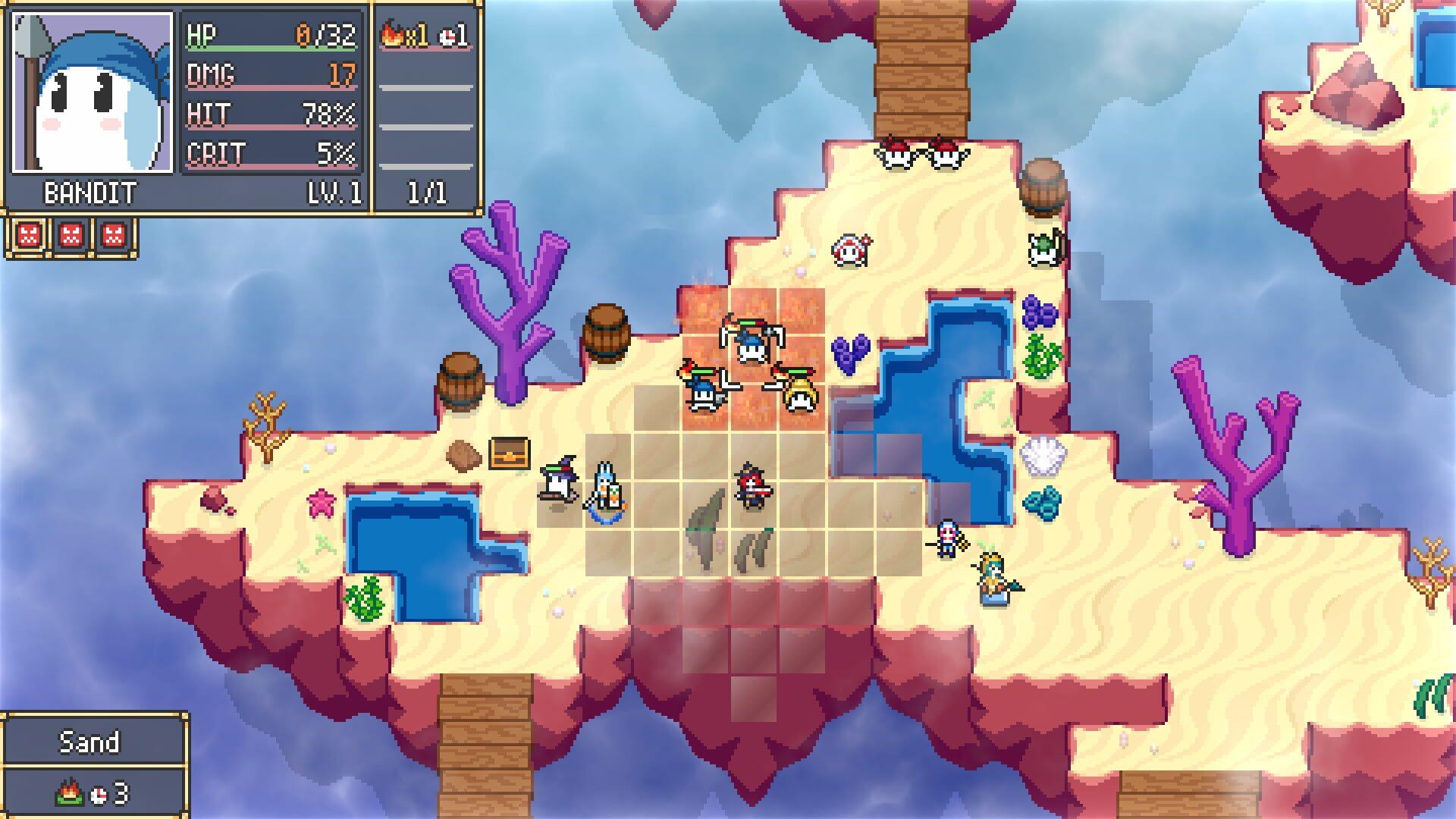
Terrain plays a real role in combat. Positioning matters, and the game gives both you and enemies the tools to use the environment offensively. Getting caught in a bad spot because you ignored the map layout is a real possibility.
Conclusion
Dream Tactics delivers a focused, well-constructed take on the tactical RPG genre by putting deck-building and party customization at the center of everything. The card trading system gives the game a flexibility that most turn-based strategy titles do not offer, and the Dream World setting keeps the tone light without sacrificing strategic depth. For fans of tactical RPGs looking for a game that rewards careful planning over stat grinding, it holds up as a genuinely thoughtful entry in the genre.