
Overview
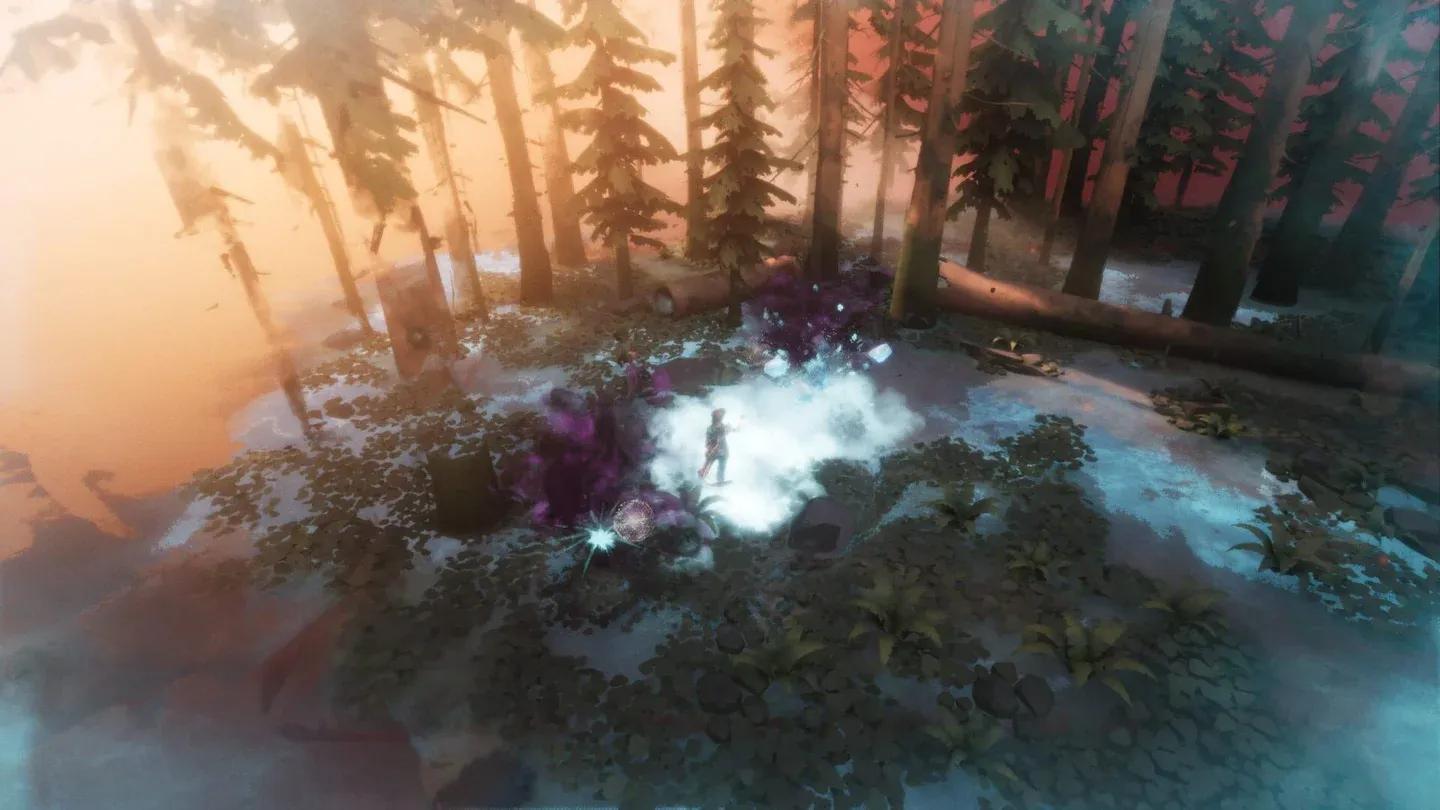
Dreamscaper is a roguelite action RPG developed by Afterburner Studios and published by Maple Whispering Limited. The game follows Cassidy, a young woman whose subconscious has become a battleground. Players descend into six distinct dream levels, each one procedurally generated, each one peeling back another layer of who Cassidy is and what she's running from. The loop is simple to grasp and genuinely hard to put down: sleep, fight, die, wake up, and go again.
What separates Dreamscaper from the roguelite crowd isn't just the dreamlike aesthetic. The game commits fully to its premise, using the structure of lucid dreaming as both a narrative device and a mechanical framework. Cassidy's waking life plays out in vignettes between runs, grounding the surreal dungeon-crawling in something that actually feels human. The nightmares she faces aren't random monsters thrown together for difficulty. They're extensions of her psychology, and fighting through them carries real weight.
Combat that rewards mastery
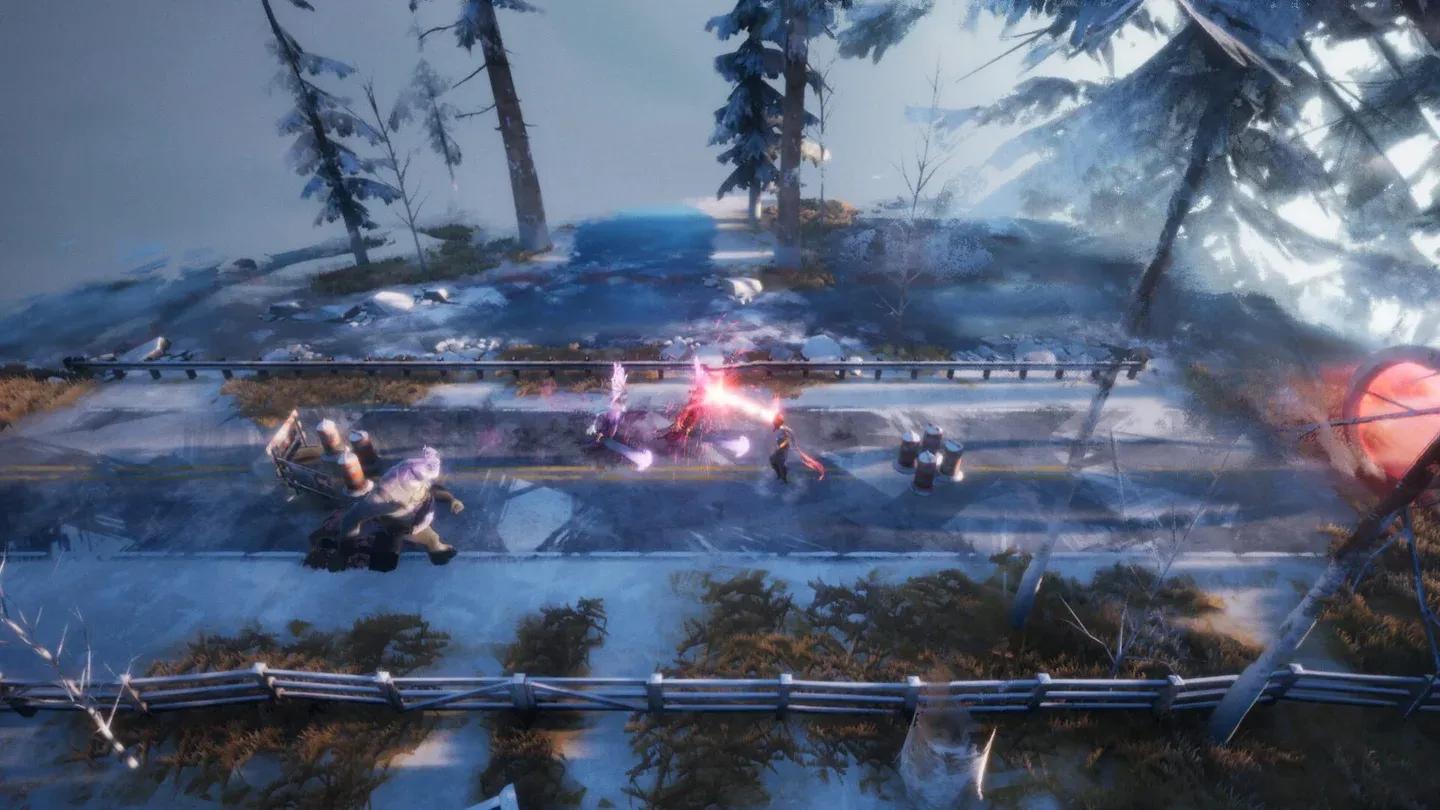
Dreamscaper's combat system is the engine that keeps everything moving. It layers melee attacks, ranged options, and dream-powered abilities on top of a defensive framework built around blocking, dodging, and parrying. Getting good at it takes time, but the game is patient. New weapons and abilities surface as runs progress, and the mix-and-match nature of the loadout system means no two runs play exactly the same way.
Key combat mechanics include:
- Melee, ranged, and dream power combos
- Active parry and block system
- Lucid energy that builds with performance
- Unlockable weapons discovered mid-run
- Time and space manipulation abilities
The lucid energy mechanic is worth highlighting specifically. Playing well, landing parries, and clearing enemies efficiently fills a meter that unlocks stronger dream abilities. It's a risk-reward system that pushes players toward aggressive, precise play rather than cautious attrition.
Does Dreamscaper have good replayability?
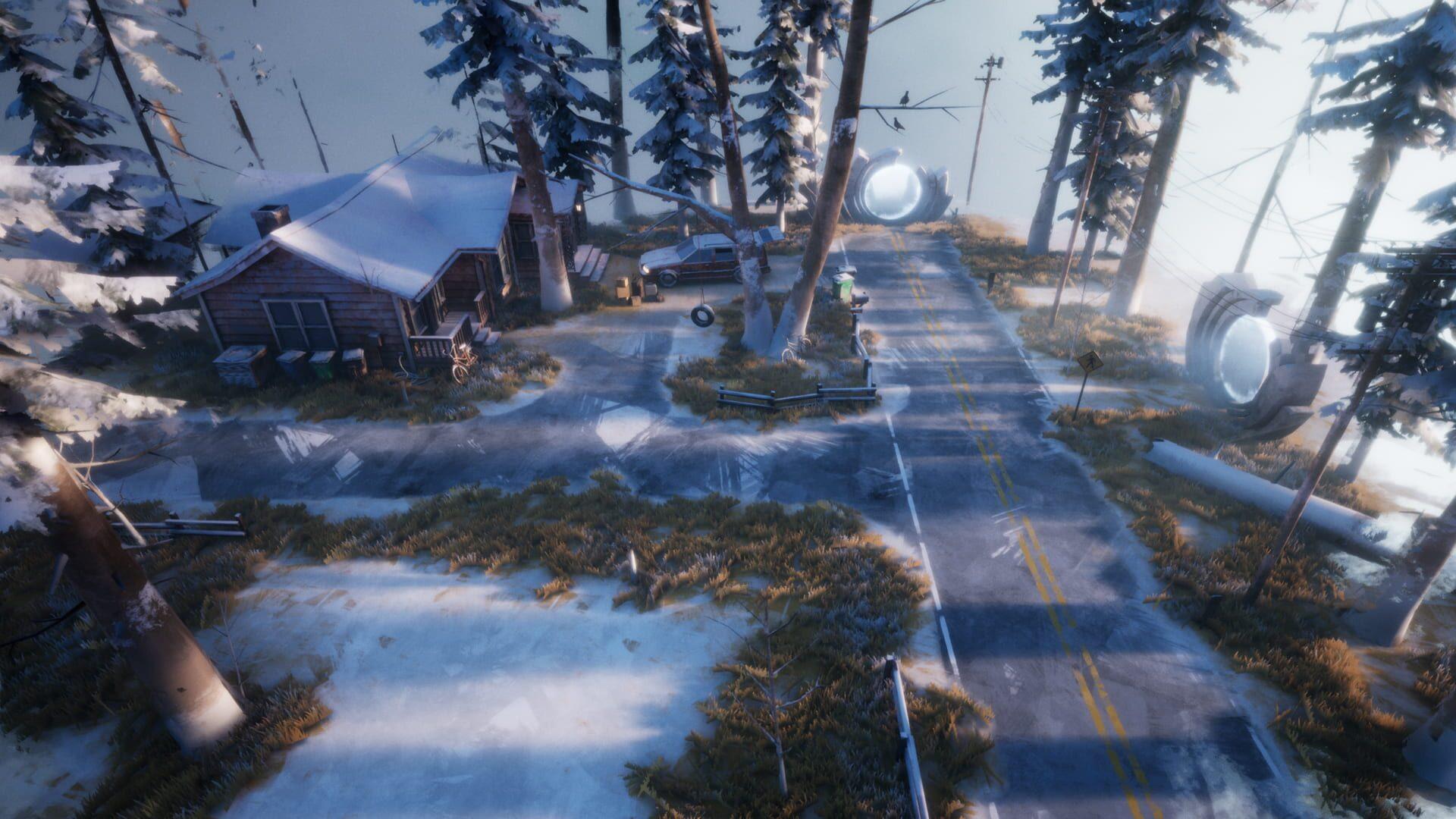
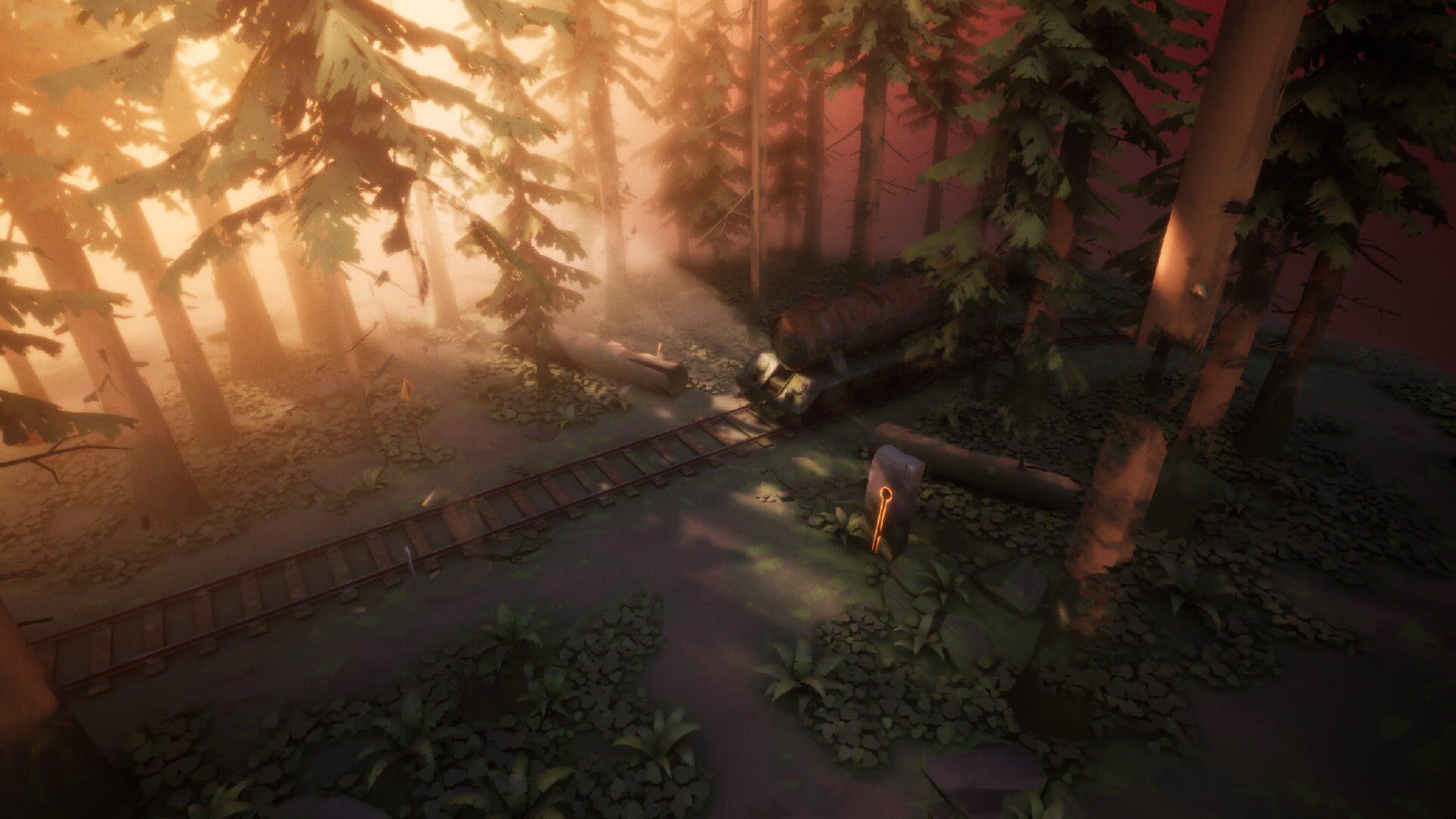
Yes, and it earns that replayability through variety rather than just raw randomness. Each run through Cassidy's subconscious generates a different world layout, different item combinations, and different enemy configurations. The six dream levels each have their own visual identity and thematic logic, so progression through the game feels like genuine exploration rather than repetition with reshuffled rooms.
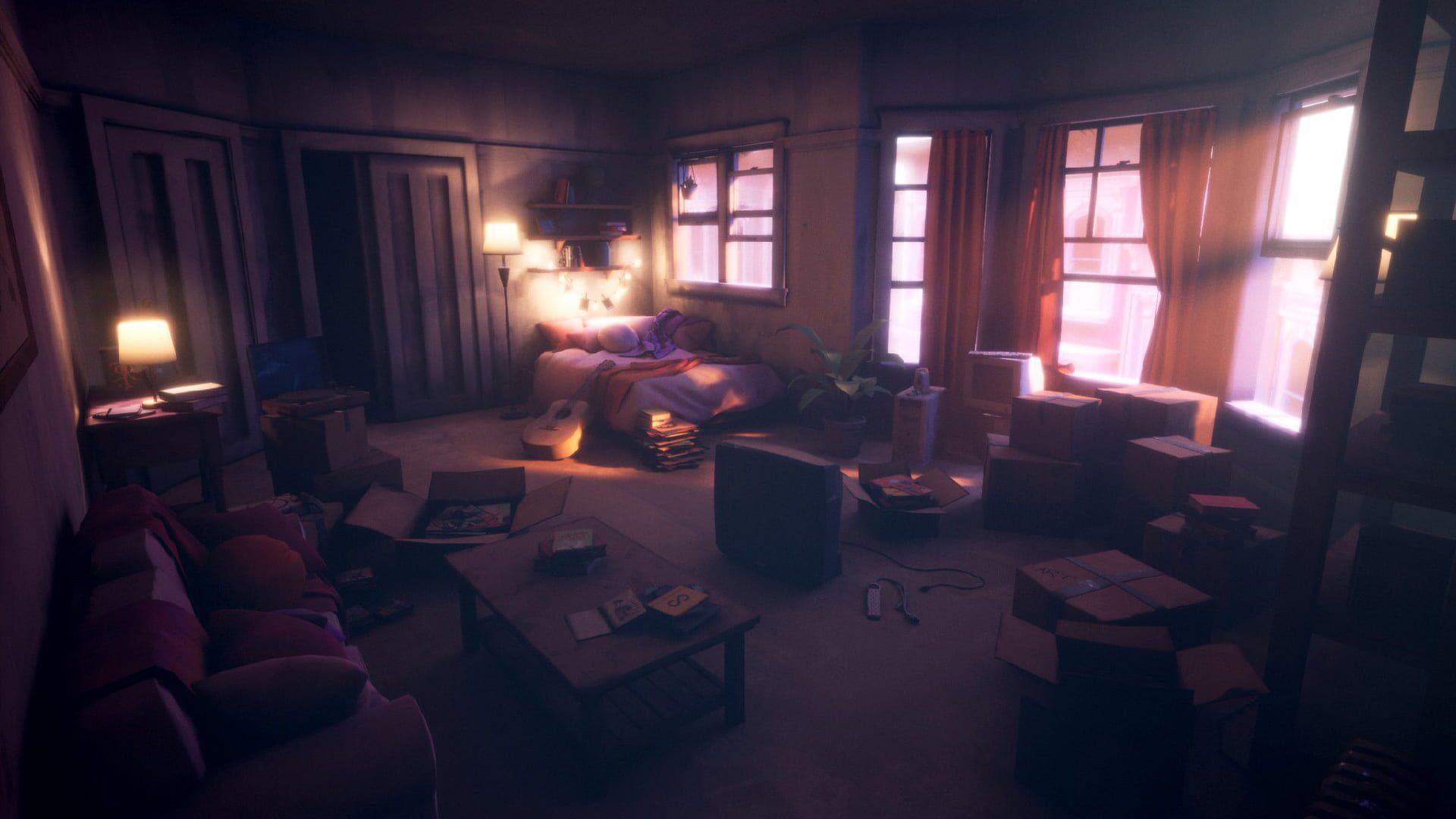
The waking-world segments add another layer. Between runs, Cassidy interacts with people in her life, and building those relationships feeds back into the dream mechanics. It's a loop that connects the narrative and the gameplay in a way that many roguelites don't bother attempting.
World and atmosphere
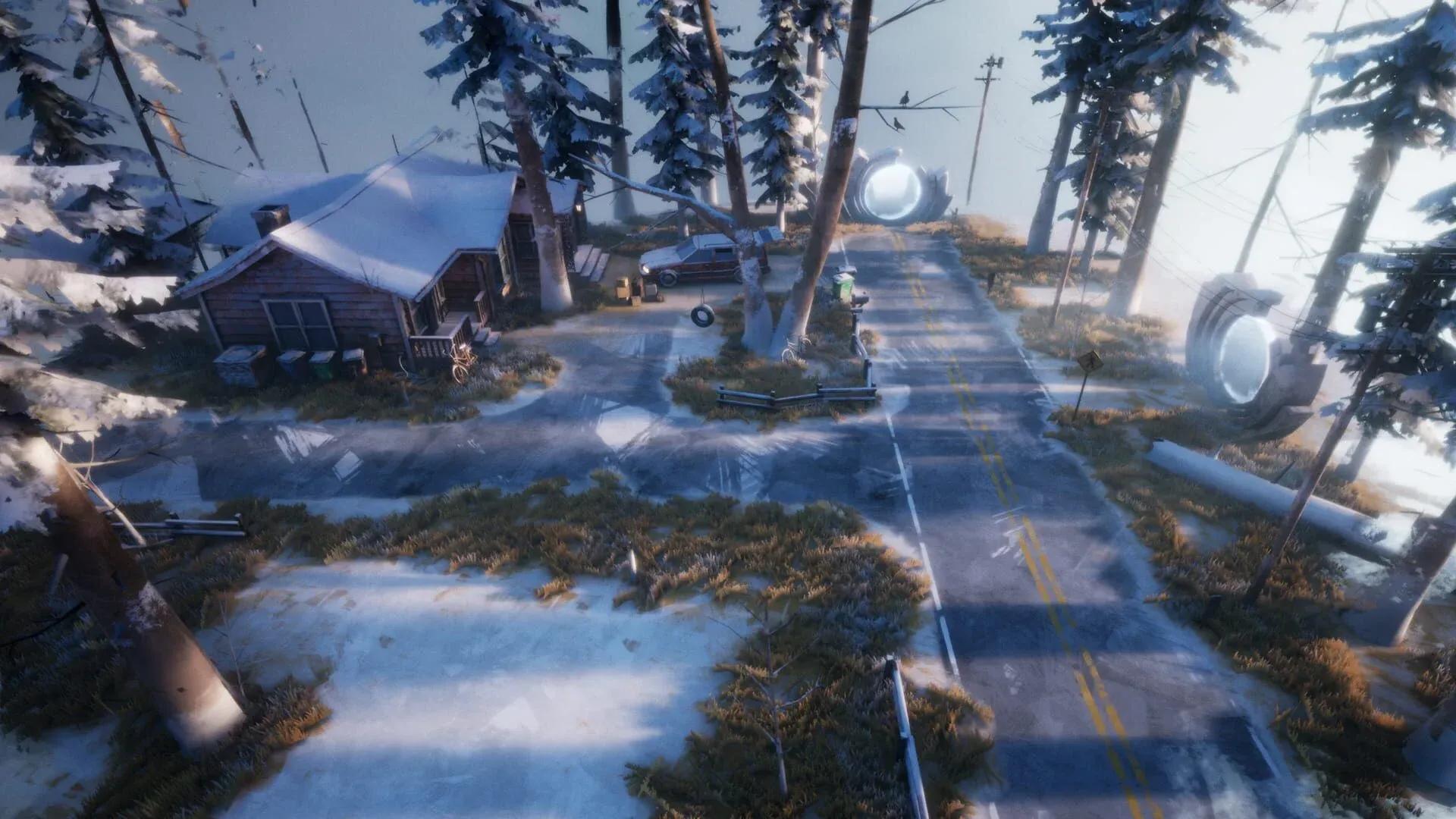
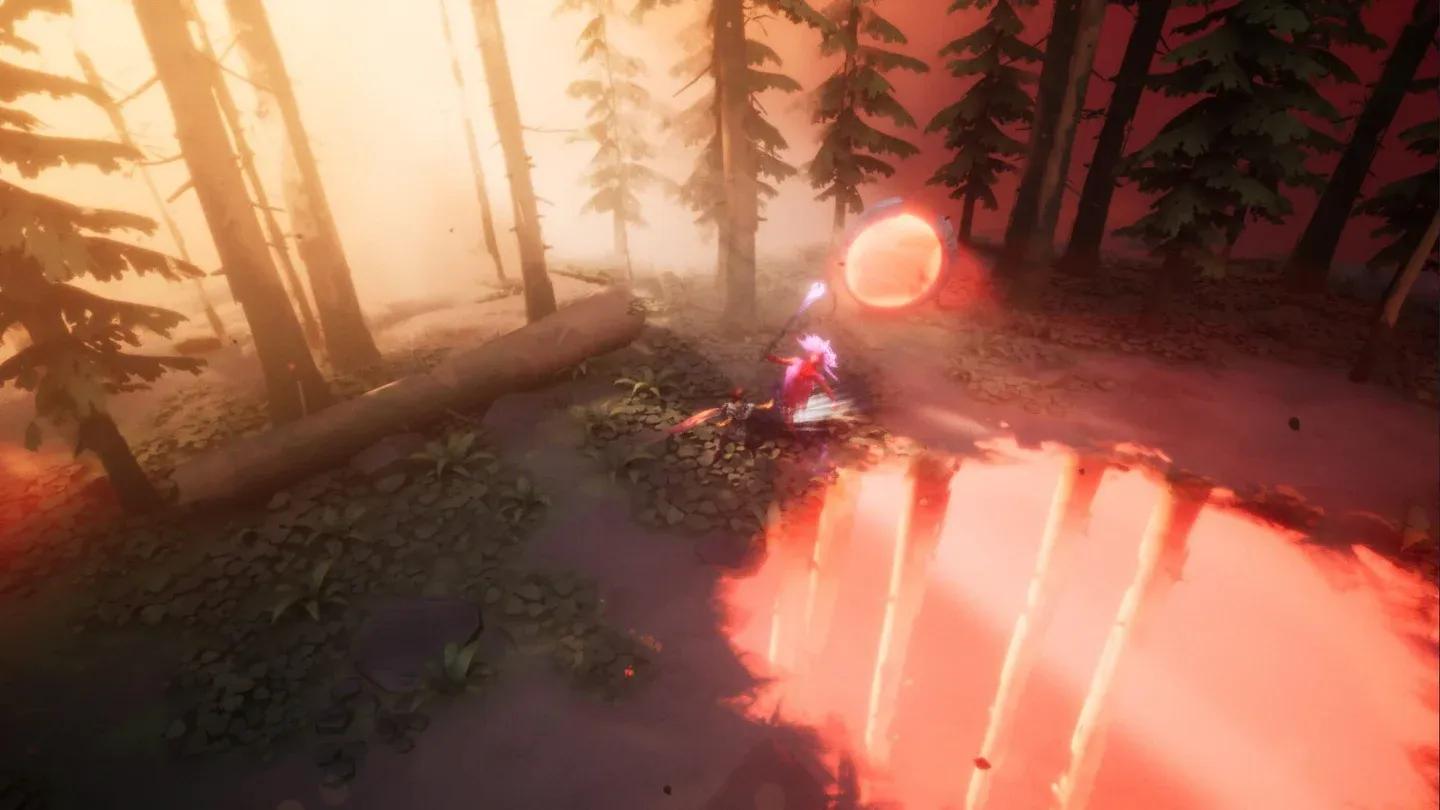
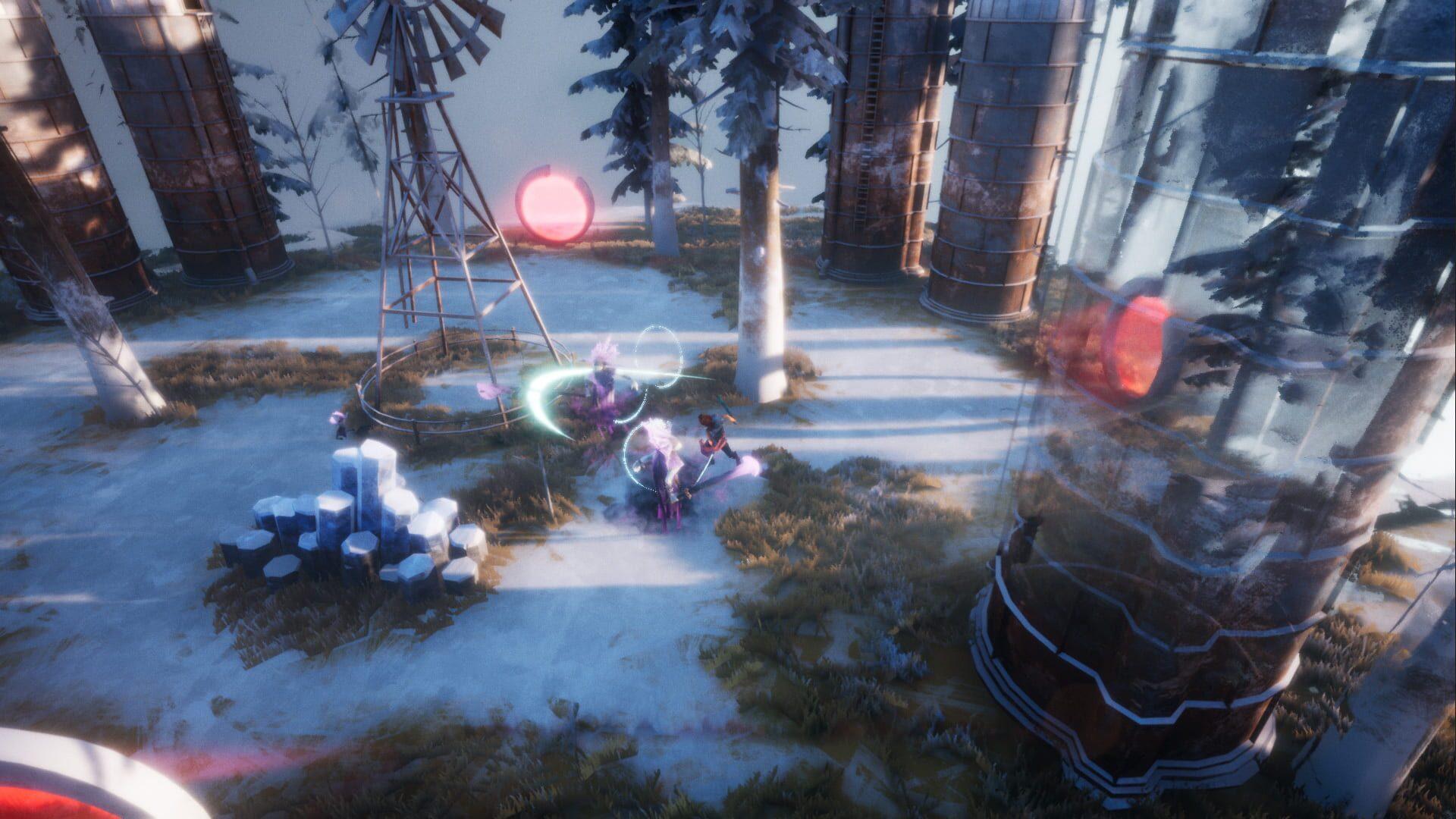
The art direction in Dreamscaper leans into the uncanny without losing coherence. Dream environments shift between haunting and beautiful, with visual design that reflects the emotional states driving each level. The enemies and bosses aren't generic fantasy creatures. They're manifestations of anxiety, grief, and isolation, rendered in a style that keeps the surreal grounded.
Six distinct dream zones give the game enough visual range to stay interesting across multiple playthroughs, and the procedural generation ensures that even familiar zones feel fresh on repeat visits.
Conclusion
Dreamscaper is a well-constructed roguelite ARPG that uses its lucid dreaming premise to do something most games in the genre don't attempt: make the player care about the protagonist between fights. The combat system has enough depth to reward long-term investment, the procedural generation keeps runs feeling distinct, and the narrative framing gives the whole experience a purpose beyond the score. Available on PC, Xbox, and Nintendo Switch, it's a strong option for anyone who wants their hack-and-slash runs to mean something.