
Biggest discounts, free games, and limited-time offers across every major gaming store.
Never pay full price again.
Overview
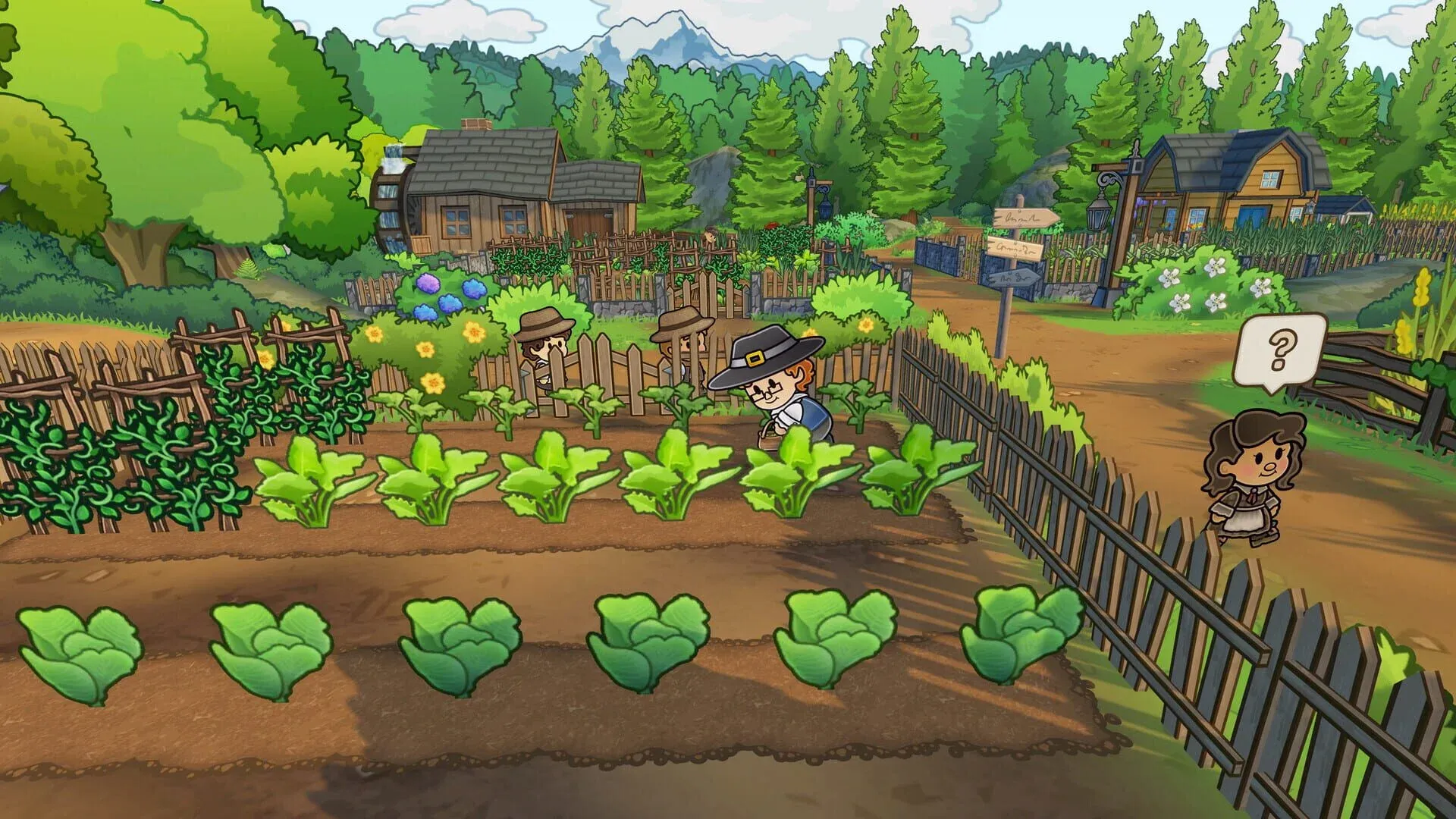
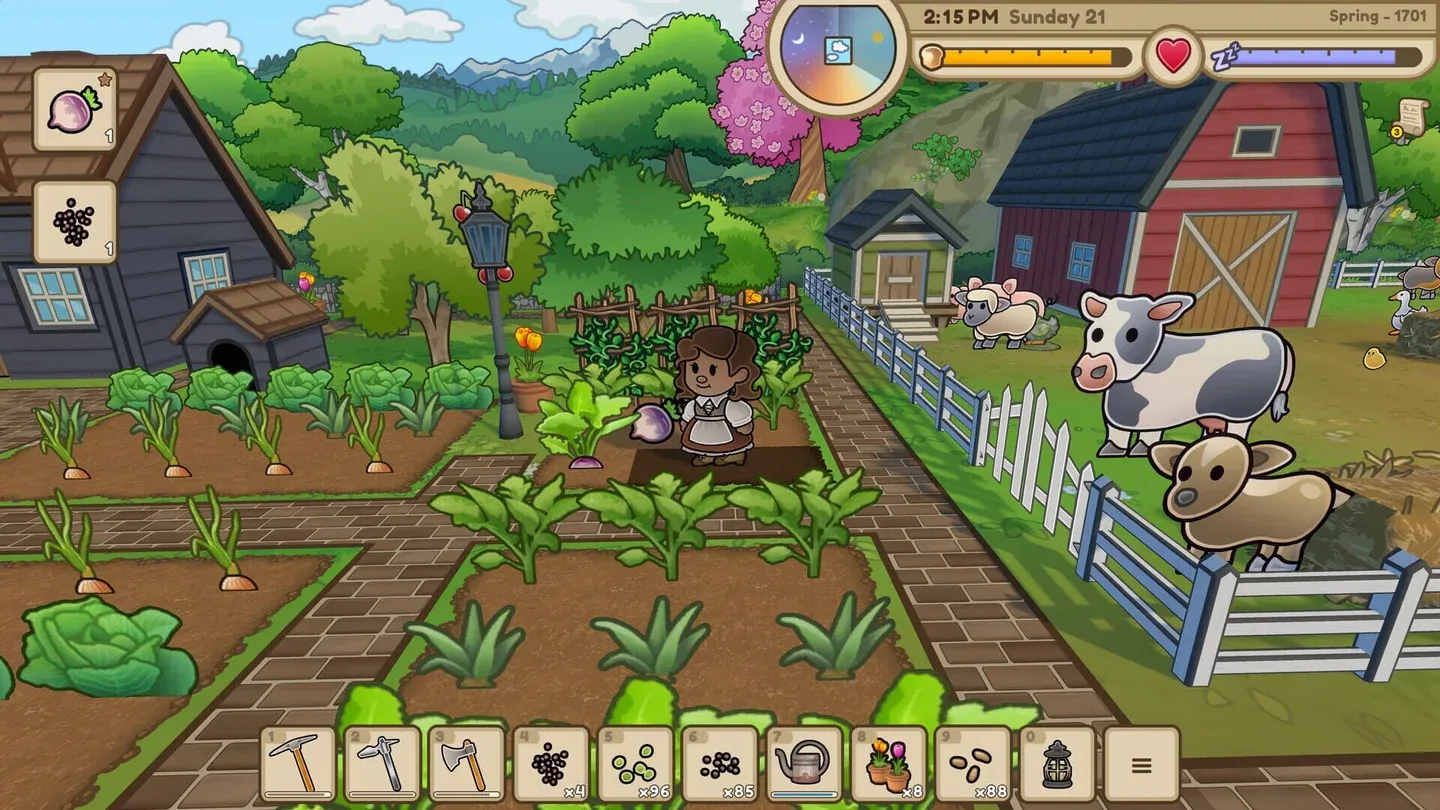
Echoes of the Plum Grove plants its flag firmly in the cozy farming sim genre, then immediately complicates things. Set on the island of Honeywood, the game casts players as a shipwreck survivor who inherits a modest plot of land and must turn it into something worth passing down. The twist is that "passing down" is literal: when your original character eventually dies, the story continues through your descendants. The farm survives. The family line continues. The island keeps its secrets a little longer.
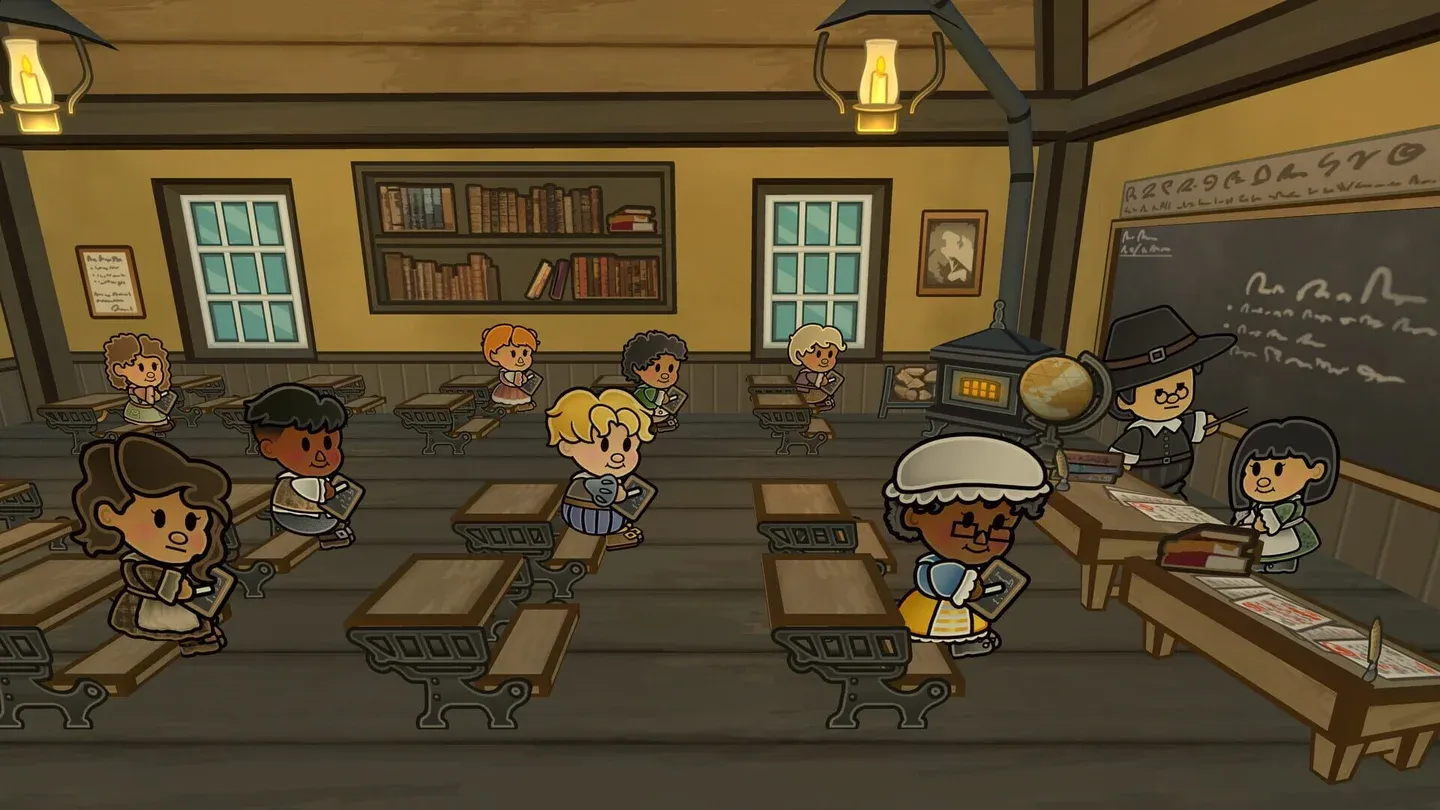
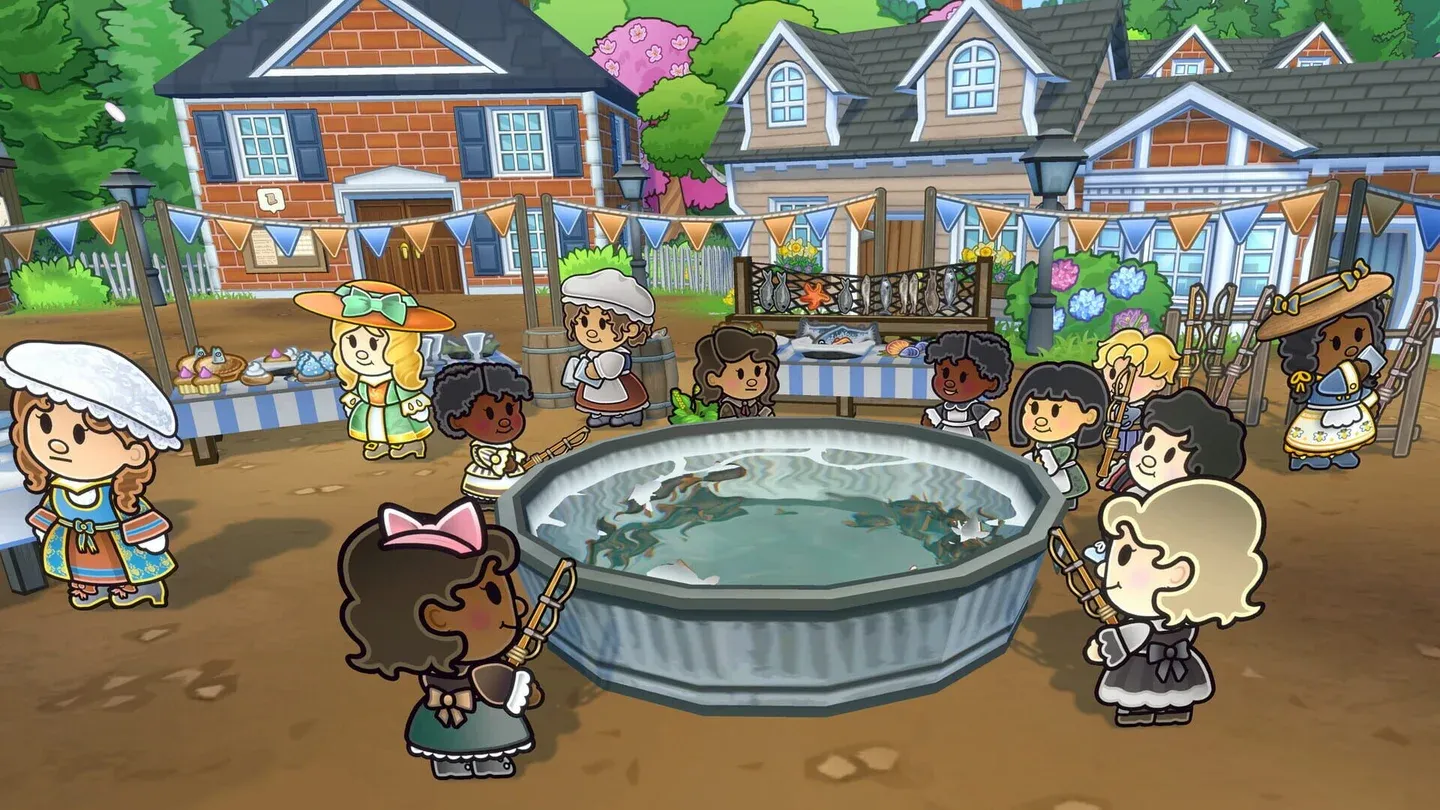
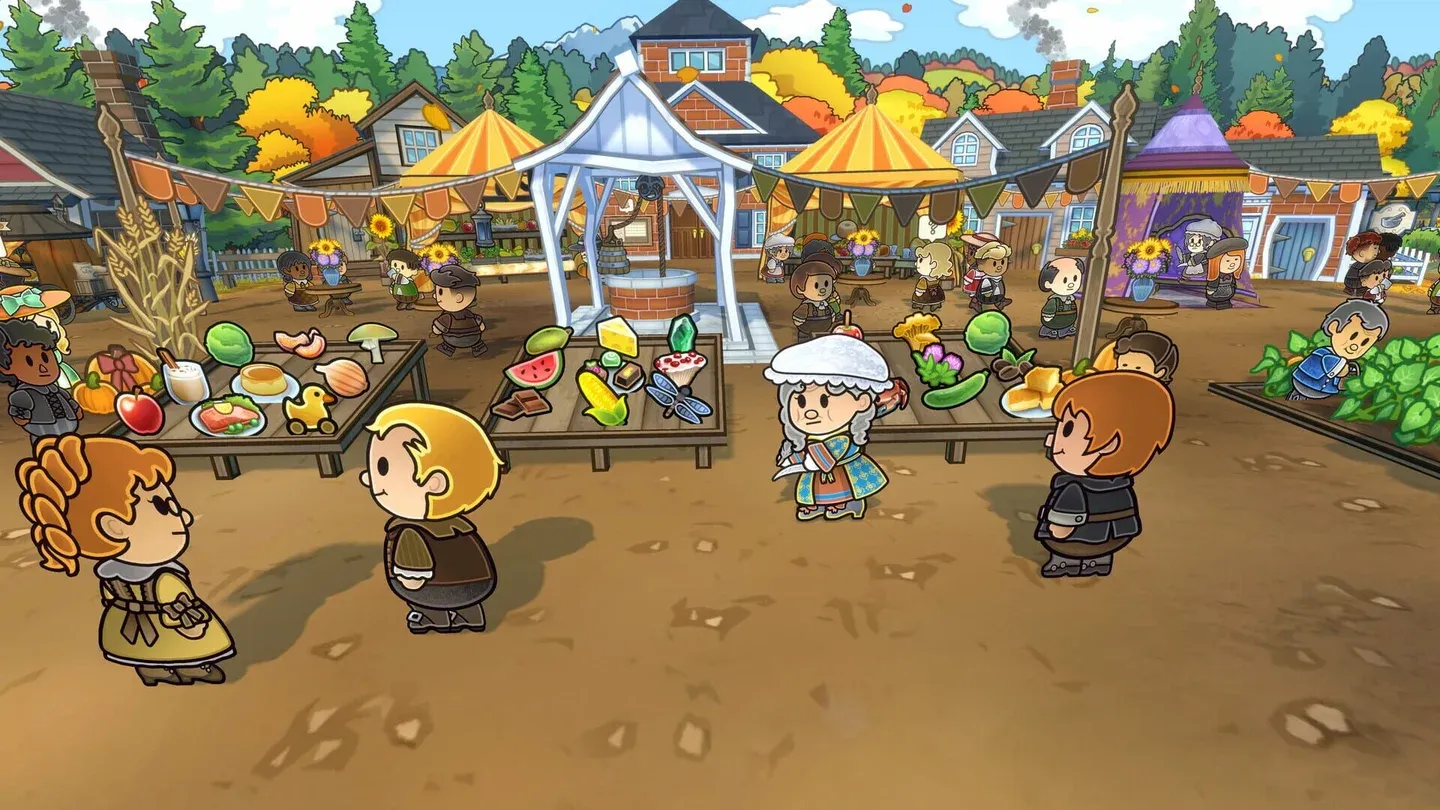
Honeywood itself functions as a living town, not just a backdrop. Every NPC has their own schedule, hobbies, job, and children, which gives the social layer real texture. Relationships here carry actual weight. Befriend the right people and your community grows stronger. Treat your neighbors poorly, and the consequences follow your family line forward. It is a surprisingly thoughtful system for a game that also lets you fish, forage, and bake bread.
The seasonal cycle drives everything. Summer and spring are for planting and socializing. Winter is where Echoes of the Plum Grove stops being cozy and starts being genuinely tense. Fail to stock enough food, neglect your crops, or skip the fishing runs, and your character can die before the snow melts, cutting your family line short before any of the island's deeper mysteries get resolved.
What makes the multigenerational system work?
The generational mechanic is the clearest answer to "what separates this from other farm sims." Most games in the genre reset the clock or treat death as a game-over screen. Echoes of the Plum Grove treats it as a chapter break. Your farm, your relationships, your community standing, all of it carries forward to the next generation. The choices made in generation one echo (the title earns itself) into generation two and beyond.
Key systems that feed into this loop:
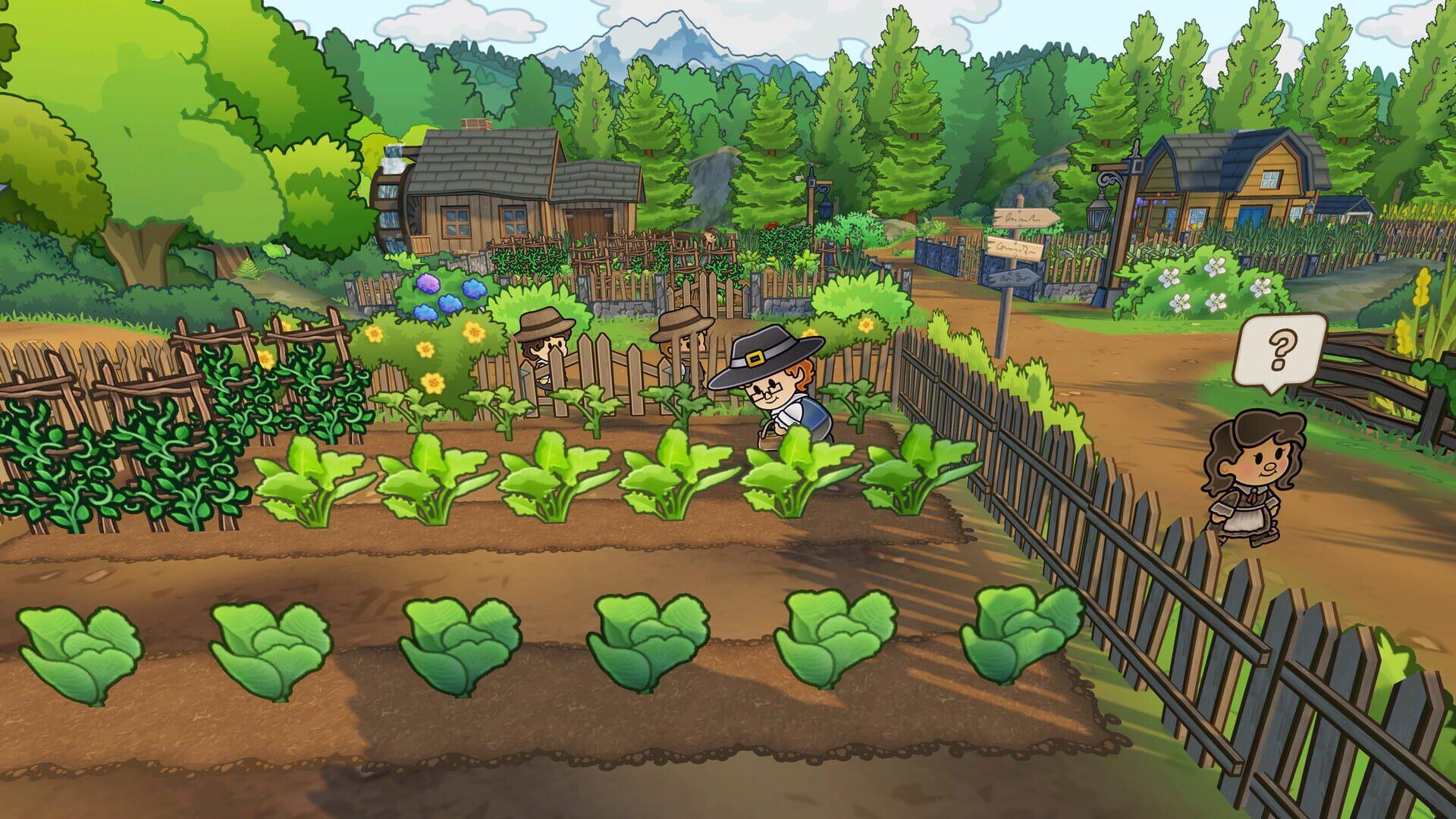
- Farming and seasonal crop management
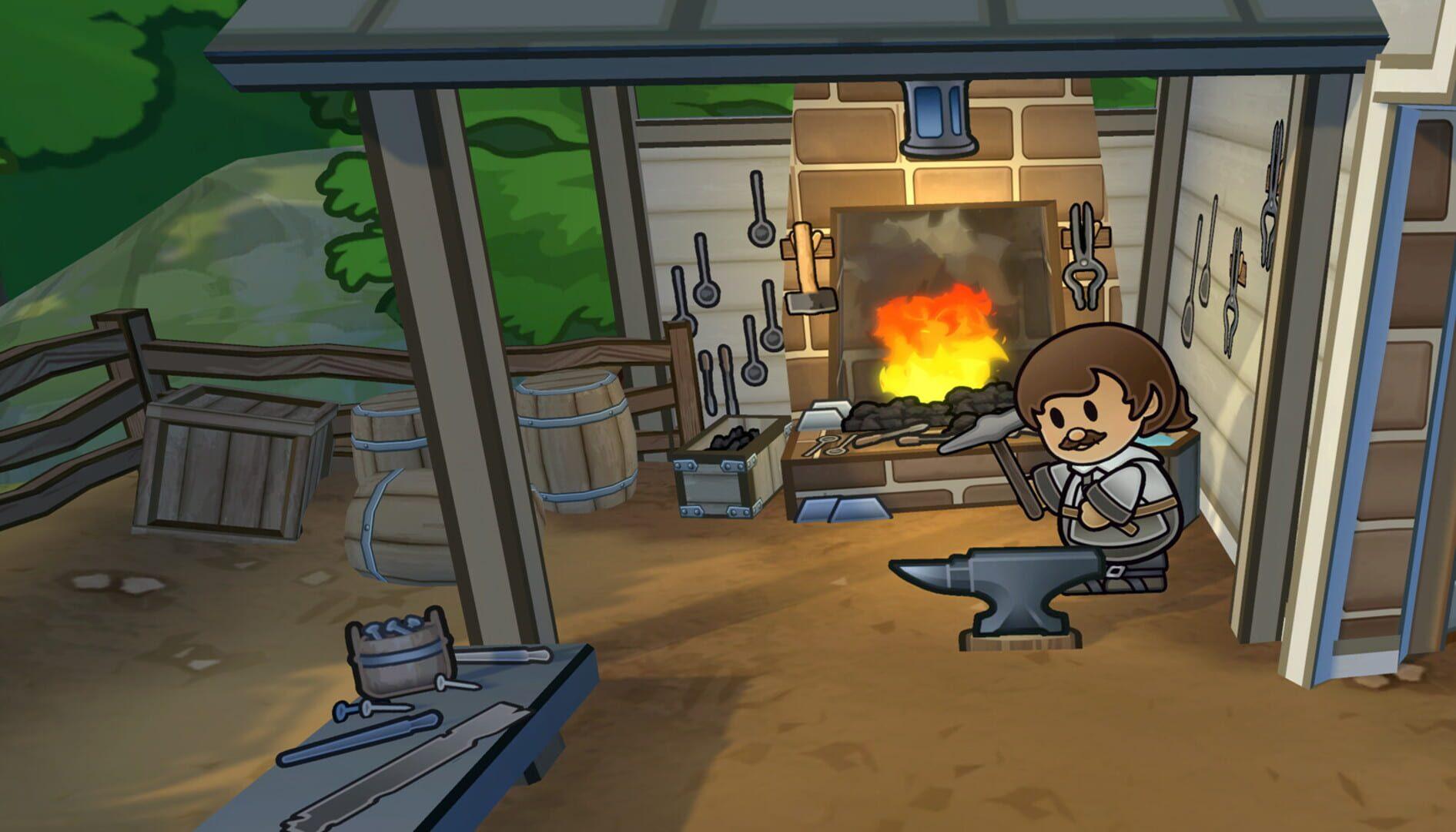
- Cooking, crafting, and foraging for winter survival
- Relationship building and social consequence
- Family tree progression across generations
- Island exploration and mystery discovery
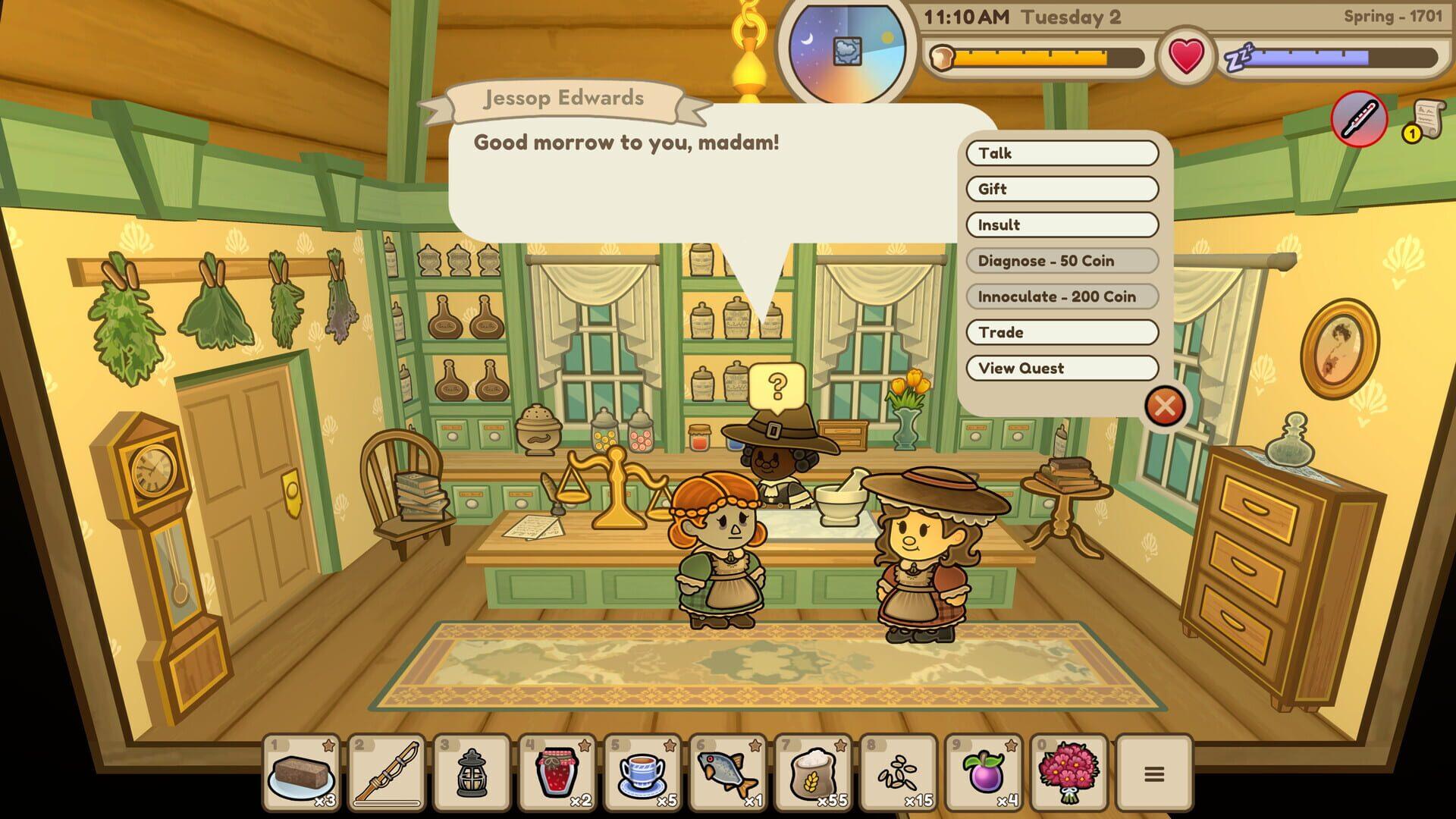
The social mechanics deserve more credit than they typically get in genre coverage. Townsfolk remember how you treated them. Children grow up. The town evolves based on who thrives and who doesn't. It stops feeling like a static set of dialogue trees and starts feeling like an actual community with a memory.
The island has more going on than it looks
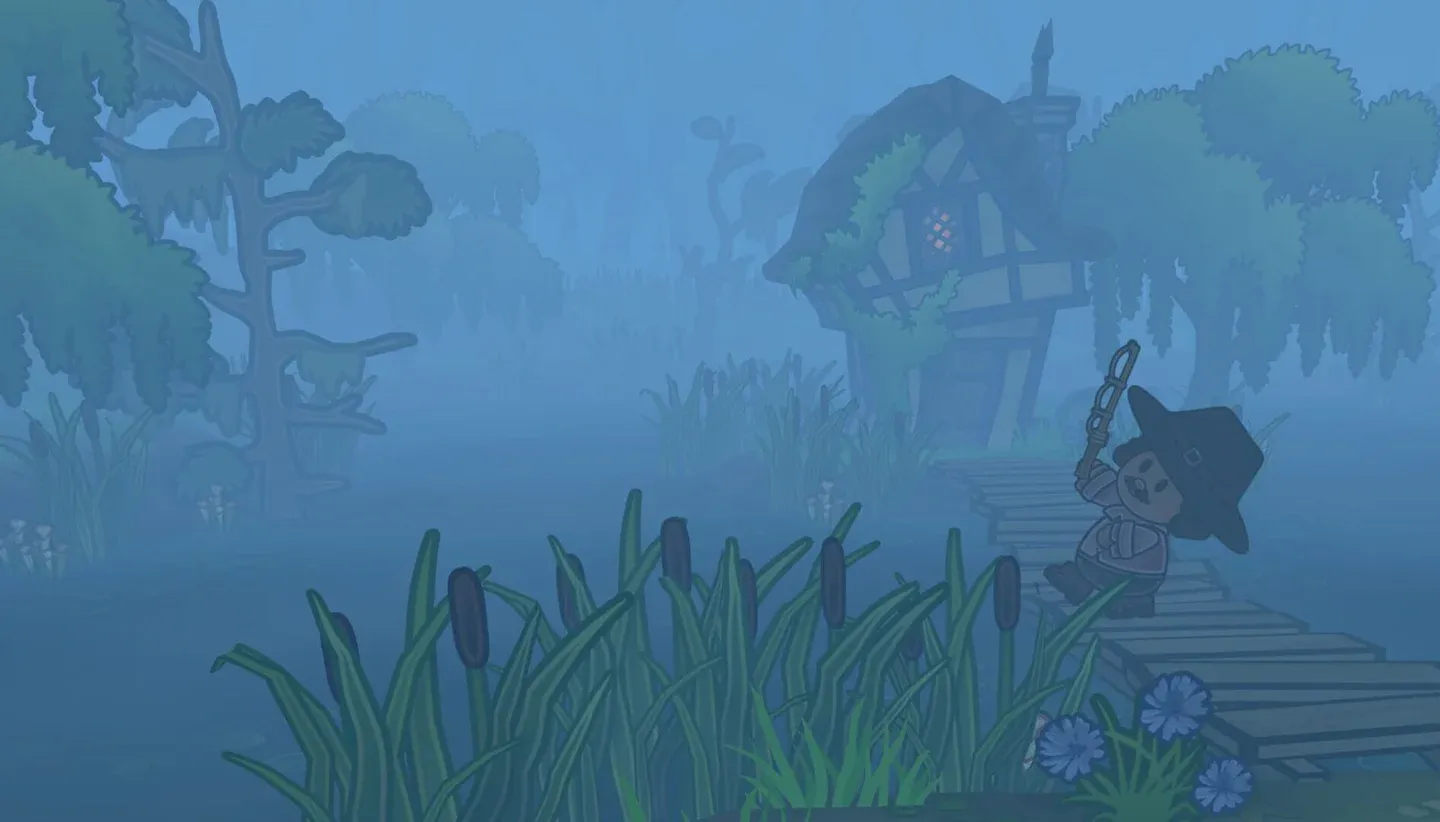
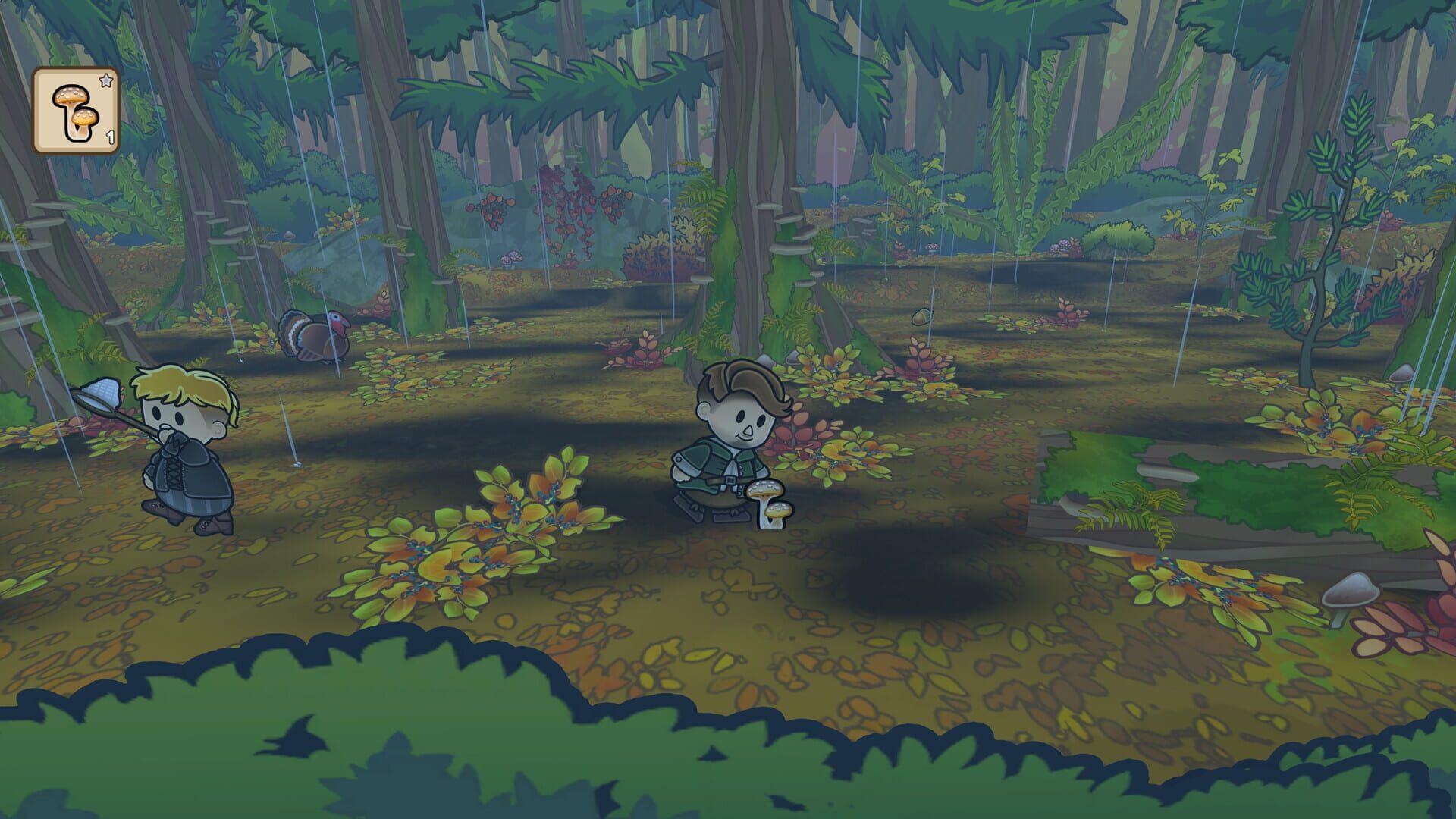
Honeywood presents itself as a quiet, welcoming place, and it is, right up until it isn't. There are rumors of a witch somewhere on the island who trades in unusual items. Strange sounds come from the bay. The mines go deeper than anyone has fully mapped. None of this is window dressing. Exploration is a genuine gameplay layer, and the mysteries are designed to reward players who stay curious across multiple generations.
The adventure elements sit lightly on top of the farming core without overwhelming it. This is still, fundamentally, a game about managing your land and your relationships. But the island secrets give long-term players a reason to keep pushing beyond the comfort of a well-stocked farm.
Visual and audio design
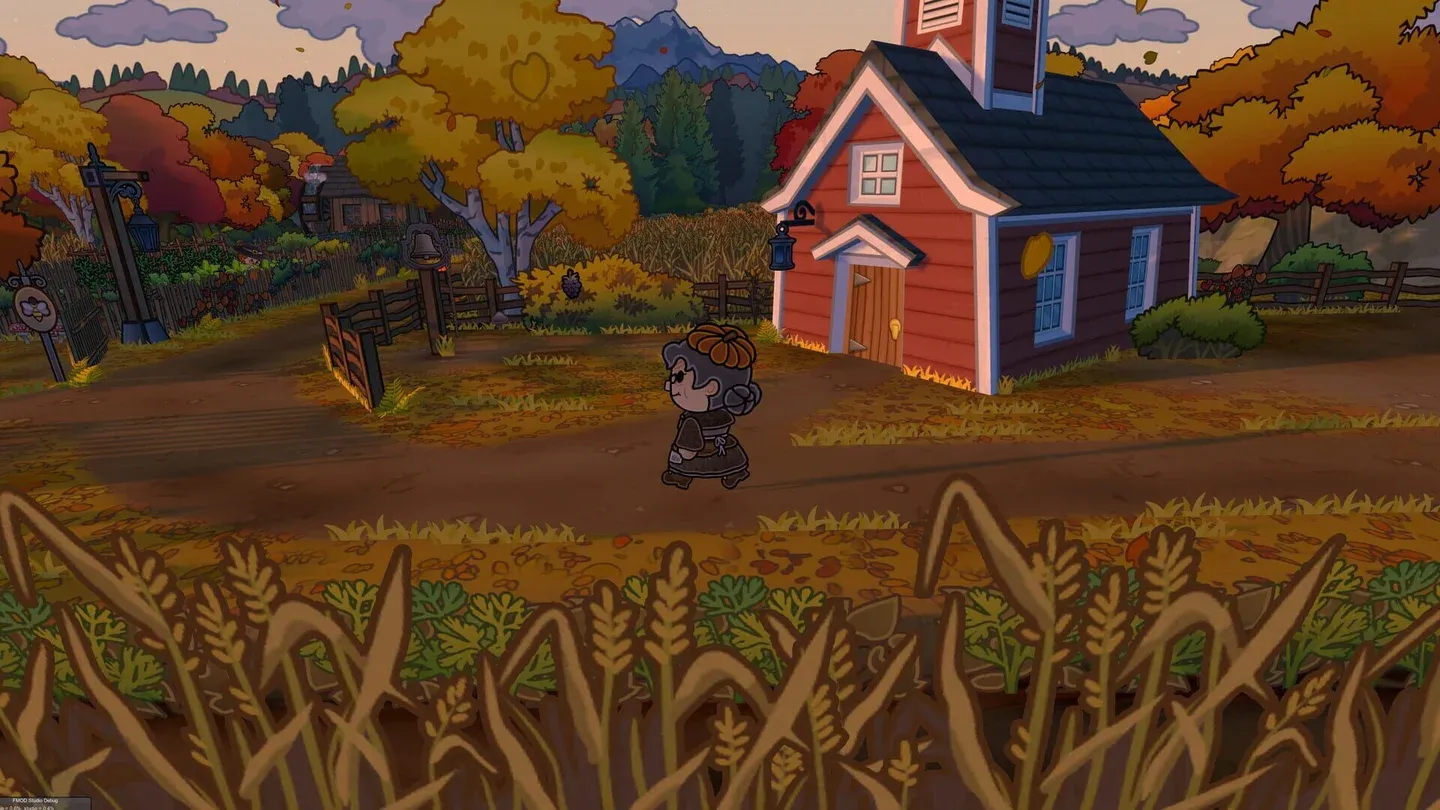
Echoes of the Plum Grove uses a warm pixel art style that fits the cozy aesthetic without leaning into saccharine territory. The seasonal shifts are visually distinct, with winter carrying a noticeably starker palette that reinforces how much the stakes change. The art does real work communicating tone, especially when the game wants you to feel the weight of a difficult season.
The game runs on Windows and Nintendo Switch, making it a natural fit for handheld play during the slower, quieter moments between major seasonal pushes.
Conclusion
Echoes of the Plum Grove is a farming simulation game with genuine ambition behind its cozy exterior. The multigenerational system gives every decision long-term meaning, the survival pressure of winter keeps the loop from going soft, and Honeywood's cast of characters adds social depth that most games in the genre skip entirely. For players who want a farm sim that respects their time and their choices, this one has more going on beneath the surface than its pixel art cover suggests.