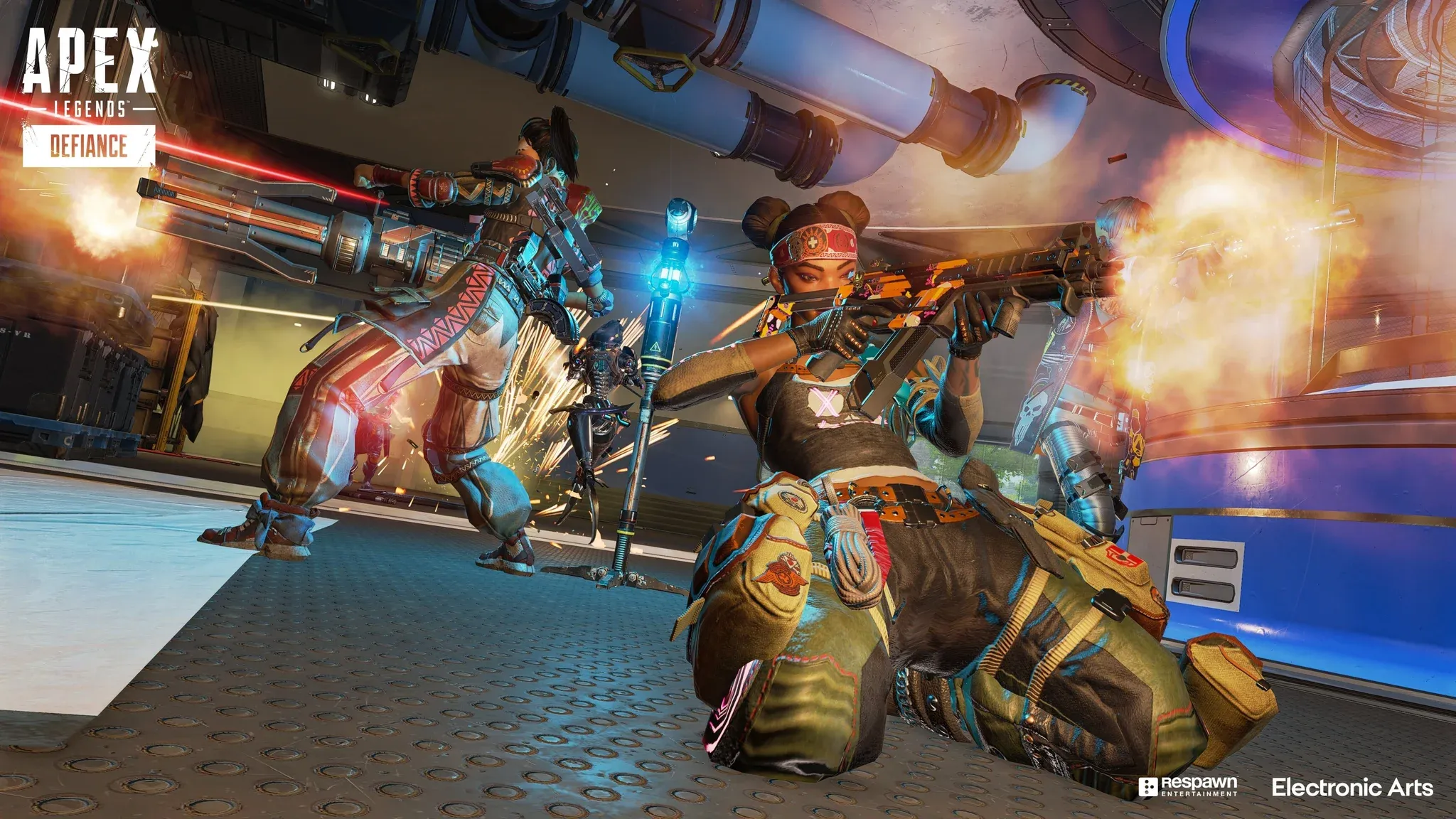


Control fans in Apex Legends got something to work with on June 24, when Respawn pushed a notable update targeting the high-octane, respawn-enabled limited-time mode that the community has been asking about for months.
Here's the lowdown: the patch addresses several long-standing friction points in Control, the objective-based mode where two teams of 9 fight over three capture points across larger-than-usual maps. If you have spent any time grinding Control since its last rotation, you already know the pain points this update was aimed at.
What Control looked like before June 24
Prior to this patch, Control had a few persistent issues that made the mode feel uneven at higher skill levels. Spawn timing near contested zones created frustrating loops where defenders could lock down a point almost immediately after a team wiped. The score threshold and zone contribution rates also meant matches could snowball hard in one direction with limited opportunity for the trailing team to claw back.
Legend ability uptime was another sticking point. Because Control gives players unlimited respawns and faster ultimate charge, certain Legends with area-denial ultimates were dominating zone control in ways that felt oppressive rather than strategic. The pre-patch meta had narrowed noticeably around a handful of picks.
The June 24 changes
The update brings targeted balance adjustments rather than a full overhaul. Spawn protection timing near contested capture points has been tightened, reducing the window where defenders can immediately re-engage without consequence. This should open up more back-and-forth momentum swings, which is exactly what makes Control worth playing in the first place.
Score contribution rates for holding multiple zones simultaneously have been adjusted downward slightly. Holding all three points at once was effectively an instant win condition that compressed match time too aggressively. The new values give trailing teams a more realistic window to contest at least one zone and extend the game.
On the Legend side, area-denial ultimates now have their charge rates modestly reduced in Control specifically. The key here is that Respawn is not gutting these abilities, just pulling them back enough that a single Catalyst or Caustic cannot single-handedly lock down a point for an entire rotation.
What this means for how the mode actually plays
The practical effect of these changes is that Control should feel less like a steamroll simulator and more like the chaotic, team-fight-focused mode it was designed to be. Matches that previously ended in under eight minutes due to zone lockout should now push closer to the intended 10-to-15-minute range.
For players who prefer aggressive, ability-heavy Legends, the charge rate reduction is noticeable but not punishing. You will still get multiple ultimate uses per match. What most players miss is that the real buff here is actually to mechanical skill and gunfight quality, since zone control now depends more on positioning and aim than on cycling one dominant ability every 90 seconds.
Teams that struggled to mount comebacks in the old version now have a legitimate path back into matches, which makes Control a more compelling mode to queue into, especially in a limited-time context where every partida counts.
Where Control fits in the broader Apex update cycle
Respawn has been iterating on Control since it first appeared as a limited-time mode, and these June 24 adjustments reflect that the team is paying attention to community feedback about mode-specific balance. The changes are surgical rather than sweeping, which is the right call for a mode that rotates in and out of the playlist.
If you want to go deeper on Apex Legends strategy and mode-specific tactics, the Control guides collection has you covered with breakdowns tailored to the mode's unique ruleset.
Control's current rotation window makes this the right time to jump in and feel the difference firsthand. For broader Apex and general gaming strategy, the full gaming guides hub is worth bookmarking as Respawn continues its mid-season update cadence.