Overview
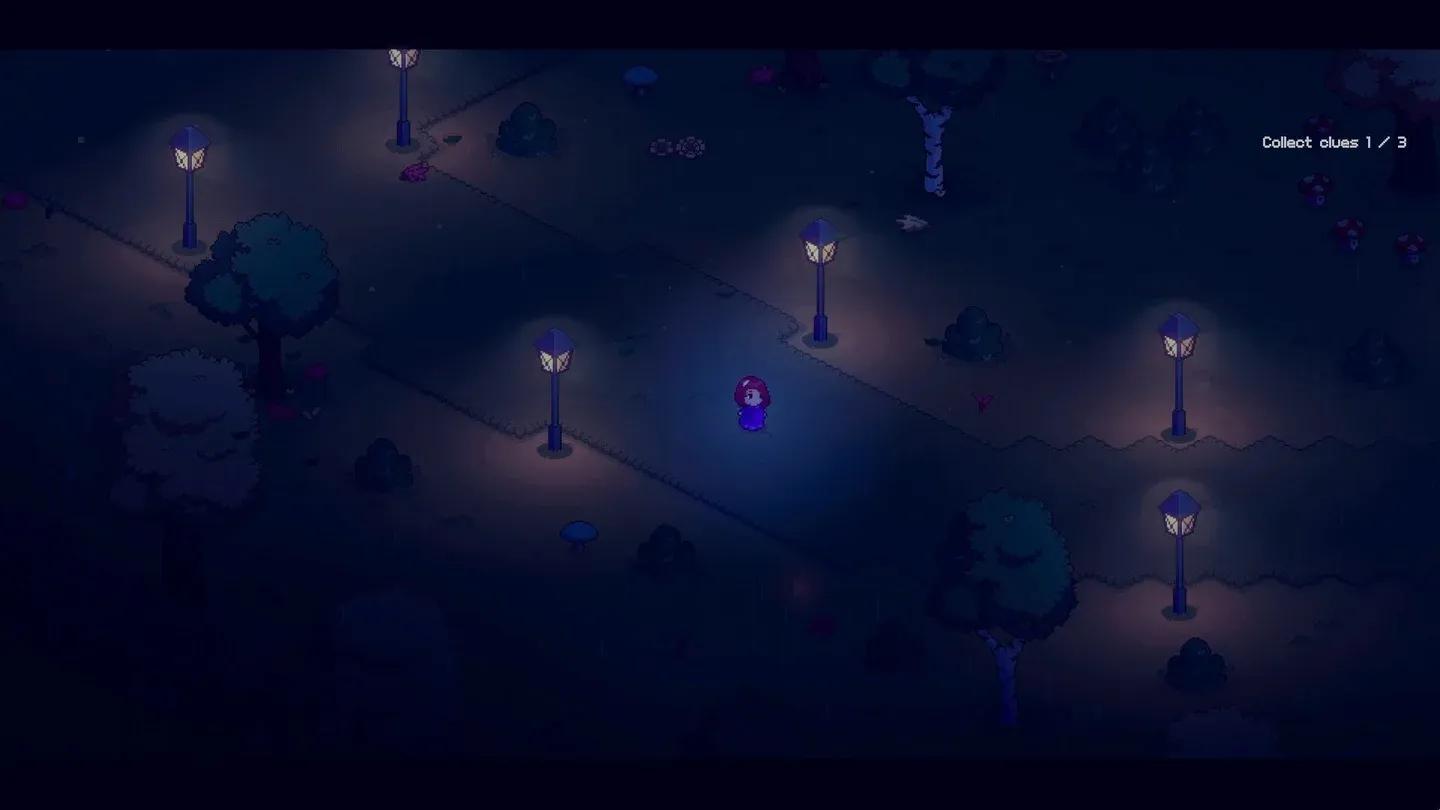
Everholm arrived on November 11, 2024, developed by the small indie studio Chonky Loaf and published through indie.io. The game centers on Lilly, a young woman who stumbles through a magical portal while searching for her lost sister, Melanie, and ends up on a compact island where the residents already seem to know who she is. That unsettling familiarity is the hook the entire game hangs on: why does everyone recognize her, and what does that mean for Melanie?
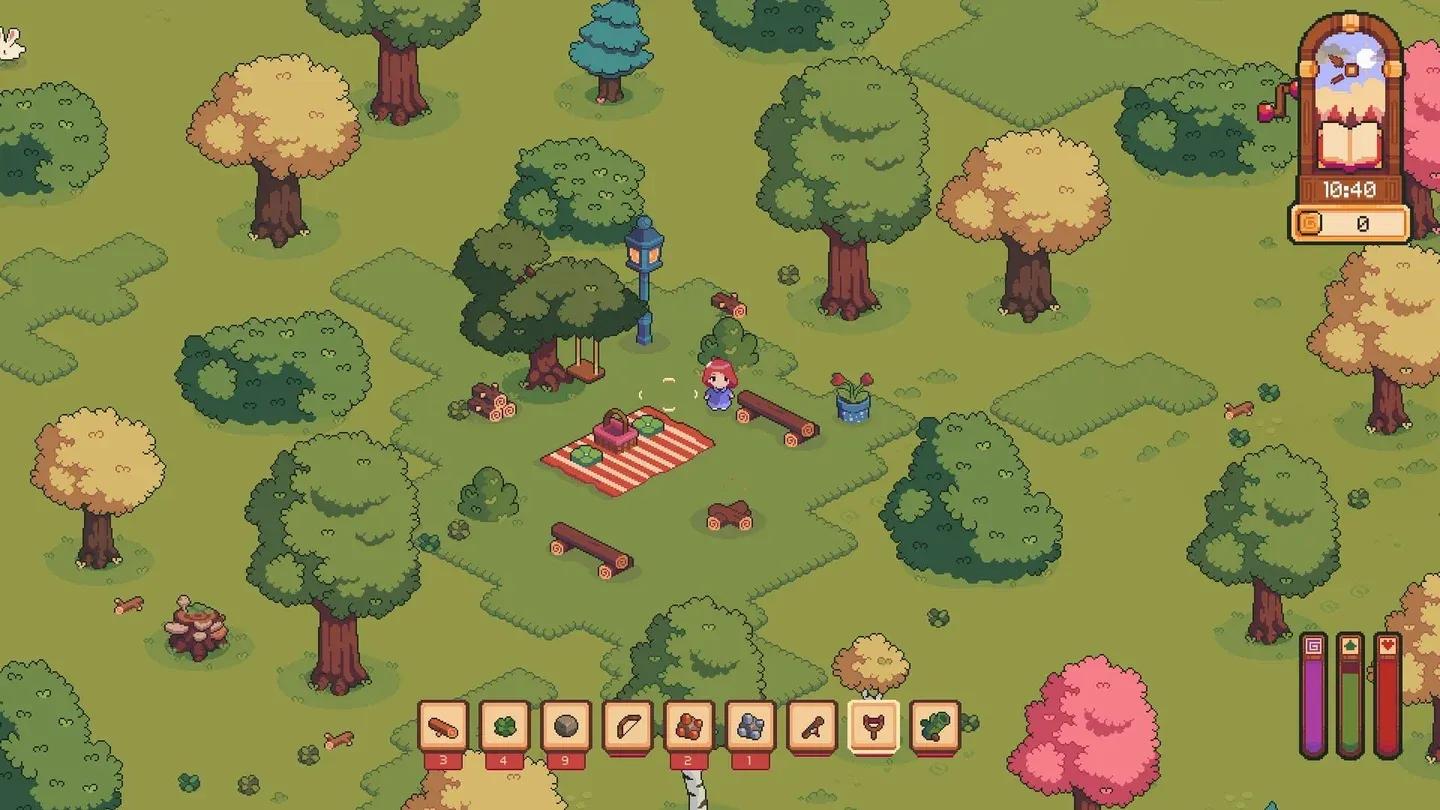
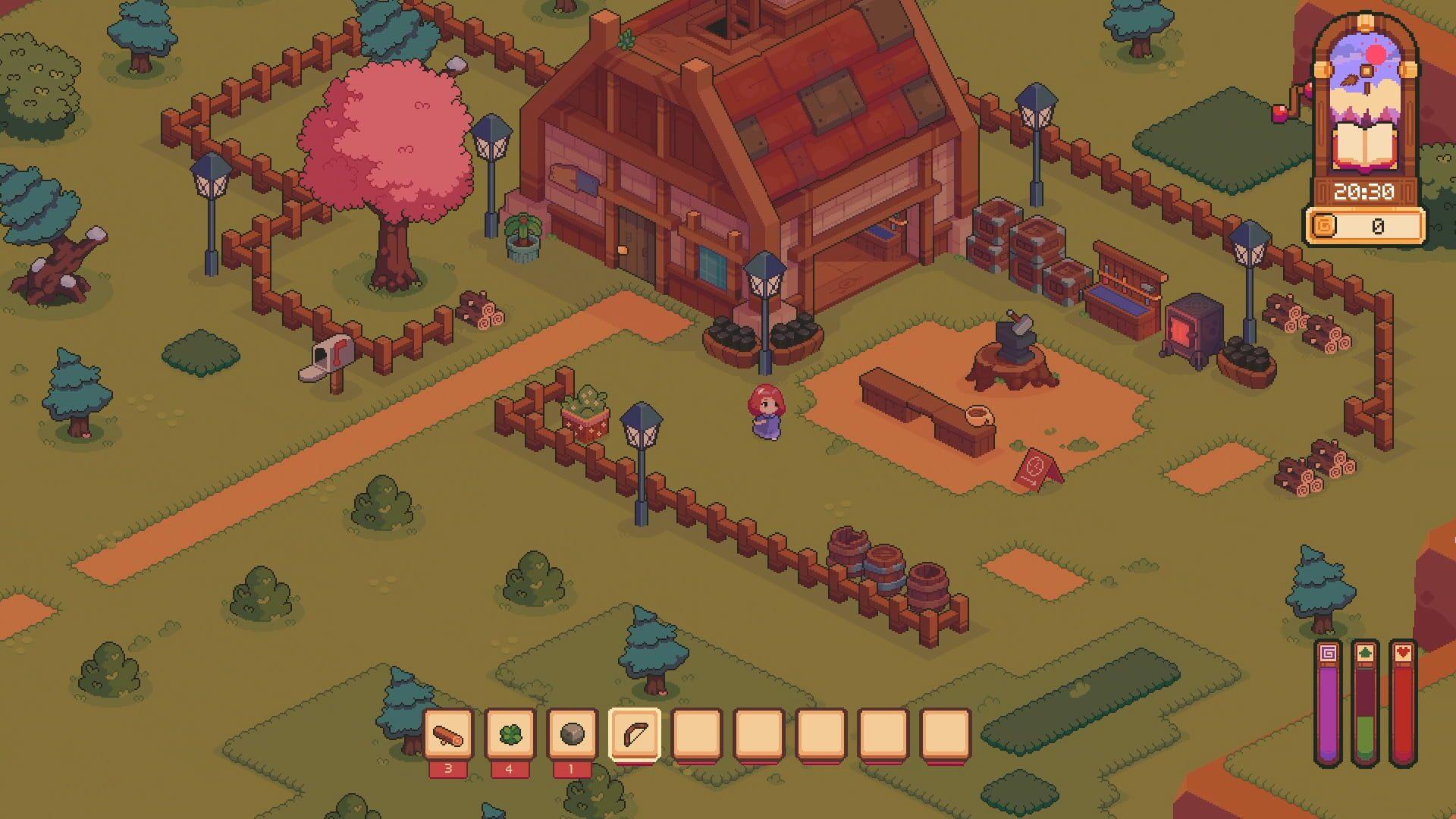
The setup sounds cozy, and in many ways it is. Lilly needs to restore a run-down homestead, grow crops, raise livestock, forage, and fish. The domestic loop is familiar to anyone who has put hours into farming RPGs, but Everholm layers something darker underneath it. The island has secrets, the islanders have secrets, and the only way to access them is to earn trust slowly, one conversation and favor at a time.
What kind of game is Everholm, exactly?
Everholm is a relationship-driven open-ended RPG that prioritizes social mechanics over combat. The story is non-linear, meaning the order in which Lilly uncovers the island's mysteries depends largely on who she befriends and when. Some residents open up quickly; others require sustained effort before they reveal anything meaningful. The game never forces a particular path, which gives the narrative a genuinely organic feel rather than a scripted checklist.
Key mechanics in Everholm:
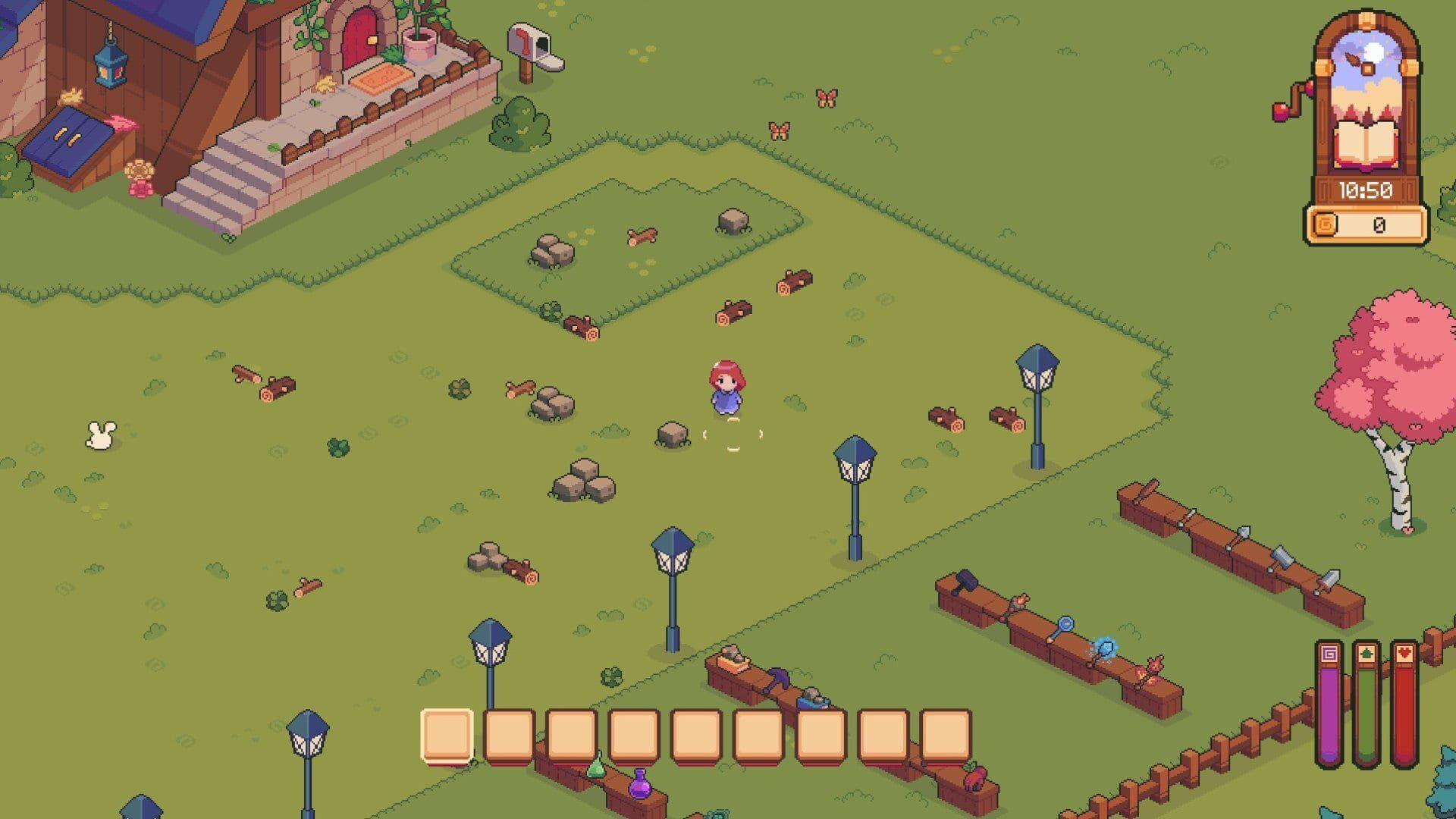
- Homestead building and crop farming
- Foraging, fishing, and livestock management
- NPC relationship progression with hidden story layers
- Procedurally generated underground dungeons
- Combat using weapons and spells against dungeon monsters
That dungeon system is where Everholm breaks from the pure cozy formula. Beneath the cheerful island surface sit procedurally generated caverns filled with monsters that require actual preparation to handle. Rare materials pulled from deep enough runs feed back into the homestead and crafting systems above ground, creating a satisfying loop between the two halves of the game.
Atmosphere and world design
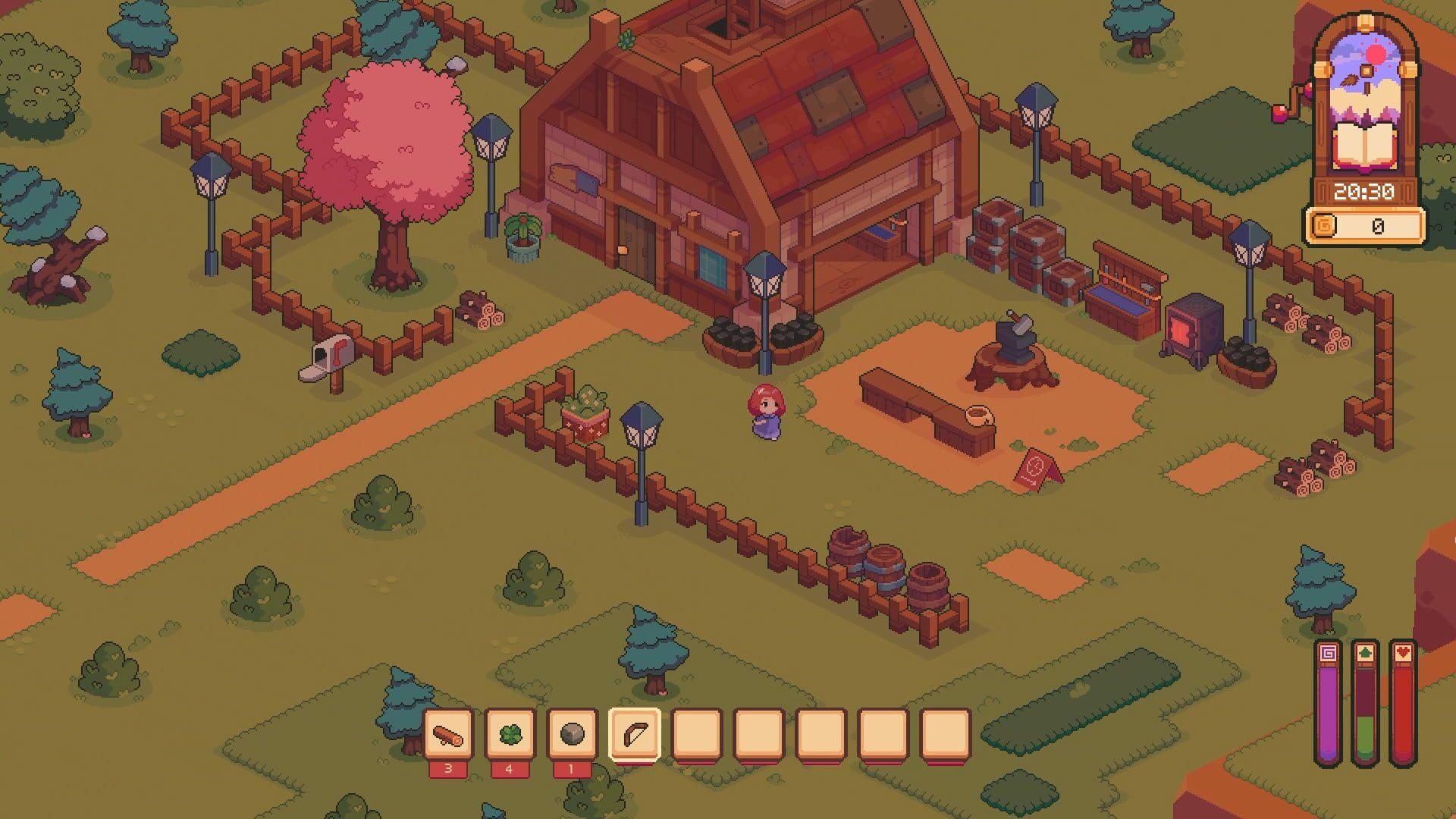
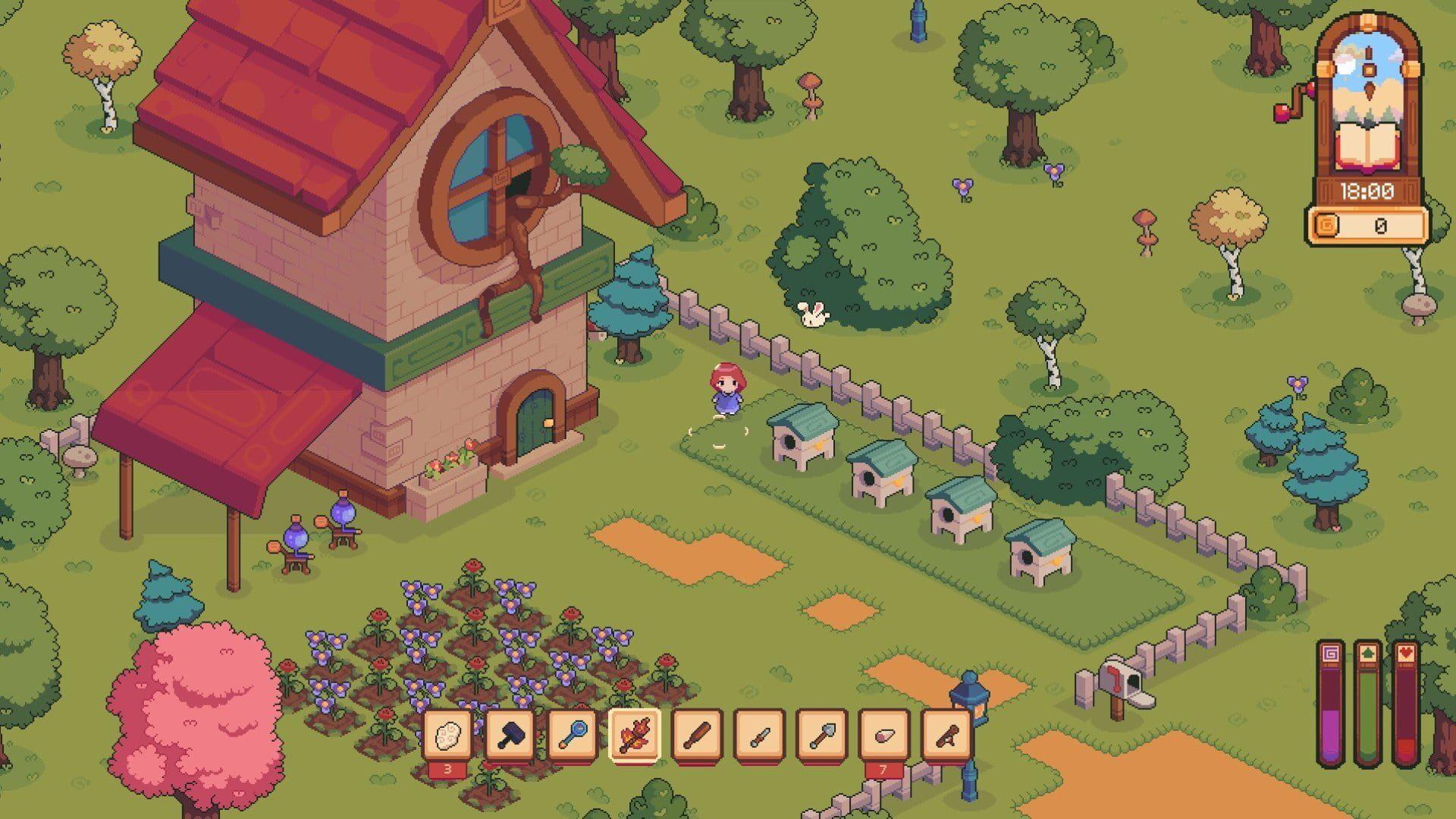
The art direction leans into minimalism deliberately. Everholm is not trying to compete with high-fidelity RPGs; the visual style is clean and intentionally small-scale, which suits an island setting where every resident and location carries narrative weight. The "cozy little island" framing is accurate, but the writing works against that comfort in subtle ways. Characters who seem warm and welcoming are frequently concealing something significant.
The local witch who assists Lilly early on is a good example of how the game handles its tone. She is helpful, but her motivations are not immediately clear, and the game does not rush to explain them. Everholm rewards patience with its story in the same way it rewards patience with its relationships.
Content and replayability
The procedurally generated dungeons provide the most obvious source of replay value, since no two runs through the caverns produce identical layouts or loot. The open-ended story structure also means different players will encounter the island's secrets in different sequences, which changes how individual revelations land emotionally.
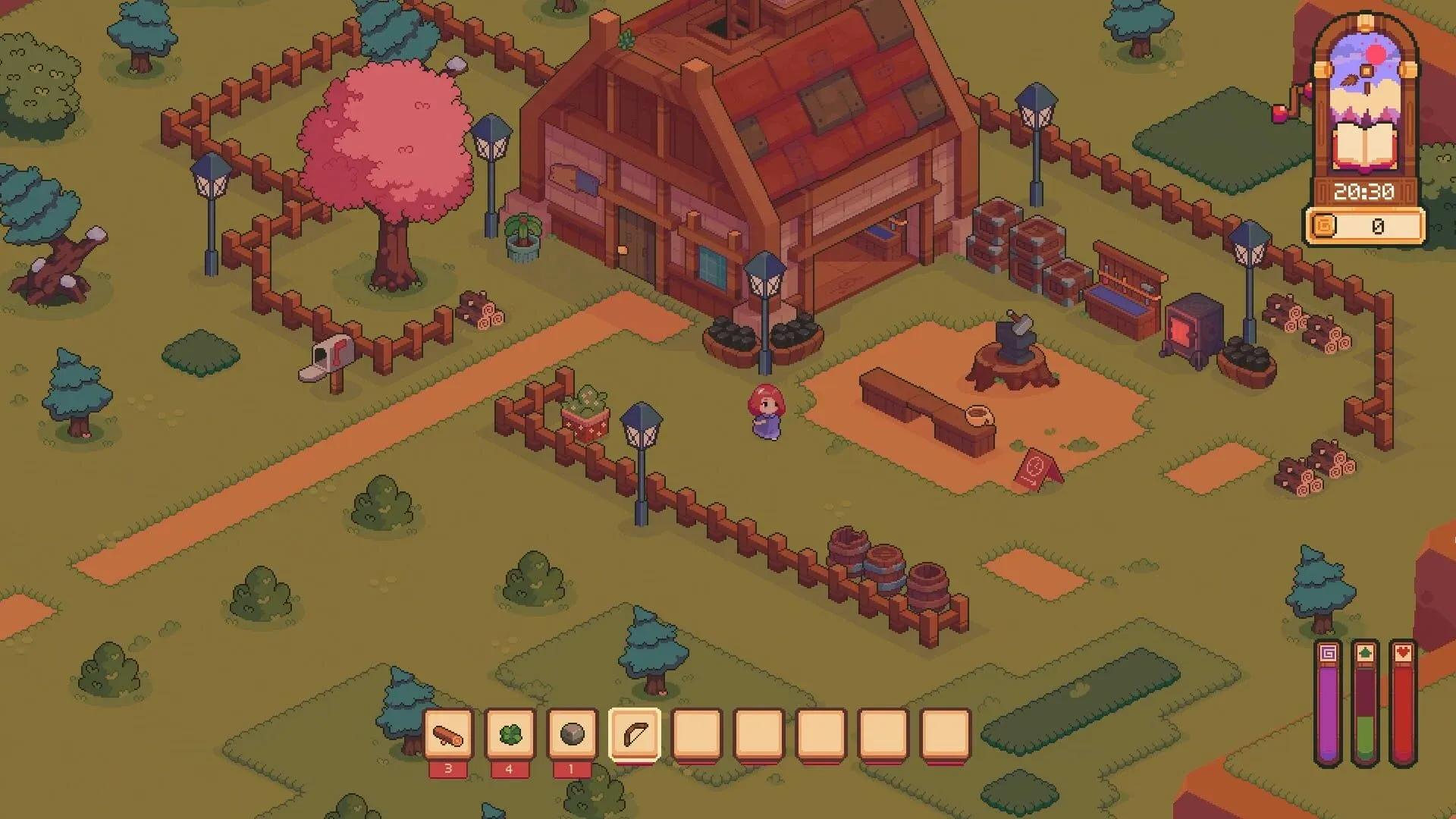
Lilly's homestead serves as the visual record of progress. A neglected plot of land gradually transforms into a functioning farm and living space, and that transformation is driven entirely by the player's choices about where to invest time.
Conclusion
Everholm is a minimalist RPG that earns its cozy reputation while refusing to stay comfortable. The farming and homestead systems give players a grounded daily routine, the relationship mechanics carry the story's emotional weight, and the procedurally generated dungeons provide genuine challenge beneath the pastoral surface. For players who want a narrative-driven indie RPG with real mystery at its core, Everholm makes a strong case for itself.