Search games, articles, guides...CtrlK
Sign InGet Started
Master Everwind's airship base with tips on ship setup, Carpenter Station recipes, farming crops, and Engineering skill tree upgrades.

Written by Nuwel
Content Writer
See more GAMES.GG guides on Google
Add us as a preferred source and our guides show up first in your results.
Everwind Farming Guide: Grow Food on Your Airship
Learn how to set up crops, craft the right soil, and keep plants alive on your airship in Everwind.
Everwind Airship Building Guide: Upgrades, Builds & Tips
Build and upgrade your Everwind airship from scratch. Full upgrade tables, power tips, and layout advice to fly faster and higher.
Everwind Multiplayer Guide
Master Everwind co-op with up to 4 players. Learn how tethering works, who should host, and how to divide skill roles for survival.
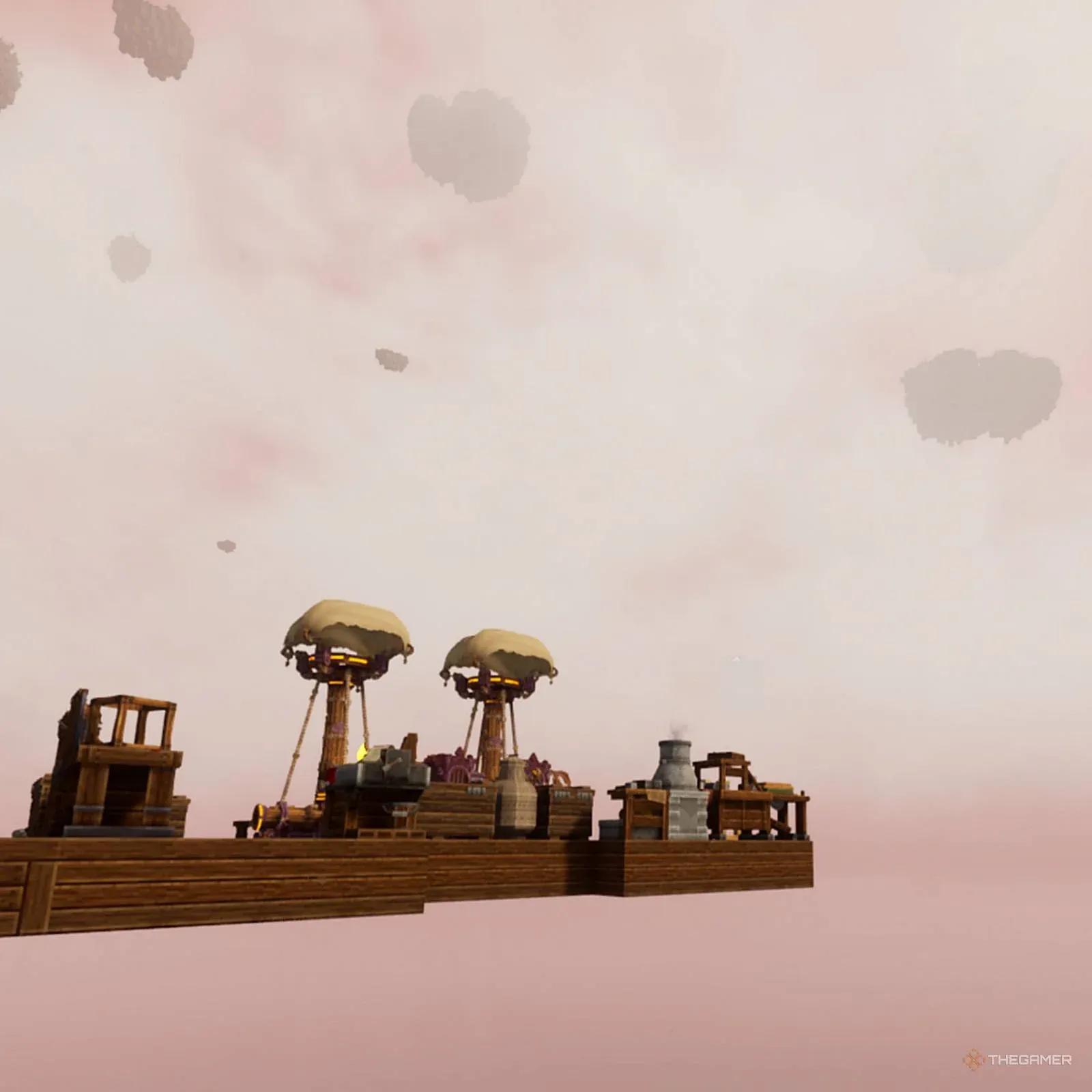
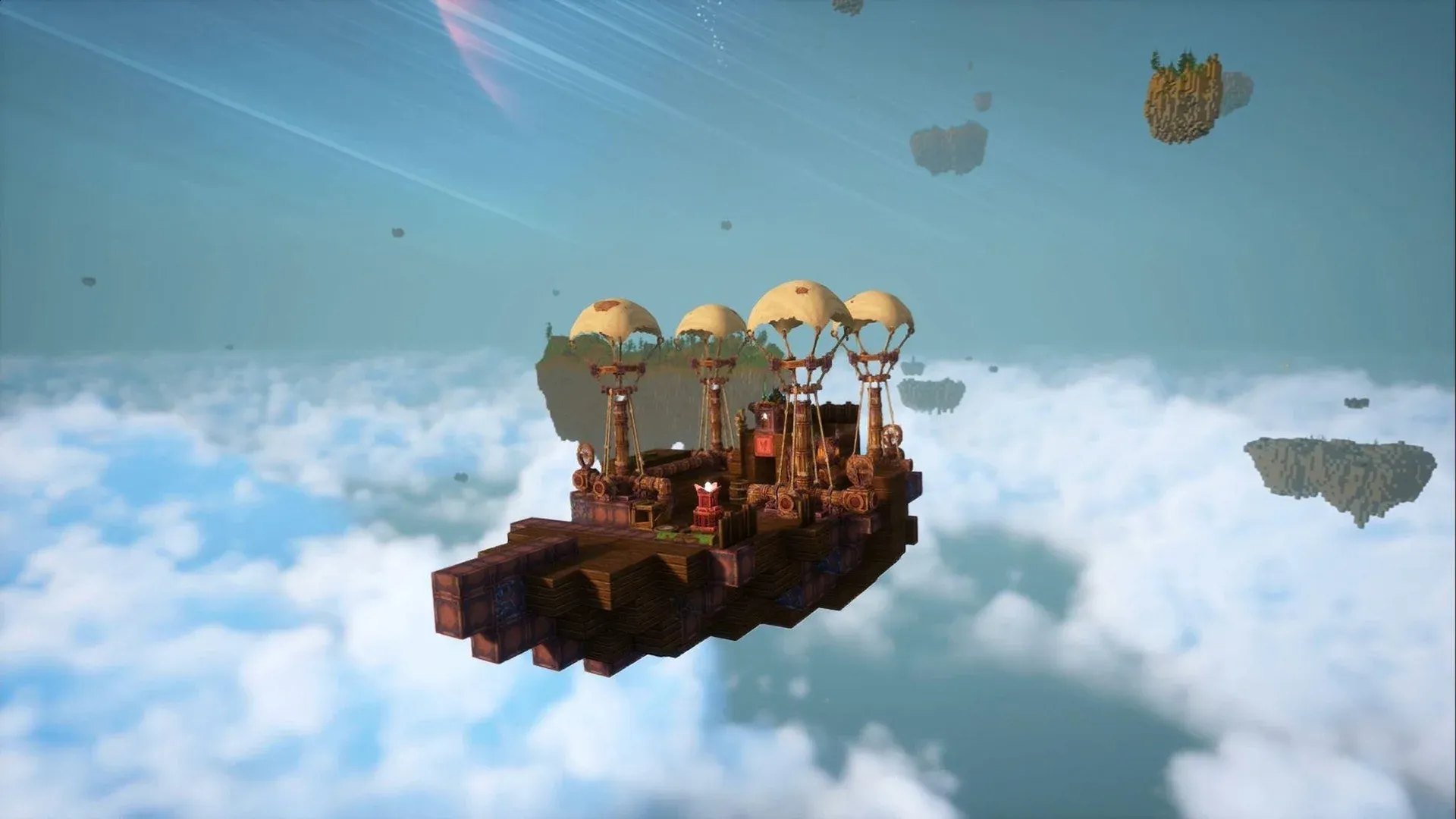
Your permanent base in Everwind is not a cozy island cottage. It flies. Everything you need, from your Crafting Station to your cooking pot to your bed, lives aboard your airship, and that changes how you think about survival, progression, and even interior design.
This guide covers setting up a functional airship, unlocking furniture through the Carpenter Station, growing crops mid-flight, and spending your Engineering skill points wisely. Whether you just claimed your first ship or you're refining a mid-game build, here's how to make your airship actually work.
After assembling the Cockpit, Energy Generator, Wooden Engine, and Wooden Balloon, you'll find an abandoned vessel on the water. Board it, interact with the Flying Ship Core, and it becomes yours. The core stays fixed in place, so plan your layout accordingly. Everything else breaks down and repositions.
Your ship becomes your spawn point from here on. Death or Compass teleportation sends you back to the Cockpit, not to any island. Building a land base wastes time and materials. Dismantle your Crafting Stations before leaving the starter island for good.
More crafting stations demand more deck space. Building vertically works early on, but the Size Upgrade from the Flying Ship Core solves this better long-term. Interact with the core to access three upgrade tracks: Speed, Size, and Altitude. Altitude takes priority. Higher altitude unlocks sky islands with rarer resources, and that bottleneck slows progression faster than anything else.
The Engineering skill tree gets overlooked when combat trees feel more urgent, but ignoring it costs you efficiency everywhere. Key upgrades include:
In co-op, one player dedicating points to Engineering while others spec combat or crafting creates natural role division. That player becomes the ship's navigator and maintenance lead, keeping upgrades flowing while the group handles combat.
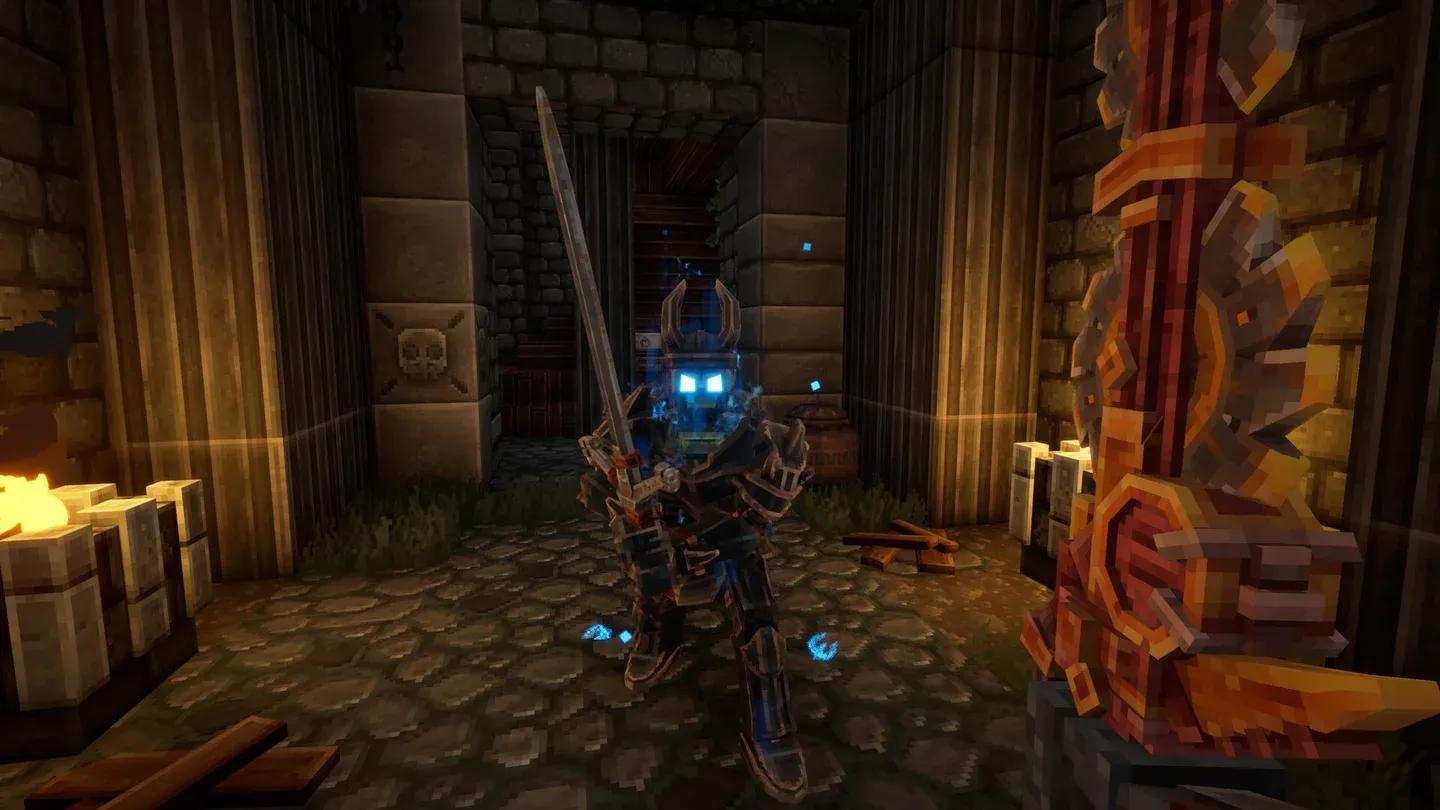
Engineering tree upgrades
Furniture recipes in Everwind drop randomly from chests in procedurally generated settlements. Thorough looting pays off. Always carry Lockpicks or Keys when exploring, since many recipe chests have extra security. Lockpicking can fail; keys always work.
With a recipe in hand, the Carpenter Station handles everything from decorative pieces to structural components. Pair it with the Block Station for full customization. You can't free-craft items at either station without the recipe first, even with all required materials in your inventory.
Confirmed Carpenter Station recipes include:
| Item | Recipe |
|---|---|
| White Candle (x2) | 1 Rope, 1 Fat |
| Wooden Fence (x6) | 20 Forestwood Planks, 10 Copper Nails |
| Wooden Stool | 5 Forestwood Planks, 1 Rope |
| Wooden Bench | 6 Forestwood Planks, 2 Ropes |
| Shabby Wooden Bed | 4 Forestwood Planks, 4 Copper Nails, 2 Cloths |
| Wooden Chest | 14 Forestwood Planks, 8 Copper Nails |
| Wooden Frame Window | 4 Glass, 4 Sticks |
| Iron Torch Holder (x3) | 1 Iron Ingot |
| Wooden Double Hatch | 20 Forestwood Planks, 6 Ropes |
| Shabby Wooden Double Bed | 12 Forestwood Planks, 8 Copper Nails, 4 Cloths |
Forestwood Planks are your most-used material. Each Forestwood Log converts to 3 Planks in your inventory, so maintain a steady log supply. Copper Nails require Copper Ingots processed through a Furnace, though you can also get them by breaking down barrels and furniture with a Stone Axe.
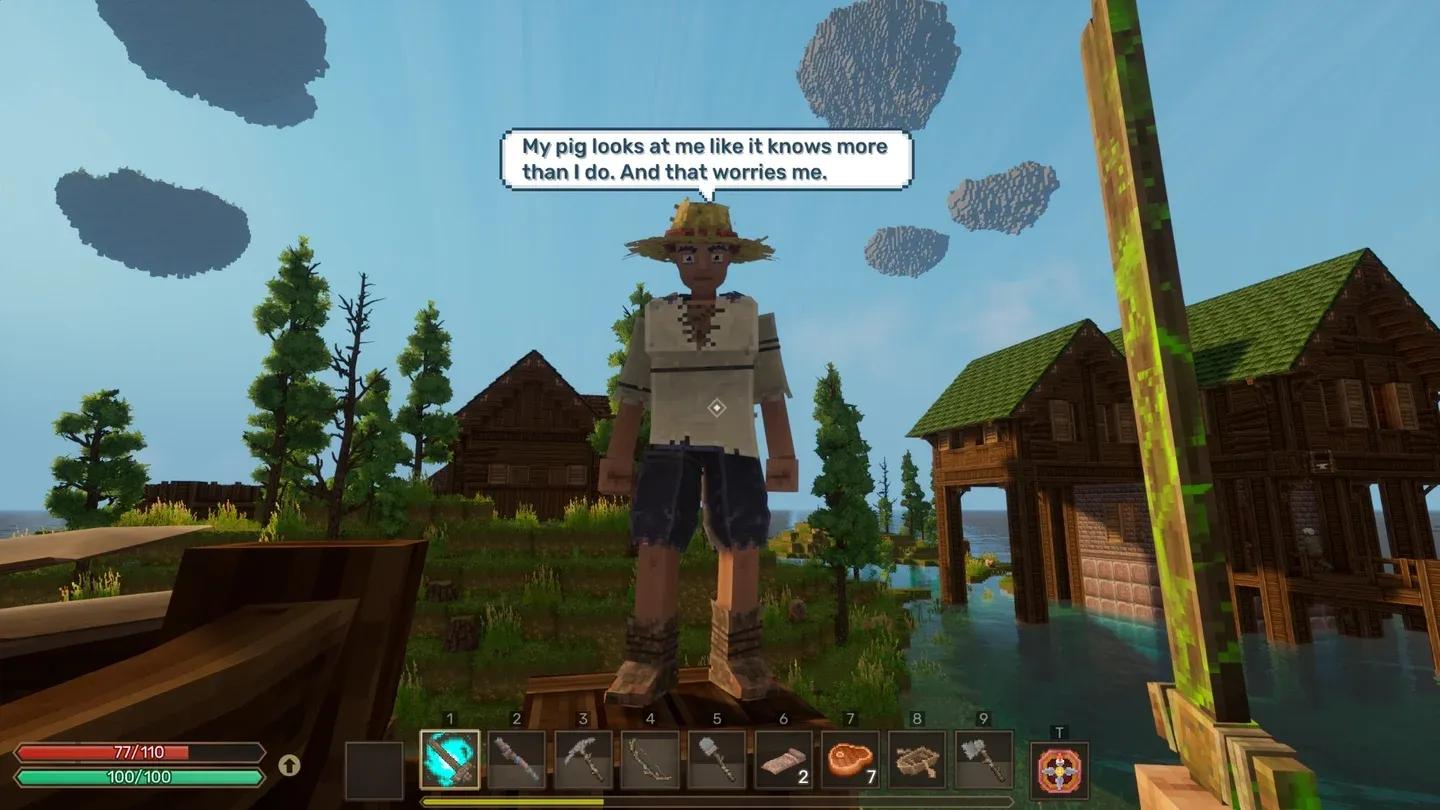
Carpenter Station recipe list
Farming in Everwind runs entirely on your ship. You don't need land. What you do need is a Wooden Pot (or higher-tier vessel), the correct Farm Soil for your target crop's native biome, a Sapling, and a Bucket of Water to keep things alive.
Soil type must match the crop's origin biome. Forest crops won't grow in Desert Farm Soil. The game enforces this. If your plants start rotting, watering them again can revive them before they're fully lost.
Every confirmed crop and its effect, organized by biome:
| Biome | Crop | Effect |
|---|---|---|
| Forest | Blueberry | Restores 6 HP over 3 seconds |
| Forest | Corn | Restores 6 HP over 3 seconds |
| Forest | Tangerine | Restores 8 HP over 3 seconds |
| Swamp | Wildberries | Deals 1 Poison damage per second for 15 seconds |
| Swamp | Jelly Fruit | Regenerates 18 Stamina over 3 seconds |
| Desert | Cactus Fruit | Restores 6 HP over 3 seconds |
| Rotten | White Baneberry | Deals 1 Poison damage per second for 15 seconds |
Jelly Fruit stands out. 18 Stamina over 3 seconds is a meaningful recovery tool, especially once higher-altitude biomes punish your stamina pool more aggressively. Swamp Saplings are worth hunting down early.
The poison crops (Wildberries and White Baneberry) have obvious utility as Cooking Station ingredients for alchemical recipes. Don't eat them raw.
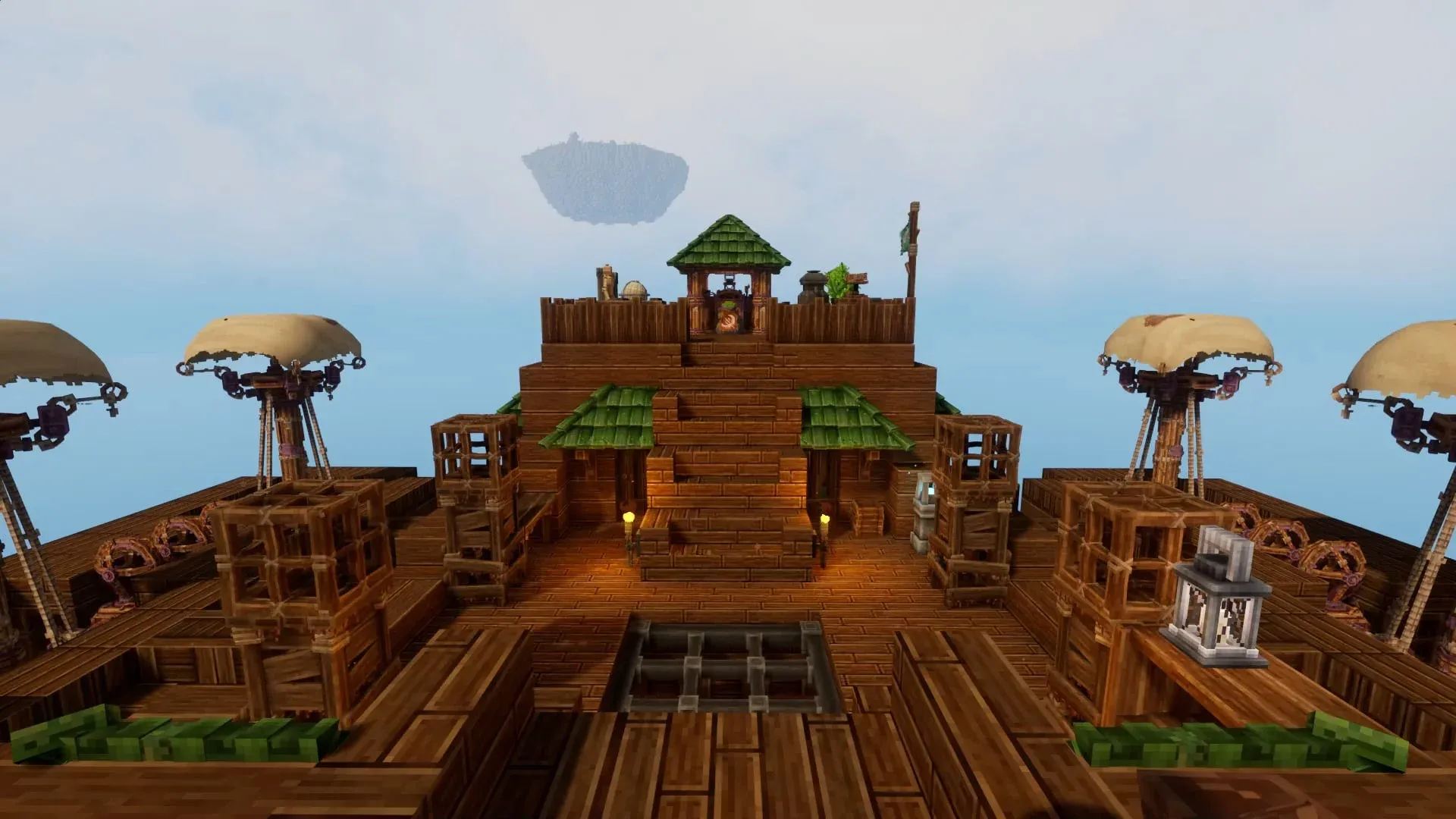
The Compendium breaks ship items into categories: Mechanisms, Traps, Containers, Light Sources, Doors and Hatches, Stands, Crystal Holders, Seats, Tables, Beds, and Decorative Objects. The sheer volume of options (the Containers category alone covers 116 items across chests, dressers, vases, and urns) means it's easy to end up with a cluttered, disorganized ship.
Layout principles that hold up through mid-game:
For a deeper look at airship builds, skill trees, and crafting recipes, the Everwind Wiki covers altitude zones, dungeon layouts, and co-op strategies in detail.
None of the above matters if you die on day one. The core loop before you get airborne is straightforward but punishing if you skip steps.
Gather 5 loose branches and 3 stones from the ground, craft a Stone Axe, chop down trees to get at least 20 Forestwood Logs, build a campfire on flat ground, and put up a basic 2x2 shelter before dark. Ambient temperature drops sharply at night, and hypothermia damage is real.
Your thirst meter depletes 25% faster while sprinting or chopping. Always carry a crafted waterskin. Raw food carries a high chance of inflicting the Food Poisoning debuff, which stops health regeneration entirely. Cook your meat. The Water Purifier is also a higher priority first unlock than weapons, since tainted water cuts your stamina cap by 50%.
When you're ready to leave the starter island for good, strip it clean. Break down every crafting station, collect everything in your inventory, and only then sail out to claim your flying ship. You're not coming back.
If you want to pick up Everwind and see what the airship survival loop is all about, you can find it on Steam. For more survival game guides and early access coverage, browse our latest guides across every genre.