Search games, articles, guides...CtrlK
Sign InGet Started
Master Everwind co-op with up to 4 players. Learn how tethering works, who should host, and how to divide skill roles for survival.

Written by Larc
Content Writer
See more GAMES.GG guides on Google
Add us as a preferred source and our guides show up first in your results.
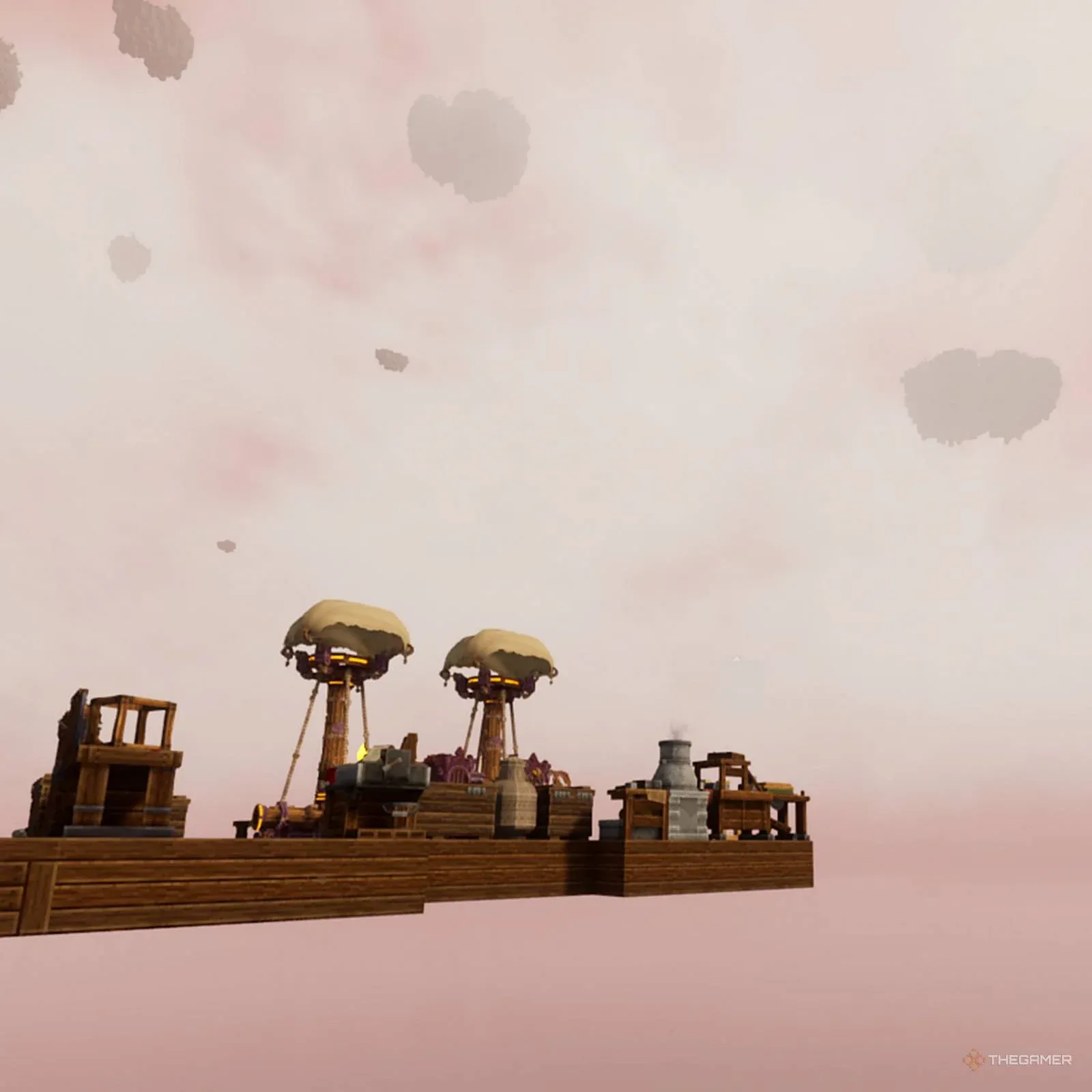
Everwind Airship Base Guide: Build, Farm, and Fly Right
Master Everwind's airship base with tips on ship setup, Carpenter Station recipes, farming crops, and Engineering skill tree upgrades.
Everwind Farming Guide: Grow Food on Your Airship
Learn how to set up crops, craft the right soil, and keep plants alive on your airship in Everwind.
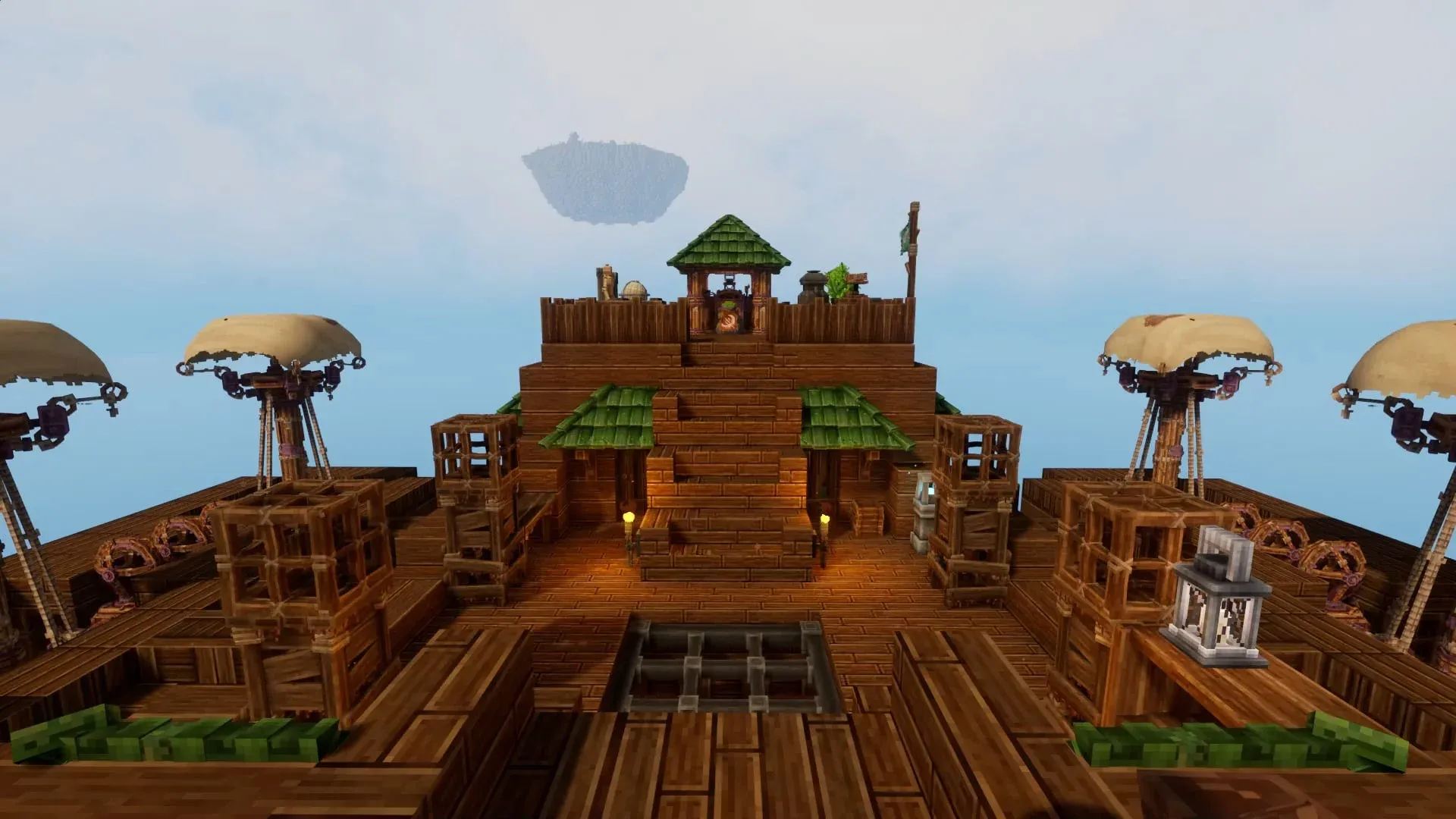
Everwind Airship Building Guide: Upgrades, Builds & Tips
Build and upgrade your Everwind airship from scratch. Full upgrade tables, power tips, and layout advice to fly faster and higher.
Everwind's co-op experience is one of the most exciting things in early access survival games right now. Picture four players on a shared flying fortress, one steering, one cooking at the furnace, two firing arrows at passing islands. It sounds perfect. And it is, until the peer-to-peer tethering yanks someone off a cliff mid-jump. Before you fire off lobby codes to your whole squad, here is everything you need to know about how multiplayer actually works.
Everwind supports up to 4 players in a single co-op session. There are no public servers, no MMO-style lobbies, and no random matchmaking. Every session is private, built around your group and your world. You can also play entirely solo if you prefer a quieter, self-paced experience.
| Play Style | Max Players | Server Type | Best For |
|---|---|---|---|
| Solo | 1 | Peer-to-peer | Relaxed, immersive pace |
| Co-op | Up to 4 | Lobby code (P2P) | Teamwork and faster progression |
| Public Servers | N/A | Not available | Not supported currently |
| Dedicated Servers | TBD | Planned for 2026 | Future update |
The tight player cap is intentional. Everwind is designed around small-group coordination, not chaotic open-world crowds. That said, keeping four people organized inside its current technical limits takes some planning.
Joining a co-op session
Getting a session running is straightforward. The host presses Escape, selects the online option, and generates a lobby code. Everyone else enters that code from the main menu using the join game button. It is an old-school system, but it works reliably when you have the right person hosting.
Pick the player with the most stable connection as host. This is not just a courtesy. Because progression is locked to the host's save file (more on that below), the host's setup affects both stability and long-term progress for the whole group.
This is the single biggest frustration in Everwind multiplayer right now. The game uses a chunk loading system tied directly to the host player, and it enforces a hard boundary around them at all times.
If you wander too far from the host, your screen goes black and you get a "teleporting to host" message. Based on testing, the tether range fluctuates roughly between 300 and 700 meters depending on environmental conditions. The inconsistency makes it especially disorienting since you never know exactly where the invisible wall sits.
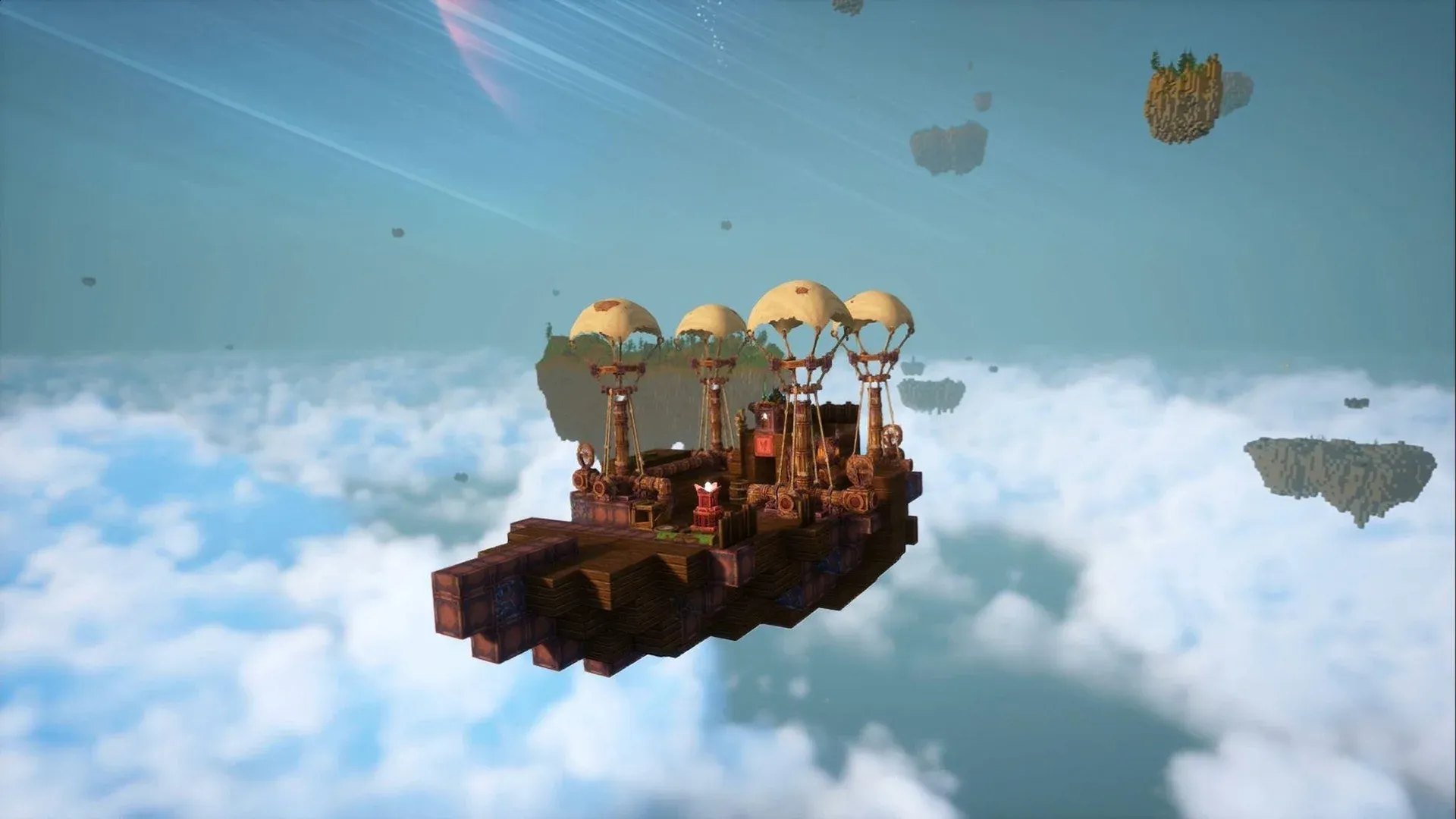
The practical solution is to treat Everwind as a single-ship game right now. Build one large flying fortress and keep everyone on board as you move between islands. Clear each island as a unit before moving on.
Personal ships for each player are still in development, so do not attempt to build separate vessels for individual players. That feature is not ready yet.
No, and this surprises a lot of new players. Character progression in Everwind is permanently tied to the world save file. If you spend hours building up a powerful Warrior in your solo game, you will spawn into a friend's world with nothing: no gear, no skill points, no inventory.
This means two things for your group:
Everwind has three main skill trees, and trying to spread points evenly across all of them will leave every player underpowered when you reach the higher-altitude islands. Specialization is not optional in a group setting, it is the only way to keep the resource economy from collapsing.
Here is how to divide roles across four players:
When everyone commits to their lane, the crafting material grind shortens noticeably and you stop competing over the same iron ingots.
Living on one ship means sharing everything. A few habits will keep things from descending into chaos:
Absolutely. Solo play gives you full control over your pace, your ship design, and your progression path. There is no tether to worry about, no resource conflicts, and no one accidentally steering the ship into a mountain.
The tradeoff is speed. Some tasks that a four-person group handles in minutes will take considerably longer alone. Island clears are harder without a Warrior tank, and managing the ship while also looting requires constant context switching. It is a more immersive experience, but a more demanding one.
For more guides on survival games and co-op strategies, browse the latest gaming guides to keep your sessions running smoothly.