

Far Far West launched into Early Access with a progression system that sits somewhere between a straightforward shooter and a light build-crafter. If you're coming in expecting deep skill trees and hundreds of synergistic perks, you'll want to temper those expectations. If you want a solid co-op shooter where your upgrade choices genuinely shape how you play, there's more here than the surface suggests.
What does the progression system actually look like?
The core loop works across a few connected layers. XP feeds into level-ups for each weapon, sidearm, utility item, and your character. Spending gold on these levels raises stats like damage, magazine size, and HP. Every piece of equipment also has a Prestige system, so there's a ceiling to hit and then reset past.
Beyond raw stats, you can hunt for fragments tied to specific items. Collecting enough fragments unlocks new items outright or adds cosmetic options to gear you already own. Gold also covers player skins, mounts, emotes, and similar cosmetic unlocks.
The maps themselves pack a substantial amount of side quests and hidden content beyond the main missions. Players who've spent time with the game since launch consistently report finding optional objectives and secrets well past their first runs through each area.
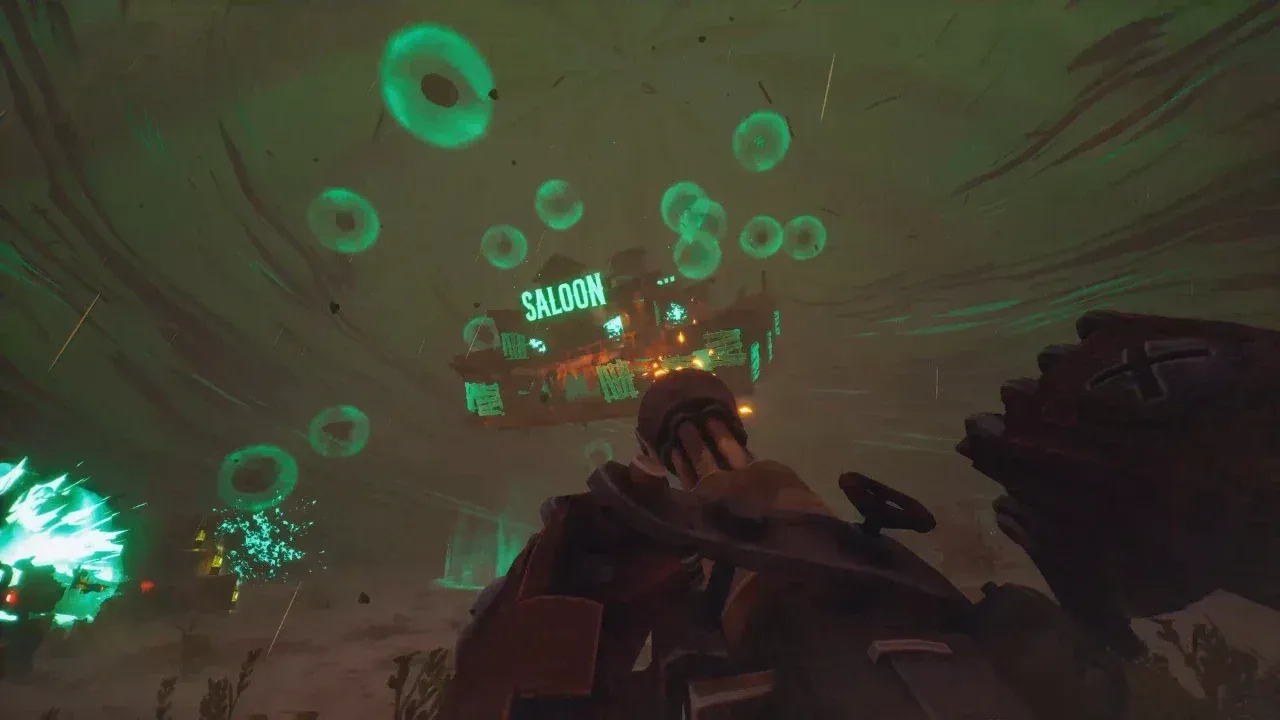
Weapon stat upgrade screen
How do jokers work and why do they matter?
Jokers are the closest thing Far Far West has to a perk or passive system. You equip them onto weapons and your character, and they add effects that go beyond simple number increases.
Each joker costs between 1 and 5 slot points depending on its rarity. Weapons can hold up to 14 points worth of jokers, while your character slot supports up to 16 points. That budget forces real decisions: a single high-rarity joker can eat most of your available slots, while stacking several cheaper ones gives flexibility at the cost of individual power.
You unlock the full joker pool at level 40, but gambling souls at earlier levels can surface jokers before that threshold.
Some examples pulled from player testing:
- A 4-point joker that triggers HP regeneration over 20 seconds after taking damage, effectively smoothing out chip damage from basic enemies.
- Two 2-point jokers that each grant healing whenever you collect the souls dropped by killed enemies.
- Two 3-point jokers for the minigun that each give a 5% chance to drop a full ammo pack on kill, stacking to 10% total.
- Two 2-point jokers offering a 5% chance on weakspot hits to summon a healing bell you can shoot for HP recovery.
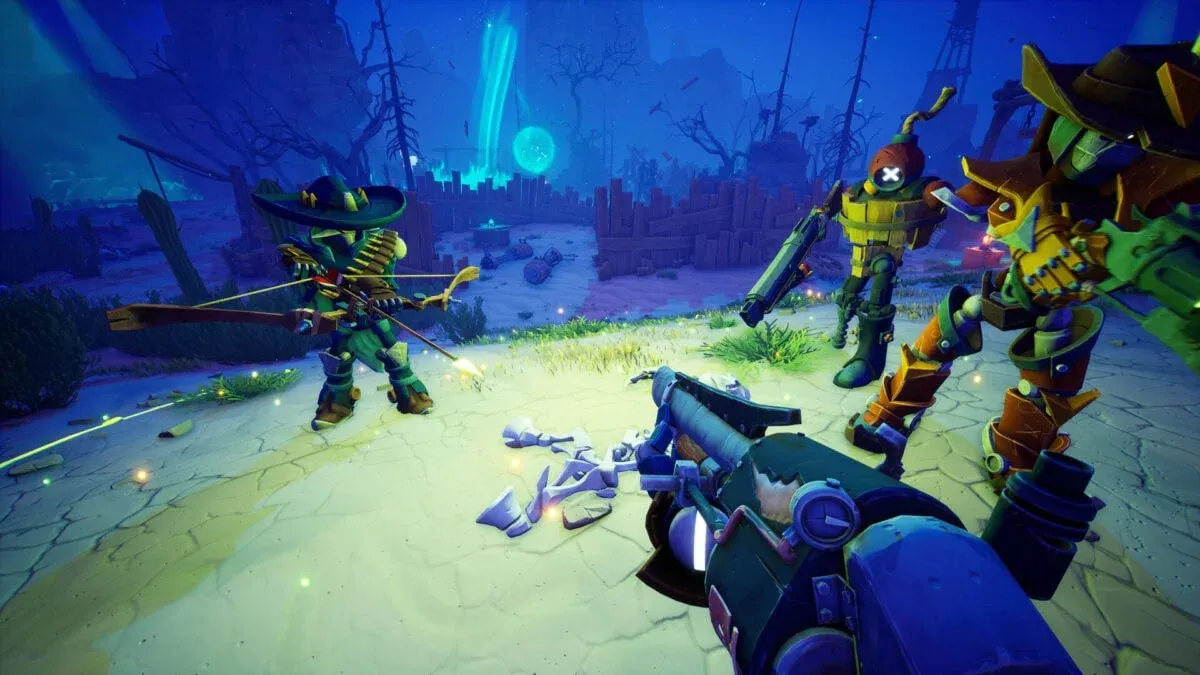
Joker slot budget overview
What build archetypes are actually viable?
Builds in Far Far West are less about a single dominant identity and more about adjusting a mix of damage, survivability, utility, AOE, and single-target output. You're not stacking one multiplier to absurd heights. You're tilting a set of dials.
That said, some clear directions exist:
Elemental effects on secondaries scale independently from shot damage, which means faster-firing sidearms apply elemental status more frequently. The explosive bow can pool AoE explosive damage. Both approaches are distinct enough to feel like real choices.
Spells add another dimension. The voodoo tree focuses on life drain and support, while other spell setups lean into turret summons combined with large AoE elemental effects to clear space while you shoot freely.
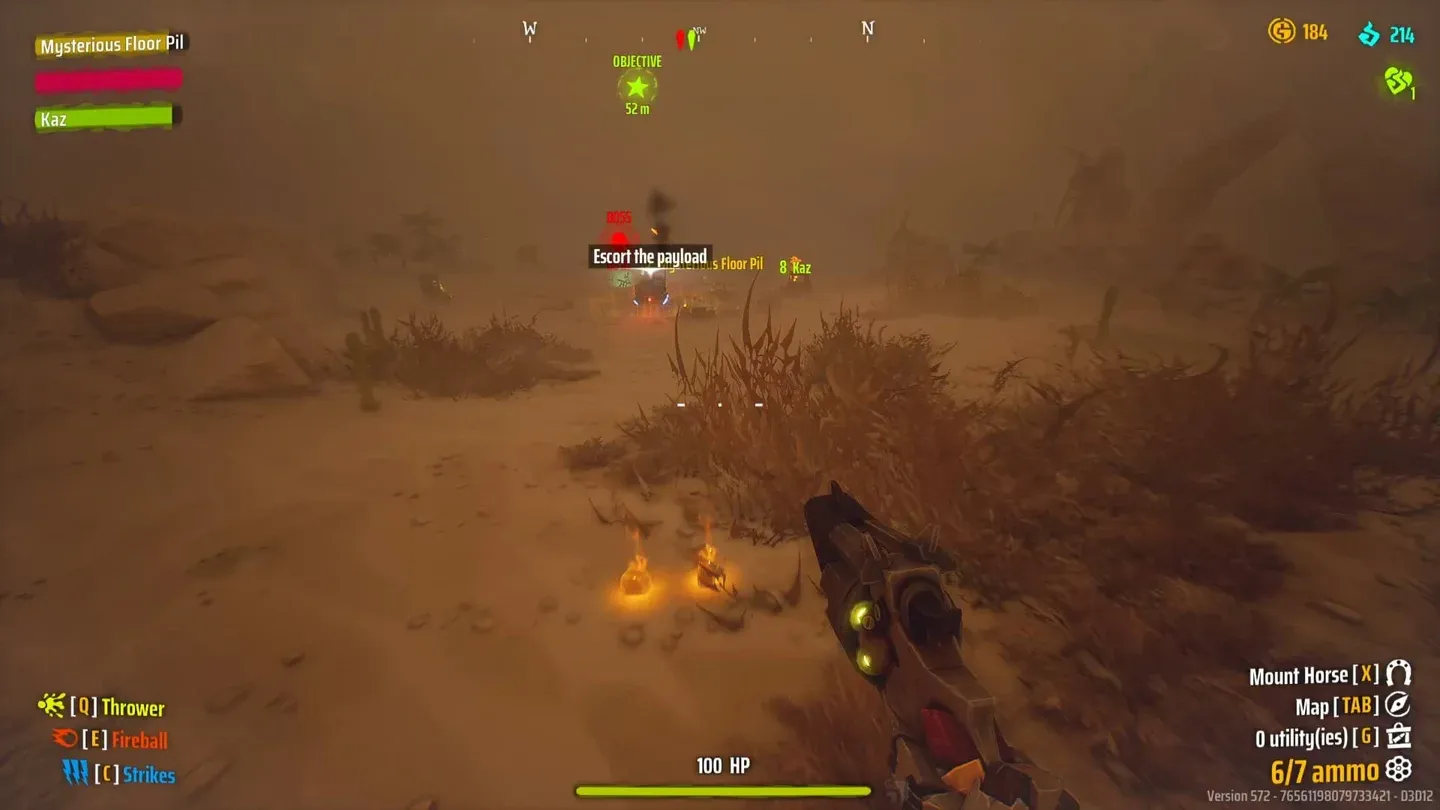
Voodoo spell tree options
Is the build depth enough to keep you engaged?
This is the honest part. Player opinions split pretty clearly.
One player with 50 hours in the demo described the build system as roughly one-third the depth of something like Payday 2 or Vermintide 2. The number of jokers currently in the game limits how many distinct configurations you can actually explore. With not many weapons and upgrades available at Early Access launch, the "game-changer" moments are infrequent.
A different perspective from the same thread frames it as "holistic build benefits as a layer on top of existing gameplay." Your build isn't one thing. It's 10% tank from your main gun, 10% from your sub, 20% from spells, 30% from your hero, and so on. The whole is more than its parts, even if each part is modest.
The developer themselves weighed in directly on the Steam discussion: the team spent Early Access launch focused on polishing the first dozen hours of gameplay, and meta-progression plus late-game replayability are explicitly on the roadmap for coming months. That's a direct quote from Arno, listed as a developer on the Far Far West Steam page.
How should you actually spend your gold and XP?
With limited joker slots and a stat budget to manage, prioritizing early matters. Based on what's confirmed in player discussions:
- Invest in HP early. Regen jokers become significantly more effective when your HP pool is larger, since the flat regen covers a higher percentage of incoming hits.
- Pick one weapon to push first. Spreading XP across everything slows your power curve. Get one weapon to a point where its joker slots open up before branching out.
- Match jokers to your weapon's firing pattern. Proc-based jokers (ammo drops, healing bells) scale with hits, so high fire-rate weapons get more value from them than slow single-shot weapons.
- Check the fragment hunt system. Selecting a specific item to farm fragments for lets you target unlocks rather than waiting on random progression.
For more co-op shooter guides and gaming coverage, browse more guides on GAMES.GG.