


Fatekeeper is a first-person action RPG that punishes players who treat it like a button-masher from the first room. Attacks have real commitment, stamina runs out faster than expected, and enemies read your aggression. The first hour feels rough if you walk in blind, but the game's systems are actually straightforward once you understand the correct order of operations.
What should you do in your first hour?
The safest first-hour route is: explore Haven, finish portal training, craft at the alchemy table, then enter Ancient Hallways. Each step hands you something concrete before the next challenge arrives. Haven lets you compare starting weapons and preview the skill tree without pressure. Portal training teaches block timing, kick, stamina management, and telekinesis. The alchemy table gives you healing or mana support before the first real enemy gauntlet. Ancient Hallways is where keys, locked doors, side paths, and NPC rescue opportunities all start mattering at once.
Skip any of those steps and the early game gets significantly harder than it needs to be.
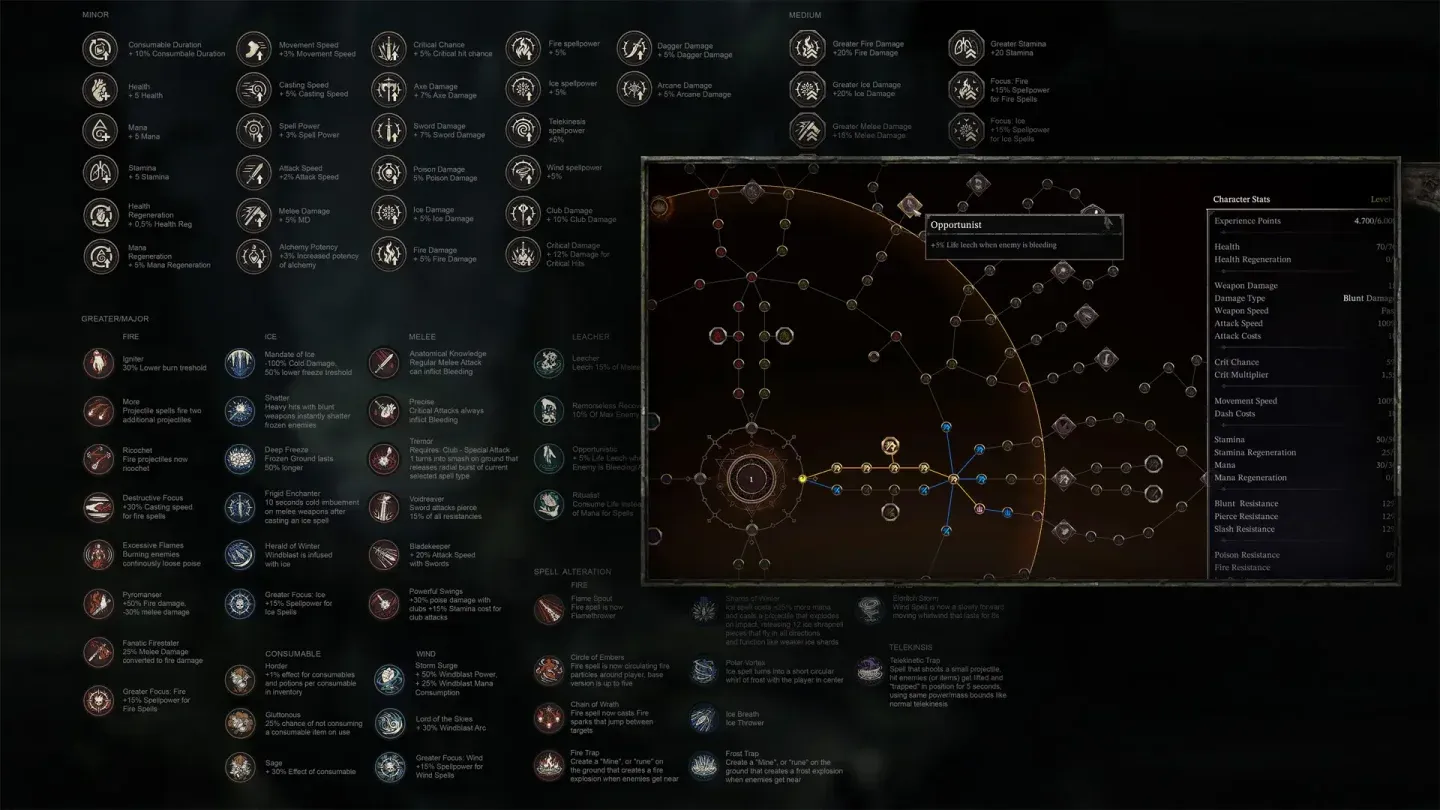
Check gear in Haven first
Blade of the Sentinel vs Axe of the Sentinel: which should you pick?
Your first real decision is the starting weapon. Both share identical stamina costs (5 attack, 5 dash), so the difference comes down to damage output and handling feel.
The Blade of the Sentinel has the stronger listed damage at 30 slash, but the two-handed rhythm demands more recovery awareness. The Axe of the Sentinel hits for 20 slash and is more forgiving while you are still figuring out stamina windows. The Ornate Dagger (3 attack costs, 3 dash costs, +15% crit chance) is genuinely strong but only if you can dodge cleanly and stay close without trading hits. The Burning Axe is a rare find with 10 slash and 15 fire damage, making it a fire-hybrid tool rather than a pure melee upgrade.
Test both starting weapons before committing skill points to a weapon path. A slightly weaker weapon you can recover from safely beats a heavy swing that leaves you exposed after every miss.
How does portal training actually help you?
Portal training is not just a checklist. It is the only place where you can test block timing, kick effectiveness, stamina drain speed, and telekinesis pulls without consequence. Leave that room knowing five things:
- How early you need to commit to a block before an enemy swing connects
- When kick breaks guard versus when it does nothing useful
- How fast your stamina bar empties during a short attack string
- How telekinesis pulls an enemy out of position
- How search mode interacts with highlighted objects
If any of those still feel uncertain when you leave, go back. The Ancient Hallways will not give you the same patience.
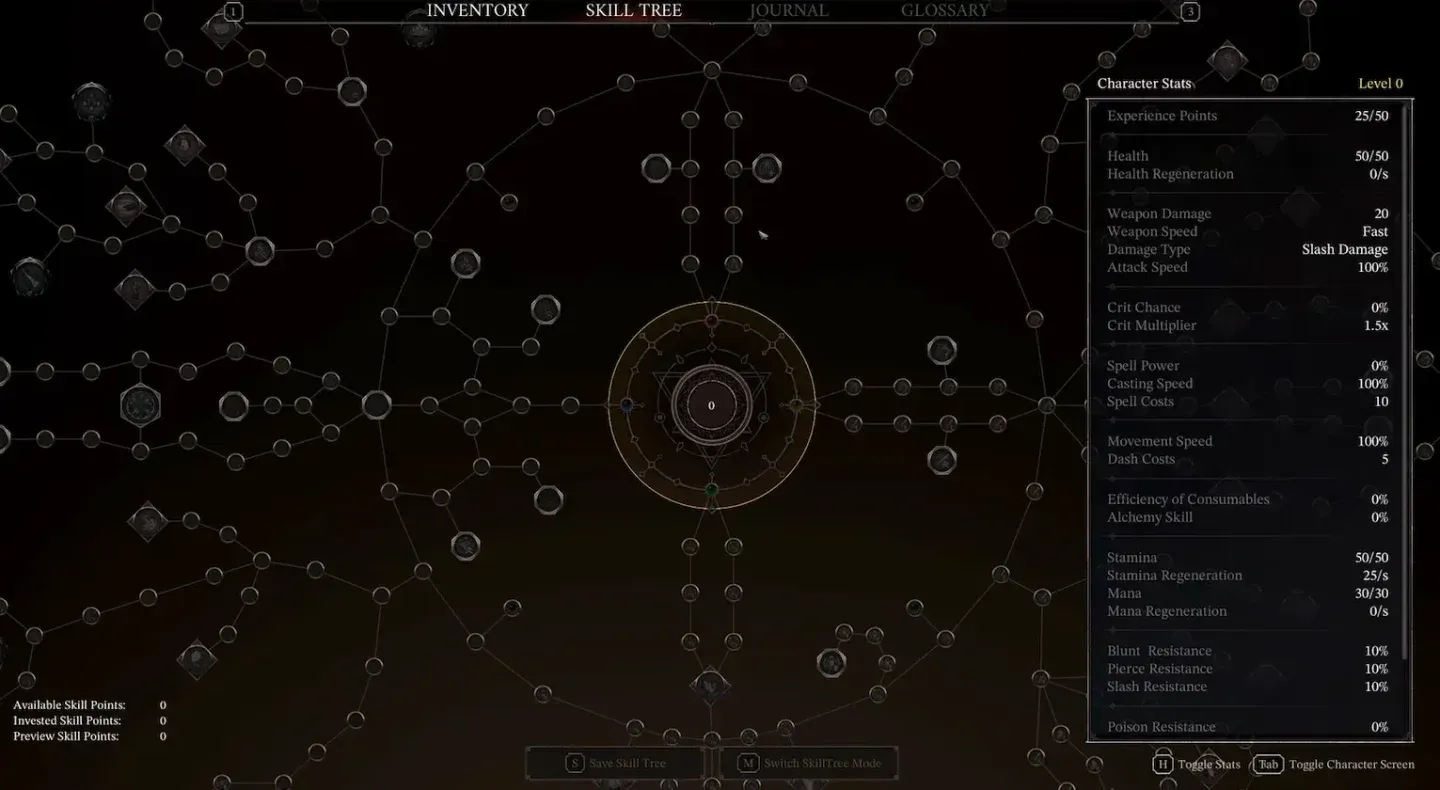
Portal training tests your timing
Core combat mechanics: what actually matters early
Fatekeeper rewards deliberate play. Every action costs stamina, and running empty at the wrong moment is usually fatal.
The environment deserves attention before every room. Oil stains on the floor can be ignited with your fire spell. Ledges, holes, spiked plates, and collapsible platforms turn dangerous fights into short ones. Kick is the most efficient tool for arranging an enemy's meeting with a hazard: stand near the hazard, dodge the incoming attack to the opposite side, then boot them into it.
On PC, T toggles your torch for dark areas and C swaps weapons mid-fight. Both are worth memorizing early since the tutorial does not surface them.
Alchemy: craft before Ancient Hallways, not after
Plants scattered across paths and shelves are your primary source of healing and mana regeneration. Without them, the only reliable health recovery is leveling up, which restores you to full but is not something you can plan around.
Alchemy in Fatekeeper does not need recipes. Combining three red mushrooms that each heal 5 HP produces a potion that heals 15 HP. Mix a healing material, a mana-restoring material, and a stamina-restoring material and you get a potion that handles all three. Check shelves and bookshelves for rarer materials like metal shards (for bombs) and toxic coatings (for weapon vials that poison enemies).
Before entering Ancient Hallways, craft at minimum:
- Healing (always)
- Mana support (if you cast spells regularly)
- Weapon coatings or vials (optional but useful before longer fights)
Specific alchemy ingredients worth tracking: Kutracite supports fire damage, and Guards Vermillion gives +5% Life Leech and +10% increased Stance for 15 seconds. Life Leech is currently an alchemy sustain mechanic through Guards Vermillion, not a standalone spell-tree route.
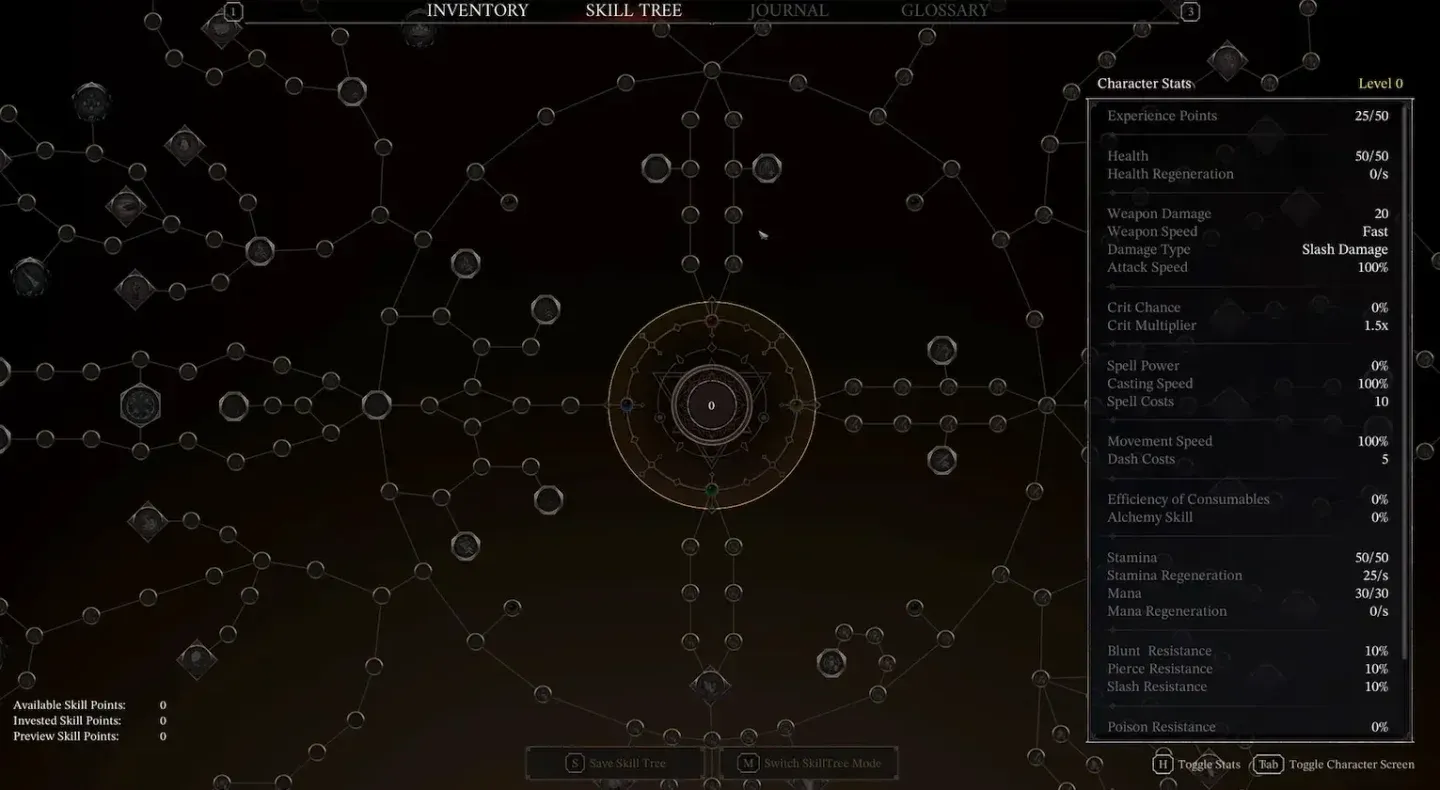
Craft before every hard room
Ancient Hallways: slow down and track everything
Ancient Hallways is where Fatekeeper stops holding your hand. The route mixes enemy groups with locked doors, side paths, and items that require backtracking.
The two early pickups worth prioritizing:
- Ornate Copper Key: Found in the early lower route after you first see the locked copper-key door. Push through the nearby side path, grab the key, then backtrack. It teaches the key-gated door loop that repeats throughout the game.
- Ring of Life: Found around the first left-side corridor after entering the area. Gives +5 health, which matters while you are still getting punished by basic enemy timing.
Side rooms are not optional filler. Rescued NPCs return to Haven and can unlock gear shop options and skill point refund support. Exploration pays off in services, not just loot.
What build should you start with?
For most players new to the game, the safest early structure is: 2 health or survival nodes, 1 stamina node, then 3 points into your primary weapon or spell route.
For spell investment, Power gives +5 Mana and +3% Elemental Damage while Greater Mana gives +15 Mana. Use Power when you want both scaling and mana; use Greater Mana when spell costs are the main problem.
The biggest early mistake is spreading points across unrelated routes before understanding what your weapon and playstyle actually need. Pick one direction and make it work before experimenting.
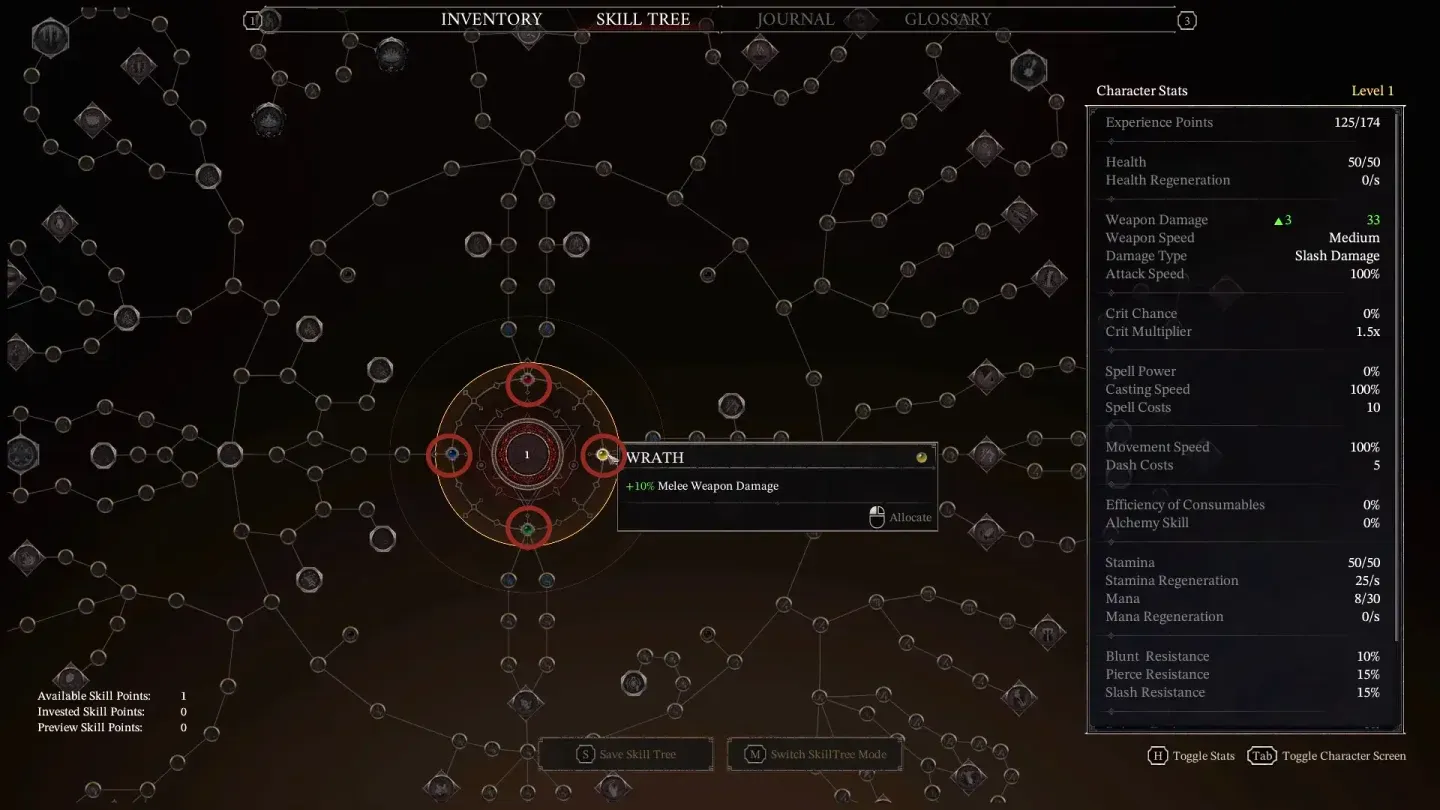
Pick one route early
What mistakes do most beginners make?
Fatekeeper's world is fully handcrafted with no procedural generation. Every side path, hidden chest, and elevated area was placed deliberately. Looking up is genuinely useful: rocky outcrops, stacked boxes, and elevated ledges regularly hide weapons or progression routes that are easy to walk past.
For more strategies across the full game, the Fatekeeper guides collection covers builds, weapons, spells, and boss preparation in detail. If you enjoy methodical adventure games with real mechanical depth, Fatekeeper's early access build already has enough content to reward careful play.