

Fatekeeper drops you into a punishing roguelike deckbuilder where your first few card picks and stat allocations can make or break an entire run. Three archetypes dominate biome 1 clear rates right now: the Aegis Sentinel, the Pyromancer, and the Shadow Blade. Each rewards a completely different approach to Action Point management, turn order, and deck composition. Picking the wrong one for your playstyle and you will be staring at a run-over screen before the first boss even winds up its heaviest attack.
What is the best class in Fatekeeper?
The short answer is that all three top-tier classes are viable, but they demand very different skill sets. The Aegis Sentinel is the safest entry point. The Pyromancer clears fastest. The Shadow Blade has the highest ceiling and the highest floor of failure. Your choice should come down to how comfortable you are with tight Action Point (AP) budgets and bad-draw scenarios.
Choosing your starting archetype
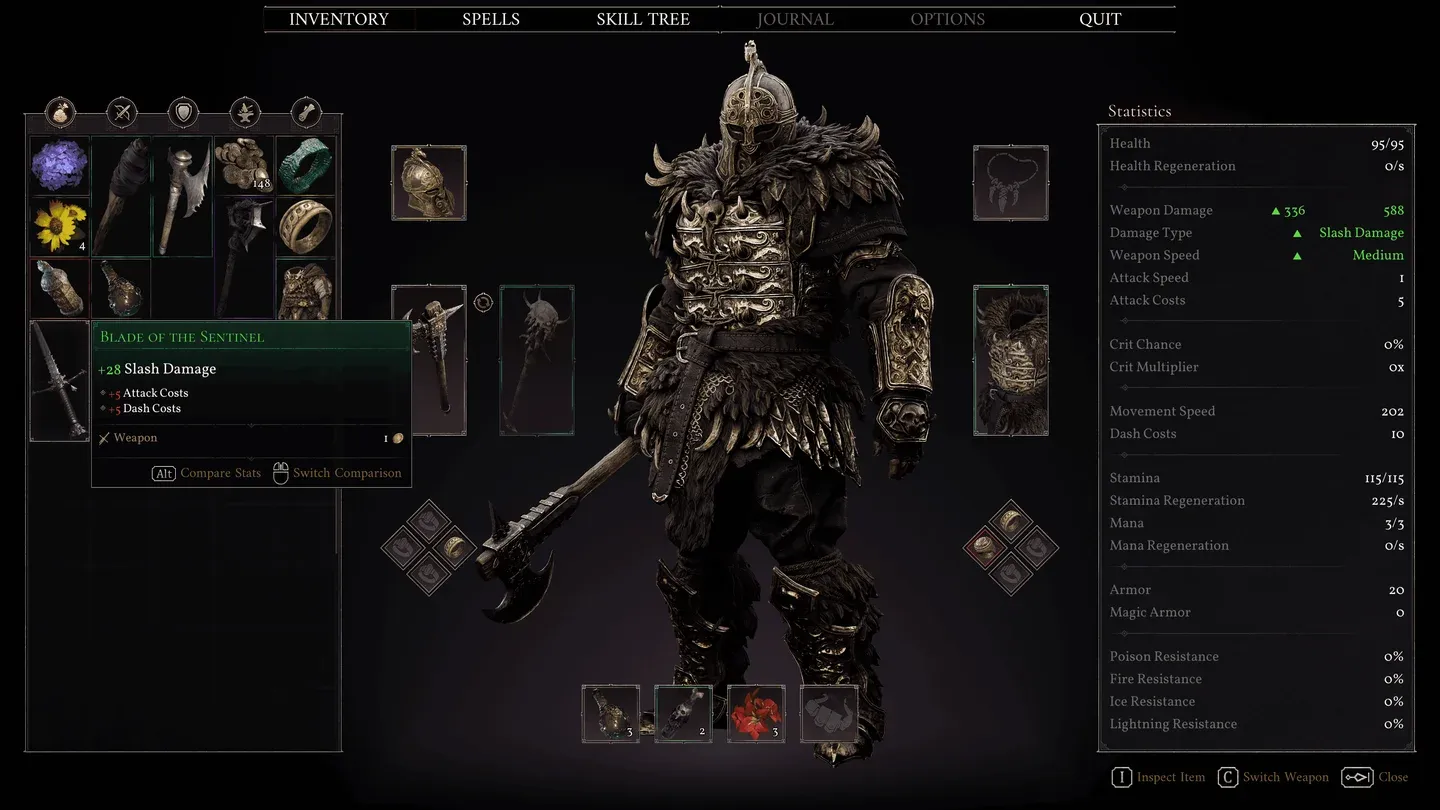
Testing across all three archetypes on version 1.0.4 shows a clear pattern: defensive setups reach biome 2 roughly 35% more often for players still learning enemy attack patterns. Aggressive builds clear faster when things go right, but a single bad RNG draw against an elite enemy can end the run instantly.
Aegis Sentinel: the safest starting class
The Aegis Sentinel is built around stacking block before enemies can deal meaningful damage. Its cornerstone skill, Shield Wall, costs just 2 AP and generates 15 block, which is exceptional value at that price point. A basic defensive rotation costs exactly 3 AP total, leaving enough energy to chip away at enemy health while staying protected.
For stat allocation, the Sentinel wants Defense as its primary investment. Spreading points evenly is the fastest way to undercut this build's core strength. Dump into Defense first, put the remainder into Vitality, and ignore offensive stats until biome 2 forces a pivot.
The late-game transition for this class is worth planning early. Once you clear the first boss, start removing basic strike and defend cards at every campfire. The Sentinel's best late-game path runs through Body Slam mechanics, where your total block value converts directly into damage output. Your defense stops being purely reactive and starts pulling double duty.
Pyromancer: fastest early-game clear speed
The Pyromancer operates on a simple principle: kill enemies before they can take a turn. Its Ignite skill applies passive burn damage that bypasses enemy armor entirely, making it one of the few early-game damage sources that does not care about defensive stats on the enemy side.
Stat allocation for the Pyromancer is straightforward. Put 80% of starting points into Intelligence and the remaining 20% into Vitality. The Vitality investment exists purely as a buffer against random critical hits, since the Pyromancer has no meaningful block generation to fall back on.
The Pyromancer scales exceptionally well when paired with early cooldown reduction gear. Pairing Intelligence investment with area-of-effect spells means you can clear groups of enemies in fewer turns, minimizing the window where enemies can draw and play their own cards. The risk is exposure to bad draws. Without block generation, a hand full of expensive 3-AP spells and no utility cards is a death sentence.
Shadow Blade: high-risk, high-reward burst
The Shadow Blade outperforms a standard melee setup in biome 1 by leaning entirely on Speed as its primary stat. In Fatekeeper, the unit with the highest Speed acts first. Acting first as the Shadow Blade means you apply critical debuffs to elite enemies before they can draw their cards, effectively neutralizing threats before they become dangerous.
The stat ratio to target during character creation is 3:1 Speed to Strength. Every 2 points in Speed grants an additional initiative roll bonus, so even small investments compound quickly. The Quick Step skill is mandatory for this build, as it lets you manipulate the turn order grid directly.
The Shadow Blade is locked behind a progression requirement. Clearing biome 1 with any class unlocks it, so new players will need at least one successful run before accessing it.
How do you build a strong AP economy from the start?
AP economy is the single most important concept in Fatekeeper regardless of which class you play. Every card in your deck costs AP to play, and running out of AP mid-turn means enemies act freely while you sit on a dead hand.
AP costs dictate your turn options
The rule for levels 1 through 5 is consistent: prioritize cheap 1-AP utility cards over expensive 3-AP damage cards. A smooth AP economy beats a clunky high-damage hand every single time. Card draw mechanics deserve special priority when offered, because cycling through your deck faster guarantees you will have defensive options ready when a boss telegraphs a heavy attack.
Skipping card rewards entirely is a legitimate strategy. Not every post-battle reward is worth taking. A bloated deck with conflicting AP costs is harder to play around than a lean 12-card deck with tight synergies. When the deck does get bloated, visit the merchant and spend gold on card removal before buying new skills.
Fatekeeper starting build comparison
What are the best early-game skills in Fatekeeper?
Three skills stand out as must-haves for biome 1 regardless of minor build variations.
- Shield Wall (Aegis Sentinel): 15 block for 2 AP. The most efficient defensive card in the early game.
- Ignite (Pyromancer): Passive burn damage that ignores enemy armor. Scales well into mid-game without replacement.
- Quick Step (Shadow Blade): Directly manipulates the turn order grid, which is the Shadow Blade's entire identity in biome 1.
These three skills align with each class's core mechanic. Drafting off-class skills that contradict your AP budget is one of the most common reasons beginner runs collapse before the first boss.
Why do most beginner builds fail in Fatekeeper?
Two mistakes account for the majority of early run failures. The first is ignoring Speed entirely. If your character acts after every enemy in the turn order, you spend all your AP reacting to damage rather than setting up your own combos. The second is deck bloat from drafting expensive cards too early, before you have the relic support to play them consistently.
Status effect cards like Vulnerable and Poison are worth prioritizing once you transition out of biome 1, because they scale infinitely as enemy health pools grow. Flat-damage cards that served you in the first few rooms will start to feel weak by biome 3 without percentage-scaling alternatives backing them up.
Ready to go deeper?
All three builds here give you a solid foundation, but Fatekeeper's depth extends well beyond biome 1. The Fatekeeper strategy guides cover late-game deck transitions, relic priorities, and boss-specific strategies that build directly on the fundamentals here. If you enjoy this style of roguelike deckbuilder, the broader adventure games catalog has plenty of similar titles worth exploring once you have mastered the first few biomes.