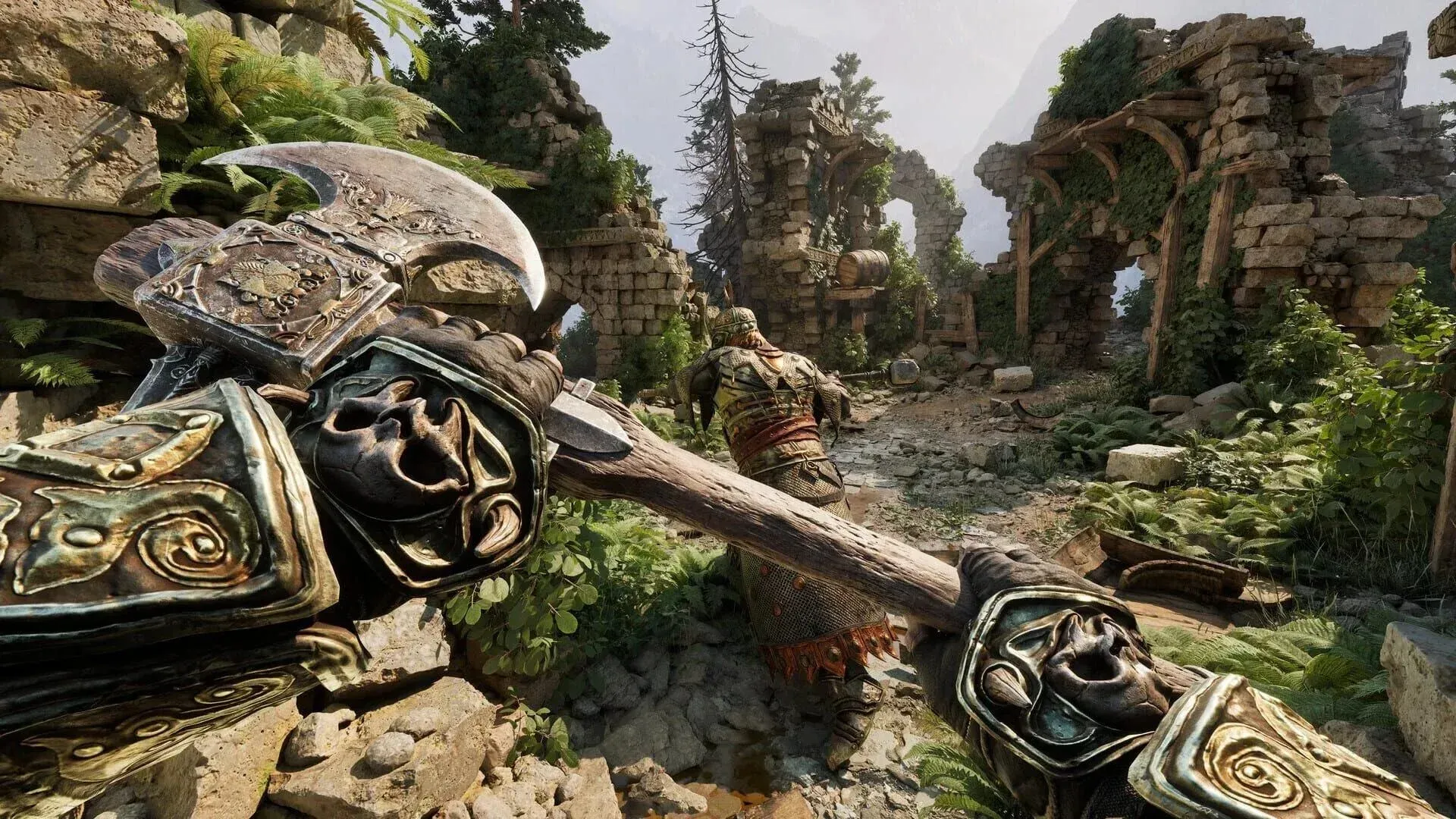


The fastest way to fall behind in Fatekeeper is to rush past the zones that hide its best gear
Fatekeeper is a paraglacial action RPG built around the tension between exploration and combat commitment. Most players hit a wall in the late game not because they played badly, but because they skipped destructible walls in the Whispering Hollows, ignored relic pairings, or grabbed a weapon that looked powerful without checking how its recovery frames interact with their build. This guide covers every top weapon location, the relics worth hunting, and which spell routes actually hold up when the difficulty spikes.
Where are the best weapons in Fatekeeper?
The two main zones for high-quality gear are the Whispering Hollows and the Sunken Ruins. Both areas hide weapons behind destructible walls and optional puzzle rooms that the standard in-game map does not mark. If you are moving through these zones without swinging at suspicious wall cracks or checking dead ends, you are leaving legendary loot behind.
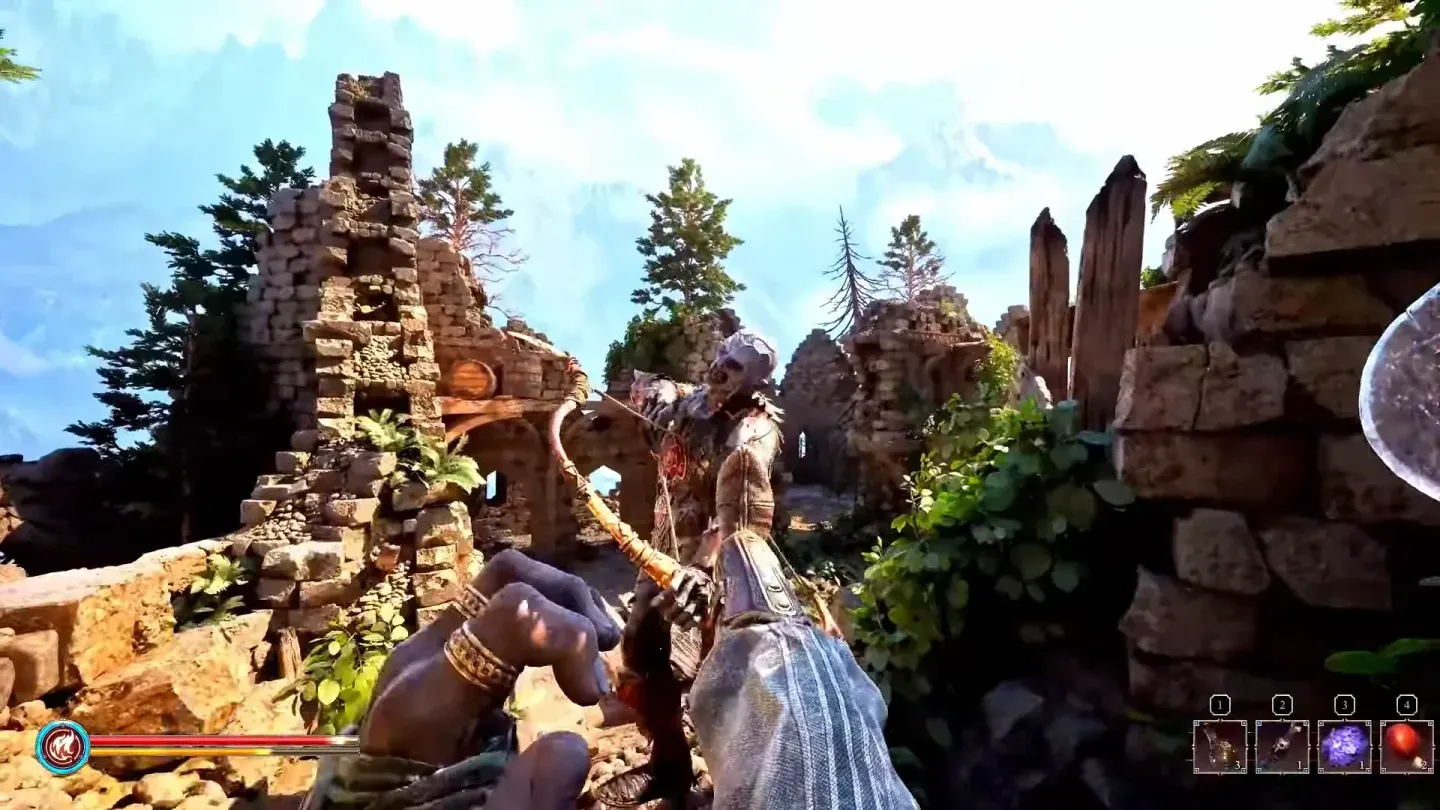
Ethereal Greatsword chest location
Ethereal Greatsword
The Ethereal Greatsword sits at the northernmost point of the Whispering Hollows. Look for a room with three glowing blue torches and hit the wall directly behind the center torch to reveal the hidden chest. With 145 base damage and strong scaling for strength-focused builds, this is the highest raw damage weapon in the game. Pair it with the Titan's Grip relic and you get a 40% increase to stagger damage, which makes it the best option for players who want to break enemy posture consistently.
Early weapons: Sunken Ruins
If you are still in the first few hours, the Sunken Ruins hold two weapons worth knowing. The Rusted Twinblades spawn near the first save point and offer fast swing speed that pairs cleanly with early on-hit relics. Testing across the opening 5 hours confirms that prioritizing swing speed over raw damage makes boss windows significantly more forgiving, since you can dodge out of recovery frames before the next enemy attack lands.
The Burning Axe is also available as a rare one-handed pickup in this zone. Its stats break down as 5 attack costs, 5 dash costs, 10 slash damage, and 15 fire damage. Do not treat it as a straight slash upgrade over the Blade of the Sentinel. Its value comes entirely from the fire damage component, so it only makes sense if your build already invests in Power or elemental scaling.
Starting weapon choice: Blade vs Axe of the Sentinel
Before you reach either of those zones, you face the first real weapon decision. Here is how the two starting options compare:
The Blade of the Sentinel wins on listed damage at 30 slash versus the Axe's 20, but both share identical attack and dash costs. Use the Axe if you are still learning block, kick, and stamina management. Use the Blade once you are comfortable with a two-handed recovery window.
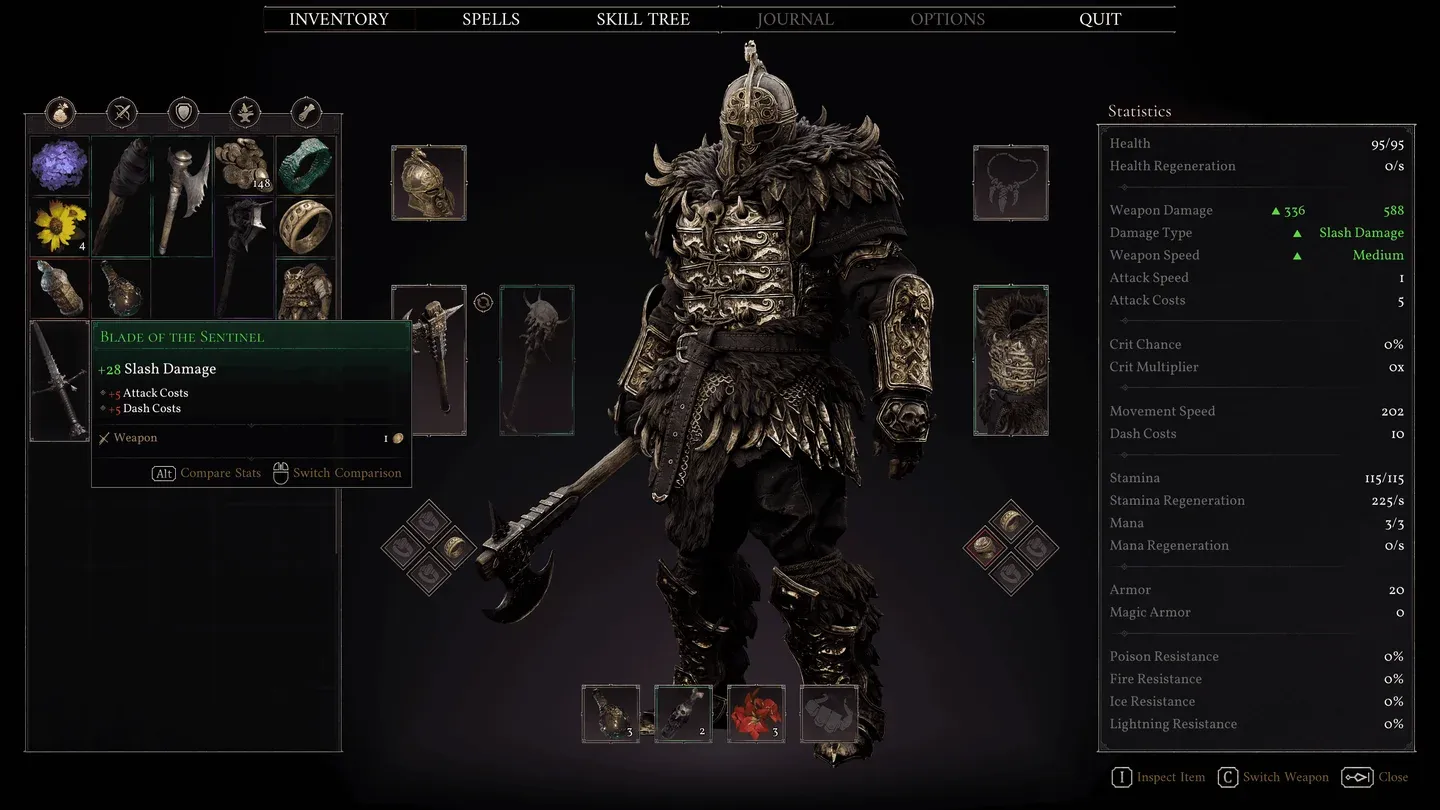
Starting weapon stat comparison
What are the best relics and where do you find them?
Relics provide passive bonuses that scale with your weapon's attack speed and damage type. They are equipped at save points and trigger effects ranging from health regeneration to critical strike amplification. The most powerful ones require solving environmental puzzles or completing timed platforming sections.
Heart of the Phoenix
The Heart of the Phoenix is the strongest relic for sustain-focused builds. Travel to the eastern edge of the Sunken Ruins and complete a timed platforming sequence within 45 seconds to unlock the vault. The relic grants 2% health regeneration on every critical hit, which makes it a late-game staple when paired with fast-attacking weapons. Running Rusted Twinblades with Heart of the Phoenix triggers that regeneration passive far more often than any heavy weapon build can.
Soul Leech
The Soul Leech relic is found in the central catacombs. It converts 15% of damage dealt into health, which lets you effectively out-heal mid-game boss damage if your attack speed is high enough. After the latest Paraglacial patch, fast weapons received a 15% buff to on-hit proc rates, making this relic considerably stronger than it was at launch.
Full relic synergy matrix
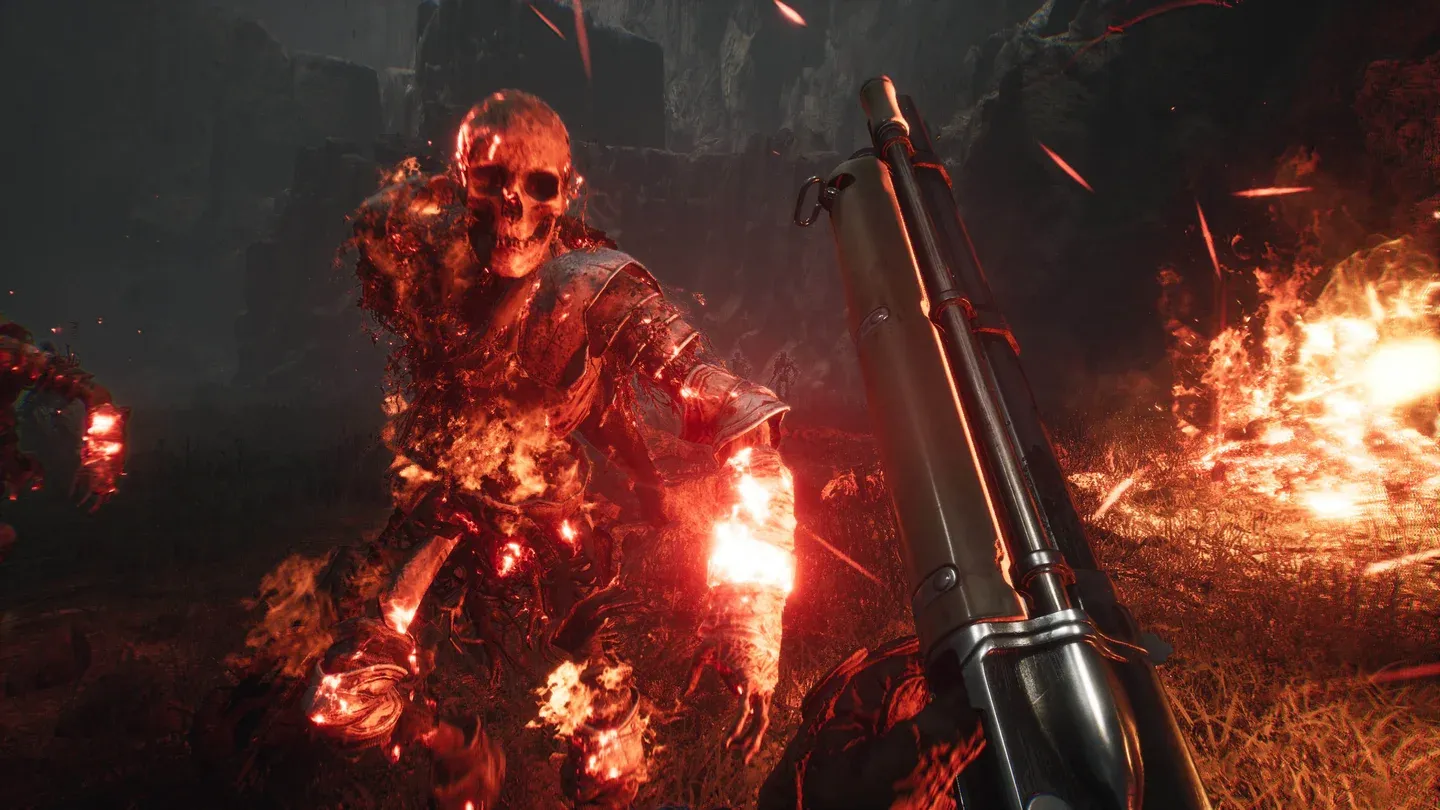
Heart of the Phoenix vault
Which spell route should you build around?
Fatekeeper's magic system rewards committing to a route early rather than spreading points across every tree. Fire is the safest starting point for most players, but the right answer depends on what problem you are trying to solve.
Fire and pyromancy
Fire has the clearest damage scaling of any spell route currently in the game. The core upgrades worth prioritizing are:
- Fire spell power (+20% spell power with fire spells)
- Excessive Flames (burning enemies continuously lose poise)
- Ricochet (fire projectiles bounce around corners and bad angles)
- MORE! (+2 projectiles, best once your mana pool supports frequent casting)
- Flame Spout (converts fire into a focused ray for controlled pressure)
For alchemy support, Kutracite gives +6% Fire Damage for 15 seconds and +5 Fire damage, making it a strong pre-boss consumable for any fire-leaning build. The Burning Axe also slots naturally into a fire and melee hybrid if you prefer staying in melee range.
A practical fire build progression looks like this:
- Start with basic survivability
- Add Power for +5 mana and +3% elemental damage
- Pick up Greater Mana (+15 mana) once spell costs start hurting
- Layer in Excessive Flames, then Ricochet, then MORE!
- Use Kutracite before hard fights
Telekinesis
Telekinesis is worth taking even on builds that never invest heavily in magic. It pulls enemies to control the opening of a fight, creates space when you are surrounded, and interacts with marked objects through search mode. The Savant node cuts telekinesis spell costs by 50%, and Dark Arts adds arcane damage to lifted enemies, but only pick those up if telekinesis is already part of your normal combat loop.
Wind, shatter, and Life Leech
Wind can scale well but costs more than most beginners expect. Storm Surge gives +50% spell power with wind spells while also adding 25% to wind spell costs, so take it only after your mana pool is already solid. Herald of Winter is marked as a work-in-progress node, so avoid building around it as your primary plan.
Shatter and frost make the most sense when your weapon choice already leans toward blunt options like the Skull Club, maces, or hammers. The route requires setting up freeze windows and then punishing with heavy hits, which is more deliberate than fire but rewarding once the timing clicks.
Life Leech is confirmed through alchemy rather than a dedicated spell tree. Guards Vermillion gives +5% Life Leech and +10% increased Stance for 15 seconds. Use it as sustain support through a potion or vial setup before longer fights, not as a standalone damage route.
What mistakes kill most Fatekeeper builds?
The most common error is treating damage numbers as the only relevant stat. A weapon with 200 base damage and a 2-second swing animation will get you killed in fast boss encounters. Always factor in attack cost, dash cost, and recovery window before committing to a weapon.
On the spell side, taking expensive nodes before your mana pool can support them is the equivalent of equipping a slow weapon before you understand enemy timing. Storm Surge is a prime example: massive power, but it will drain your mana mid-fight if you have not already invested in Greater Mana or Power nodes.
Ignoring weapon coatings is another consistent mistake. Alchemy can add poison, vial-based bonuses, and elemental pressure to any weapon you are already comfortable with. Crafting before a boss fight costs relatively little and can meaningfully extend how long you survive the encounter.
Building your loadout from the ground up
The cleanest path through Fatekeeper's gear progression runs roughly like this:
- Start with Blade of the Sentinel for stronger slash damage, or Axe of the Sentinel if one-handed feels more manageable.
- Pick up Skull Club in Haven to test blunt timing.
- Switch to Ornate Dagger once your dodge timing is clean (+15% crit chance, +15 pierce damage, 3 attack and dash costs).
- Grab Burning Axe if you want a fire and melee hybrid route.
- Hunt the Ethereal Greatsword in the northern Whispering Hollows before Act 3.
- Pair fast weapons with Heart of the Phoenix for health regen on crit.
- Apply weapon coatings before every boss or hard room.
- Match your spell route to your weapon: fire supports Burning Axe, shatter supports blunt weapons, telekinesis supports everything.
For more builds, spell routes, and zone walkthroughs, the full Fatekeeper guides collection covers every major system in the game. Fatekeeper sits within a broader tradition of adventure games that reward patient exploration over raw power, and the gear system reflects that philosophy at every turn. Start with what feels safe, learn the recovery windows, and the best weapons will come to you naturally as you explore every dead end the Whispering Hollows has to offer.