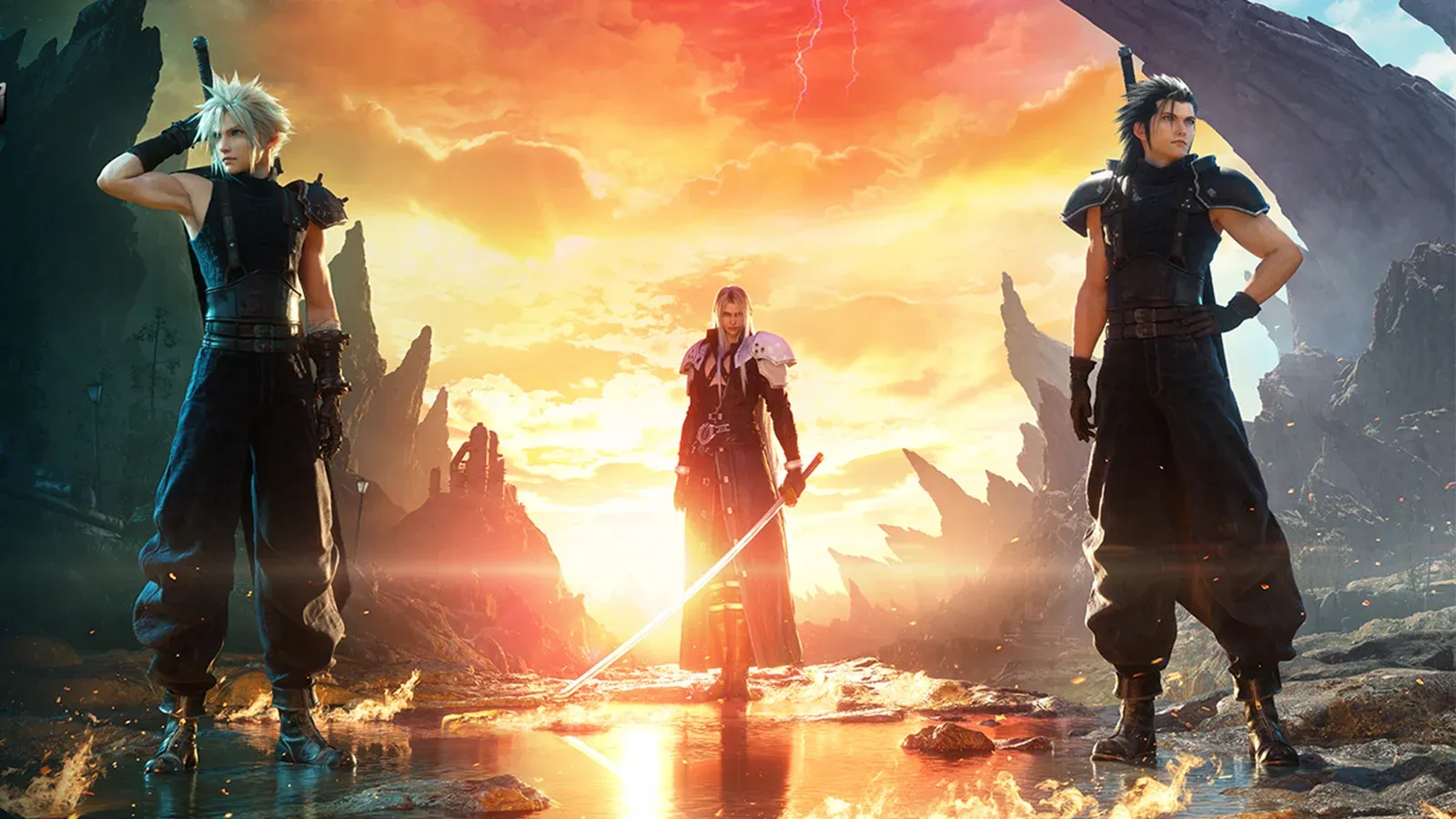


Final Fantasy VII Rebirth running on Nintendo's Switch 2 was something a lot of players weren't sure would even be possible. The game is one of the biggest JRPG games released in recent years, with playthroughs regularly crossing 100 hours when side content is factored in. Early comparison footage pitting the Switch 2 build against the PS5 and Xbox Series S versions has surprised a lot of people, and the technical story behind those results is worth understanding before you decide which platform to play on.
How does Switch 2 compare to PS5 and Xbox Series S visually?
The short answer: Switch 2 sits closer to Xbox Series S than most people predicted, and in some specific scenarios it actually edges ahead on texture clarity and environmental detail. PS5 is still the clear leader in raw visual fidelity, but the gap between Switch 2 and Series S is narrower than the hardware specs would suggest.
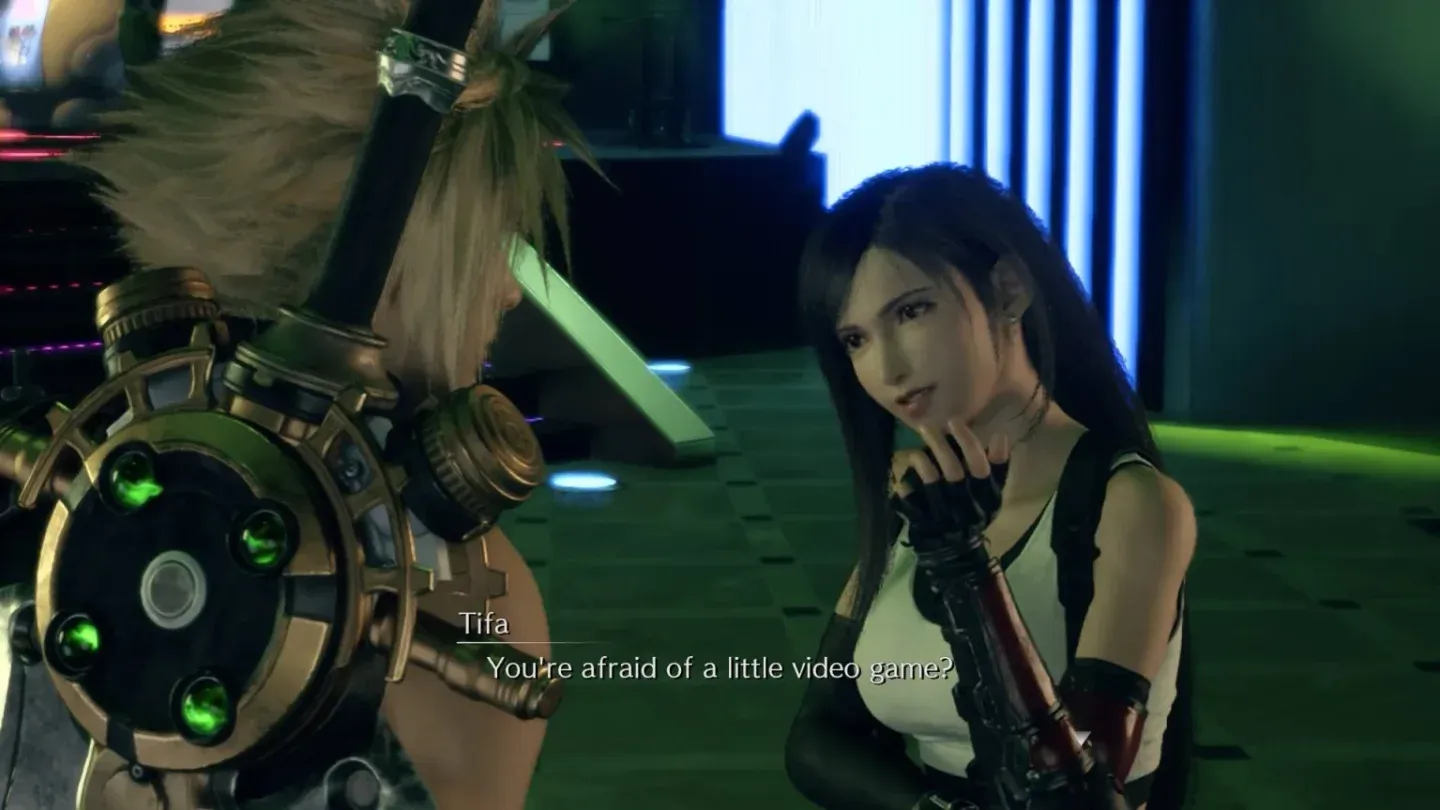
PS5 vs Switch 2 docked visuals
The reason for that narrower gap comes down to DLSS (deep learning super sampling), Nvidia's AI-powered upscaling technology built into the Switch 2. The docked version of the game renders at a minimum internal resolution of 540p, while handheld mode can drop as low as 380p. On paper, those numbers sound rough. On screen, the AI reconstruction process rebuilds the image into something significantly cleaner than the raw resolution implies.
What are the frame rate trade-offs on Switch 2?
This is where the Switch 2 version makes its most noticeable concession. The Xbox Series S build includes a performance mode that targets 60 FPS. The Switch 2 version is locked at 30 FPS, and the current demo build shows occasional drops below that target during larger open-world sections.
For a game this size, 30 FPS is workable, but players who prioritize smooth combat responsiveness will feel the difference compared to a 60 FPS experience on Series S or PS5.
Platform comparison: which version should you choose?
The PS5 version remains the best option if visual quality and frame rate are the priority. Series S is a reasonable alternative for players already on that platform. Switch 2 is the only option that lets you take the full game on a plane, a commute, or a long trip away from a TV, and that portability factor carries real weight for a 100-plus hour RPG.
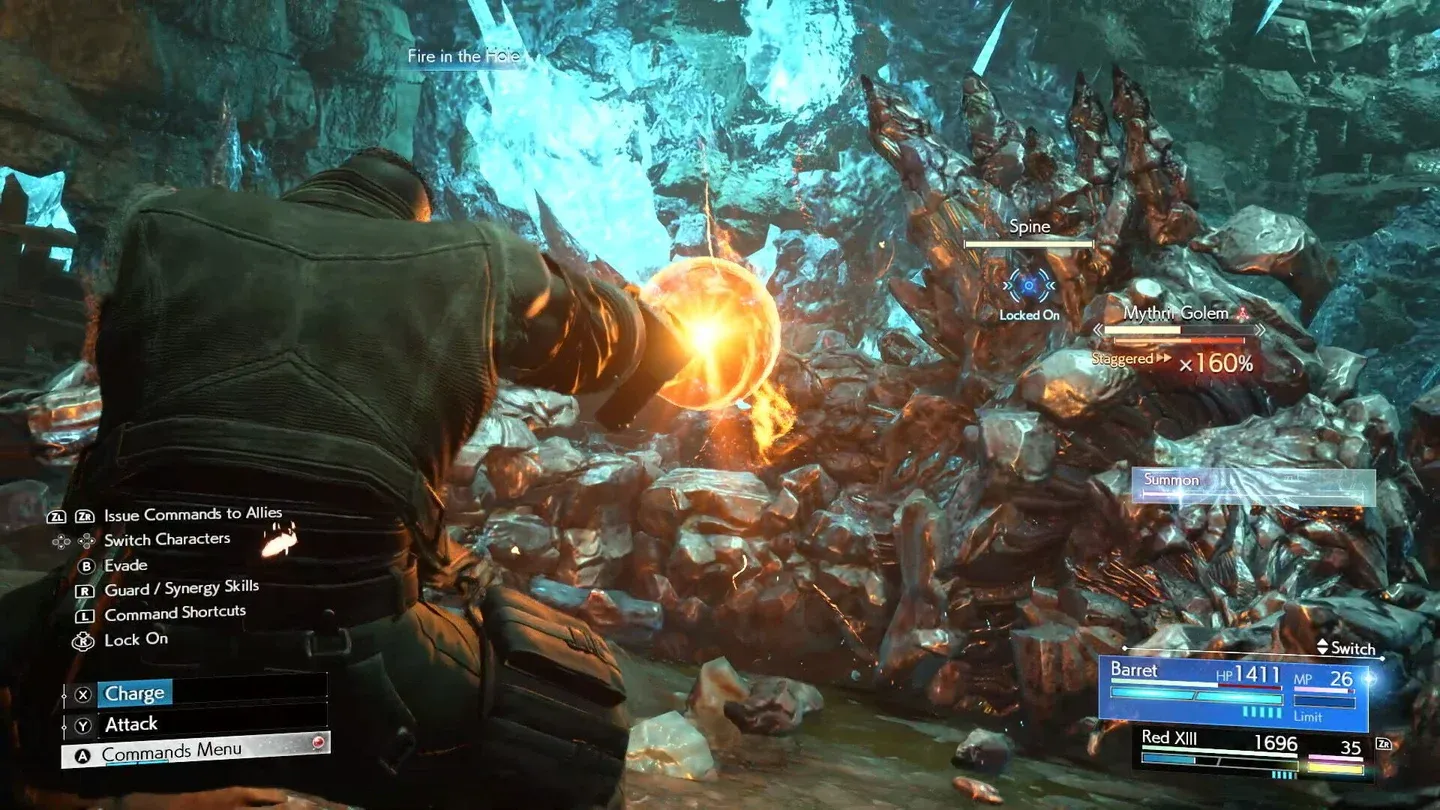
Handheld mode image quality
Why does DLSS matter so much for the Switch 2?
Before the Switch 2 was announced, the general expectation was that Nintendo's next hybrid console would not come close to matching Microsoft's Series S hardware. DLSS changes that calculus. The system does not compete on raw GPU power, but AI-assisted upscaling closes the perceptible gap in ways that raw spec comparisons miss entirely.
For a game like Final Fantasy VII Rebirth, which demands a lot from any hardware with its large open-world regions and dense environmental assets, DLSS is doing serious work. The Switch 2 version looking competitive with Series S in many scenes is a direct result of that technology, not raw silicon.
The broader implication is that the gap between portable and home console experiences is closing faster than most hardware analysts expected a few years ago. That shift benefits players who want to experience large-scale JRPG games without being tied to a television.
Is the Switch 2 version worth it for a 100-hour RPG?
For players who already own a PS5 or Series S, the answer depends entirely on how much you value portability. The visual and frame rate compromises are real. But for a game that can take well over 100 hours to complete, the ability to pick it up and continue on the go is not a trivial convenience.
For players whose primary platform is Switch 2, the version holds up well enough that the experience is not diminished in any meaningful way for most of the game. The 30 FPS cap and occasional drops in open-world areas are the main friction points, and those are consistent with what portable hardware at this tier delivers.
For the full picture on what makes Final Fantasy VII Rebirth worth that kind of time investment across any platform, the Final Fantasy VII Rebirth strategy guides cover everything from materia builds to side quest completion in detail.