


Final Fantasy VII Rebirth finally makes the jump to Nintendo Switch 2, and the result is exactly as complicated as you'd expect. Square Enix's most ambitious entry in the remake trilogy, a game that was already pushing the PS5 hard, now runs on portable hardware at 30 fps with DLSS doing the heavy lifting. The short version: it works, the game is still great, and the visual compromises are real. Here's what you actually need to know before downloading the demo or dropping money on it.
How does FF7 Rebirth perform on Switch 2?
Frame rate is the first thing most players will ask about, and the answer is surprisingly solid. The game targets 30 fps and mostly hits it. Exploration and combat, which is where you spend the majority of your time, hold steady with minimal input lag. The only noticeable dips show up in towns, which is a fair trade given how much is happening in the open zones and multi-character battles.
The day 1 patch, which dropped before the port went live, appears to have smoothed out traversal stutter that might otherwise have made the experience feel choppy. Coming from performance mode on the base PS5 (which ran at 60 fps), the halved frame rate target sounds alarming on paper. In practice, after a few hours, it stops being something you notice.
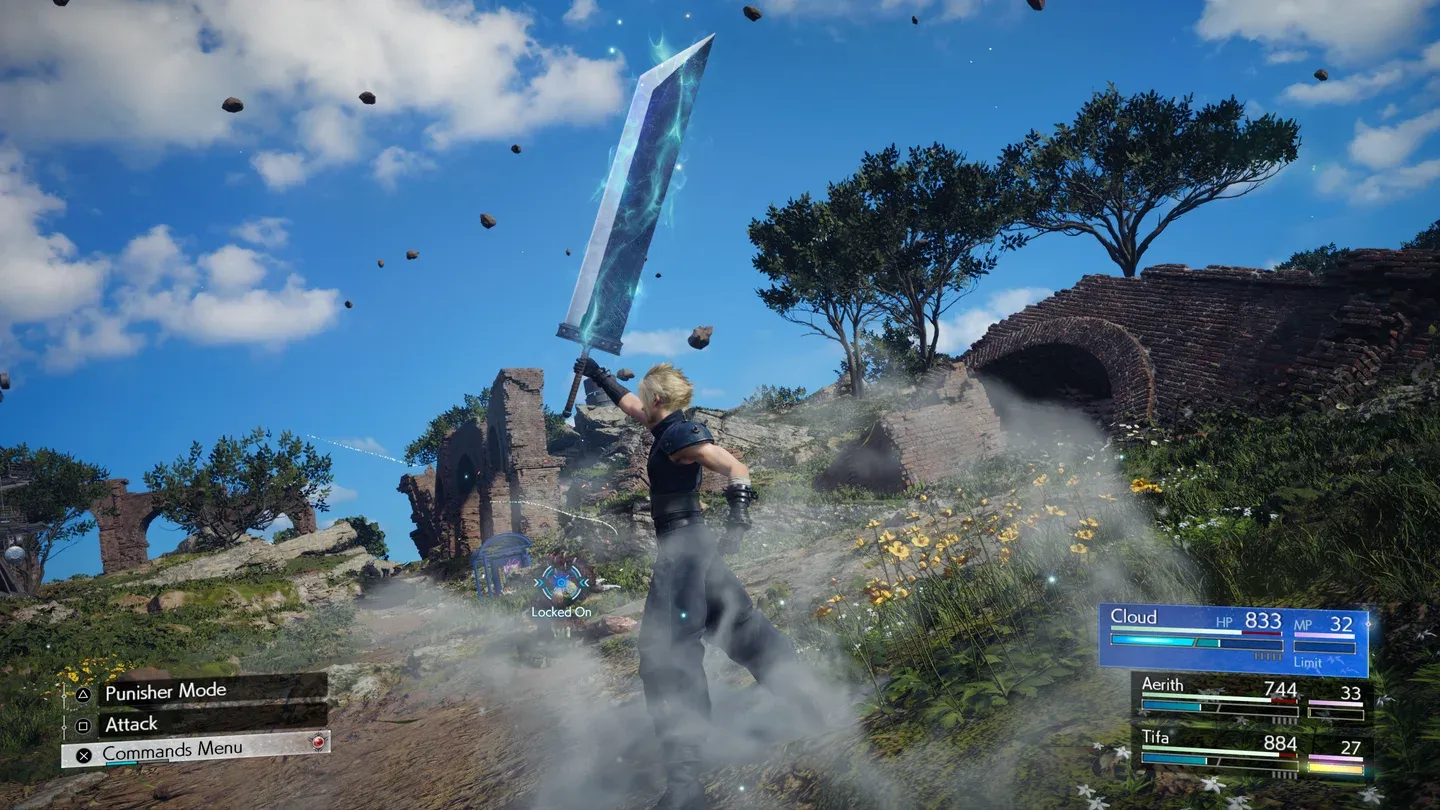
Combat holds steady at 30fps
What visual cuts were made for the Switch 2 version?
This is where things get honest. The Switch 2 version offers no graphics settings to toggle between. You get a single preset with DLSS upscaling, and the results vary significantly depending on where you are in the game.
Docked play on a 4K OLED TV lands somewhere close to PS5 performance mode in terms of perceived clarity, though the actual resolution count is lower. Undocked play takes a bigger hit, with upscaling artifacts becoming noticeable during field exploration. Cutscenes and close-ups hold up fine in both modes.
The more significant issue is asset complexity. Geometry has been simplified throughout, decorative items on shelves and tables have been removed entirely, and foliage density in the open world has been reduced substantially. The parade sequence early in the game makes this obvious: the pre-rendered video shows dense crowds, then the in-engine version cuts to a noticeably sparse crowd that makes Rufus look considerably less popular than the story implies.
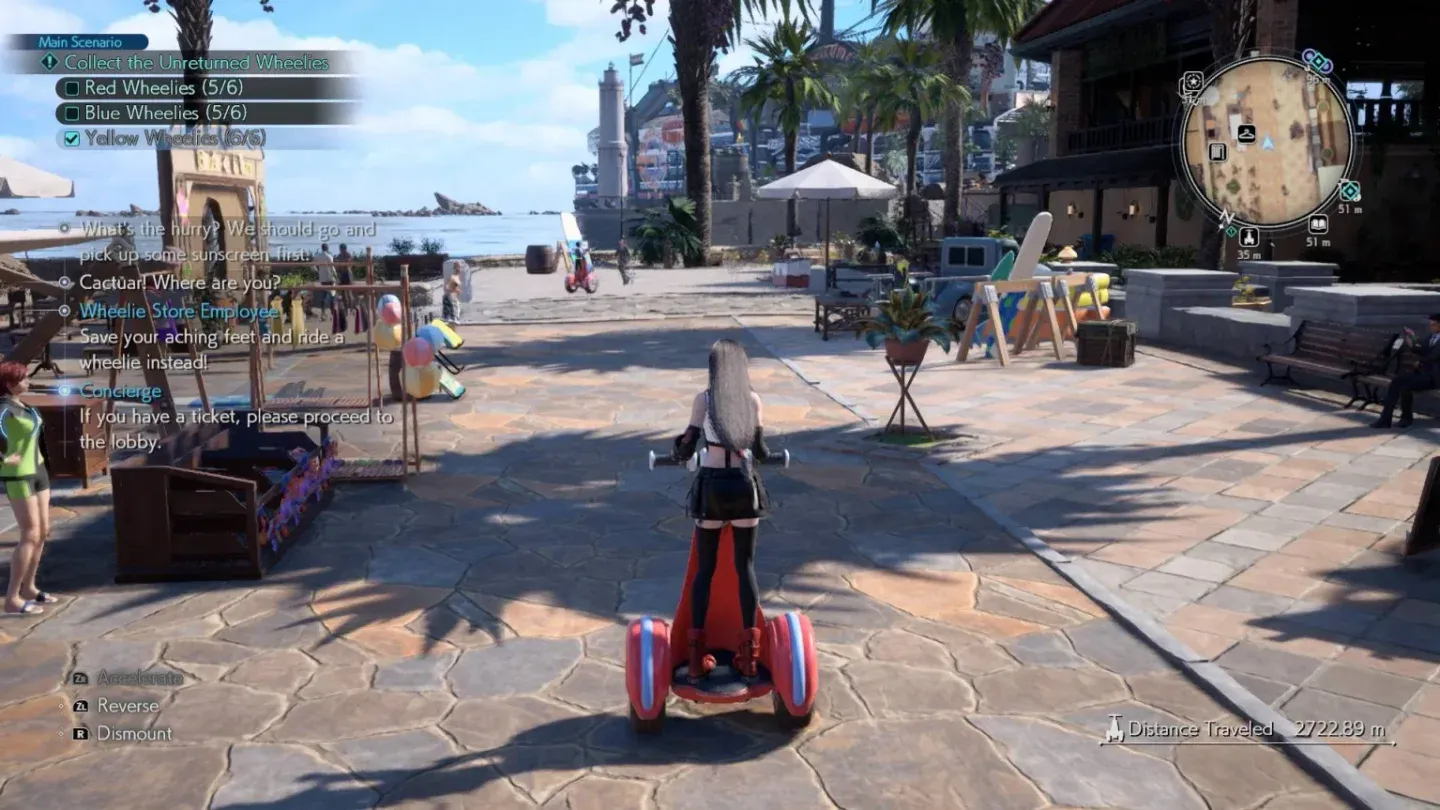
Foliage cuts are significant
Is the full game content intact?
Yes, completely. Every minigame, every side quest, every battle, and all story content from the PS5 version is present. Nothing has been cut from the actual game, only from its visual presentation.
The side quest writing holds up better than you might expect if you found Remake's side content thin. Each quest tends to pair Cloud with a specific party member, using the task at hand as a framing device to reveal something about that character. The open world intel gathering, towers, and challenging fiends are all here too, along with the hidden dungeons you'd only discover through side quests.
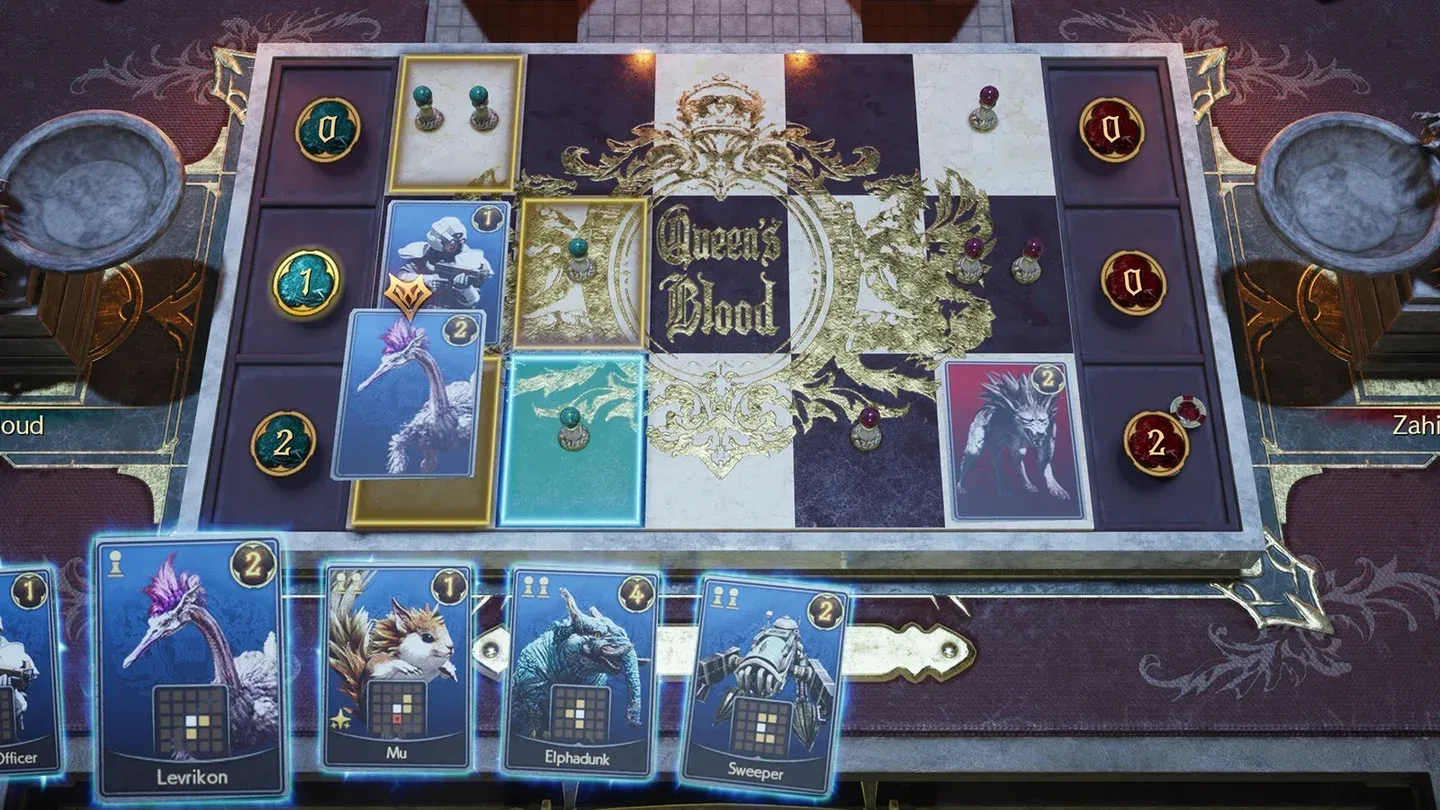
Queen's Blood is dangerously addictive
How much time will Queen's Blood eat?
A lot. Queen's Blood, Rebirth's original card game, is genuinely compelling enough that it can consume several hours without you realizing it. Out of a 36-hour playthrough up to Chapter 9, roughly 5 hours went to Queen's Blood alone. That's not a complaint, that's a warning and a recommendation simultaneously.
The card game has the depth of something that deserves its own standalone release. If you find yourself neglecting the main story to keep building your deck, you are not alone.
Docked vs. undocked: which is better?
Neither mode is unplayable. Docked edges out undocked for visual clarity, but the game remains functional and enjoyable in handheld form.
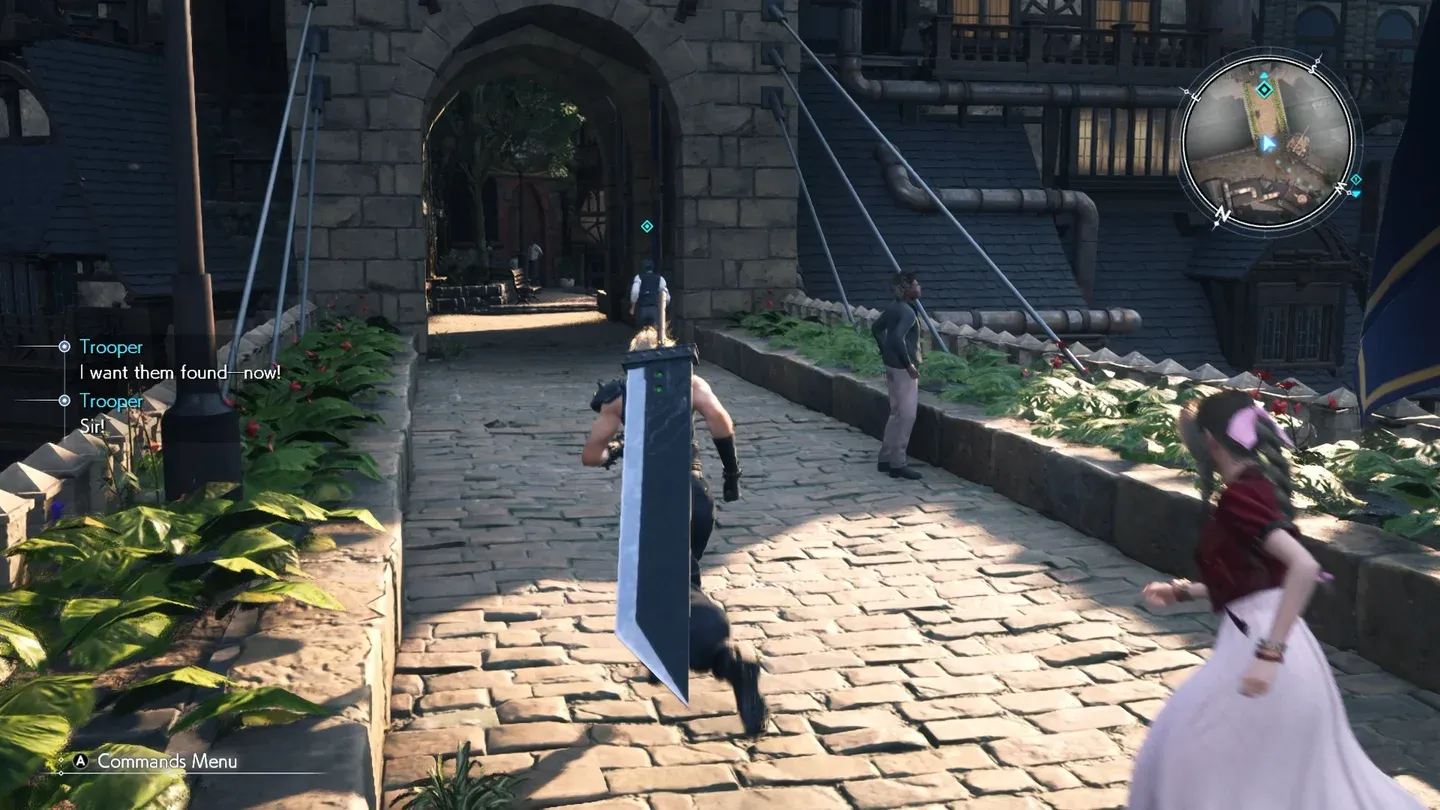
Docked mode is the stronger option
Should you play this version if you've already played on PS5?
This depends entirely on why you'd want to. The portability factor is real, and being able to chip away at a 100-plus-hour game in handheld mode changes how a game like this fits into your life. The content is identical, the performance is acceptable, and the game itself is still one of the most ambitious JRPG games Square Enix has produced.
If you're coming in fresh, the visual cuts will bother you less because you have no reference point. Players who spent time with the PS5 version at 60 fps and high fidelity will notice the differences immediately, but most report adjusting to the new baseline within a few hours of playing new content.
The version feels comparable to what a PS4 port might have looked like, which is a useful mental frame. It's not the definitive way to experience Rebirth, but it is a legitimate way to experience it.
What does this mean for the final trilogy game?
The existence of this port, alongside the confirmed simultaneous multi-platform launch for the third game in the trilogy, suggests Square Enix is actively designing future entries with Switch 2 and Steam Deck in mind. If the porting team's work on Rebirth helped them understand how to scale down fidelity for weaker hardware, the final game may arrive in better shape on day one.
For now, the full strategy guide collection covering Rebirth's systems, builds, and side content is available at the Final Fantasy VII Rebirth guides hub, which is worth bookmarking as you work through the game's many regions.