Overview
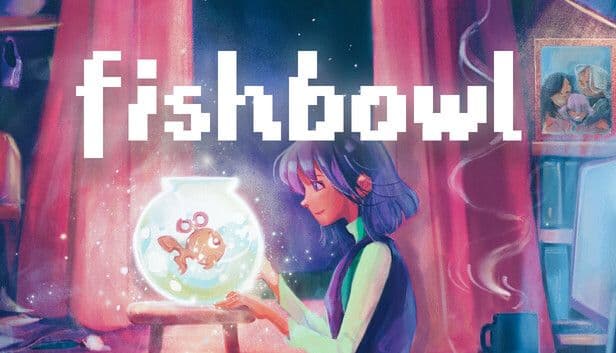
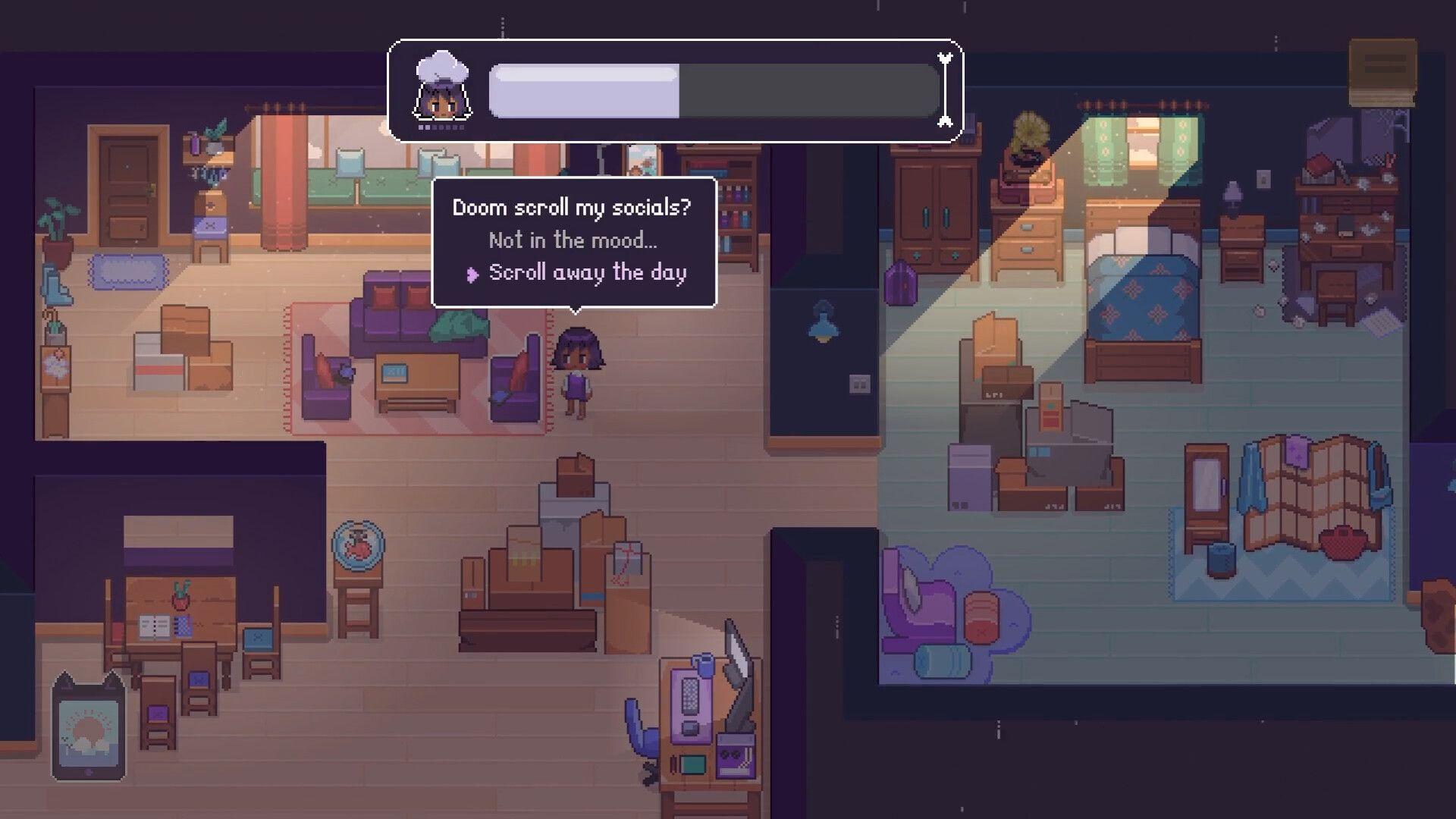
Fishbowl is a slice-of-life visual novel that compresses the weight of early adulthood into a single month. Alo, 21, has just landed her first job as a remote video editor and moved to a city where she knows no one, all while processing the death of her grandmother. The game doesn't manufacture drama from those circumstances. It just sits with them, quietly, and lets you feel the texture of a life that's simultaneously new and already grieving.
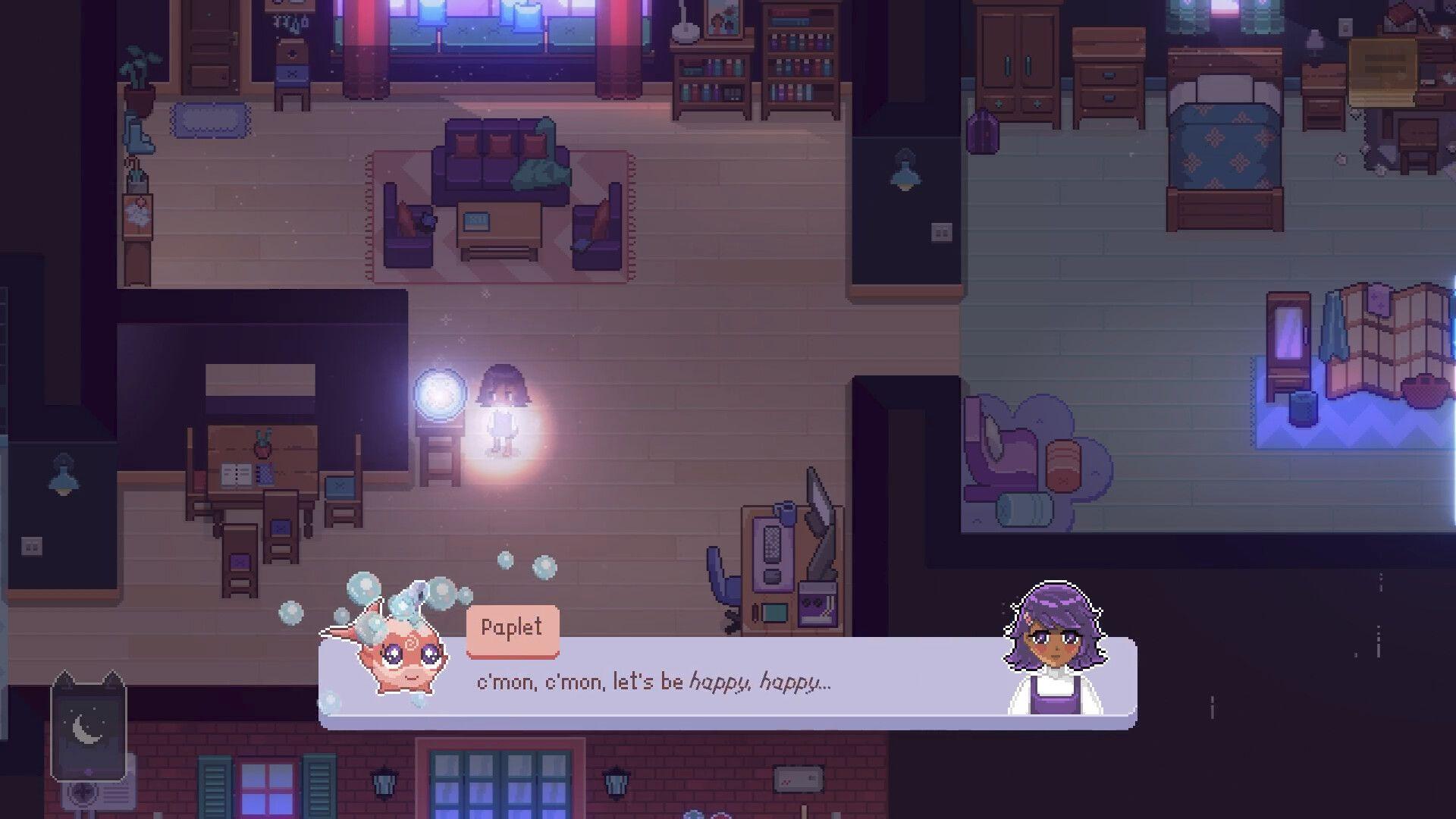
The hook that keeps Fishbowl from becoming a straightforward narrative experience is Paplet, a magical talking fish from Alo's childhood who reappears as her unlikely companion. Through Paplet, the game opens up a second layer beneath the daily routine: revisiting childhood memories, untangling the past, and figuring out who Alo actually is underneath the grief and the new-adult performance. It's a smart structural choice that gives the emotional beats somewhere to land.
What does Fishbowl actually play like?
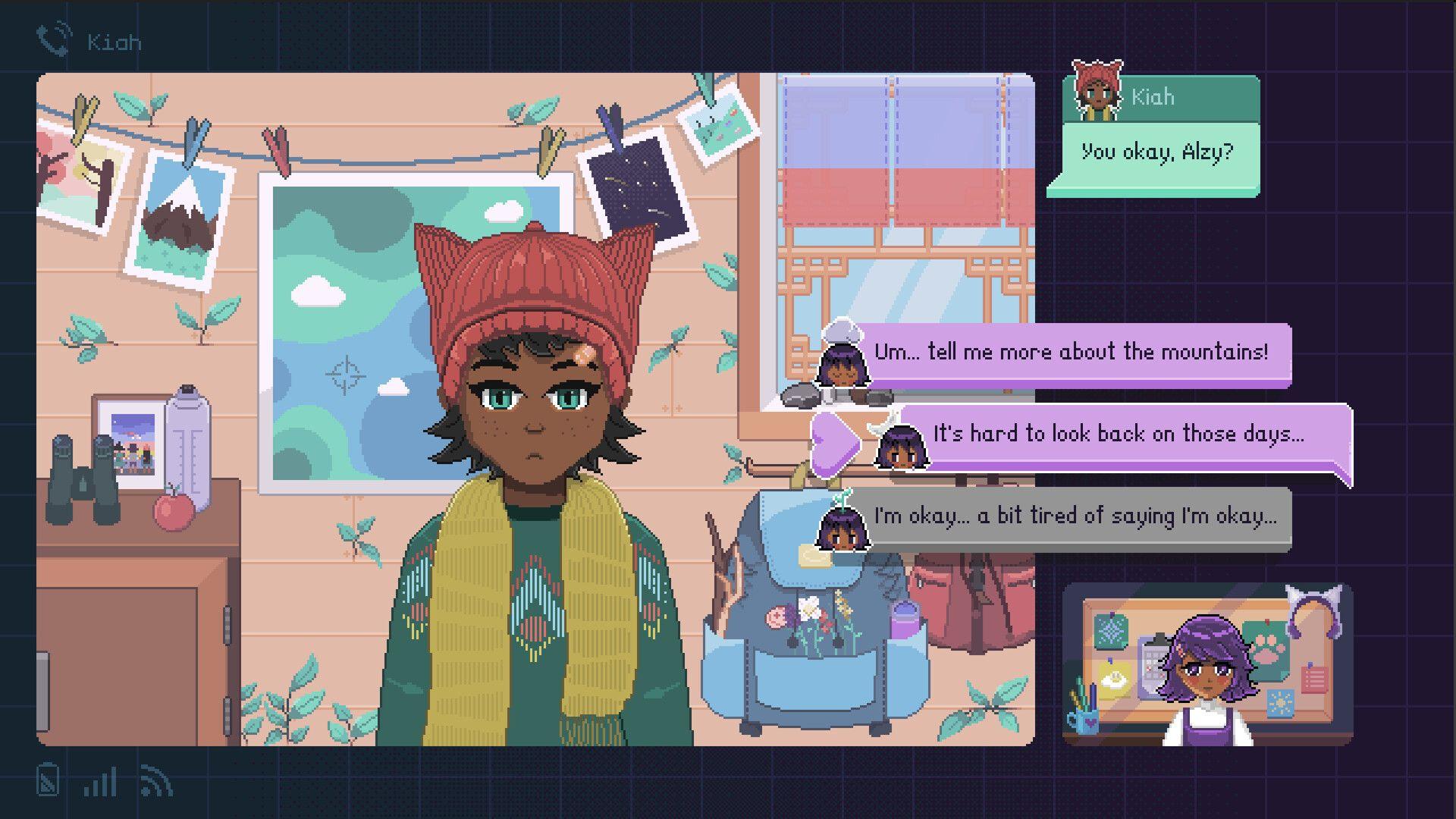
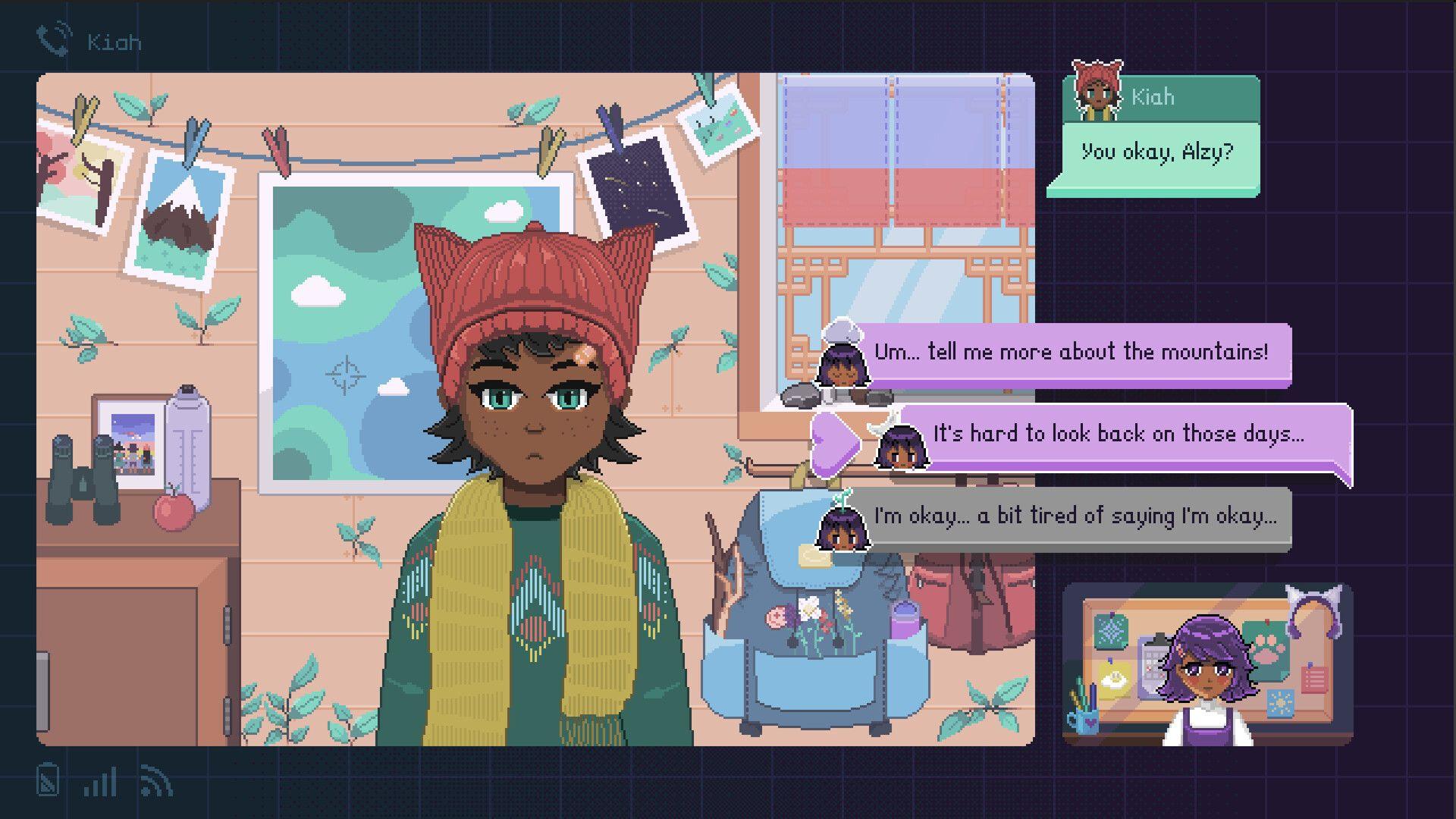
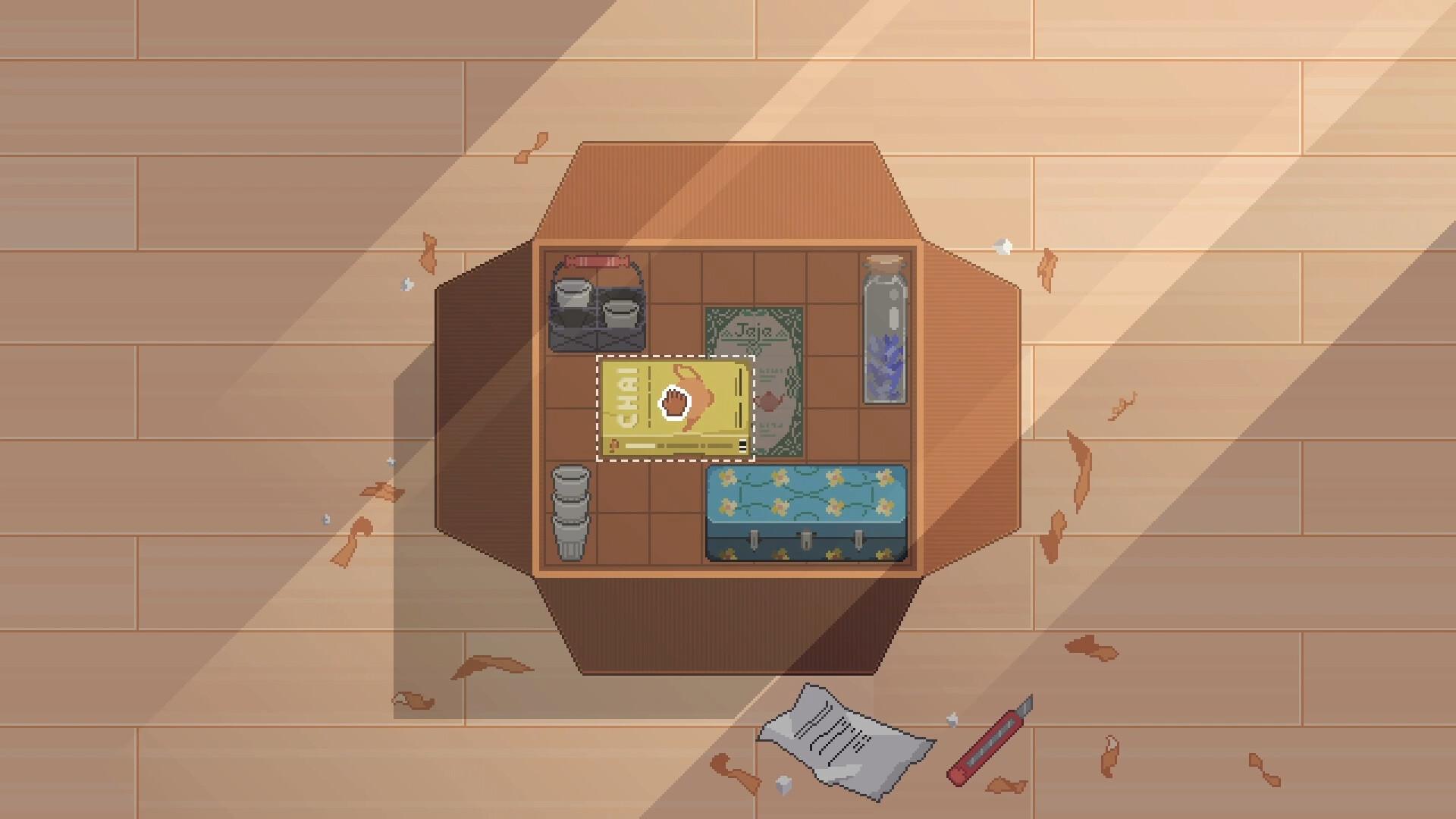
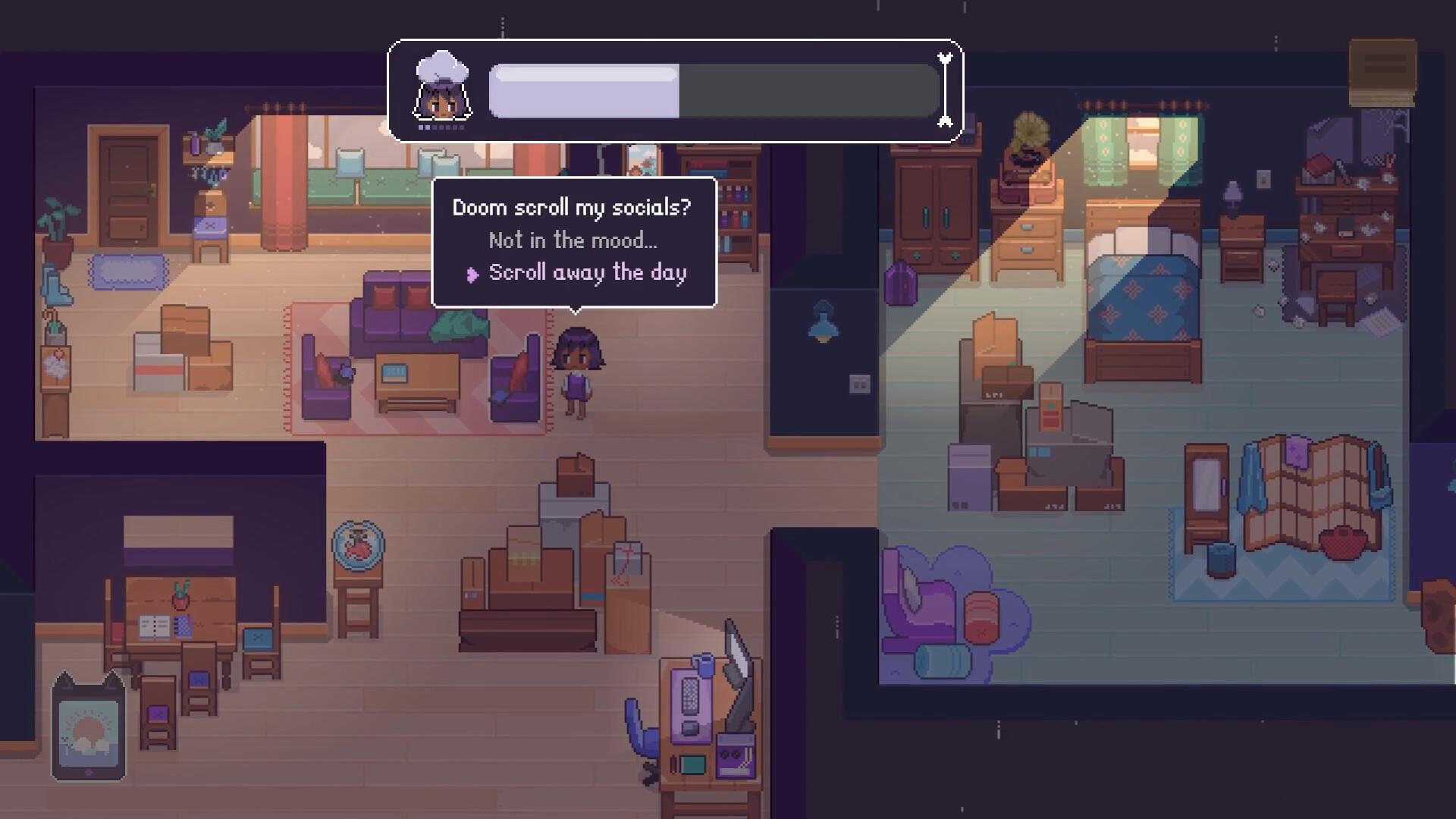
Fishbowl is a visual novel at its core, but it builds routine into its structure in ways that keep it grounded. Each in-game day moves through a loop of activities: video calling friends and family, completing work tasks, sorting through the late grandmother's belongings, and managing the small rituals that make a solo apartment feel livable. The work sequences add a light mechanical layer through a dynamic matching game used to simulate the video editing process, which breaks up the reading without demanding much from the player.
Key features include:
- Daily routine structure with meaningful choices
- Childhood memory sequences triggered by sorting through objects
- Video editor matching minigame for work tasks
- A cast of diverse supporting characters across remote relationships
- No bad endings, only different paths forward
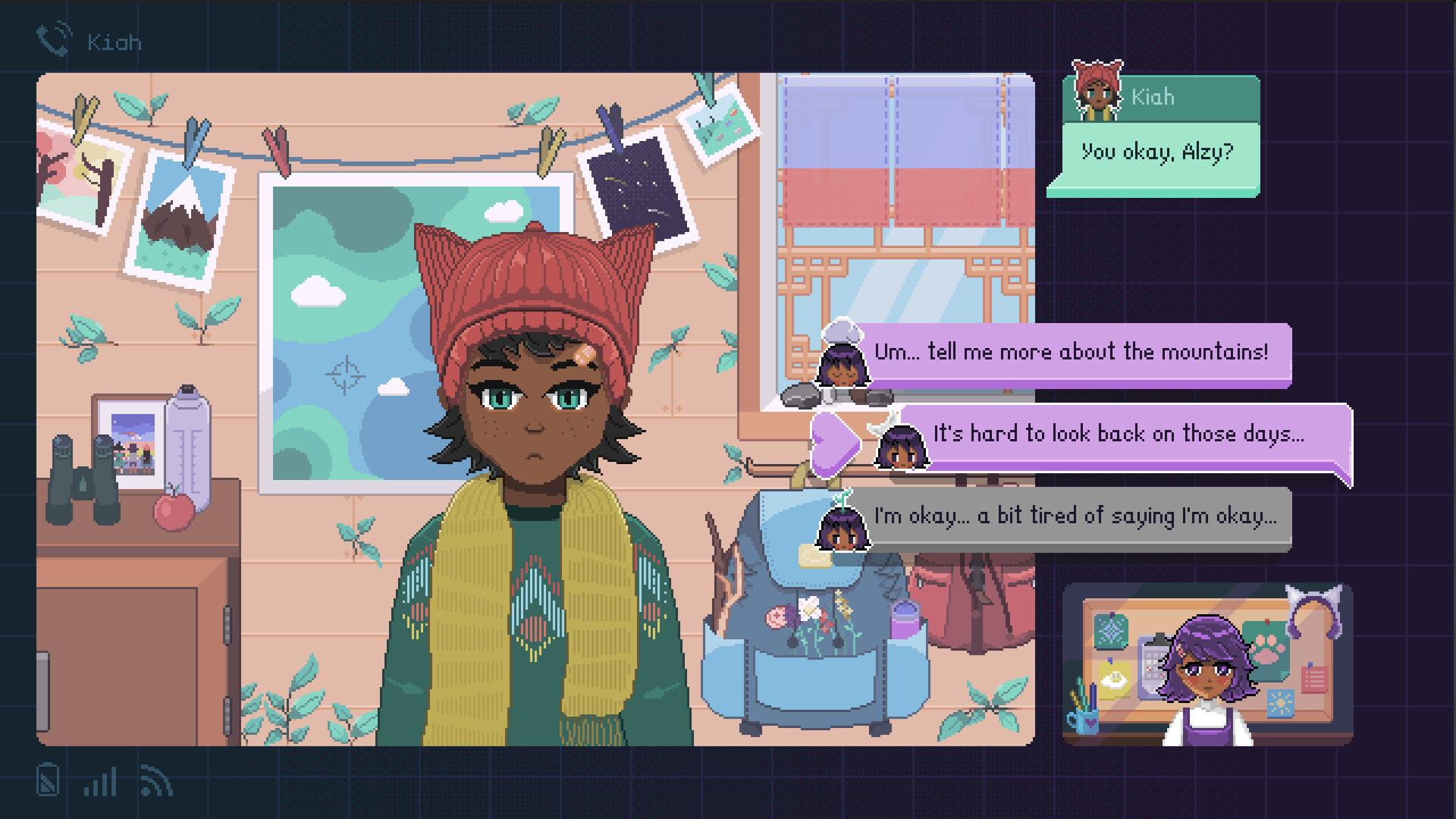
The design philosophy behind the choices is worth noting. Fishbowl doesn't punish you. There are no bad endings, only different futures shaped by the decisions Alo makes over the course of the month. That framing shifts the tone of every choice from anxiety-inducing to reflective, which fits the game's emotional register perfectly.
World and setting: one apartment, many connections
The physical world of Fishbowl is deliberately small. Alo's apartment is the primary space, and most of the social connection happens through screens: video calls, messages, and the kind of fragmented digital intimacy that defines how a lot of people actually maintain relationships now. That constraint is intentional. The game is about isolation, and it earns the feeling rather than just naming it.
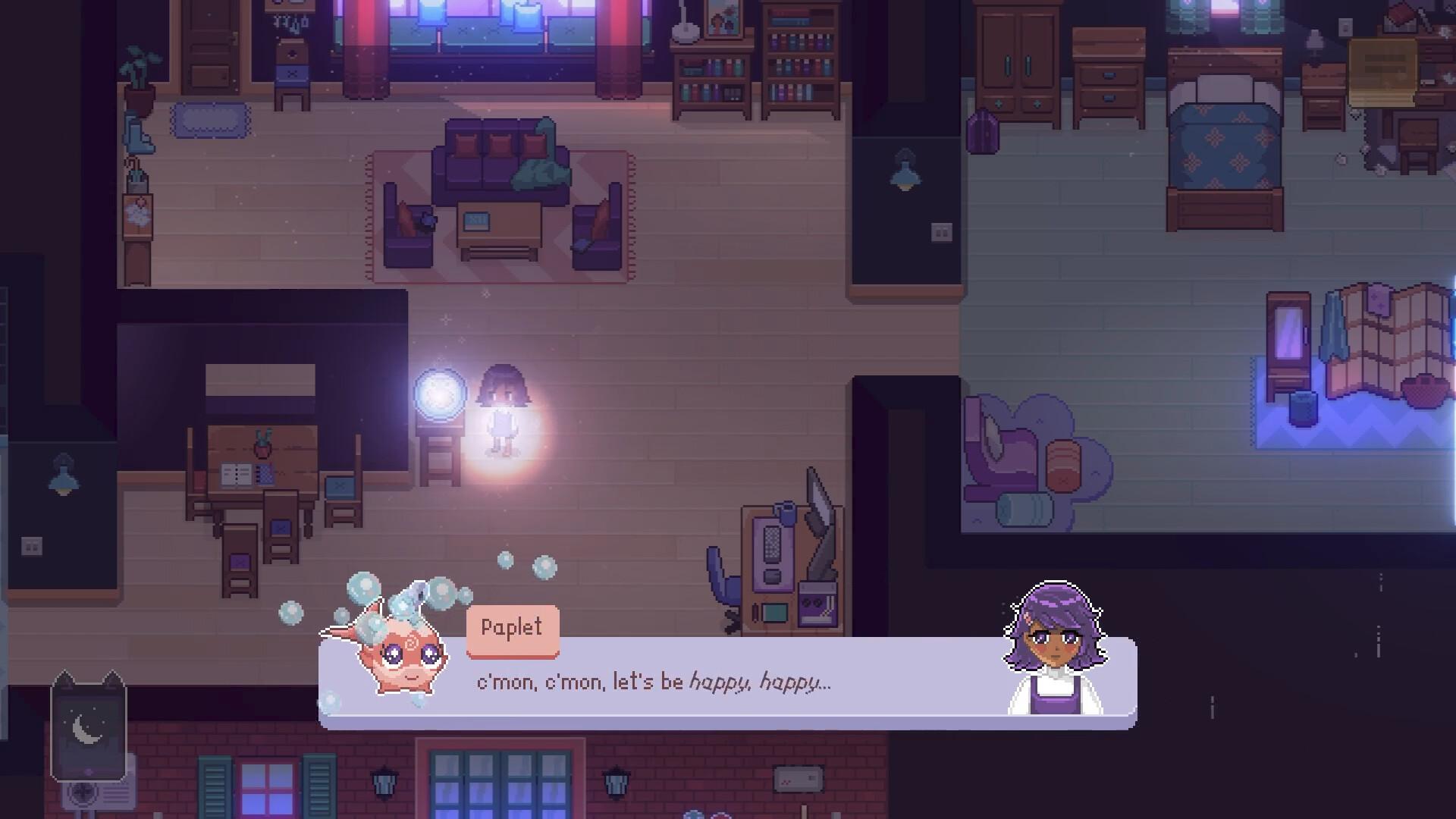
What fills that small space is a cast of characters that includes coworkers, friends, and family, each carrying their own pressures and warmth. The supporting cast keeps Alo from being completely alone even when the game is at its loneliest, which mirrors something true about how isolation actually works.
Impact and reception
The critical response to Fishbowl has been direct. IGN India called it "a profoundly affecting narrative experience," while A Gaming Network described it as "emotionally honest" and said it took them "apart piece by piece, then handed me back to myself a little more whole than before." Gamer Social Club put it plainly: "It'll make you happy. It'll make you sad." That kind of range in a single sitting is hard to manufacture.
| Requirement | Minimum | Recommended |
|---|---|---|
| OS | Windows 10 | Windows 10 |
| Processor | 2.0GHz processor (Intel Core i5 and up) | 2.0GHz processor (Intel Core i5 and up) |
| Memory | 6 GB RAM | 6 GB RAM |
| Graphics | NVIDIA GeForce GTX 460, 1GB or AMD Radeon R7 240, 1GB | NVIDIA GeForce GTX 460, 1GB or AMD Radeon R7 240, 1GB |
| DirectX | Version 11 | Version 11 |
Conclusion
Fishbowl is a focused, emotionally honest visual novel that understands grief and early adulthood well enough to write about them without flinching. The coming-of-age structure, the gentle daily loop, and Paplet's presence as a bridge between past and present combine into something that feels specific rather than generic. Available on Windows, macOS, and PlayStation, it's a short commitment that tends to leave a longer impression.