Overview
FTL: Faster Than Light drops players into the middle of a galactic civil war, commanding a lone spacecraft carrying critical intelligence data to Federation headquarters. Eight procedurally generated sectors stand between your ship and survival, each populated with hostile rebels, unpredictable random events, and encounters that demand split-second resource management. The genius of FTL lies not in its scope but in the extraordinary weight it places on every single decision.
Unlike traditional strategy games, FTL operates in real-time with pause functionality, allowing players to issue orders, reroute power, and coordinate crew movements at their own pace. This design creates a rhythm that is simultaneously methodical and tense. No two runs ever unfold identically, and the galaxy's procedural generation ensures that mastery comes from understanding systems rather than memorizing layouts.
Gameplay and Mechanics: How Does FTL Actually Play?
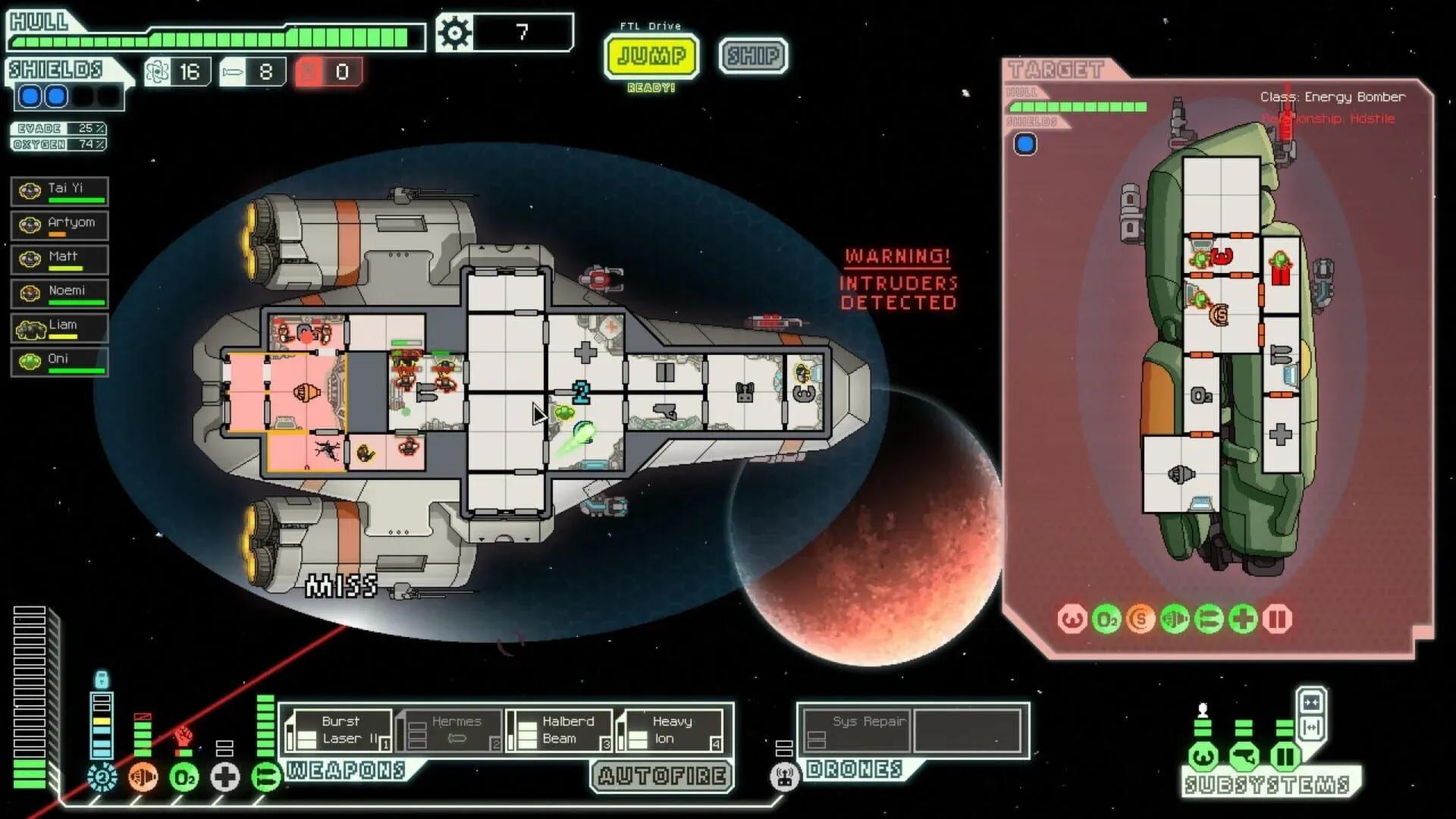
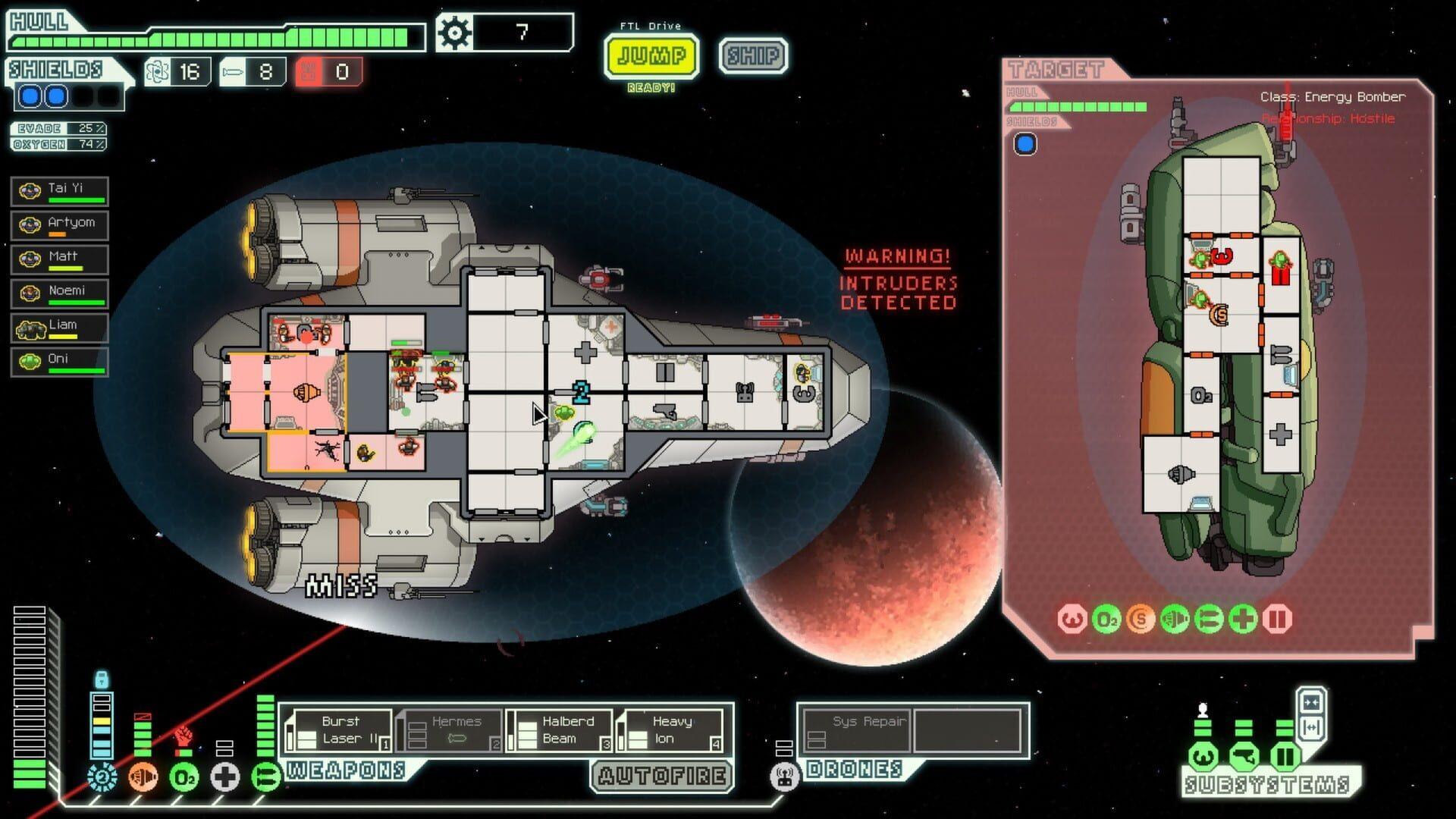
FTL is a spaceship management roguelike at its core. Players do not pilot the ship directly; instead, they direct individual crew members to operate specific stations, repair hull breaches, fight off boarders, and keep critical systems running under fire. This crew-management layer transforms combat from a simple exchange of weapons fire into a frantic juggling act.
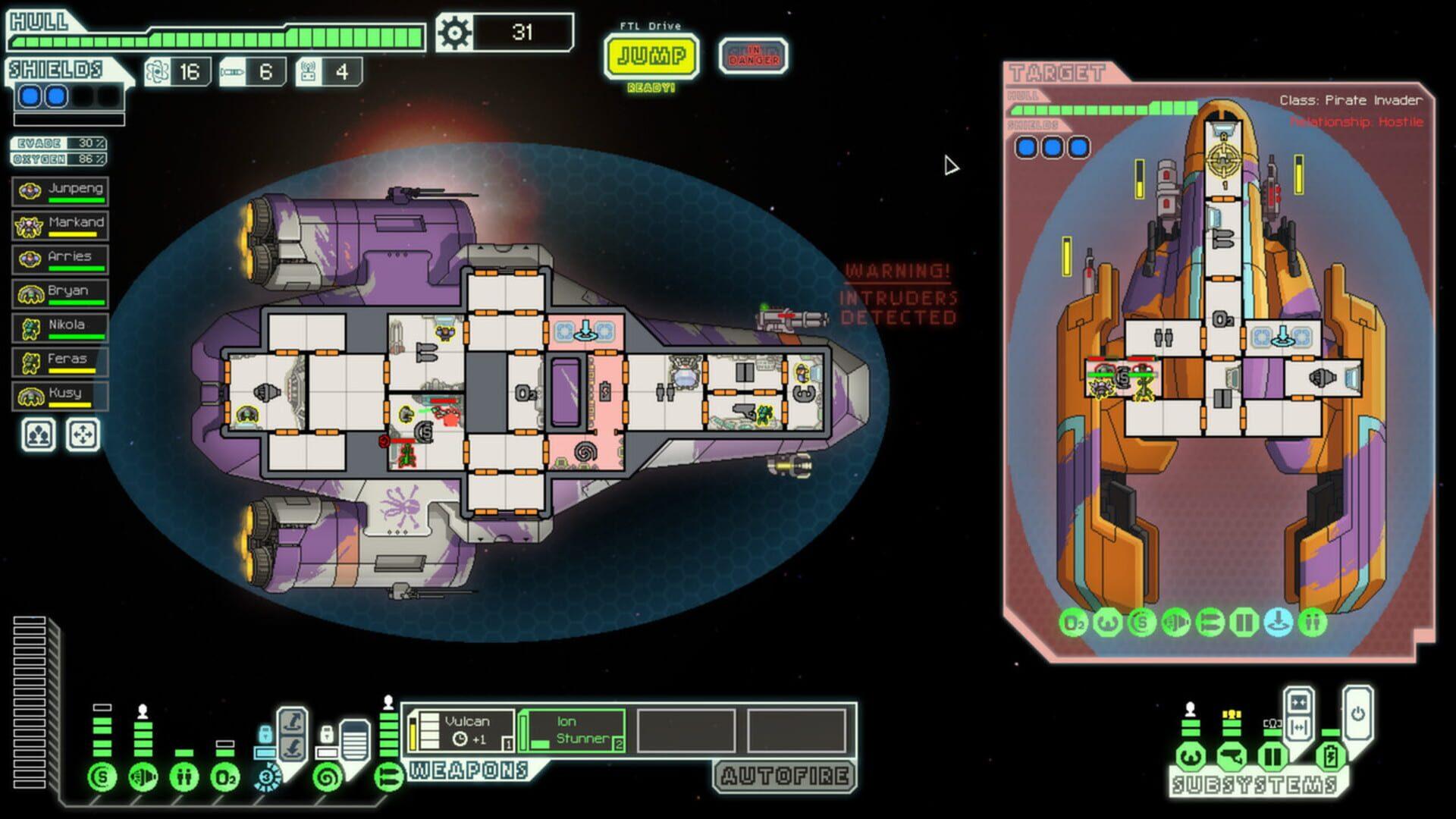
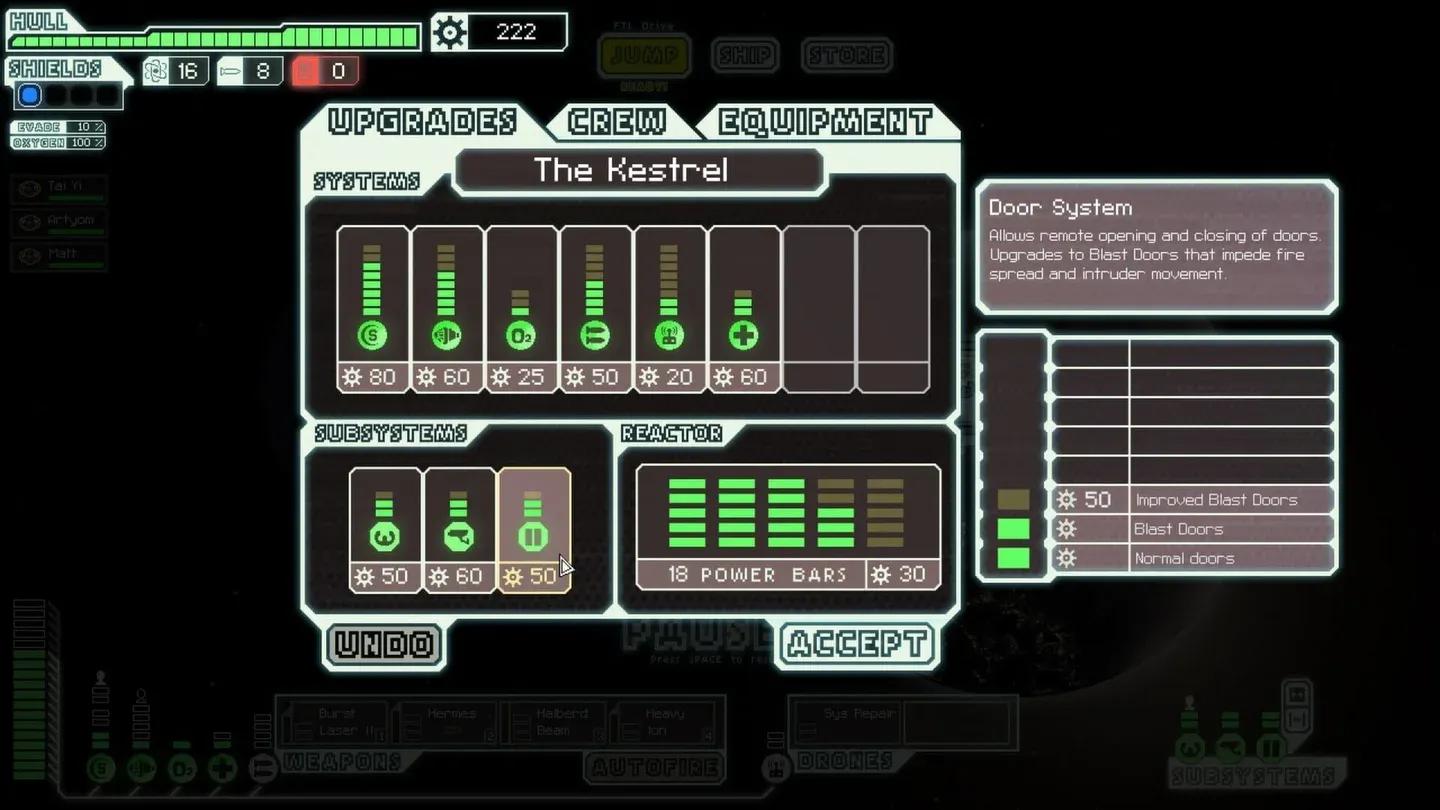
Key systems players must manage include:
- Shields and evasion engines
- Weapons and targeting controls
- Oxygen and door systems
- Medbay and crew assignments
- FTL jump drive charging
Each crew member belongs to one of several alien races, each with distinct passive abilities. Mantis crew excel in combat, Engi units repair systems faster, and Rock members resist fire damage. Building a balanced crew becomes as important as upgrading your weapons loadout, and losing a veteran crew member carries genuine emotional weight given the permadeath structure.
Innovation and Unique Features
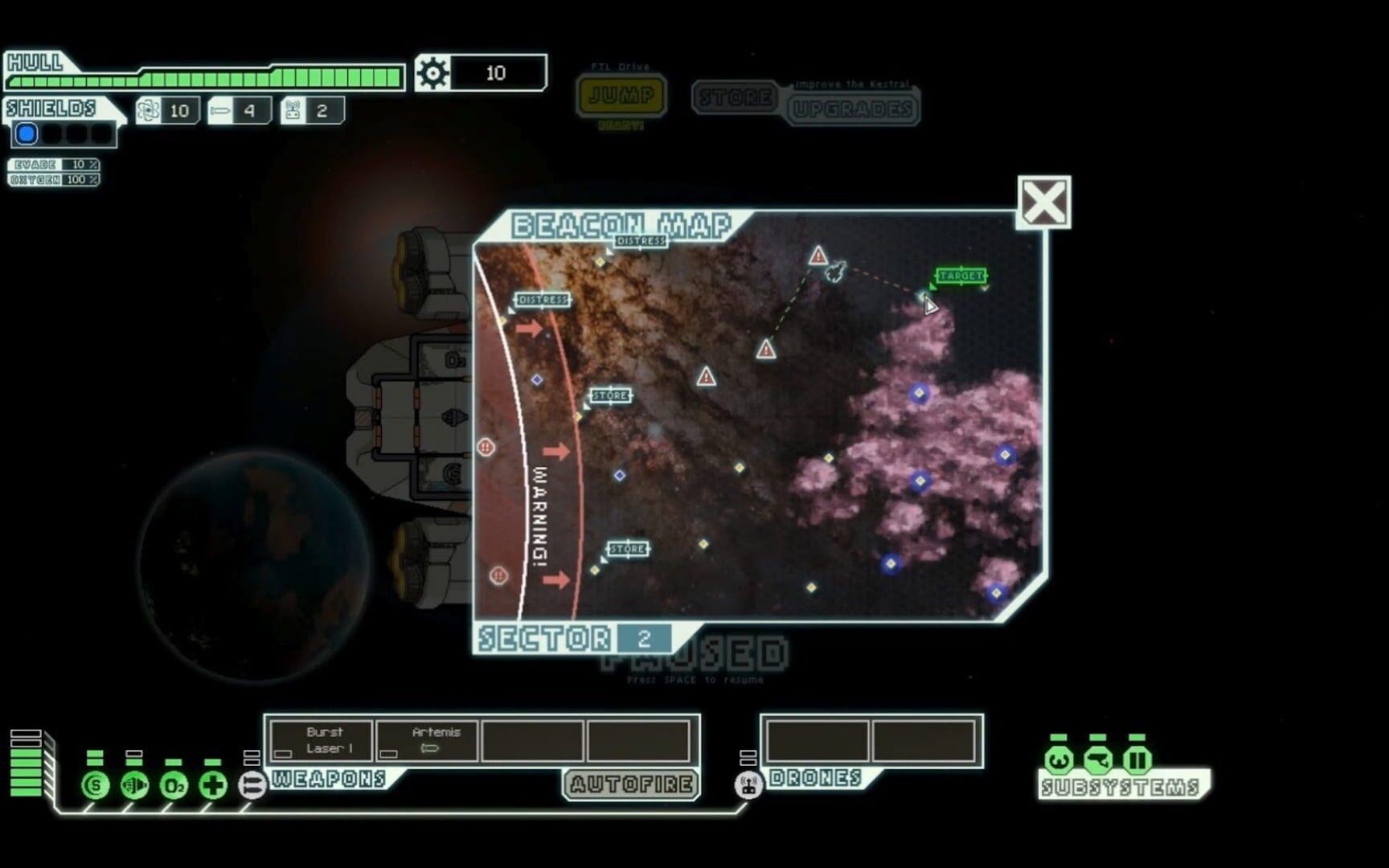
What elevates FTL above its contemporaries is the elegant tension between resource scarcity and tactical flexibility. Every encounter forces a genuine choice: do you spend scrap currency on a missile launcher, upgrade your shields, or hire a new crew member? There is rarely a correct answer, and the game never pretends otherwise.
The Advanced Edition content, included as a free update, introduced new alien races, weapons, and a Mind Control system that allows players to temporarily turn enemy crew members against their own ship. These additions deepen an already layered tactical sandbox without disrupting the original game's balance.
Content and Replayability
FTL's roguelike structure means that permadeath is not a punishment but a feature. When your ship is destroyed, the save file is wiped, and a new run begins from scratch. This loop encourages players to experiment with different ship layouts, weapon combinations, and crew compositions across multiple playthroughs.
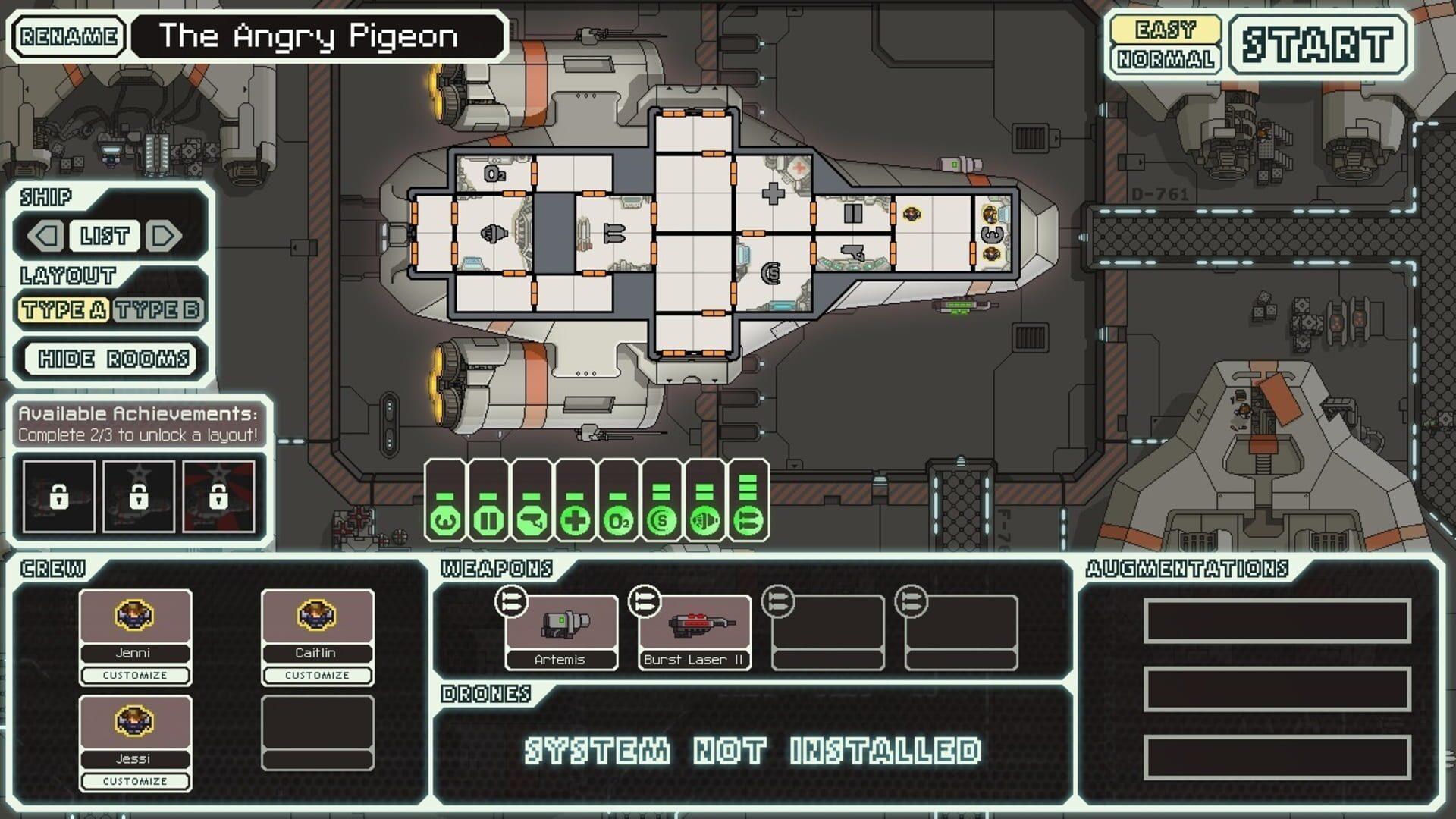
The game launches players with a single ship and gradually unlocks additional vessels through specific in-run achievements. With over a dozen distinct ships, each featuring unique starting loadouts and layouts, the strategic variety compounds dramatically over time. Community-created mods, available through dedicated modding tools, extend the experience even further for dedicated players.
Impact and Legacy
Few independent titles have shaped a genre as decisively as FTL. Released in 2012 following a successful Kickstarter campaign, it arrived before "roguelike" became a mainstream gaming category and helped define what the genre could accomplish in a condensed, mechanically focused package. Critical reception validated that ambition, earning a 9.6 from IGN and an 89 from PC Gamer, with Polygon awarding it a 9 and calling it "a vital, surprising game where death never feels like the end."
Conclusion
FTL: Faster Than Light remains a landmark in roguelike strategy design. Its combination of procedural generation, crew-based resource management, and uncompromising permadeath creates a loop that is simultaneously punishing and deeply satisfying. Whether you are a seasoned spaceship simulator enthusiast or new to roguelike games, FTL delivers a concentrated, endlessly replayable experience that continues to reward strategic thinking long after the first run ends.