
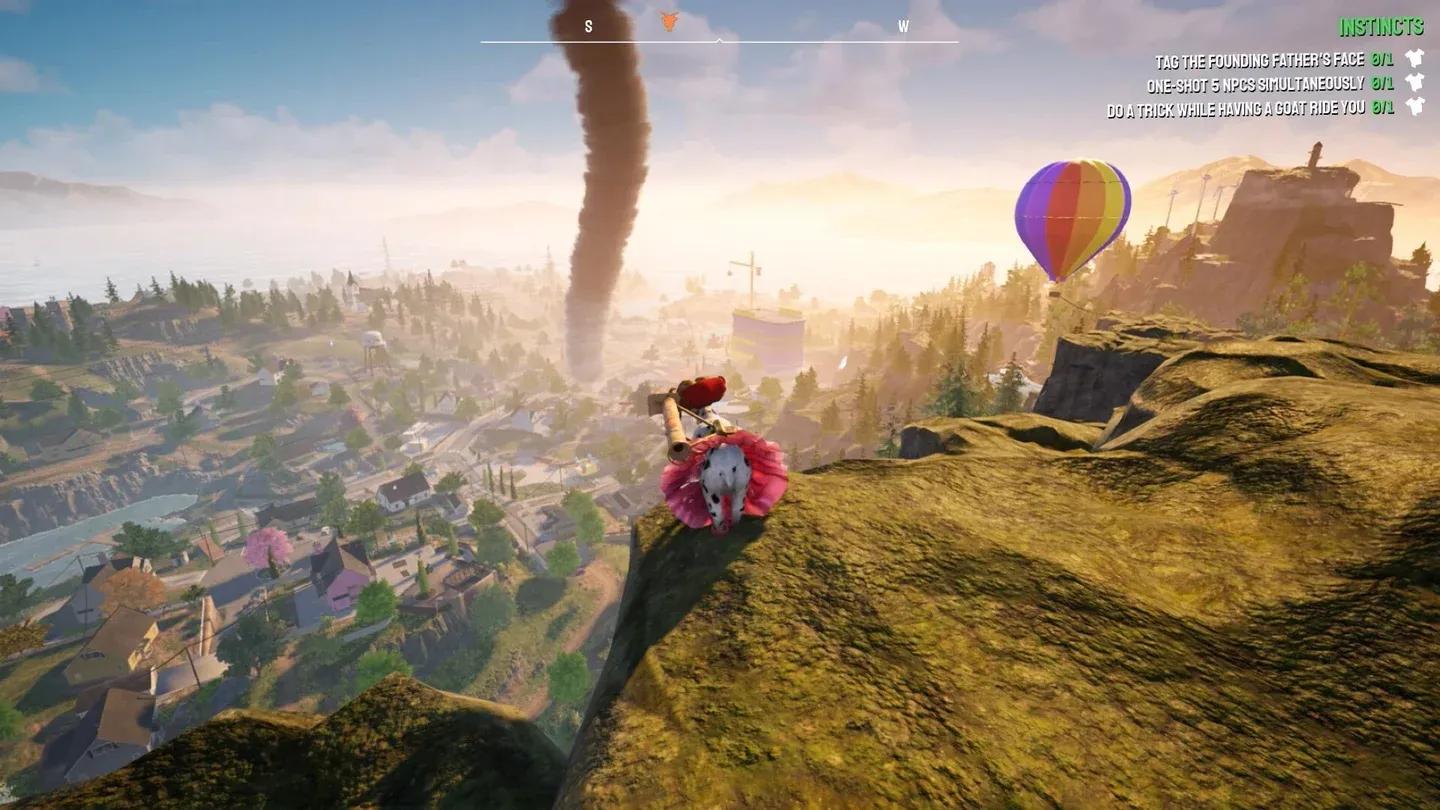
Goat Simulator 3 drops you into a world that actively rewards chaos, but there is a difference between stumbling through it and actually knowing what you are doing. The game hides a surprising amount of depth behind the slapstick surface. Unlocking instincts, finding hidden paths, and triggering chain reactions that feel almost scripted are all part of what separates a player who is just headbutting things at random from one who has genuinely mastered the sandbox.
What are instincts in Goat Simulator 3?
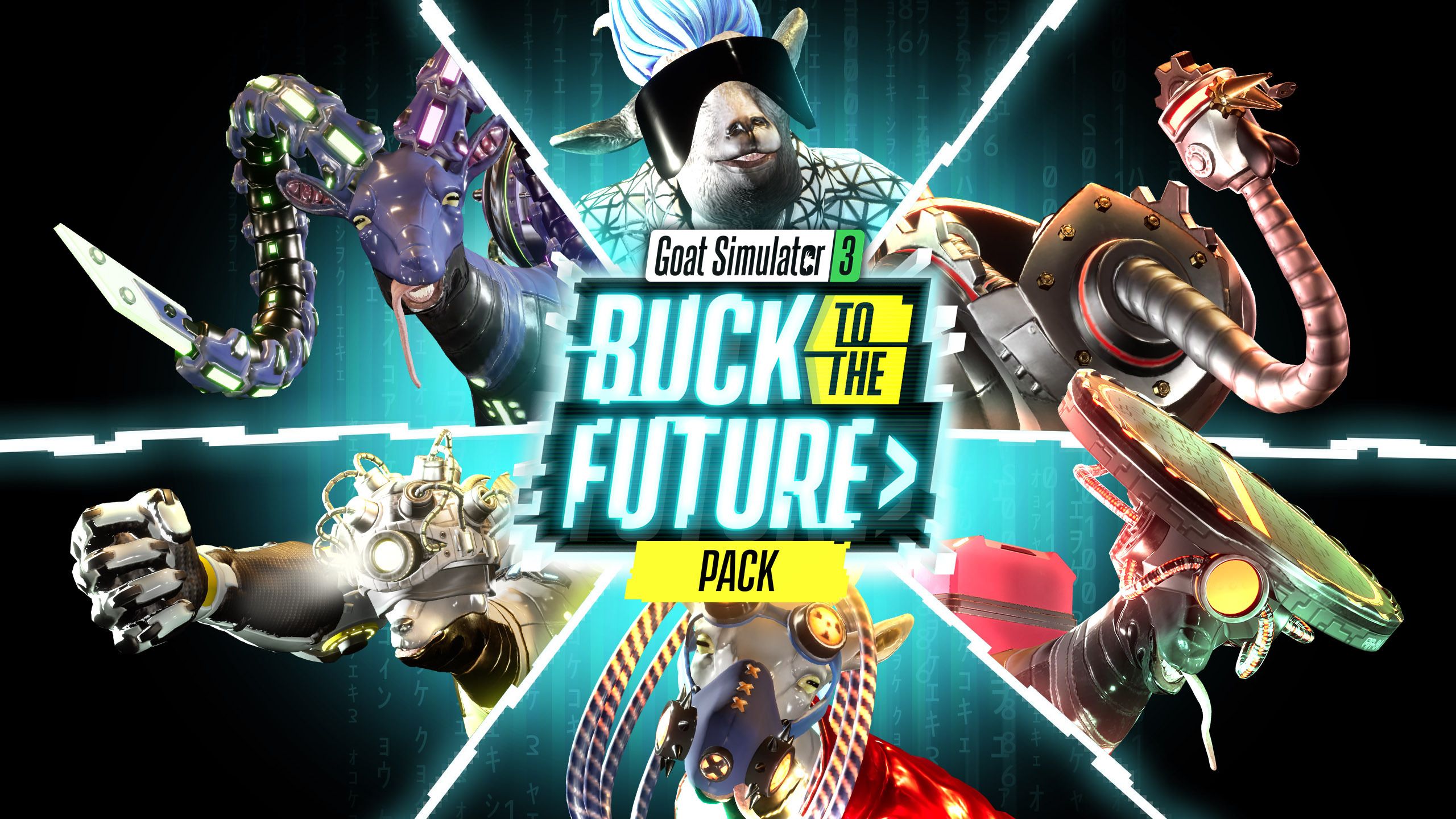
Instincts are the core ability system in Goat Simulator 3. Think of them as the upgrades and special moves that completely change how your goat interacts with the world. The progression from confused new player to someone who can trigger cinematic chain reactions comes directly from discovering and unlocking these abilities.
The game does not hand them to you. You find them, earn them, and experiment with them. That process of discovery is half the point.

How do you progress and unlock abilities?
Progression in Goat Simulator 3 is built around exploration. The game rewards players who go off the obvious path. Hidden areas contain opportunities that the main route skips entirely, and many instincts are tied to discovering specific locations or triggering particular events in the world.
Here is the basic framework for how progression works:
- Explore actively. The map contains hidden paths that most players walk past. Slow down and look for environmental cues that something is off or unusual.
- Trigger chain reactions. Many unlocks are tied to setting off sequences of events. Knocking one thing into another into another is not just funny, it is sometimes the exact mechanic needed to progress.
- Experiment with every ability. Once you have an instinct, use it in different contexts. Some abilities interact with specific objects or areas in ways that are not obvious from the description alone.
What makes instincts worth unlocking?
The short answer: they change everything. Before unlocking instincts, your goat has a limited toolkit. After unlocking them, you have access to abilities that completely alter how the physics sandbox responds to you. Some instincts affect movement, others change how you interact with objects, and a few trigger effects that cascade across the environment in ways that feel almost scripted.
The table below breaks down the general categories of instinct types:
| Instinct Category | Primary Effect | Exploration Value |
|---|---|---|
| Movement instincts | Alter how your goat traverses terrain | High — opens new areas |
| Interaction instincts | Change how objects respond to contact | Medium — enables chain reactions |
| Hidden ability instincts | Unlock through secret discovery | Very high — often the most powerful |
How do you enjoy every moment, not just the obvious ones?
Goat Simulator 3 is designed to be replayed. The sandbox does not exhaust itself after a single run through the obvious content. The experience is a journey from confusion to mastery, where the moments that feel almost cinematic come from understanding the systems well enough to set them up intentionally.
A few principles that hold up across the whole game:
- Do not rush. The game rewards players who linger in areas and test what is possible.
- Revisit locations after unlocking new instincts. An area that seemed like a dead end before might open up completely with a movement or interaction ability you did not have earlier.
- Play with others when possible. The multiplayer component adds a layer of unpredictability that solo play cannot replicate.
For players who want to go deeper on sandbox games and progression systems, browse more guides on GAMES.GG for additional coverage across similar titles.
Multiplayer adds chaos depth
What most players miss
The single biggest mistake in Goat Simulator 3 is treating it like a linear game. The instinct system exists precisely to push back against that instinct. Every ability you unlock is an invitation to return to somewhere familiar and break it differently.
The hidden secrets are not tucked away as collectible checkboxes. They are the actual content. Finding a hidden path and triggering a chain reaction that you set up intentionally is the game working exactly as intended. That shift from accidental chaos to deliberate chaos is what mastery looks like here.
Goat Simulator 3 instincts: quick reference
Here is a summary of the core approach to instinct unlocking:
- Start with thorough exploration before assuming you have seen everything in an area
- Use each new ability in multiple contexts before moving on
- Chain reactions are both a mechanic and a progression trigger, not just a visual gag
- Hidden paths are the primary delivery method for the most impactful instincts
- Multiplayer changes the math on what is possible with any given ability combination
The 253-page guide covering this system emphasizes the same core message: the game rewards curiosity more than efficiency. Speed-running past content to reach some endpoint misses what Goat Simulator 3 actually is.
For more game guides covering progression systems, hidden mechanics, and sandbox mastery across a range of titles, check out the latest guides at GAMES.GG.