
What is Goat Simulator 3 actually about?
Goat Simulator 3 looks like pure nonsense on the surface. You are a goat. Things explode. People fly. But underneath the headbutting and ragdoll physics, there is a game that rewards players who pay attention. Hidden paths, chain reactions that feel almost scripted, and abilities that completely change how you move through the world are all waiting once you stop treating every session as a random comedy reel. This guide pulls together everything you need to shift from confused newcomer to someone who genuinely understands what the game is doing.

How do you explore the world effectively?
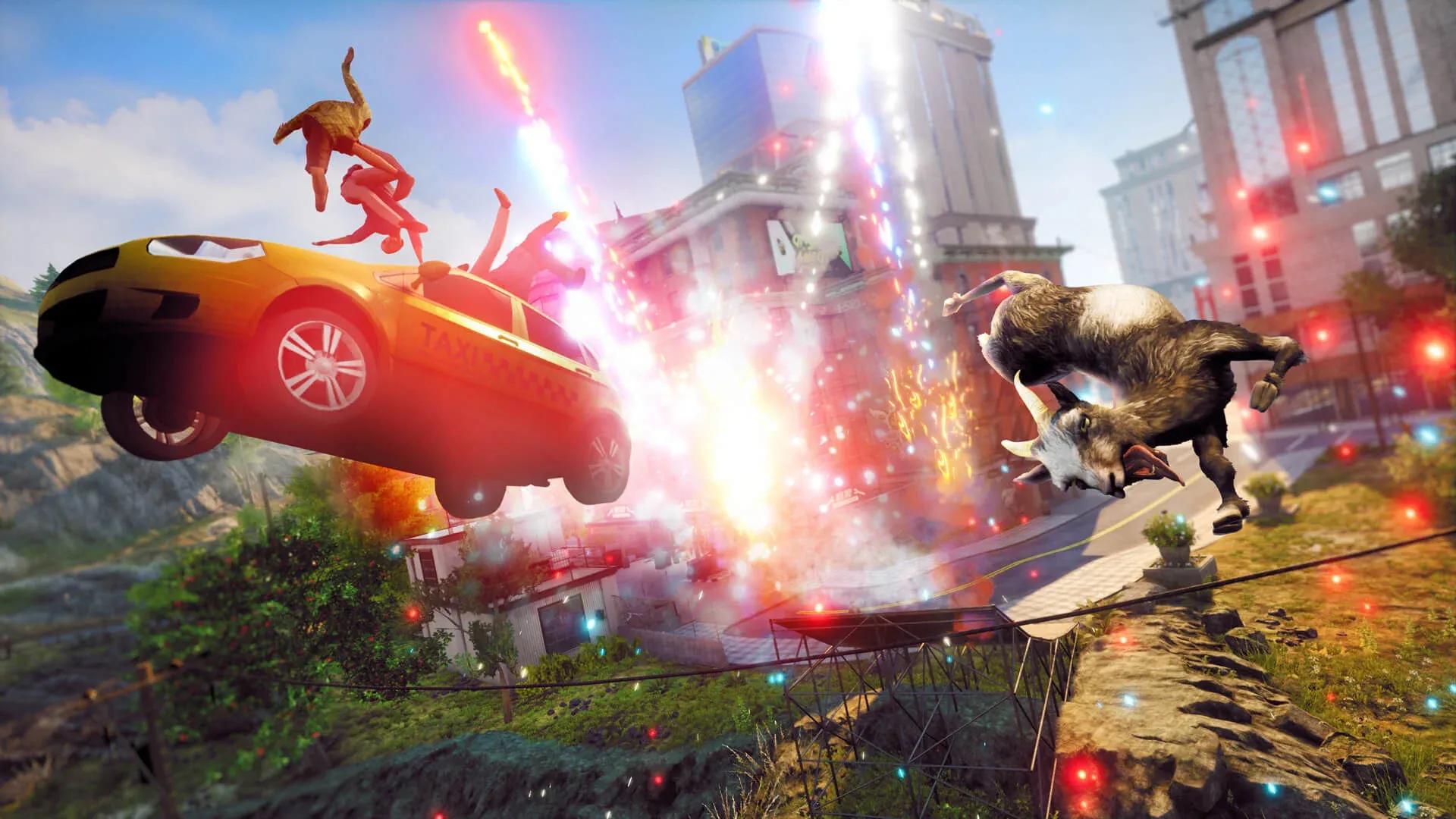
The biggest mistake new players make is moving in straight lines. Goat Simulator 3 builds its world to reward lateral thinking. Rooftops, underground passages, and elevated platforms all contain content that ground-level play never touches. The game is designed so that the player who headbutts a car into a building and then climbs the wreckage finds something the cautious player never sees.
Here is a practical framework for exploration:
- Scan vertically first. Before moving through any area, look up. Platforms, ledges, and launch points are almost always overhead.
- Follow chain reactions. When something explodes or launches, track where the debris lands. Secondary locations are often placed at those endpoints.
- Revisit areas after unlocking abilities. Sections that seemed like dead ends frequently open up once your movement options expand.
- Use NPCs as markers. Clustered groups of characters usually indicate a nearby event or secret the game wants you to trigger.
Based on the guide's framing (as described in the source material by Donald F. Farrow), the game is structured so that players who discover hidden paths others overlook are the ones who experience the full depth of what Goat Simulator 3 offers. Exploration is not optional. It is the core loop.
How does progression work in Goat Simulator 3?
Progression in Goat Simulator 3 is tied directly to what you unlock, not to a traditional level system. The source material describes a journey from confused player to someone who triggers cinematic chain reactions, which maps to a clear progression arc: you start with basic movement and headbutting, then unlock abilities that transform how you interact with every system in the game.
The key insight is that abilities do not just make you stronger, they make previously inaccessible content reachable. A section that looked like decoration becomes a meaningful area once you have the movement ability that gets you there. This means progression is spatial as much as it is mechanical.
What should you prioritize first?
Based on the guide's framing of the progression arc, the priority order for new players looks like this:
| Priority | Focus Area | Why It Matters |
|---|---|---|
| 1 | Core movement abilities | Opens the vertical and hidden areas |
| 2 | Chain reaction triggers | Enables the cinematic moments the game builds toward |
| 3 | Hidden secret locations | Rewards thorough exploration with unique content |
| 4 | Advanced ability combinations | Transforms how every previous area plays |
The pattern here is deliberate. Movement first, because everything else depends on being able to reach content. Chain reactions second, because they are the game's signature experience. Secrets and combinations come later, when you have the tools to access and appreciate them.
What makes the chain reaction moments work?
This is the part of Goat Simulator 3 that separates players who enjoy it from players who love it. Chain reactions are not random, even though they look like it. The physics engine responds to specific inputs in predictable ways once you understand the underlying logic.
The source material specifically describes triggering chain reactions that "feel almost cinematic" as a milestone in the player's journey. That framing is accurate. The game has set pieces that only activate when you approach them the right way, and discovering those approaches is the real skill expression in Goat Simulator 3.
Practical things to try:
- Launch objects into clusters of other objects rather than open space
- Use elevated positions to start reactions so gravity amplifies the effect
- Look for objects that have obvious physics properties (vehicles, large props, anything with visible weight) and treat them as tools
- Combine ability activations with physical impacts for compounded results
How do you get the most out of multiplayer?
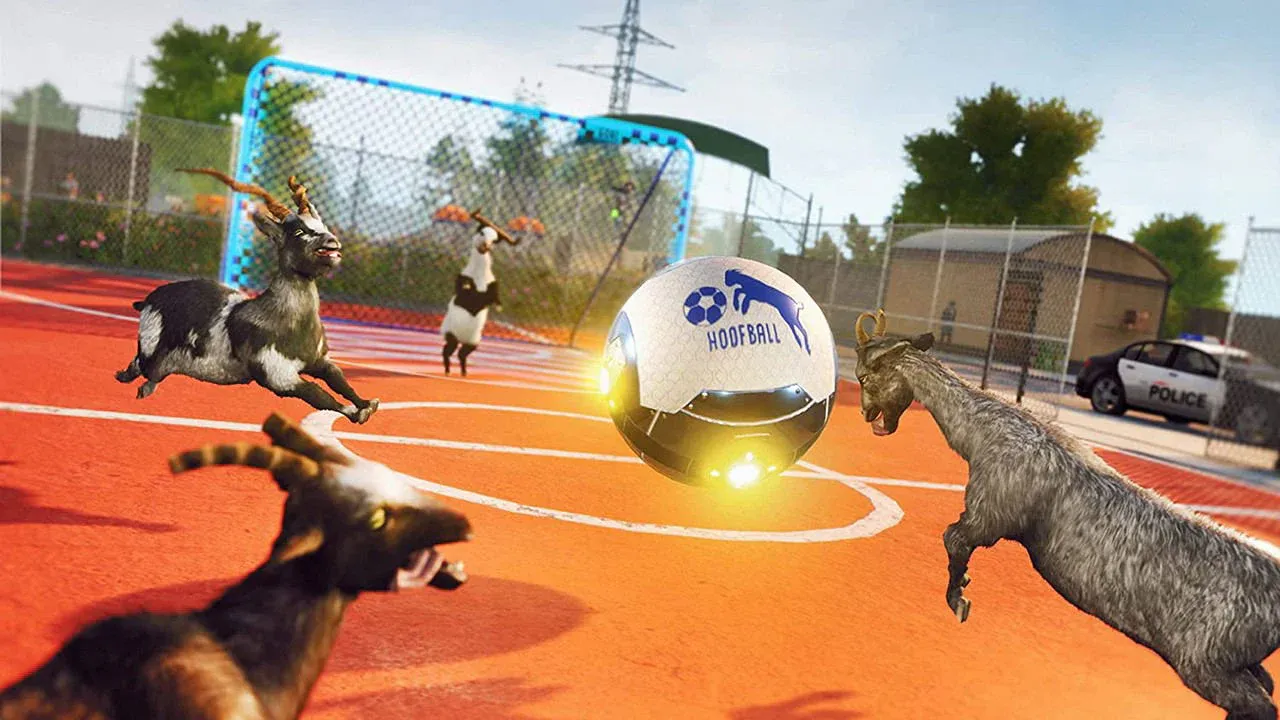
Goat Simulator 3 supports multiplayer, and the source material positions the game as something that scales from solo confusion to coordinated mastery. In multiplayer, the chain reaction logic becomes even more relevant because multiple players can trigger separate events simultaneously, creating compound effects that single-player sessions cannot replicate.
The exploration framework from solo play applies directly: vertical awareness, following debris paths, and revisiting areas after unlocking abilities all carry over. The difference is that coordinated teams can split coverage of an area far more efficiently than a single player.
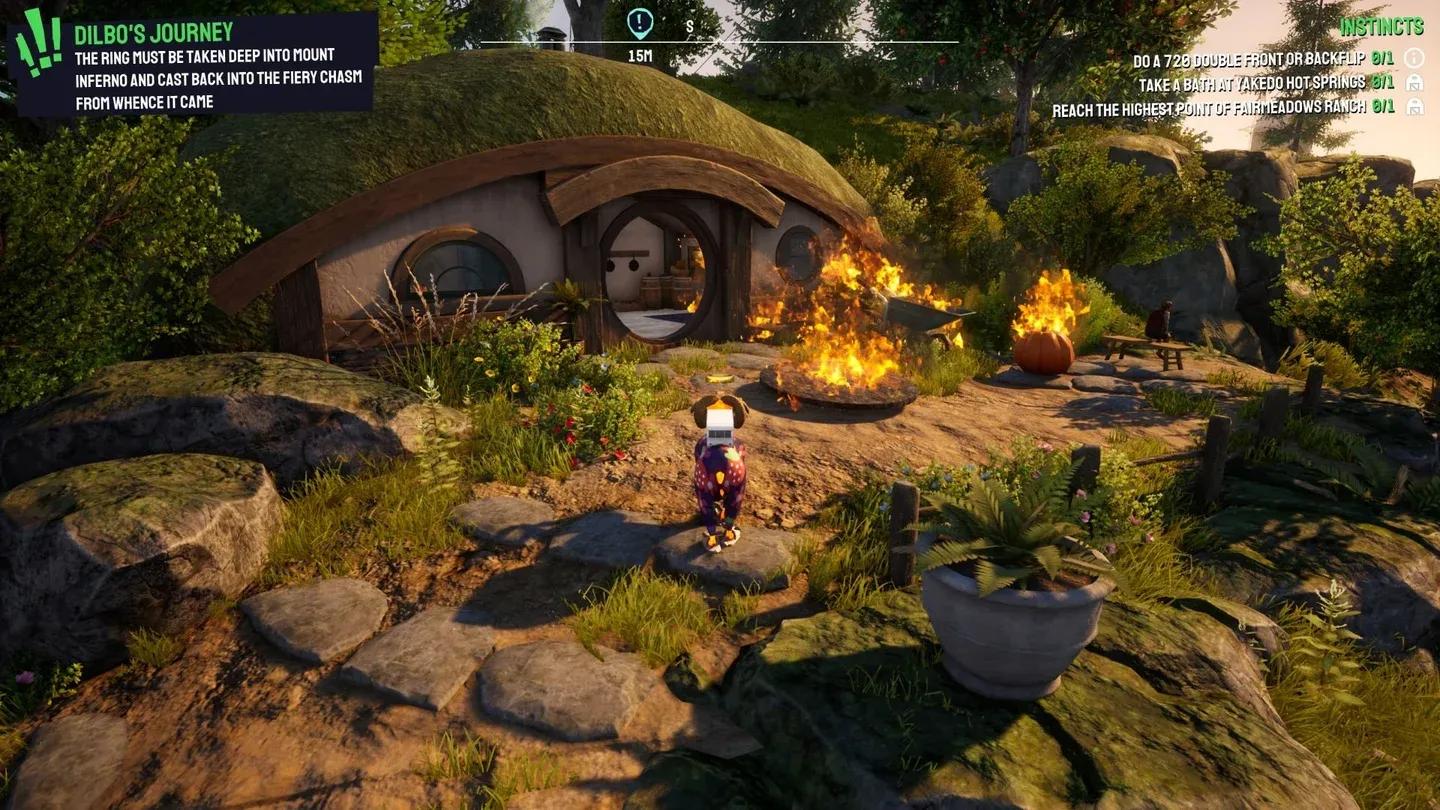
Multiplayer amplifies the chaos
What most players miss about Goat Simulator 3
The game presents itself as a joke, and a lot of players accept that framing completely. They play for laughs, see the same five gags repeatedly, and move on. What they miss is that the joke is the wrapper, not the content.
Goat Simulator 3 is built around discovery. The humor is the entry point, but the actual reward loop is finding the thing you did not know was there. Hidden abilities, paths that require specific triggers to open, and chain reactions that only fire under precise conditions are all designed to make the player feel like they discovered something real. That feeling is what the game is actually selling.
Players who approach it as a pure chaos simulator miss that entirely. The chaos is the surface. The structure underneath is what keeps sessions interesting after the initial novelty wears off.
For more gaming guides covering everything from sandbox titles to competitive shooters, browse the latest guides at GAMES.GG to find your next deep dive.