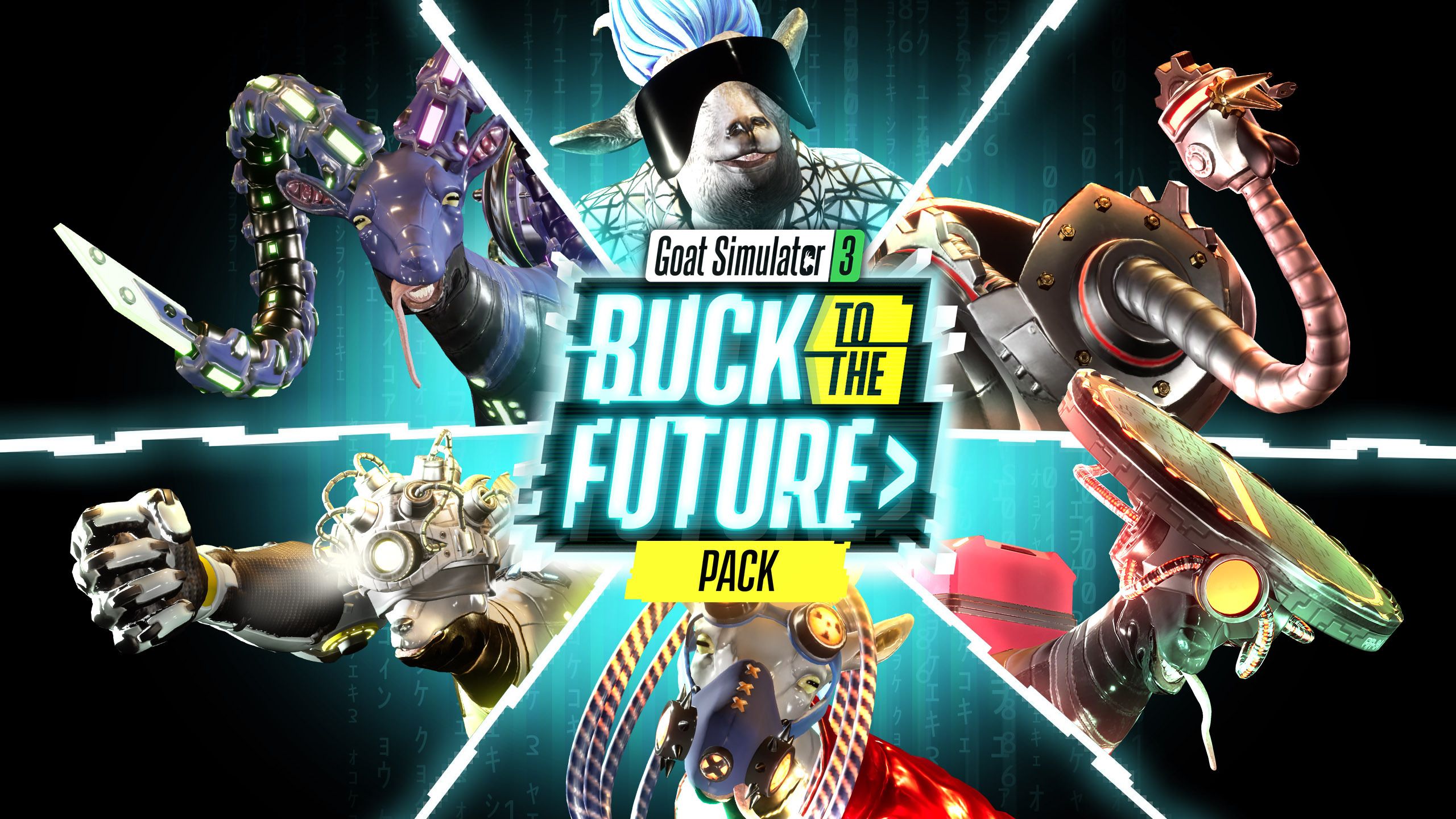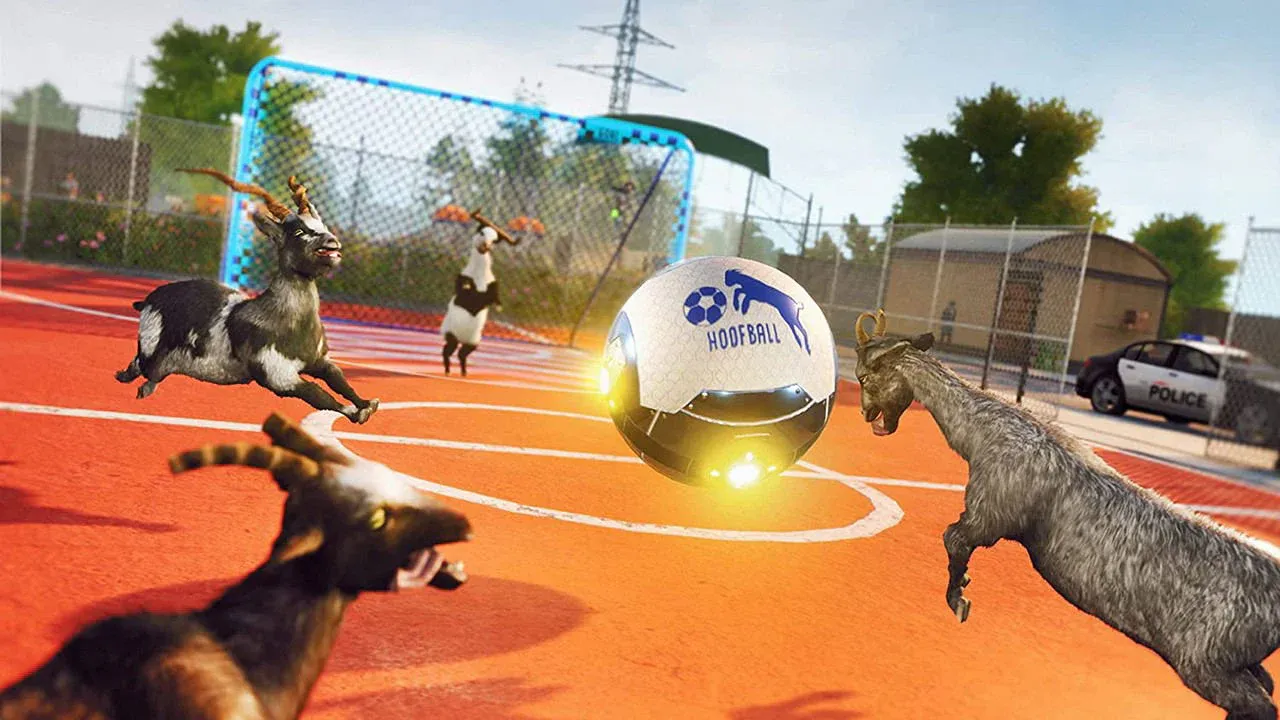

What is Goat Simulator 3 actually asking you to do?
Goat Simulator 3 looks like pure chaos on the surface, and that's part of the appeal. But underneath all the ragdoll physics and property destruction, there's a genuine progression system waiting to be found. The players who get the most out of it aren't the ones headbutting everything in sight and hoping something sticks. They're the ones who figured out that the game rewards deliberate exploration, ability unlocks, and understanding how its chain reactions work. This guide breaks down how to move from confused newcomer to someone who can trigger cinematic-level mayhem on purpose.

Why does random chaos stop being fun?
The first hour of Goat Simulator 3 is genuinely hilarious without any guidance. After that, something shifts. The randomness starts feeling repetitive if you don't have a direction. The game has hidden paths, unlockable abilities, and chain reactions that feel almost cinematic when you trigger them correctly, but none of that surfaces if you just wander.
The core loop the game is built around has three layers:
- Exploration that uncovers hidden areas and triggers you wouldn't find by accident
- Ability unlocks that completely change how your goat interacts with the world
- Progression through goals and challenges that give the chaos a frame
Understanding this structure is the difference between laughing for 20 minutes and still being entertained three hours later.
How does exploration actually work in Goat Simulator 3?
Exploration in Goat Simulator 3 is not passive. The world rewards players who push into corners, climb things that look unclimbable, and interact with objects that seem purely decorative. Hidden areas don't announce themselves. You find them by treating the environment as interactive rather than as a backdrop.
What most players miss in the environment
The game's world is layered. Ground-level play gets you through the basics, but a significant portion of secrets, triggers, and unlockable content sits at elevation or behind objects that require a specific approach to reach. After spending time testing different routes through the same areas, the pattern becomes clear: vertical movement is consistently underused by new players.
Objects that look like set dressing often aren't. Vehicles, furniture, structures, and even NPCs can serve as launch platforms or puzzle components. The game doesn't flag these interactions, which means the discovery process is entirely on you.
How to find hidden paths before you stumble into them
The most reliable method for uncovering hidden content is systematic area coverage rather than speed-running through zones. Slow down, look up, and interact with anything that has a physical presence in the world. The game's physics engine means that almost any object can be moved, stacked, or used as a ramp.
Chain reactions are particularly worth hunting. These are sequences where one interaction triggers another, which triggers another, producing effects that feel almost scripted. Finding the starting point of a chain reaction is usually a matter of noticing something slightly out of place in an otherwise ordinary-looking area.
How do ability unlocks change the game?
Abilities are where Goat Simulator 3 shifts from a physics sandbox into something with genuine strategic depth. Unlocking new abilities doesn't just add moves to your toolkit. It changes which parts of the world become accessible and which chain reactions become possible.
The progression from confused player to someone who can control the chaos follows a predictable pattern based on what the source material describes:
| Stage | What changes |
|---|---|
| Early game | Basic movement, limited interaction range |
| Mid progression | New abilities open previously inaccessible areas |
| Late progression | Full ability set enables cinematic chain reactions |
The key insight is that abilities aren't just upgrades in the traditional sense. They're keys to parts of the world that were always there but couldn't be reached. This means revisiting earlier areas after unlocking new abilities is consistently worthwhile.
What's the best order to unlock abilities?
Based on what the source material describes about the progression arc, the most efficient path prioritizes abilities that expand your movement options first. Mobility unlocks compound. An ability that lets you reach higher ground opens up more hidden paths, which leads to more unlock opportunities, which accelerates everything else.
Abilities that transform how you interact with NPCs and objects come second. These are the ones that enable the more spectacular chain reactions and make the mid-game feel genuinely different from the opening hours.
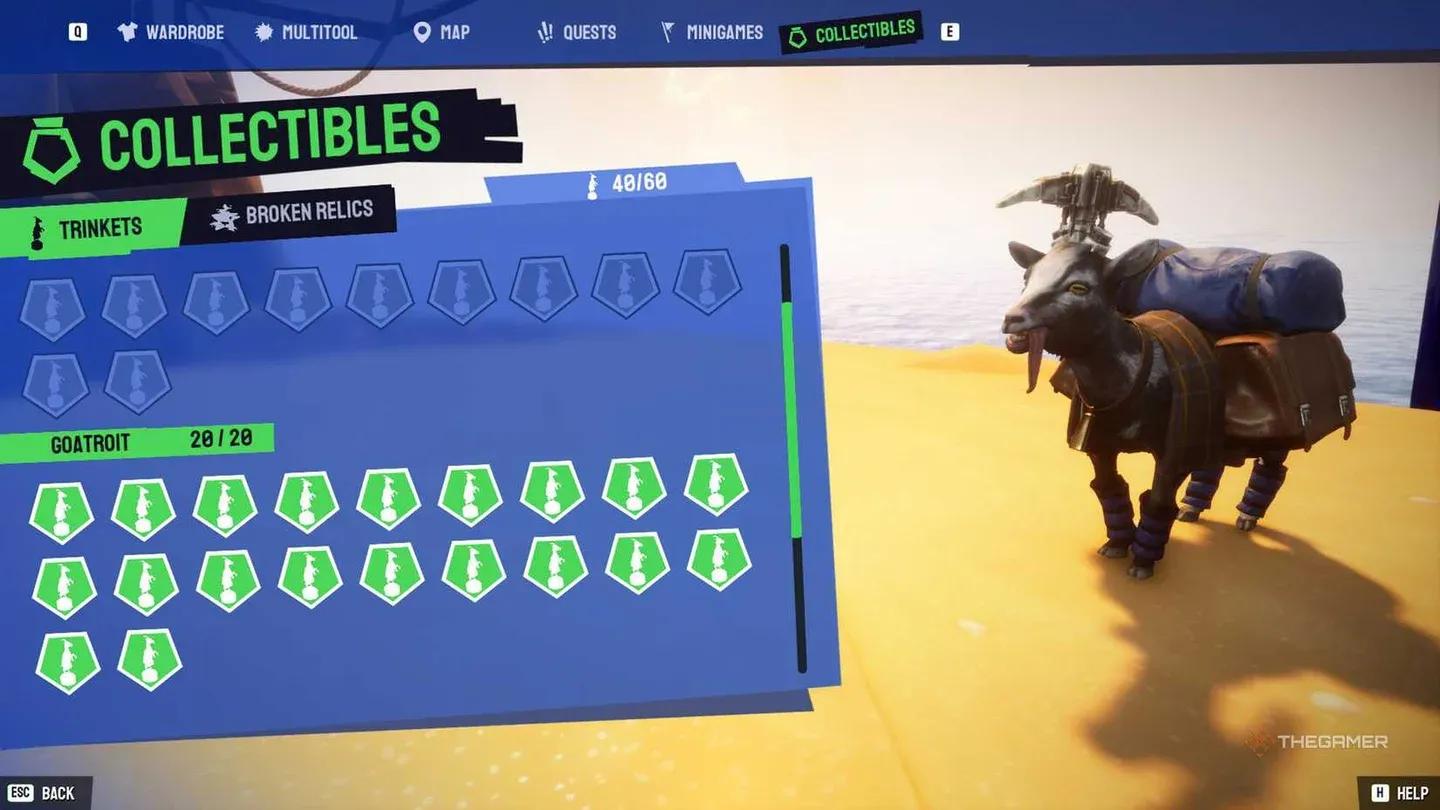
Ability unlock progression screen
How do you trigger chain reactions on purpose?
This is the part that separates players who enjoy Goat Simulator 3 for a weekend from those who keep coming back. Chain reactions look accidental when you first encounter them. They're not. The game's designers built specific sequences into the world, and learning to read the environment for these sequences is a genuine skill.
The process works like this:
- Identify objects that seem positioned with unusual precision relative to each other
- Test interactions at the beginning of the sequence rather than the middle
- Pay attention to what the game's physics engine does with momentum and direction
- Note which NPCs or objects end up in unusual positions after a trigger, as these often indicate a follow-up interaction point
The satisfying part of mastering chain reactions is that they start to feel cinematic rather than accidental. That shift from "I can't believe that happened" to "I planned that" is the core of what makes Goat Simulator 3 rewarding beyond its initial novelty.
What should you focus on to progress faster?
The source material frames the Goat Simulator 3 experience as a journey from confusion to mastery, and that framing is accurate. The players who progress fastest are the ones who treat the game's apparent randomness as a puzzle rather than a feature.
Practical priorities in order:
- Explore vertically before assuming an area is fully mapped
- Interact with everything that has physical presence, not just obvious triggers
- Revisit areas after ability unlocks to find content that was previously out of reach
- Follow chain reactions back to their starting points rather than just enjoying the endpoint
- Slow down in areas that feel deliberately constructed, because they usually are
The game rewards patience in a way that its chaotic surface doesn't advertise. The most spectacular moments aren't random. They're the result of understanding how the world is built and using that knowledge deliberately.
For more gaming guides covering everything from open-world exploration to hidden secrets, browse more guides at GAMES.GG and find walkthroughs for whatever you're playing next.