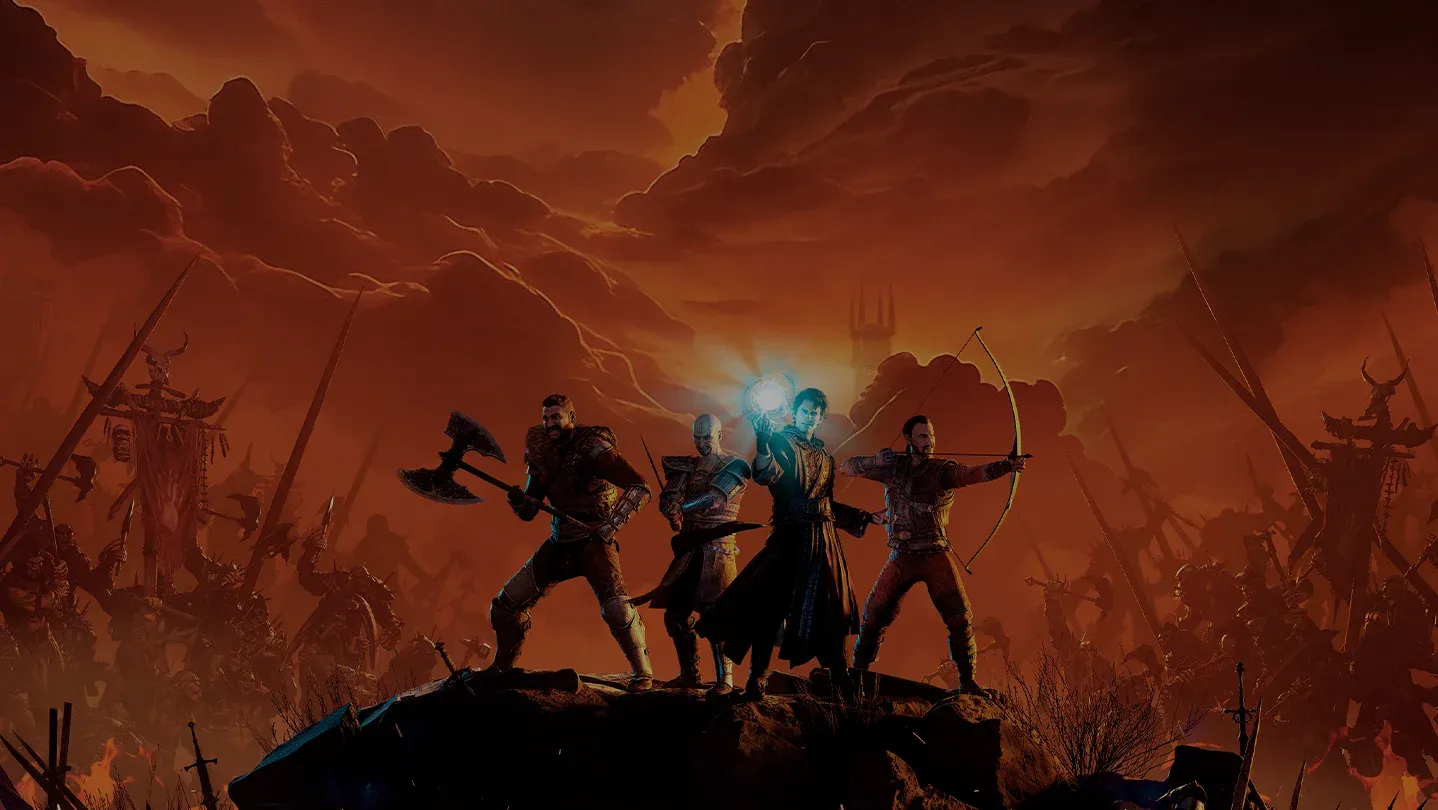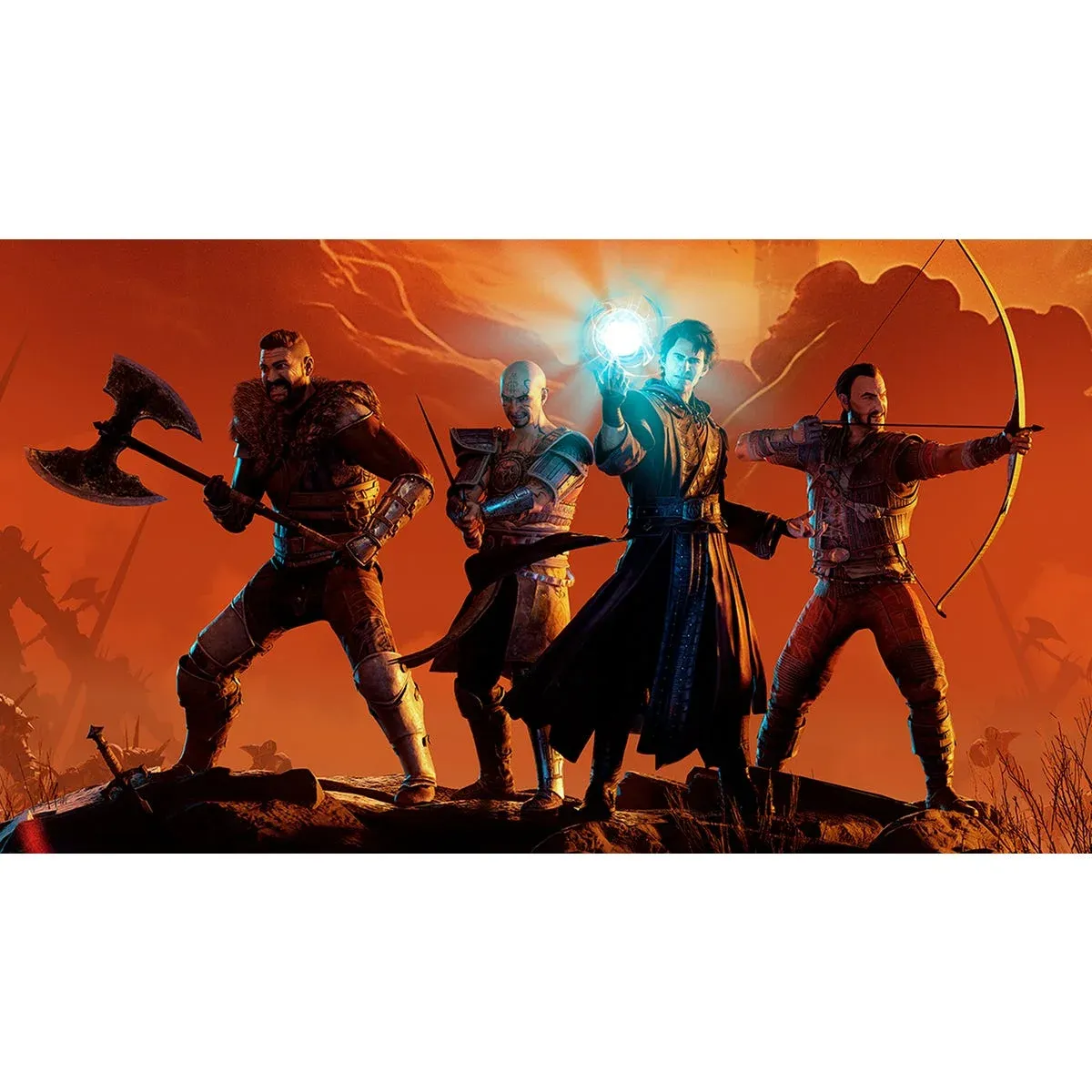

What is Gothic 1 Remake and why should you care?
Gothic 1 Remake dropped on June 5, 2026 for PC, PlayStation 5, and Xbox Series X|S, and it carries a weight that most remakes simply don't have. The 2001 original from Piranha Bytes built one of the most devoted fanbases in European RPG history, not because it was polished, but because its prison colony world felt genuinely dangerous and alive. Spanish studio Alkimia Interactive, under THQ Nordic, spent years rebuilding that world from scratch on Unreal Engine 5 while keeping the structure that made veterans obsessive about it in the first place. The result is messy in places, technically ambitious in others, and absolutely worth understanding before you spend a single minute with it.

The story: a prison colony with no exit
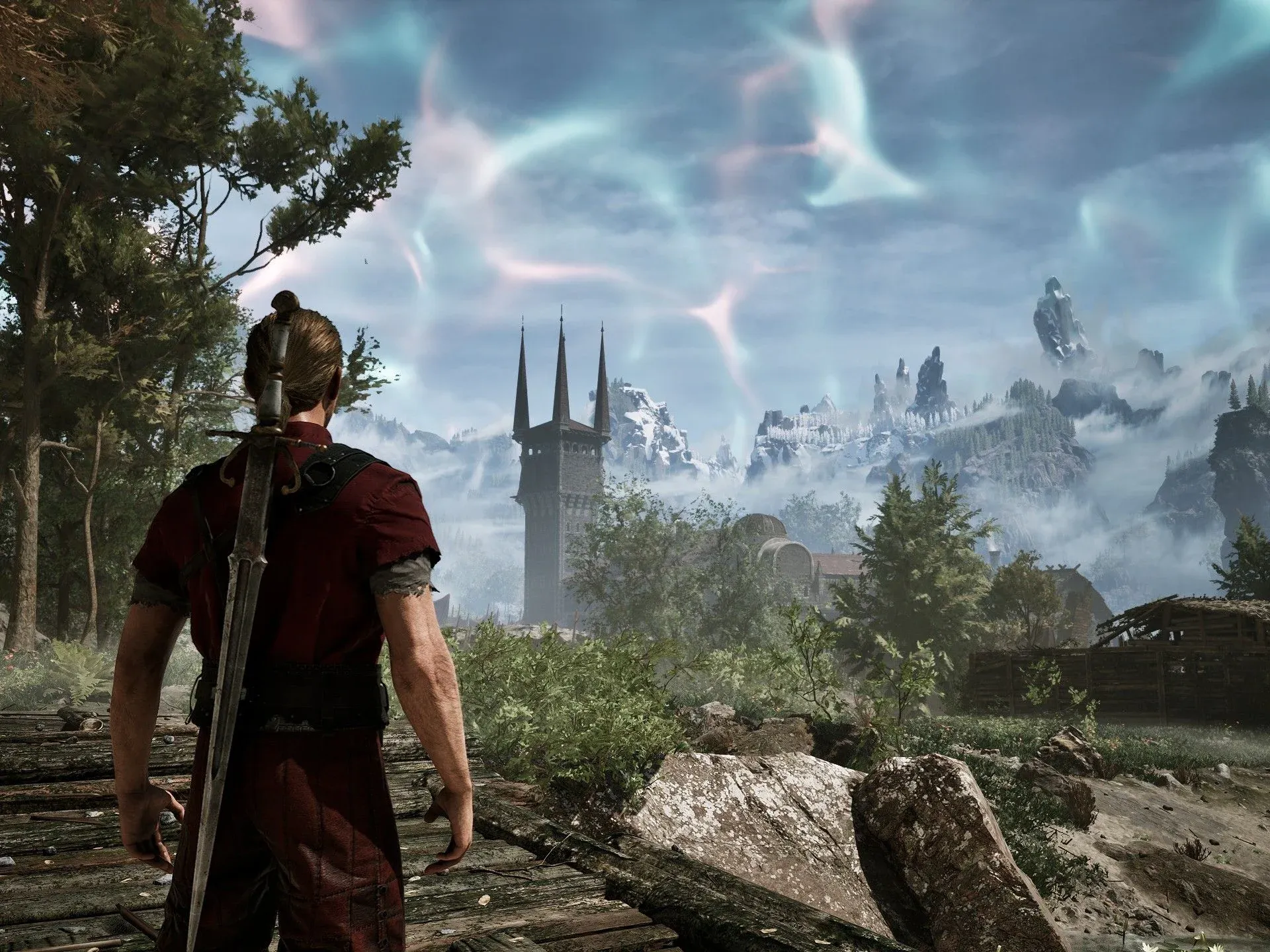
The setup is simple and brutal. The fantasy kingdom of Myrtana is at war with the Orcs, and magic ore from the mines on Khorinis is needed to forge weapons powerful enough to fight back. King Rhobar II exiles all criminals to those mines. Mages erect a magical barrier to keep them there, but something goes catastrophically wrong: the dome spirals out of control and traps everyone inside, guards and mages included.
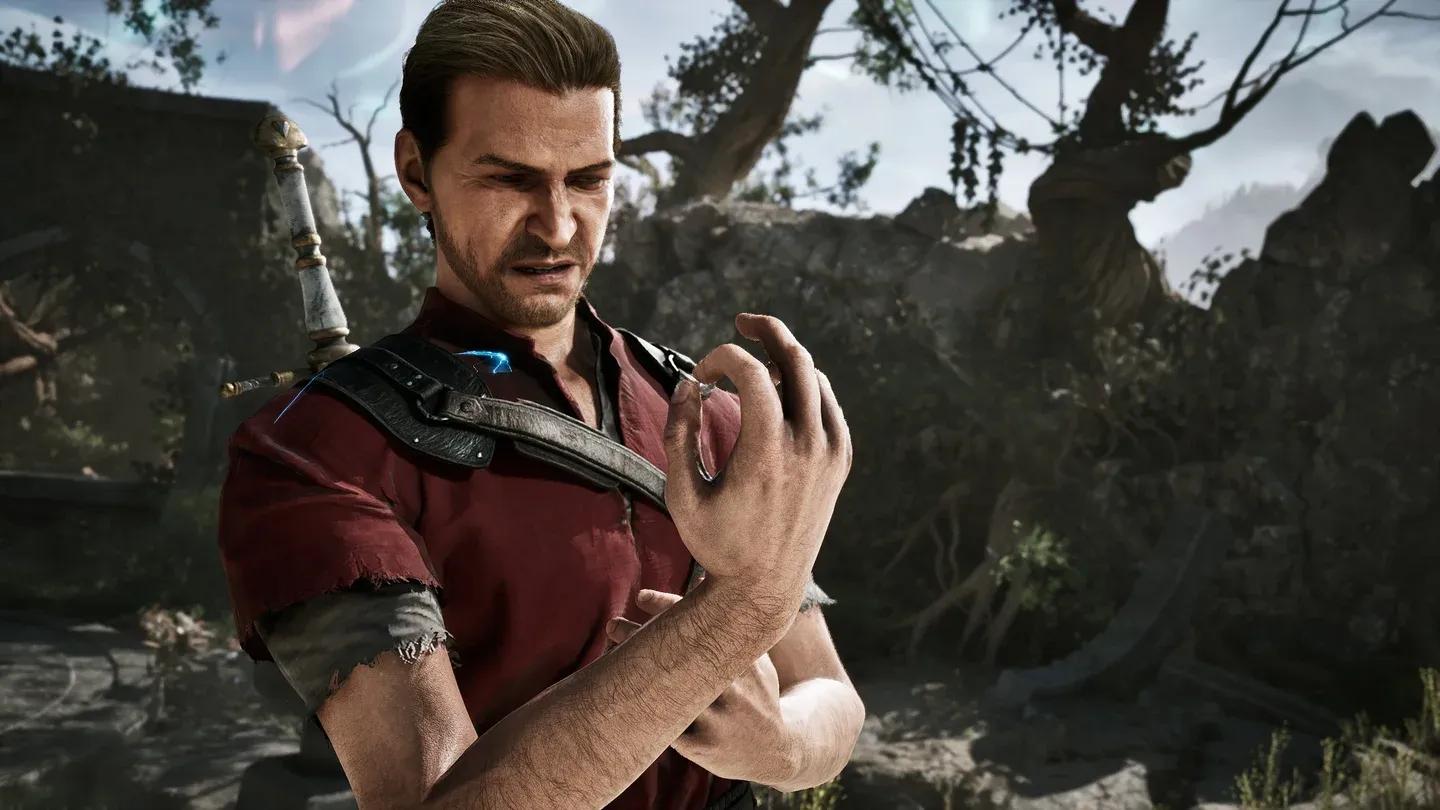
You play the Nameless Hero, a convict thrown behind the barrier at the very start with no backstory and no special abilities. The game doesn't give you a heroic origin. You just have to survive.
The remake preserves the original narrative structure completely but expands it with new dialogue, additional cutscenes, and more developed NPC storylines. A new questline involving the mage Muxir adds a diving mechanic that series veterans will find genuinely satisfying rather than tacked on. The core Gothic lore, including the three camps, the Fire and Water mage factions, and the cult of the Sleeper, remains untouched.
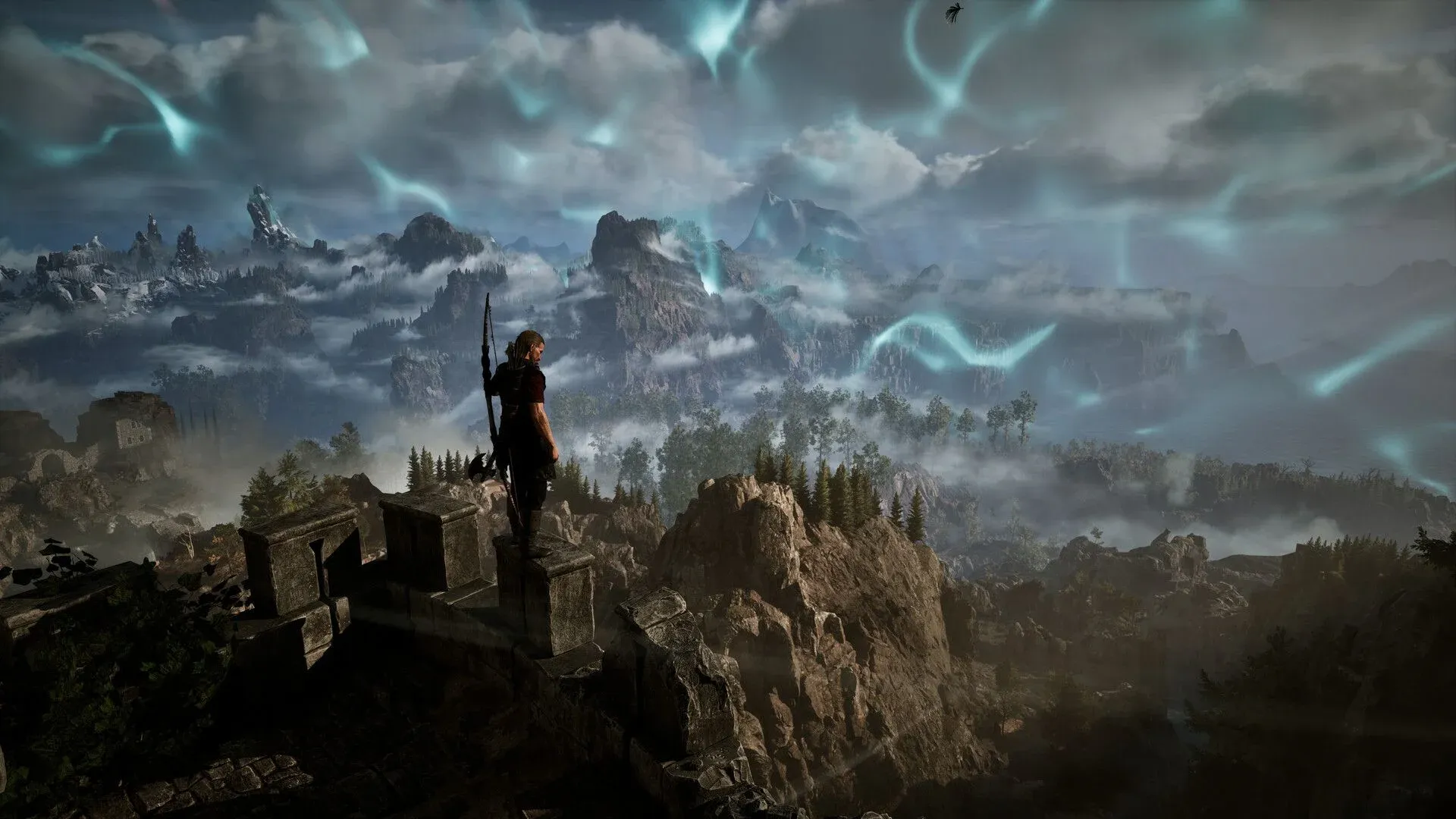
The Old Camp from above
How does the open world compare to the 2001 original?
The original Gothic split the Valley of Mines into zones separated by loading screens. The remake eliminates all of that. The entire valley exists as one continuous space, made possible by the move to Unreal Engine 5. That alone is a significant structural change.
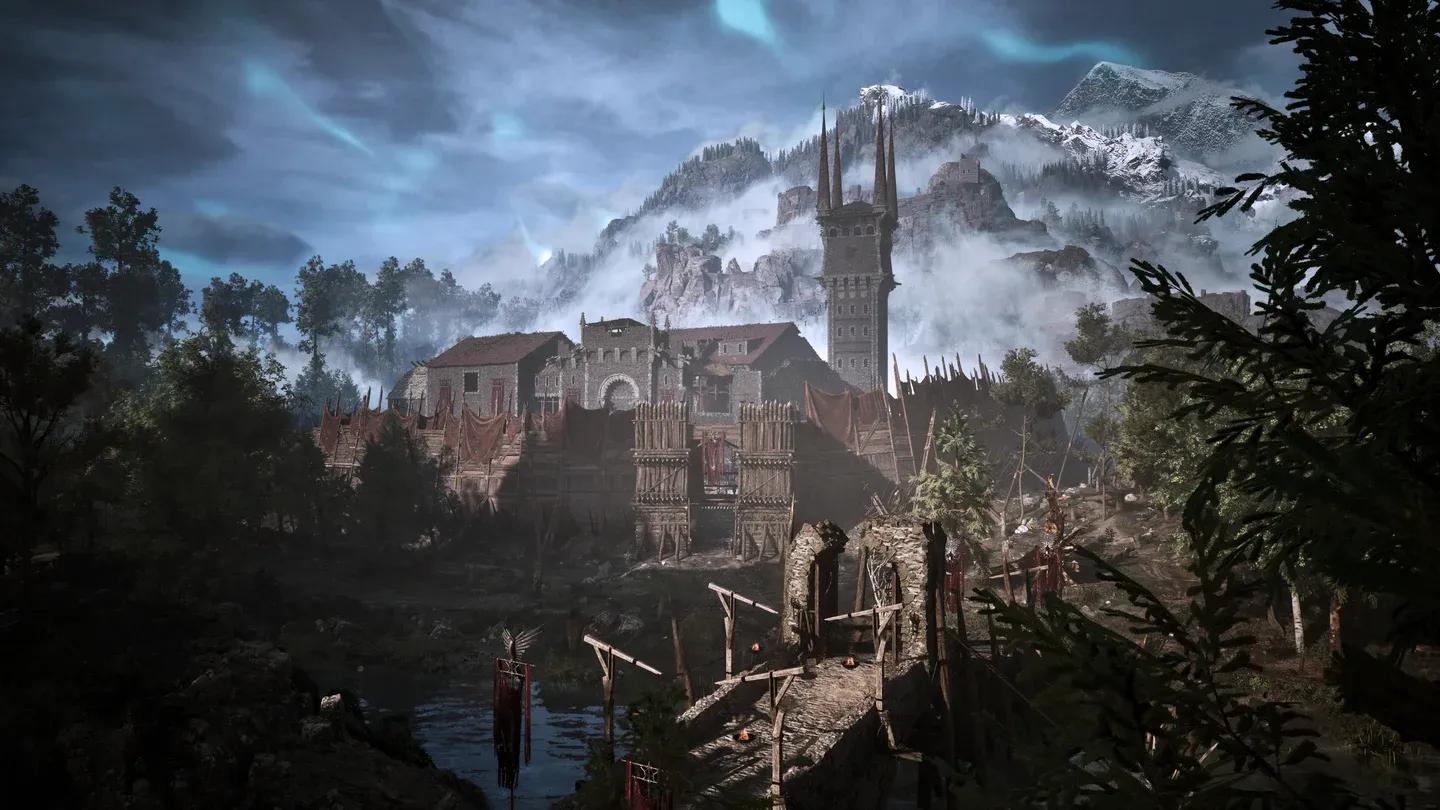
The world has grown by roughly 10 to 30 percent compared to the original. Forests are denser, caves are darker, and the wooden structures in each camp have a level of physical detail that simply wasn't possible 25 years ago. Alkimia Interactive's artists kept the atmosphere deliberately gritty and oppressive, no fantasy gloss anywhere.
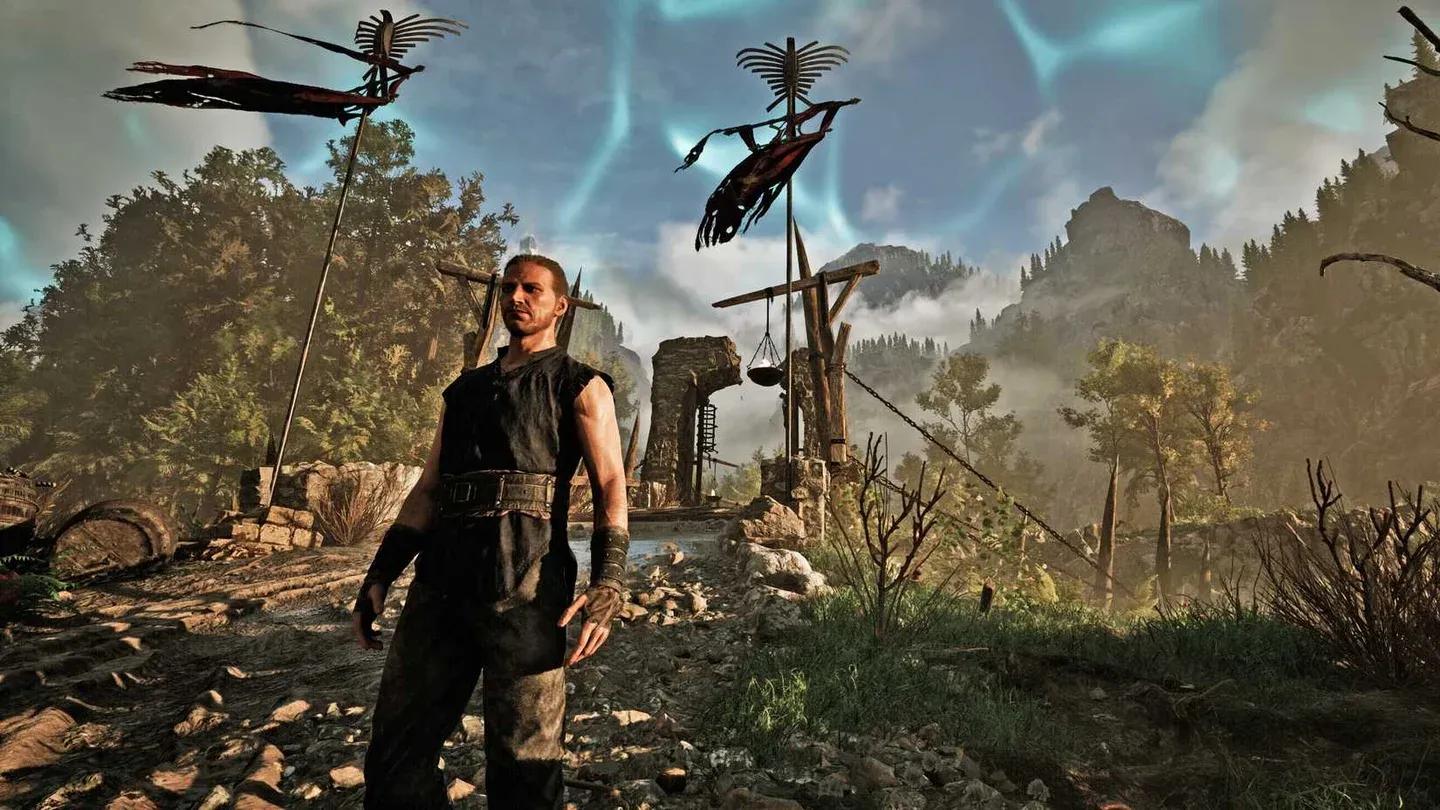
The NPC system is worth calling out specifically. Every character and creature follows a schedule tied to the time of day and weather conditions. Prisoners sleep, work the mines, train with weapons, and cook over fires at different times. After spending time in the world, it becomes clear this isn't just visual dressing: the schedules affect quest availability and how NPCs respond to you.
The three factions: which camp do you join?
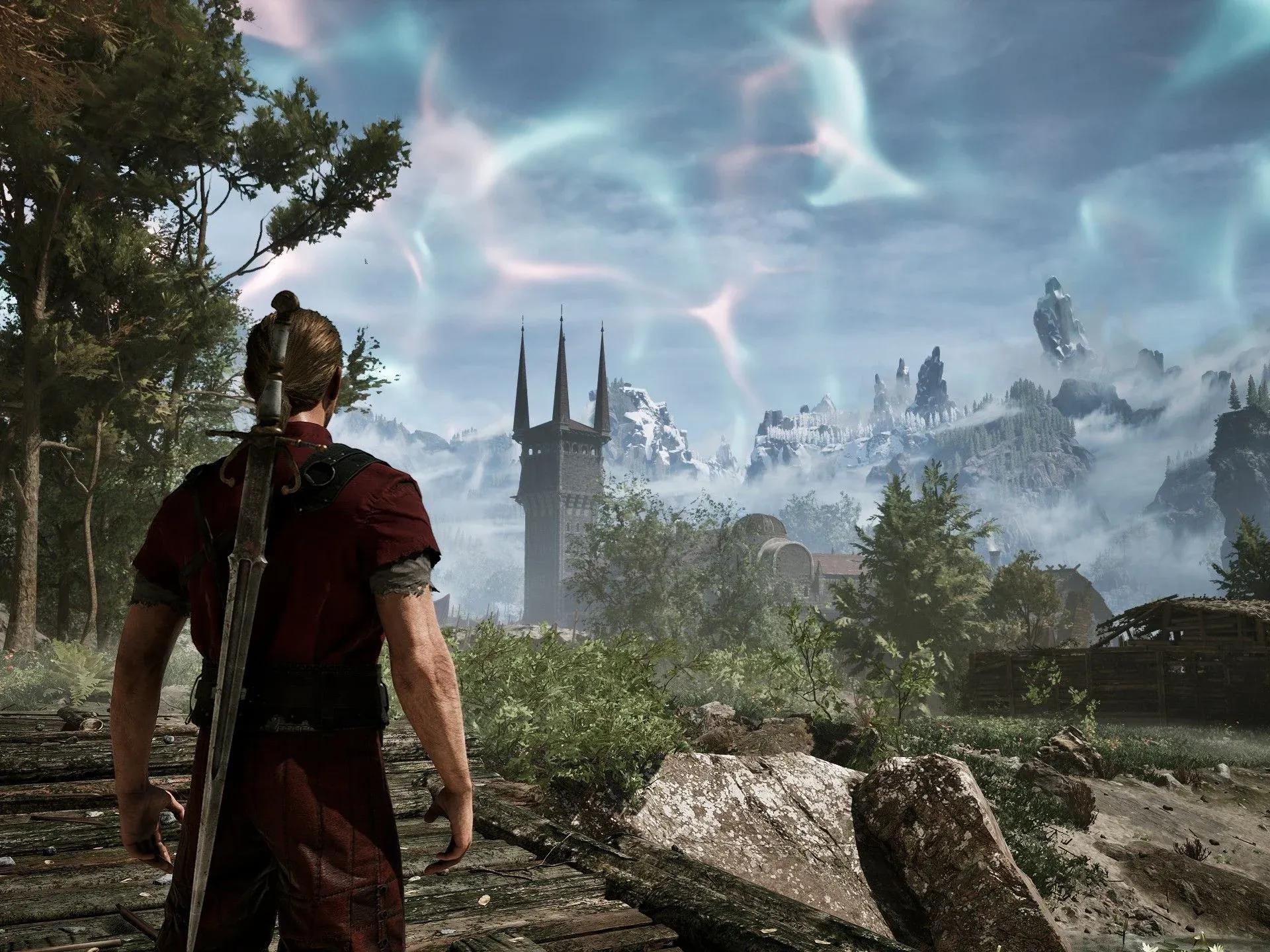
Your faction choice early in the game shapes how the world perceives you throughout. Here's what each camp actually represents:
| Camp | Core ideology | Location |
|---|---|---|
| Old Camp | Power and order, trading ore with the King | Central valley fortress |
| New Camp | Freedom, escape plan via the water mages | Near the lake |
| Swamp Camp | Cult of the Sleeper, narcotic herb trade | Northern swamps |
Joining one faction doesn't lock you out of other questlines entirely, but it does change how NPCs treat you and which opportunities open up. The Old Camp gives you access to the most structured power structure. The New Camp is the choice if you want to understand the escape plan at the heart of the story. The Swamp Camp is the most unusual path, built around the Sleeper cult and its rituals.
Choosing your faction early
How does combat work in Gothic 1 Remake?
Combat is the most debated part of the remake, and for good reason. The original Gothic had stiff, timing-dependent fighting that felt clunky to newcomers but deeply fair once you understood it. Alkimia Interactive had to decide how much to modernise it without stripping out what made it work.
The result leans toward accessibility without going soft. Attacks are more readable, enemy movements are easier to anticipate, and the block system responds faster. But you still can't button-mash your way through fights. Position, timing, and distance all matter, and multi-enemy situations can still spiral into chaos quickly.
Key mechanical changes from the original:
- Improved attack animations that telegraph enemy moves more clearly
- Reworked blocking that's more responsive than the 2001 version
- New traversal options including ledge drops and a full diving mechanic
- Trainer-based skill progression preserved exactly: you spend experience points with specific NPCs, not in a menu
That last point is worth emphasising. You cannot grind random enemies and become powerful. You have to find the right trainer character and pay them to improve your skills. It's a system that forces you to engage with the world and its people rather than treating them as backdrop.
Alkimia Interactive explicitly stated they moved away from the Soulslike formula during development, which is reflected in the design: the difficulty comes from the world's logic, not from memorising boss attack patterns.
Combat timing matters here
What do you need to run Gothic 1 Remake on PC?
Unreal Engine 5 with full Lumen global illumination and Nanite geometric detail is not cheap to run. System requirements increased from earlier pre-release announcements, so check these carefully before buying.
| Component | Minimum | Recommended |
|---|---|---|
| OS | Windows 10 64-bit | Windows 11 64-bit |
| CPU | AMD Ryzen 5 3600 / Intel Core i7-8700K | AMD Ryzen 7 5800X / Intel Core i9-10900K |
| RAM | 16 GB | 32 GB |
| GPU | RTX 2070 / RX 5700 XT | RTX 3080 / RX 6800 XT |
| Storage | SSD, 60 GB | SSD, 60 GB |
The SSD requirement is non-negotiable in practice. Developers explicitly warned that playing on a traditional hard drive produces lengthy load times and stuttering that makes the experience genuinely unpleasant. A mid-settings comfortable experience needs something around an RTX 3070 or RX 6800 XT with at least 16 GB of RAM.
How do critics and players actually rate it?
Gothic 1 Remake landed at roughly 73 out of 100 on Metacritic at launch, which reads as genuinely mixed-positive rather than a clear recommendation or dismissal. Steam tells a warmer story: approximately 83% positive reviews and a peak concurrent player count above 61,000 on release day.
What reviewers praised:
- Faithful preservation of the original's tone, structure, and faction logic
- A living world where NPCs follow real schedules and react to player choices
- Visual upgrade that fits the series' dark aesthetic without sanitising it
- Extra content for veterans, including new questlines and expanded dialogue
- Deep RPG systems that still hold up after 25 years
What reviewers criticised:
- Technical issues at launch: crashes, dialogue freezes, enemies clipping through geometry
- PC performance problems, especially on hardware without an SSD
- Excessive backtracking without fast travel between key points
- A steep learning curve that the game does almost nothing to soften
THQ Nordic launched an official public bug tracker before release, which is genuinely unusual and signals real post-launch commitment. The roadmap includes Patch 1.1 in late June targeting critical bug fixes and PC optimisation, followed by Patch 1.2 in July adding photo mode and quest fixes.
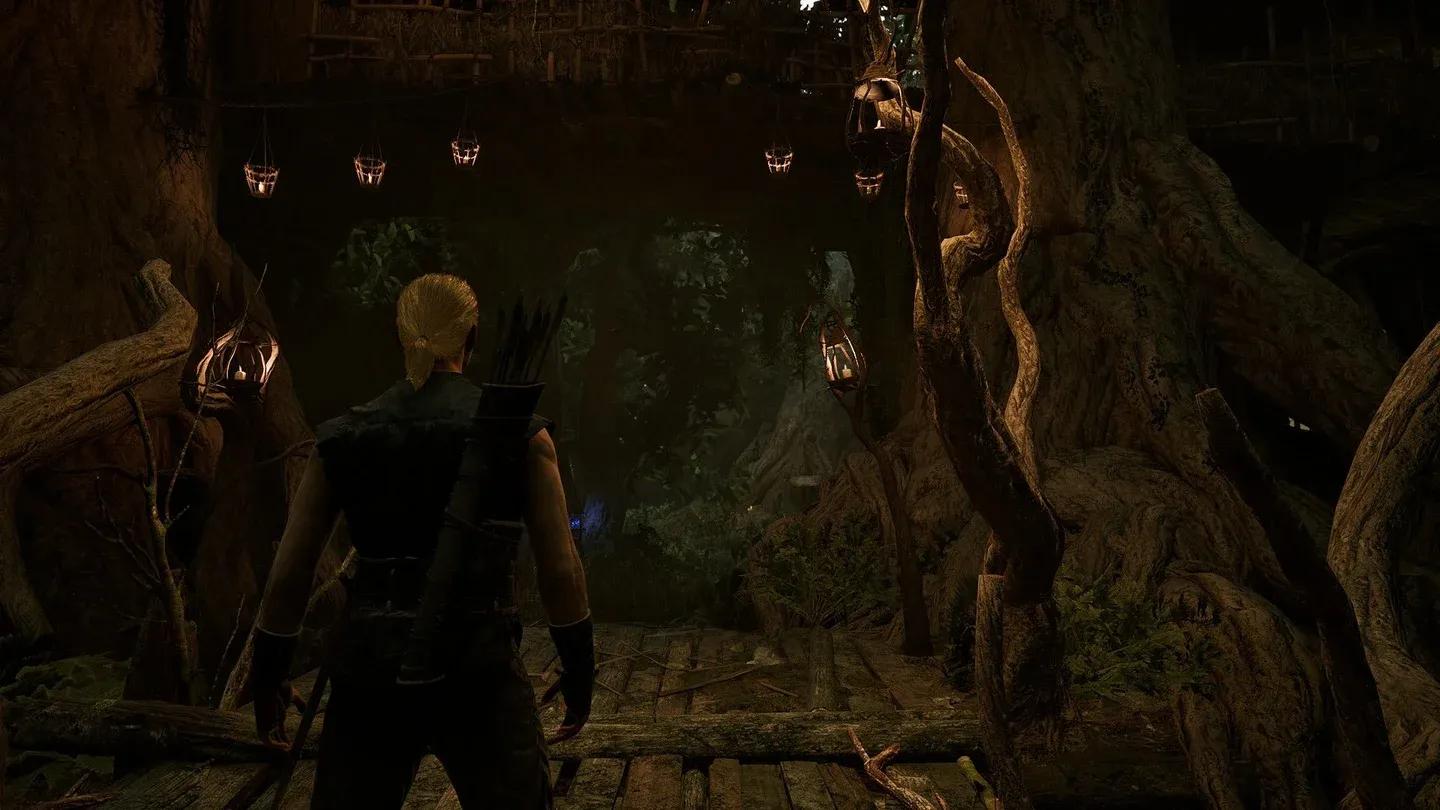
The Swamp Camp's eerie atmosphere
Should you play now or wait for patches?
Honest answer: it depends on your hardware and your tolerance for rough edges.
If you have an SSD and reasonably modern GPU (RTX 3070 class or better), the majority of launch issues won't block your enjoyment. The world is worth exploring, the faction system works, and the core RPG loop is intact. Play now.
If technical polish matters more to you than being first in, Patch 1.1 at the end of June is the sensible target. Critical crashes and PC optimisation are the priority for that update.
What changed from the 2001 original?
For series veterans, here's the honest comparison:
Preserved from Gothic 2001:
- World structure and camp placement
- Main storyline and key characters
- Trainer-based skill progression
- Faction relationship logic
- Non-linear progression within the faction framework
- The oppressive, dangerous atmosphere
New in the remake:
- Unreal Engine 5 replacing the proprietary 2001 engine
- Seamless open world with no loading screens
- World expanded by approximately 10 to 30 percent
- Reworked combat animations and block system
- Diving mechanic and more flexible traversal
- Expanded crafting covering alchemy, cooking, and scroll-making
- Additional questlines not present in the original
- Full day/night NPC schedules
Gothic 1 Remake is the same game you remember, rebuilt on a modern foundation with smart additions that don't compromise the original's identity. Whether that's exactly what you wanted depends on what you were hoping for.
For more on navigating the Valley of Mines, check out the full Gothic 1 Remake guides collection for faction walkthroughs, combat tips, and quest breakdowns. If you're exploring other RPG games with similarly demanding worlds, there's plenty more to dig into.