
Rockstar never added a simple "sell" button to Grand Theft Auto V's online mode, and that trips up a lot of players who are sitting on a property they no longer want. The good news: there is a way to offload properties and get money back. The bad news: it requires buying something new first, and you won't recover every dollar you spent. Here's exactly how the system works and how to squeeze the most value out of it.
Can you actually sell property in GTA Online?
Not directly, no. There's no listing option, no auction system, and no way to convert a property straight into cash. What GTA Online offers instead is a trade-in system: when you purchase a new property, the game gives you the option to hand over an existing one in exchange for a credit toward the new purchase.
The trade-in value you receive is 50% of the original purchase price of the property you're giving up. So if you originally paid $1,000,000 for a penthouse, its trade-in value is $500,000. If the new property you're buying costs $100,000, the remaining $400,000 gets deposited into your account. That's the closest thing GTA Online has to a sale.
Maze Bank for business trade-ins


How to trade in a property
The process runs through your in-game phone. Here's the full walkthrough:
- Open your phone by pressing the up button on the D-pad (console) or the relevant key on PC.
- Select the Internet app, then navigate to Money and Services.
- Choose the correct real estate website for the property type you want to trade:
- Dynasty 8 for apartments, houses, garages, and mansions
- Dynasty 8 Executive for CEO offices
- Maze Bank Foreclosures for businesses like bunkers and nightclubs
- Select View Property Listings and sort by price, low to high.
- Pick a property to purchase, then tap Buy followed by Purchase Property.
- A prompt will appear asking you to select a property to trade in. Choose the one you want to offload.
- Confirm the transaction. The difference in value either gets paid to you or deducted from your balance.
What happens to upgrades when you trade in?
This is where most players get caught off guard. When you trade in a property, upgrades do not carry over. Interior customizations, garage expansions, staff assignments, and decor choices tied to that property are lost. You'd need to repurchase them on the new property.
For business properties specifically, trading in can also reset your business progress and stock. If you've been building up a bunker or nightclub supply, trading it in before clearing that stock means losing it entirely.
Which website handles which property type?
| Property Type | Website to Use |
|---|---|
| Apartments, houses, garages | Dynasty 8 |
| CEO offices | Dynasty 8 Executive |
| Bunkers, nightclubs, MC businesses | Maze Bank Foreclosures |
Using the wrong site won't show you the right trade-in options, so matching property type to website matters.
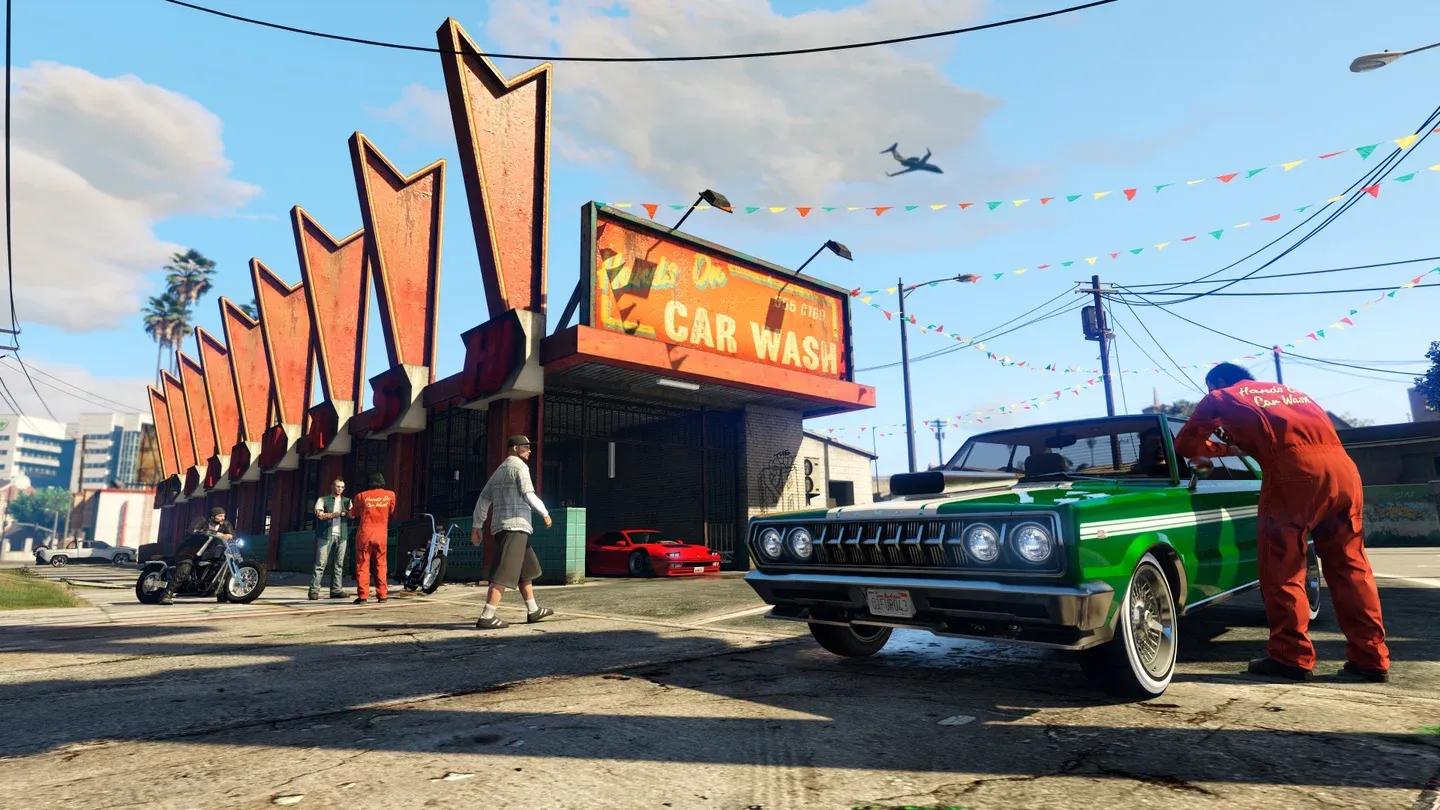
Trade-in confirmation prompt
How much money will you actually get back?
Here's a quick reference based on the 50% trade-in rule:
| Original Property Price | Trade-In Value (50%) | Example New Property | Cash Received |
|---|---|---|---|
| $25,000 | $12,500 | $25,000 | $0 |
| $200,000 | $100,000 | $25,000 | $75,000 |
| $500,000 | $250,000 | $25,000 | $225,000 |
| $1,000,000 | $500,000 | $25,000 | $475,000 |
| $1,500,000 | $750,000 | $25,000 | $725,000 |
The math is straightforward: take half the original price of your property, subtract the cost of the new property you're buying, and whatever's left goes to your account.
What's the best strategy for maximizing your trade-in value?
A few things worth keeping in mind before you commit:
- Sell business stock first. Any product in a bunker, nightclub, or MC business disappears when you trade it in. Run a sale mission before touching the trade-in.
- Pick the cheapest available property as your "new" purchase. Unit 124 Popular Street at $25,000 minimizes what you're spending and maximizes what comes back to you.
- Don't trade in a property you still actively use. Sounds obvious, but players regularly trade in a garage they're storing a valuable modded car in. Check what's inside first.
- Upgrades are gone. If you spent heavily on a property's interior or business equipment, factor that sunk cost into whether the trade-in is actually worth it right now.
For more strategies on managing your GTA Online assets and progression, the Grand Theft Auto V guides collection covers everything from business setups to money-making methods.
GTA Online's property system has more in common with rpg games than a real estate simulator: your assets are tools for progression, not investments you can freely liquidate. The trade-in system reflects that. It's not generous, but it works, and knowing how to use it properly means you're never completely locked into a bad property purchase.